
BCF Storage Boxes for VW Collectors and Coastal Decor

You've just come home from a sunny Volksfest weekend with a beautiful 1:18 Kombi Samba Bus diecast tucked under your arm. The model is safe for the moment, but the shelf is already crowded, the cardboard packaging is vulnerable to dust, and the old plastic tubs in the garage are hardly worthy of a little piece of Volkswagen history.

That's where BCF storage boxes become more than a practical purchase. Chosen carefully, they can protect delicate diecast models, organise a growing collection and sit comfortably among white shelving, timber accents and relaxed coastal décor. For Australian collectors, the trick is matching the box to the model, the room and the way you enjoy your Volkswagens.

Why Your VW Collection Deserves Better Storage

A collector named Mark might recognise the scene. His Beetles sit in their original boxes beneath a workbench, while a pair of Kombis share a container with old camping gear. After a humid spell, dust has found its way into the corners, one cardboard sleeve has softened and a tiny aerial has bent where another model shifted during a clean-up.

Nothing dramatic happened. That's the problem. Diecast damage often begins with ordinary handling, sunlight, dust and movement, not one spectacular accident. A model can lose its crisp presentation long before its owner realises the storage arrangement has become the weak point.

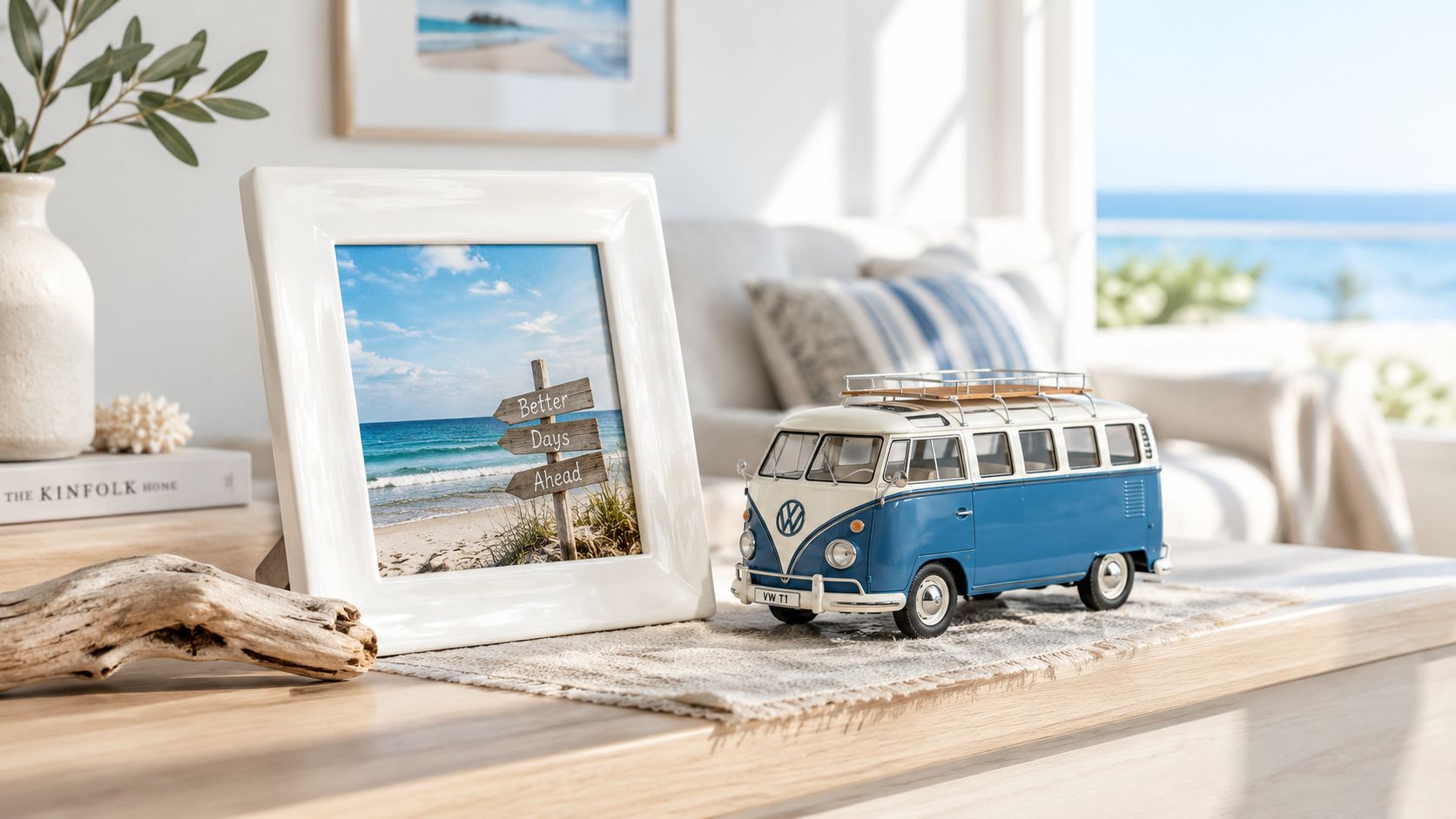
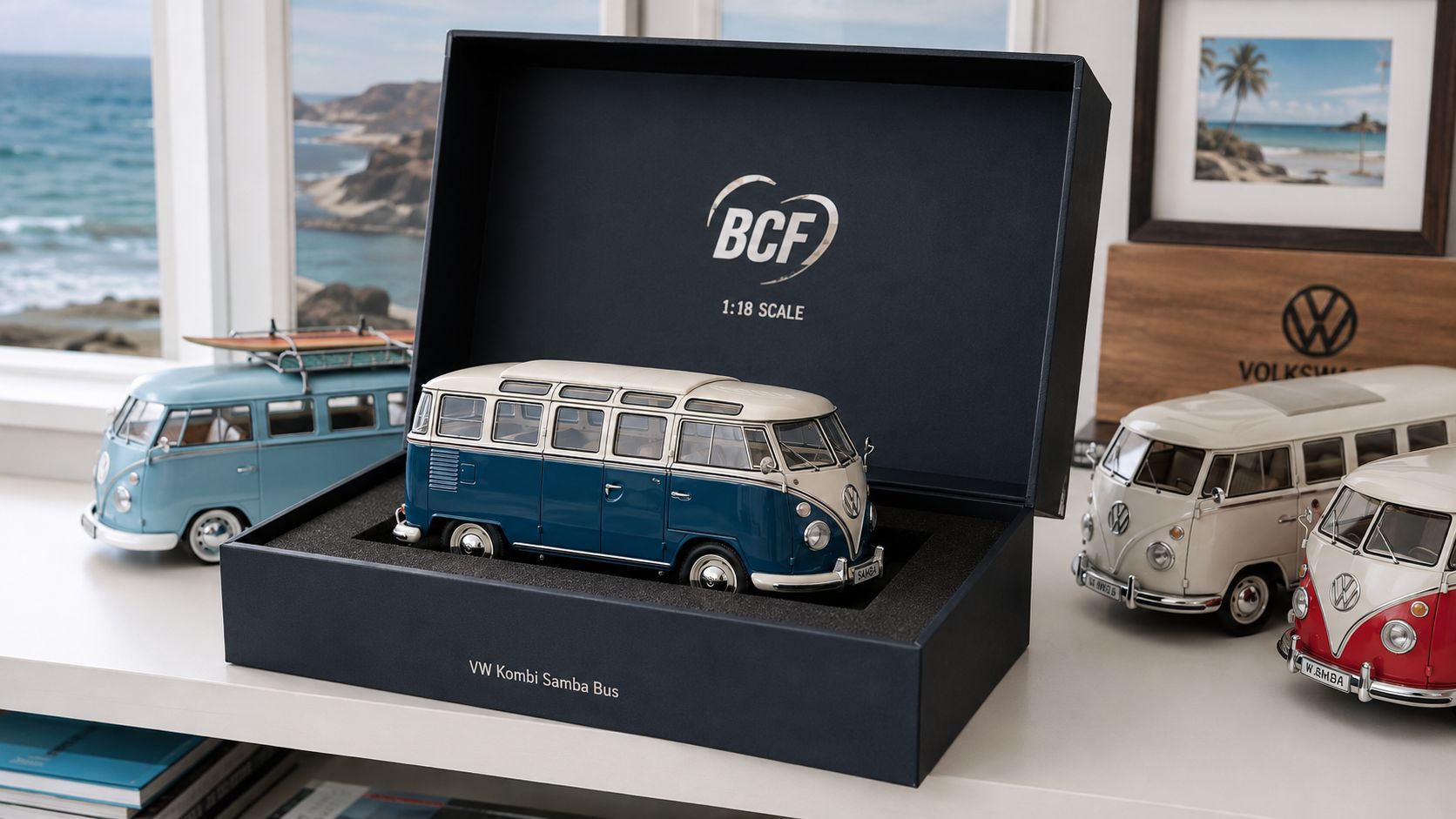
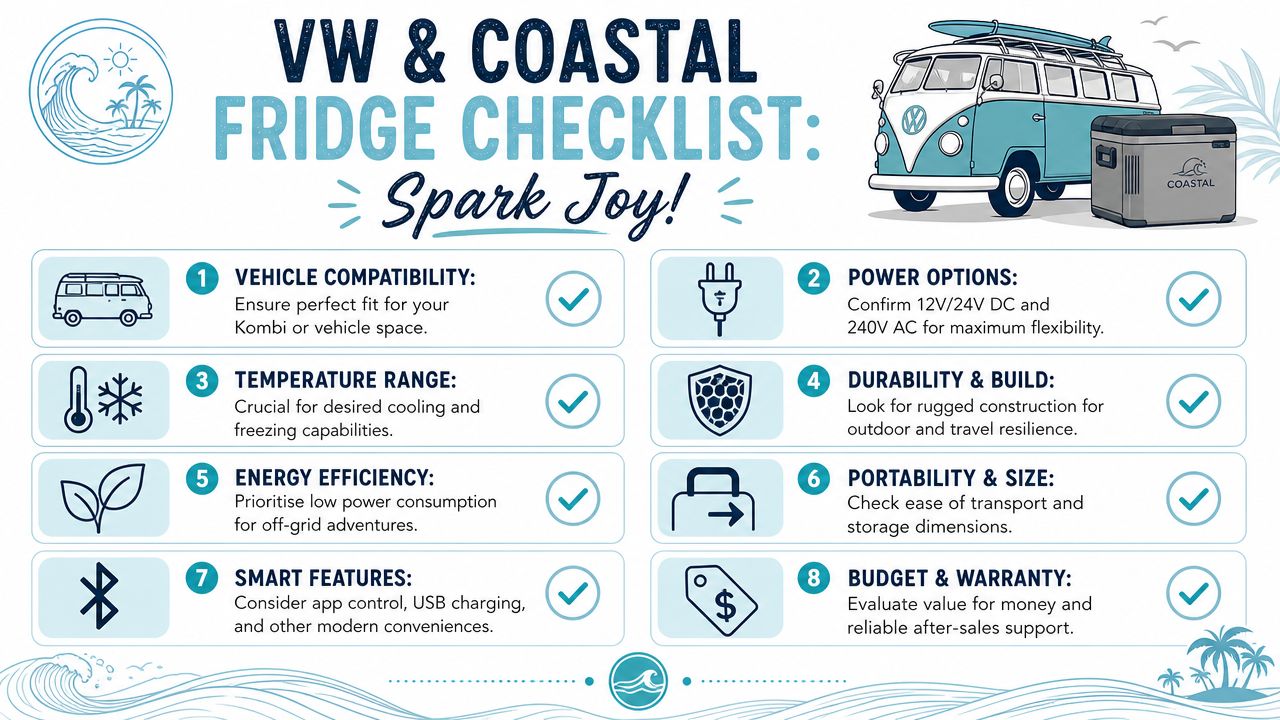
A premium blue and white Volkswagen Kombi Samba Bus model displayed in a BCF branded collector's box.

Storage should respect the story

The Beetle's Australian story gives collectors plenty to care about. Volkswagen says German migrant Karl Regel and his family brought a right-hand-drive Beetle to Sydney, making it one of the first Volkswagens registered in New South Wales. The Beetle was later manufactured at Clayton, with full local manufacture ending after 6 years, as recorded in Volkswagen's Australian Beetle history.

A model connected to that heritage deserves better than a box that collapses when another container sits on top. The same applies to the Kombi, which began in March 1950 as the Type 2. Club VW records that Volkswagen sold 4.5 million Kombis worldwide since 1950, while the Microbus launched in 1954 accounted for more than 1 million of those sales, according to its Kombi history feature.

Practical rule: Store the model as though you'll want to show it to a fellow enthusiast tomorrow, not merely find it again one day.

A well-sized BCF box gives each Volkswagen a defined home. It prevents loose items from rubbing against mirrors and bumpers, keeps the original packaging together and makes transport to a show less nerve-racking. It can also turn an untidy pile into a display system that feels deliberate, especially when the box's colour and finish suit the room.

Choosing the Right Size and Material for Your Models

Start with the model, not the box label. Measure the diecast from bumper to bumper, allow room for mirrors and other protruding details, then add clearance for a soft insert or divider. A lid that presses against a roof, aerial or surfboard accessory defeats the purpose of protective storage.

Collectors commonly use 1:18 and 1:24 scales for larger display models. A scale guide defines 1:18 as one-eighteenth of the vehicle and 1:24 as one-twenty-fourth, with typical finished lengths of about 23–30 cm for 1:18 and 16–20 cm for 1:24. Those measurements are outlined in this diecast car scale guide.

Match the internal space to the collection

Use the table as a starting point, then check the actual model because mirrors, opening doors and display plinths vary.

Diecast Scale Model Length Recommended Box Size Models Per Box
1:18 Beetle or Kombi About 23–30 cm A deep, rigid box with generous side clearance One model
1:24 Beetle or Kombi About 16–20 cm A compact lidded box with a soft divider One or two models, separated
Mixed 1:18 and 1:24 collection Varies Modular boxes in separate size groups Keep scales separate
Small accessories and miniatures Shorter than larger display models Shallow divided organiser Several, each in its own compartment

Polypropylene-style plastic suits collectors who want a light, washable and practical container for regular handling. Look for walls that don't flex easily and lids that remain aligned after repeated opening. A reinforced box is preferable for heavier models or boxes that will be stacked.

Material choice matters more in Australian conditions than many buyers expect. A container near a bright window, in a warm garage or beside a coastal doorway faces more environmental stress than one kept in a shaded study. Choose opaque or UV-conscious materials where possible, and avoid placing any box in direct sun because the plastic feels sturdy.

For mixed collections, modular sizing beats one oversized tub. A snug box reduces shifting, while separate compartments stop a detailed Samba Bus from sharing space with loose metal signs, tools or unrelated ornaments.

Protective Features That Preserve Collectible Value

A 1962 Kombi Classical Bus with opening doors and pull-back action has moving parts that need space. A basic dust cover may keep grit away, but it won't stop the model sliding into a wall or another car during transport.

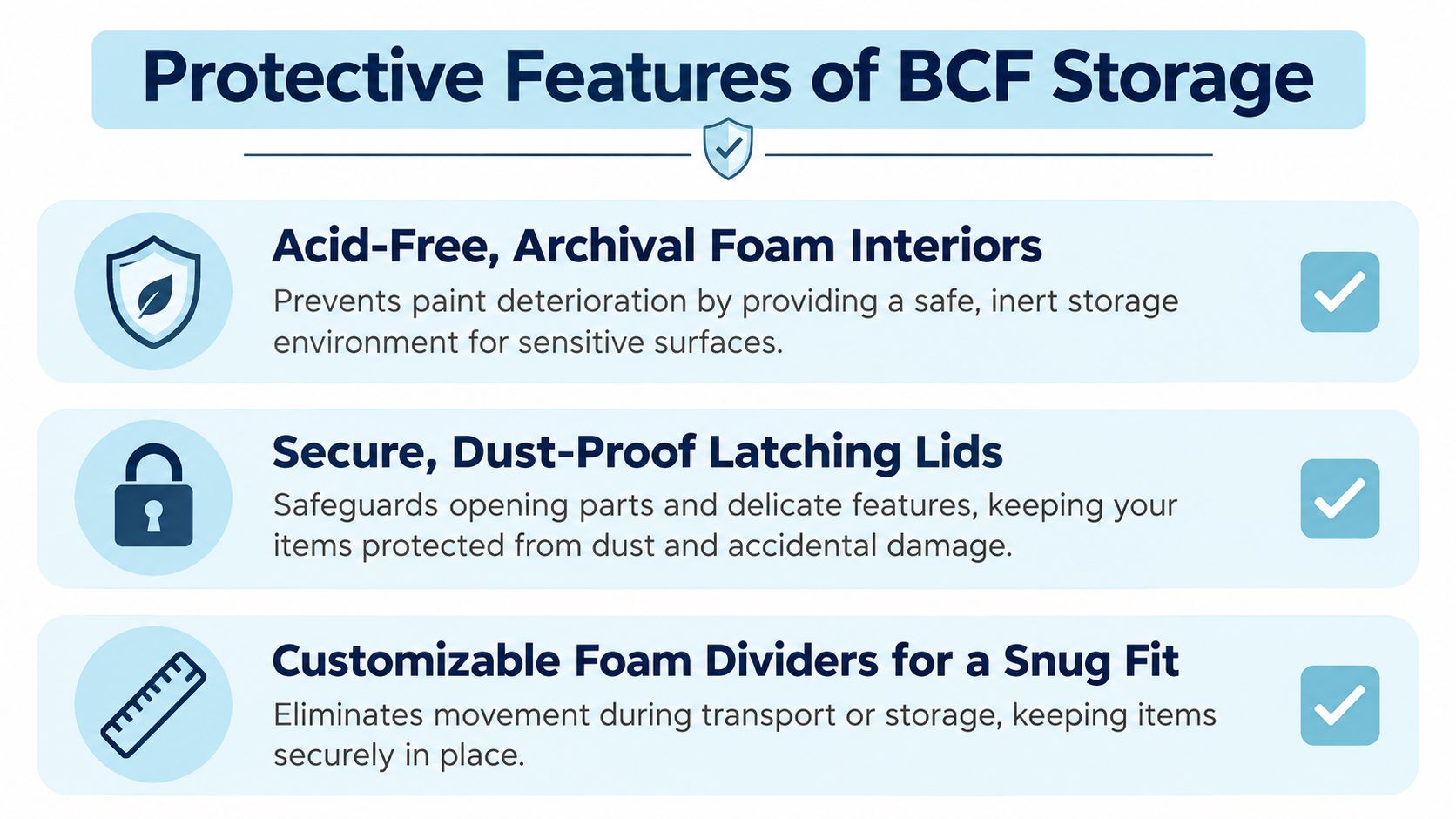
The most useful protective features work together. Foam interiors cushion, dividers prevent contact, and latching lids keep the environment closed. None replaces sensible placement, but each reduces a different risk.

An infographic highlighting the three protective features of BCF storage boxes, including foam interiors, latching lids, and dividers.

Prioritise fit, closure and stability

Acid-free or archival foam is a smart choice for long-term contact with painted surfaces and packaging. It should hold the model gently rather than grip it tightly. If you can hear the diecast moving when you tilt the box, add a divider or reshape the insert.

A secure latch matters during a trip to a display day. Loose lids can lift in the boot, while strong closures help keep dust and accidental knocks away from fragile features. Stackable construction also matters, but only when the lid and base transfer weight around the model rather than through it.

Ventilation requires judgement. A fully sealed container can trap moisture if a model is packed away damp, while a loosely covered box invites dust. Let models and inserts dry before closing them, and store the box in a stable indoor position rather than an overheated shed.

For a more presentation-led approach, compare a box with a dedicated display case for models. The right choice depends on whether the model is travelling, being archived or staying on show.

A useful priority order looks like this:

  1. Correct internal dimensions, because pressure and movement cause avoidable damage.
  2. A clean, stable insert, especially around mirrors, aerials and opening panels.
  3. A dependable latch, so the lid stays closed during handling.
  4. Stacking strength, if you plan to build a vertical collection.
  5. Clear viewing panels, when you want to identify models without opening every box.

Storage That Doubles as Coastal Home Decor

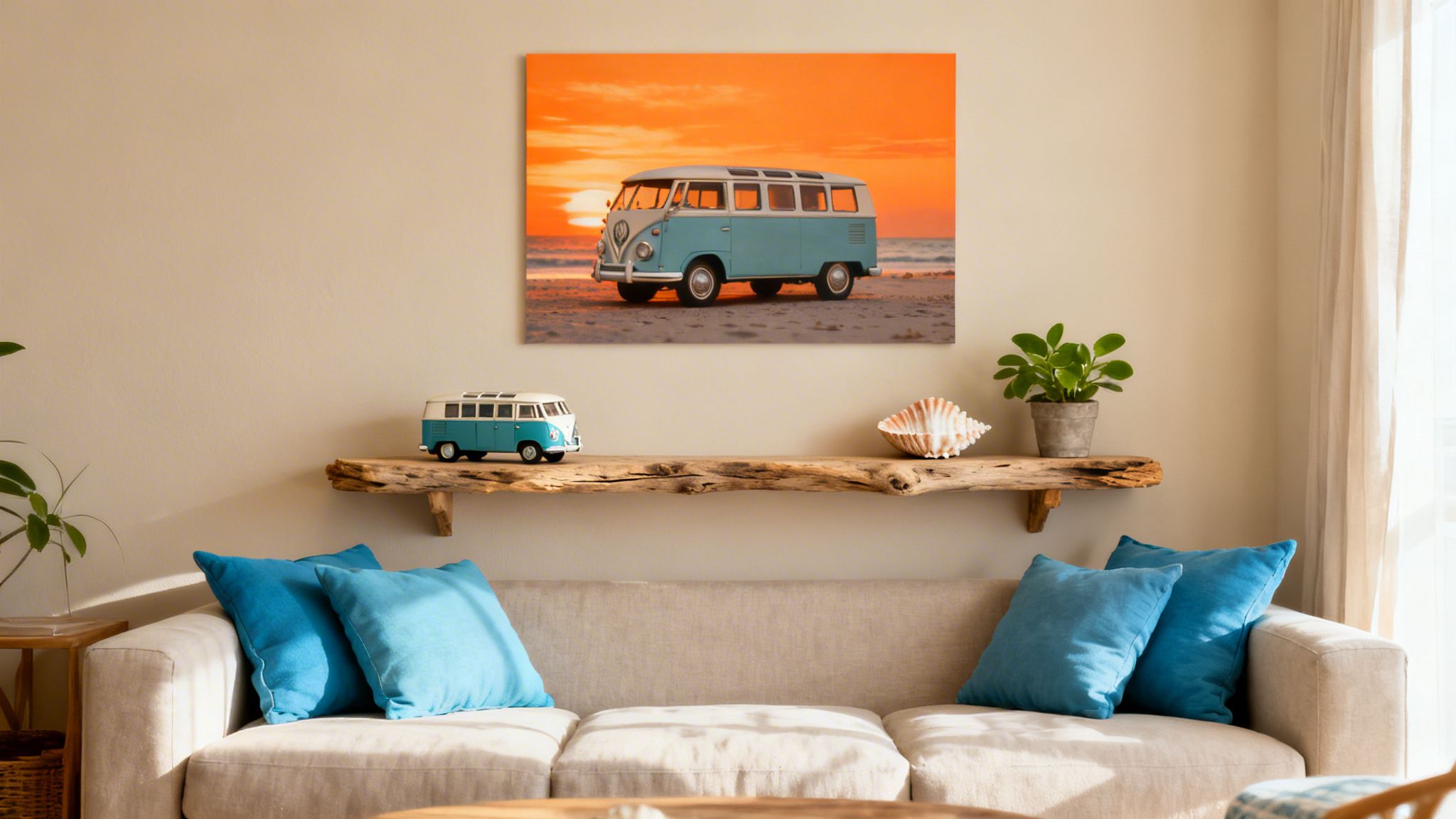
The best storage doesn't always disappear into a cupboard. In a coastal home, a crisp box on open shelving can sit beside pale timber, woven textures, shell accents and a favourite Volkswagen print without looking like garage equipment.

White and soft blue finishes complement a nautical palette, while natural-looking timber tones suit a more relaxed surf shed feel. The secret is repetition. Use similar box colours, align the fronts and leave enough breathing room for each model to read as part of the display.

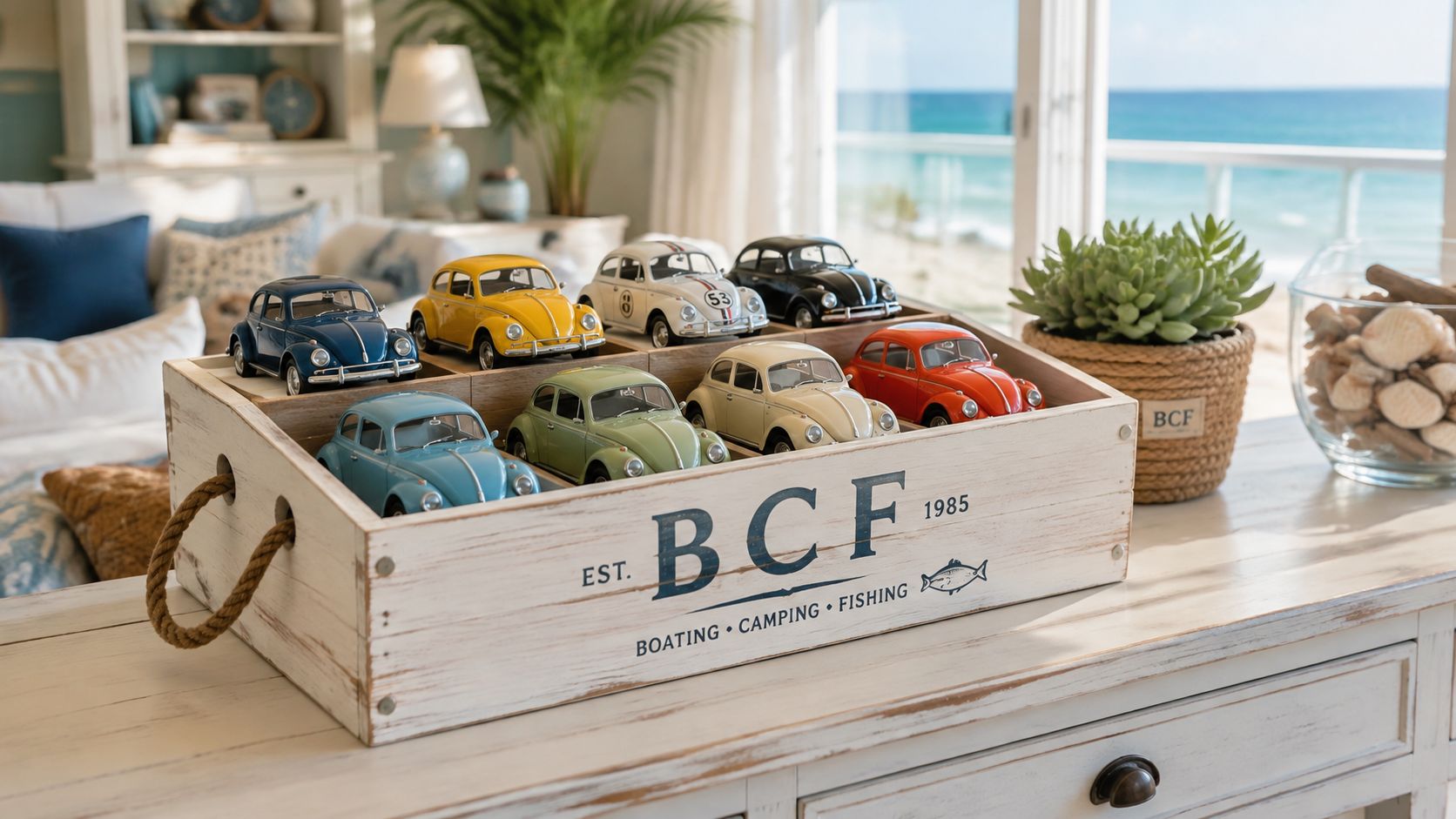
A rustic wooden storage crate containing seven colorful vintage miniature Volkswagen Beetle model cars on a table.

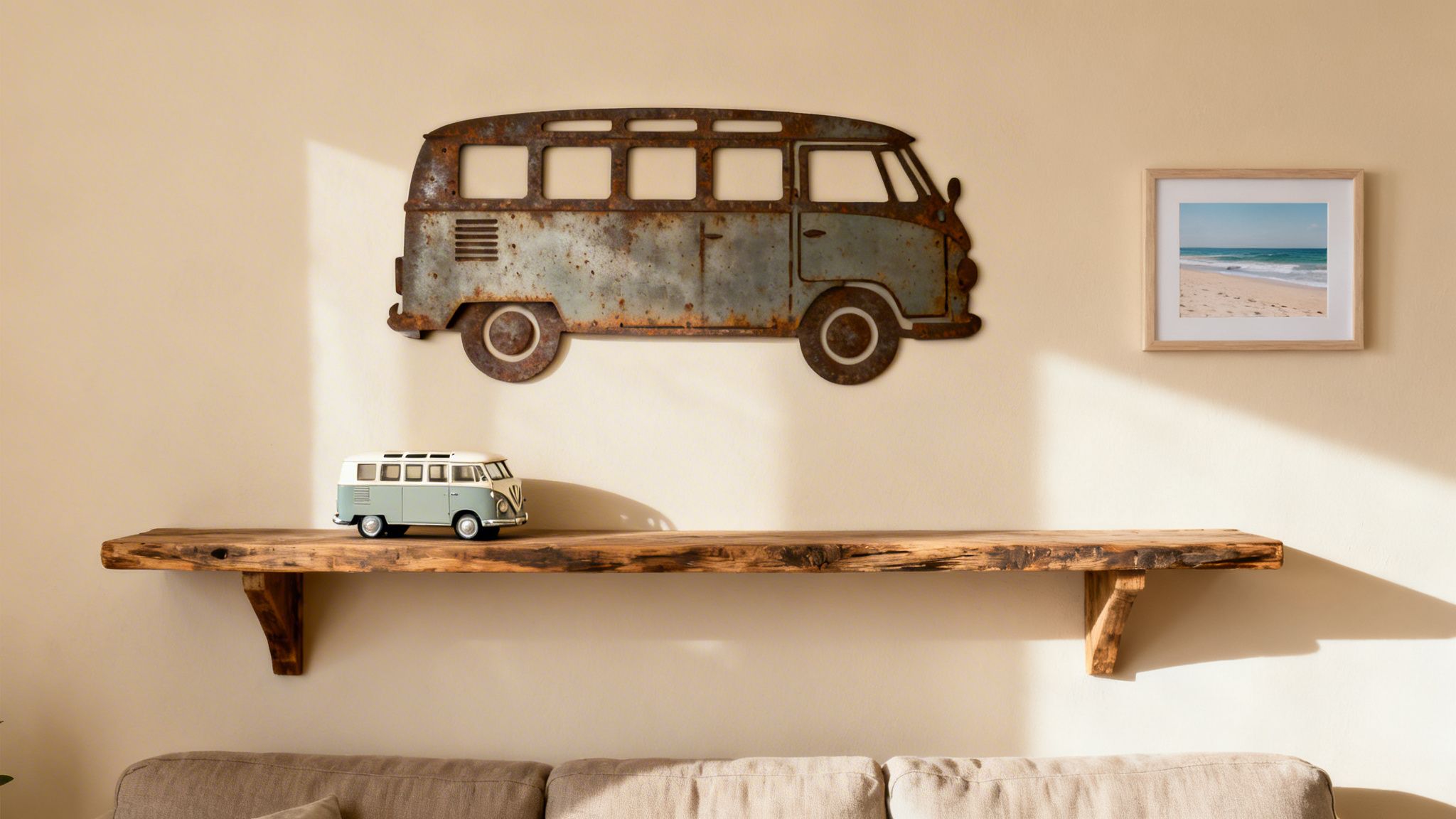
A mixed group of Flower Power Beetles can bring colour to an otherwise quiet shelf. A blue-and-white Samba Bus can anchor a vignette beside a miniature surfboard, framed beach photograph or metal Volkswagen sign. The box becomes part of the styling rather than a visual interruption.

Build a display you can change

Keep the most frequently admired models at eye level. Use closed boxes for seasonal pieces, duplicate models and packaging you want to preserve, then rotate a few favourites into the open display. That approach gives the collection movement without exposing everything at once.

For more ideas on combining practical organisation with relaxed Australian interiors, browse these coastal home décor ideas.

The same arrangement can work for a small retailer. Mixed packs of Beetles and Kombis can sit in a tidy crate near a counter, where the packaging protects stock and the colour adds a little beach-town character.

Here's a short visual reference for styling a compact collection:

Budget Versus Premium Options for Every Collector

A new collector doesn't need museum-style storage on day one. A durable, lidded plastic box with a suitable insert can protect a small group of models and make a thoughtful gift for someone beginning a Volkswagen collection.

A serious enthusiast may value different features. Premium cases can offer more refined lining, stronger closures, custom compartments and a finish suited to a study or living room. They cost more, but they also make sense when the case itself forms part of the presentation.

Spend where the risk is highest

Save on boxes for sturdy, frequently handled models that don't have fragile accessories. Spend more on limited pieces, opening-feature models, signed packaging or anything you intend to transport regularly.

Collector profile Sensible starting point Upgrade when
New enthusiast Simple lidded box with dividers Models begin sharing compartments
Gift buyer Neat, durable case with easy viewing The recipient starts collecting a scale
Established collector Modular boxes grouped by scale Stacking and inventory become difficult
Display-focused enthusiast Finished case that suits the room Storage starts competing with décor

The cheapest container isn't always the best value if it lets models rub together or forces you to replace inserts. Conversely, a premium case may be unnecessary for a spare model kept safely on a shaded shelf. Choose based on model sensitivity, handling frequency and visibility, not status.

Maintenance and Labelling for Long-Term Organisation

A storage system stays useful when the owner can clean it, identify it and put everything back correctly. Start with a soft, dry cloth for dust. If the box needs more attention, use a slightly damp cloth and dry the surfaces fully before returning the model.

Avoid harsh solvents, abrasive pads and wet foam. They can mark plastic, weaken printed packaging or leave residue near painted surfaces. Keep boxes away from direct Australian sunlight, and inspect them after hot weather for warping, brittleness, loose hinges or latches that no longer close evenly.

Give every box an identity

Place the label where you can read it without moving the container. A useful label might include:

  • Model: Beetle, Kombi or Samba Bus
  • Scale: 1:18 or 1:24
  • Colour or edition: Include Flower Power or surf styling where relevant
  • Condition: Sealed, displayed or handled
  • Location: Shelf, cabinet or storage room

For a larger collection, keep a simple digital inventory with purchase details, photographs and notes about original packaging. Don't write directly on a presentation box. Use removable labels or an archival-friendly sleeve instead.

Collectors looking after older pieces can also consult this guide to collectible care and vintage home accessories. A quick inspection during each seasonal rotation helps you catch dust, moisture or loose parts before they become expensive problems.

When Traditional Storage Boxes Aren't the Best Choice

A box protects a model, but it can also hide the reason you bought it. A favourite Beetle or Samba Bus that you admire every morning may deserve a glass cabinet, open display case or custom shelf instead.

Choose protected storage for duplicates, delicate models, original packaging and pieces that travel to shows. Choose open display for sturdy favourites that bring daily joy, provided the shelf stays shaded and dust is managed.

The best collection uses both. Keep the archive secure, display the cars with the strongest stories and rotate them when the room or season changes. Your Volkswagens shouldn't vanish into a garage forever.


If you're ready to pair thoughtful storage with officially licensed VW memorabilia collectibles, visit Volkswagen Memorabilia to explore Kombi Samba Bus diecast, Volkswagen Beetle models and coastal-inspired pieces for your home. Browse the range, choose the models that belong in your collection and give each one a display or storage place worthy of its story.

Unique Beach Themed Gifts: Coastal & Surf Styles

You're standing in the driveway with the Kombi idling, the late sun bouncing off the chrome, and someone's asking what to bring to the weekend barbecue in Noosa. A towel feels ordinary. A candle gets forgotten. But a beach themed gift that carries the same easygoing charm as a classic VW, that's the sort of present people keep on the shelf, in the lounge, or in the cab corner of the van and smile at every time they pass it.

That's why the best coastal gifts aren't just “beachy”. They feel like a memory from a road trip, a day parked near the dunes, or a summer run down the coast with the windows cracked and the radio low. For VW lovers, the sweet spot is simple, a gift that can live happily beside a Volkswagen Beetle model, a Kombi Samba Bus diecast, or a bit of sun-washed décor and still feel right at home.

Capturing the Endless Summer Feeling

A mate once told me the hardest part of buying for a beach-loving VW fan isn't the budget, it's the feeling. He didn't want another throwaway trinket. He wanted something that brought back childhood holidays, surfboard wax in the back of the van, and those long, lazy afternoons when the Kombi became the family base camp.

A hand holds a miniature vintage Volkswagen camper van against a full-sized van on a beach road.

That's the magic with beach themed gifts, the best ones bottle up a scene. A diecast Kombi on a desk does it instantly, because it carries the same road-trip spirit as the full-size van parked by the esky. A shell-inspired accent or a nautical print does something similar, it shifts a room from plain to personal without trying too hard.

Practical rule: if a gift makes someone tell a story the moment they unwrap it, you've probably picked well.

A good coastal gift also holds its own in the house, not just in the car or the caravan. A piece with a weathered finish, a familiar VW shape, or a bit of seaside character can sit beside family photos and still feel like it belongs. For the right person, that is what turns a simple present into a keepsake, something they'll place on a shelf and point to years later while talking about the trip that first brought it home.

More Than Just Sand and Shells

There's a big difference between a souvenir and a keepsake. A souvenir says, “I was there.” A keepsake says, “This mattered.” That's the line beach lovers and VW people both understand, because both worlds are built on memory, movement, and a bit of personality.

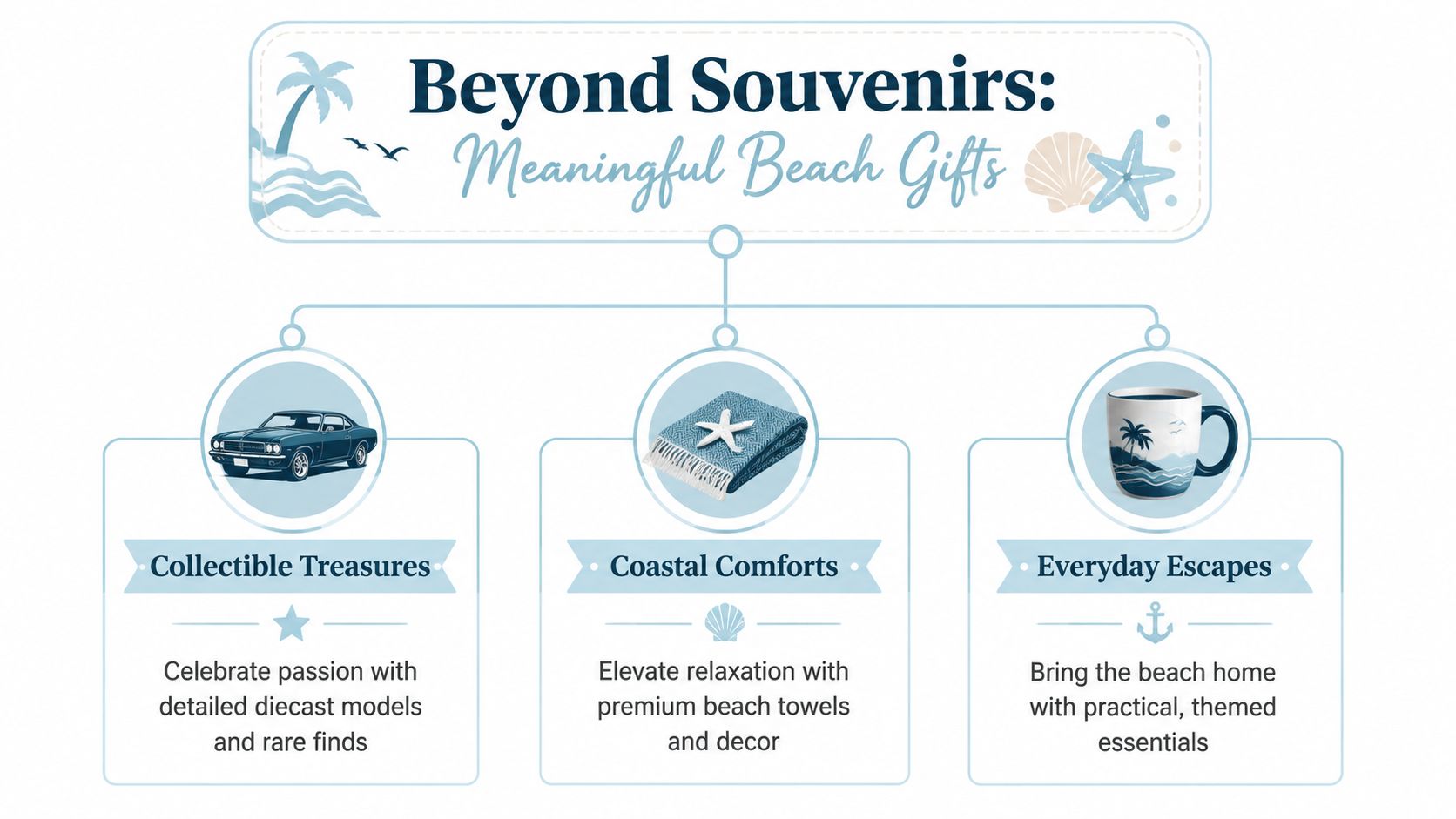
An infographic titled Beyond Souvenirs presenting gift categories: collectible treasures, coastal comforts, and everyday escapes for beach lovers.

What makes the gift feel personal

For a lot of Australian shoppers, the sweet spot is something that feels local and specific rather than generic. Independent gift guides show strong demand for beach gifts and coastal décor, but they don't always help with housewarming presents, caravan trips, or gifts that belong in a home rather than a beach bag (Bella Coastal Decor). That's where collectible pieces and styled décor start to make sense.

A licensed diecast VW lands as a collectible treasure because it gives the recipient a tiny, well-made version of something they already love. Coastal home accents do the same job in a different way, they turn a mantel, shelf, or entry table into a little seaside scene. The point isn't to buy more stuff, it's to choose something with staying power.

Why coastal décor belongs in the same conversation

Australia's 25,760 km of coastline explains a lot about our décor habits, because nautical styling keeps showing up in gifts and interiors, from wall art to photo frames and decorative accents (About Darwin). That's not a trend in the flimsy sense, it's a recurring visual language that feels familiar to a lot of homes.

A good beach gift should look at home beside a Kombi on the shelf, not fight for attention with it.

For a practical touch, shell and wind chime pieces can work beautifully when you want something relaxed, coastal, and a little nostalgic. If you're leaning into that soft seaside look, start with a curated piece like this shell wind chime and let the rest of the room follow its lead.

Gift Ideas for Every Beach and VW Lover

A good gift gets easier when you stop thinking about categories and start thinking about people. The diecast collector, the coastal home stylist, and the weekend wanderer all want something different, even if they'll all smile at a Kombi badge or a beachy colour palette.

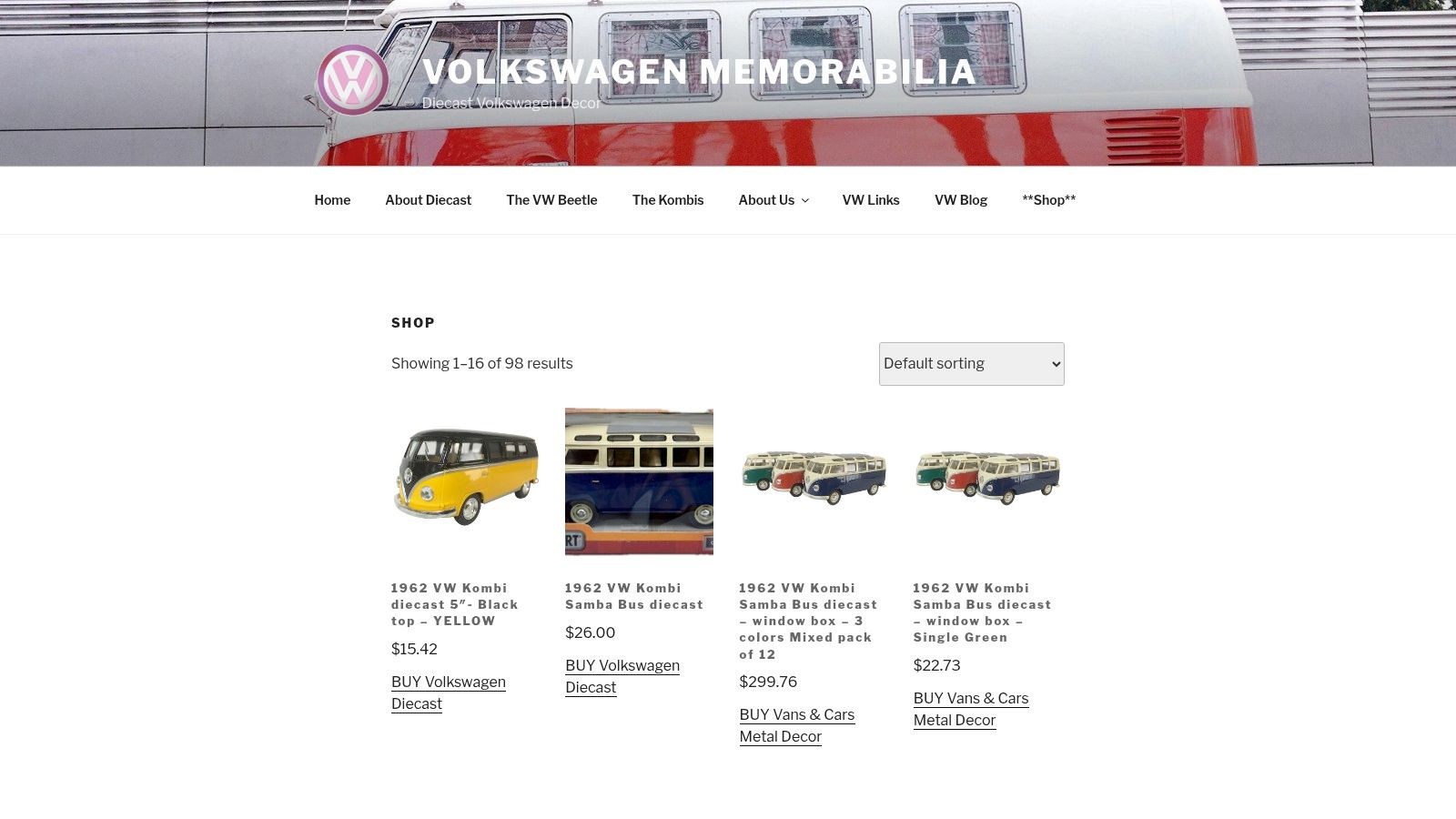
Screenshot from https://vwmemorabilia.com.au/shop/

The diecast collector

This is the person who notices panel lines, mirror placement, and whether the paint finish feels true to the original. A Kombi Samba Bus diecast or a Volkswagen Beetle model makes sense here because the joy is in the detail, the silhouette, and the authenticity of the miniature.

Scale matters too. A larger model like 1:18 gives more presence on a desk or display cabinet, while 1:24 usually hits a nice balance between detail and space. Smaller formats suit mixed collections, especially if the recipient already has a few models lined up together.

The coastal home stylist

This buyer wants pieces that feel relaxed, light, and easy to place in the home. Think nautical photo frames, wall art, or a decorative accent that works with timber, white, blue, and sand-toned rooms. In Australian homes, those pieces often end up on a console near the entry or on a shelf in the living room.

The draw here is less about “beach kit” and more about atmosphere. A coastal ornament or a styled accent can soften a room the same way a Kombi softens a car park, it changes the feel without shouting.

The weekend wanderer

This is the friend who's always planning the next escape. They're the ones who love practical gifts with character, something that belongs in the van, the caravan, or the holiday house. A surfy VW model, a playful magnet, or a small display piece can all work because they're easy to enjoy without needing much space.

A lot of beach gifts fail because they look good for one day and then vanish into a drawer. The better ones earn a permanent spot on a shelf, which is exactly what a collector or nostalgic traveller wants.

Good gift test: if it would still make sense in a beach house, a study, and a garage, it's probably a strong pick.

For a broader browse of themed ideas, the gifts for the beach collection is a handy place to start when you're matching personality to present.

For a quick visual guide, the right item usually falls into one of these lanes:

  • Collector lane: licensed model, true-to-era styling, display value.
  • Decorator lane: coastal colours, easy styling, shelf-friendly proportions.
  • Travel lane: compact, personal, and tied to road trip memory.

The best part is that these choices don't compete with each other. A diecast Kombi can sit beside a framed print or a shell-inspired accent and still feel cohesive, especially in a home that already leans into relaxed Aussie coastal style.

Choosing the Right Piece of Paradise

A thoughtful gift starts with fit, not just flair. The first question is whether the recipient wants something to display, use, or collect, because that decides everything from size to material to finish. A display piece can lean decorative, but a collectible needs authenticity and a sense of proportion that feels true to the original vehicle.

Diecast details that matter

For VW collectors, officially licensed models carry real weight because they signal fidelity, not guesswork. That matters when the gift is meant to celebrate a specific Kombi or Beetle rather than just nod at the shape of one. The closer the model stays to the actual vehicle, the more satisfying it feels to the person receiving it.

Scale is the other decision point. 1:18 models command attention and suit a feature shelf. 1:24 models are easier to work into an existing display without taking over the room. If the recipient already collects, matching scale to the rest of the shelf usually matters more than chasing the biggest box.

Beach décor and practicality

For coastal décor, material and finish matter just as much. A pale timber accent, a metal wall piece, or a framed print needs to sit comfortably with the home's palette, not clash with it. The safest route is to think in textures, timber, linen, metal, glass, and matte finishes tend to sit well in beach-style spaces.

Australian conditions add another layer. Many parts of the country regularly experience very high to extreme UV levels, so gifts that live near windows or spend time outdoors should be chosen with that in mind (GiftLab). That makes durability and placement worth thinking through before you buy.

Selection rule: if it's for a bright room, a beach house, or a sunlit display cabinet, choose a finish that still looks good after the afternoon light shifts.

A useful way to decide is simple.

  • Choose licensed diecast when the gift is for a collector or VW devotee.
  • Choose coastal décor when the recipient wants the beach feeling in the home.
  • Choose compact display pieces when space is tight but sentiment still matters.

The right piece feels deliberate. That's what separates a present from a placeholder.

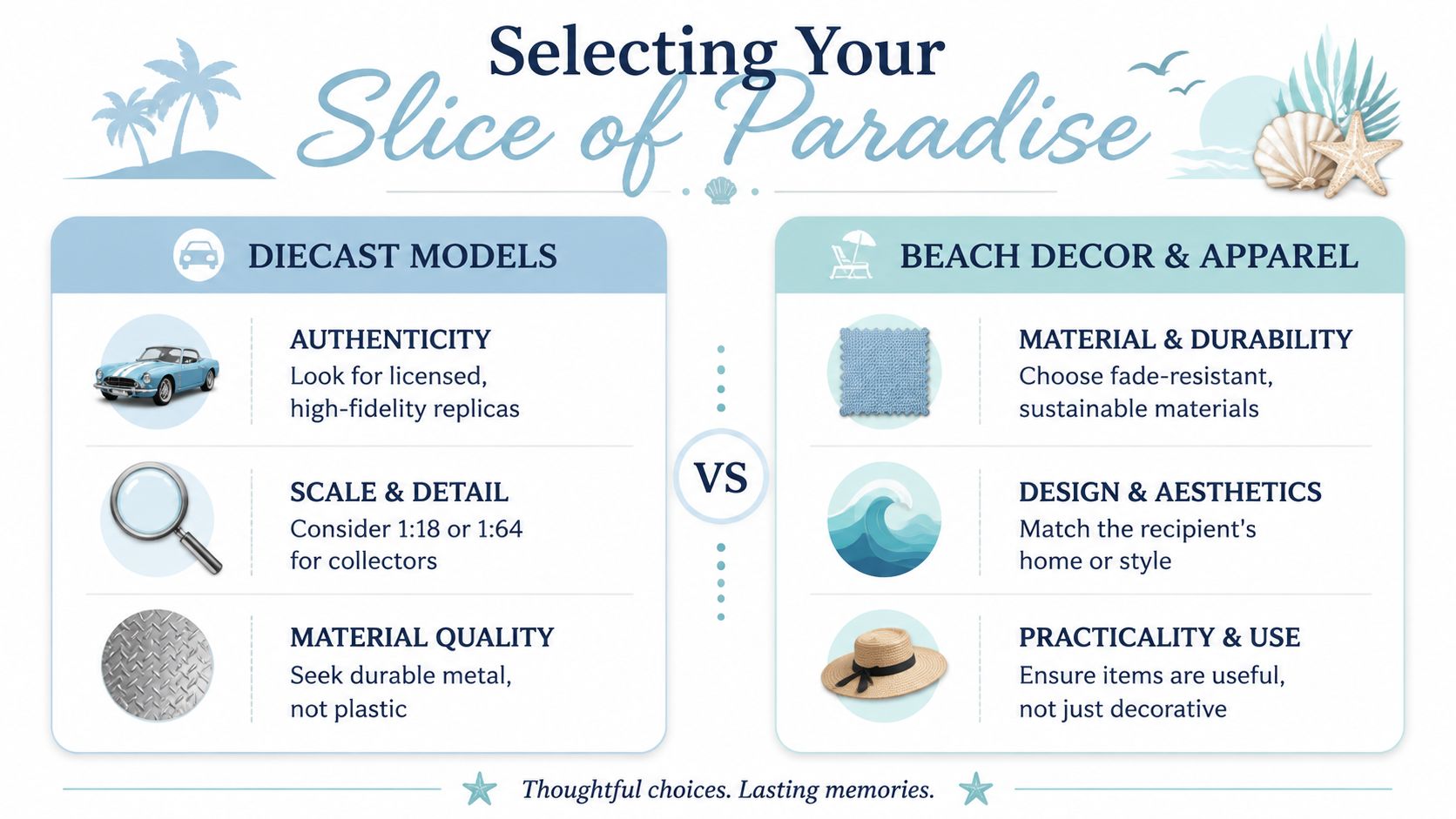
An infographic comparing selection tips for diecast car models versus beach-themed home decor and apparel gifts.

Styling Your Coastal and VW Treasures

A gift really lands when it finds its place in the home. A Kombi model on its own is lovely. A Kombi model on a timber shelf with a framed surf photo and a small coastal accent turns into a story corner.

Start with one focal point. A road trip shelf works well for VW memorabilia, especially if the recipient already has a few models or keeps small travel keepsakes. Put the diecast in front, then build around it with a framed print, a map, or a small decorative piece that echoes the colour of the vehicle.

Make the room do the work

In a living room, coastal décor works best when it's grouped rather than scattered. A shell piece, a photo frame, and a neutral-toned accent will usually feel more considered than three unrelated items placed across the room. The goal is a calm, beach-house feel, not a souvenir shop.

For a study or home office, a single Beetle model can do more than a full shelf of clutter. It gives the space personality without crowding the desk, which is ideal for anyone who wants a nod to their VW side without turning the room into a garage display.

A few practical display ideas help:

  • Use height changes: place the model on a book or plinth so it sits above flat décor.
  • Repeat one colour: echo the Kombi's colour in a frame, cushion, or art print.
  • Leave breathing room: a small group looks more deliberate than a crowded shelf.
  • Keep direct sun in mind: bright light can be lovely, but it's not kind to every finish.

The beauty of this style is that it grows naturally. One gift becomes the start of a corner, then a shelf, then a whole room that feels like summer and road trips at once.

Your Go-To Aussie Shop for VW Memorabilia

A Kombi model on a shelf, a weathered map from a family trip, or a piece of beach-inspired home décor can carry the same feeling. It brings back the sort of day you still talk about later, the one where the windows were down, the esky was packed, and the coast kept appearing around the next bend. That is why the best beach themed gifts often end up being the ones with a story attached.

I have seen that at car shows and in living rooms alike. A collector sets a VW diecast beside a framed coastal print, and the whole corner starts to feel lived in, not staged. A decorator places a small Kombi next to timber, linen, and a pale blue accent, and the room suddenly feels like a holiday house that has been loved for years.

If you want a gift that feels local and personal, Volkswagen Memorabilia is a strong place to begin. The range suits the person who loves a clean display as much as the one who wants a reminder of summer drives, surf stops, and old-school motoring charm. You can browse beach-inspired home décor alongside VW diecast and other pieces that sit naturally in a collector's room or a coastal home.

A good gift does not need to shout. It just needs to land in the right hands, on the right shelf, in a room where the owner will spot it each morning and think of a Kombi by the water, a packed road trip, or a favourite stretch of coast. That is the kind of piece worth choosing from Volkswagen Memorabilia, especially if you want something that feels at home with Kombi nostalgia, beach style, and a proper Aussie road-trip spirit.

White Home Accessories: Styling Tips for 2026

You're standing in a bright Aussie room, probably with a shelf that already carries a diecast Kombi, a surf photo, and one or two bits you've moved around ten times because the balance still feels off. The fix is often simpler than another big buy. White home accessories can calm the scene, give your favourite VW pieces room to breathe, and make a coastal setup feel intentional instead of crowded.

That's the bit many overlook. White isn't just “safe”, it can act like the quiet mate at a car show who somehow keeps every conversation flowing, especially when your display mixes retro motoring, sand, timber, and a bit of nostalgia. In Australia, white still has staying power when it's used with intention, and it works best as a stable base rather than a default everywhere Abbey Hall Interiors.

The same goes for home styling more broadly. Australian households have grown over the long run, with the ABS reporting 10,944,300 households in 2021, up from 8,312,000 in 1991 Fortune Business Insights, and the home improvement market in Australia was projected at US$29.88 billion in 2025, rising to US$34.17 billion by 2030 at a 2.73% CAGR Mordor Intelligence. That backdrop helps explain why decorative pieces keep getting refreshed, especially the movable ones that let a room evolve without a full renovation.

Setting the Scene With White Accessories and a Classic Kombi

A white shelf in a sunlit lounge can do a lot of heavy lifting. Put a 1962 Kombi Samba Bus diecast, a rattan vase, and a black-and-white surf print together, and the room suddenly feels like coastal Australia met a Sunday swap meet in the best possible way. The white background doesn't compete with the model, it gives the little van its own patch of stage.

A miniature red and white Volkswagen van sits on a white shelf next to a wicker vase.

That's why white home accessories work so well in VW-inspired spaces. They keep the look light, and they let the details people care about, like a diecast roof rack, a surf decal, or a patina-coloured tin sign, stay in focus instead of disappearing into visual clutter. A white frame, a ceramic bowl, or a simple candle holder can act like the missing last piece in a display that already has personality.

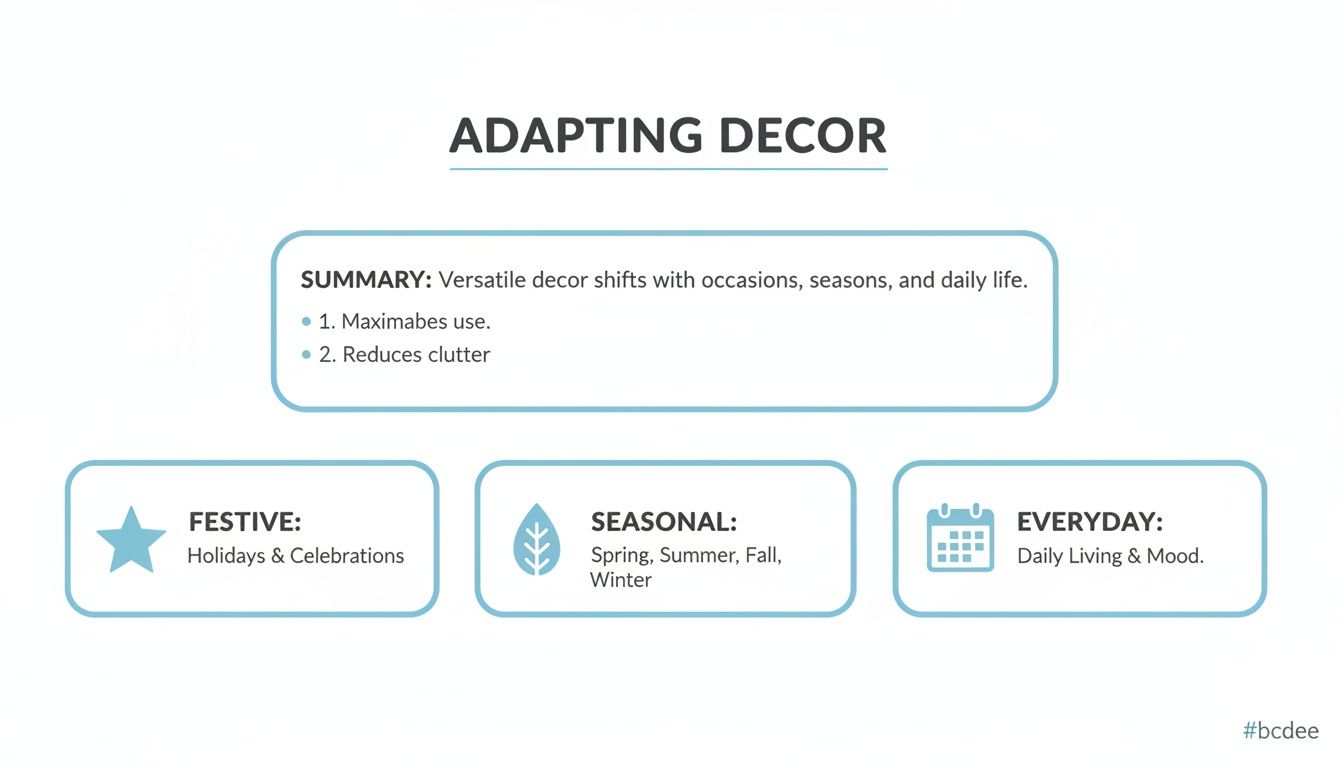
Home decoration items with a coastal VW feel fit this approach because they're easy to shift around as the room changes. You can move a frame from the shelf to the hallway, swap a vase from the console to the coffee table, or bring in a seasonal accent without rethinking the whole room.

Practical rule: if the hero piece is bold, the surrounding white should be calm. That's how you make the display feel curated instead of busy.

A good white scheme doesn't shout. It gives your Kombi, Beetle, or surf memorabilia enough space to feel like the collector's pieces they are.

What White Home Accessories Actually Do in a Room

White pieces work best when you treat them as visual rest stops. If a green Kombi, timber shelf, and framed photo are all asking for attention at once, a white vase or tray gives the eye somewhere to pause. That pause matters because decorative objects are meant to be moved, replaced, and rearranged, which is exactly why accessories are such a flexible part of interior styling Home Accessories.

Start with balance, then add rhythm

One white object can soften a shelf. Three white objects, spaced well, can create rhythm. That's the point of repetition, not sameness, but a pattern the eye can follow without effort.

A simple setup might look like this. Place a white ceramic bowl on one end of a sideboard, a white photo frame in the middle, and a white lamp on the other end. The objects don't need to match perfectly, they just need to repeat the colour in a way that feels deliberate.

White works best when it connects the pieces you already love.

Why white feels so useful in Australian light

Australian daylight can be bright and unforgiving, especially in open-plan rooms and coastal homes. White surfaces help a room feel lighter, but they also need surrounding texture so the scheme doesn't go flat. White is described as a cornerstone colour when it's used with intention, which is a strong way of saying it's reliable, not boring Abbey Hall Interiors.

An infographic titled The Role of White Home Accessories showing how they provide balance, prevent clutter, and highlight key pieces.

When white is doing its job, you notice the room feels easier to read. The Kombi still stands out. The shelf still feels tidy. The whole setup just looks like it belongs together.

The Four Categories Worth Collecting First

At a sunny car show, the easiest displays to admire are the ones that already know where to stand. A white vase beside a diecast Kombi, a framed surf photo on a timber shelf, and a soft textile under a metal accent can make a room feel collected without looking overworked. That same approach suits white home accessories at home, because the pieces stay easy to move, swap, and live with as the season changes.

The four categories below do the heavy lifting first.

Vases and vessels

A white vase is one of the cleanest ways to calm a shelf next to a diecast Volkswagen model. A tall vessel suits dried banksia, a squat ceramic piece works on a coffee table, and a textured form gives a room with smooth surfaces a bit more grip. White stoneware and ceramic are especially handy because they carry enough presence to be noticed, but they do not crowd out the model beside them.

Photo frames

Frames are the quiet achievers in a VW-friendly room. A slim white frame around a vintage VW poster, a surf photo, or a family holiday snapshot brings shape to a wall or shelf without making the display feel stiff. In a lounge with timber furniture, that white border can tidy the whole scene and let the memories, and the models, stay in focus.

Textiles

Cushions, throws, and table runners bring softness in a hurry. A white cushion with texture feels different from a flat white cushion, and that difference matters when metal models or glossy décor are already doing the visual talking. Textiles also make it easier to shift a room from relaxed summer styling to a slightly warmer winter look without replacing the whole setup.

Metal décor

A small white-and-metal accent can lift a quiet corner without stealing the show. Candle holders, trays, and framed pieces with silver or gold detail add polish near reflective surfaces or pale walls, especially when the rest of the room is already carrying a lot of white. If you want one compact accent that sits neatly on a shelf with retro pieces, white candle holders are a smart place to start.

Buyer's eye: choose pieces that feel easy to move, not precious to the point that you never touch them.

A good collection builds in layers. Start with one vase, one frame, one textile, and one metallic accent, then let the room show you what it needs next.

Choosing Materials and Finishes That Hold Up

Not every white finish behaves the same way. A glossy ceramic vase catches light differently from matte stoneware, and a woven cotton cushion brings a completely different mood from a polished metal tray. If your room gets strong daylight, the finish matters as much as the colour.

A chart illustrating the durability and characteristics of various white home materials like ceramic, glass, and wood.

Compare the finish, not just the shade

Ceramic feels crisp and sturdy, which makes it a strong choice for shelves and sideboards. Glass reads lighter and more delicate, so it's best where you want airiness more than visual weight. Matte stoneware has a calmer, earthier feel, which suits beachy interiors and doesn't demand attention every second.

Polished metal is the high-shine option, and it's the one that instantly sharpens a display. Woven cotton and bleached timber do something else entirely. They soften the whole room and keep white from feeling clinical.

Material Best use Visual effect
Ceramic Vases, bowls, candle holders Clean and grounded
Glass Small decorative vessels Light and airy
Matte stoneware Sculptural decor Soft and earthy
Polished metal Trays, frames, accents Bright and reflective
Woven cotton Cushions, throws Relaxed and tactile
Bleached timber Bowls, small objects Natural and weathered

The practical decorating rule is to layer different textures so the room does not feel cold or flat, with metal accents such as silver, copper and gold used to lift an all-white room Laurel Harrison. That advice matters more in Australia, where strong light can make flat surfaces look even flatter.

A textured white room feels finished. A smooth white room often feels unfinished, even if the colour choice is right.

Styling Tips for Coastal and Retro VW Interiors

A white accessory can look perfect in the shop and wrong at home if it's the wrong scale. Australian-style decor guidance emphasises choosing accessories that repeat the room's existing colours and fit the scale of surrounding furniture, because overscaled white objects can dominate a space while undersized pieces vanish against pale walls and flooring Stone Gable Blog. That rule matters just as much for a Kombi display as it does for a lounge.

Use the shelf like a small stage

Start with the largest object first. If the diecast Kombi is the hero, give it some breathing room on both sides, then build around it with one taller white piece and one lower white piece. That change in height keeps the eye moving and stops the shelf from looking like a straight line of objects.

A few practical moves help:

  • Repeat the room colour: if the room already leans white, sand, and timber, keep the accessories in that family so the display feels coherent.
  • Leave gaps: a little open space around the model makes the piece look more deliberate.
  • Mix heights: pair a low tray with a medium vase and a taller frame or lamp.
  • Avoid wall-to-wall clustering: too many white pieces in one corner can make the rest of the room feel unbalanced.

White ceramics work especially well near VW memorabilia because they echo the clean curves of the cars without copying them. A Beetle poster, a shell dish, and a white frame can sit together without looking themed in a heavy-handed way.

If you want a small accent that fits the same idea, white candle holders can anchor a console or dining table without stealing the show.

Visual trick: if everything is lined up at the same height, the display goes flat. Let one piece rise, one stay low, and one sit in between.

That simple variation gives a shelf the kind of easy rhythm you see at a good car meet, where no two builds are exactly the same but the whole lineup still makes sense.

Caring for White Pieces in Australian Sun and Sea Air

White looks clean for about five minutes in a coastal home if you ignore the sun and dust. UV exposure, airborne salt, and everyday wear can dull pale finishes quickly, and that's exactly the maintenance question a lot of white decor content skips over Houzz Australia. If you want the pieces to keep their brightness, you've got to choose and care for them with a bit of intent.

Match the material to the spot

Put wipe-clean ceramics and glass in brighter, busier areas. They're easier to freshen up after dust, fingerprints, or the odd splash. Keep textiles away from direct sun if you can, especially cushions that sit close to a window, because pale fabric can look tired faster in a bright room.

Metal frames and accents need a different approach. They usually look best with a gentle polish and a soft cloth rather than aggressive cleaners. Woven pieces and timber accents are more forgiving in a relaxed room, but they still benefit from being rotated now and then so one side isn't doing all the work.

Keep the routine simple

A quick weekly wipe is better than a big rescue clean later. Check window-adjacent pieces for fading, move fragile objects out of direct sun if the room gets harsh afternoon light, and refresh textiles before they start looking dusty rather than soft.

A small care routine protects the look you've built. It also makes white feel more liveable, which is the whole point. You want a room that looks collected, not a showroom that no one can relax in.

Vintage home accessories care is worth thinking about for the same reason. A little maintenance keeps the display from losing its edge.

Seasonal Styling and Where to Shop Next

White accessories earn their keep when the seasons change. At Christmas, they let greenery, baubles, and warm lights do the talking. In summer, they keep the room feeling breezy. In cooler months, they stop heavier colours from making the whole space feel closed in.

A visual guide showing how to style white home accessories across Christmas, Spring, Summer, and Autumn seasons.

A simple seasonal swap can be enough. Change a cushion cover, swap a vase insert, or move a white tray from the coffee table to the hallway console. White gives you that flexibility because it sits under whatever else you want to celebrate.

For VW lovers, that flexibility is handy. A Kombi diecast, a Beetle model, and a few white coastal accents can carry a room through Christmas lunch, a summer BBQ, and a quiet winter evening without needing a full restyle. That's the charm of a good neutral, it keeps the nostalgia front and centre.

If you're ready to build a display that feels more like a classic Aussie beach house than a cluttered souvenir shelf, take a look at Volkswagen Memorabilia. You'll find VW diecast models, white decor, and coastal pieces that suit collectors who want local stock, friendly weekday support, and a style that feels right at home in Australia.


Volkswagen Memorabilia brings together licensed Volkswagen diecast models, coastal home accents, and gift ideas that suit real Australian living. If you're ready to add a Kombi, a Beetle, or a white decorative piece that gives your display a cleaner finish, visit Volkswagen Memorabilia and pick the pieces that make your shelf, console, or gift list feel spot on.

Nautical Table Decor Guide with VW Memorabilia

You're at a sunny Aussie car show, a Kombi Samba Bus is parked two bays down, and your mates are crowding around a tablescape that's doing more work than it should. The trick isn't piling on more shells, more rope, or more blue. It's building a nautical table decor setup that feels relaxed, practical, and a bit nostalgic, the same way a well-kept Beetle feels timeless without trying too hard. That's the sweet spot, coastal living with enough restraint to keep it fresh, not souvenir-shop loud.

Introduction to Nautical Table Decor

A good nautical table starts the same way a good VW display does, with one clear idea and no clutter fighting for attention. The style itself has deep roots in Europe, where marine decoration took off in the 18th century and became especially popular in the 1800s. Dining and side tables were styled with anchors, boats, maps, lanterns, and blue-and-white palettes that still read as coastal today, which is why the look has real staying power in Australia's beach-minded homes, not just holiday rentals or summer pop-ups. History of marine decoration

That matters here because Australia is a coastal country in both lifestyle and population distribution, with about 27.2 million residents as of June 2024, and most of them living in coastal states and territories rather than inland regions, according to the ABS population estimates cited in the marine-decoration history source. In other words, the style fits the way people live, entertain, and gather. It's not a novelty. It's a natural extension of coastal living.

Practical rule: if your table looks like a seaside gift shop exploded, you've gone too far. Keep the story tight, keep the objects intentional.

A smart starting point is to think in layers, one for colour, one for texture, one for the focal point. If you want a broader coastal-home angle to pair with your table styling, the coastal home decor ideas collection is a handy companion. The best tablescapes feel like they belong at a relaxed backyard lunch after a VW run, not like they were assembled in a panic ten minutes before guests arrived.

Choosing a Coastal Colour Palette

A limited palette is what makes nautical table decor look polished instead of random. If you throw every beach colour onto the table, the eye bounces around and the whole setting loses its calm. Stick to navy blue, crisp white, and natural tones, then let the materials do the rest of the work. That restrained mix is the core visual language of nautical decor, with anchors, rope, driftwood, stripes, and ocean-life imagery reinforcing the theme rather than fighting it. Nautical decor overview

An infographic showing a coastal color palette featuring navy blue, crisp white, and natural sand tones.

How to balance the colours

Use the 60-30-10 approach as a simple visual check. Keep about 60% neutral, 30% secondary colour or texture, and 10% accent colour, while keeping the overall height low enough for easy conversation across the table. That rule comes from polished tablescape guidance, and it works because it stops the table from becoming top-heavy or visually noisy. Tablescapes as an art

For a VW collector, this palette is a gift. Navy and white frame a Volkswagen Beetle model beautifully, while a Kombi's red, cream, pastel, or surf-inspired paintwork pops against neutral linen and sand-toned pieces. The classic VW shapes already carry the nostalgia, so the table shouldn't compete with them.

Here's the simplest way to test the palette before you commit:

  • Lay the textile first. Start with a white, natural, or navy base so the table reads calm from the edge of the room.
  • Add one dominant tone. Navy works best if you want a crisp maritime look, while white keeps things airy.
  • Reserve accent colour for the smallest items. A tiny flash of red from a VW diecast or a pale seafoam napkin keeps the eye moving without breaking the theme.

Good styling is subtraction. Every colour you remove makes the final look more confident.

If you're unsure, place your items in natural daylight and step back. If the table still looks balanced from a few metres away, the palette is doing its job.

Selecting Textures and Tableware

The table feels coastal when your hand notices the materials before your eye notices the props. That's why linen, rope, wood, and ceramic matter more than extra trinkets. A practical AU-relevant nautical setup is built around a constrained maritime material system, because tactile contrast is what makes it read as coastal rather than just blue. Table-setting in a nautical style

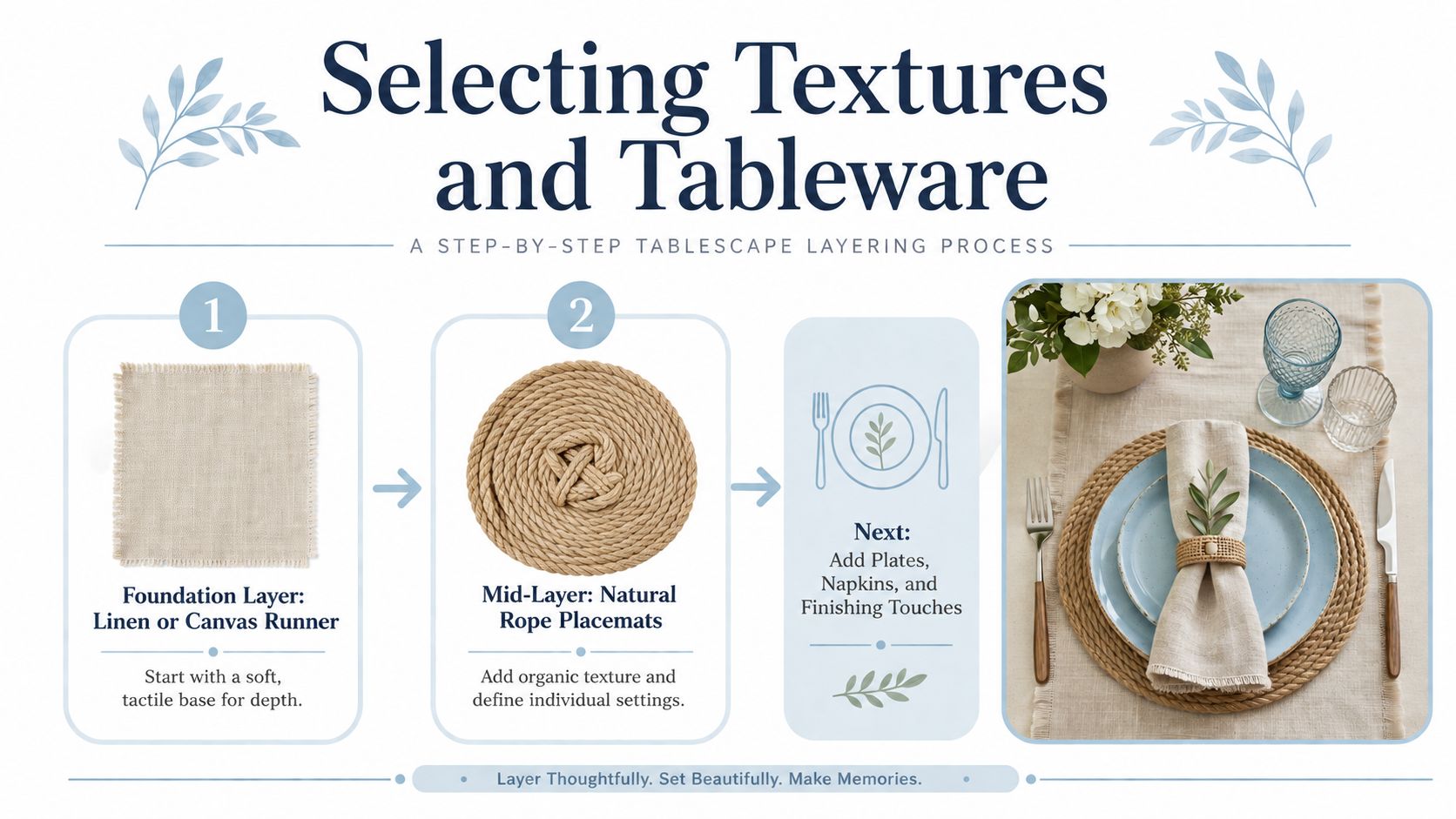
A step-by-step instructional infographic on creating a layered tablescape featuring natural rope placemats and a linen runner.

Build the base first

Start with a linen or canvas runner. That gives the table a soft foundation and stops the surface from feeling stark. A jute table runner is a strong choice if you want something with a bit more texture and a slightly earthier coastal feel.

Then layer in rope placemats or a woven charger if you want each setting to feel framed. Don't overdo the hard nautical cues. You're after texture, not a ship's chandlery display.

Choose tableware that supports the scene

White porcelain or blue-rimmed plates are the cleanest options because they echo the palette without stealing focus. Low-profile glassware keeps the sightline open, which matters once you add a model Kombi or a shell bowl to the centre. Brushed silver or aged brass flatware works too, but only if the finish stays quiet.

A few sharp choices beat a pile of themed objects every time:

  • Linen runner. Soft, simple, and easy to style around.
  • Rope placemats. Enough texture to signal coastal without shouting.
  • White or blue-rimmed plates. Clean shape, classic look.
  • Anchor or fish accents. Use sparingly, on napkin rings or serving pieces.
  • Low glassware. Keeps the table open and conversational.

That's the whole game. Let the tactile layers do the storytelling, then place the VW memorabilia where it can be seen clearly, not buried in clutter.

Creating Centrepieces with Shells and VW Collectibles

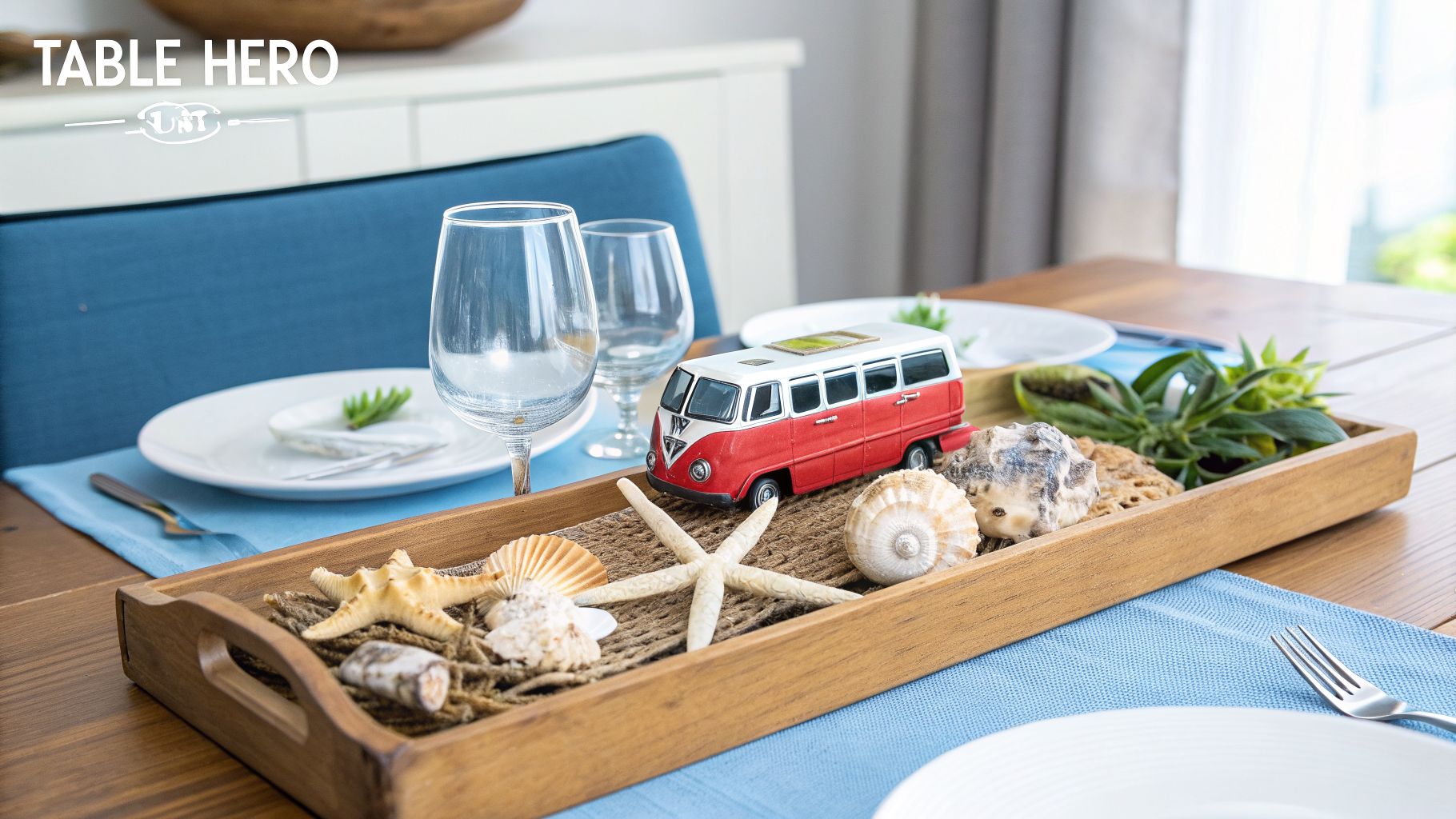
The centrepiece is where the tablescape either lands beautifully or tips into chaos. Keep it low, keep it anchored, and give the eye one clear object to settle on. A shallow glass bowl, a sand-filled vase, or a low tray gives you a base that can handle shells, driftwood, and a Kombi Samba Bus diecast without blocking the view across the table. Marine-decoration catalog categories

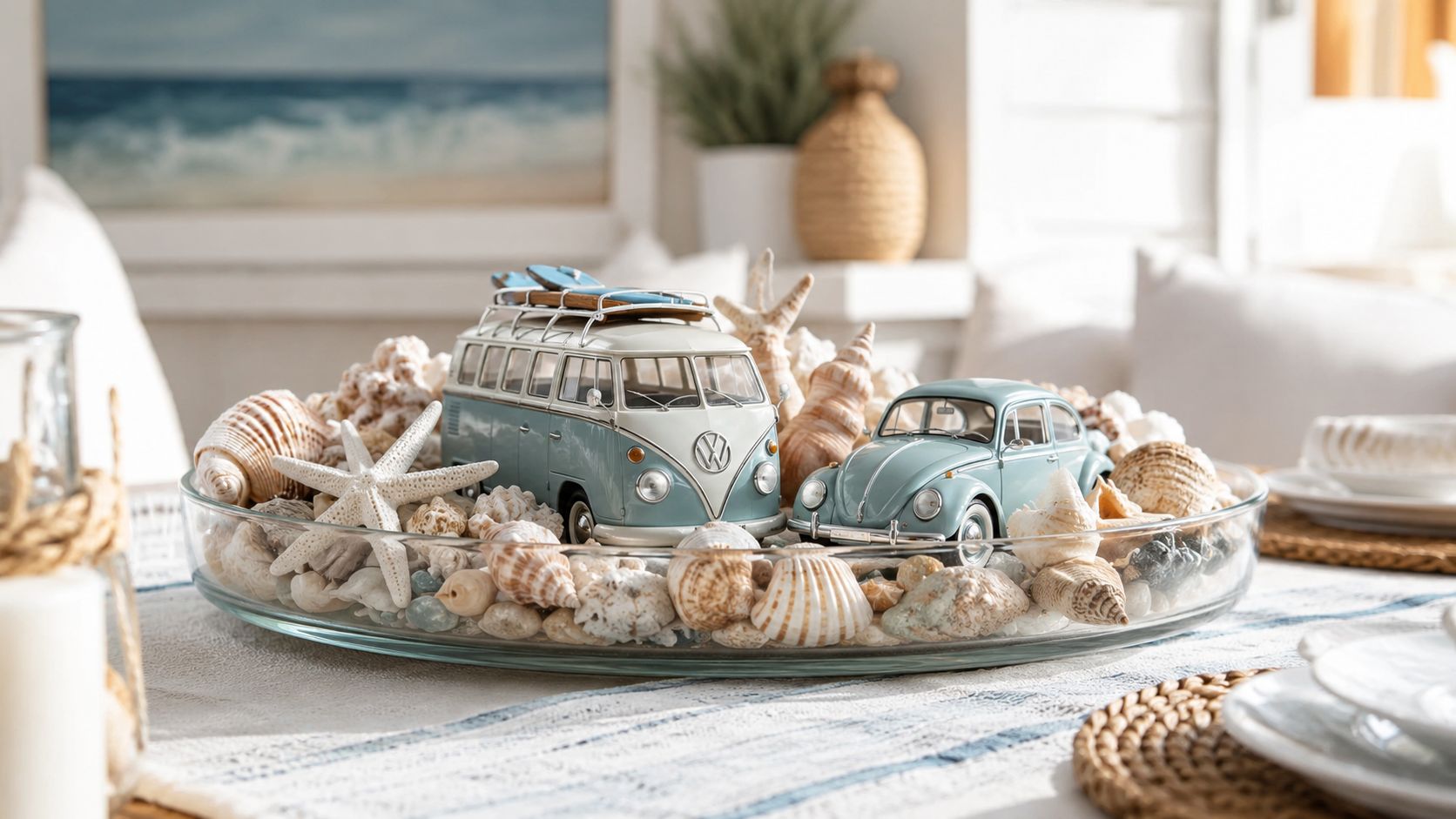
A glass bowl filled with seashells, a starfish, and miniature vintage Volkswagen bus and beetle toy cars.

Build around one focal object

Marine-decor assortments are usually organised around defined product families, like model ships, lighthouses, knot frames, and nautical replicas. Use that logic at table scale. Pick one primary focal object, for example a model Kombi, a lantern, or a small ship, then support it with shells or rope rather than competing focal points.

That approach keeps the arrangement readable. If you add too many sub-themes, the table starts to feel eclectic instead of nautical. One clear story is always stronger than five weak ones.

Keep the arrangement low and balanced

Drop a few natural shells into the bowl, add a driftwood piece, then nestle the diecast slightly off-centre so it feels placed rather than staged. A starfish can work if it's secured well and doesn't look like an afterthought. If you want evening ambience, a small lantern cluster beside the bowl gives you glow without raising the height.

A simple arrangement order works best:

  1. Place the base. Use the tray, bowl, or sand-filled vase.
  2. Set the focal object. Put the Kombi Samba Bus or Beetle model where it can be seen from multiple angles.
  3. Add texture. Shells, driftwood, and rope come next.
  4. Check the height. If guests can't see each other, trim it back.

A Beetle model gives the arrangement a more compact, retro feel. A Kombi adds the surf-culture mood. Both fit the same scene, so choose the one that suits the table's personality. For a longer dining table, the dining table decor category is the neatest way to keep the styling tied together without overfilling the space.

Adapting Decor for Seasons and Budgets

The best coastal tables aren't locked to one look. They shift with the weather, the mood, and the occasion, which is exactly why they work so well for Australian homes. The modern version of the style leans toward natural textures, restrained palettes, and layered neutrals rather than loud anchor-and-shell overload, so you can keep the look current without losing the seaside feel. Coastal inspired accent table

Budget-friendly versus premium pieces

If you're building a table on a tighter budget, start with mixed shell sets, painted driftwood, linen napkins, and a single diecast focal piece. Those items give you the mood without draining the wallet. If you want a more refined finish, hand-blown glass buoys, solid brass lanterns, and heavier ceramic serveware lift the whole scene.

The smart move is to buy the pieces that work hard every time, then rotate the decorative extras. A quality runner, durable tableware, and one good focal object will outlast a drawer full of novelty bits.

Seasonal swaps that still feel nautical

Summer wants lighter energy. Think crisp whites, pale blues, seafoam accents, and a looser arrangement with more breathing room. Winter asks for deeper tones, so grey linens, storm-blue accents, and darker wood pieces make the table feel grounded without turning heavy.

Seasonal styling works best when the palette shifts, not the theme. Keep the maritime story, change the temperature.

You can also repurpose VW bits with a bit of humour and sentiment. A small Beetle key ring can work as a place marker, and a miniature van can sit beside a guest's napkin as a casual conversation starter. That's how you make the table feel personal without loading it with extra purchases.

Where to Source Durable Decor in Australia

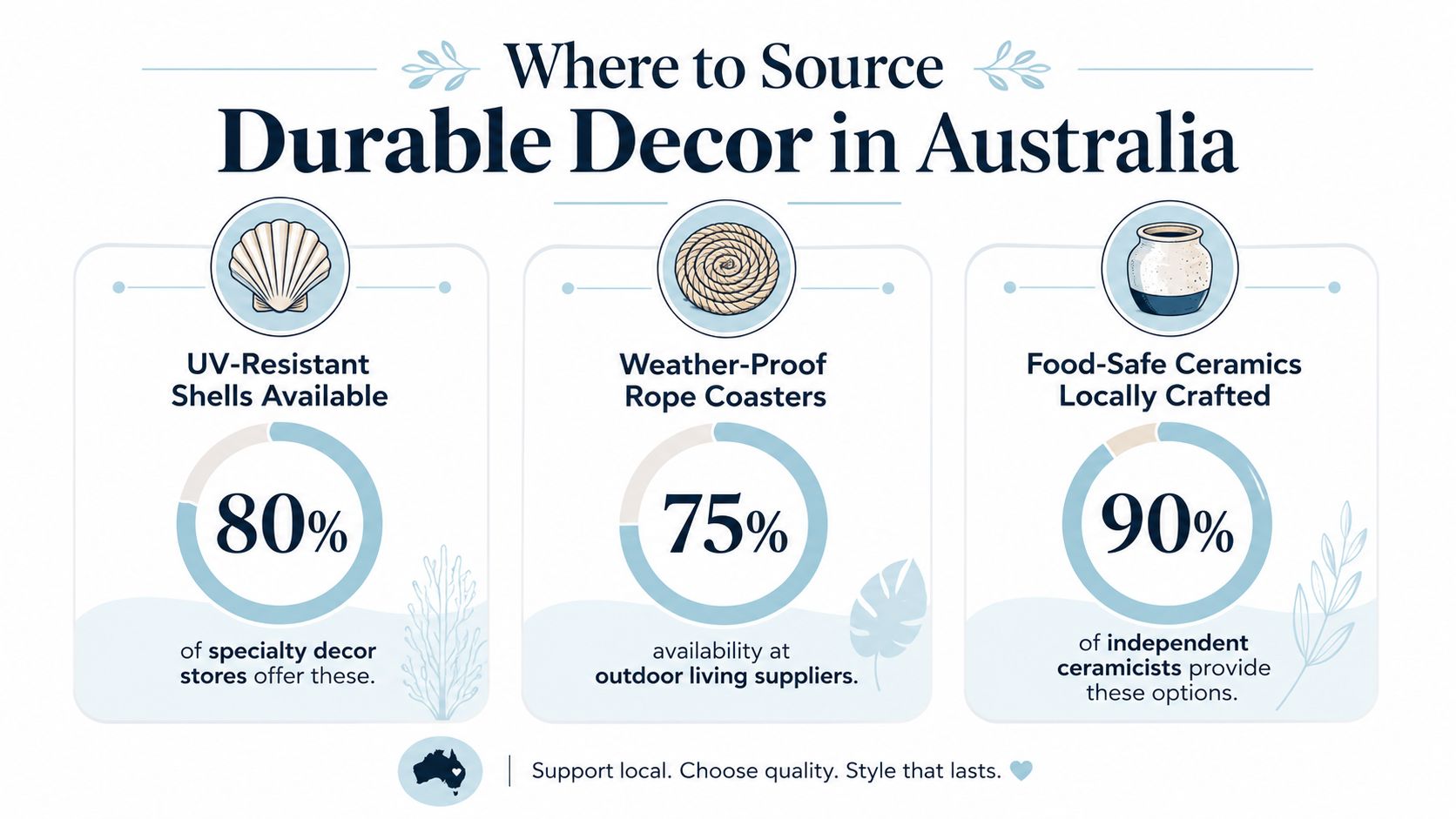
Durability is the big missing piece in most nautical decor advice, especially for Australian outdoor entertaining. Humidity, strong UV, and constant in-and-out dining demand materials that won't look tired after one season. Most guides stay on the surface, but outdoor settings need pieces that are easy to clean, stable in heat, and sensible around food. Yacht table decor beginner's guide

An infographic showing statistics on sourcing durable nautical home decor items like shells, rope, and ceramics in Australia.

What to buy for Australian conditions

Choose food-safe ceramics, sealed wood, and rope pieces that can be wiped down without fuss. Shells and driftwood look right, but they need to be used as accents, not fragile centre-stage pieces that will be knocked around during service. For model cars and vans, look for finishes that won't be handled roughly or left baking in direct sun for hours.

A simple maintenance routine is enough. Rinse salt exposure off outdoor pieces, use a gentle detergent where needed, and store anything delicate inside when the weather turns rough. That's not fussy, it's sensible.

Why local sourcing helps

Australian importers have the edge because local stock reduces waiting and keeps replacement simple when you need it fast. For gift buyers and collectors, that's a real advantage, especially if you're trying to line up a table for an event or a weekend catch-up. A local source also makes it easier to match a diecast model to the rest of your decor while keeping the look cohesive.

Use the rules below when you shop:

  • Outdoor settings: prioritise wipe-clean finishes and stable materials.
  • Food-adjacent decor: keep ceramics and serveware clearly food-safe.
  • Feature pieces: choose one strong model or lantern rather than several small distractions.
  • Sun exposure: keep delicate items shaded, because UV is unforgiving.

That approach is more practical than chasing every trend piece you see online. The table needs to survive Australian conditions first, then look good second.

Bringing It All Together and Next Steps

The strongest nautical tables are built in layers. Lock in the navy, white, and natural palette, add linen and rope for texture, keep the centrepiece low, and use a VW Kombi Samba Bus or Volkswagen Beetle model as the personality piece. Once you do that, the table feels modern, coastal, and nostalgic at once, which is exactly the right mix for an Aussie home or car-show gathering.

Before you call it done, check three things, balance, sightlines, and material durability. If the arrangement feels calm from across the room and still looks good up close, you've nailed it. For more ways to finish the look with locally sourced pieces, head to Volkswagen Memorabilia and choose the accents that suit your table best.

A Customised Floor Mat Guide for VWs and Coastal Decor

You know the feeling. The Beetle's finally sitting right, the Kombi interior smells faintly of old vinyl and warm weekends, or the beach house entry is almost there, just waiting for that one piece that pulls the whole look together. Not a generic mat from a chain shop. Something with a bit of soul. Something that looks like it belongs beside salt air, timber floors, chrome hubcaps, and a shelf full of carefully chosen VW models.

That's where a customised floor mat earns its keep. It isn't just there to catch sand, road grit, or the drip from a wet esky. It's the finishing touch that tells people what you're into before you even say a word. In a classic Volkswagen, it can echo the curves and colours of the cabin. In a coastal home, it can carry that surfy, laid-back energy without looking kitschy.

There's a good reason this kind of product stands out. Australia's broader floor covering retail industry has been sliding, with a 3.1% annual decline between 2021 and 2026, yet it still represents $3.7 billion in 2026 across 2,049 businesses according to IBISWorld's Australian floor covering retailing profile. Mate, that tells you plenty. Buyers aren't rushing toward generic. They're hunting for pieces with purpose, fit, and personality.

That Finishing Touch for Your Ride or Retreat

A stock-standard mat does the job. A well-made customised floor mat does more than that. It ties the whole story together.

Take the classic VW owner who's spent months chasing the right trim, the right seat pattern, the right stance. Dropping in an off-the-shelf mat at the end feels wrong. Same with a coastal hallway styled with whitewashed timber, shell pieces, and vintage surf prints. A plain black rectangle kills the mood in two seconds flat.

Why generic often falls flat

Generic mats usually miss in one of three ways:

  • The fit is sloppy. Corners ride up, edges curl, pedals catch, or the mat floats awkwardly in the room.
  • The material is wrong. Too plush for a sandy entry. Too flimsy for a workshop. Too shiny for a period-correct cabin.
  • The design says nothing. It fills space, but it doesn't add character.

A mat should look intentional. If it feels like an afterthought, it usually looks like one too.

That's why custom work suits VW people so well. Beetle and Kombi owners already think in details. They notice stitch lines, paint shades, hubcap styles, roof racks, and period decals. The same instinct applies to the floor.

Where it works best

A customised floor mat can earn its place in more than one setting:

Setting What matters most What usually looks best
Classic Beetle cabin Fit, pedal clearance, vintage feel Period-friendly carpet or rubber-look finish
VW Kombi or Transporter Coverage, durability, easy cleaning Hard-wearing layered construction
Garage display corner Sharp edges, logo clarity, visual impact Branded or silhouette-led design
Coastal entryway Sand control, colour stability, moisture handling UV-stable, easy-clean surface

If you're the sort who can spend ten minutes choosing between a surfboard rack and a stock roofline for your Kombi display, you'll appreciate this. The right mat doesn't just protect the floor. It anchors the whole vibe.

Choosing the Right Material for Your Masterpiece

Material is where good intentions either turn into a ripper result or an expensive annoyance. If you get this part wrong, the nicest design in the world won't save it.

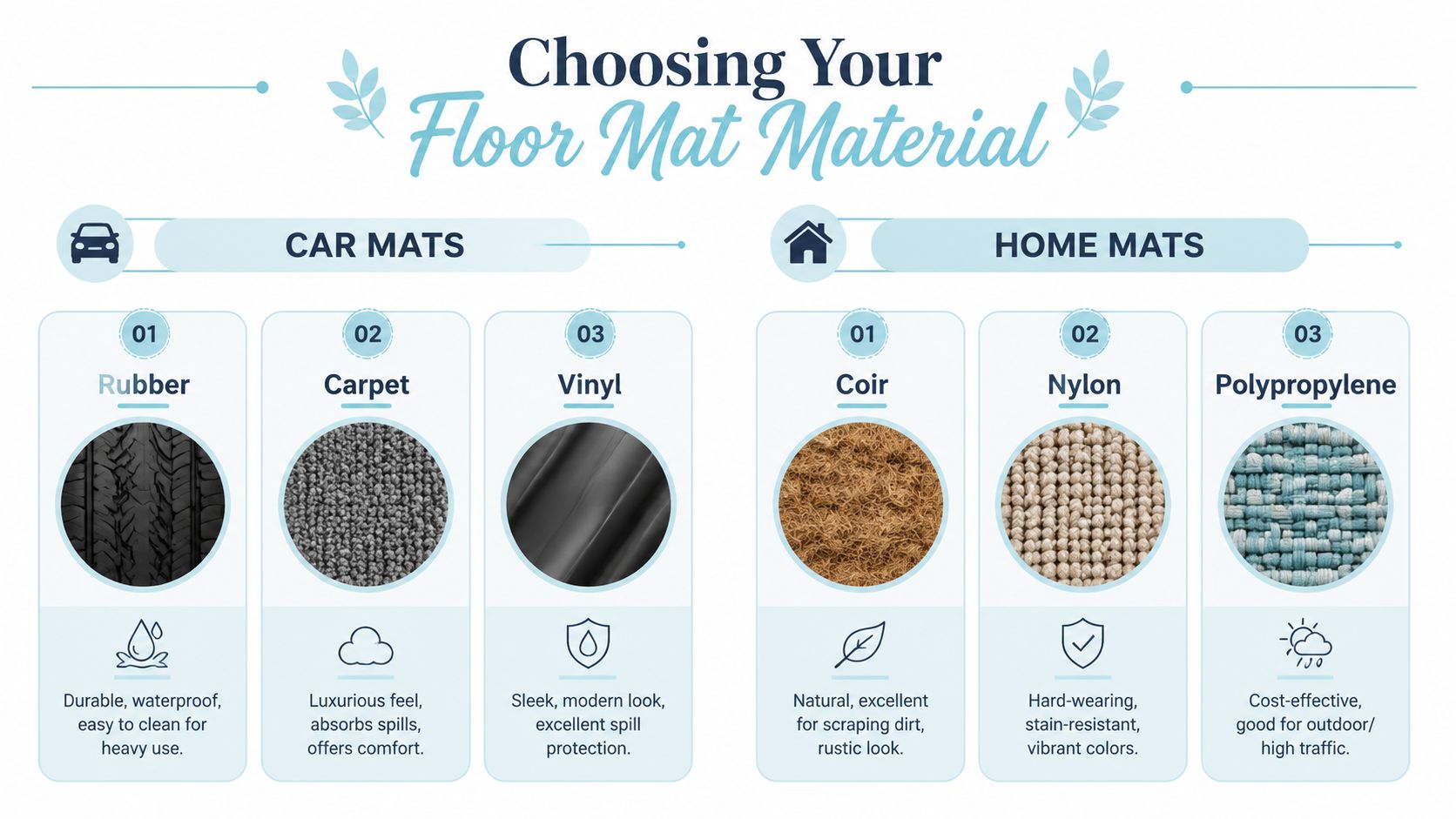
An infographic showing different floor mat materials categorized for car mats and home mats usage.

For the VW cabin and workshop crowd

If the mat's going inside a car, shed, or service area, think first about mess, movement, and edge stability. In Australian custom roll-out applications, a triple-layer construction is commonly used: polypropylene on top, a closed-cell foam core, and a non-slip rubber backing rated to AS/NZS 4586 for wet slip resistance. One supplier states this setup reached a 94% success rate in containing spills up to 5mm depth during standardised testing, while 38% of early failures were tied to poor edge sealing that allowed liquid to wick underneath, according to EzyMats' custom roll-out mat product information.

That matters if your old VW sees wet shoes, oily tools, or the odd dribble from a leaky classic. It also matters if the mat sits under a display or workbench and gets a hiding.

For the beach house and coastal entry

Home use near the coast is a different beast. Salt in the air, high humidity, relentless sun, and sandy feet will sort the decent materials from the rubbish very quickly.

The safest call for exposed or sunlit coastal spots is UV-stabilised polyethylene. According to Mats R Us, it retains 87% of its colour after 2,000 hours of simulated Australian sunlight, while non-stabilised alternatives can lose over 60% of their colour in the same period. If your mat sits near a bright front door, under a louvre window, or in a sunny beach shack entry, that difference shows up fast.

Practical rule: For coastal styling, choose the material for sun and moisture first, then choose the colour and artwork.

If you're already matching the inside of your vehicle, it's worth checking related trim pieces too. A lot of enthusiasts pair floor treatments with automotive dashboard covers so the whole cabin feels thought-through instead of patched together.

What works and what usually doesn't

  • Rubber or layered utility mats suit workshops, drivers, and messy jobs.
  • Carpet-style mats suit show cars and tidy interiors, but they need the right backing and edge finish.
  • UV-stabilised polyethylene suits bright coastal spaces where fading is the enemy.
  • Cheap non-stabilised plastics often look tired long before the rest of the room does.

A flashy design on poor material is still a poor mat. Start with the abuse it'll take, then build the look from there.

Getting the Perfect Fit for a Classic or a Coastline

Fit is where plenty of custom jobs go sideways. The artwork might be spot on, but if the shape is off, the whole thing feels second-rate.

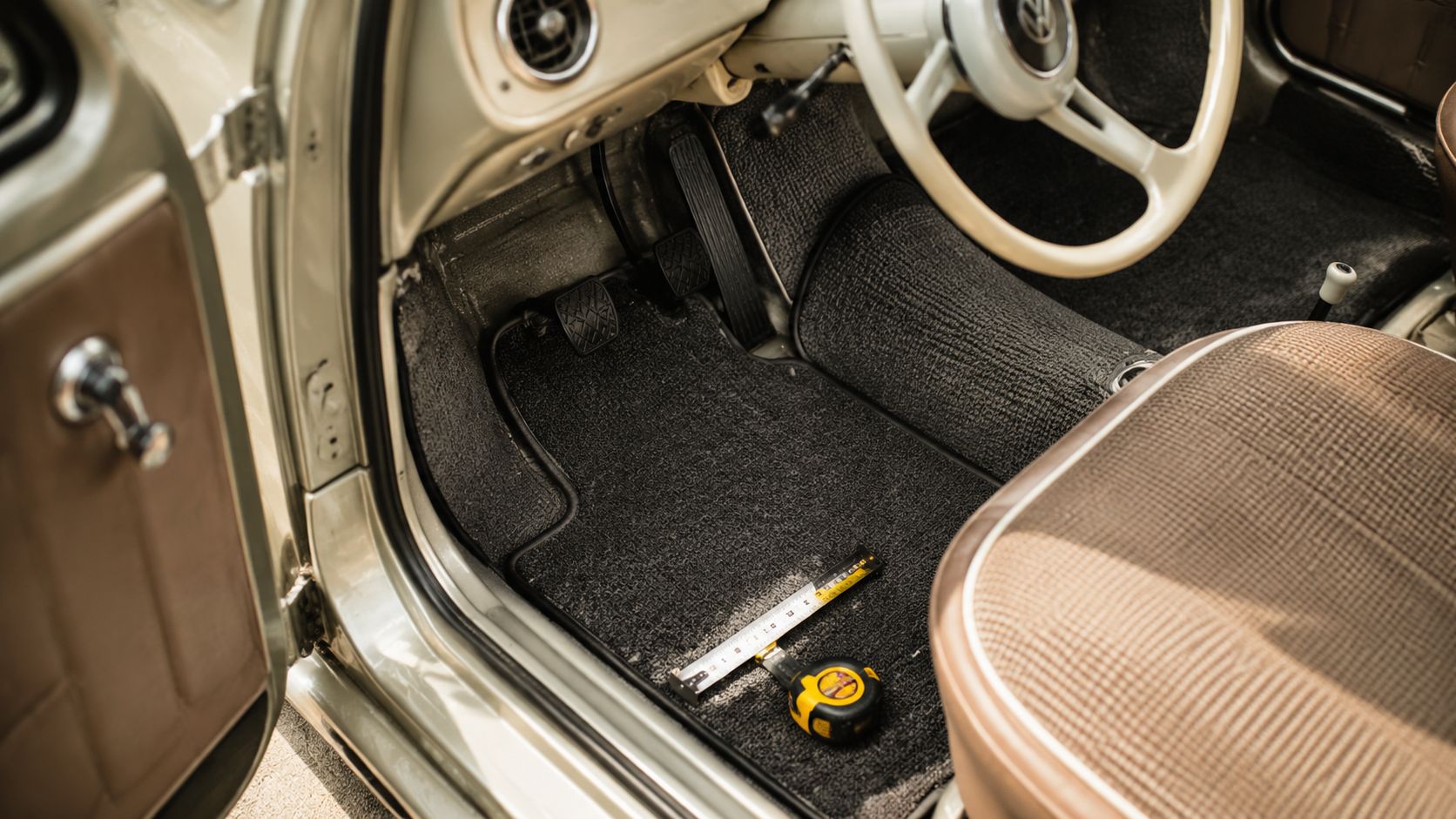
A tape measure lying on a black custom floor mat inside a vintage Volkswagen beetle interior.

Classic Volkswagens are the big challenge here. There's a genuine gap in the local market for older models. Search data cited by Matcraft Australia's Facebook presence indicates 68% of vintage car owners are looking for non-destructive fitment for pre-1970s vehicles. That makes sense. Nobody restoring a tidy early Beetle or Kombi wants to drill fresh holes or butcher original rubber mounts just to hold a mat in place.

How to template a classic VW properly

For an older VW, don't trust a “close enough” template. Build one from the actual floor area.

  1. Use kraft paper or builder's paper and tape sections together until they cover the footwell.
  2. Mark pedal travel clearly so nothing fouls the accelerator, brake, or clutch.
  3. Trace around seat mounts, rubber studs, and tunnel edges without forcing the paper into unnatural lines.
  4. Cut slightly proud first, then trim back gradually.
  5. Test with the seats in driving position, not pushed back for convenience.

The trick is to respect the car. A proper customised floor mat for a vintage VW should sit securely without demanding permanent changes.

Sizing a mat for a coastal room

Home sizing is less mechanical, but it still needs discipline. A mat at the front door should look intentional, not like it shrank in the wash. In a hallway or beach-house nook, you want enough coverage to catch sand and frame the space cleanly.

Here's a simple check:

  • At the entry. Make sure the mat looks centred to the doorway, not just the wall line.
  • Under a bench or console. Let the mat extend visibly beyond the furniture so it reads as part of the styling.
  • Near a display. Give diecast shelves or a surfy accent chair enough visual breathing room around the edge.

If your space leans more workshop or van-life than lounge room, van fit-out ideas can help you think about how floor areas, storage, and styling work together.

Don't measure the car or room once and call it done. Measure, mock it up, then look at it from standing height. That's when odd proportions show themselves.

Designing Your VW or Coastal Inspired Artwork

You can spot the good ones straight away. A mat under the pedals of a tidy Beetle, or by the door of a weatherboard beach house, says something before anyone notices the details. Get the artwork right and it feels personal. Get it wrong and it looks like a novelty gift that turned up in the wrong place.

A good starting point is whatever you already keep around you. The diecast on the shelf, the old club sticker, the faded photo of your Kombi at the coast. Those pieces usually reveal the shapes, colours, and era you care about, and that matters more than grabbing a random template with a surfboard or VW badge slapped on it.

Screenshot from https://vwmemorabilia.com.au/shop/

Design directions that actually translate well

Floor mats reward bold, readable design. They sit low, cop dirt, and get viewed from standing height. That means the artwork needs to read fast.

The designs that hold up best usually fall into a few proven lanes:

  • Vehicle silhouette. A Beetle side profile, Kombi front, or early bus roofline is clear and familiar without needing much detail.
  • Coastal graphics. Clean wave lines, sun shapes, palm forms, and retro floral cues suit both a surf-inspired room and an old VW with a bit of personality.
  • Personal references. A suburb name, trip slogan, shed name, or plate-style text gives the mat character without clutter.
  • Period colour blocking. Cream, aqua, mustard, faded orange, seafoam, and sandy neutrals work because they connect classic VW paint culture with coastal interiors.

Mate, here's the trick. Pick one hero idea and one support idea. Kombi nose plus a subtle stripe. Beetle silhouette plus a dune colour palette. If you try to squeeze in flowers, waves, engine parts, number plates, and three fonts, the mat loses its punch.

Use your collection as a design brief

Collectors already have a design brief sitting on the shelf. Line up a few favourite models or bits of memorabilia and look for repetition. You might notice that every piece you love has rounded forms, two-tone paint, or that faded pastel look older Volkswagens wear so well.

For inspiration, it helps to browse broader VW memorabilia collectibles and study the recurring colours and motifs across Kombis, Beetles, and garage pieces. That usually gives you a stronger direction than generic custom mat galleries.

The crossover with coastal styling is stronger than plenty of people realise. Both worlds like weathered charm, practical materials, sun-washed colour, and design that feels collected over time instead of bought in one hit. That shared character is what makes a VW-inspired mat work just as well in a beach house entry as it does in a classic bus.

Prepare artwork so the final piece looks sharp

Suppliers can tidy small issues, but they cannot rescue weak source art. Start with clean files and the finished mat has a far better chance of looking crisp.

  • Vector artwork suits line work and logos best because the edges stay clean at different sizes.
  • High-resolution raster files are fine for photos or textured artwork if the original image is sharp.
  • Strong contrast matters because floor-level graphics lose definition quickly once dust and foot traffic enter the picture.
  • Simple fonts beat ornate ones because script and thin lettering tend to blur or fill in.
  • Limit the colour count if you want a classic look. Too many tones can make the design feel busy, especially in smaller footwells.

Here's a handy visual reference for VW-inspired styling and model cues:

A useful test is to print the design on plain paper and put it on the floor. Stand over it. If the shape still reads clearly and the text is easy to catch in a glance, you are on the right track. If it only works when you hold it at arm's length like an art print, simplify it.

The best customised floor mat designs feel tied to a real life. A Beetle in the shed. Salt on the doorstep. A bit of road-trip history under your feet.

From Design to Your Doorstep Ordering and Care

Ordering a custom mat is much easier when you know what questions to ask before you pay the invoice. The Australian automotive floor mat segment is already substantial, valued at USD 3.12 billion in 2024 and projected to reach USD 4.85 billion by 2033, growing at 5.2% annually, according to this Australian car floor mats market overview on LinkedIn. That tells you the category is active and competitive. You've got options, which is great, but it also means you need to separate the proper suppliers from the mobs who just print and pray.

What to ask before ordering

Start with the build, not the artwork mock-up.

Ask this Why it matters
How is the edge finished? Weak edging shortens mat life and can lead to lifting
What backing is used? Backing controls slip, shape retention, and floor compatibility
Is the material suited to sun, moisture, or workshop use? A good print on the wrong substrate still fails
Can the fit be templated for older vehicles? Essential for classic VW owners avoiding permanent modification
Is the stock in Australia? Local supply usually means quicker delivery and easier problem-solving

Printed, flocked, or inlaid

Each production method has its place.

  • Printed mats suit colourful graphics and home decor themes. Best when the design itself is the hero.
  • Flocked finishes can give a softer visual effect, though they're better in lighter-duty settings.
  • Inlaid styles tend to feel more integrated and durable, particularly when you want a cleaner, more premium look.

For Australian buyers, local stock is worth favouring where possible. You'll usually get faster shipping, easier communication, and less mucking around if there's a fit issue or production question. That matters when the mat is part of a gift, a show setup, or a tidy-up before an event weekend.

Basic care that keeps them looking right

A mat doesn't need babying, but it does need sensible care.

  • Shake or vacuum regularly if it lives in an entryway or garage corner.
  • Rinse utility-style mats promptly after oil, sand, or salt exposure.
  • Avoid harsh scrubbing on printed areas. Use a gentler clean so the artwork stays tidy.
  • Dry fully before putting it back down, especially in humid coastal rooms.

The best custom mats age like old Volkswagens do. Not by accident, but because somebody kept on top of the basics.

Styling Your Space and Final Thoughts

Once the mat arrives and drops into place, the payoff is immediate. The cabin feels finished. The hallway feels intentional. The garage display suddenly has a centre.

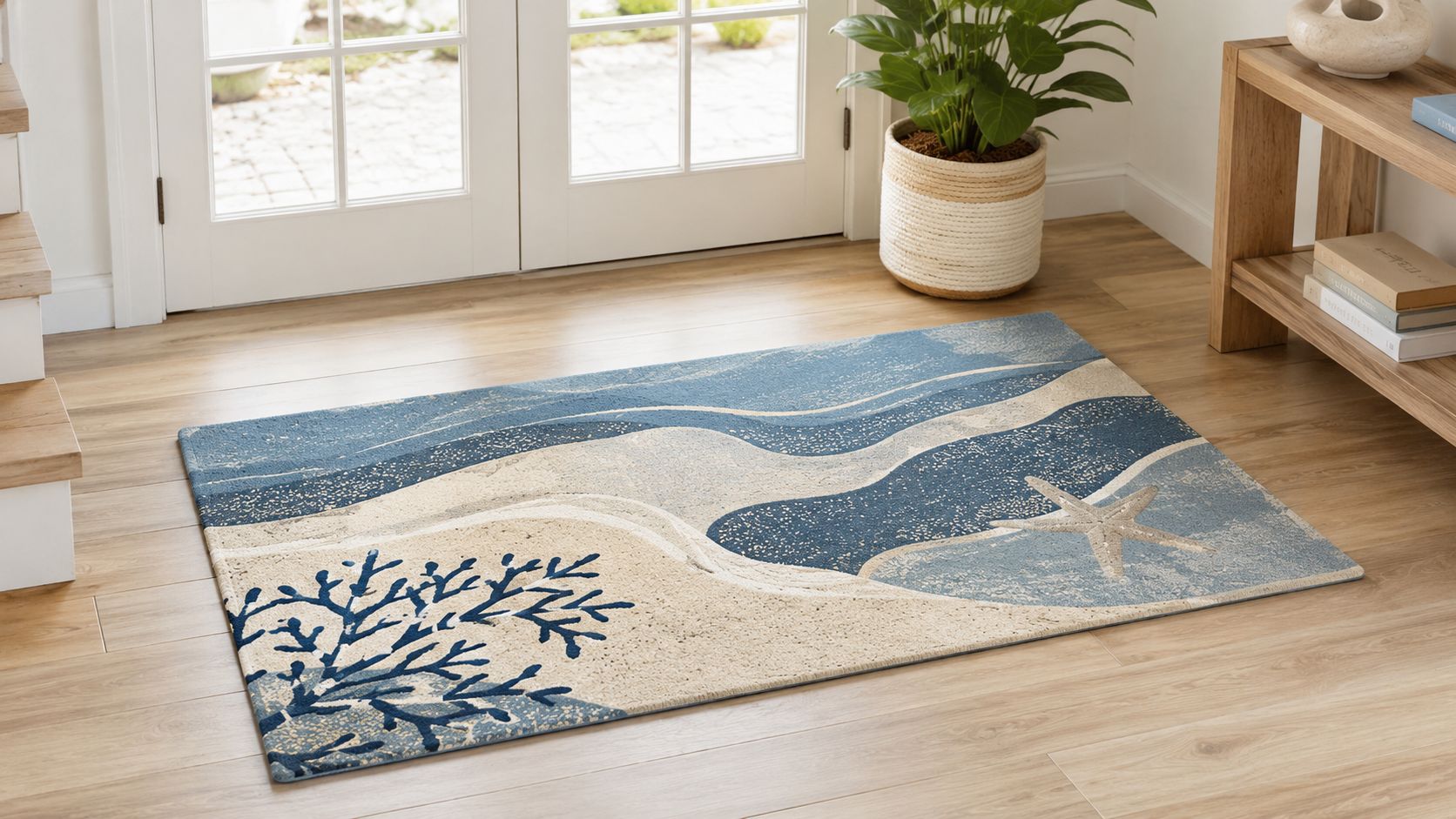
A coastal-themed rug with starfish and coral patterns displayed on a light wooden floor in a room.

A classic Beetle looks more complete when the floor treatment matches the personality of the car instead of fighting it. A coastal corner feels warmer when the mat picks up the same easygoing lines as your wall art, model vans, or beach finds. That crossover is part of the charm. VW culture in Australia has always sat nicely beside surf culture and road-trip freedom.

That's especially true when you remember the local language around these vehicles. In Australia, the passenger van version was marketed as the VW Kombi, while the commercial variants were known as VW Transporters, as outlined in this Australian Kombi history note. That naming carries a whole mood with it. Kombi means beach runs, mates, boards, and long drives with nowhere urgent to be.

If you're styling a room around that spirit, coastal home decor ideas can help pull the rest together. The best result doesn't scream for attention. It just feels right the moment you walk in.

Frequently Asked Questions

Can I use the same design for a car mat and a home mat?

Yes, the artwork can carry across, but the build should change to suit the job. A Beetle front mat has to clear the pedals, sit flat over older floor pressings, and stay put when you climb in with sandy thongs or wet boots. A home mat has different problems. It needs the right backing for timber, tile, or polished concrete, and it usually wants a lower-profile edge where doors swing over it.

Mate, here's the trick. Keep the colours, linework, or VW and coastal theme consistent, then let the material and backing do the hard work for each setting.

What's the safest way to clean a printed customised floor mat?

Start dry. Shake out grit, vacuum with a plain head rather than a hard beater, and spot-clean before dirt gets ground into the print. For most printed mats, mild soap in lukewarm water works better than strong cleaners, because harsh products can dull the surface, stiffen the fibres, or weaken the edge binding over time.

Car mats usually cop heel wear, dust, and the odd bit of oil. Home mats near an entry cop salt, sand, and moisture. In both cases, soak less, scrub lightly, and let the mat dry flat before it goes back down. If the supplier gives care instructions for the print method, follow those over generic rug advice.

Are custom mats worth it for older Volkswagens?

Usually, yes. Older Volkswagens often have floor shapes, seat mounts, and pedal layouts that off-the-shelf mats never quite respect. A proper custom set sits cleaner, looks period-correct if that's the goal, and saves you from trimming corners just to make something “close enough” fit.

That matters more in classics than many owners expect. A bad mat can bunch under the pedals, curl near the heater channels, or look out of place against original trim. A well-made one can echo the cabin without pretending the car just left the factory. Same story in a coastal room. The custom route gives you the freedom to nod to Kombi culture without ending up with a loud novelty piece.

What should I budget for?

For a basic printed home mat or simple universal design, expect the lower end of the range. For a templated classic VW set, heavier carpet, better rubber backing, stitched edging, or inlaid rather than printed details, the price climbs fast.

As a rough guide, a simple custom home mat often starts around $80 to $150. A better-quality large home mat with denser pile or marine-friendly materials can land around $150 to $300. For vehicle mats, a basic custom pair or set can start around $150, while a multi-piece set made to suit an older Beetle, Kombi, or Transporter with proper templating and upgraded finishes can run from $300 to $600 or more.

The biggest price jumps usually come from three things. Complex patterns, especially multi-colour inlays. Custom templating for classics where no standard pattern exists. Better backing and edging, which is money well spent if the mat will see sand, wet feet, heavy use, or plenty of time in the sun.

A cheap mat can look fine on day one and turn shabby fast. The better buy is the one that fits properly, cleans up well, and still looks right after a season of road trips or summer traffic through the house.


If you're into classic Volkswagens, diecast collecting, or giving your space that relaxed Kombi-meets-coast feel, Volkswagen Memorabilia is well worth a look. The shop carries local stock, offers friendly Australian support, and has a strong range of licensed VW pieces, from diecast Beetles and Samba Bus models to beachy decor that fits the same laid-back lifestyle. If you're chasing inspiration for your next display, gift, or styling project, it's a top place to start.

Top Beach Office Decor Ideas: VW Lover’s Guide

You shut the study door, drop into the chair, and want the room to feel a bit like an early run up the coast to a VW meet in Coolum or Byron. Salt-air calm. Old-school character. Enough order to get through the day's work.

That's the mark of a good beach office for a VW fan. It uses coastal colour, texture, and light in a way that suits the memorabilia instead of fighting it. A few well-chosen Beetle or Kombi pieces can carry plenty of personality, but the room still needs to read as an office first, not a cluttered display corner.

The trade-off is always the same. Go too hard on surf shack styling and the space starts to feel noisy. Strip it back too far and you lose the charm that makes classic Volkswagen gear worth showing off in the first place. The best result sits in the middle, with soft whites, sandy neutrals, washed blues, and natural materials giving your collection room to breathe.

That approach fits where Australian coastal interiors are heading too, with recent trend forecasts from Coral Homes favouring serenity, simplicity, and relaxed finishes over heavy theming. For collectors, that's good news. A calmer backdrop makes chrome trim, vintage badges, diecast paintwork, and retro beach artwork stand out without turning the whole room into a museum.

If your desk is flat, your wall is bare, or your shelf looks like it needs a proper run through a swap meet and back, these beach office decor ideas will help you build a space that feels personal, usable, and unmistakably VW.

1. Vintage VW Kombi and Samba Bus Diecast Displays

You walk into the office with a coffee, glance at the shelf, and there it is. A tidy row of Kombis and Samba Buses that feels a bit like an early morning cruise to a coastal VW show. That small setup can carry a lot of mood without crowding the room.

Diecast models work well here because they bring in nostalgia, colour, and shape on a manageable scale. For a beach office, the best displays usually stick to a narrow palette. Soft white, faded blue, sage, cream, and sandy tones sit comfortably against coastal finishes. If you own a louder piece, like a Flower Power bus or a bright split-window hero, give it space and let it do the talking.

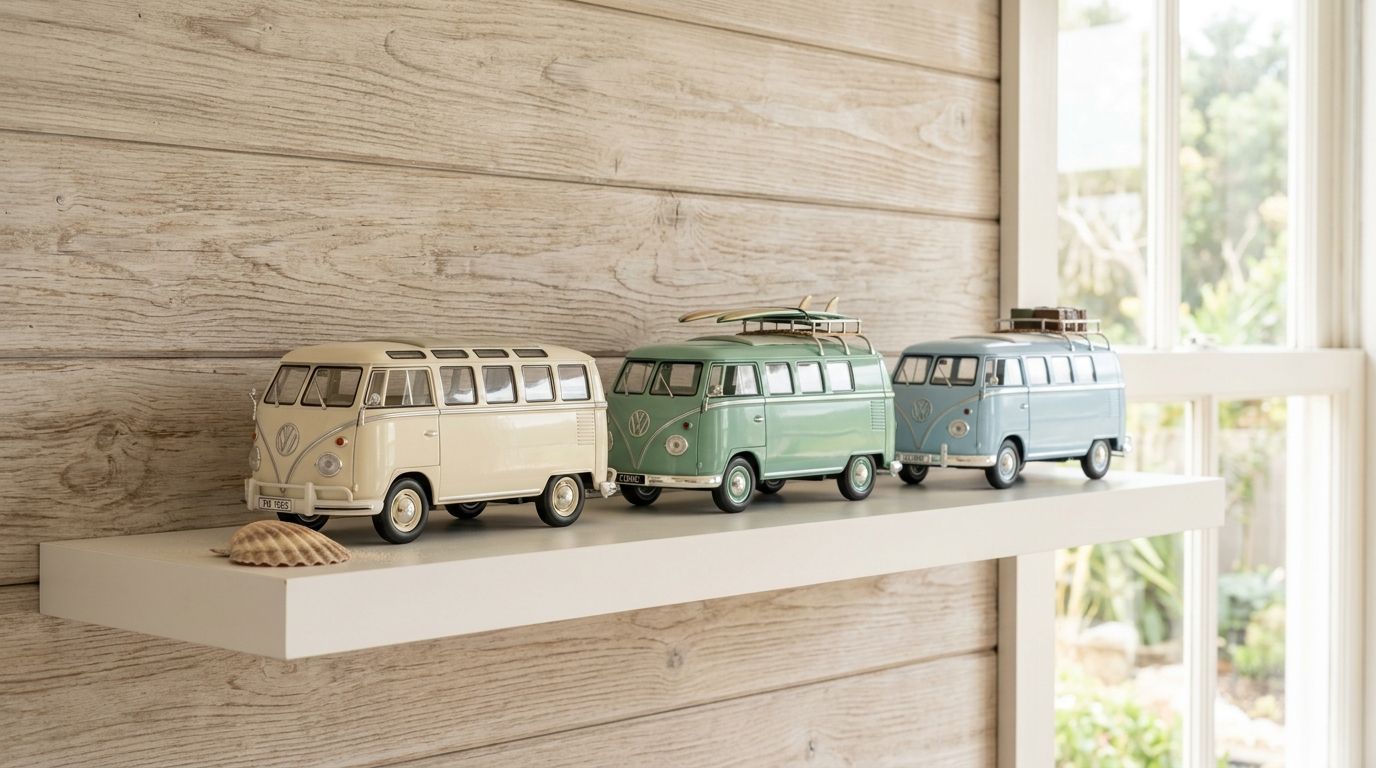
Three vintage style miniature Volkswagen bus models displayed on a white shelf against a wood paneled wall.

Placement matters more than collectors sometimes realise. Filtered natural light gives chrome trim and curved panels a nice lift, but hard afternoon sun can fade paint and warm up plastic windows over time. In a spare room, study nook, or studio, a shelf near the light usually beats a shelf in the light.

How to make the display look intentional

Start with a simple base. A floating shelf in light timber, a slim glass-front cabinet, or a compact tiered stand all suit the coastal VW mix better than a chunky dark bookcase. The room stays airy, and the models read as part of the decor instead of a stash tipped out after a swap meet.

The other part is editing. Modern Australian coastal interiors generally look better with fewer, better-chosen objects, so keep the beach references subtle. One small driftwood piece, an old surf snapshot, or a weathered tray is plenty. Shells, rope, anchors, and ten buses on one shelf will push the room away from relaxed and straight into themed.

A few setups that work well:

  • Group by colour or body style: A row of two-tone Kombis looks calmer than a mixed shelf with every finish competing for attention.
  • Create one clear hero piece: Put the best Samba Bus slightly higher or centred, then support it with smaller models.
  • Leave negative space: Empty space around each model helps the curves stand out and keeps the shelf from feeling fussy.
  • Rotate pieces through the year: Boxed models stay cleaner, and the display stays interesting without getting overcrowded.

Practical rule: If the shelf feels busy, remove one-third of the pieces before adding anything else.

This is also one of the easiest ways to bring your collection out of storage and into daily life. A couple of well-placed diecasts from a local memorabilia shop or your own stash can give the office that familiar Australian VW club feel, without turning your workspace into a full museum wall.

2. Nautical Metal Wall Art Featuring VW Icons

You sit down at the desk, the light's good, the timber looks right, and the wall still feels flat. That's usually the moment a metal VW piece earns its keep. It gives the room a focal point straight away, and it brings a bit of grit that stops coastal decor from going too soft.

A Kombi cut-out works particularly well in a beach office because the shape already carries a bit of surf-club nostalgia. Go for seafoam, weathered white, driftwood grey, or sandy beige if you want it to sit comfortably with the rest of the room. Beetle-themed metal art suits a cleaner setup, especially if your desk, shelving, and storage already have simple lines.

Why metal works better here than another print

Metal has presence. It casts a slight shadow, catches the afternoon sun, and gives the wall some texture without asking for a whole gallery arrangement. In a home office, that means one piece can do the job of three smaller framed prints and still leave the room feeling calm.

Placement matters more than people realise. Hang it where you see it from the chair, not too high, and give it clear space around the edges. A good wall piece needs room to breathe, especially in a coastal office where the whole point is to keep things light and uncluttered.

Soft wall colours make these pieces read better. White, cream, pale blue, and light grey are the safe choices.

There's also a trade-off with metal that's worth being honest about. It can look brilliant against plaster, VJ panelling, or limewashed walls, but a heavily distressed finish can tip into café-fitout territory if the rest of the room is already busy. If you've got patterned rugs, retro signs, or a shelf of memorabilia from local VW shows, choose a simpler silhouette rather than a rusty, overworked design.

I usually prefer one strong Kombi or Beetle piece over a themed cluster. It feels more like a considered nod to Australian VW culture, the kind of thing you'd spot in a tidy corner at a club meet, rather than a wall trying to prove the point too hard. A well-chosen piece from your own collection, or from a good Australian memorabilia shop, ties the office back to the hobby without turning the space into a novelty room.

If the choice is between another generic beach print and a VW metal wall piece, the VW piece usually gives the room more identity and does more visual work.

3. Soft Furnishings with Beach and VW Themes

You roll back into the office after a Sunday coastal drive, drop into the chair, and the room should feel like the calm part of the day, not a spare bedroom with a desk shoved in the corner. Soft furnishings do that job better than people give them credit for. They take the hard edge off a workspace, cut a bit of echo, and make the VW theme feel collected rather than stuck on.

The colour mix is simple. Soft white, seafoam, faded blue, sandy beige, and sun-washed green all sit nicely in a beach office. Add VW motifs carefully and the room keeps its coastal feel. Go too loud with prints and it starts reading like a kid's surf shop.

Cream linen cushions with a small Kombi sketch work well. A light throw over the chair with a subtle Beetle pattern also works. Big prints with vans, palms, surfboards, and slogans all on the one cushion usually feel busy, especially if you already have diecast models, posters, or club-meet finds elsewhere in the room.

Natural fabrics suit this style best. Linen, cotton canvas, and textured blends have that relaxed Australian beach-house character, and they age better than shiny synthetics. They also sit comfortably with light timber, painted joinery, and older VW memorabilia that has a bit of patina.

I'd keep the ratio heavily in favour of plain pieces. One themed cushion can carry the idea. Two is often enough for a full office.

  • Start with solid colours: Cream, sand, pale blue, or washed sage give the room a calm base.
  • Use one hero VW print: A single Kombi or Beetle cushion reads cleaner than a matched set.
  • Choose washable covers: Home offices collect dust, coffee splashes, and everyday grime faster than people expect.
  • Repeat the motif once only: If the cushion has the van graphic, let the throw stay plain.

That last point matters. Repeating the same Kombi print across cushions, throws, and curtains can tip the room from nostalgic to novelty. The better approach is restraint, the same way a tidy Beetle at a car show stands out more than one covered in every accessory from the swap meet.

If you want ideas that fit that balance, have a look at VW wall accents and home decor pieces and match soft furnishings to one standout item rather than building the whole room around fabric prints.

A lightweight throw is also practical, not just decorative. Air-conditioned rooms can feel cold and a bit clinical, even in summer. A soft cotton throw on the chair back warms up the space and finishes it off without crowding the desk.

It's a small layer, but it changes the feel of the whole office.

4. Coastal Wall Shelving with Curated Collections

A good shelf does what a well-set-up Kombi display does at a local VW meet. It gives every piece room to be noticed without turning the whole scene into visual noise.

Two rustic wooden shelves on a light blue wall holding vintage Volkswagen bus toy models and decor.

In a beach office, wall shelving works best when the materials feel relaxed and sun-worn. Pale oak, whitewashed timber, and natural pine sit comfortably with sea-glass blues, sandy neutrals, and older VW pieces with a bit of history to them. If your desk or filing cabinet has a cleaner, more modern look, steel brackets can tighten up the shelf line and stop the room drifting too rustic.

The trick is curating, not just storing. A row of 1:24 Kombis arranged by colour can look brilliant in a Melbourne studio. A smaller shelf in a coastal home office might carry one Beetle model, a framed swap-meet photo, and a single shell or coral-toned object. Both approaches work because each item has space around it.

Shelf styling that stays tidy

Collectors often own more good pieces than a shelf should hold. That is where restraint pays off.

  • Build one focal point per shelf: Try one hero VW item, then support it with two or three quieter pieces.
  • Mix finishes carefully: Diecast metal, aged timber, glass, and a natural coastal element usually give enough contrast.
  • Keep some open space: Gaps make the collection feel deliberate and keep the office calmer to work in.
  • Rotate pieces by season or mood: You do not need every favourite item out at once.

I've found shelves look better when the memorabilia tells a small story. One shelf might nod to surf-trip nostalgia with a Kombi, a faded beach photo, and a simple driftwood piece. Another might feel more club-rego and car-show weekend, with a Beetle model, a badge, and a clean framed print. That sort of separation keeps a collection from blending into one busy line of objects.

If you want pieces that suit that balance, the VW wall accents and living room range for coastal-style displays is a handy place to start.

Modular shelving still makes sense here, even without overthinking it. Shelves that can be shifted, added to, or spaced differently are easier to live with as your collection changes. That matters in a working office, because today's display shelf can become tomorrow's book shelf, printer shelf, or spot for a framed photo from the last VW Nationals.

5. Nautical and Beach-Themed Photo Displays

You walk into the office, set the keys down, and the wall gives you the same feeling as rolling into a coastal VW meet just after sunrise. That is what a good photo display can do. It brings in the salt-air mood without crowding the room with more objects.

For VW people, photos carry the story better than almost anything else. Old Beetle workshop shots, a Kombi parked near the dunes, a faded beach print from an Australian road trip. Put those together with a bit of restraint and the office feels personal, settled, and easy to work in.

Keep the story clear

A Brisbane accounting office might suit neat timber frames with vintage VW brochure images and quiet Queensland beach scenes. A Gold Coast creative studio can handle a looser layout with Kombi restoration photos, surf snapshots, and one stronger hero image that pulls the wall together. Different rooms, same rule. The photos need a shared colour palette and a clear reason for being there.

Frame choice does a lot of the heavy lifting. Natural timber, brushed metal, and whitewashed finishes usually sit well in a beach office. Mix too many frame styles and the wall starts to feel like a market stall instead of a considered collection.

I usually tell people to lay the arrangement out on the floor first. It saves patching holes later, and it helps you spot when one photo is throwing the balance off.

There is a practical side to this as well. Beach-style spaces often get strong natural light, and that is great until glossy glass starts bouncing glare onto your screen. Keep reflective frames away from direct sun and opposite your monitor. If the room gets hard afternoon light, matte prints or anti-glare acrylic are often the better buy.

Renters have an easier path than they realise. Removable strips work well for lighter frames, while owners can use paper templates on the wall before hanging anything permanently. A bit of planning makes the whole display look sharper.

If you want pieces that already suit that surf-trip, car-show, coastal-office mix, the VW vintage home accessories collection for beach-inspired displays is a solid place to start.

This approach works because photos add character without eating up desk space. In a working office, that balance matters.

6. Vintage Signage and Retro Beach Posters

You walk into the office, spot a faded surf poster beside an old-school Kombi tin sign, and the room suddenly feels less like a spare study and more like a little corner of Cooly after a Saturday car show. That shift matters. Good signage sets the mood fast, especially in a coastal VW space where nostalgia is part of the appeal.

The trick is restraint. Signs and posters carry more visual punch than photos, so a small number usually works better. Three pieces often does the job. One hero print or metal sign can anchor the wall, then two supporting pieces can bring in surf culture, beach colours, or a nod to classic Beetle and Kombi travel.

I've found the best mix is one part motoring history, one part seaside attitude. A retro beach poster with sun-faded blues and sandy reds sits nicely beside vintage-style VW advertising art. That pairing feels collected, not themed to death.

Choose pieces that suit the room, not just the hobby

A home office with timber shelving and white walls can handle a distressed tin sign without feeling heavy. A cleaner commercial fit-out usually looks better with framed retro prints and just one metal piece for texture. The trade-off is simple. Too many weathered finishes and the room starts to feel like a garage wall. Too many polished frames and you lose the relaxed coastal character.

A Sunshine Coast studio might use a large beach poster as the main feature, then add a smaller Kombi sign near a bookcase. A Sydney collector with a tighter office could hang one vertical surf print beside the desk and keep the VW element on the adjacent wall so the whole setup breathes.

  • Start with a feature piece: Pick the sign or poster you want people to notice first.
  • Match the colour story: Sea blues, off-whites, faded reds, and sun-worn yellows usually sit well together.
  • Mix materials carefully: One or two metal signs add charm. More than that can make the wall feel noisy.
  • Watch the finish: Matte posters are easier in bright rooms than glossy prints.

If you want pieces that already suit that surf-trip, car-show, coastal-office mix, the VW vintage home accessories collection for retro wall styling is a handy place to start.

Character matters in a workspace, but placement matters just as much. Keep bold graphics off the wall directly behind your screen if you do long hours at the desk. Strong colours and busy lettering can pull your eye all day. Put the hero piece where you can enjoy it on breaks or when someone walks in, and the room keeps its personality without getting in the way of work.

7. Beach-Inspired Table Décor and Desk Accessories

The desktop is where beach office decor ideas can go wrong fastest. Too much stuff, and you've got nowhere to work. Too little, and the room feels unfinished. The answer sits in the middle.

A single diecast Beetle or Kombi at the desk corner does more than a pile of novelty trinkets. Add a shell pen holder, a driftwood tray, or a simple coastal photo frame, and the desk feels personal without losing function.

A miniature Volkswagen van, a palm tree notebook, and pens in a seashell holder on a wooden desk.

What earns a spot on the desk

Every item should either help you work or make the space calmer. If it doesn't do one of those jobs, it probably belongs on a shelf instead.

A Sydney lawyer might keep one neat Kombi model, a pebble paperweight, and a timber organiser. A Melbourne designer might lean into a mini VW planter, a desk mat in sandy tones, and one small stack of reference books.

  • Keep the count low: Five to seven accessories is usually enough for a working desk.
  • Choose natural finishes: Timber, metal, stone, and shell all suit the beach look.
  • Mind the light: Put your diecast where a lamp or soft window light catches the curves.

The hidden trade-off is distraction. A desk full of collectibles can look fun for about a week, then start to feel visually noisy. You'll realise pretty quickly which pieces help the mood and which ones just take up elbow room.

This is also where gift buyers can do well. A licensed Volkswagen Beetle model or a small Kombi piece makes an easy, displayable present that doesn't ask for a full room makeover.

8. Colour Psychology and Coastal Paint Treatments

Late arvo sun hits the office wall, the cream on your Beetle diecast starts to glow, and suddenly the whole room feels more like a surf-club nook than a spare study. That shift usually comes down to paint.

Paint sets the mood before the memorabilia even goes up. Soft whites, sandy neutrals, muted aqua tones, and washed seafoam shades all suit a coastal VW office because they calm the room and let the fun pieces do their job. A bright two-tone Kombi or a vintage sign has more presence against a quiet wall than it does against a colour shouting for attention.

Colours that work in a real office

Soft white is the reliable choice if you want flexibility. It reflects light well, keeps smaller rooms open, and won't fight with red, blue, or cream VW pieces. Sandy beige or warm stone is better if the space already has lots of white furniture, because it stops the room feeling clinical. Seafoam and pale blue can look brilliant behind timber shelving or a framed poster wall, but they need testing first. In some Australian light, especially near the coast, a cool paint can turn flat or slightly grey by mid-afternoon.

One feature wall is often enough. The wall behind the desk, display cabinet, or floating shelf usually gives you the biggest return for the least effort.

Texture matters too. Limewash, mineral paint, or a low-sheen finish can soften the room and give it that weathered beach-house feel VW fans tend to love. The trade-off is maintenance. Textured finishes hide small scuffs well, but they can be harder to patch neatly if you move shelves or swap artwork after the next VW show haul.

The wall should support the memorabilia, not compete with it.

I'd also be picky about undertones. A warm white works beautifully with cream Kombis, timber frames, and older metal signs. A blue-based white can make those same pieces feel colder and less nostalgic. Grab sample pots, paint decent-sized test patches, and check them in morning light, afternoon light, and under your desk lamp before committing.

Australian homes near the coast also deal with strong light for much of the year, so finish choice matters as much as colour. Washable paint with a durable low-sheen or satin finish usually makes more sense in a working office than flat matte, especially if the room gets salt air, dust, or plenty of sun. If you want styling ideas that already suit this softer palette, browse these coastal home décor ideas for VW-inspired spaces.

Warm lighting ties it together. A soft globe around 2700K to 3000K keeps seafoam, sand, and off-white tones relaxed and flattering. Cool office lighting can make a carefully chosen coastal palette feel like a medical fit-out, and that's no place for a lovely old Kombi display.
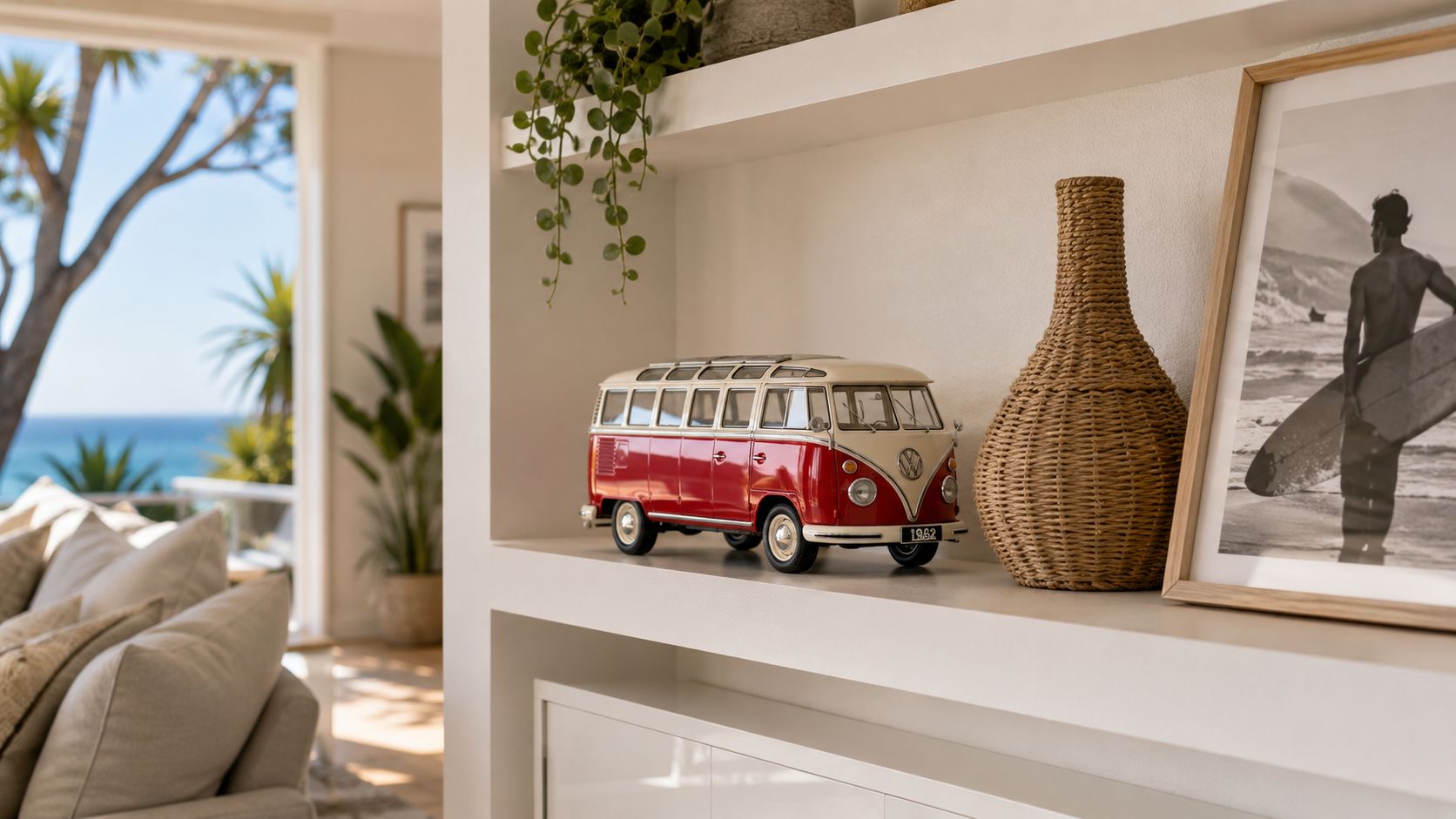
8-Item Beach Office Decor Comparison

Item 🔄 Implementation Complexity ⚡ Resource Requirements 📊 Expected Outcomes Ideal Use Cases ⭐ Key Advantages
Vintage VW Kombi & Samba Bus Diecast Displays Medium, requires shelves/cabinets, careful placement and dust control Moderate cost; display shelving or cases, lighting; larger scales need more space High visual nostalgia and focal interest; strong engagement with visitors Reception desks, window displays, themed meeting rooms, tourism offices Authentic licensed detail; compact yet impactful; strong collector appeal
Nautical Metal Wall Art Featuring VW Icons Low–Medium, wall mounting, anchors and planning for scale Moderate, cost varies by size and finish; secure fixings and careful delivery for large pieces High wall impact and texture; durable long-term statement Feature walls, cafés, lobbies, gallery clusters Sculptural texture; weather-resistant finishes; transforms blank walls
Soft Furnishings with Beach & VW Themes Low, no structural work, simple placement and seasonal swaps Low–Moderate, cushions, throws, quality fabrics; removable washable covers recommended Improved comfort and warmth; subtle thematic cohesion and colour infusion Lounge areas, seating zones, client meeting spaces Affordable way to add colour/pattern; washable covers; tactile comfort
Coastal Wall Shelving with Curated Collections Medium, proper anchoring, leveling, and load assessment required Moderate, shelving, brackets, installation tools; optional LED lighting Maximises vertical display; layered visual rhythm; flexible curation Compact offices, studios, retail displays, shared workspaces Flexible reconfiguration; shows mixed media; efficient use of wall space
Nautical & Beach-Themed Photo Displays Low–Medium, framing, arrangement planning, anti-glare/UV considerations Low–Moderate, prints, frames, archival materials; occasional protective glass Personalised storytelling; emotional connection; strong visual depth Hallways, meeting rooms, reception gallery walls Cost-effective high impact; easily refreshed; highly personalisable
Vintage Signage & Retro Beach Posters Low, simple hanging; large/heavy pieces need secure anchors Low–Moderate, signs/posters in tin, canvas or wood; quality affects authenticity Instant retro atmosphere and focal points; strong nostalgic appeal Feature areas, cafés, retail fronts, reception desks High nostalgia value; affordable statement pieces; wide design variety
Beach-Inspired Table Décor & Desk Accessories Low, minimal installation; requires intentional curation to avoid clutter Low, small, affordable items; occasional replacements and cleaning Personalised, functional workspace; subtle calming and tactile benefits Individual desks, meeting tables, reception counters Dual-purpose items (functional + decorative); promotes mindfulness; easy rotation
Colour Psychology & Coastal Paint Treatments Medium–High, paint/finish selection and application; may need professionals Moderate, quality paint, samples, possible contractor; lighting adjustments Cohesive calming atmosphere; improved focus and long-term wellbeing/productivity Full office refreshes, feature walls behind displays or seating Unifies aesthetic; enhances other décor; evidence-based calming effects

Your Coastal VW Escape Awaits

The best beach office setups feel like the morning after a big VW show on the coast. Salt in the air, a Kombi parked nearby, and that easy mix of nostalgia and calm that makes you want to stay a while. That is the mood worth chasing in a workspace.

A good result comes from restraint. Start with a coastal base that allows the room to function. Soft whites, sea blues, weathered timber, natural fibres. Then bring in the VW pieces with some discipline, the Kombi Samba Bus diecast you hunted down years ago, the Beetle model that reminds you of your first project car, or a sign that feels right for an old surf club office. Give each item space so it reads like part of the room, not stock piled from a swap meet.

That balance matters in real offices as much as home setups. As noted earlier, Australian fit-out trends continue to favour spaces with personality, provided they still feel organised and practical. In plain terms, themed décor works best when it earns its place. A shelf can hold diecast models and still keep reference books close. A framed poster can set the tone without shouting over the whole room. That is usually the difference between a collector's office and a cluttered spare room.

For Australian VW fans, the connection runs deeper than style. Australians first got Volkswagens as imports in late 1953, with official sales beginning in early 1954, and local assembly at Clayton in Victoria gave the market its own chapter before fully imported sales resumed from March 1977, as noted by the Club VW history of Australian Volkswagen sales. That history is why a Kombi or Beetle on display carries weight. It points to road trips up the coast, car show mornings, restoration chats over a bonnet, and the freedom these cars have always represented here.

Keep the final look simple and honest. Choose licensed pieces. Repeat colours already in the room. Mix metal, timber, linen, and glass so the space feels collected over time. If a piece does not suit the room or means nothing to you, leave it out.

If you are ready to finish the space properly, Volkswagen Memorabilia is a solid place to start. The range suits Australian collectors who want licensed diecast models, Kombi and Beetle display pieces, and coastal-friendly décor that fits a study, studio, reception area, or collector's corner without going over the top. Local stock and fast Australian shipping help too, especially when you have finally found the exact spot for that next Kombi or Beetle piece.

The Perfect 50 Litre Fridge for Your Kombi or Cave

The kettle's still warm on the trestle table, someone's polishing a two-tone Beetle a few rows over, and you can hear that familiar chatter about tyres, trim and where the next coastal run is heading. Then somebody cracks open a drink from a little fridge tucked beside a Kombi awning, and suddenly the whole idea makes perfect sense. A 50 litre fridge isn't just another appliance. In the VW world, it's part road-trip mate, part garage companion, part style piece that earns its keep.

For plenty of Aussie VW owners, the sweet spot isn't a giant caravan fridge or a tiny lunchbox cooler. It's something compact enough to live in a Kombi setup, a shed, a workshop corner, or a beach-house bar nook, but useful enough to hold real supplies for real weekends. That's where the 50 litre size starts to feel right. Not oversized. Not ornamental. Just practical in that good, old-school way VW people tend to appreciate.

That Perfect Cold Drink on a Long, Sunny Drive

You've packed the Kombi the night before. Folding chairs behind the seat. A tool roll in the side pocket. A crate of snacks, a bit of fruit, milk for the morning brew, and something cold for the late-afternoon stop when the sun's gone honey-gold over the coast. You're not chasing luxury. You're chasing that simple pleasure that classic Volkswagens have always done so well, travelling light, but travelling well.

That's where a 50 litre fridge earns its stripes. It slips into the trip without trying to be the star of the show. It just sits there doing the sensible work, keeping the lunch cool, the drinks ready, and the day feeling sorted.

That Perfect Cold Drink on a Long, Sunny Drive

At a VW meet, you see all sorts of setups. One owner keeps a compact fridge in the garage beside shelves of parts manuals and surfboards. Another has one riding shotgun on club weekends, humming away while the convoy snakes inland. Someone else uses one at home under a bench in a memorabilia room, stocked with sparkling water and picnic bits for when mates drop by to admire the diecast display.

Practical rule: The best touring gear doesn't ask for attention. It quietly makes the day easier.

That's why this size has such appeal. A 50 litre fridge feels right at home in the VW lifestyle because it matches the rhythm of it. You want gear that's useful, tidy, and a bit charming. Something that serves the trip, the shed, or the coastal corner of the house without dominating the space. Much like a classic Volkswagen, really. Compact footprint, big personality, and always ready for one more run down the road.

Decoding the Numbers What 50 Litres Really Means

A mate of mine with a tidy late bay keeps a 50 litre fridge behind the front seats on club runs. By Saturday morning it is doing three jobs at once. Milk for the billy, sausages for lunch, and a row of cold cans for that golden hour when everyone is parked up swapping stories about roadside fixes and long-lost split screens. That is the true measure of 50 litres. Not the number on the box, but what it carries without turning your van or room into a juggling act.

Decoding the Numbers What 50 Litres Really Means

“Fifty litres” sounds precise, yet usable space always comes down to shape. A tall bottle steals room in a way a stack of cans does not. Bacon, fruit, butter, a sauce jar, and a container of potato salad all have their own awkward little footprints. Two fridges can share the same litre rating and feel completely different once you start packing for a weekend by the coast.

The easiest way to judge it is to picture an actual load you know well. For a VW run, that might mean:

  • a couple of breakfast basics such as milk, eggs and butter
  • lunch bits like cheese, cold cuts, salad tubs or sandwich fixings
  • drinks for the road and a few extras for when the camp chairs come out
  • one dinner pack, already portioned so you are not digging around at dusk

That mix tells you more than a spec label ever will.

A 50 litre unit usually sits in a sweet spot for the VW crowd because it holds enough for a proper weekend away, yet still suits the compact, clever spirit these old buses taught us to love. It also crosses over beautifully at home. The same size that works for a road trip can tuck into a rumpus room, workshop, or beachy entertaining nook without bullying the space. If you are styling that corner to match the old-school surf and Volkswagen mood, these coastal home decor ideas for a laid-back VW-inspired space can help the fridge feel like part of the scene rather than a plastic box dropped in at the last minute.

Think in loads you actually pack

Buyers often get tripped up by capacity because they picture volume, not habits. If your fridge is mostly for drinks, a can-friendly interior feels generous. If you pack marinated meat, dip tubs, yoghurt, fruit, and chunky leftovers, the same cabinet can feel tighter in a hurry.

A good test is to ask three plain questions.

  1. What goes in first? The staples usually tell you whether the basket or shelf layout makes sense.
  2. What shape are your regular items? Long bottles and square meal containers expose awkward interiors quickly.
  3. How often will you reach in? A fridge that stores plenty but makes you unload half of it for the butter gets old fast.

Measure with the lid open, not closed

This is the bit plenty of enthusiastic buyers skip, usually right up until the fridge arrives.

In a Kombi or camper setup, check the floor area, the swing of the lid or door, and the breathing room around the vents. In a garage or coastal-style room, do the same thing. A fridge can look spot on in a product photo and still become a nuisance if the lid hits a cupboard, the seat base, or the wall every time you want a drink.

A tape measure and five spare minutes can save a lot of grumbling later.

The practical takeaway is simple. Fifty litres is not tiny, and it is not huge. It is the kind of size that earns its keep when your life sits somewhere between weekend touring, tinkering in the shed, and setting up a home space that feels ready for friends to wander in after a day near the water. In true VW fashion, it is compact, useful, and better than it first appears once you put it to work.

Finding the Fridge for Your VW Passion or Coastal Home

A 50 litre fridge changes character depending on where you put it. In one setting, it's a rugged little touring unit. In another, it becomes part of the room.

Finding the Fridge for Your VW Passion or Coastal Home

At a VW Nationals-style weekend, the right fridge is the quiet achiever near the campsite table. It's there for sandwich fixings, cold fruit after a dusty walk, and that first chilled drink when the chairs come out. In a Beetle owner's workshop, the same size fridge can tuck under a bench beside old service signs and polished hubcaps, ready for a long afternoon of tinkering.
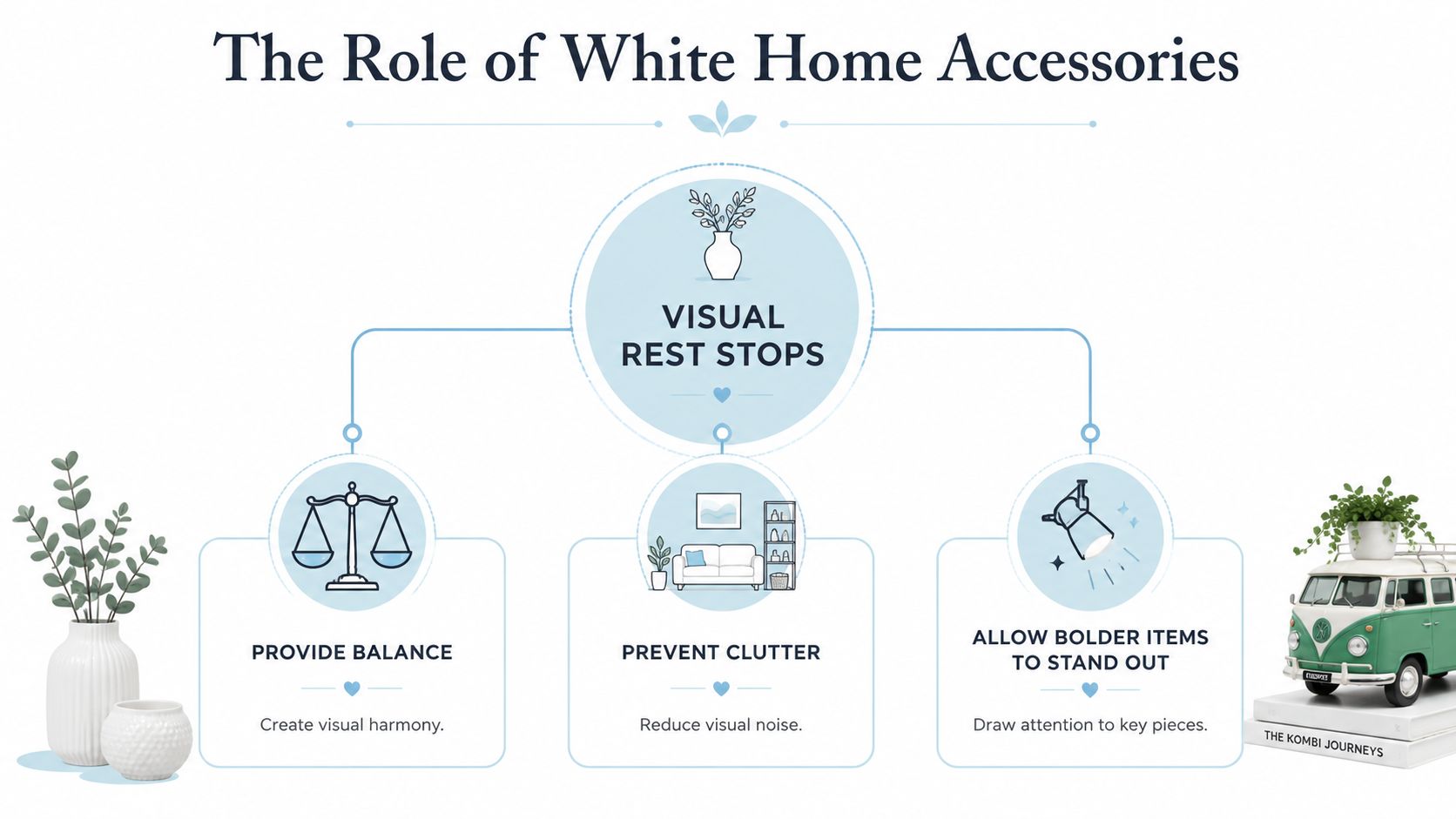
At home, though, the brief shifts. You might want a unit that suits a surfy room, a memorabilia wall, or a bright coastal corner where pale timber, white walls and vintage VW art do the heavy lifting. In that setting, the fridge becomes part function, part atmosphere. It doesn't need to look industrial. It needs to belong.
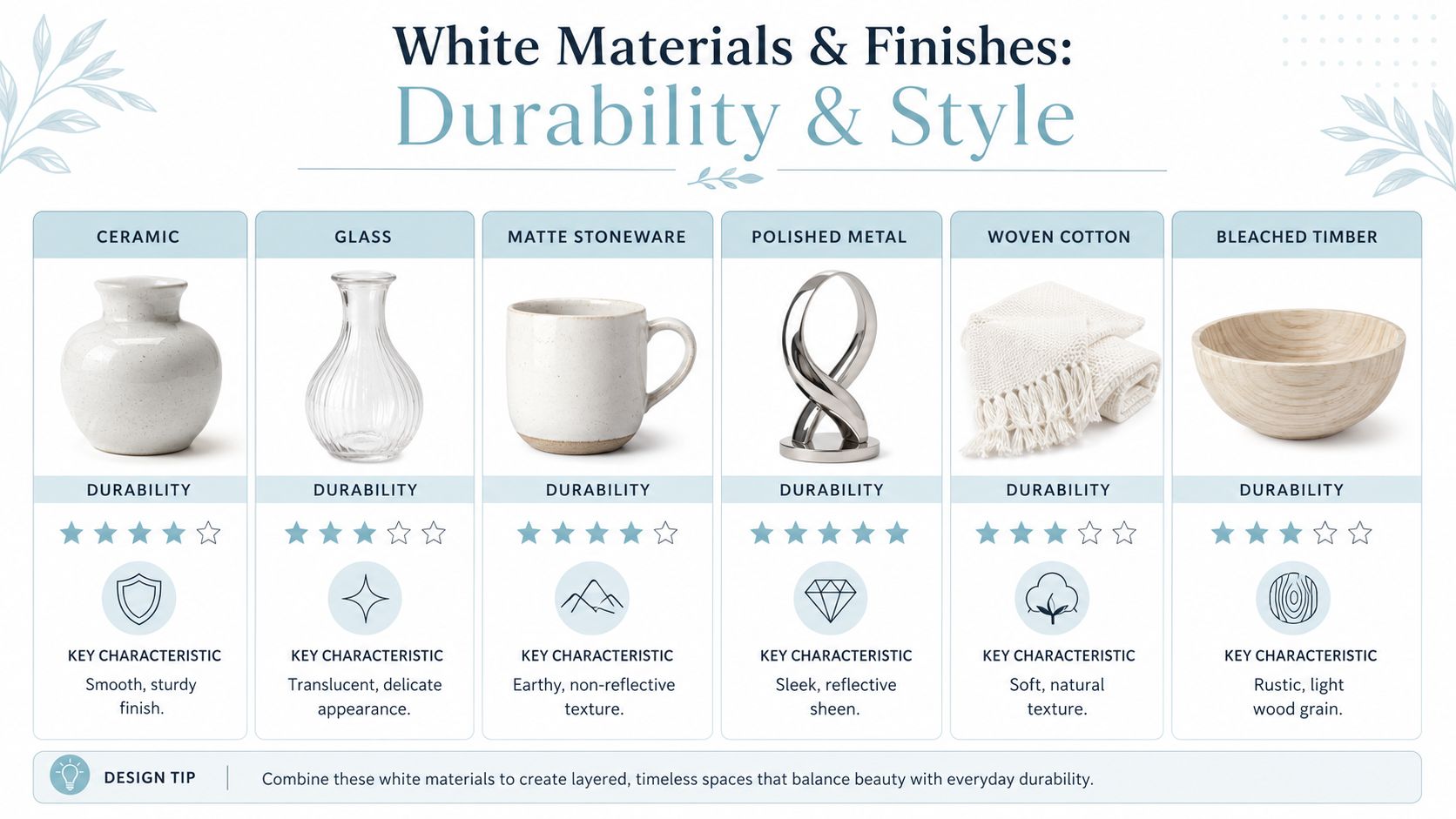
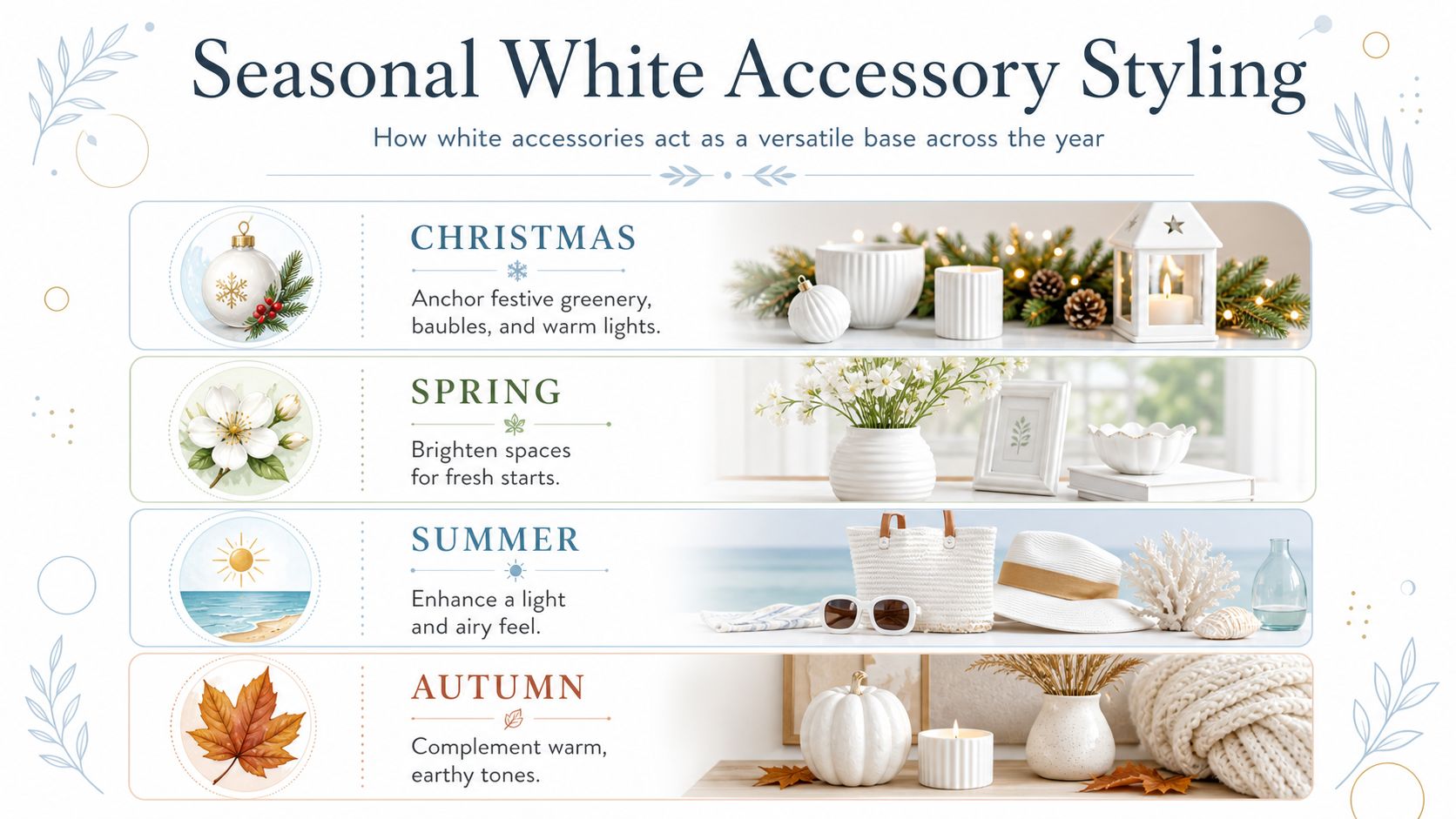
Touring setups for the road-bound VW crowd

For travel, compressor-style portable fridges usually make the most sense. They're designed for movement, flexible power input, and proper cooling rather than just temporary chill. If your Kombi life includes markets, campsites, swap meets, and dawn starts on warm mornings, that kind of unit feels naturally suited to the job.

Things worth noticing in person include:

  • Handle placement if you'll move it often
  • Lid direction if it's going behind a seat or under a platform
  • Tie-down points for safer travel
  • Interior shape for odd items like upright bottles or pre-made meals

Home styling with a VW soul

A 50 litre fridge also works beautifully in a room built around nostalgia. Think of it sitting below framed beach prints, beside model Volkswagens, or under a shelf of old motoring books. The trick is to choose a look that complements the space instead of shouting over it.

If you're leaning into a breezy, beach-house feel, these coastal home décor ideas offer the same sort of relaxed visual cues that make a compact retro-style fridge feel right at home.

A quick walk-through can help spark ideas before you buy:

The nicest setups don't look forced. They look like the fridge was always meant to be there, whether that's beside a Kombi at a showground or in a sunlit room with salt-air character.

Understanding Cooling Tech and Energy on the Go

By mid-afternoon north of Ballina, the cab is warm, the bitumen is shimmering, and someone in the passenger seat is already asking if the ginger beer is still cold. That little moment is where cooling tech stops being brochure talk and starts mattering. In a Kombi, on a campsite, or in a coastal rumpus room that gets the western sun, a 50 litre fridge earns its keep through steady temperature control and sensible power use.
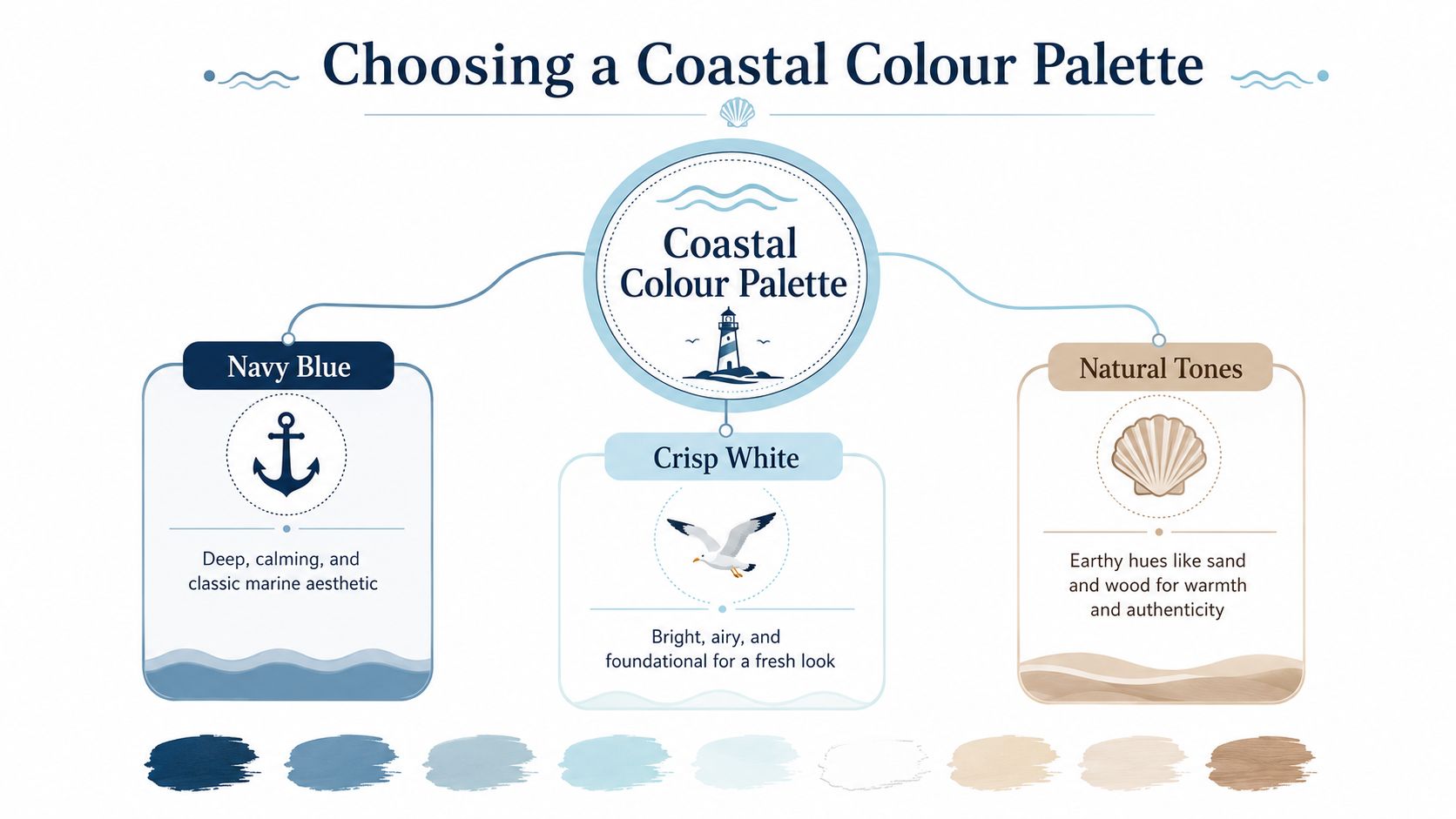
Good, better, best for real use

A simple ice cooler suits a short beach run or an afternoon cars-and-coffee meet. It keeps drinks passable for a while, but once the lid has been opened a few times and the ice starts to go, food storage becomes a gamble.

A compact household fridge suits a fixed spot far better. In a workshop lined with old VW signs, or a coastal home bar beside a stack of surf mags, it can look brilliant and do an honest job. The trouble starts when people expect that same unit to handle corrugations, angled parking, changing power sources, and hot stops along the highway.

For touring, a portable compressor fridge is usually the right tool. As noted earlier, the better ones run on vehicle power as well as mains power, and they can cool properly rather than merely taking the edge off the heat. That makes a real difference on long summer drives, especially if your VW life includes overnight stays, market runs, and show weekends where the fridge gets opened all day.

Why thermostat control matters

I have seen plenty of classic setups with gorgeous paint, tidy curtains, and a fridge full of optimism. Then dinner time rolls around and the milk is iffy, the salad is sweating, and nobody is quite sure what temperature the cabinet has been sitting at.

That guesswork is the problem.

A peer-reviewed Australian fridge temperature study found that many household refrigerators did not consistently stay at or below the advised food-safe temperature. The researchers also noted that thermostat setting played a major part, while temperature displays were uncommon. For a 50 litre fridge, that means clear controls and an easy way to check internal temperature are worth far more than flashy trim.

Heat, insulation and battery planning

A fridge behind the front seats of a Kombi works harder than one tucked into a cool laundry. Sun through the glass, frequent lid openings, warm cans dropped in after a servo stop, and a battery that is already running lights or charging phones all add up.

Good insulation in the van helps the whole setup hold its temperature with less strain. If you are sorting the travel side of the build, this guide to insulation for your van setup is a smart place to start. It will not turn an average fridge into a miracle worker, but it can help a decent unit cycle less often and recover faster after the lid has been opened.

The same logic applies at home. In a sunlit coastal room, placement matters. Keep the fridge out of direct afternoon heat, give it breathing space around the vents, and it will run quieter and more steadily while still looking right at home among your VW bits and beach-house decor.

Your Ultimate VW and Coastal Style Buying Checklist

The best 50 litre fridge is the one that fits your life twice. First in practical terms. Then in visual terms. If it nails one and misses the other, you'll notice.

Look through the VW enthusiast lens

VW people tend to buy with their heart and their hands. You want something that works, but you also want it to feel right among the rest of your gear.

Your Ultimate VW and Coastal Style Buying Checklist

Ask yourself:

  • Does it suit the vehicle? A modern square-edged unit may be practical, but does it fit the tone of your Kombi setup or garage display?
  • Can you live with the finish? Matte black, white, stainless or retro colourways all send a different signal.
  • Will it be moved often? Touring owners need sensible handles and rugged build more than decorative charm.

One overlooked detail is the inside layout. A dual-compartment design can sound ideal until you realise the split doesn't match your packing style.

Look through the coastal home lens

A home bar nook or memorabilia room needs a softer eye. Here, the fridge should sit happily with furniture, wall art and the room's colour palette.

A few buying cues help:

Buying point Why it matters
Quiet running Better for living areas, studios and reading corners
Clean exterior lines Easier to pair with coastal or retro décor
Door style and handle Small design cues can make the unit feel classic or clunky
Interior flexibility Helps if you switch between drinks, grazing boards and everyday bits

The biggest trap remains usable capacity. One National Luna twin example is described as roughly 40 litres fridge + 10 litres freezer, and a related discussion notes the 50L dual-compartment model has only one compressor in that configuration, as highlighted in this National Luna 50L twin overview. That's why “50 litres” on the badge doesn't always mean a simple open box inside.

Buy for the items you actually carry, not for the round number on the carton.

If you're preparing for off-grid runs as well as style points, battery support matters too. A well-matched setup with a slimline lithium battery can make a portable fridge far more enjoyable to live with on longer escapes.

Frequently Asked Questions from Fellow Enthusiasts

A few questions come up again and again around the showgrounds and workshop bench. Here are the short answers.

Common Questions About 50L Fridges

Question Short Answer
Is a 50 litre fridge big enough for a Kombi weekend away? For many couples or solo travellers, yes, if you pack thoughtfully and choose a layout that suits your food and drink mix.
Should I choose a fridge-only model or a fridge/freezer? Choose based on what you carry most. A freezer function is handy for ice, frozen food, or longer trips, but it can change usable space.
Can I use one at home as well as on the road? Yes, many portable units are designed to run on vehicle power and standard household power, depending on the model.
How do I know if the advertised 50 litres is realistic? Check internal photos, compartment shapes, and whether dividers or compressor humps steal usable room.
What's the simplest way to pack it well? Put the most-used items on top or near the front, group breakfast items together, and avoid awkward loose packaging.
Do I need to monitor temperature? If you're storing food, yes. Reliable temperature control matters more than the litre number alone.

A few workshop-tested habits

  • Pre-chill before departure: Don't ask the fridge to cool everything from warm if you can avoid it.
  • Pack in categories: Breakfast gear together, drinks together, dinner items together. It saves rummaging.
  • Open it with purpose: Repeated lid opening lets the cold escape and makes any fridge work harder.
  • Clean and dry it after trips: A tidy fridge is nicer to use and easier to trust next time.

For classic VW owners, the smartest buy is rarely the flashiest one. It's the fridge you can rely on when the day's warm, the road is long, and somebody says, “Anyone keen for a cold one?”


If you love the Volkswagen lifestyle beyond the drive itself, have a look through Volkswagen Memorabilia for officially themed gifts, diecast classics, coastal-style décor, and display pieces that bring that Kombi-and-Beetle spirit into your home, workshop, or gift list. It's a lovely spot for Australian enthusiasts who want local stock, quick shipping, and collectibles that celebrate VW heritage with real charm.

From Blank Walls to a Bay Window View: A Guide to Nostalgic VW Wall Accents for Your Living Room

G’day, mate! Had a squiz at that big, empty wall in your living room lately? It’s not just dead space, you know. It’s a massive canvas just waiting to tell a story—your story. For those of us with a bit of road trip spirit in our veins and a deep love for classic Volkswagens, wall accents are how we bring that passion indoors.

From Blank Walls to a Statement of Style

A cozy living room with a beige sofa, blue pillows, a rustic shelf, and beach-themed wall art.

Let's have a yarn about turning what you love into a real, tangible part of your home. This is about more than just whacking a nail in the wall and hanging a picture. We’re going to get into the nitty-gritty of choosing, arranging, and even lighting your wall decor to properly capture that free-wheeling vibe of a Kombi cruise down the Great Ocean Road.

It’s all about creating a space that feels like you. We’ll look at everything from picking a hero piece, like a stunning print of a 1962 Splitty, to mixing it with other elements for a look that feels both personal and wonderfully nostalgic.

Creating a Vibe That's Uniquely You

The best living room wall accent designs don’t happen by accident. They’re thoughtfully put together, like a well-restored Bug. It’s about weaving your passions into a story on your wall that makes sense and looks schmick. Luckily, the classic cool of VW culture just happens to pair perfectly with another Aussie favourite: laid-back coastal decor.

And that’s not just a gut feeling; it’s a massive trend. Across Australia, wall accents are a cornerstone of living room makeovers, especially as design tastes shift toward earthy, nature-inspired palettes. In fact, a huge number of Aussie interior designers are tipping that neutral, organic tones—think warm terracottas, muted olives, and creamy sands—are the go-to for living spaces.

This lines up beautifully with those classic surfy VW Kombi accents in rusty oranges and seafoam greens. You can get a better feel for these trends and see how our coastal home decor ideas can help bring this look home.

The goal is to make your walls the most interesting part of your home, sparking conversations and bringing back fond memories every time you walk into the room. Let's make that happen, hey?

Choosing a Hero Piece for Your Wall

A cozy living room wall with rustic metal VW van art, a wooden shelf, and a framed beach photo.

Every great wall display starts with a hero piece. This is the anchor item that sets the tone and acts as the focal point for all your other living room wall accents. It’s the showstopper, the first thing people notice when they walk in.

For any VW enthusiast, this centrepiece should be something that truly represents your passion. It might be a sharp metal silhouette of a classic Beetle, a vibrant print of a Flower Power Kombi, or a dedicated shelf holding a prized 1:18 scale Kombi Samba Bus diecast model. It’s the piece you’ll look at every day, so make sure it's one you absolutely love.

This hero item will guide your choices for colour, style, and the overall story of your wall. Think of it as the chassis—everything else is built around it.

Finding Your Perfect Centrepiece

Choosing the right focal point is a personal decision, but a few practical considerations will ensure it works in your space. The goal is to balance an item you love with the scale and existing colours of your living room.

  • Consider the Scale of Your Wall: A large, empty wall will swallow a small print, just as a massive piece of art can overwhelm a smaller space. For a big wall, a large canvas or a substantial metal art piece makes a strong statement. On smaller walls, a detailed diecast model displayed on a floating shelf can have just as much impact. Think in metres, not just vibes!

  • Think About Visual Weight: A single, large statement piece immediately draws the eye and creates a clear focus. In contrast, a group of smaller items encourages a closer look, inviting people to explore the collection. Neither is better; they just create different effects, like the difference between spotting a lone Kombi on the highway versus a whole line-up at Volksfest.

  • Match Materials to Your Vibe: Taking a cue from modern Australian coastal design, materials like weathered metal and natural wood can add great texture. These elements complement the VW theme perfectly, giving the retro lines of a Kombi or Beetle a sun-bleached, salty-air character. Our guide to Boho wall art offers more ideas if you want to explore this style.

The best hero piece does more than just fill a space; it tells a story. It's what makes a guest stop and say, "That's fantastic, what's the story behind it?"

Don't hesitate to select an item that is a true reflection of your personality. Whether it’s a minimalist print or a quirky, colourful metal van, your hero piece is the heart of your display. Once it’s in place, you can begin adding the other pieces that complete the narrative.

Blending VW Nostalgia with Coastal Charm

Righto, you’ve picked your hero piece. It’s sitting there, ready to take centre stage. Now comes the seriously fun part—building a whole vibe around it. This is where we get creative and blend that adventurous spirit of a classic Volkswagen with the easy-going, relaxed feel of coastal decor.

Imagine pairing a bold, metallic VW van artwork with some subtle nautical touches. We're talking rustic driftwood frames holding photos of your favourite beach trips, or a small collection of seashells you've gathered over the years. It’s all about creating a personal story on your wall.

The secret to making it all work together is choosing a smart colour palette. Think of the colours you see on a perfect day down at the coast: sandy neutrals, ocean blues, and those brilliant sunset oranges. These colours can tie everything together beautifully.

Creating Your Style Recipe

You don’t need to be an interior designer to get this right. Think of it like a recipe—you just need the right ingredients. It’s about balancing different textures and scales to make sure your diecast models, wall art, and beach-found treasures all look like they belong together.

Sustainability is also becoming a huge part of how we decorate our homes. People are really starting to realise how important it is. In fact, trends show that Aussies are increasingly looking for eco-friendly décor. Pieces like hand-painted Kombi murals on recycled metal are a great example, showing a real shift towards conscious styling.

With so many Aussie home decorators now seeing wall accents as key to a wellness-focused living space, a VW-themed display is a perfect mix of feel-good nostalgia and timeless charm. For more on local trends, you can always check out Aussie design resources like Rug'n'Roll.

The trick is to create harmony without making everything match perfectly. A bit of contrast in texture—like a smooth diecast model next to a rough piece of driftwood—adds depth and makes your wall much more interesting.

Style Templates to Get You Started

To give you a head start, here are a few 'style recipes'. Use them as a starting point to cook up your own unique wall display.

VW & Coastal Wall Accent Style Recipes

Style Recipe Hero VW Accent Supporting Coastal Pieces Colour Palette
The Retro Surf Shack A colourful "Flower Power" Kombi print or metal art. A miniature surfboard, vintage-style beach signs, framed surf photos. Bright oranges, yellows, and turquoise against a white or timber backdrop.
The Coastal Explorer A detailed 1:18 scale Kombi Samba Bus diecast on a floating shelf. Old maps, a decorative compass, and jars of sand from different beaches. Deep navy blues, creamy whites, and brass or gold accents for a classic feel.
The Minimalist Beachcomber A simple, single-colour Beetle silhouette. A single piece of sculptural driftwood, a smooth sea-worn stone, black and white beach photography. Muted greys, soft whites, and natural timber tones.

These ideas are just here to spark your imagination. The best wall accents in your living room will always be the ones that tell your story.

So grab your hero piece, start layering in those coastal elements, and have some fun with it! Check out our collection of vintage home accessories for more inspiration.

Hanging Your Collection: The Nuts and Bolts

Alright, you’ve chosen your hero piece and rounded up a fantastic collection of coastal treasures. Now comes the practical part—getting it all up on the wall so it looks incredible and, more importantly, stays there. A bit of planning here makes all the difference, trust me. It’s what separates a professional-looking display from one that’s just a bit… wonky.

Before you even think about picking up a hammer, let's chat about placement. A golden rule I always stick to is hanging art at eye level. For most of us, that means the centre of your artwork or gallery arrangement should be about 145–152cm from the floor. This creates a really natural, balanced feel that just looks right.

Getting the spacing spot-on is just as important, especially when you're creating a gallery wall. You don’t want your VW memorabilia looking like it's stuck in peak hour traffic. As a good starting point, try to keep a consistent gap of around 5–8cm between each item. This gives every piece its own space to shine while still feeling like part of a cohesive collection.

Mastering the Layout and Hardware

Here’s my favourite trick for planning a layout without turning your wall into Swiss cheese: use the floor. Seriously, just lay all your pieces out and move them around until you land on an arrangement that makes you happy. Even better, trace each item onto paper, cut them out, and use a bit of painter's tape to stick the templates to the wall. You can live with it for a day or two and tweak things as much as you need.

Once you’re happy with the plan, it’s time to grab the right hardware. Please, don’t just reach for any old nail!

  • For Lightweight Prints: A simple picture hook is usually fine. I’ve even used sturdy Command strips with great success for lighter frames.
  • For Heavier Metal Art or Frames: You’ll definitely want a wall plug (sometimes called a drywall anchor) and a screw. This gives you a much more secure hold, which is essential for those precious metal Kombi silhouettes.
  • For Diecast Display Shelves: Always, always try to find a wall stud to screw into. It’s the single most secure way to hang a shelf that will be holding your prized Volkswagen diecast models.

The whole idea is to blend your standout VW accent with your coastal bits and pieces to create one unified look. It’s simpler than it sounds.

A three-step infographic on blending wall accents: hero piece, coastal items, and unified look.

This process really breaks it down: start with your VW hero piece, layer in those complementary coastal items, and then tie it all together with a consistent colour scheme. The result is a display that looks both personal and professionally styled.

Let There Be Light

Finally, never underestimate the power of good lighting. The right light can take a great display and make it absolutely spectacular. It’s what will make the chrome on a diecast Volkswagen Beetle model gleam and bring out the beautiful, rich colours in a sunset beach photo.

Think of lighting as the final polish. It's the finishing touch that elevates everything. A well-placed spotlight can draw attention to a single, special piece, while softer ambient light gives the whole wall a warm, inviting glow.

Consider installing a small, adjustable spotlight on the ceiling aimed at your hero piece. For a really classy touch, a slim picture light mounted directly above a special frame can look brilliant. Honestly, even a strategically placed floor lamp that casts a warm light upwards can make your living room wall accents feel so much more dynamic and atmospheric.

How to Grow Your Wall Collection Thoughtfully

For a real enthusiast, one piece is never just one piece. It’s the beginning of a story. Building up a collection of wall accents isn’t about just covering a blank wall; it’s about curating a visual history of your passion, one find at a time. It’s for those of us who see an empty space as an opportunity.

Whether you're all in on detailed diecast models, unique VW art, or coastal treasures, the aim is to expand your display with intention. A great collection feels like it has grown with you, reflecting your adventures and tastes from the VW Nationals to a weekend cruise.

Start with What You Love

The best collections come straight from the heart. Don't just grab something because it "fits" a theme. Only add pieces that genuinely get you excited. Stumbled across a rusty old sign at a swap meet that takes you back to your first car? That’s got more soul than anything you'll find in a big-box store.

Your wall should be a reflection of you. If you're a diehard Kombi fan, maybe you focus on collecting different scales or eras. If you love the classic Beetle, perhaps you gather memorabilia that charts its evolution. Let your passion be your compass.

Grow Your Gallery Wall Organically

A truly stunning gallery wall rarely comes together overnight. The most interesting ones look like they’ve been built over years, because they usually have been. Start with your main hero piece and a couple of supporting items, then slot in new treasures as you find them.

A gallery wall is a living project. Don't hesitate to shift things around, swap pieces out, or add new finds. This keeps your display feeling fresh and exciting—just like your passion for VWs.

One great approach is to rotate items with the seasons. A sunny, beach-themed display with surfy Kombis is perfect for summer. When winter rolls in, you could switch to more rustic scenes or a classic Volkswagen Beetle model set against a moodier backdrop.

Sourcing Quality Pieces Matters

As your collection expands, the quality and authenticity of each piece become more and more important. It’s what separates a fun hobby from a truly valuable collection. That’s why getting your gear from a dedicated, licensed Australian importer like VW Memorabilia makes all the difference.

When you buy diecast Kombi models or other VW memorabilia collectibles from a trusted source, you're investing in something that lasts. You get:

  • Authentic, licensed designs that properly honour the VW heritage.
  • Durable materials and craftsmanship built to stand the test of time.
  • The confidence that comes from fast, local shipping and backing an Aussie business that shares your passion.

Thoughtfully growing your collection of wall accents for your living room is one of the most rewarding parts of being an enthusiast. It’s a journey, not a race, so enjoy every step.

FAQs: A Quick Chat About Your Wall Display

Alright, you've got some great ideas brewing and you're ready to get started. But it's totally normal to have a few last-minute questions. Think of this as a quick chat over the bonnet of a Beetle at a car show—here are a few common things we hear from fellow VW and decor lovers.

How High Should I Hang My VW Wall Art?

Getting the height just right for your wall accents in the living room is crucial. The sweet spot is to hang your piece so its centre sits at eye level. For most of us, that’s about 145–152 centimetres off the floor. This makes it comfortable to view, whether you're standing up or kicking back on the sofa.

If you’re hanging something above your sofa, a good rule of thumb is to leave around 15-20cm of clear space between the top of the couch and the bottom of your art. This little gap helps connect the two visually without making your wall feel cluttered.

Can I Mix Different Materials and Themes?

Absolutely! In fact, mixing it up is what gives a wall display real character and texture. Imagine a sleek, metal Kombi silhouette hanging next to a weathered, framed print of Bells Beach and a small wooden oar you found on your travels. That’s the kind of display that tells a story.

The trick to making a mixed collection work is to find a common thread that ties it all together.

  • Shared Colour Palette: Try sticking to a family of colours, like ocean blues, sandy whites, and rusty oranges.
  • Consistent Theme: Make sure every piece feels like it belongs to the same story, for example "Aussie Surf Trip."
  • Similar Frame Style: Using similar frames—like simple timber or clean black—can unify even the most diverse collection of art.

Don't be shy about mixing it up. A wall with varied textures feels collected and personal, not like it came straight out of a catalogue. It tells a much more interesting story.

What's the Best Way to Plan a Gallery Wall Without Making Extra Holes?

The classic dilemma! No one wants a wall that looks like Swiss cheese. The simplest way to dodge this is to lay out your entire arrangement on the floor first. Fiddle with the pieces until you land on a balance you really love.

For a truly foolproof method, grab a big roll of kraft paper.

  1. Trace each of your art pieces onto the paper and cut them out.
  2. Use a bit of painter's tape (it won’t damage your paint) to stick the paper templates onto your wall.
  3. Now, just live with it for a day or two. This lets you move things around as much as you want without making a single hole.

Once you’re 100% happy with the layout, you'll know precisely where each nail or hook needs to go. It takes a little extra time upfront, but it saves a ton of patching and painting down the track.


Ready to build your own wall of VW history? At vwmemorabilia.com.au, we’re a local Aussie importer with a passion for authentic, officially licensed collectibles. As fellow enthusiasts, we stock the gear we love. Explore our full range of Volkswagen diecast models and memorabilia and find that perfect piece to kickstart your collection today. With stock right here in Australia, you'll get it fast

Park Some Personality on Your Table: A Guide to VW-Inspired Dining Decor

G'day, fellow VW tragics! Let's have a yarn about the real heart of the home: the dining table. It's so much more than just a spot to eat, isn't it? It’s where you catch up with the family after a long day, share a laugh with mates over a good meal, and where so many brilliant memories are made.

That’s why dressing it up is such a ripper chance to inject some real personality into your space.

A cozy outdoor dining table setting with tableware, a plant centerpiece, and 'Heart of home' sign, with blurred guests.

Think of your table as a stage for the things you love. Whether you're a die-hard surfie who lives for the coast or a classic car nut who dreams in chrome, your table can reflect that. It’s all about creating a vibe that feels authentically you. For a VW lover, that could mean parking a favourite Volkswagen Beetle model right in the middle of the action.

Turn Your Passion Into a Centrepiece

Styling your table is really about curating a look that tells a story. It’s an opportunity to go beyond a simple vase of flowers and create something that genuinely sparks a conversation. Imagine a relaxed, coastal theme that makes every meal feel like a mini-getaway, or a fun, retro look that pays homage to the golden age of VWs.

The best dining table decor doesn’t just look good; it makes you feel something. It connects to your memories, your hobbies, and the life you love to live.

This shift towards more personal and expressive home styling is happening all across Australia. We’re investing more in our homes to make them feel special, and it shows. The Australian living and dining room market has grown to be worth a massive USD 4.8 billion. With more cash to spend, Aussies are enthusiastically putting it into quality furniture and decor that really show off their individual style.

It's clear we love creating spaces that are both functional and full of heart. So, what better place to start than the table where all the good times happen? It's the perfect spot to park a beautifully detailed Kombi Samba Bus diecast and let your love for classic Volkswagens take centre stage.

If you're not sure where to begin, don't you worry. Starting with a few key pieces can make a world of difference.

Here are a few simple, high-impact elements you can use to kick off your dining table decor journey.

Quick Swaps for Instant Table Style

Element What It Adds VW-Inspired Idea
Table Runner Creates a visual anchor and adds colour or texture. A simple jute runner for a beachy, Kombi-on-the-coast vibe.
Placemats Defines each person's space and protects the table. Round, woven placemats that mimic the shape of a VW hubcap.
Diecast Model The hero piece! Adds personality and a talking point. A bright red 1967 Beetle model for a pop of retro colour.
Small Accents Fills out the look and adds depth. A small potted succulent or a few scattered seashells.

Using just one or two of these items can completely change the feel of your table. It's all about experimenting and finding what makes you smile.

Right, let's get our toolkit sorted before we dive into the really fun part of styling. This isn't about rushing out to buy a whole new set of everything. It’s about being smart and choosing a few key, quality pieces that will become the foundation for any look you want to create.

Think of it like setting the stage for your hero piece—that stunning Volkswagen Beetle model just waiting for its moment in the spotlight.

Your first building block? A great table runner. This simple strip of fabric is an absolute powerhouse. It can add a splash of colour, bring in some much-needed texture, and create a clear visual path right down the centre of your table. It’s the road that leads the eye straight to your amazing centrepiece.

Choosing Your Base Layers

Next, let's talk placemats. They do more than just protect your table; they define each person’s individual space and add another layer of style and personality. You could match them to your runner for a really polished, cohesive look, or mix things up for a more eclectic, gathered-over-time feel. For that classic Aussie beach-shack vibe, you honestly can’t go wrong with woven rattan or jute placemats.

Speaking of which, natural materials are your best friend here. They're essential for creating that warm, relaxed atmosphere we all love. There's just something about timber, rattan, linen, and even stone that feels so right in an Australian home. These elements ground the space, providing an organic, textured base that makes everything else pop.

A strong foundation of natural textures and quality linens is like the solid, reliable engineering of a classic VW. It’s the dependable base that allows the fun, stylish exterior to truly shine.

Leaning Into Natural Materials

This love for natural warmth isn't just some fleeting trend; it’s a massive shift in how we're decorating our dining spaces. We’re seeing a huge 262% year-over-year surge in interest for darker woods, according to design industry forecasts. At the same time, over 76% of designers are pointing to natural stones like travertine as a top choice for creating sophisticated yet wonderfully relaxed settings.

Once you have these foundational elements sorted, you've created an incredibly versatile canvas. It’s a base that can easily be dressed up for a fancy dinner party or kept casual for a Sunday barbie with friends. For a few more ideas on how to weave these timeless pieces into your home, check out our collection of vintage home accessories.

Now your toolkit is prepped and ready. Let the creative magic begin!

Crafting a Centrepiece That Tells Your Story

Every great dining table needs a hero piece. This is where your personality truly gets to shine. Forget the standard vase of flowers for a moment; this is your chance to build a little narrative that gets your mates talking.

Coastal-themed dining table centerpiece with a red toy bus, starfish, seashells, and greenery on a wooden tray.

We're creating a small scene right there amongst the salt and pepper shakers. It’s an opportunity to show off what you love, and for us VW tragics, that means bringing our passion right to the table. Suddenly, the space isn't just for eating—it’s a display of your history and hobbies.

The Anchor of Your Story

The best way to pull this off is by starting with a base or a tray. Think of it as the stage for your display. A long, rustic piece of timber, a round woven tray, or even a slate platter can work wonders. This anchor is what pulls all the individual bits and pieces together into one cohesive look, stopping it from feeling like random clutter.

A tray also defines the boundaries of your centrepiece, which is incredibly practical. It means you can move the whole thing at once when it's time to clear the table for a big feed.

For a classic coastal theme, you can't go past a weathered timber tray. It instantly brings to mind driftwood washed up on the shore.

Adding Layers and Character

With your base sorted, it's time to add the layers. This is where you bring in different textures and smaller items that support your main story. For that coastal vibe, you could scatter some seashells, a few interesting pieces of sea glass, or a tangled knot of nautical rope.

These supporting actors add depth and interest, filling out the scene. The key is to choose items that feel connected and share a common theme or colour palette so it all makes sense visually.

A quick tip from experience: The goal is to enhance the view, not block it. Keep your centrepieces relatively low. You want guests to be able to see and chat with each other across the table easily. It’s about creating atmosphere, not a barrier.

You can also lean on the old designer's trick—the rule of three. Grouping items in odd numbers, like three small candles or a cluster of five seashells, is almost always more visually appealing and dynamic than even-numbered groups. It just feels more natural and less staged.

Placing Your VW Hero

Now for the main event: your hero VW model. This is the piece that ties it all together and injects that unmistakable personality. It’s the exclamation point on your design statement!

Position your diecast model as the star of the show. If you're using a long tray, you could have a stunning 1:24 scale VW Kombi Samba Bus diecast model "parked" at one end, as if it’s just pulled up to the beach. On a round tray, placing it right in the centre makes it the undeniable focal point.

Don't be afraid to let it interact with the other elements. Maybe your little Volkswagen Beetle model is nestled amongst some greenery, looking like it's on a country road trip. This little story is what makes your dining table decor unique and memorable. It’s not just a model on a table; it's a conversation starter.

Adapting Your Style for Any Occasion

The best part about getting your dining table decor just right is how easy it becomes to change things up. A great setup isn't meant to be static; it should feel alive, evolving with the seasons, holidays, and even just your mood. You don’t need to start from scratch every time—a few clever swaps are all it takes to give your everyday look a completely new feel.

Think of your table as your canvas. Your core pieces—the runner, placemats, and that hero VW model—are the foundation. Everything else is just detail.

From Summer Barbies to Festive Feasts

Let's imagine your go-to style is that breezy, coastal vibe. When summer hits and the backyard barbie becomes a weekly ritual, you can instantly dial up the energy. Switch out your neutral placemats for ones in bright, sunny colours—maybe a vibrant turquoise or a cheerful yellow. It immediately makes the whole setting feel more casual and fun.

Then, as the year winds down and Christmas is on the horizon, that same coastal setup can get a festive makeover. There's no need to hide your beloved Kombi; make it the star of the show!

Rather than packing away your everyday decor, just weave the festive spirit into what's already there. Try adding a few nautical-themed Christmas decorations—like tiny anchors or starfish ornaments—around your Kombi centrepiece. It keeps the theme uniquely yours. You get Christmas, but with a sun-kissed, Aussie twist.

This approach feels so much more personal than just pulling out generic holiday decorations. You're simply adding another layer to the story your table is already telling. For more ideas on nailing that year-round beachy feel, check out our full guide on coastal home decor ideas.

Simple Swaps with Big Impact

It’s amazing how a few small tweaks can completely shift the atmosphere. These quick changes take almost no effort but deliver huge style points:

  • Swap Your Foliage: Trade your everyday greenery for something more seasonal. Think fragrant eucalyptus branches in winter, vibrant bottlebrush for a splash of summer red, or delicate sprigs of wattle in the spring.
  • Change the Candle Colours: If candles are part of your centrepiece, switching up their colour is one of the easiest and most affordable updates you can make. Go for deep reds and greens at Christmas, or soft pastels for an Easter lunch.
  • Introduce New Textures: Drape a light, gauzy piece of fabric over your existing runner for a softer look, or add small metallic accents for a bit of festive sparkle.

By focusing on these simple, interchangeable elements, your dining table always feels fresh and exciting. It just goes to show that with a bit of creativity, your passion for VWs can be the star of any occasion, from a quiet weeknight dinner to the biggest celebration of the year.

Right, enough theory. Let's get our hands dirty and start styling. I'm going to walk you through three distinct looks you can pull together for your dining table today, each built around a classic VW model.

These aren't just about setting a table; they're about telling a story. More and more, the Aussie dining room is becoming a space for true personalisation. It's less about formal dining and more about creating a backdrop for great memories. It’s a trend you can read more about in this look at Australian dining rooms.

The Coastal Cruiser

This one is for everyone who loves that classic Aussie summer vibe—relaxed, breezy, and bathed in sunshine. It's how you bring the beach to your home, even if you're miles from the coast.

  • The Vibe: Think light, airy, and natural. It's that feeling of a lazy afternoon at a beach shack after a good surf.
  • The Palette: Stick with whites, sandy beiges, and soft blues. These colours are instantly calming and make the space feel open.
  • The Textures: This is where the look comes to life. Lay down a natural jute runner, use woven rattan placemats, and keep it simple with linen napkins.
  • The Hero VW: A surf-inspired diecast van is the only choice here. Picture a sky-blue or sea-green Kombi sitting in the middle of a timber tray, with a few seashells and a piece of weathered driftwood for company.

The Retro Road Trip

If you're ready for a blast from the past, this one's for you. It's all about the fun, freedom, and vibrant energy of the '60s and '70s—a real nod to the Flower Power era, packed with bold colour and playful character.

This look pairs perfectly with our collection of boho wall art, helping you tie that retro theme throughout the entire room.

  • The Vibe: Energetic, nostalgic, and a little bit cheeky. It’s a real conversation starter.
  • The Palette: Go bold or go home. We're talking burnt orange, mustard yellow, and avocado green. Use crisp white as a base to make those colours really pop.
  • The Textures: Look for smooth ceramics, colourful glassware, and maybe even some placemats with a great retro pattern.
  • The Hero VW: It has to be a classic Volkswagen Beetle model. A bright orange or yellow Bug parked on a simple ceramic platter adds just the right amount of vintage cool.

The infographic below shows just how easy it is to adapt a core look for different times of the year.

Infographic illustrating adapting decor for festive, seasonal, and everyday use, maximizing versatility.

With just a few simple swaps, your dining table can shift from a special occasion to a casual weeknight dinner without a fuss.

To help you visualise these setups, here's a quick breakdown of the core components for each theme.

Style Comparison VW-Inspired Dining Looks

Theme Key Colours Core Materials Hero VW Model
Coastal Cruiser White, Sandy Beige, Soft Blue Jute, Rattan, Linen, Timber Surf-Inspired Kombi Van
Retro Road Trip Burnt Orange, Mustard Yellow, Avocado Green Colourful Ceramics, Patterned Textiles Classic Volkswagen Beetle
Elegant Explorer Charcoal Grey, Navy, Forest Green, Gold/Brass Dark Linen, Marble, Slate, Quality Glass Premium 1:18 Kombi Samba Bus

As you can see, each style starts with a clear colour palette and a few key materials, all brought together by the perfect hero model.

The Elegant Explorer

This style is proof that diecast models can be seriously sophisticated. It's a much more refined, upscale look that takes the adventurous spirit of Volkswagen and pairs it with timeless, elegant materials.

This theme is perfect for showcasing a premium model. It’s less about playful nostalgia and more about appreciating the iconic design and engineering of a classic vehicle as a piece of art.

  • The Vibe: Polished, moody, and sophisticated. Everything feels curated and intentional.
  • The Palette: Think deeper, richer tones. Charcoal grey, deep navy, and forest green work beautifully, especially with metallic accents of brass or gold.
  • The Textures: Use a dark linen runner, slate or marble placemats, and high-quality glassware that feels good in your hand.
  • The Hero VW: This setting calls for a top-tier model. A premium 1:18 scale Kombi Samba Bus diecast in a classic two-tone scheme, like black and cream, becomes a stunning piece of sculpture on your table.

Your Dining Table Decor Questions Answered

We get asked some fantastic questions when we’re chatting with fellow VW fans and home decor lovers, whether we're at a car show like the VW Nationals or just online. When it comes to styling your dining table, there are no silly questions! Here are a few we hear all the time, along with our best advice for getting your setup looking just right.

Can My Dining Table Decor Stay Out All the Time?

Absolutely, mate! The trick is to keep it practical.

If you contain your entire centrepiece on a tray or a nice long piece of timber, it becomes one single unit. That means you can lift the whole display off in one go when it’s time for a big family dinner and pop it right back on afterwards. Simple.

A well-designed centrepiece won't get in the way of daily life, either. Just make sure it’s not so huge that it swallows the whole table. A Kombi Samba Bus diecast parked neatly on a runner leaves plenty of room for your plates and glasses.

How Do I Mix Different Styles Without It Looking Messy?

This is a great question, and one we love to tackle. The secret is to find a common thread that ties everything together. You might be a huge fan of a coastal vibe but also want to show off your love for retro VW cool. To pull it off, let one style take the lead and use the other for accents.

For instance, you could start with a coastal base—think a jute runner and woven placemats. Then, bring in pops of retro colour with your napkins or glassware. Your hero piece, a classic Volkswagen Beetle model, then becomes the focal point that cements the retro theme. It works because the overall look feels cohesive, but those little accents tell a more personal story.

Think of it like a good road trip playlist. You might have different artists and genres, but they all fit the same cruisey, open-road vibe. Your decor can do the same, blending themes that share a feeling of freedom and nostalgia.

Are Diecast Models Too Playful for an Elegant Dining Setting?

Not in the slightest! It all comes down to how you present them.

A high-quality, detailed diecast model is a piece of design history. When you place a premium 1:18 scale Kombi on a sophisticated base, like a slate platter or next to some elegant brass candlesticks, it stops looking like a toy.

Instead, it becomes a piece of sculpture. It shows an appreciation for classic lines and timeless engineering—the very essence of elegance. Choosing a model in a classic colour scheme, like a two-tone black and cream, instantly adds a mature, sophisticated feel that’s perfect for any dining table decor. It’s a brilliant way to showcase your passion with a real touch of class.


Here at VW Memorabilia, we reckon your home should be filled with things that make you smile. As proud Australian importers, we're your local source for officially licensed VW collectibles and unique decor, with fast shipping right to your door.

Ready to find the perfect hero piece for your table? Explore our full collection of diecast models and memorabilia today!