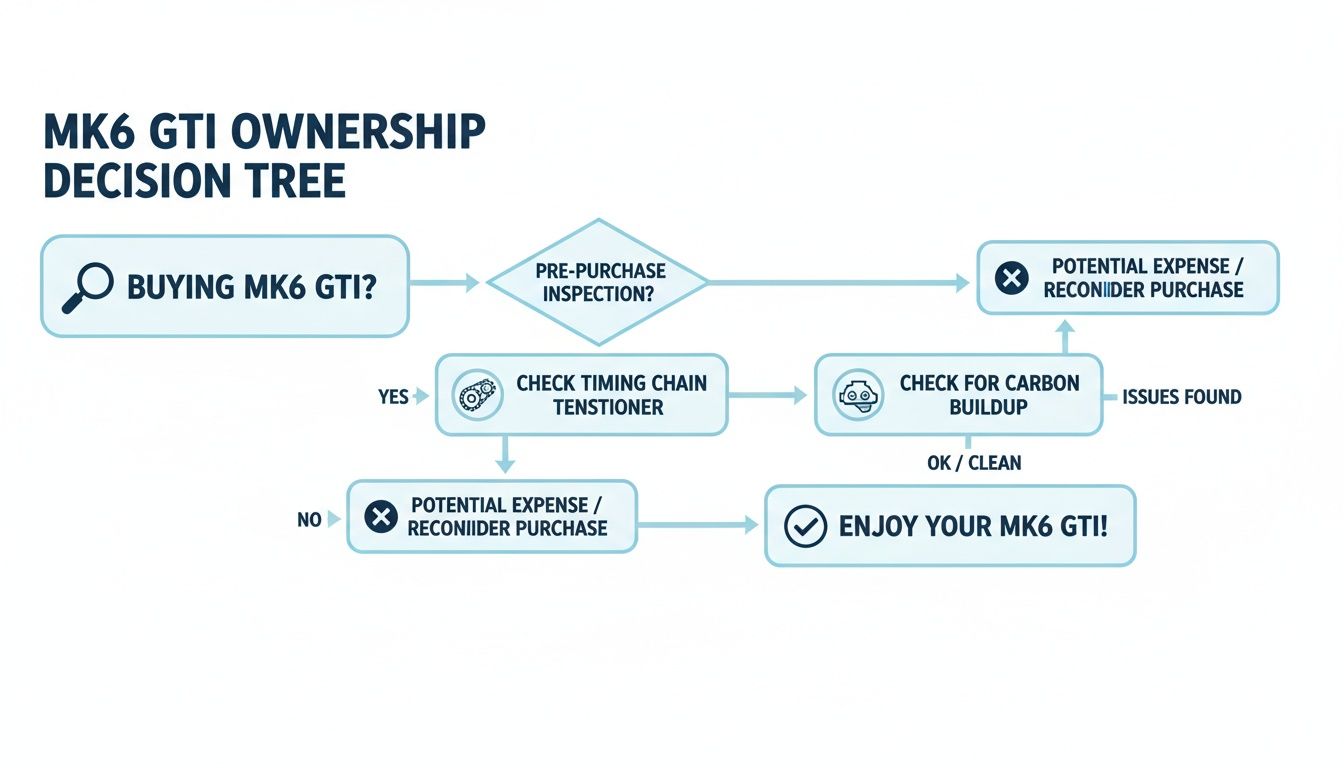

Your Guide to a Campervan for Sale in Sydney

You're probably doing what half of us did before buying our first van. Late-night scrolling, too many tabs open, one eye on a tidy Japanese import, the other on an old VW bus with enough character to ruin your financial judgement. You can already feel the first overnight stop somewhere up the coast, kettle on, rear doors open, salty air drifting in.

That dream gets its hooks in deep.

For some people, it starts with a surf trip memory. For others, it's a family holiday in a hired motorhome, or seeing an old Kombi at a Sunday meet and realising a car can feel like a time machine. Either way, once you start searching for a campervan for sale in Sydney, you're not just shopping for transport. You're trying to buy a certain kind of morning, a certain kind of freedom, and if you're anything like me, a bit of old-school charm too.

Sydney makes that dream feel close enough to touch. The city gives you dealers, private listings, ex-rental stock, quirky conversions, and the odd classic that makes your heart race before your brain has had a say. But romance alone is a dangerous co-pilot. A good campervan should stir the soul and still survive Rego, insurance, parking hassles, and the long trudge up the M1 without drama.

The Dream of the Open Road Starts in Sydney

A mate of mine spent months saying he was “just looking”. You know the type. Every weekend he'd send photos of vans parked by the beach, talk about heading north, then shrug and say maybe next year. Then he found a van in Sydney, stood inside it, looked out the side door as if he was already camped at Crescent Head, and that was that. Dream became decision in about ten minutes.

That's why Sydney matters. It's not just a place to buy. It's the place where the practical and the romantic tend to collide.

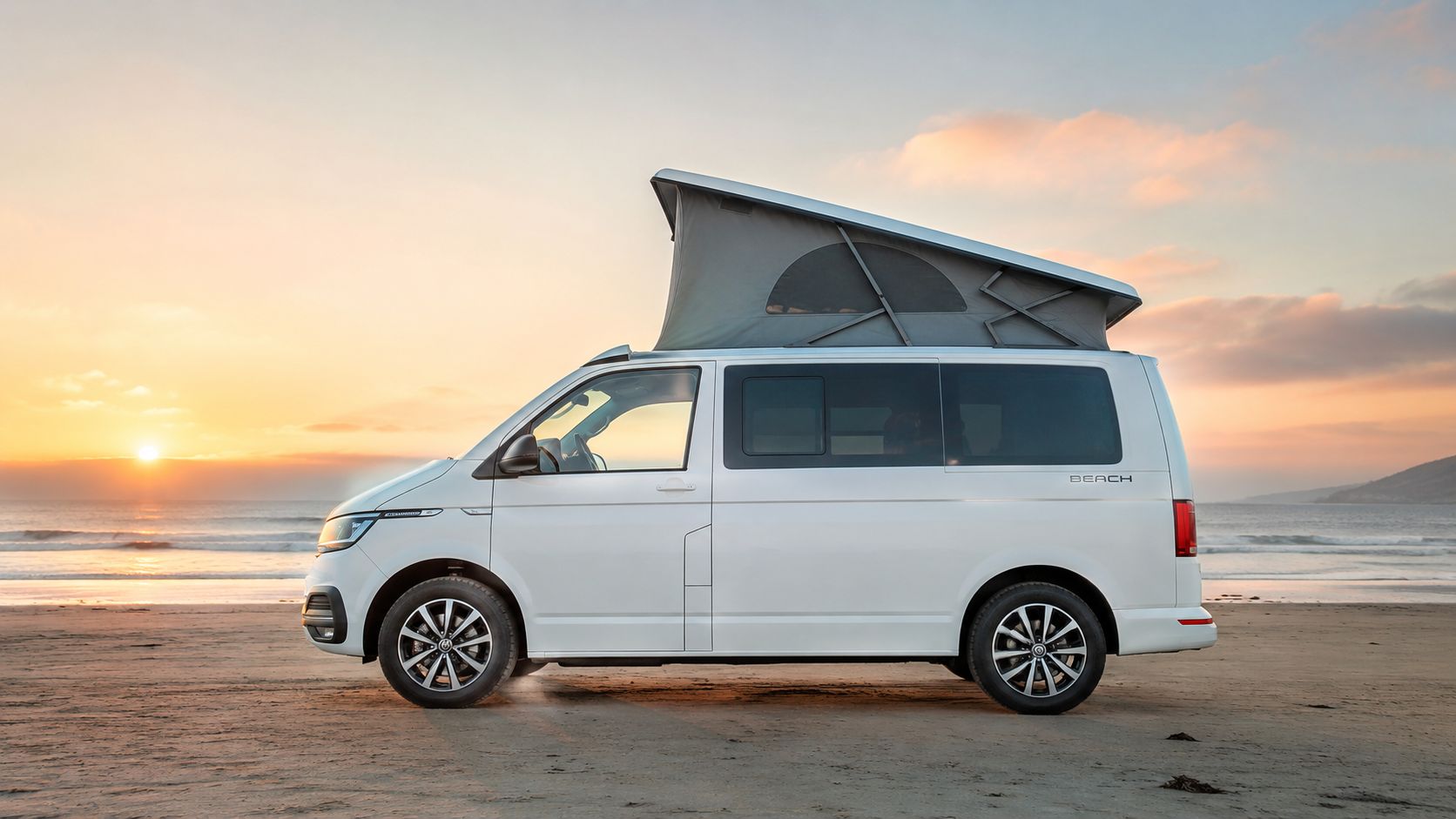
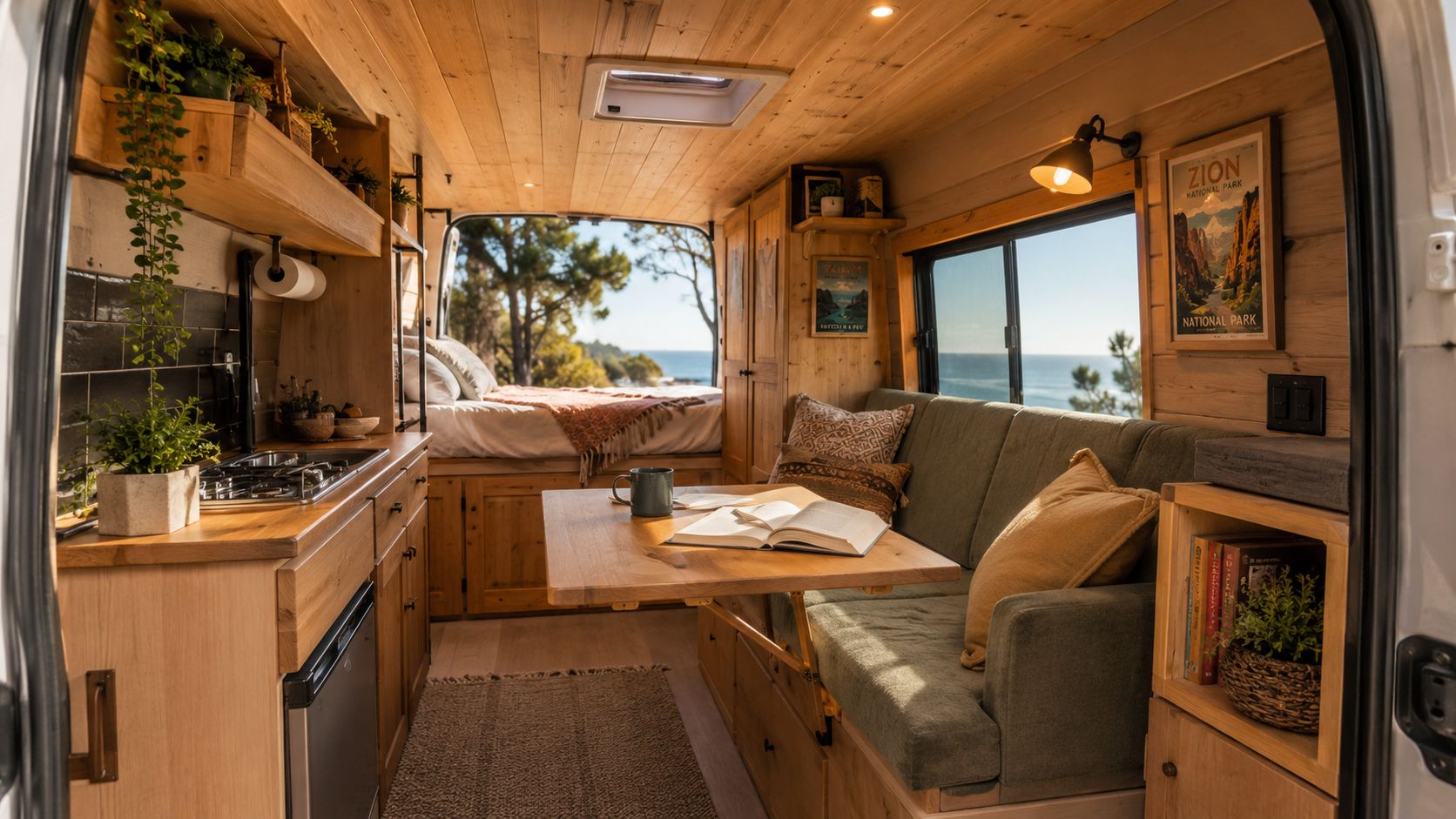
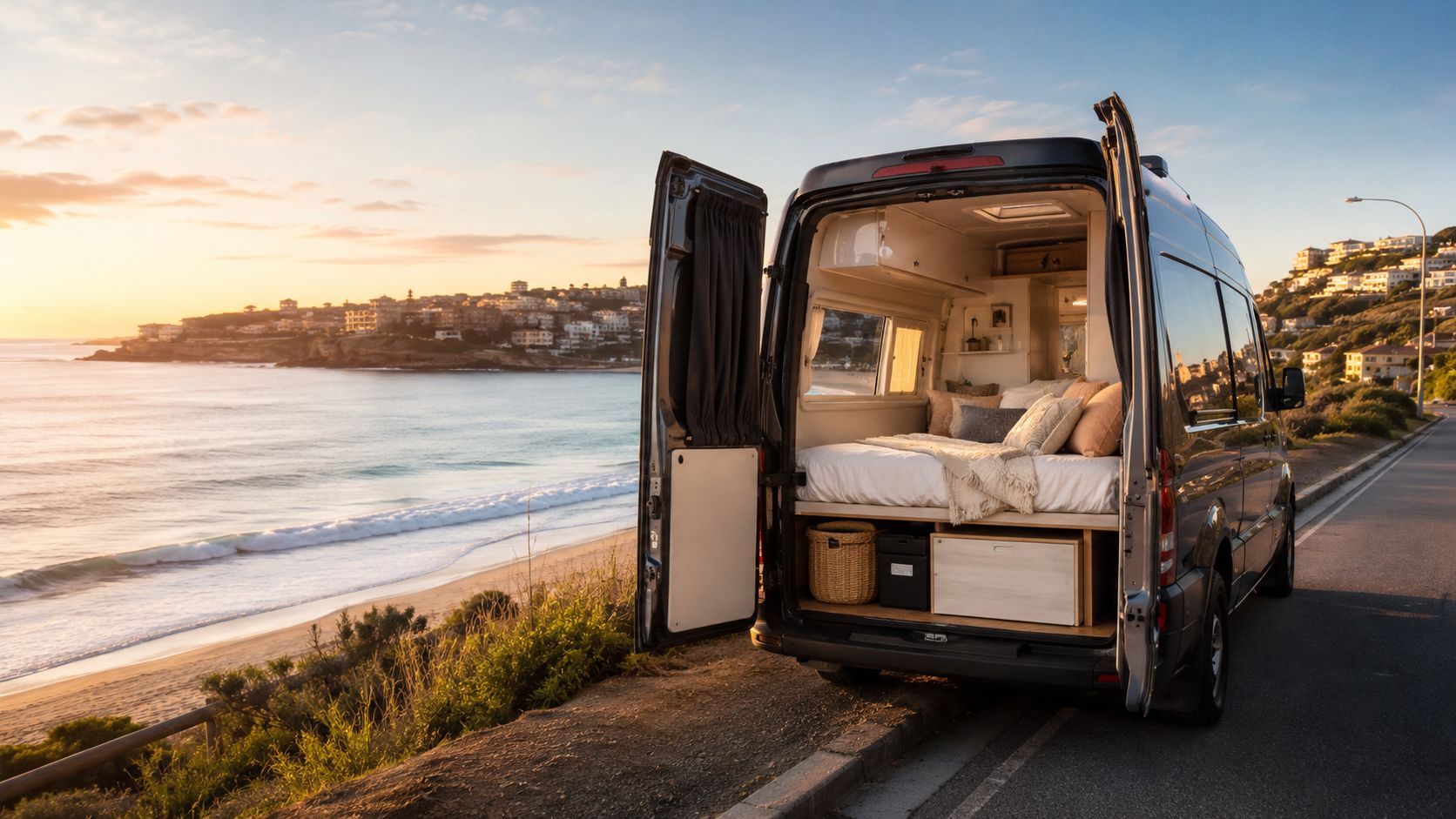
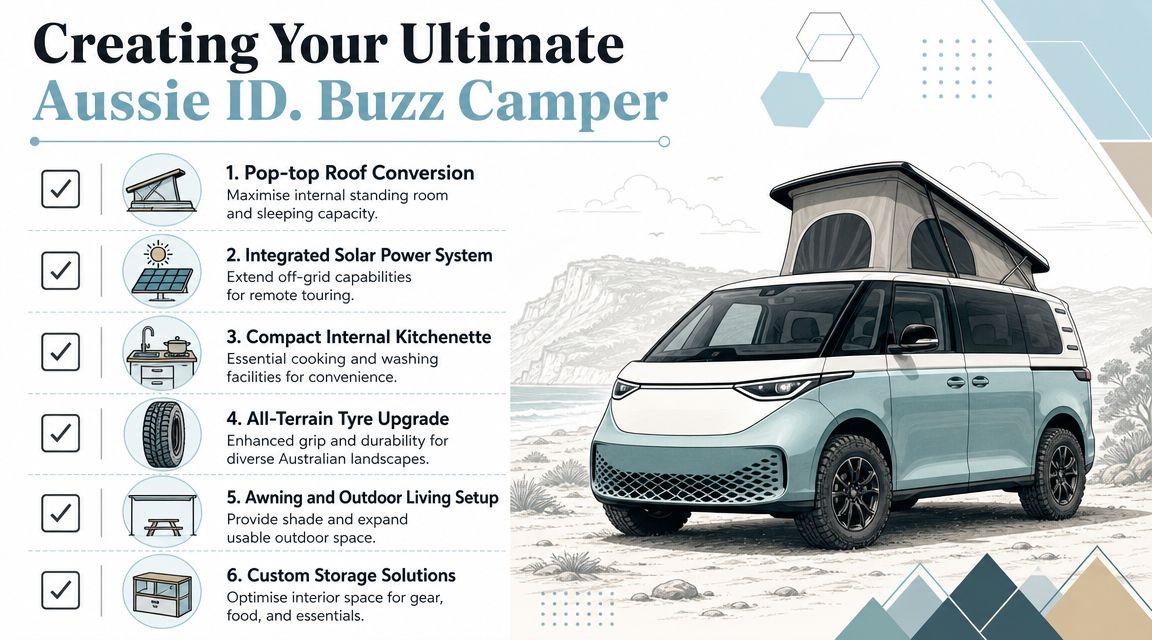
A modern campervan parked by the coast in Sydney with the rear doors open showing a bedroom.

The broader market gives buyers real momentum too. Australia reached 97,701 registered campervans in 2024, up 3% from 94,811 in 2023 and 40.1% above the earlier benchmark cited by Camper Champ, according to Camper Champ's campervan ownership data. In plain English, that means more used stock, more resale movement, and a market that feels established rather than fringe.

Why that matters when you're shopping in Sydney

When a market grows to that scale, Sydney buyers benefit in a few different ways:

  • More choice: You're less likely to be stuck choosing between one overpriced van and one obvious basket case.
  • Clearer price context: With more stock in circulation, you can compare layouts, ages, sizes, and conversion quality more sensibly.
  • Better resale confidence: If you buy carefully, there's comfort in knowing you're entering an active category rather than a forgotten niche.

Practical rule: Buy the van that suits the life you'll actually live, not the fantasy version of yourself who somehow has infinite storage, patience, and mechanical luck.

For VW tragics, that advice bites a bit. We all love a classic silhouette. A bay window Kombi can make a dull driveway feel like Byron in the seventies. But the Sydney buyer usually needs two thoughts in the same head. One is joy. The other is whether the thing fits under the apartment car park and starts on a wet Tuesday.

That tension is part of the fun. You're not killing the dream by being practical. You're giving it a fighting chance.

Where to Find Your Dream Campervan in Sydney

Saturday morning in Tempe, a bloke rolls up in a sun-faded T3 with curtains his partner sewed in 2011. By ten o'clock, three people have asked if he'd ever sell it. That is how a lot of the good Sydney vans move. Not with flashy ad copy, but through conversations, club circles, saved searches, and someone who was ready to ring first.

That is why the hunt matters almost as much as the purchase. Sydney gives you a strange, wonderful spread of options. One week you'll see a tidy ex-rental with every cupboard square and sensible. The next, a Bay Window with original handles, a hand-built fit-out, and a folder full of old receipts from road trips up the coast. One appeals to the head. The other gets under your skin.

Start wide, then get fussy

Early on, you are not choosing a van. You are learning what honest stock looks like in this city.

Spend a bit of time across the main classifieds, dealer stock, owners' groups, and enthusiast pages. Watch how sellers describe rust, mileage, conversion work, and registration. Notice which ads show the underside, which ones only show sunsets and cushions, and which owners can tell you exactly when the fuel lines were last done. After a week or two, the blurry shape of the market sharpens. You stop falling for pretty photos and start spotting care.

Sydney is especially good for this because the market mixes practical late-model campers with older character vans that still get used. That gives you a proper spread to compare. If you are chasing classic style and trying to work out what pulls at your heart before you inspect anything in person, browsing these VW campervans for sale can help you pin down whether you are really a split-screen romantic, a Bay Window dreamer, or a T3 realist.

Know where the good vans actually appear

Each channel has its own personality, and each suits a different kind of buyer.

Channel What you'll find Best use
Major classifieds Private sales, dealer stock, fresh market pricing Compare asking prices, layouts, and condition notes
Specialist dealers Prepared stock, trade-ins, newer conversions Good if you want a quicker, tidier transaction
VW groups and forums Kombis, T3s, enthusiast-owned campers Best place to find history, upgrades, and owner knowledge
Word of mouth Quiet sales before public listing Strong chance of a straight story and less polished selling

Private sellers often tell you the useful stuff without much prompting. They will mention the pop-top seal that needs doing, the second battery setup they fitted before a lap to Jervis Bay, or the awkward cupboard latch everyone in the family learned to jiggle just right. Those details matter. They tell you the van has been lived with, not just listed.

Dealer stock suits a different buyer. If you want paperwork in order, a cleaner handover, and a shorter path from viewing to driveway, a dealer can make sense. You will usually pay for that convenience, but some buyers are happy to do that if they want fewer loose ends.

The VW community sits in a category of its own. A classic bus sold inside enthusiast circles often comes with a known story, a familiar workshop name on the invoices, and an owner who can talk for twenty minutes about cylinder head temps without once checking their phone. I trust that sort of seller more than the one with perfect photos and vague answers.

The strongest listing is usually the one with plain photos, service records, clear flaws, and a seller who answers awkward questions plainly.

A search routine that keeps the dream intact

Here's the method I'd use if a mate asked me to help hunt one down.

  1. Write your real-world requirements first. Berths, transmission, parking height, storage, and whether you will use it around Sydney.
  2. Save every decent listing straight away. Good vans do not wait for long internal debates.
  3. Ring before you drive across town. Ask why they are selling, how long they have owned it, who did the conversion, and what currently does not work.
  4. Request specific photos and video. Cold start, engine bay, underside, roof gutters, door shuts, and any repair areas on older vans.
  5. Keep a short shortlist. Compare five solid options properly instead of half-falling in love with twenty.

One more tip from years of staring at Kombis in car parks. If a seller knows the van well, the conversation has texture. They remember the little repair in Newcastle, the water pump replacement before Easter, the way the side tent fits better if you reverse onto a slight angle. If every answer sounds borrowed from the ad, keep looking.

Finding your dream campervan in Sydney is part detective work, part restraint, part old-fashioned luck. Get the search right and you give yourself a much better chance of ending up with a van that feels like freedom, not a very expensive lesson.

The All-Important Inspection Guide

You arrive, the seller is friendly, the van's been washed, and there's a cushion arranged just so near the rear doors. Lovely. Now switch off the love story and inspect the machine.

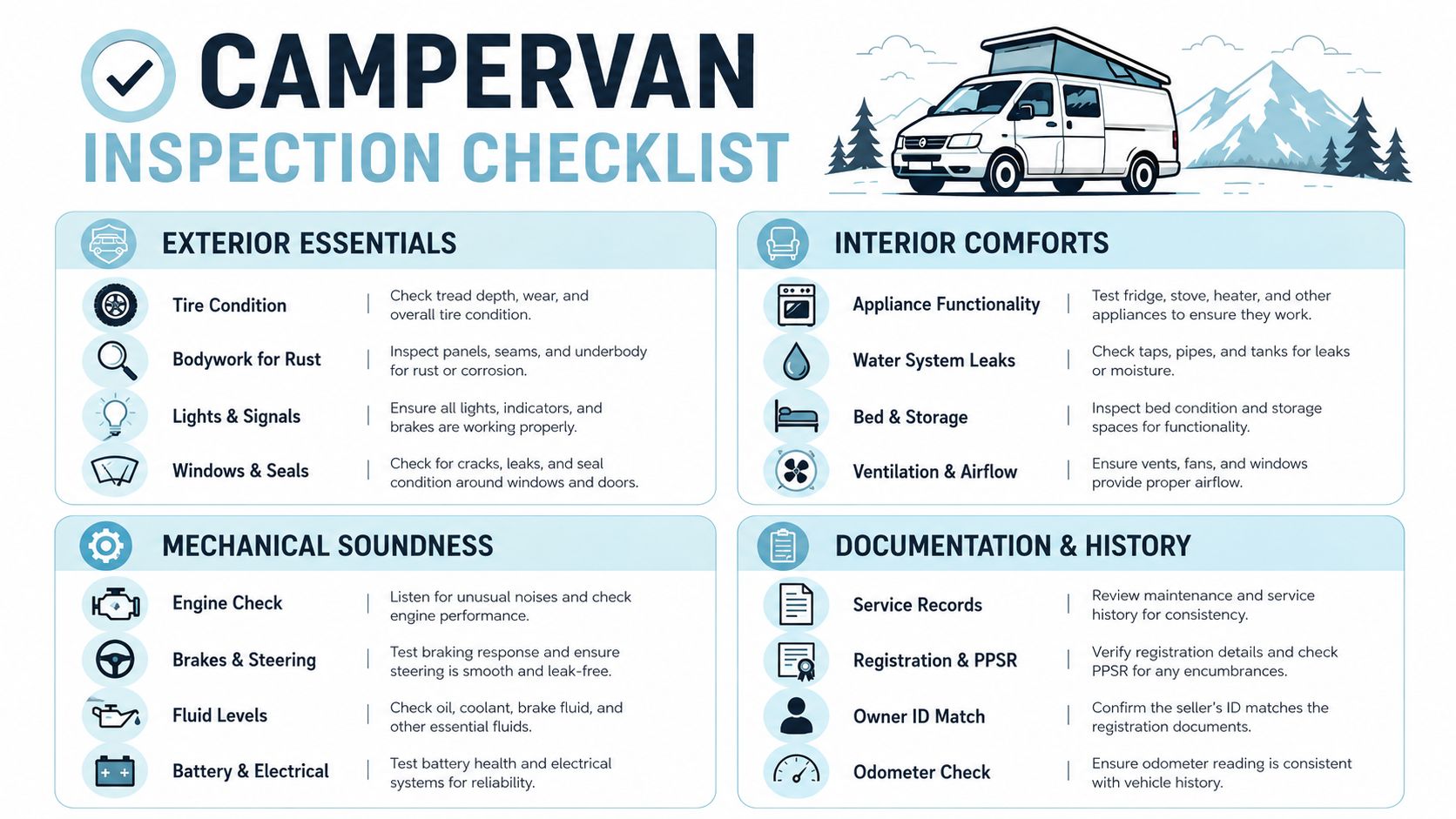
A comprehensive campervan inspection checklist covering exterior, interior, mechanical, and documentation aspects for prospective buyers.

Sydney listings can help you benchmark practicality because some include full dimensions and odometer readings. Apollo RV Super Centre shows examples with data such as 6,967 mm in length and 174,312 km, which is exactly the kind of detail buyers should use when checking city usability and likely wear, as seen on Apollo's Sydney campervan inventory.

Mechanicals first and sentiment second

Start with the bits that make it move and stop.

Listen to the engine from cold. Not warm. A warm engine can hide rough starts, smoke, rattles, or battery weakness. On a test drive, pay attention to gearbox feel, brake response, steering play, and how the van tracks on an ordinary road without constant correction. A camper should feel honest, not heroic.

For a classic VW, don't expect modern-car refinement. Expect character. But there's a line between character and trouble. You want an old bus that feels sorted, not one that feels like every journey is a negotiation.

Quick mechanical checklist

  • Engine behaviour: Cold start, idle stability, unusual smoke, obvious leaks.
  • Transmission: Smooth changes, no crunching, no hesitation.
  • Brakes and steering: Straight braking, predictable pedal feel, no wandering.
  • Tyres and suspension: Even tyre wear, no clunks, no sagging corners.

If you want a companion checklist before heading out to inspect, this Volkswagen bus camper car inspection guide is a handy way to organise your thoughts.

Rust is where old dreams go to die

Classic camper buyers know this one already. Rust doesn't care how charming the curtains are.

On older vans, especially Kombis, look hard at sills, wheel arches, gutters, door bottoms, floors, battery trays, and window surrounds. Fresh paint can hide a multitude of sins. Bring a torch. Get low. Open everything. If the seller rushes you away from a particular corner, linger there.

A shiny exterior can be the cheapest part of a bad restoration.

Modern vans can rust too, just in less cinematic ways. Check under seals, around seams, under the floor, and anywhere water might have sat unnoticed. If the van smells damp inside, treat that as a clue, not an ambience choice.

The camper fit-out has to work as a system

A campervan isn't just a vehicle. It's a little house bouncing down the road. That means the conversion matters every bit as much as the chassis.

Turn everything on. Fridge, lights, water pump, cooktop, charging points, fans, pop-top latches, windows, blinds, the lot. Look for signs of DIY wiring, tired seals, water staining, and cupboards pulling away from mounting points. Poor workmanship often shows up in small details long before it becomes a roadside headache.

Here's how I view it:

| Area | What to check | Why it matters |
||—|—|
| Electricals | Battery setup, charging, switches, lights | Safety and off-grid usability |
| Water system | Pump, taps, leaks, tank smell | Hidden leaks can become expensive |
| Gas or cooking setup | Certification, condition, operation | Safety first |
| Pop-top or roof | Canvas, seals, hinges, latches | Weatherproofing and structural peace of mind |

A modern example shows how factory-built campers appeal to buyers who want fewer conversion unknowns. The 2025 LDV Deliver 9 Campervan is listed from A$89,990 drive-away with a self-contained setup including a 96-litre fridge with 20-litre freezer, microwave, toilet, induction cooktop, diesel hot-water system, double bed, and two showers, plus a 3-year/160,000 km warranty on the vehicle and separate cover for furniture and electricals, according to Carsales' report on the LDV Deliver 9 Campervan.

That doesn't mean factory-built is automatically better. It means you should know whether you're buying a known package or someone's one-off vision. One can be charming. The other can be clearer to maintain.

Navigating NSW Registration and Insurance

The paperwork side feels dull right up until it saves you from a bad buy. Then it suddenly becomes beautiful.

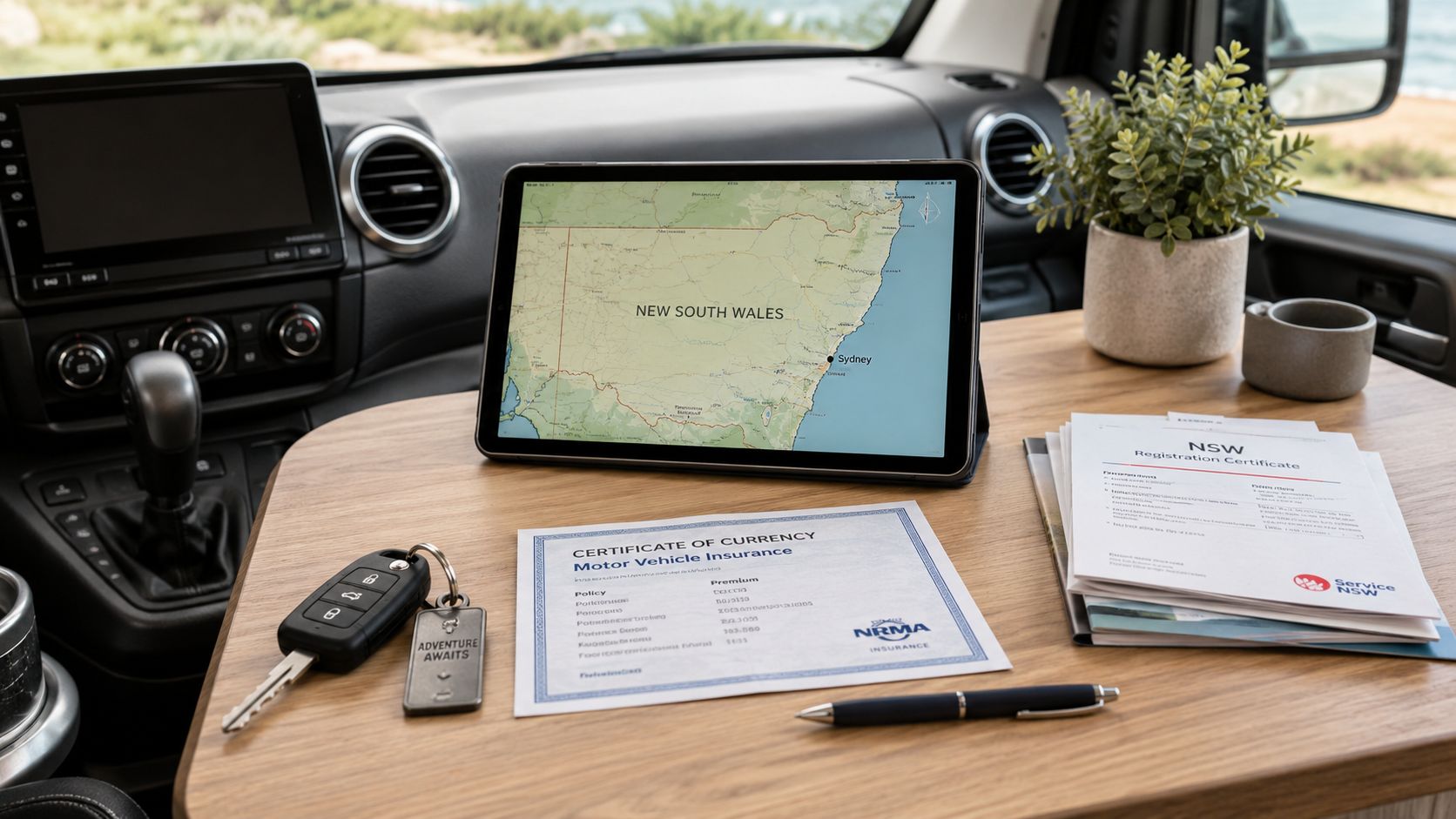
A modern campervan interior featuring a tablet map of New South Wales, insurance documents, and car keys.

Sydney buyers, especially inner-city ones, have another layer to think about beyond forms and slips. A lot of campervan content talks about beaches and bush camps, but not enough talks about apartment parking, suburban street parking, height restrictions, or dealing with daily traffic. That gap is noted in Travelwheels' Sydney used campervan page, and it matters because legal ownership is only half the battle if the van doesn't suit your real life.

The NSW basics in plain English

You'll hear people talk about Blue Slips, Pink Slips, Green Slips, and for first-timers it sounds like a weird stationery problem.

A Pink Slip is the regular safety inspection many vehicles need for renewal. A Blue Slip is generally for vehicles with lapsed registration, interstate transfers, or situations where identity and roadworthiness need a more formal check. A Green Slip is your CTP insurance, which you need before registration can be completed.

When buying, don't just ask “is it registered?” Ask what happens next if you take ownership. Confirm what paperwork comes with the van, whether registration is current, and whether anything about the camper conversion could complicate the process.

Practical suitability matters as much as legality

Sydney itself can catch people out. A van that feels perfectly sensible in a seller's driveway can become awkward when you bring it home.

Ask yourself:

  • Where will it live: Street, apartment parking, shared garage, secure storage?
  • Can it clear height limits: Shopping centre car parks and some residential entries can be unforgiving.
  • Will you commute in it: Some buyers do. Some swear they will, then stop after a week.
  • Can you insure it properly: Especially if it's a classic, a conversion, or carries fitted gear and contents.

A short explainer can help if you want a visual walkthrough before diving into the admin side.

Don't separate registration from lifestyle. In Sydney, the van has to be legal, insurable, and practical on an ordinary Wednesday.

For insurance, many buyers start with the bare minimum and regret it later. CTP gets you on the books, but it won't cover the sort of loss that really hurts. Theft, storm damage, collision damage, and the value of fitted camper components are all worth discussing with an insurer before you hand over money.

Budgeting for Your Van Adventure

A mate of mine bought a Kombi in Marrickville for what felt like a bargain. By the second weekend, he was parked at Palm Beach with the kettle on, grinning like he'd won the lottery. By the fourth weekend, he'd paid for a battery, two tyres, a stubborn water pump, and a rubber seal that let rain creep into the rear cupboards. He still loved the van. He just wished he'd budgeted for the van he owned, not the van he thought he was buying.

That is how Sydney campervan buying usually goes. The sticker price gets all the attention. Your first year of ownership decides whether the dream feels light and free or a bit tighter than it should.

Sydney's market stretches from basic older campers at the lower end to polished late-model motorhomes with a much fatter price tag. As noted earlier, dealer listings across the city show a wide spread. That spread matters because one search for “campervan for sale in Sydney” can hide three very different stories. A simple weekender. A family tourer. A rolling project that will ask for time, money, and patience before it asks for miles.

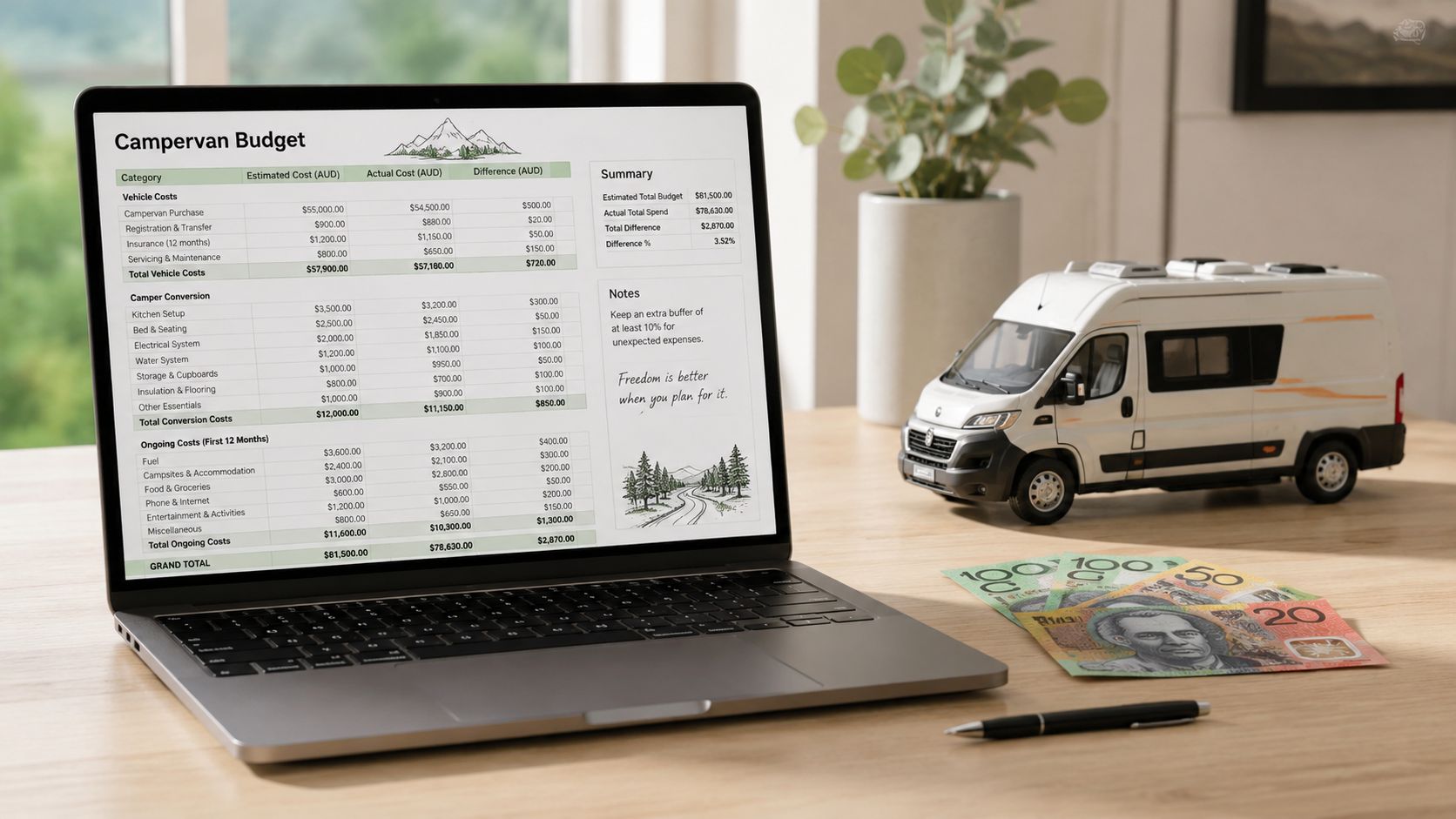
A laptop screen displaying a detailed campervan budget spreadsheet with a toy van and Australian currency nearby.

The most important budget is the one for the first year of ownership

Old vans have character. Character has invoices.

A classic camper or older conversion can look affordable on the listing, then ask for money in all the quiet places. Hoses. Brake work. Canvas repairs. Fridge checks. House battery replacement. A proper service so you know where you stand. Broader used camper listings on Caravan Camping Sales campervan category pages show how often buyers compare vehicles that look similar in photos but sit in very different states of readiness.

Use a budget with layers, not one grand total.

Budget layer What it includes
Buy-in cost Purchase price and immediate transfer costs
Catch-up cost Servicing, repairs, tyres, batteries, and fixes needed before a proper trip
Setup cost Bedding, kitchen gear, hoses, cables, storage tubs, and the small bits you always forget
Protection cost Insurance, basic security gear, and a little reserve for early surprises

That middle section catches people out. A cheap van can swallow cash if it needs mechanical sorting, electrical work, leak tracing, or a refresh before the first night away. A more expensive van can be the better buy if the service history is tidy, the camper gear works, and the seller can show what has already been done.

Negotiation gets easier when your numbers are written down

At a Saturday inspection in Tempe, I once watched a buyer poke around a van for ten minutes, then throw out a random low offer. The seller shut down straight away. An hour later, another buyer turned up with notes. Front tyres ageing out. Pop-top canvas stitching tired. Leisure battery old. Service gap. His offer was calm, specific, and easy to follow. He drove home in the van.

That is the move.

Before you make an offer, price the obvious jobs. Ring a tyre shop. Ask your mechanic what a baseline service might cost. Check what a new battery setup or canvas repair usually runs. Then present your offer like someone who plans to care for the van, not flip it.

A simple approach works well:

  1. Start with what is genuinely good. Sellers can tell when you have looked properly.
  2. List the work you will need to pay for. Keep it factual and brief.
  3. Make one clean offer. No theatre, no “mate's rates” routine.
  4. Leave room to walk away. Another van will come along.

If you are still torn between buying a finished camper and starting with a blank van, this guide to choosing the right van for conversion can help you weigh the money against the dream.

Keep a first-month reserve

This is old-camper truth.

The first month often reveals the little jobs the ad never mentioned. A latch gives up. The sink pump sulks. A battery that seemed fine on inspection turns lazy after one cold night. You find a slow leak only after proper Sydney rain.

None of that means you bought badly. It means a campervan is a vehicle and a tiny home sharing the same body, and both parts need attention.

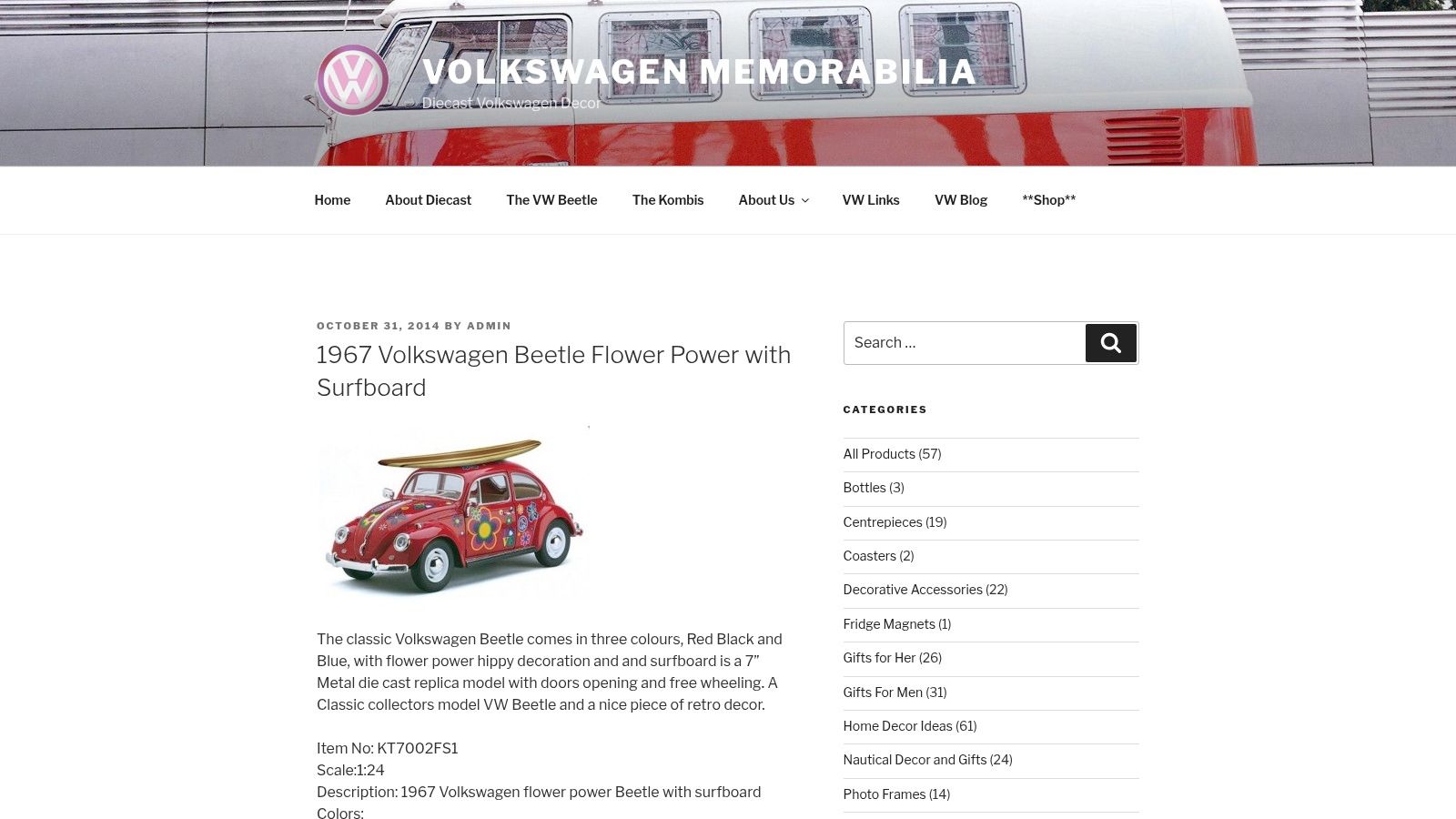
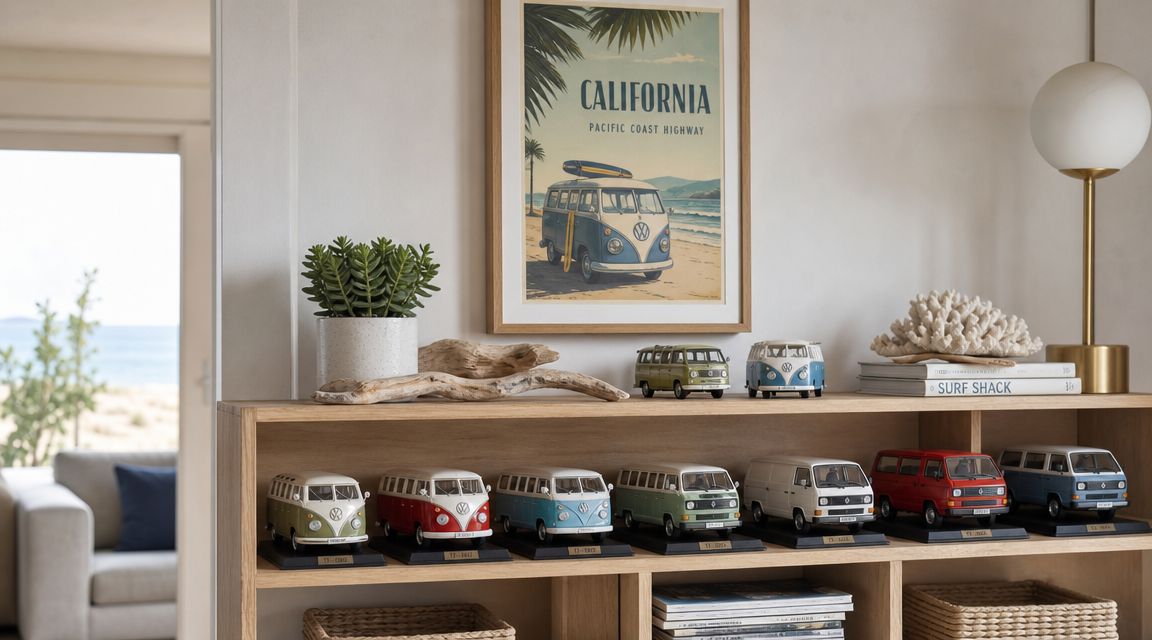
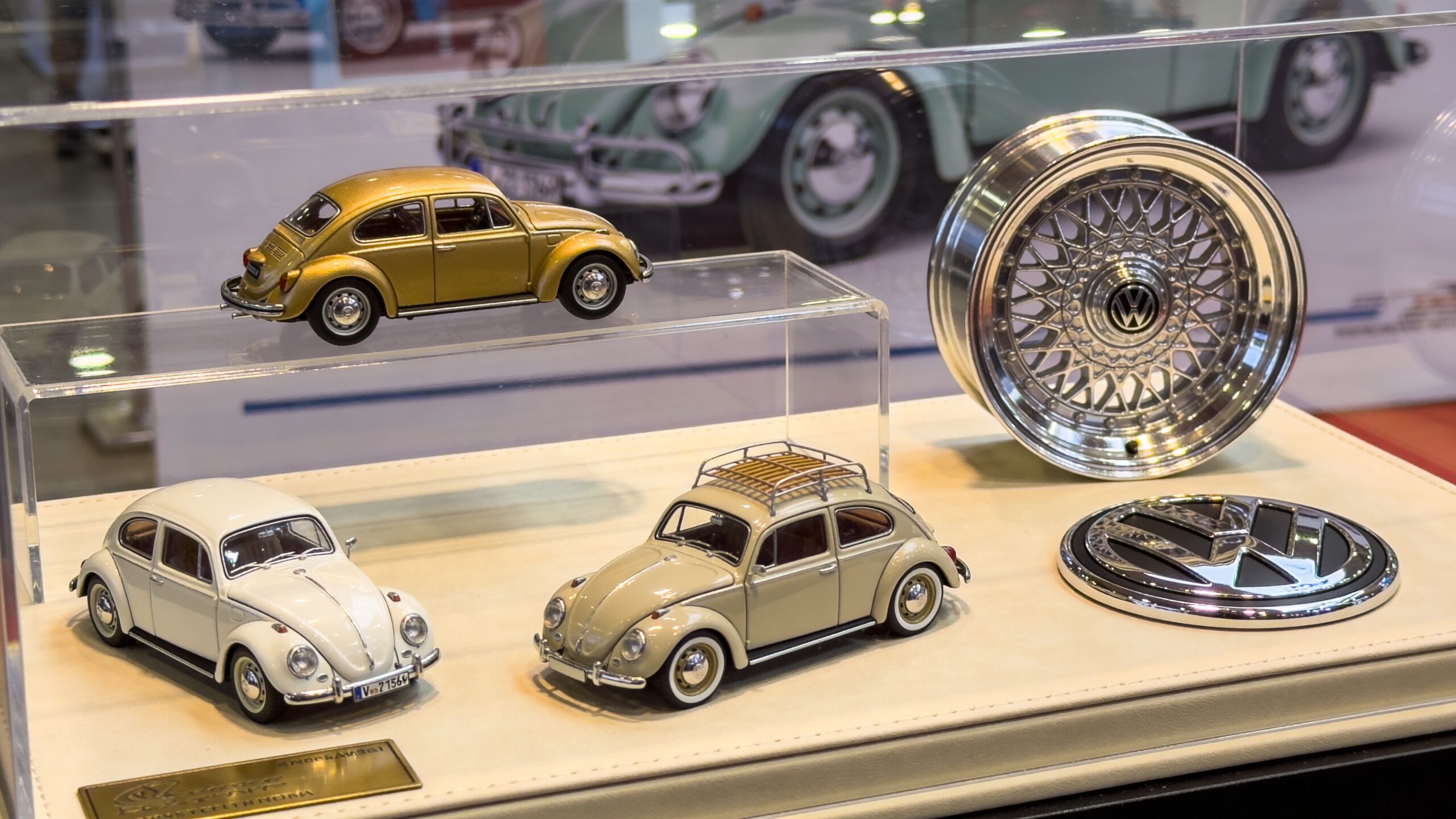
For enthusiasts keeping the dream alive while saving for the right full-size van, some owners also enjoy collecting garage pieces and scale models. Volkswagen Memorabilia's shop carries VW-themed diecast and décor rather than vehicles.

Buy with your heart, yes. Just bring a spreadsheet with it.

You Have the Keys What Happens Next?

The first drive home is magic. Even if traffic is ordinary and the weather's a bit average, the van feels different because it's yours. You'll park it, stand back, and stare at it longer than necessary. Completely normal behaviour.

Then real ownership begins.

Sort your support crew early

Find your mechanic before you need one. If you've bought a modern camper, a good workshop with experience on the base vehicle is a strong start. If you've bought a classic VW, find someone who understands these old buses properly. That relationship is worth its weight in gold because old Volkswagens reward care and punish guesswork.

Storage comes next. Sydney can be awkward for vans, especially if you've bought something tall, long, or wider than your daily driver habits are ready for. Some owners manage with home parking, others use secure storage, and plenty end up somewhere in between depending on the season and how often they travel.

Make it yours without wrecking its usefulness

The sweet spot is personal without being silly.

Add what improves trips first. Good bedding, thoughtful storage, simple cooking gear, decent lighting, maybe an awning if it suits the van. Leave the Instagram fantasy fit-out for later. You'll learn more from two weekends away than from twenty saved posts.

For buyers still balancing old-school VW romance against practicality, this van for conversion guide is a useful place to browse ideas and compare what kind of base vehicle suits your plans.

The right campervan doesn't just take you places. It changes the way you leave, arrive, and remember.

That's the part people rarely explain well enough. A campervan alters the texture of travel. Morning tea tastes better. Rain on the roof becomes a feature instead of a nuisance. Even a fuel stop somewhere forgettable can feel like part of the story when your own bed is waiting in the back.

And if your heart still skips a beat for the old VW shape, welcome. Plenty of us never quite recover from that.


If that classic Volkswagen spirit is part of why you're chasing life on four wheels, have a look at Volkswagen Memorabilia. The shop carries VW-themed diecast models, Kombi-inspired gifts, and coastal-style pieces that suit a garage, office, display shelf, or gift table nicely, with local Australian stock available for fast shipping.

Caravan vs Campervan: A VW Enthusiast’s Guide for 2026

The sun's already warming the bitumen, someone's polished a split-window Kombi to within an inch of its life, and you're standing there with a coffee thinking the same dangerous thought a lot of Aussie VW fans have had at one time or another.

What if this summer's the one?

Not just a Sunday cruise. Not just another wander through a show-and-shine lineup. A proper road trip. Coastline, camp chair, early starts, servo pies, and that feeling you only get when the road opens up and home gets smaller in the mirror. For some people, that dream looks like a tidy little caravan tucked behind the tow car. For others, it's a campervan with the kettle, bed and esky all riding along in one neat package, very much in the spirit of the old VW Kombi.

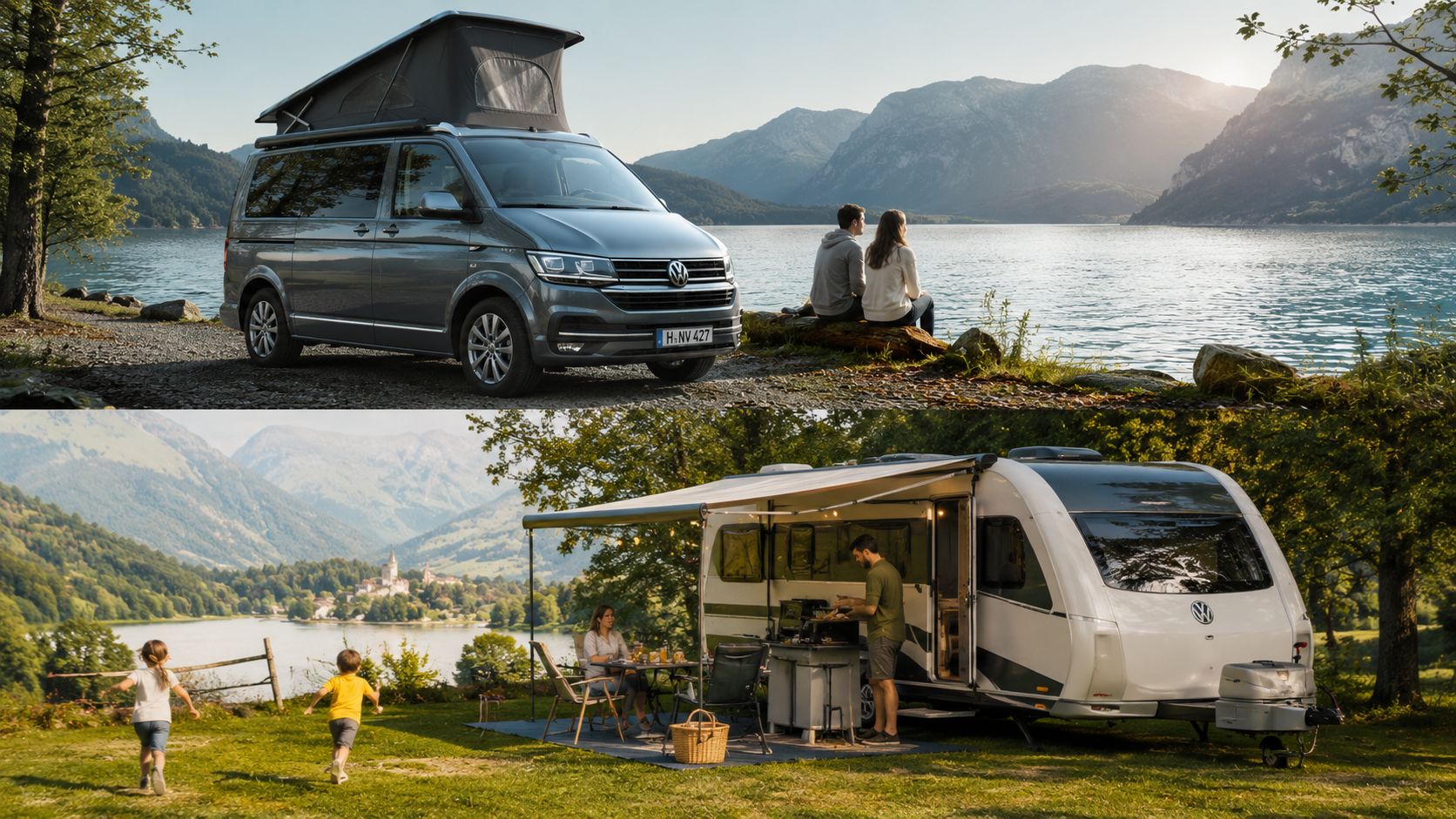
You can see both visions at any classic car gathering. One couple is talking about setting up by the beach for a full week, unhitching, then using the car to duck into town for fish and chips. Another bloke is grinning about pulling over near a headland, sliding open the side door, and being camp-ready in minutes. Same dream. Different machine.

It's no small conversation anymore, either. In Australia, the caravan-and-camping sector hit an all-time high in 2025, with almost 938,000 registered caravans and campervans, up 32% since 2019. In the same period, Australians took 17.3 million domestic overnight caravan-and-camping trips, according to Tourism Research Australia's caravan and camping data. That tells you this lifestyle isn't some fringe hobby. It's part of the national rhythm.

For VW enthusiasts, that makes the caravan vs campervan question feel even closer to home. The old Kombi didn't just transport people. It sold the idea that the trip itself could become the destination.

Introduction

At a VW meet, you can usually spot the two tribes without anyone saying a word.

There's the crew who love the thought of setting up a proper little base camp. They're the ones picturing striped awnings, folding tables, and enough room to stretch out when the weather turns. Their dream has a caravan in it. They like the ritual of arriving, levelling, unhooking, and settling in for a few days like they've borrowed a tiny beach shack.

Then there's the mob drawn to movement. They want to roll out early, stop when the scenery looks right, and keep things loose. That's campervan energy. Very Kombi. Very surf check at dawn, toast on the stove, and no mucking around with hitches before coffee.

Both styles make sense. Both tap into the same old VW feeling of freedom, simplicity, and making memories with less fuss and more flavour. The difference is in how you want your trip to unfold. Do you want your accommodation to stay put while you explore, or do you want your whole setup to move as one?

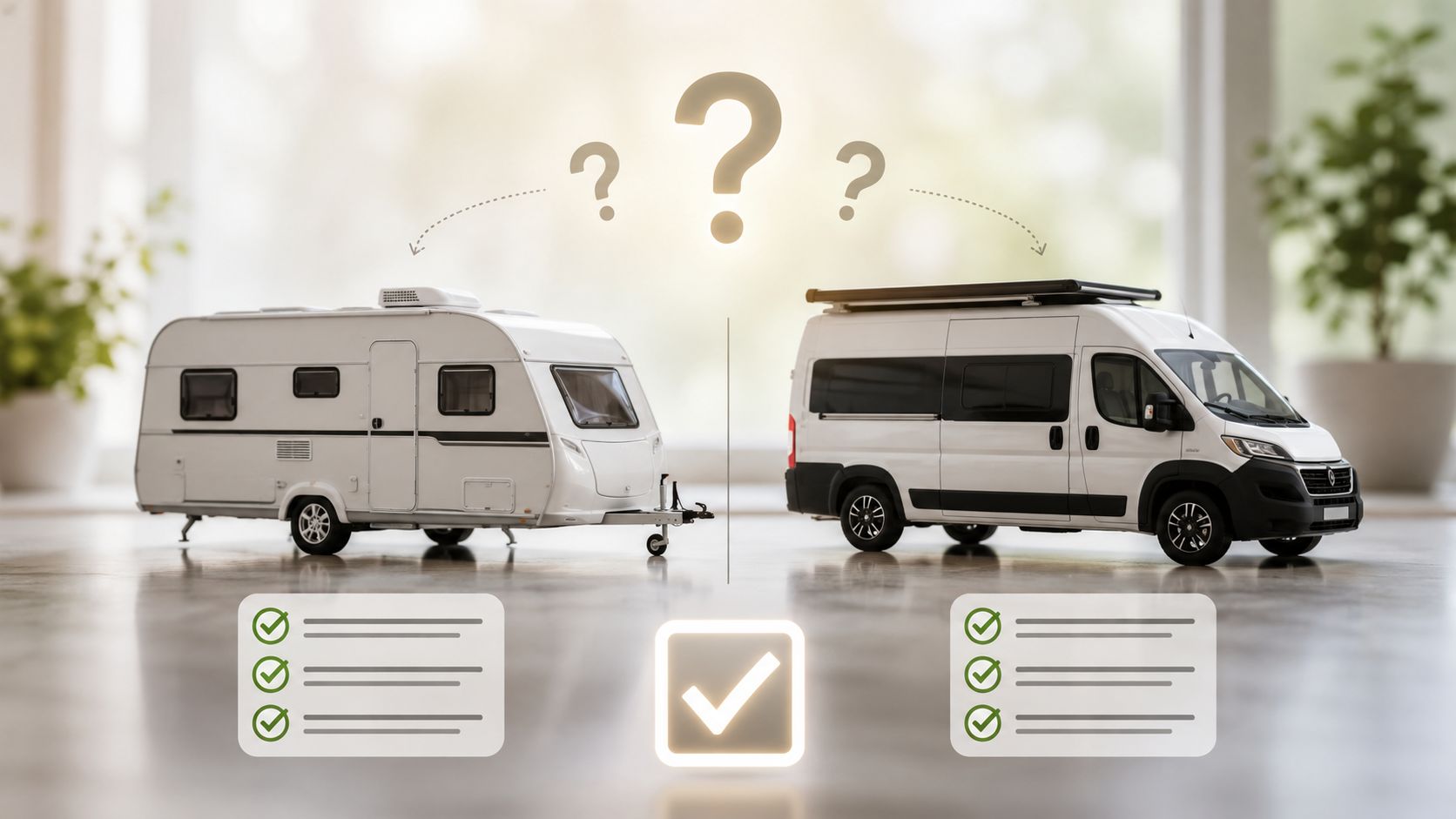
A good choice in the caravan vs campervan debate isn't about winning an argument. It's about matching the vehicle to the kind of stories you actually want to live.

That's where things get interesting for Australian Volkswagen fans. If you've always had a soft spot for a classic Transporter, a Beetle on holiday duty, or the romance of a Samba Bus pointed toward the coast, your answer probably isn't just practical. It's emotional too.

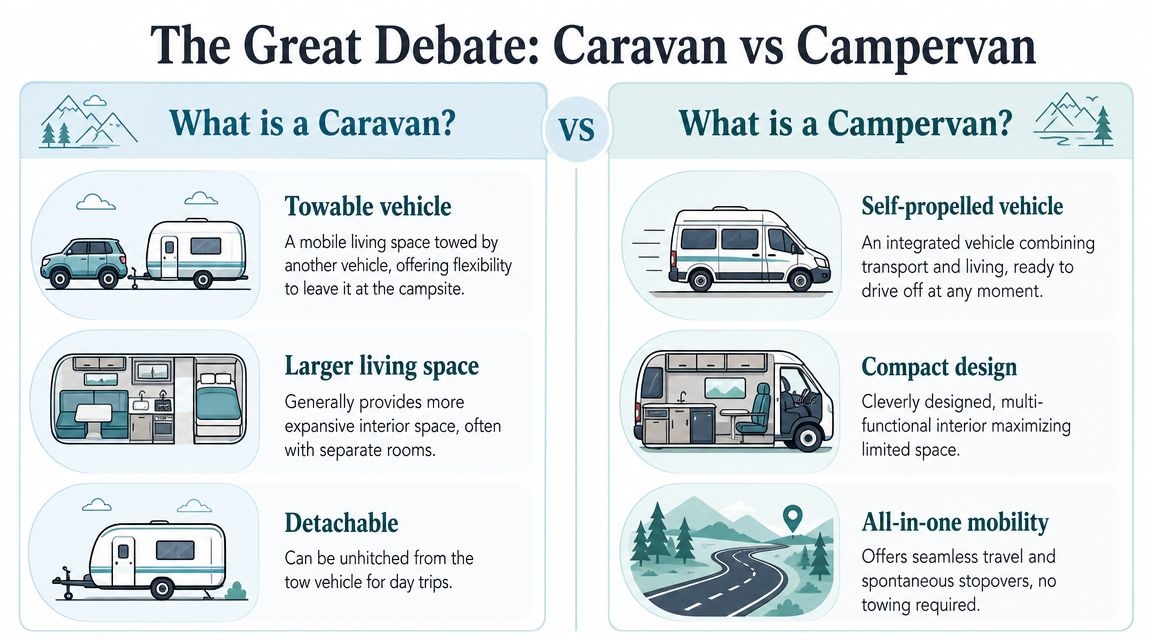
The Great Debate What is a Caravan vs a Campervan

Before the dream gets too far ahead of the driveway, it helps to get the basics straight.

A caravan is a towable trailer. It needs a separate vehicle to pull it. A campervan is a self-contained motor vehicle with living space built in. That distinction is the heart of the whole caravan vs campervan conversation, and it shapes everything from driving feel to setup routine to what sits in your shed during the off-season. Volkswagen Australia lays out that difference clearly in its guide to caravan vs campervan.

Feature Caravan Campervan
Basic format Towable trailer Self-contained motor vehicle
What you need A separate tow vehicle One vehicle only
Living style More room to spread out Compact, integrated living
Travel style Set up camp, then unhitch Stop and go more easily
Upfront cost feel Usually lower without engine or drivetrain Higher because it includes engine and drivetrain

The Great Debate What is a Caravan vs a Campervan

The practical split

In plain English, a caravan is more like bringing a little holiday cabin with you. A campervan is more like turning the vehicle itself into the holiday cabin.

That's why people often describe caravans as roomy and campervans as nimble. Volkswagen Australia notes that caravans usually offer more space for sleeping, cooking, living, and sometimes bathing, while campervans bundle travel and accommodation together in a way that suits flexible road trips.

Where price enters the chat

Upfront price is often the first reality check. Volkswagen Australia also notes that Camper Champ reports a brand-new campervan averages around $70,000 or more in Australia, before registration, insurance, and other fees, while caravans are generally cheaper because they don't include an engine or drivetrain. That's one reason plenty of buyers start by admiring the campervan dream, then take a long second look at caravans.

If your heart already leans toward the classic van shape, the enduring appeal of a VW-style camper is easy to understand. The old-school silhouette still says adventure in a way few vehicles can, whether you're admiring an actual one or browsing a Volkswagen Transporter camper collectible.

The Driving Experience Towing vs All-in-One Cruising

Ask anyone who's done both, and they'll tell you the biggest difference shows up before you've even reached the campsite.

With a caravan, the trip begins with a bit of choreography. Mirrors adjusted. Hitch checked. Corners taken wider. Fuel stops planned with enough room to get back out again. For some drivers, that's all part of the ritual. They enjoy the deliberate pace. Others find towing a bit tense, especially in traffic, crosswinds, or cramped coastal towns where every roundabout suddenly feels personal.

How a caravan feels on the move

Towing changes your whole mindset. You drive with more patience, and you think further ahead. That can be a pleasure if you like the slower, steadier style of touring.

A caravan also gives you a lovely perk once you arrive. Unhitch it, set up camp, and your tow vehicle is free for bakery runs, beach trips, or ducking into town without packing away the annex of your life.

How a campervan feels on the road

A campervan is more spontaneous. You turn the key and go. No hitching, no reversing a trailer into a tight site, no wondering whether that tiny scenic lookout car park was a terrible idea.

That all-in-one ease is why campervans feel so close to the classic VW spirit. A good campervan invites detours. It suits the sort of traveller who sees an empty stretch of coast and thinks, yep, let's stop here for a cuppa.

Practical rule: If you want each travel day to feel lighter and more flexible, a campervan usually feels easier. If you'd rather create a stable base and explore from there, a caravan often feels more comfortable.

There is one trade-off, though. In a campervan, your transport and your home are the same thing. If you want to drive to the shops, your whole camp goes with you. In a caravan setup, the house stays put.

That's why the best answer often comes down to personality. Some people love the motion. Some love the destination.

Living Space Layouts and Lifestyle Tradeoffs

Step inside both, and the caravan vs campervan debate stops being about vehicles and starts being about how you live.

Living Space Layouts and Lifestyle Tradeoffs

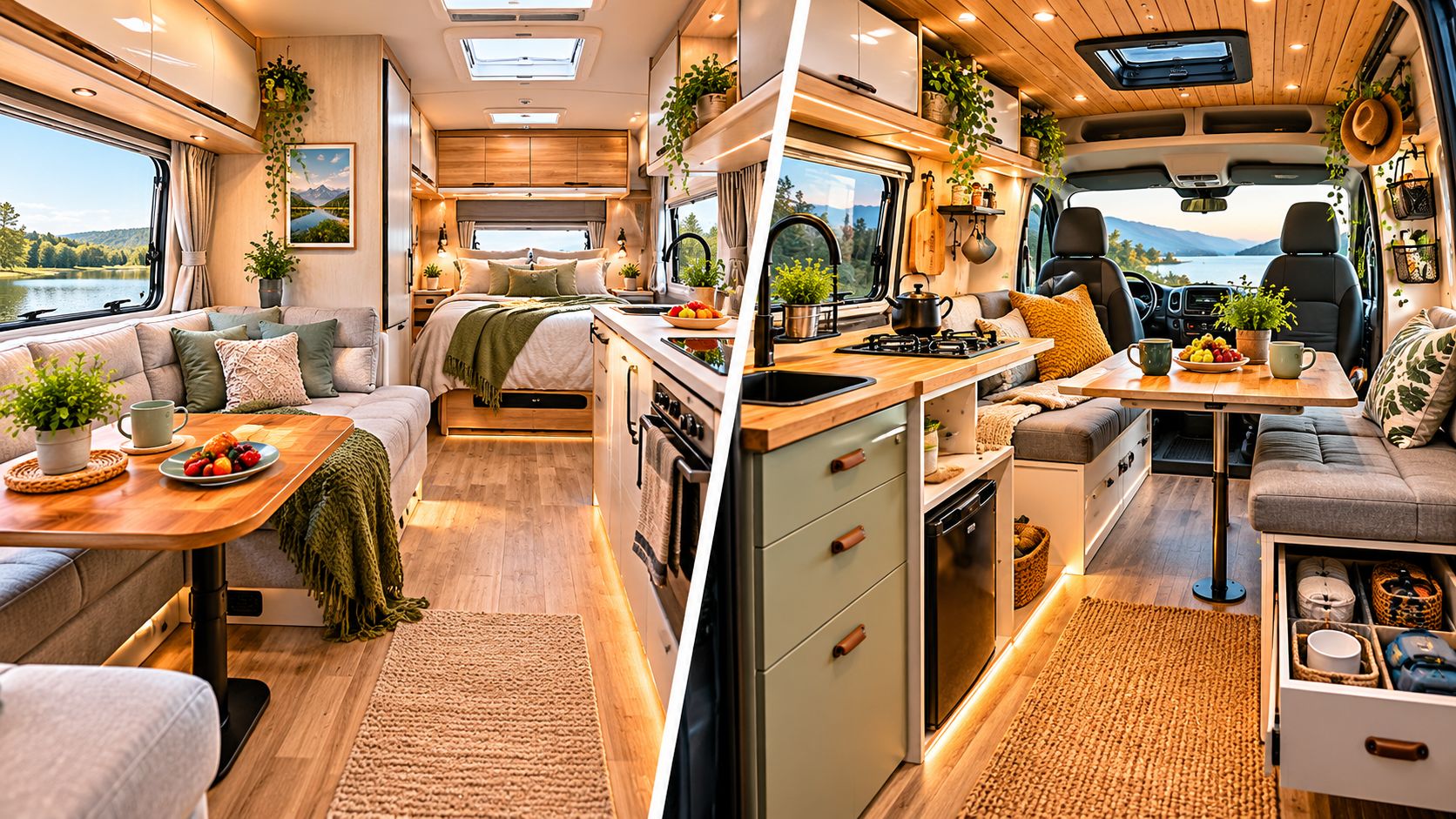
A caravan tends to feel more like a small holiday unit. There's often a stronger sense of separate zones. One person can read while another makes lunch. Kids can sprawl. Wet towels and sandy shoes don't take over the entire universe in quite the same way.

A campervan is different. It rewards people who appreciate clever design. Seats transform. Tables fold away. Storage hides in places you'd never expect. You don't get excess space. You get purposeful space.

The Kombi philosophy still matters

That's one reason VW fans are so drawn to campervans. The classic Kombi was a rolling lesson in intelligent packaging. It never pretended to be huge. It just made brilliant use of what it had.

That same design spirit still charms people now. You see it in modern camper layouts, and you see it reflected in the affection people have for van-shaped memorabilia, especially pieces inspired by tidy touring setups like the Volkswagen Crafter camper collectible.

If you want a quick visual reminder of why compact camper design has such a cult following, this clip captures the appeal nicely.

Who enjoys which layout

A caravan often suits travellers who value:

  • Room to unwind: More physical separation between sleeping, dining, and lounging.
  • Longer campsite stays: Better when you're settling in for several nights.
  • Family practicality: Extra space makes shared trips easier to manage.

A campervan often suits travellers who care most about:

  • Compact efficiency: Everything has a place and a purpose.
  • Quick stopovers: Pull up, park, and start enjoying the location.
  • Adventure rhythm: More movement, less setup.

Neither layout is objectively better. One feels like a small cottage on wheels. The other feels like a beautifully organised tool for chasing the horizon.

The Real Cost of Freedom Beyond the Sticker Price

Plenty of buying guides often go a bit soft. They talk purchase price, throw in a few comments about convenience, and leave the expensive part buried in the fine print of actual ownership.

The sharper way to think about caravan vs campervan is total cost of ownership. That means not just what you pay to get one, but what you keep paying to live with it in Australia over time. As noted in this ownership-focused comparison, campervans are registered and insured as motor vehicles, while caravans add trailer registration and insurance, plus the costs tied to a suitable tow vehicle.

What a campervan owner is really paying for

A campervan wraps a lot into one package. That's convenient, but it also means the vehicle side of the equation doesn't disappear.

Think about ongoing costs like:

  • Registration and insurance: It's a motor vehicle, so those basics are part of the deal.
  • Servicing: Engine, drivetrain, and vehicle systems need regular attention.
  • Fuel use: You're moving the whole house every time you drive.
  • Depreciation: The vehicle itself carries the wear of both travel and accommodation use.

What caravan owners can overlook

A caravan can look cheaper at first glance, and in some cases it is. But the long-run math depends heavily on the tow vehicle.

A realistic caravan budget needs to consider:

  • Trailer costs: Registration and insurance still apply to the caravan itself.
  • Tow vehicle demands: Not every family car is the right match for towing duty.
  • Fuel and servicing on the tow car: Pulling a van changes how hard the vehicle works.
  • Depreciation across the setup: You may be spreading value loss across more than one asset.

Don't ask, “Which one is cheaper?” Ask, “Which one makes better sense for the way I travel, store, service, and use vehicles already in my life?”

That question matters a lot. If you already own a capable tow vehicle and enjoy longer stays, a caravan may stack up nicely. If you prefer one integrated machine and frequent short escapes, a campervan may feel cleaner and simpler even if the upfront spend is steeper.

For people who love the camper lifestyle and the old VW travel aesthetic, it's easy to understand why the category keeps such a loyal following, both on the road and among collectors browsing VW campervans for sale in model form.

Your Perfect VW Adventure Guide

Some choices are easier when you stop thinking in categories and start thinking in weekends.

Your Perfect VW Adventure Guide

The weekend wanderers

You've got a couple of days free, you like coastal roads, and half the fun is deciding on Friday morning where you'll sleep Friday night. You want less setup, more movement, and the freedom to change plans when the weather shifts.

That's campervan territory.

The whole thing suits the VW mindset beautifully. Slide into a parking spot, pop the side door, brew tea, watch the sunset. If your dream trip feels like a classic Kombi poster come to life, the campervan wins on vibe and convenience.

The school holiday base campers

Now think family mode. More bags. More snacks. More bodies. Someone wants an afternoon nap while someone else wants cards at the table and someone else is hunting for goggles.

A caravan starts to make a lot of sense here. The ability to leave the van set up and use the car separately is gold when the campsite becomes your temporary neighbourhood. You get a steadier home base and a bit more breathing room when everyone's indoors.

The festival and nostalgia crowd

This one's for the people who don't just want a holiday. They want a scene. They want bunting, camp chairs, old playlists, and a setup that feels like it belongs next to a row of Beetles and buses on a sunny oval.

A compact campervan often fits this life best. It's social, portable, and full of personality. It also captures the same spirit that makes classic VW memorabilia so appealing. The vehicle is part transport, part design statement, part memory machine.

A quick match guide

Traveller type Best fit Why it suits
Couple doing short coastal escapes Campervan Easier movement and quick setup
Family building a holiday base Caravan More space and a separate car for outings
Event-goer or festival regular Campervan Compact, social, and easy to move
Traveller who likes staying put longer Caravan Better for settling in and spreading out

There's no wrong answer here. There's only the one that matches your habits, your driveway, your budget reality, and the version of freedom you want.

FAQ Your Final Caravan vs Campervan Questions Answered

FAQ Your Final Caravan vs Campervan Questions Answered

Do I need a special licence to tow a caravan in Australia

Licence rules can vary depending on the vehicle, caravan, and state or territory requirements. Check your local road authority before buying. Don't rely on general advice from forums or social media.

Which is easier to store at home

That depends on your property and access. A caravan takes up space as a separate unit, while a campervan combines everything into one vehicle. Measure your driveway, garage access, turning area, and height clearance before you fall in love with either option.

Can I use either for longer trips

Yes, but they suit different rhythms. A caravan is often more comfortable for extended stays in one place. A campervan usually suits people who like to keep moving and don't mind living a bit more compactly.

Which one feels more like the old VW adventure spirit

For many enthusiasts, the campervan gets closest to that classic Kombi feeling of travel and home blended together. But if your ideal trip includes a settled beachside setup and day drives in the car, a caravan can still deliver plenty of charm.


If you love the road-trip dream but also love having a tangible piece of VW history at home, have a wander through Volkswagen Memorabilia. It's a brilliant place to find licensed VW-themed gifts and display pieces, from Kombi-inspired collectibles to classic Beetle favourites, with local Australian stock, fast shipping, and the sort of nostalgic charm that keeps the VW spirit alive between adventures.

Your Guide to Particle Filter Diesel Cars

Saturday morning in Ballarat. There's a row of Beetles glinting in the sun, a tidy split-screen Kombi with the deck chair out, and someone's polished Golf TDI parked a few spaces over because, let's be honest, the old bus is for love and the diesel is for getting to work on Monday.

You're leaning on the Kombi talking carbs, chrome trims and road trips, then a mate says, “My Amarok's got that particle filter light again. What even is that thing?” That's the modern VW world in one sentence. We adore the simple charm of an air-cooled classic, but plenty of us drive a newer diesel VW through the week. Golf, Passat, Tiguan, Touareg, Amarok. Different beast, same badge.

If you've landed here because your modern diesel has flashed a warning and your heart sank a bit, you're not alone. A diesel particulate filter, or DPF, sounds like workshop jargon, but it's really just one of those modern parts that makes sense once someone explains it in plain English.

Think of this as a yarn between VW people. No lab-coat talk. No scare campaign. Just the practical stuff you'd want to know while standing near a classic Kombi with a coffee in hand.

A Yarn About Modern VWs and Pesky Warning Lights

Mick from Bacchus Marsh had a neat old Type 3 in the shed and a diesel Tiguan for the weekly grind. The Type 3 asked for spanners, patience and the odd swear word. The Tiguan usually just asked for fuel. Then one frosty morning, heading out for school drop-off and a coffee run, a warning light popped up on the dash and rattled him more than a noisy tappet ever had.

That catches plenty of VW owners out.

With an old Beetle or Kombi, you can often tell what mood the car is in by the smell, the idle, or the little noises it makes at the lights. A modern diesel VW is a different sort of clever. It keeps things tidy in the background, and when something needs attention, it speaks in dashboard symbols instead of rattles and puffs of smoke.

Why diesel owners get caught off guard

A lot of Australian VW diesels live a very suburban life. Short hops to work. School pick-ups. Stop-start traffic. A quick run to Woolies, then back in the driveway before the engine has really warmed through. That routine suits plenty of drivers, but it can leave a diesel grumpy because some of its emissions gear prefers a proper run, not five minutes between roundabouts.

So the warning light feels unfair. The car has been serviced, it still drives, and you have not been out there thrashing it or ignoring it. Yet up comes that little symbol, and suddenly your calm, sensible daily feels a bit high-maintenance.

Practical rule: If your diesel VW mostly does short suburban trips, the DPF warning light is often a use-pattern issue, not a sign the car has suddenly turned into a money pit.

It's usually a common modern diesel problem

This is a common issue for owners of modern particle filter diesel cars in Australia, especially people using them as weekday family transport rather than long-distance cruisers. Amarok owners see it. Golf TDI owners see it. So do people in Passats, Tiguans and Touaregs.

Once you know why that light comes on, the whole thing feels a lot less mysterious. You do not need to be a diesel wizard. You just need the plain-English version a mate would give you at a Ballarat car meet, coffee in hand, while the old Kombi cools beside you.

What Is a Diesel Particulate Filter Anyway

A mate rocks up at a VW meet in Ballarat with his Amarok parked beside a split-screen Kombi. The old bus smells faintly of fuel and warm oil. The Amarok doesn't puff a thing. That difference comes down to one bit of hardware tucked into the modern diesel's exhaust. The diesel particulate filter, or DPF, catches soot before it leaves the tailpipe.

That is why a modern Golf TDI or Passat diesel usually feels so much cleaner than the old-school diesels plenty of us grew up around. Instead of letting the black stuff head straight out the back, the exhaust system holds onto it inside the filter.

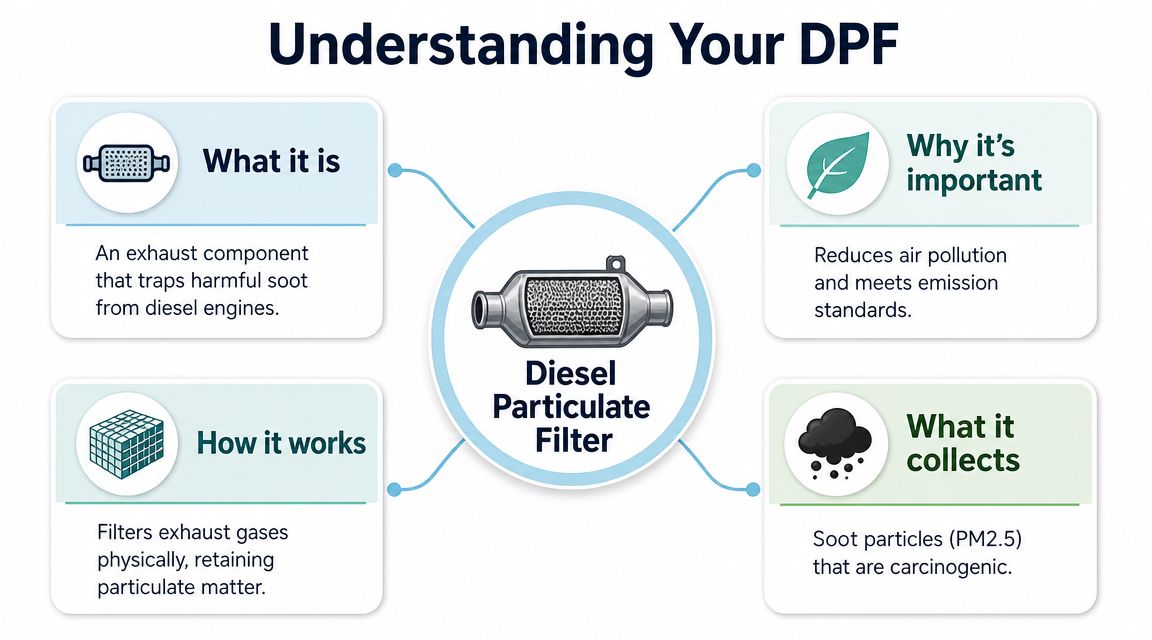
An infographic explaining what a diesel particulate filter is, how it works, why it is important, and what it collects.

The simple version

A DPF works a bit like a very fine trap in the exhaust. Hot gases still pass through, but the soot gets caught in the filter's internal walls instead of floating into the air. In a VW diesel, that filter is usually made from a ceramic material with tiny channels that force the exhaust through porous sections.

Corning explains in its guide to how a diesel particulate filter works that wall-flow filters are designed to catch the fine particulate matter created during diesel combustion. That is the grubby stuff you cannot always see clearly, but it is exactly what emissions systems are meant to control.

Why Australian VW owners ended up with them

For Aussie VW owners, the DPF is part of living with a newer diesel in the post-Euro 5 era. Stricter emissions rules meant diesel passenger cars and light vehicles sold here had to use cleaner exhaust after-treatment systems, and the DPF became one of the main tools for doing that.

So if you daily a diesel Tiguan in Melbourne traffic or an Amarok around regional Victoria, you are driving a vehicle built to meet those later standards, not the simpler diesel rules older cars were designed around. It is the same broad story as classic Volkswagens versus modern ones. The old Beetle got by with simplicity. The newer diesel gets by with sensors, heat, and a filter doing the dirty job.

A decent fuel system cleaner for diesel maintenance can help as part of general upkeep, but it is separate from what the DPF itself does. The filter's job is straightforward.

  • It traps soot: fine particulate matter gets caught in the exhaust system.
  • It helps keep the air cleaner: less soot makes it out the tailpipe.
  • It affects ownership costs: if the filter blocks or is removed, you can end up with poor running, warning lights, and legal headaches.

A classic Beetle's exhaust tells its story with noise and smell. A modern VW diesel tells it with sensors, temperature, and a filter hidden underneath.

The Magic of Regeneration Your DPFs Self Cleaning Trick

You know the sort of drive. Saturday morning in Ballarat, you duck out in the diesel Tiguan for coffee, swing past Bunnings, crawl through a couple of roundabouts, then head home before the engine has had a fair crack at warming up. Do that all week, and the DPF never gets the kind of heat it likes.

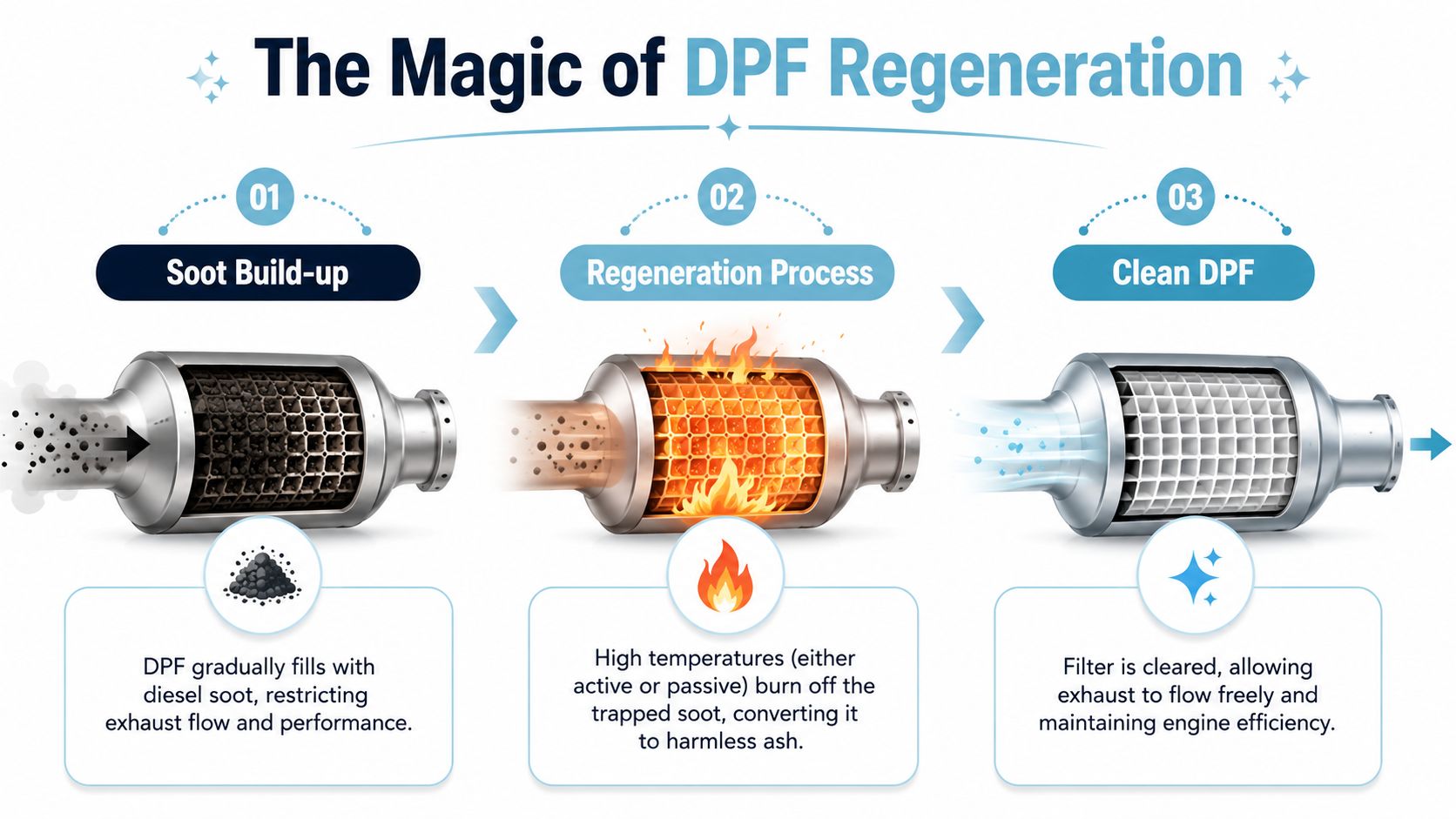
Regeneration is the car's way of cleaning the filter before it chokes up with soot. Old VWs used to ask for a tune-up and a bit of carb fettling. A modern diesel asks for heat.

A diagram illustrating the three-stage process of diesel particulate filter regeneration from soot buildup to cleaning.

Passive regeneration on a proper run

Give the car a steady highway stint up to Daylesford or down the Western Freeway, and the exhaust can get hot enough to burn off the trapped soot on its own. That is passive regeneration. No drama, no warning light, no special button to press. The system is just doing its job in the background while you rack up a few proper kilometres.

That is why old hands say a diesel likes a good run. They are not repeating workshop folklore. They are describing the exact conditions that help the DPF clean itself without fuss.

Active regeneration in suburban life

City use is a different story. School runs, stop-start traffic, idling at roadworks on the Ring Road, and five-minute trips to the shops do not give the exhaust much chance to build steady heat.

In those conditions, the car may decide passive regen has not happened often enough and start an active regeneration cycle instead. The engine management system lifts exhaust temperature by changing how fuel is injected, so the soot can still burn away even though the trip itself is not ideal.

A few VW owners notice it while it is happening. Idle speed can sit a bit higher. Fuel use can creep up for a short stretch. The cooling fans might keep running after you park, like the car is finishing a job after you have already grabbed the keys.

Why your driving pattern matters in Australia

This catches plenty of Aussie owners out, especially if their diesel VW lives a suburban life but was bought for its long-leg touring manners. A Touareg hauling up the Hume every other weekend will usually have an easier time than a Golf diesel doing short cold trips around town.

If those active regen cycles keep getting interrupted, soot keeps building. The car tries again later, then again after that, and eventually you get the grumpy dash light that sends everyone reaching for Google. Good fuel quality and general upkeep help the whole system do its work, which is why some owners also read up on fuel system cleaner for VW diesel maintenance as part of broader servicing.

A modern VW diesel is a bit like a Kombi that hates being started, moved ten metres, and switched off. It is happiest when it gets a proper run and finishes what it started.

Spotting Trouble Common Symptoms of a Blocked DPF

When a DPF starts getting unhappy, the car usually leaves clues. Some are obvious. Some feel more like the car has gone a bit flat and grumpy for no clear reason.

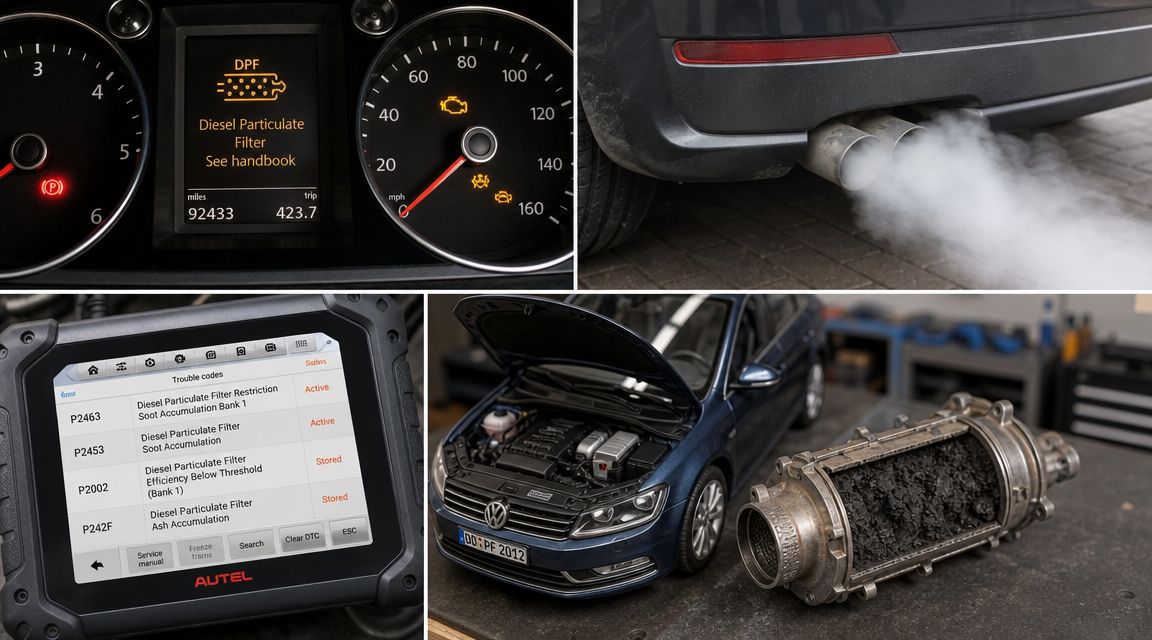
Near the top of the list is the dashboard warning light.

Dashboard showing diesel particulate filter error, exhaust smoke, diagnostic tool data, and a clogged filter component.

The clues your VW gives you

A blocked DPF often shows up as one or more of these:

  • Warning light on the dash that points to the emissions or filter system
  • Reduced power or limp mode, where the car feels like it's towing a caravan uphill
  • Poorer fuel economy around the time regeneration struggles
  • A hot or unusual exhaust smell after interrupted cleaning cycles
  • A general reluctance to rev cleanly under load

None of those signs automatically mean the filter itself is ruined. They do mean the system needs attention before the problem snowballs.

DPF warning signs and what to do

Symptom What It Likely Means Your Next Step
DPF or engine warning light The car has detected soot loading or a related fault Check the handbook, avoid ignoring it, and arrange diagnosis if the light stays on
Reduced power The system may have limited performance to protect the engine and exhaust Don't push it hard. Get the fault codes read
Fuel use seems higher Active regeneration may be happening more often or unsuccessfully Consider whether the car has only been doing short trips lately
Strong exhaust smell or hot fans A regeneration may be underway or has just been interrupted If safe and appropriate, allow the drive cycle to complete rather than switching off immediately
Repeated return of symptoms Soot or ash loading may be beyond a simple self-clean cycle Book a workshop inspection

This quick explainer is handy if you want to see the sort of warning signs and workshop checks owners talk about in practice.

Don't assume, diagnose

The trap is guessing. A warning light can be caused by driving pattern, a failed regeneration, a sensor issue, or a filter that's packed up. If the light returns after a decent run, get it checked properly.

A blocked DPF is a bit like seeing smoke from an old Kombi engine bay. Maybe it's minor. Maybe it isn't. You don't keep driving for six months and hope for the best.

The Fix Cleaning vs Replacing a Blocked DPF

Once the workshop confirms the DPF is the issue, you're usually looking at two broad paths. Cleaning or replacement. Which one makes sense depends on what's inside the filter and whether the unit is physically sound.

When cleaning makes sense

If the filter is heavily loaded with soot but not damaged, professional cleaning can be the sensible first move. Workshops may perform a forced regeneration, or a specialist may remove the filter for off-car cleaning. That process is aimed at restoring flow through the filter rather than masking the symptoms.

This option is often the more practical one when urban use has interrupted normal regeneration. Australian diesel owners deal with this a lot because stop-start commuting can prevent the high temperatures needed for regular burn-off, leading to more forced regenerations and higher ownership costs, as explained by DieselNet's overview of DPF operation and city-driving impact.

Don't ask the workshop only, “Can you clear the light?” Ask, “What caused the soot loading in the first place?”

When replacement is the right call

Cleaning won't solve every problem. Ash is the long-game issue. Soot can be burned off during regeneration, but ash doesn't disappear that way. If the filter is full of ash, cracked, melted, or otherwise damaged, replacement may be the only durable fix.

That's also where owner conversations get more serious. You want to know:

  1. Is it soot or ash? Soot suggests a regeneration problem. Ash points more to age and long-term accumulation.
  2. Is there another fault upstream? Sensors, injectors, or oil choice can influence how quickly a DPF gets into trouble.
  3. Will the new or cleaned unit survive your daily routine? If the driving pattern never changes, the same drama can return.

A lot of owners also go hunting for additives. Some are marketed as miracle cures. Be careful. At best, they may support a broader maintenance plan. At worst, they become a delay tactic while the underlying fault keeps brewing. Proper diagnosis matters more than wishful chemistry.

If you're already talking parts, maintenance items and workshop planning, it helps to start with a supplier guide built for local owners, such as this page on VW parts in Australia.

Keeping Your VW Diesel Happy in Australia

You see it all the time at a Ballarat meet. One bloke has a spotless old Beetle that gets a Sunday run down the highway and barely misses a beat. Parked next to it is his newer Tiguan TDI, the weekday workhorse that does school drop-offs, bakery runs, and five-minute dashes across town. Guess which one is more likely to throw a warning light.

Owning a diesel VW in Australia is a bit like keeping an old Kombi sweet. The car likes a routine that suits how it was built. Give it the right sort of use, the right oil, and decent servicing, and life is usually pretty calm. Ignore the basics, and small annoyances can turn into workshop bookings.

Australia's mix of long country drives, hot weather, heavy towing, and stop-start suburban traffic means one owner's diesel can have an easy life while another owner with the same model gets regular DPF grief. That is why local habits matter so much with Golf TDI, Passat, Tiguan, Touareg, and Amarok models.

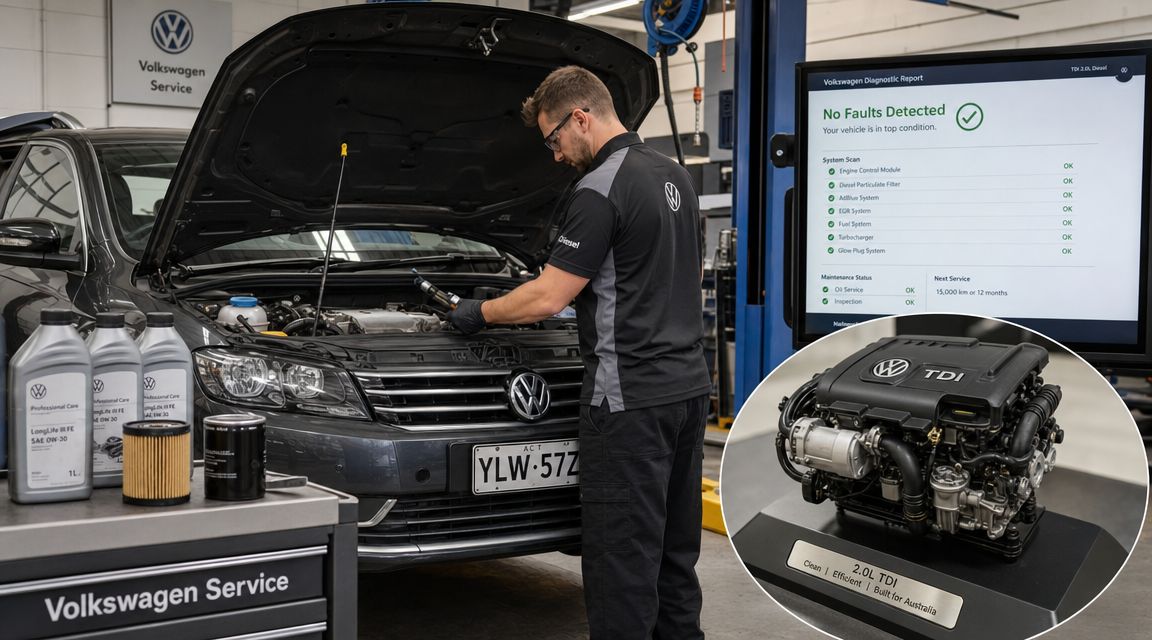
A Volkswagen technician performing a service on a modern diesel engine car with diagnostic reports displayed.

Habits that help

A few simple habits usually make the biggest difference:

  • Give it a decent run now and then: If your VW mostly does short trips, work in a proper drive where the engine gets fully warm and stays there for a while.
  • Use the correct oil: Many VW diesels need low-ash oil that matches the factory spec. The wrong oil can shorten the filter's working life.
  • Don't brush off warning lights: One brief light today can become forced regens, diagnosis time, or a cleaning bill later.
  • Stick to regular servicing: Patchy maintenance often shows up in the exhaust system sooner or later.
  • Be realistic about towing and hard use: An Amarok hauling gear or a Touareg doing caravan duty needs even less neglect than a lightly used commuter.

Australian driving makes a difference

A diesel that sees the Western Highway, the Hume, or regular regional runs usually has more chances to stay happy than one stuck doing cold starts and short suburban loops in Melbourne traffic. It is the same old story as classic VW ownership. Cars like being used properly.

City driving does not mean you bought the wrong car. It means you need to own it with your eyes open. If your Tiguan spends most of its week crawling between school, Coles, and the footy ground, it helps to plan the occasional longer drive instead of waiting for the dashboard to start the conversation.

Hot weather can add another wrinkle too. Australian summers, long idling, and heavy loads can make a hard-working diesel feel a bit more stressed, especially if the maintenance record is already patchy.

Keep records like an enthusiast

The owners who have the least drama are often the same ones who jot things down. Service dates, oil used, warning lights, regen-related visits, and any sensor work all help build a clear story of the car. That makes life easier for you and for the workshop trying to sort it.

If you like keeping your VW history straight, a dedicated Volkswagen service book is a tidy way to track what has been done and when.

A happy diesel is usually the boring one. It starts, pulls well, and gets on with the job while you get on with the drive.

Less Wrench Time More Drive Time

The best thing about understanding DPFs is that the fear drops away pretty quickly. Once you realise the filter traps soot, needs heat to clean itself, and gets cranky with endless short trips, modern particle filter diesel cars stop feeling mysterious. They just need the sort of informed ownership every Volkswagen has always needed, whether it's a split-screen Kombi or a late-model Amarok.

Preventative care beats drama every time. A regular proper drive, the right oil, and early attention to warning lights can save a lot of mucking about later. That means fewer workshop surprises, fewer interrupted weekends, and more confidence when you turn the key.

And really, that's the whole point. Volkswagens are supposed to be enjoyed. The old ones give us charm. The newer diesel ones give us practicality. Knowing how to look after both means more road trips, more club meets, and more time talking rubbish with mates beside a line of beautiful cars.


If today's DPF yarn has you feeling a bit more sorted, it's a good time to enjoy the fun side of the VW hobby too. Have a browse through Volkswagen Memorabilia, especially if you're into VW Kombi diecast Australia, a classic Volkswagen Beetle model, or you're looking to buy diecast Kombi pieces with local stock and fast Australian shipping. It's a top spot for VW memorabilia collectibles and Volkswagen diecast models for sale, whether you're adding to your own shelf or picking a gift for the VW nut in your life.

A 12 Volt Air Conditioner Guide for Classic VWs in 2026

There's a moment every classic VW owner in Australia knows well. The engine note is cheerful, the steering has that old-school honesty, and the whole drive feels like a postcard from another era. Then the sun climbs, the cabin turns into a bread tin, and your beautiful Beetle or Kombi starts feeling less like freedom and more like a sauna on wheels.

That's where interest in a 12 volt air conditioner starts making a lot of sense.

Not because anyone wants to turn a classic Dub into a soulless modern box. It's the opposite. Most of us want to use these cars more often, take longer trips, camp in them, and enjoy them with the family without dreading a scorching afternoon or a sticky summer night. If you've ever sat in a Kombi at a coastal show with the side windows popped and still felt like you were melting, you'll understand the appeal straight away.

A proper 12 volt setup is one of those mods that sounds ultra-technical at first, but once you strip away the jargon, it's really about comfort, practicality, and respecting the character of the vehicle. In a classic VW, that balance matters. Space is tight. Rooflines are iconic. Electrical capacity is nothing like a modern van. And nobody wants to hack up original metal without thinking it through.

That Classic VW Feeling Without the Classic Aussie Heat

A Kombi on a summer morning is pure magic. Surfboard on top, a thermos on the seat, old stickers on the quarter window, and that familiar smell of vinyl and warm metal. You head off thinking you've nailed the day.

By lunchtime, the sun has other ideas.

Inside a classic VW, heat builds fast. Big glass, thin metal, limited insulation, and an engine package that was never designed with modern cabin comfort in mind all gang up on you. That's manageable on a mild day. In an Australian summer, it can turn a dream drive into a short one.

I've had this chat at plenty of car shows. Someone's standing beside a tidy Beetle or a beautifully restored Bay Window, and the same question comes up: “Can you fit a 12 volt air conditioner in one of these without ruining it?” It's a fair question, because generic van-life advice usually assumes a newer van with a flatter roof, more room, and a far more forgiving electrical system.

A classic VW asks harder questions than a modern camper. That's why the best solution is rarely the biggest unit.

The good news is that a 12 volt air conditioner can be a smart path for a classic Dub if you approach it with clear expectations. In these vehicles, comfort upgrades work best when they're customized. You're not trying to create a refrigerated lounge room. You're trying to make driving, parking, resting, and sleeping far more pleasant.

That's a lovely idea in real life and in miniature too. Plenty of VW people know the same feeling when they spot a model that captures the spirit of the original. A tiny Samba Bus on a shelf can represent those road-trip dreams just as much as the full-size bus in the shed.

So What Exactly Is a 12 Volt Air Conditioner

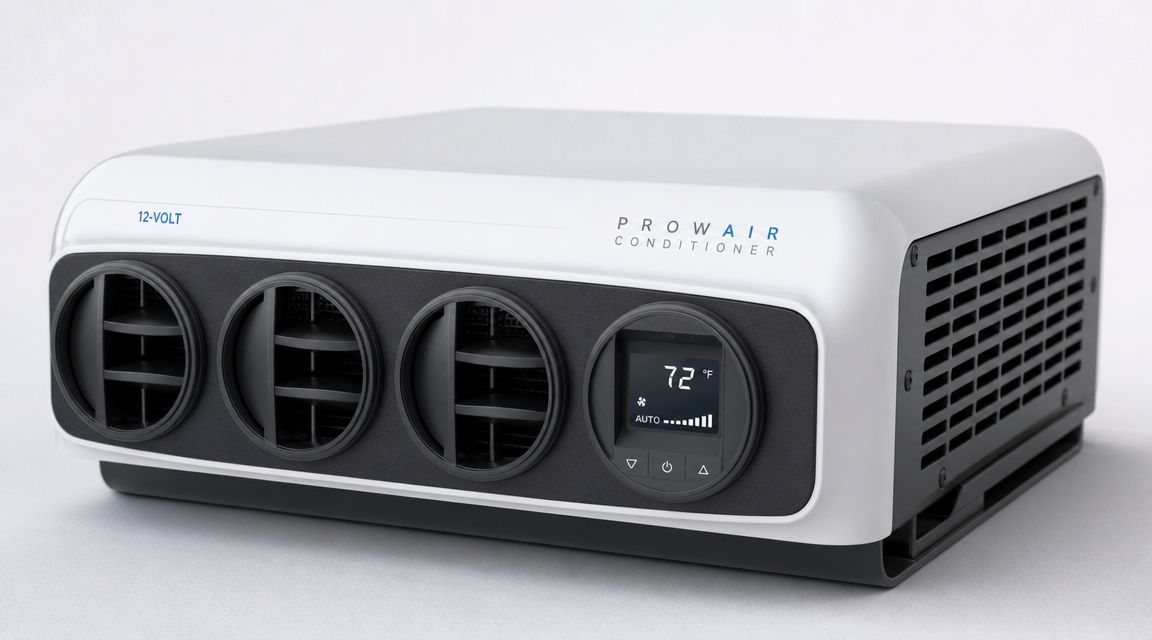
A 12 volt air conditioner is a cooling system designed to run directly from a 12V battery setup, usually a separate house battery rather than your starter battery. That's the key difference.

A lot of people picture a household air conditioner somehow jammed into a van. That's not really what this is. A purpose-built 12V unit is more like a cooling system made for mobile life from the start. It's designed around battery power, limited space, and the need to make every bit of stored energy count.

A modern, white 12-volt air conditioner unit for vehicles sits against a clean white background.

Why direct DC power matters

The easiest way to think about it is this. Running a normal AC unit from batteries through an inverter is a bit like pouring fuel from one jerry can into another before it reaches the car. You'll lose a bit in the transfer. Recent Australian RV guidance highlights that DC-powered compressor units running straight from a house battery bank avoid the about 10 to 15% conversion loss that comes with using an inverter for a traditional AC unit, as explained in FarOutRide's guide to 12V air conditioning.

That's a big deal in an off-grid setup. In a classic VW, every bit of efficiency matters because you don't have endless room for batteries, wiring, and backup gear.

What's happening inside the system

At a simple level, the air conditioner uses a compressor to move heat from inside the cabin to outside. Modern variable-speed inverter compressors improve efficiency further, which is one reason battery-powered cooling has become so much more realistic than it used to be.

If you like analogies, think of it as a high-tech esky that doesn't just keep things cold. It actively pumps heat out of your van.

A few points clear up a lot of confusion:

  • It's not your engine-driven car AC. A classic VW usually doesn't have the same setup as a modern car with a factory compressor arrangement.
  • It's not meant for your starter battery. It typically runs from a separate battery bank.
  • It's built for off-grid use. That's why people fitting campers and tourers pay attention to it.

Practical rule: If a unit is designed to run directly from your house battery bank, it usually suits off-grid classic VW use better than a mains-style system adapted after the fact.

The Hard Yakka Powering Your Cool Trips

This is the part that scares people off. It doesn't need to.

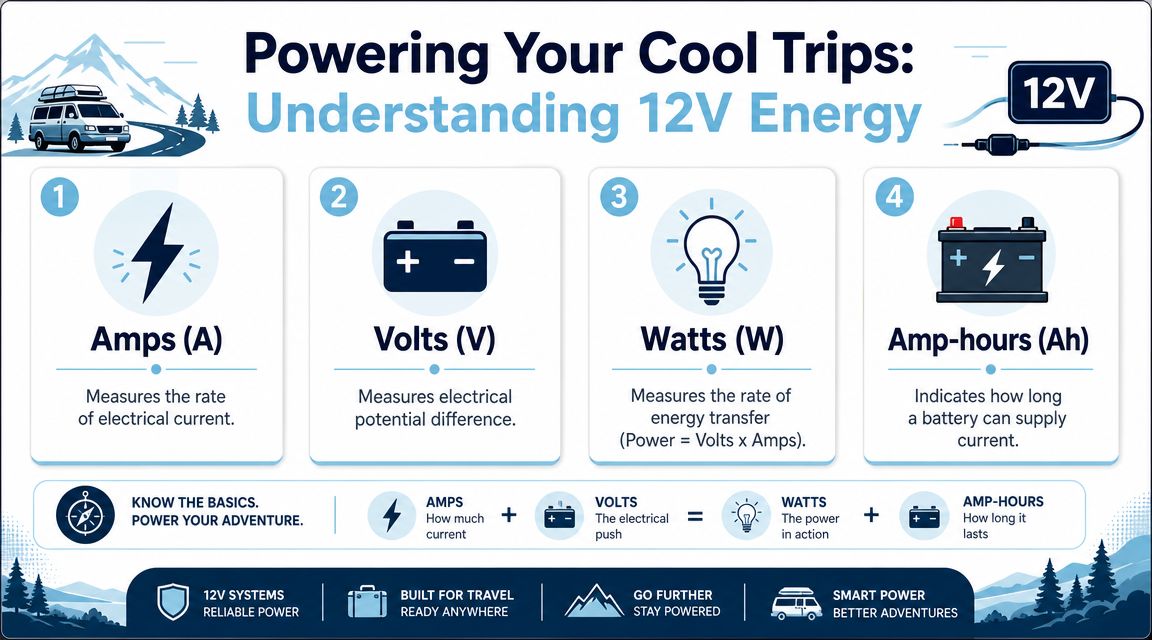
When you talk about a 12 volt air conditioner, you're really talking about three mates working together: volts, amps, and amp-hours. Once you get those straight, the whole system starts making sense.

An infographic explaining 12V electrical system basics including amps, volts, watts, and amp-hours for travel vans.

Car park chat version of the basics

Think of volts as pressure in a hose.

Think of amps as how much water is flowing through it.

Think of amp-hours as the size of the tank feeding the whole thing.

That's oversimplified, but it's close enough to be useful when you're standing around the engine bay talking ideas. In a 12V setup, lower voltage means the system often needs higher current to do serious work. That's why cabling, fuses, and battery design matter so much.

According to the field data described by Cruise N Comfort's Work Series information, a compact 4,100 BTU DC unit can draw about 16A in eco mode, while larger 10,000 to 12,000 BTU class systems can draw roughly 30 to 48 amps at 12V. That's the important bit to remember. The current draw drives your wiring choices.

Why amps matter more than people expect

A lot of buyers focus on BTU because it sounds like the headline number. Cooling capacity matters, sure, but in a classic VW install, amps tell you how serious the electrical side needs to be.

If the air conditioner is pulling hard for long stretches in hot weather, weak cabling or lazy fuse planning can create headaches fast. Voltage drop becomes the hidden villain. Your unit might still turn on, but it won't be happy if the wiring is undersized or the cable run is too long.

In plain language, it's like trying to drink a thick milkshake through a tiny straw. The system can't breathe properly.

Here's a good way to think about the planning side:

  • Battery bank
    This is your fuel tank for cooling when parked up.

  • Cable size
    This is the pipe carrying that energy. Too small, and you choke the flow.

  • Fuse and breaker protection
    These are your safety gatekeepers. They're not optional.

  • Charging strategy
    Solar, alternator charging, or other charging methods need to suit how you travel.

A slim battery format can help in older vehicles where every bit of floor or seat-box space counts. For anyone packaging a classic VW carefully, a 200Ah slimline lithium battery option shows the sort of footprint-conscious gear that makes more sense than bulky old-school layouts.

A quick visual explainer helps if you're still wrapping your head around the terminology:

The classic VW wrinkle

Old Volkswagens add extra complication because you don't have spare room everywhere, and heat can increase duty cycle. In Australian conditions, that means a marginal setup can get stressed quickly.

A smarter approach is to speak with your auto-electrician about the actual current draw of the unit you want, then build the wiring and battery system around that. Not around wishful thinking, and not around what fits neatly on paper.

Keeping It Real Performance in the Aussie Sun

However, a few dreamy internet claims need a reality check.

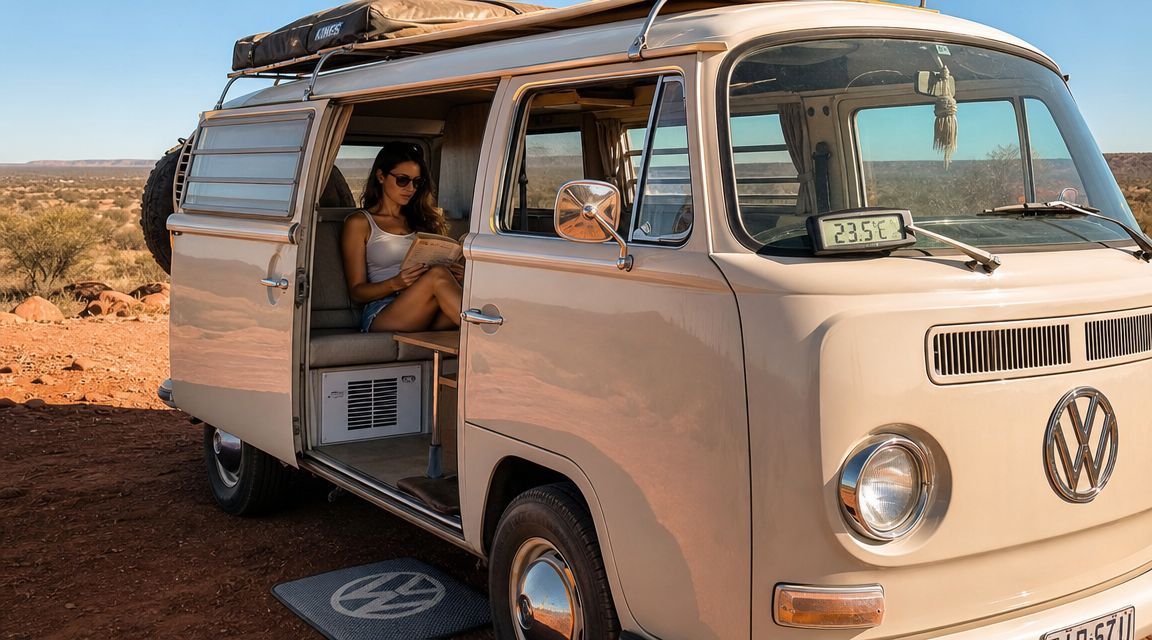
A 12 volt air conditioner can absolutely improve life in a classic VW. But if you expect your Beetle or Kombi to feel like a sealed bedroom in the middle of a brutal summer afternoon, you're setting yourself up for disappointment. These vehicles leak heat from everywhere. Glass, roof, doors, floor, and old seals all play a part.

A woman reading a book inside a vintage Volkswagen camper van parked in a sunny desert landscape.

The better target is zone cooling

The useful goal in a classic VW is often zone cooling. That means creating a comfortable bubble where you sit, rest, or sleep, instead of trying to deep-freeze the whole cabin.

That's especially important in Australia. The Bureau of Meteorology reports a national mean temperature of 22.9°C for 2024, and guidance on battery-powered RV cooling notes that heat extremes are becoming more common, which pushes actual cooling loads well beyond what generic guides assume. RV With Tito's article on 12V inverter RV air conditioners frames the key question well: not just whether a unit is efficient, but how many amp-hours you need for a hot night above 35°C.

That's exactly the issue with a classic Dub. Performance depends heavily on the van itself, not just the sticker on the air conditioner.

What helps more than people realise

You'll get far better results if you reduce heat gain before you ask the air conditioner to fight it.

  • Window management
    Big windows look brilliant, but they let in plenty of heat. Covers and reflective screens can make a noticeable difference.

  • Shade strategy
    Parking in a smarter spot often matters as much as the unit you buy.

  • Insulation upgrades
    Roof and wall insulation help your cooled air stick around longer. If you're improving a camper shell or panel work, thoughtful van insulation ideas are worth considering before spending big on cooling gear.

  • Expectations at bedtime
    Cooling a sleeping area is usually far more realistic than battling full-cabin heat built up all day.

A 12 volt air conditioner works best when the van helps it out. Shade, insulation, and window control all reduce the workload.

If you treat the system like part of a whole package, not a magic box, you'll be much happier with the result.

Finding the Right Fit for Your Classic Dub

Classic VW owners don't just ask, “Will it cool?” They ask, “Will it suit the vehicle?” That's the right question.

A unit that looks fine on a modern motorhome can seem completely out of place on a Splitty, Bay, or early Beetle. Then there's the practical side. Curved roofs, precious interior room, and older bodywork make every install decision more personal.

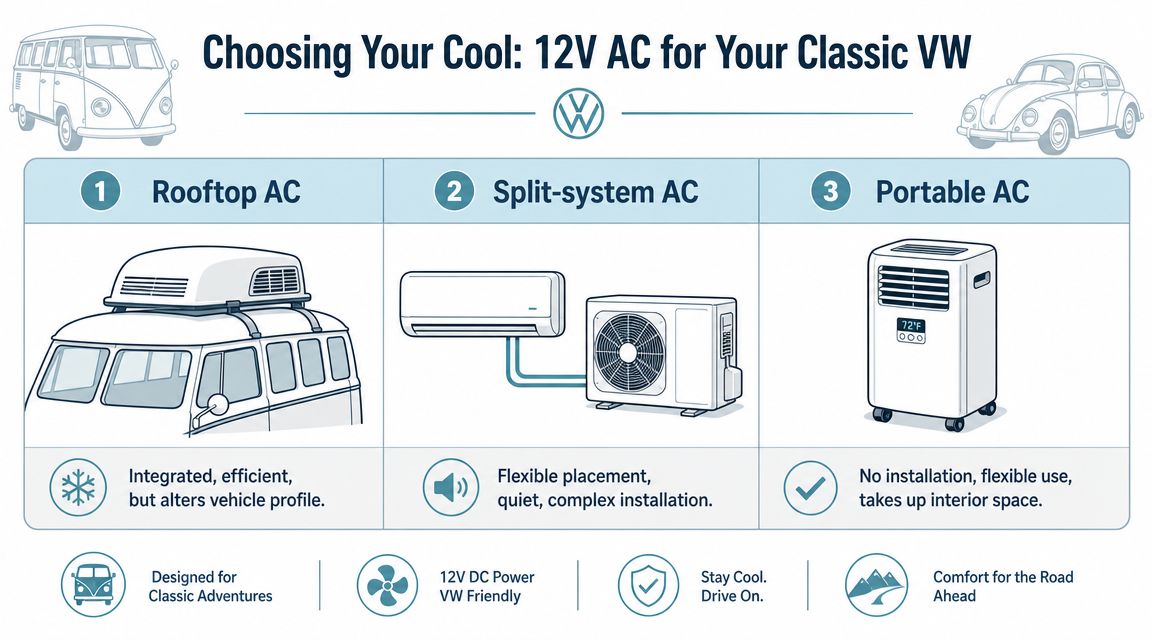
An infographic comparing three types of 12V air conditioning systems for classic Volkswagen vehicles.

Rooftop, split, or portable

A mainstream rooftop 12V RV unit in the 11,253 BTU class can consume 50 to 75 amps at 12V and requires a 14 x 14 inch roof cut-out, according to the listed specifications on Canada RV's 12,000 BTU 12V air conditioner product page. That sort of current draw and roof opening is a serious consideration in a classic VW.

For many owners, that immediately raises two concerns. First, can the roof handle the change without spoiling the look or causing structural grief? Second, does the electrical system have the backbone for that level of current draw?

Split-style and under-bench arrangements often appeal more in classic builds because they can hide more of the hardware. Portable units can avoid body cutting, but they usually give away interior space, which is already tight in a Beetle or Kombi.

Comparison table

Unit Type Best For Installation Visual Impact Pros Cons
Rooftop AC Camper-style Kombis where cooling is the top priority Invasive. Usually involves roof work Highest Strong integrated setup, keeps floor space free Alters roofline, high current draw, major commitment
Split-system AC Owners who want discreet placement Complex Low to medium Flexible placement, can preserve classic look better Harder packaging, more custom fabrication
Portable DC unit Occasional use and minimal vehicle modification Simplest Low outside, higher inside No major cutting, flexible use Takes up cabin room, can feel clunky in a small VW

How to choose without regretting it

If originality matters most, you'll probably lean away from rooftop cuts.

If sleeping comfort is your top priority in a camper, a carefully planned hidden setup may feel like the sweet spot.

If you just want temporary relief at shows or overnight stops, portable options can still have a place, even if they're not the prettiest answer.

That's why choosing cooling hardware for a classic Dub feels a bit like choosing rare trim or period-correct parts. Details matter. Packaging matters. The whole look matters. When you're weighing options for restoration and fitment, it also helps to browse broader VW parts in Australia so you can think about cooling as part of the vehicle's whole build, not a stand-alone bolt-on.

The best 12 volt air conditioner for a classic VW is the one that respects the shape, the space, and the way you actually use the vehicle.

Your Pre-Trip Checklist and FAQs

Before you head off chasing cooler drives, it pays to run through the basics. A tidy install is about more than comfort. It's about safety and reliability.

Pre-trip checklist

  • Check your battery setup
    Make sure the air conditioner runs from the correct auxiliary battery system, not your starter battery.

  • Inspect cable runs
    Look for secure mounting, proper protection, and no obvious rub points.

  • Confirm fuse protection
    Every high-draw circuit should be properly protected.

  • Clean filters and vents
    A dirty filter makes the system work harder than it needs to.

  • Test before departure
    Run the system at home or in the driveway before a trip, especially if you've changed anything in the wiring or battery layout.

FAQs

Can I run a 12 volt air conditioner from my starter battery

No. That's the fast way to end up with a hot van and a VW that won't start. Use a dedicated house battery setup.

Will it make my Kombi icy cold in extreme heat

Usually, you're aiming for comfort rather than fridge-like cold. In classic VWs, realistic cooling often means better sleeping conditions or a more bearable cabin, not a sealed-room experience.

Are they noisy

Noise depends on the design and installation. Mounting, airflow path, and where the compressor lives all affect how civilised the system feels in real use.

Can I fit one myself

Some owners can handle parts of the job, especially bracketry or trim work. But for the electrical side, high-current DC systems deserve proper planning. If you're not confident with that, bring in an experienced auto-electrician.

What's the smartest mindset for a classic VW install

Treat cooling as a whole-vehicle project. Airflow, insulation, battery storage, wiring, and aesthetics all matter together.

A well-thought-out 12 volt air conditioner setup doesn't take the soul out of a classic Volkswagen. It lets you enjoy that soul more often, in more places, and with less sweat on your back.


If you love the spirit of classic Volkswagens, not just driving them but celebrating the whole culture around them, have a look at Volkswagen Memorabilia. It's a top spot for VW-themed gifts, licensed diecast, and nostalgic pieces that capture the charm of Beetles, Kombis, and Samba Buses. Whether you're after a display-worthy model, a thoughtful present for a VW mate, or something special to keep the passion alive between road trips, their local Australian range is well worth a browse.

The Volkswagen Service Book: More Than Just Paper

A mate of mine bought an old Beetle out of regional NSW, drove it home grinning like he'd won Tatts, then found a dog-eared Volkswagen service book tucked beside the jack. The pages smelled faintly of oil and old paper, and every stamp felt like another chapter in the car's life.

Your VW's Dog-Eared Diary in the Glovebox

You know the feeling. You open the glovebox of a Kombi or Beetle that's seen a bit of sun, a few beach runs, maybe a family holiday or two, and there it is. Not flashy. Not rare in the usual concours sense. Just a worn little booklet with scribbled dates, odometer readings, workshop stamps, and the sort of honest grime that says this VW has been used the way Volkswagens should be used.

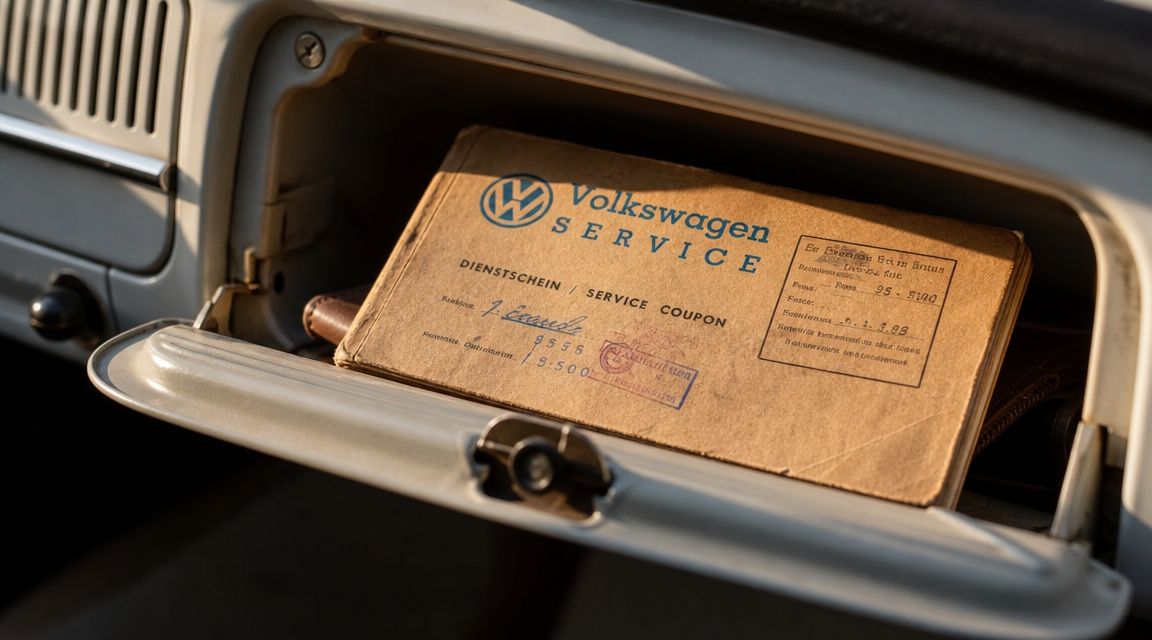
An antique Volkswagen service coupon booklet resting inside the open glove compartment of a vintage car.

For plenty of Aussie owners, the Volkswagen service book sits somewhere between workshop paperwork and family heirloom. It tells you who cared enough to keep the car on schedule. It hints at road trips, changing hands, periods of love, and sometimes those awkward years when the poor thing sat under a tarp behind the shed.

More than maintenance paperwork

A classic VW always carries a bit of mythology around with it. The service book keeps that mythology honest. If the seller says, “She's been looked after,” the little book in the glovebox is often where the truth lives.

A tidy service record doesn't just show what was done. It shows that someone kept paying attention.

That matters whether you're eyeing off a late-model Golf, a weekend cruiser Beetle, or a Kombi that still has sand in the floor channels. A service book is part keepsake, part evidence. In the VW world, that combination is gold.

Why enthusiasts keep them forever

Collectors hold onto odd bits of VW history all the time. Old brochures, dealer keyrings, workshop manuals, number plate surrounds. A service book belongs in that same emotional category, but with one big difference. It's tied to one exact car and its real life.

If you're lucky, the entries line up like a timeline:

  • First owner pride: Early stamps that show the car was serviced right on time.
  • Years of regular use: Odometer notes that creep up steadily and make sense.
  • Care beyond cosmetics: Mentions of scheduled inspections and routine items, not just emergency fixes.

That's why old hands at a show will leaf through a service book with the same interest they'd give original paint or factory trim. It's memorabilia, sure. But it's memorabilia that can still save you grief later.

What Is a Volkswagen Service Book Really?

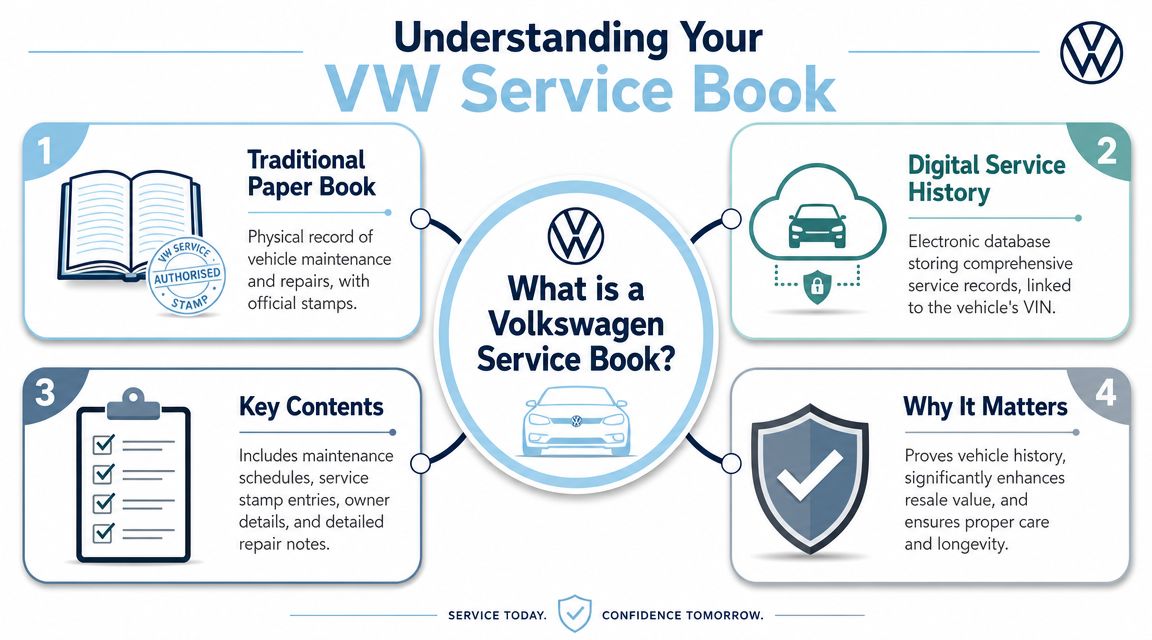
At its simplest, a Volkswagen service book is your car's passport. It records where the car has been, when it was serviced, and what work was carried out so there's a traceable history rather than a string of vague promises.

In Australia, a Volkswagen service book is usually tied to the manufacturer's recommended maintenance schedule, often every 12 months or 15,000 km, and the entries generally note the date, odometer reading, and work completed, which helps verify maintenance in local driving conditions according to this overview of VW service history.

An infographic explaining the components and importance of a Volkswagen service book for vehicle maintenance and history.

What you'll usually find inside

Open one up and you're not looking for poetry. You're looking for the practical stuff that builds a believable timeline.

  • Owner and vehicle details: Enough information to tie the booklet to the car.
  • Service interval checkpoints: The milestones Volkswagen expects the vehicle to meet.
  • Workshop entries: Date, odometer reading, and what was performed.
  • Stamps or repairer records: A sign that a real business touched the car, not just a backyard promise.

Some books are neatly stamped. Some have handwriting that looks like it was done leaning over a bonnet in a hurry. That's normal. What matters is whether the story hangs together.

Paper book or digital trail

Older Volkswagens often relied on a physical booklet with stamps and handwritten notes. Later models may also have dealer-entered digital records rather than only a stamped book. The format changed, but the point didn't. You still want a clear maintenance story.

Practical rule: If the service history lets you follow the car year by year without guessing, you're on solid ground.

A good service book also reflects milestone maintenance, not just oil changes. Things like brake fluid changes, air-filter replacement, and scheduled inspections help build a fuller picture of the vehicle's condition. That's why seasoned buyers don't treat the booklet as a trivial extra. They treat it as part of the car's identity.

Why That Little Book Is Worth Its Weight in Gold

A Volkswagen can look brilliant in photos and still make your wallet cry later. Fresh paint, shiny hubcaps, detailed engine bay. Lovely. But if the service history is thin, buyers get twitchy for good reason.

That little book earns its keep when money and trust are on the table. A seller with organised records usually comes across as someone who cared for the car properly, not someone who polished over problems before listing it.

The interior of a vintage green Volkswagen Beetle featuring a service logbook resting on the passenger seat.

For buyers, it calms the nerves

Say you're inspecting a used Golf in Melbourne or a Passat on the Sunshine Coast. The seller says it has “full history”. Good start. Then you open the service book and see the intervals make sense, the odometer trail is consistent, and the work notes look credible. Straight away, the conversation changes. You're no longer buying a story. You're checking a record.

For plenty of people, that's the difference between confidence and caution.

For owners, it can support warranty discussions

For Australian Volkswagen vehicles, the service book is a key warranty-support document. It should show that logbook servicing was done at the prescribed intervals by a qualified repairer, and that history is often used to diagnose faults and validate claims, especially for powertrain issues, as Volkswagen's owner materials explain through its owners manual and vehicle information portal.

That means the service book isn't just nostalgic clutter in the glovebox. It's part of the technical paper trail. If a fault turns up, service timing and recorded work can matter.

What experienced owners check first

When club members talk through a used VW, the service book often comes up before modifications or stereo gear. They want to know:

  • Was it serviced on time: Gaps can raise questions that are hard to answer later.
  • Who did the work: Dealer, specialist, or qualified independent. The key is that the records are credible.
  • Does the book match the rest of the car: A spotless booklet paired with messy supporting paperwork deserves a closer look.

If you're sorting out maintenance, parts, or period-correct odds and ends for your VW life in general, it's worth keeping a trusted bookmark to VW parts in Australia. Not because a parts page replaces good records, but because organised owners tend to keep both the car and the paperwork in shape.

From Paper Trails to Digital Records

One of the most common yarns you'll hear from newer VW owners goes something like this. “The seller said it has full history, but there's barely anything stamped in the book.” That doesn't always mean trouble. Sometimes it means the car sits in the crossover era where paper and digital records overlap.

Volkswagen moved away from relying only on the old-school stamped booklet for some later vehicles. So now you've got a mix across the fleet. Older cars may have a proper paper logbook. Newer cars may have dealer-entered digital history. Some have both, but not in a neat, obvious way.

When the glovebox doesn't tell the full story

In Australia, there's often confusion about how VW paper books, dealer stamps, and digital records fit together. One of the most useful bits of guidance is this: if the book is missing or incomplete, owners can reconstruct service history through invoices and dealership records, and that evidence matters when assessing a used car's value and condition, as noted in Volkswagen contact and support guidance at Volkswagen customer support.

That's a relief for plenty of owners, because a missing booklet isn't always a disaster. Cars change hands. Booklets get lost during moves. Workshops close. Life happens.

How to rebuild the story

If you're dealing with patchy records, don't panic. Start gathering evidence that ties dates, kilometres, and work performed back to the car.

  • Pull together invoices: Old workshop bills can fill gaps even if the book is gone.
  • Call dealerships or repairers: They may be able to confirm prior servicing for that vehicle.
  • Check the handbook and VIN-linked information: That helps you match the car to the correct maintenance schedule.
  • Lay it out in order: A chronological folder often tells the story nearly as well as a stamped book.

Missing paper hurts less when the supporting paperwork is organised and believable.

That idea matters beyond buying and selling. It's part of how enthusiasts preserve a VW's story. A van halfway through a camper build, for example, still benefits from a tidy maintenance history. If you're dreaming about project life, van conversion ideas for VW lovers can be a fun rabbit hole, but even the coolest build starts with knowing the base vehicle's history.

Pro Tips for Buyers Sellers and Collectors

The old hands at Volksfest get a bit sharp-eyed concerning a Volkswagen service book. It can reassure you, but it can also raise questions if the details feel off. You don't need to be suspicious of every mark on the page. You just need to read it like part of the car, not as a separate prop.

A smiling Volkswagen service representative holding an open service logbook for a customer near a car.

If you're buying

Walk in with curiosity, not just excitement. Ask to see the service book before you get too distracted by the two-tone paint or fresh retrim.

A few signs are worth checking closely:

  • Inconsistent chronology: If dates and odometer readings jump around strangely, ask why.
  • Book looks newer than the car's story: A pristine booklet in a much older vehicle isn't automatically wrong, but it deserves backup paperwork.
  • Vague entries: “Service done” tells you far less than a proper note with date, kilometres, and work carried out.

Bring the service book into the same conversation as tyres, brakes, invoices, and registration papers. It should fit the broader story.

If you're selling

Present the service book like you would original manuals or factory accessories. Neat, complete, and easy to follow. Don't chuck a loose stack of receipts into a supermarket folder five minutes before the buyer arrives.

Try this:

  1. Cleanly organise the paperwork so the book, invoices, and inspection notes are together.
  2. Match entries to receipts where you can, especially if there's a gap in stamps.
  3. Be upfront about missing periods rather than hoping no one notices.

That honesty often lands better than bluffing.

If you're using an independent workshop

A lot of Aussie VW owners ask whether they must stick to the dealer network forever. The practical answer is that independent servicing can still protect the car's history when it's documented properly against the manufacturer's handbook and carried out by a qualified technician, as discussed in this independent servicing advice video.

That's good news if you've got a trusted VW specialist who knows these cars inside out.

If you're a collector at heart

Collectors understand provenance. That's why paperwork matters. The same instinct that makes someone value original brochures, dealer stickers, and period accessories also makes them value a believable service record.

And if your dream full-size bus is still somewhere over the horizon, browsing a Volkswagen bus camper can scratch that itch while you wait for the right real-world example to turn up with the right story attached.

Your Top Service Book Questions Answered

A few questions pop up again and again at swap meets, club runs, and cars-and-coffee mornings. Here's the quick-reference version.

Quick answers that save time

For specialised models like the e-Golf or hybrids, the service book matters even more because it should document specialist maintenance by trained technicians, and that record helps diagnose high-voltage faults where inspection history can be safety-critical, according to Volkswagen material reflected in this VW warranty policy document hosted by NHTSA.

Question Answer
Is a missing Volkswagen service book always a deal-breaker? No. It can be a problem, but it isn't automatically fatal if the owner can rebuild the history with invoices, workshop records, and other believable documentation.
Can I get a replacement service book? You may be able to obtain a replacement booklet for some vehicles, but a new book doesn't recreate the old history on its own. The supporting paperwork is what gives it value.
Do dealer stamps matter more than independent workshop records? Dealer stamps are familiar and easy for buyers to recognise, but qualified independent servicing with proper documentation can still support resale and compliance when it follows the handbook.
What should be recorded in the book? Date, odometer reading, and work completed are the essentials. Clear entries make the history easier to trust.
Are digital records enough for newer VWs? They can be, provided the digital history is accessible and lines up with invoices or workshop records.
Does this matter more for e-Golf and hybrid models? Yes. Those vehicles may require specialist servicing and a documented inspection cadence because high-voltage systems are safety-critical.
Why do enthusiasts treat a service book like memorabilia? Because it gives the car a personal history. It isn't just proof of maintenance. It's part of the vehicle's identity and provenance.

One last club-member tip

If the paperwork tells a clean, believable story, the car usually feels easier to own. Easier to service, easier to insure, easier to sell, and easier to enjoy without that nagging doubt in the back of your mind.

The best Volkswagens always seem to come with stories. The smart ones come with records too.


If you love the history behind real Volkswagens, you'll probably love the collectible side of the marque as well. Volkswagen Memorabilia is a top spot for licensed VW-themed gifts, Beetle and Kombi diecast models, and nostalgic display pieces that celebrate the same heritage we all yarn about at shows. Have a look through the shop if you're after a present, a shelf-worthy classic, or a little VW magic with local Australian stock and friendly service.

ID. Buzz Camper: The New Kombi Dream for Aussies

A bloke rolled up to a coastal VW meet in an old two-tone Bay, parked beside a new ID. Buzz, and for ten minutes nobody talked about horsepower. They talked about surf trips, sleeping in the back, and whether this shiny electric bus might finally be the id buzz camper Aussies have been daydreaming about for years.

The Electric Kombi We've All Been Waiting For

At any proper VW gathering in Australia, someone always says it. Usually while leaning on a Beetle guard or peering into a lovingly restored Kombi. “If Volkswagen ever made a modern bus with the right shape, I'd have one.” For years, that chat lived in the same space as garage fantasies and restoration wish lists.

Now the ID. Buzz has arrived to make that conversation real.

A blue and white Volkswagen ID. Buzz electric van parked near the beach during a beautiful sunset.

What makes the idea of an id buzz camper so compelling isn't just the badge. It's the feeling. The upright stance, the friendly face, the cabin that promises weekends away rather than school-run drudgery. For long-time VW people, it stirs the same part of the brain that lights up at the sight of a Split Screen in pastel paint or a sun-faded Bay Window loaded with boards.

Why VW fans instantly “get” the Buzz

The old Kombi earned its place in Australian life the honest way. It carried camping gear, kids, dogs, guitars, wetsuits and half-finished road trip plans. The new Buzz taps into that same spirit, even if the drivetrain is now all battery and silence.

A lot of local excitement has centred on whether it can become a proper touring machine rather than just a stylish people-mover. That's why the camper angle keeps coming up. Buyers aren't only asking what colour it comes in. They're asking if the back can sleep two, whether a weekend setup makes sense, and how close it feels to the Kombi dream.

The appeal of the ID. Buzz isn't nostalgia alone. It's nostalgia with the promise of modern comfort.

If you want the local market rundown before you start sketching bed platforms and awnings, the best starting point is this look at the Volkswagen ID. Buzz in Australia and its pricing. It grounds the dream in what's coming here.

The camper dream is back, just in a new form

This isn't the old story repeated. It's a new chapter. The original Kombi was simple and mechanical. The Buzz is tech-heavy, premium, and built for a different era. But the heart of it feels familiar. That's why so many enthusiasts are already thinking beyond factory trim and toward a life of beach runs, regional touring and clever little camping fit-outs.

From Splittie and Bay Window to Electric Buzz

The best thing about the ID. Buzz is that Volkswagen didn't pretend history didn't matter. You can see the family resemblance straight away. The broad face, the cab-forward look, the cheerful proportions. It doesn't copy the old buses line for line, but it absolutely knows where it came from.

A timeline graphic showing the history of Volkswagen vans from the 1950s T1 to the electric ID. Buzz.

In Australia, that design lineage matters more than it might for another brand. The Split Screen was the free-spirited icon. The Bay Window became part of surf culture and family holidays. Later Transporters moved the game along with more comfort and practicality. The Buzz picks up all of that memory and gives it a new language.

The shape tells the story

A classic T1 or T2 has a kind of warmth that never goes out of style. Even people who don't know model codes recognise the outline from a mile away. The ID. Buzz leans into that recognition. It's modern, yes, but still playful in a market full of blunt, anonymous SUVs.

That's why the electric version works so well for collectors too. The Buzz isn't just another new vehicle. It's a continuation of a design story that's been sitting on shelves, in sheds and in family photo albums for decades.

Why collectors care as much as drivers

If you've ever lined up a Samba Bus diecast next to a Beetle model, you already understand this. Collecting VW pieces isn't only about owning miniatures. It's about keeping the design timeline visible. You can trace the brand's personality from one era to the next.

That's especially true if you love the old bus shapes. A browse through Volkswagen camper van memorabilia and model pieces shows how naturally the Kombi has always translated into collectible form.

Here's the neat part. The ID. Buzz makes the old pieces feel current again.

VW era The vibe it carried What the Buzz keeps alive
Split Screen Pure freedom and simplicity The iconic face and cheerful presence
Bay Window Surf culture, touring, family memories Everyday adventure and relaxed style
Later Transporters Practical comfort Modern usability for longer trips
ID. Buzz Electric future Heritage without losing personality

Collecting insight: A new model only becomes meaningful when it honours what came before it. The ID. Buzz does that better than most retro-inspired cars.

What to Expect When the ID Buzz Lands in Australia

A lot of overseas coverage talks about the Buzz as if every market gets the same thing. Australia doesn't. Local buyers need to think in local specs, local pricing and local positioning.

Volkswagen Australia has confirmed the ID. Buzz as a premium electric people-mover, not a stripped-back factory camper. According to Volkswagen's technical specifications, the 2025 ID. Buzz starts at A$79,000 MSRP for the short-wheelbase Pro, while the long-wheelbase 7-seat versions are A$91,290 for the Pro, A$97,990 for the Pro 4MOTION, and A$109,900 for the GTX. The same specifications note that the 5-seat model uses a 79 kWh battery, the 7-seat versions use an 86 kWh battery, and the 7-seat vehicle length is 4,962 mm (Volkswagen technical specifications).

What those numbers mean in plain English

Volkswagen isn't launching this thing here as a bargain beach hack. It's coming in as a polished, high-value EV with family and touring duties front of mind. That changes the conversation around the id buzz camper straight away.

You're not buying a bare shell and bolting in a dream. You're starting with a premium base vehicle. For some buyers that'll be perfect. For others, it means being selective about how far they go with conversion plans.

The Aussie buyer's quick guide

  • Short-wheelbase Pro. This is the entry point at A$79,000 MSRP, with the 79 kWh battery.
  • Long-wheelbase 7-seat Pro. More room, bigger touring brief, and an 86 kWh battery.
  • Pro 4MOTION and GTX. These sit higher in the range and reinforce the premium positioning.
  • Family-first packaging. The local setup tells you Volkswagen sees the Buzz as a people-mover first.

That matters because expectations stay realistic. In Australia, the “camper” version is mostly going to come from aftermarket thinking, not a ready-made factory solution.

If you've been following the rise of battery-powered vans locally, this overview of the electric van scene in Australia gives useful context for where the Buzz sits.

Creating Your Ultimate Aussie ID Buzz Camper

The smartest way to look at an id buzz camper in Australia is as a project, not a product. The base vehicle gives you the shape, the mood and the packaging. The camping side comes from what you add, and equally, what you decide not to add.

An infographic illustrating six essential modifications for creating an ultimate Volkswagen ID. Buzz camper vehicle for touring.

Plenty of enthusiasts get carried away here. Pop-top dreams, cabinetry sketches, water systems, induction cooking, auxiliary batteries, the lot. It's fun to imagine, but Australian reality is more practical. A light, removable setup often makes more sense than a full permanent build.

Why the micro-camper approach deserves respect

In Australia, converting an ID. Buzz into a camper isn't just about layout. It's also a compliance decision. The verified guidance for local buyers is clear that changes to seating, electrical systems or gas appliances are governed by state road authorities and national standards, and that can affect registration, insurance and resale value. That's why a minimal weekend micro-camper can be the more practical path (Australian conversion compliance discussion).

That's not a compromise. For many owners, it's the sweet spot.

Practical rule: If you can remove it without drama, insure it properly, and still use the van during the week, you're probably building the right kind of camper.

A sensible Aussie setup

A good weekend-focused build usually starts with:

  • Sleeping platform. Keep it simple, flat, and easy to remove.
  • Storage boxes. Gear needs to stay organised, especially in a compact electric van.
  • Portable power. Handy for lights and devices without turning the whole vehicle into a wiring exercise.
  • Cook outside when possible. It keeps the interior clean and avoids turning a touring van into a compliance headache.
  • Shade and shelter. An awning can do more for comfort than a lot of expensive internal hardware.

A walkaround video can help you think through layout choices before committing to anything major.

Build for weekends, not fantasies

The temptation is to recreate a full campervan in miniature. But the Buzz may be better when you respect what it already is. Clean, modern, versatile. Add what supports the trip. Leave out what creates legal, insurance or usability pain.

That old Kombi spirit was never about stuffing every luxury into a van. It was about being ready to go.

The New School and the Old School VW Vibe

Drive an old Kombi up the coast and the trip has its own soundtrack. You hear the engine, feel the pace, smell a bit of oil, and learn patience whether you wanted to or not. The ID. Buzz flips that script. You glide away, the cabin feels modern, and the old bus ritual becomes something smoother and more deliberate.

Neither feeling is wrong. They're just different flavours of VW joy.

Where the Buzz suits Australian touring

For modern road trips, the Buzz brings a kind of ease classic owners will instantly recognise as valuable. Verified specifications used in local coverage show the 86 kWh battery version offers up to 293 miles, or 471 km, and that with DC fast-charging up to 200 kW, it can go from 10% to 80% in about 30 minutes on compatible chargers (ID. Buzz road trip charging and range).

That changes the rhythm of travel. You're no longer planning around carbies, hot starts and old-van temperament. You're planning around charging stops, meal breaks and route choices.

Old school versus new school

Classic Kombi ID. Buzz
Mechanical charm Silent electric cruising
Slower, more involved journeys Smoother touring flow
Character through quirks Character through design and tech
Road trip planning around age and maintenance Road trip planning around charging infrastructure

Some people will always want the chatter and smell of an air-cooled flat-four. Others will realise the VW spirit survives perfectly well in near silence.

The dividing line isn't emotion. It's what sort of adventure you want. A classic bus turns every drive into an event. The Buzz makes regular touring feel easier to repeat. For plenty of Aussie owners, that means more weekends away, not fewer.

Celebrating a New Icon in Your Collection

The funniest thing at a VW event is how quickly a brand-new model can become collectible in people's minds. The ID. Buzz is still the fresh face in the paddock, yet enthusiasts already talk about colours, trims and future diecast versions the way they talk about early Beetles or 23-window buses.

That's the surest sign Volkswagen got the shape right.

A miniature Volkswagen ID. Buzz model car painted in white and orange displayed on a metal base.

A shelf with a classic Samba, a flower-power Beetle and an ID. Buzz model tells a lovely story. It says the brand didn't stand still. It evolved, but kept enough soul that old and new still belong together. For collectors, that's half the fun.

Why the Buzz belongs beside the classics

You don't need to own the full-size vehicle to appreciate what it represents. A model does the same thing a great piece of memorabilia always does. It captures the design, the era and the feeling in a form you can live with every day.

A few display ideas work especially well:

  • Era lineup. Place a Splittie, Bay Window and ID. Buzz in sequence.
  • Colour story. Pair bright beachy tones with coastal decor for a relaxed VW corner.
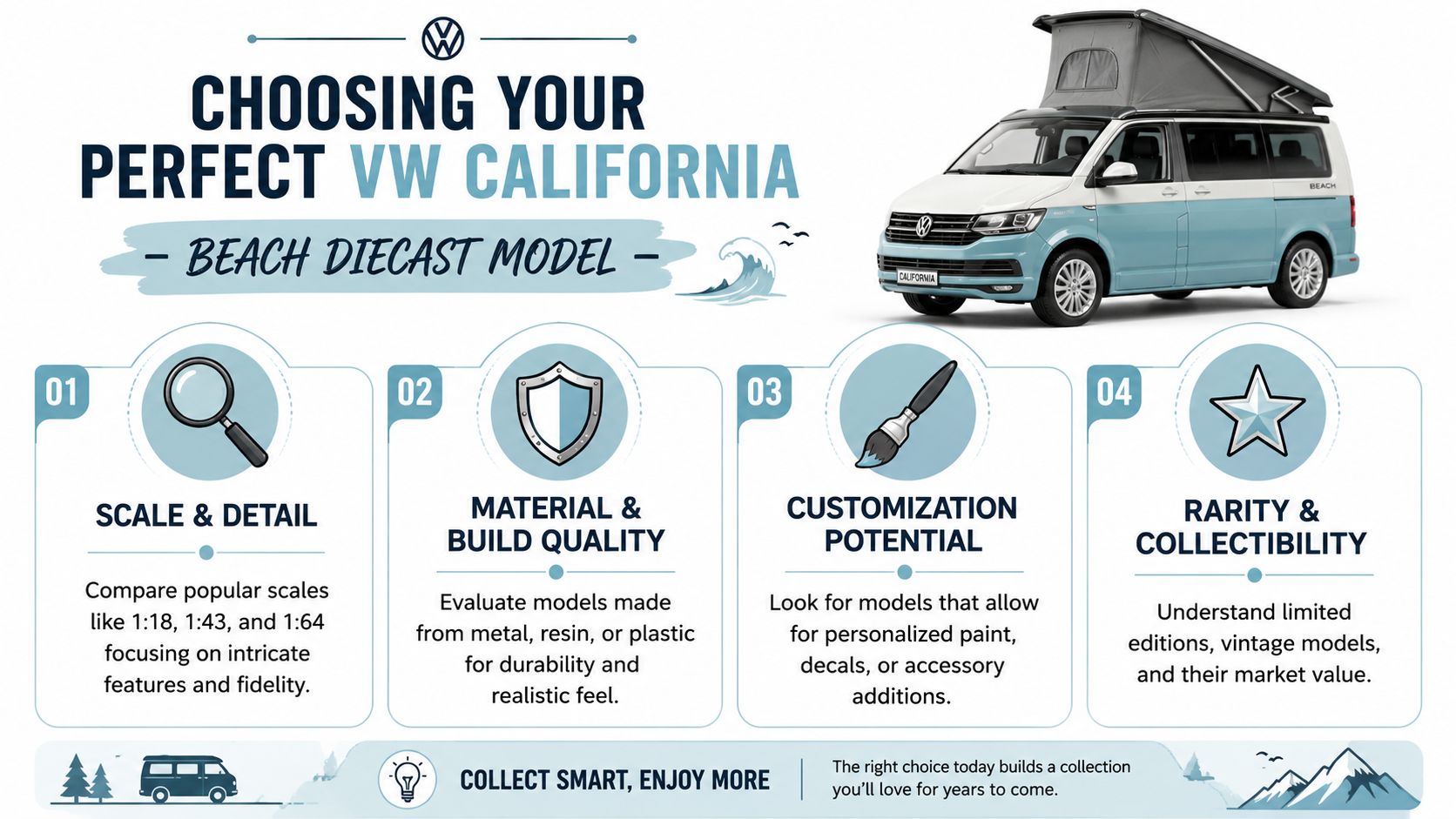
  • Road trip shelf. Add surf-themed or touring-inspired pieces around the models.
  • Desk display. One modern Buzz model can spark the same grin as a garage full of memories.

The collecting side of the id buzz camper story

The id buzz camper idea isn't only about sleeping in the back of the vehicle. It's also about marking the moment VW's bus story turned electric. That's why the Buzz already feels bigger than a single vehicle launch. It feels like the next chapter in a collection many Australians have been building for years, whether that collection lives in a shed, a display cabinet or on a home office shelf.

If you love the old Kombi spirit and you're curious about where Volkswagen is heading next, the Buzz makes perfect sense. It doesn't replace the classics. It sits beside them.


If you'd like to bring that old-school and new-school VW magic into your own display, Volkswagen Memorabilia is a great place to browse licensed VW-themed diecast, Kombi favourites, Beetle models and gift-worthy collectibles, with local Australian stock and fast shipping that makes collecting a bit easier.

Camper Van Pop Top: The Ultimate VW Kombi Guide

You're probably here because one of two things has happened. Either you've spotted a Kombi with the roof kicked up at a show, kettle on and chairs out, and thought, “Yep, that's the life.” Or you've been eyeing off a camper van pop top for your own bus and want the honest yarn before taking the plunge.

That feeling is hard to shake once it gets you. One minute you're admiring the lines of a Type 2 in a paddock at the VW Nationals. Next minute you're mentally packing a surfboard, a billy, and enough gear for a run down the coast. The pop top sits right at the centre of that dream. Closed up, the van still looks like the friendly old VW everyone loves. Park it by the beach, lift the roof, and suddenly it becomes a tiny weekender with room to stretch, sleep, and shelter from a gusty southerly.

For Australian VW people, that's not just clever design. It's part of the folklore.

That Pop Top Dream The Heart of Every Kombi Adventure

I still reckon the pop top changes the whole mood of a trip before the engine's even cooled. You pull in late, maybe after a long run with salt on the windows and sand in your thongs, and the van is still just a van. Then someone unclips the catches, gives the roof a push, and the place transforms. No motel keys, no tent poles, no fuss.

That's why the camper van pop top has such a grip on Kombi lovers. It turns a humble bus into a proper camp companion. You can brew a cuppa without folding yourself in half, stash the kids upstairs, or sit inside while the weather does its thing outside. It feels a bit magical every time, even when you know exactly how it works.

For plenty of us, the dream starts long before ownership. It starts at shows, in old family photos, or while reading stories about Kombi life in Australia. You see a weathered bus with sun-faded stripes, a board strapped on top, and a canvas section peeking out under the roofline. Straight away, you know what sort of life that van has had, or at least the life it promises.

A good pop top doesn't just add space. It changes how you use the whole van once you've pulled up.

There's nostalgia in that, sure, but there's also plain common sense. A Kombi has never been about brute size or luxury. It's about making simple things feel like adventure. The pop top is the bit that makes that bargain work.

So What Exactly Is a Camper Van Pop Top

A camper van pop top is an extendable roof section that lifts when the van is parked. Closed, it keeps the vehicle lower and tidier for driving. Open, it creates extra headroom and usually an upper sleeping platform.

That's the plain-English version.

The two jobs it does best

Most pop tops earn their keep in two ways:

  • Standing room: You can move about inside without doing the classic Kombi hunch.
  • Extra bed space: Many layouts use the raised roof area as a sleeping loft.

That combination is why the design has lasted. A compact van still behaves like a compact van on the road, then feels far more liveable at camp. It's a neat answer to an old problem. How do you make a small van work harder without turning it into a big, awkward box?

Why owners fall for them

The best thing about a camper van pop top isn't flashy engineering. It's what it lets you do. Pull over for lunch and the van's still easy to park. Stay the night and it becomes a little two-level hideaway.

There's also something very VW about that sort of ingenuity. The van doesn't pretend to be more than it is. It just uses space brilliantly.

Practical rule: If you want a van that still feels friendly to drive and park, but more comfortable once you stop, a pop top is usually the sweet spot.

For families, couples, and anyone who likes old-school touring with a bit of comfort, that raised roof can be the difference between “we survived the weekend” and “let's do another lap next month.”

The Classic VW Pop Top A True Aussie Legend

A fella rolls into a coastal showground at dawn in a mustard T2. Salt still crusted on the boards inside, kettle rattling in the cupboard, pop top folded down for the highway. By smoko, the roof is up, the camp chair is out, and three strangers have wandered over to say the same thing. “My old man had one just like that.”

A vintage Volkswagen camper van with a pop top roof parked on a sandy beach at sunset.

When the Westy became the dream

That reaction didn't happen by accident. In Australia, the pop top Kombi arrived at the sweet spot between practicality and romance. Surf clubs, bush camps, school holiday runs up the coast. The van suited all of it, and the Westfalia name quickly became part of local camper folklore.

By the early 1970s, pop top campers had become a familiar sight here, and in 1972 Volkswagen Australia began assembling Type 2 pop top campers at Clayton in Melbourne, according to this historical overview of camper van pop top culture.

That local connection matters. It turned the pop top from an imported curiosity into something woven into the Australian VW story. These weren't vans kept under covers and wheeled out for polishing. They hauled kids to caravan parks, sat outside point breaks, and copped plenty of red dust on inland runs.

Walk around any classic VW meet and you hear the same sort of yarns. A couple who did their honeymoon in one. A family that squeezed three kids into bunks and cupboards for a lap down the Great Ocean Road. A bloke who still remembers the hiss of the old cooker before breakfast at Mallacoota.

Why that history still matters

That is why the pop top roof means more in the local scene than simple camper convenience. On a Kombi or early Bay, it marks out a van with a life story. It hints at beach towels on the parcel shelf, dog-eared road maps in the glovebox, and wet thongs left by the sliding door.

Collectors notice that straight away.

A clean original bus is always welcome, but a period-correct pop top has a different pull because it carries both Volkswagen heritage and Australian touring culture in one shape. The roofline is part of the memory. On a Samba or a well-kept camper conversion, it changes how people read the whole vehicle. Less delivery van. More holiday machine.

A short clip says plenty about the vibe these vans still carry at gatherings and on the road.

The Aussie version of freedom

Our scene gave the classic VW pop top its own flavour. European roots, sure, but Australian use shaped the legend. Long distances between towns, rough camp spots, windy beach car parks, and weekends built around fishing, surfing, and making do with what was in the cupboard.

That is why the best old pop tops never feel sterile, even after a careful restoration. They still look ready for a run up the coast.

For plenty of Kombi owners, that is the magic. A pop top VW is collectible, but it is also familiar. It reminds people of ordinary trips that became family folklore, and that is a big part of why these old buses still stop people in their tracks.

Pop Top Styles From Classic Westy to Modern Lifts

You see it at VW Nationals before you even read the windscreen cards. One Kombi pops its roof sideways like an old Westy and suddenly half a dozen grey-haired owners are swapping stories about trips to Lakes Entrance and Byron. Park beside it is a later bus with a neat wedge roof, lower and tidier when shut, built for owners who still want weekend comfort without losing the feel of driving a classic VW.

An infographic showing four common camper van pop top roof styles from classic to modern designs.

The classic shapes you'll spot around the grounds

The Westfalia side-lift is the shape plenty of Kombi fans carry around in their heads. It rises to one side, gives the bus that unmistakable camper profile, and looks right at home on a period-style restoration. Closed up, it still reads like a proper old VW. Opened up at camp, it turns a snug cabin into somewhere you can live in for a few days.

Then you've got the front-hinged or rear-hinged wedge style. These suit later conversions and owners who want a cleaner roofline when driving. They tend to feel a bit more current in use too, especially if the bus has been rebuilt for regular touring rather than concours display.

A smaller number of builds use full vertical lift roofs. They raise more evenly and give a squarer upper section, which can be handy for headroom and bed space. On a bay or splitty, though, they can look a touch less in keeping with the original lines, which matters if heritage is part of why you bought the bus in the first place.

Canvas, shell, and the feel of camp

Roof style is only half the story. The sides change the mood.

  • Canvas bellows give you that old camping rhythm. Undo the zip, hear the canvas flap a bit in the sea breeze, and the van feels connected to the campsite.
  • Hard-shell or composite tops feel neater and more enclosed when shut. They often suit owners mixing classic looks with more modern touring habits.
  • Hybrid setups sit somewhere in the middle, keeping some vintage character while borrowing newer construction ideas.

That choice says a lot about the owner. Some want the bus to feel like 1978 every time they pull into a coastal caravan park. Others want the old shape outside and a more practical setup once the kettle's on.

If you're weighing old-school charm against newer touring comfort, this Kombi and Crafter camper comparison gives handy context for how different VW camper styles suit different trips.

Matching the roof to the bus

The best-looking Kombis usually have a pop top that matches the story of the vehicle. A tidy, period-correct Westy-style roof suits a heritage-minded bus with stock wheels, plaid trim, and a folder of old rego papers. A wedge roof makes more sense on a bus that's been subtly updated for long runs up the Hume or a family lap of the coast.

That's really the trick. Choose a roof that suits how the van will be used and how you want it to be remembered.

A good pop top should feel like it belongs there, like the bus left the dealer ready for holidays. That's the difference between a conversion that gets admired in passing and one that sparks a proper yarn.

The Great Kombi Debate Pop Tops vs High Tops

Ask this around a camp kitchen and you'll get ten different answers. Some swear by the camper van pop top because it keeps the bus looking right. Others love a high top because they can stand up the second they slide the door open.

Neither camp is wrong.

Pop Top vs High Top At a Glance

Feature Pop Top High Top
Driving feel Lower profile, feels closer to a standard van Permanent extra height changes the feel on the road
Parking and storage Easier for garages and lower spaces when shut Less friendly for low car parks and some home storage
Camp setup Needs to be raised for full use Standing room is always there
Classic VW look Keeps much of the original silhouette closed Changes the roofline more permanently
Sleeping layout Often adds an upper bed area Depends on interior layout rather than lift-up roof space
Weather at camp Fabric section can feel more tent-like Solid roof gives a more enclosed feel

Why purists love the pop top

A lot of VW owners care greatly about silhouette. Fair enough too. The shape of a Kombi is half the magic. A pop top lets you keep that familiar profile while still gaining space when parked.

For many people, that's the winning argument. The van still looks like the bus they fell in love with. It just gets taller when needed.

If you enjoy reading how different camper layouts stack up, this old-versus-new conversation has a cousin in the wider VW scene too. The Crafter camper and Kombi comparison shows how strongly design and use shape owner preferences.

Why some owners choose a high top

A fixed high top suits owners who value convenience above all. No lifting, no folding canvas, no packing the roof away before moving off. You get permanent headroom and a more consistently enclosed interior.

That said, it changes the personality of the van. Some people don't mind that one bit. Others feel it loses some of the easy-going charm that makes a Kombi a Kombi.

If originality and road manners sit at the top of your list, a pop top often wins. If instant headroom matters more than roofline, a high top deserves a serious look.

The Nitty Gritty What to Know Before You Buy

At the VW Nationals, you'll always hear the same story. Someone spots a tidy old Kombi with a smart pop top, falls head over heels, hands over the cash, then finds mould in the canvas and rust creeping around the roof opening by the first wet weekend away. The dream is still there. It just pays to look past the two-tone paint and the nice photos.

A classic VW camper asks for a careful eye, especially in Australia where harsh sun, salty air, and years of patch-up repairs can leave their mark. A genuine period-style conversion has real charm, and collectors notice that straight away. A retrofit can still be a beauty, but only if the work was done properly and suits the age and character of the bus.

A close-up view of a metal scissor hinge mechanism supporting the pop-top roof on a camper van.

What to inspect with your own eyes

Start up top. Open the roof fully, stand back, and watch how it sits. A good pop top should lift cleanly, latch properly, and close without a wrestling match.

Then get fussy:

  • Canvas condition: Check for mould, brittle stitching, sun damage, and zips that fight you.
  • Seals and edges: Look for cracked rubber, old sealant, and any sign water has been sneaking in.
  • Lift mechanism: Hinges, struts, and scissor arms should move smoothly, without grinding or twisting.
  • Roof cut and finish: The opening should look neat and properly reinforced, not hacked out in someone's shed after a few beers.
  • Signs of rust: Pay close attention to gutters, roof joins, mounting points, and the corners where water likes to sit.

One bad repair up here can turn a lovely weekender into a long restoration.

The bits buyers often forget

Paperwork matters as much as paint. If the van has had a roof fitted later in life, ask who did it, when it was done, and whether there's any record of the work. Insurance can get messy if modifications were never declared, and registration questions are easier handled before money changes hands.

Weight matters too. A pop top may keep the Kombi's classic lines, but it still adds structure, bedding, and hardware up high. Pack in an awning, fridge, water, and camping gear, and an old bus can feel that load quickly on country roads and long climbs.

Storage catches people out as well. A shut pop top helps if your garage opening is tight, but you still need enough room to raise it for cleaning, drying, and the odd bit of tinkering at home.

Buy for the trips you actually take

A couple doing lazy weekends up the coast needs something very different from a family hauling kids, boards, and an esky to the river. Be honest about how you'll use it. If the van will spend more time at shows, club runs, and Sunday coffees than at remote campsites, originality and condition may matter more than squeezing in every camping extra.

That's why it helps to study a few real examples before committing. Browsing a Volkswagen bus camper for sale sharpens your eye for roof styles, fit-out quality, and the little details that separate a well-kept Kombi from an expensive headache.

Buy the Kombi that suits your weekends, your shed, and your budget. The best camper is the one you'll actually use.

More Than a Roof It's What Makes It a Collectible

The pop top is practical, yes, but that's not the whole story. Plenty of useful vehicles have come and gone without becoming beloved. The Kombi pop top stuck because it carries emotion as much as function.

A couple sits on camping chairs next to a teal and white Volkswagen camper van overlooking mountains.

Why collectors care

A pop top Kombi tells a richer story than a plain van. It hints at road trips, beach mornings, packed eskies, little gas cookers, and kids climbing into the upper bunk before dark. The roof itself becomes part of the identity.

That's why collectors and enthusiasts often respond so strongly to camper versions of the Type 2. The feature changes the whole feeling of the vehicle. It's not just transport. It's a memory machine.

From driveway icon to shelf icon

That same charm carries beautifully into miniatures and display pieces. A diecast VW bus with camping cues, surf styling, or period detail does more than mimic a shape. It captures a whole slice of the VW story.

You see it in the way people display them too. A Kombi model beside old holiday snaps. A shelf of buses in different liveries. A little line-up in the study that says more about a person's taste than any generic ornament ever could.

Some vehicles are collected for rarity. Pop top Kombis are collected for the life they represent.

That's the lovely thing about them. Whether you own a real camper van pop top, hope to own one one day, or love the look and history, the appeal lands in the same place. It's about freedom, character, and that unmistakable VW warmth.


If this yarn has you in the mood to bring a bit of that Kombi spirit home, have a wander through Volkswagen Memorabilia. It's a top spot for officially licensed VW pieces, from diecast Kombis and Beetles to gift-worthy collectibles that suit Aussie enthusiasts, collectors, and anyone chasing that classic road-trip nostalgia. With local stock and fast Australian shipping, it's an easy way to add a little VW magic to your shelf, desk, or display cabinet.

VW Buzz Australia: 2026 Updates & Release Info

A faded orange Kombi rolled into the showgrounds with surfboards on the roof and red dust on the hubcaps. Half the crowd turned before the engine even stopped, because in Australia a VW van doesn't just arrive, it brings memories with it.

That's why the buzz around vw buzz australia feels bigger than an ordinary model launch. For plenty of us, it's not only about a new electric van. It's about seeing an old family story fire up again, this time with a battery pack under the floor and that familiar cheeky VW face looking out over the bonnet line.

The Return of a Legend to Australian Shores

You've seen the scene before. A Kombi parked near the dunes, someone boiling the billy on a little stove, sandy thongs kicked under the side door, and a kid tracing the VW badge with one finger like it's a lucky charm. The old Type 2 earned its place here because it fit our way of life. Beach trips, market runs, camping weekends, road trips that started with no fixed plan.

That's why the return of the name matters.

The ID. Buzz feels like the moment when Volkswagen stopped hinting and finally said, yes, the spirit of the Kombi belongs in modern Australia too. Not as a tribute act, and not as a plastic nostalgia exercise, but as a proper new chapter for local VW fans who've waited a long time to see this shape on our roads.

Why this one hits differently

A lot of new cars arrive with fanfare and disappear into traffic. The Buzz won't do that. It carries too much emotional baggage, in the best possible way.

  • It taps into lived memory. People remember family holidays, tradesman vans, festival weekends, and those sun-faded Kombis that seemed to be everywhere near the coast.
  • It looks like a VW van should. Friendly, upright, practical, and just a bit playful.
  • It gives old enthusiasts and new EV buyers a shared meeting point. One group comes for heritage. The other comes for fresh tech. Both end up talking about the same van.

Some cars are bought with a spreadsheet. A VW van usually gets chosen with the heart first.

That's what makes this return feel special. The old Kombi gave Australians a sense of freedom. The Buzz arrives carrying that same emotional weight, only reworked for a different era.

The VW ID Buzz in Australia What We Know So Far

At a Saturday meet, the question used to come up between sips of coffee and a walk around the old buses. “So, is the Buzz coming here, or is it another maybe?” That talk has finally shifted. Volkswagen Australia has confirmed the VW ID. Buzz and ID. Buzz Cargo for our market, with production for Australia starting in late 2024 and local deliveries scheduled for early 2025, as reported in this Australian ID. Buzz launch report.

A green and white Volkswagen ID. Buzz van driving on a road near the Sydney Opera House.

That single confirmation changes the mood for Australian VW fans. The Buzz is no longer a motor show tease or a right hand drive rumour passed around at cars and coffee. It is a real local arrival, and that matters not only to buyers watching the EV space, but to collectors too. Every time Volkswagen brings back a shape with this much history behind it, the memorabilia scene wakes up. People start hunting brochures, diecast releases, dealer display pieces, and retro wall art that ties the old van to the new one.

If you want a buyer-friendly snapshot of likely costs and local expectations, this guide to Volkswagen ID Buzz Australia price is a handy place to start.

Timeline and early price signals

The early price conversation has centred on Germany, where the passenger ID. Buzz Pro starts at €64,581 in Germany, which works out to around $100,000 AUD before local costs. That figure is best treated as a reference point, not a promise. Australian taxes, on-road costs, and final local specification will shape what buyers see here.

Still, a reference point helps. It turns the chat from wishful thinking into something more grounded. If you collect modern VW models, it also gives you a sense of where the ID. Buzz will sit in the brand's story. This is not a bargain basement novelty. It is a headline vehicle, and headline vehicles usually spark stronger interest in related collectibles.

The practical details people keep asking about

Question Confirmed answer
Is it officially coming? Yes. Volkswagen Australia has confirmed it for our market.
When should it land? Early 2025, with production for Australia starting in late 2024.
What's the early price guide? The German ID. Buzz Pro starts at €64,581, roughly $100,000 AUD before local costs.

That last point is where the wider VW scene gets interesting. A new Golf might bring showroom traffic. A new electric van with Kombi blood in it brings conversation, nostalgia, and a fresh wave of interest in everything around it. The arrival of the physical vehicle often sends fans looking for smaller ways to join in, whether that is a diecast model on the shelf, an old tin sign in the garage, or a framed print that pairs a split window Kombi with the new Buzz.

For buyers, the smart move is simple. Watch the local spec sheets closely once Volkswagen locks them in. For enthusiasts and collectors, the bigger story is already underway. The Buzz has given the Australian VW community a new focal point, and you can feel that energy building before the first local deliveries even begin.

From Classic Kombi to Electric Buzz A Legacy Reimagined

The resemblance hits you first in the face. Big badge, short front, generous glass, soft curves, and that upright posture that says “pile in, we're going somewhere.” Volkswagen knew exactly what it was doing there.

A classic red and white Volkswagen microbus parked next to a modern blue Volkswagen ID. Buzz van.

The clever bit is that the ID. Buzz doesn't try to copy the old Kombi panel for panel. It carries the mood instead. That's why it works. The old van wasn't loved because it was perfect. It was loved because it felt open, cheerful, and useful in a way few vehicles ever have.

More than a retro shape

Volkswagen's own Australian material leans into that connection. The deep tie between VW vans and Australian life helps explain why the ID. Buzz has been so eagerly awaited here, and the model's 452km range sits alongside a character that still feels linked to the classic Kombi for fans of retro style and surf-flavoured memorabilia, as shown in Volkswagen's Australian ID. Buzz brochure.

There's a similar design conversation happening across the wider electric VW family too, which is why some enthusiasts also find themselves browsing things like the VW ID 4 while they wait for more Buzz sightings on local roads.

Why collectors instantly get it

Classic VW collectors don't need a lecture on emotional design. They already know. A split-screen Kombi, a Samba, a tidy Beetle, they all carry more personality per square inch than most modern cars manage in an entire body shell.

That's why the Buzz lands so naturally with this crowd. It offers modern motoring, but it still nods to that old freedom machine identity.

A walkaround makes the connection even clearer.

The old spirit in a new form

Here's the thread joining the old Kombi and the electric Buzz:

  • Both invite people in. The design feels social rather than aggressive.
  • Both suit Australian lifestyles. Family trips, beach gear, weekend escapes, and long chats in a car park after the event.
  • Both inspire display-worthy affection. They're the kinds of vehicles people don't just own. They photograph them, restore them, and collect miniatures of them.

That last point matters more than people sometimes realise. The arrival of the van usually kicks off fresh interest in the small-scale versions too.

Celebrating an Icon Collecting VW Diecast Models

At a Sunday swap meet, you can spot the moment it happens. Someone picks up a tiny Kombi in pastel blue and white, turns it in their hands, and suddenly they are not just looking at a model. They are back on a family camping trip, parked near the beach, arguing over where the tea towels went while the sliding door clacks shut.

That is why the Buzz matters to collectors as much as drivers. A new van on Australian roads does more than stir interest in the classic models. It sends people back through the whole VW story, from split-screen favourites to fresh electric shapes, and the collecting scene wakes up with it.

An infographic comparing starting a VW diecast car collection versus becoming an advanced collector of Volkswagen models.

A good place to start is a well-chosen range of Volkswagen model cars. One tidy piece on a shelf can do a lot. It gives the Buzz arrival a place in your home, while keeping one foot planted in the Kombi years that made so many Australians fall for VW vans in the first place.

Why diecast still matters in the age of the full-size Buzz

A diecast model gives you details that disappear in a scrolling photo gallery. You can study the two-tone paint, the window line, the wheels, the little badges, and the stance that makes a VW van feel friendly before it even moves.

For plenty of collectors, that is the sweet spot. You get the shape, the nostalgia, and the conversation starter without needing shed space, registration, or a restoration fund.

The arrival of the ID. Buzz adds another layer. New collectors often start with the electric van because it feels current, then drift backwards into Sambas, Beetles, and older Kombis. Long-time VW fans often do the reverse. They buy a modern Buzz model because it looks right beside the classics and marks a new chapter in the same story.

Picking your lane as a collector

Some collections begin with memory. Others begin with design, or a gift, or one lucky find at a market stall.

Collecting style What it looks like
Memory-led A classic Kombi in a colour that echoes a family van or an old beach holiday
Design-led A shelf of Beetles, Samba buses, and modern VW shapes chosen for colour and form
Event-led Models picked up at club meets, shows, and milestone VW launches
Gift-led A licensed Volkswagen Beetle model or Kombi given for birthdays, Father's Day, or Christmas

The best collections usually start with one honest reaction. “That one feels like mine.”

Scales that make sense in the real world

Collectors often ask whether to buy small, medium, or large scale models. The answer depends on where the model will live and how closely you want to enjoy it.

  • Smaller scales suit desks, bookshelves, and easy gifting.
  • Mid-sized models give you a nice balance of detail and display space.
  • Larger scales stand out more and reward a closer look.

If you are searching for VW Kombi diecast Australia, buy diecast Kombi, or Volkswagen diecast models for sale, that is usually the primary decision. You are choosing not only which van you love, but how you want to celebrate this new Buzz era in your own space.

Style Your Space with Coastal and Retro VW Vibes

A VW collection doesn't have to live behind glass like a museum. Some of the best displays feel relaxed, a bit sun-washed, and properly lived in. That suits the whole Kombi spirit anyway.

A classic van model works beautifully in a coastal room because the shapes are friendly and the colours tend to play well with pale timber, white shelving, woven textures, and surf-style décor. The trick is not to overdo it. One standout piece often has more charm than a crowded shelf.

Display ideas that feel Australian

Start with a small story rather than a pile of objects. A Kombi diecast next to a framed beach photo, a shell, and an old road map feels intentional. A random cluster of ten unrelated pieces can feel like a spare-parts tray.

Try these approaches:

  • Shelf centrepiece. Use a bright Kombi or Samba Bus as the anchor on an open shelf, then keep the surrounding décor simple.
  • Study or office corner. A Volkswagen Beetle model beside motoring books and a ceramic mug gives the room some character without shouting.
  • Beach-house styling. Pair surf-inspired colours, timber, and one retro VW piece for a laid-back look that feels natural rather than staged.

Keep the palette calm and let the VW shape do the talking.

Make it feel collected, not bought in one hit

The nicest spaces build up slowly. One diecast from a show, one wall piece from a holiday, one little souvenir that reminds you of a certain day. That mix gives your room warmth.

For gift buyers, this is handy too. You don't have to solve the whole room in one purchase. A single licensed VW piece can become the starting point for someone's own corner of nostalgia.

Your Guide to Buying and Collecting VW Memorabilia

At a swap meet, you can spot the difference straight away. One table has a heap of sun-faded toy vans with wonky wheels and mystery logos. Two stalls over, someone has lined up a few properly licensed Beetles and Kombis in clean boxes, each one chosen for a reason. Guess which table collectors linger at.

That shift matters now. The Buzz has brought fresh eyes to Volkswagen culture in Australia, and those new fans often start the same way older enthusiasts did. One small model for the desk. One sign for the garage. One gift that turns into a shelf, then a cabinet, then a proper little collection with a story behind it.

A collection of die-cast Volkswagen bus and beetle toy cars displayed on shelves.

The best collections usually grow slowly. A sharp buyer picks pieces that feel true to the badge, the era, and the mood they want to capture, whether that is split-screen nostalgia, beach-town charm, or the clean new energy of the ID. Buzz.

What to check before you buy

A few simple checks save a lot of regret later.

  • Licensing matters. Official Volkswagen merchandise usually gets the badge work, proportions, and colours right.
  • Finish tells you plenty. Look closely at the paint, trim lines, wheels, windows, and how neatly the model sits on a flat surface.
  • Packaging matters if you collect seriously. Crisp boxes help with gifting, display, and long-term value.
  • A clear theme looks better on the shelf. Kombis, Beetles, surf colours, or a mix of classic and electric pieces will usually look stronger than a random pile of VW-shaped odds and ends.

Why local stock helps

Australian buyers know the pain of waiting weeks for a parcel, only to have it arrive bent, delayed, or nothing like the photos. Buying from local stock cuts a lot of that nonsense out.

It also makes the hobby more enjoyable. You can grab a birthday gift without panic, sort out a prize for a club day, or add one good display piece before a weekend barbecue without wondering if it will turn up sometime next month. A local seller also tends to understand what Australian VW fans love, from Kombi beach styling to diecast pieces that suit a home office, garage, or holiday house.

Caring for a collection

You do not need glass cabinets in a special room to keep VW memorabilia looking good. You just need a few good habits and a bit of restraint.

Collecting habit Why it helps
Keep models out of harsh direct sun It helps preserve colour and finish
Dust gently and regularly Fine details stay sharp and presentable
Use stable shelves or cabinets Better for display and safer for delicate pieces
Store boxes neatly Handy for gifting, resale, or long-term care

A model picked up at the right time can carry a lot of meaning. Maybe it reminds you of the Kombi your uncle drove up the coast. Maybe it marks the moment the electric Buzz finally landed here and gave the whole VW scene a fresh jolt. That is what makes this hobby fun. You are not only buying objects. You are building your own little chapter of Volkswagen history.

Buy the piece you'll still smile at in a year. Trends fade. Good VW design doesn't.

If the return of the Buzz has you itching to bring a bit of Volkswagen charm home, have a browse through Volkswagen Memorabilia. It's a local Australian shop focused on VW-themed gifts, diecast models, and coastal décor, with handy local stock and friendly support for collectors, gift buyers, and anyone who still feels a little spark when they see a Kombi badge.

Kombi Life Australia Your Guide to the Culture

Salt spray on the windscreen, boards rattling on the roof, a kettle whistling on a camp stove beside the van. That’s how kombi life australia lives in the mind of a lot of us. Not as a museum piece, but as a moving little home pointed at the next beach.

The Enduring Call of the Open Road

A mate of mine still talks about a dawn run up the coast in an old VW bus, the kind of drive where every stop becomes part of the story. Coffee from a servo cup, sandy thongs by the sliding door, wax on the dash, and a long wait for the sun to burn the mist off the headland. The van was slow, a bit noisy, and absolutely perfect.

That’s the heart of kombi life australia. It isn’t about hurrying. It’s about stretching a trip so there’s room for surf checks, fish and chips, roadside yarns, and the odd detour because somebody said there’s a quiet break around the next bend.

A vintage yellow Volkswagen bus with surfboards on its roof parked along a coastal highway at sunset.

What’s lovely is that this picture isn’t just nostalgia. There’s a real, modern community still chasing that same feeling. The Van and Bus Life Survey by Nomads Around Australia found that 47% of van-lifers drive vans, with 77% based on the East Coast. The same survey found the community is primarily aged 25 to 34, and 74% earn under $50,000 annually, which says a lot about the low-cost, freedom-first pull of the lifestyle.

The road still attracts the same kind of dreamer

Some people come to it through surfing. Others through camping, photography, fishing, markets, music festivals, or a simple desire to wake up somewhere beautiful. The Kombi sits right in the middle of all that because it has always felt friendly. Not flashy. Not distant. Just open-hearted.

You see that spirit in the little habits Kombi owners share:

  • Keeping things simple: A folding chair, a small stove, a good torch, and room for wet towels matters more than luxury.
  • Making do creatively: Old crates become storage, curtains become privacy, and a shelf becomes a breakfast bench.
  • Travelling for the feeling: The destination matters, but the stop at the bakery and the lookout with no name often matter more.

Campfire truth: The best Kombi trips are rarely the most organised ones.

Why the culture still resonates

The Kombi has always carried more than people and gear. It carries mood. Pull up in one and the whole scene changes. Strangers smile. Other VW owners wave. Someone usually has a story about one their parents had, or one they wish they’d never sold.

That emotional pull is exactly why memorabilia has such a strong place in this world. For plenty of enthusiasts, collecting a diecast Samba Bus or styling a shelf with VW pieces isn’t separate from the road-going dream. It’s another way of holding onto it. A little reminder of beach runs, campsite chatter, and the sound of an air-cooled engine settling after a long day.

How the Kombi Became an Australian Icon

Long before it became a symbol of beach towns and freedom, the Kombi earned its keep by being useful. That’s worth remembering. The Volkswagen Type 2 wasn’t loved because it tried to be glamorous. It became beloved because it worked hard, carried plenty, and asked for very little fuss in return.

In Australia, that practical streak mattered. Distances were long, weekends were outdoors, and plenty of people wanted one vehicle that could haul mates, gear, and groceries without carrying itself like a precious thing. The Kombi fit right in.

From workhorse to weekend legend

Ask older VW people about the first time they noticed Kombis becoming part of coastal life and the stories sound similar. A board poking out the back. Curtains in the windows. Somebody sleeping in it after a late gig or an early surf. It didn’t take much for the van to move from tradie duty to lifestyle hero.

By the 1970s, the Kombi had become a staple for surfing and road trips along Australia’s east and west coasts, with room for boards and mates and enough charm to feel like part of the adventure. That’s a big reason the shape still lands so strongly today. It reminds people of a looser, saltier, less polished Australia.

Why surfers and travellers took to it

It wasn’t one thing. It was a combination that hit the sweet spot.

Feature Why it mattered on Aussie trips
Spacious interior Easier to throw in boards, swags, chairs, eskies, and spare clothes
Mechanical simplicity Owners could tinker, patch, and maintain them without turning every issue into a drama
Friendly design Rounded lines and a big glasshouse gave it personality no boxy van could match
Social layout People gathered around a Kombi naturally, whether at a beach car park or camp ground

A Kombi also invited custom touches in a way few vehicles did. Curtains, roof racks, bedding platforms, stickers, timber cabinets, painted panels. Every owner seemed to leave a fingerprint on it.

The Kombi became iconic because it gave ordinary people a way to live a little bigger on a small budget.

The Australian version of the dream

The Australian take on Kombi culture has always had its own flavour. Less autobahn, more headland. Less city chic, more sun-faded stickers and sandy floor mats. The local myth isn’t about pristine chrome under perfect lights. It’s about driving north with no fixed timetable, finding a van parked beside spinifex or surf, and knowing somebody inside is probably boiling water for tea.

That’s also why so many collectors are drawn to the surf-inspired, flower-power, and camper-style versions of VW models. They’re not only buying a miniature vehicle. They’re buying a tiny scene from Australian memory.

Heritage that still shapes what people love now

Even modern VW camper builds carry the old Kombi idea forward. Owners still want versatility, comfort, and the ability to head from weekday errands to a coastal weekend without changing vehicles. The details may be newer, but the instinct is old. Make it yours. Make it capable. Make it ready for the next trip.

That’s what keeps the Kombi from becoming a static classic. Plenty of historic cars are admired. The Kombi is different. People want to use it, talk about it, display it, photograph it, gift it, and build rooms around it.

For enthusiasts, that heritage matters when choosing memorabilia too. The pieces with the strongest pull are usually the ones that capture that lived-in spirit. A Samba Bus with bright paint. A surfy bus with character. A Beetle parked beside it on a shelf like the family car that followed the van down the coast.

The Vibrant World of Australian VW Events

Walk into a good VW meet in Australia and you’ll notice the mood before you notice the cars. People aren’t only inspecting vehicles. They’re swapping parts stories, sharing advice, comparing road-trip memories, and pointing out the little touches that make one bus different from the next.

A miniature collection of vintage Volkswagen Kombi vans displayed outdoors on a sunny grass field.

That’s why events like Volksfest, VW Nationals, local Show & Shine gatherings, and smaller club meets matter so much. They keep kombi life australia from turning into private nostalgia. They make it social. You can arrive knowing nobody and leave with three new contacts, a note about a parts supplier, and a dozen photos of vans you’d love to recreate in miniature at home.

What these gatherings feel like

The best events have a lovely mix of polish and imperfection. One Kombi will be restored so neatly it looks ready for a brochure. The next will wear its age proudly, with camping gear tucked inside and a few honest marks from years on the road.

You also get a full cross-section of the VW world:

  • Restorers bringing buses and Beetles back to original glory
  • Custom builders adding camping setups, wheels, racks, and touring gear
  • Families introducing kids to the cars they grew up around
  • Collectors hunting inspiration for the next diecast or display piece

Why the community stays strong

VW culture has always rewarded conversation. These cars and vans have character, and character invites stories. At a show, somebody will explain how they tracked down the right trim, someone else will open a sliding door to reveal a clever camping fit-out, and another owner will tell you exactly where the van first took them after restoration.

That community spirit carries into modern conversions too. Comfort upgrades are still part of the adventure mindset, not a rejection of it. For instance, the Horizon Roof imported by KombiLife Australia adds 1.9m of headroom and improves ventilation by 30%, which can lower internal temperatures by 5 to 7°C in hot Australian summers. It’s a modern answer to an old Kombi question. How do you stay out longer and travel better?

From show field to screen shelf

A lot of collectors build their display style from what they’ve seen at events. One person falls for factory-correct cream and red paint. Another leans into bright flower-power buses. Someone else goes all in on surf racks, patina, and beach props around their models.

This kind of footage captures that mood well:

Practical rule: If you’re heading to a VW event, bring a camera, a notebook, and comfortable shoes. You’ll spot display ideas, colour combinations, and model references you’d never think of at home.

What to pay attention to at a VW show

Instead of trying to see everything at once, focus on the details people often miss.

Look for Why it’s useful
Roof racks and accessories They give you ideas for styling diecast displays with a real road-trip feel
Interior fit-outs Great inspiration for shelf themes and camper model choices
Paint combinations Helpful when choosing colours that suit a coastal room
Signwriting and decals They often become the most memorable part of a bus, even in miniature

The beauty of Australian VW events is that they welcome every kind of enthusiast. You don’t need to own a full-size Kombi to belong there. If you love the history, the shape, and the stories, you’re already part of the crowd.

Your Guide to Collecting VW Diecast Memorabilia

There’s a moment when collecting stops being casual and starts becoming personal. It might happen when you spot a miniature Samba Bus in the same two-tone paint as the van your uncle drove. Or when you find a flower-power Kombi that looks exactly right on a shelf beside old surf photos. That’s when diecast stops being a trinket and becomes a memory holder.

An infographic titled Collecting VW Diecast showing a guide on starting, categorizing, displaying, and trading model cars.

For newcomers, the easiest way to begin is to collect with a point of view. Don’t buy everything. Buy what stirs something. A classic 1962 Kombi. A Samba Bus with windows all around. A Beetle that balances out the display. A surfy van with the right colour and attitude.

Start with one theme

A focused collection looks stronger and feels more satisfying than a random pile of nice things. You’re building a little world, not filling empty space.

Try one of these approaches:

  • Coastal road-trip shelf: Kombi vans, surf-inspired pieces, weathered timber, shells, old travel snaps
  • Classic Volkswagen pairing: One or two Kombis with a Beetle model for contrast
  • Colour-led display: Cream and blue, red and white, pastel tones, or bright flower-power pieces
  • Era-based collecting: Early buses, later camper styles, then modern VW van interpretations

If you’re just starting, browsing a dedicated collection of Volkswagen model cars helps you see the range clearly and decide what kind of collector you want to be.

Understanding diecast scales

Scale is where many buyers hesitate, but it’s simpler than it sounds. Think of scale as the model’s personality in your room.

Larger scales for centrepieces

A 1:18 model has real presence. It suits a desk, bookshelf end, sideboard, or display cabinet where you want one hero piece to do the talking. On a coastal console table, a detailed Kombi in this size can carry a whole display by itself.

Mid-sized scales for flexible styling

A 1:24 model is often the sweet spot. Big enough to show off shape and detail, small enough to fit neatly into shared displays with books, framed photos, or shells and driftwood.

Smaller scales for grouped scenes

Scales like 1:32, 1:43, or 1:64 work beautifully when you want several vehicles together. They let you create a miniature convoy, a show field vibe, or a shelf that tells more than one story.

What makes a model worth buying

Not every VW model has the same magic. The good ones tend to get the essentials right.

What to check Why it matters
Licensed branding It helps ensure the proportions and details feel true to the original
Paint finish Clean colour application lifts the whole display
Window and trim detail Samba-style buses especially rely on crisp glazing and trim lines
Wheels and stance A model can have lovely paint and still look wrong if it sits awkwardly
Packaging condition Important if you collect boxed pieces or buy gifts

Buy the model you’ll still enjoy looking at after the novelty wears off. Detail matters, but character matters more.

Good first pieces for a Kombi fan

If you’re building around kombi life australia, a few types of model nearly always work.

  • 1962 Kombi models: They capture the shape many people picture first when they think of classic VW van culture.
  • Samba Bus diecast: Extra windows and that unmistakable silhouette make these display favourites.
  • Flower Power editions: These bring in the counter-culture side of the story and suit bright coastal interiors.
  • Surf-themed vans: Ideal if your collection leans toward beach heritage rather than factory purity.
  • Volkswagen Beetle models: They add variety and help tell the broader VW story on the same shelf.

Displaying without cluttering

A diecast collection looks best when it can breathe. One strong model often beats five crammed together.

Try this simple display formula:

  1. Choose a lead piece such as a Kombi Samba Bus.
  2. Add one supporting item like a smaller Beetle or surf accessory.
  3. Use texture around it with timber, linen, or coastal elements.
  4. Leave space so the eye lands on the vehicle first.

A shelf should feel like a parking spot, not peak-hour traffic.

Buying locally makes the hobby easier

For Australian collectors, local stock removes a lot of the usual friction. You’re not waiting on vague overseas timelines or guessing whether a gift will arrive in time. Fast local shipping also matters when you’re buying fragile display pieces, especially around birthdays and Christmas.

There’s another benefit too. Australian-focused sellers often understand the specific appeal of coastal VW culture here. They know why surfy buses, Samba models, and nostalgic colourways resonate so strongly in local homes and collections.

A collector’s mindset that lasts

The most enjoyable collections aren’t always the biggest. They’re the ones built with affection and a bit of patience. Start with the bus that reminds you of a road trip. Add a Beetle that feels right. Build a shelf that reflects your version of VW life.

That way, each piece earns its place.

Bringing Coastal VW Charm Into Your Home

Some homes have a room that reflects who lives there. A weathered board near the door. Framed beach prints. Salt-softened colours. A model Kombi on a shelf that catches afternoon light. That mix works so well because VW memorabilia doesn’t feel forced in a coastal space. It belongs there.

Two miniature vintage blue and white Volkswagen bus models displayed on a shelf with seashells and a succulent.

The trick is to style with restraint. You want the room to nod to the Kombi lifestyle, not shout over everything else.

Build one strong focal point

A larger Kombi model works beautifully as a centrepiece on a console, open shelf, or side table. Give it a little breathing room and pair it with objects that echo the road and the coast. A framed beach photo, a small ceramic vessel, or a few shells are often enough.

For inspiration on mixing automotive nostalgia with relaxed interiors, these coastal home décor ideas are a handy starting point.

Use colour the way old Kombis do

Classic VW colours are part of their charm. Soft blues, creams, reds, whites, and the occasional brighter pop all work well in Australian coastal interiors.

Try styling by palette:

  • Blue and white: Clean, beachy, timeless
  • Cream and red: More retro, warmer, slightly bolder
  • Pastels: Relaxed and playful, especially with flower-power pieces
  • Natural neutrals: Let the diecast paint become the colour feature in the room

Shelf ideas that don’t feel busy

A good shelf tells a story at a glance. Not a novel. Just enough to suggest a life well travelled.

Shelf style What to include
Surf shack corner Kombi model, small framed wave print, piece of driftwood
Family nostalgia shelf VW diecast, old holiday photo, vintage map or postcard
Clean coastal look Blue-and-white bus, white ceramics, a succulent
Christmas variation VW model with seasonal coastal ornaments in summer colours

Keep your display at eye level if you want guests to notice the detail. Lower shelves often turn lovely models into background noise.

Make memorabilia feel lived with

The nicest displays usually include something personal. A photo from a road trip. A market postcard. A beach stone from a family holiday. These details stop the space from feeling like a shop window.

That matters with VW pieces because the emotional pull is such a big part of their charm. A Kombi model isn’t only decorative. It often points back to a memory, a person, or a version of freedom people still carry around.

If you’re styling a study, rumpus room, guest room, or beach house, VW memorabilia can anchor the space without dominating it. One shelf, one tray, or one corner is enough. Done well, it feels effortless.

Navigating the Realities of Full-Time Kombi Life

The romantic side of van travel is real. So are the headaches. Anyone giving a full account of kombi life australia should say both in the same breath.

The dream usually looks simple from the outside. Park near the beach, cook by the van, wake up somewhere pretty, repeat. But full-time living in a van brings paperwork, registration questions, insurance issues, and the kind of rules that can catch people off guard.

The part people don’t post about

One little-discussed reality is regulation. According to this discussion of recent van life reforms, some states now require a fixed abode for vehicle registration, and insurance premiums for nomadic vehicles can be up to 35% higher because insurers see them as higher risk.

That changes the picture fast. A van that feels like freedom on Friday can become an administrative puzzle by Monday.

A steadier way to approach the lifestyle

If you’re serious about full-time or long-term van living, go in with your eyes open. Romance helps you choose the life. Preparation helps you keep it.

A sensible checklist looks like this:

  • Check registration requirements early: Don’t assume one state treats mobile living the same as another.
  • Ask insurers direct questions: Be clear about how the vehicle is used, where it’s kept, and whether it’s modified.
  • Keep records organised: Store receipts, modification details, and policy documents where you can access them quickly.
  • Separate travel fantasy from legal reality: Loving the idea of van life doesn’t remove compliance obligations.

The best van setup in the world won’t save you from bad paperwork.

This side of Kombi culture isn’t as photogenic, but it matters. It protects your investment, your travels, and your peace of mind. If anything, facing these realities makes the lifestyle feel more authentic. The people who stay on the road longest are usually the ones who sort the practicalities before they become problems.

Your Road to Kombi Life Starts Here

Kombi culture has always been bigger than one vehicle. It’s a way of seeing travel, design, memory, and community. Some people live it on the road. Some restore old buses in the shed. Some spend Sunday mornings at VW shows. Others bring it home through a carefully chosen diecast Samba Bus, a Beetle model, or a coastal shelf that carries the whole mood of an Australian surf trip.

That’s the beauty of kombi life australia. There isn’t one doorway into it. You might start with a real van, or you might start with a miniature one on your desk. Both count.

If you’re keen to bring a little of that legend into your own space, it’s worth exploring a curated range of buses, Beetles, and camper-inspired pieces that capture its authentic charm. Collectors, gift buyers, and nostalgic VW fans can browse everything from diecast models to décor inspired by the open road through this Volkswagen bus camper collection. Buying from an Australian specialist also makes life easier, with local stock and faster shipping for pieces you prefer to have in your hands, not stuck in limbo.

Frequently Asked Questions

What makes a Kombi different from a Samba Bus

A Kombi is the broader van family people often mean when they talk about classic Volkswagen buses. A Samba Bus usually refers to the more distinctive, window-rich version that collectors love for its bright, airy look and iconic profile.

What’s the best diecast scale for beginners

A mid-sized model is often the easiest place to begin because it balances detail and display flexibility. If you want one statement piece, go larger. If you want several vehicles on one shelf, choose smaller scales.

Should I collect boxed models or display them open

That depends on what you enjoy most. Boxed collecting suits people who value packaging and gift condition. Open display suits people who want the model to become part of a room or themed shelf.

Are VW models good gifts for non-collectors

Yes, especially if the recipient has a personal link to Kombis, Beetles, surfing, road trips, or retro design. A well-chosen VW model often lands as both décor and memory.

Can home décor and diecast work together

Absolutely. VW diecast looks especially good with coastal, nautical, vintage, and beach-house styling because the colours and stories naturally overlap.


If you’re ready to find your own piece of the legend, browse Volkswagen Memorabilia for officially licensed VW diecast, Kombi and Beetle gifts, and coastal décor that captures the spirit of the open road. It’s a great place for Australian enthusiasts to shop local, enjoy fast shipping, and pick pieces that feel right at home in a collection, a gift box, or a beach-inspired room.

Essential VW Type 1 Parts for Restoration

The first time a newcomer asked me about vw type 1 parts, we were leaning over a pale blue Beetle at a weekend show, flat whites in hand, while its owner rummaged through the boot for a loose badge he’d been hunting for months. He didn’t start by asking about horsepower or paint codes. He pointed at a tiny trim piece and said, “How do you even know what’s right on these things?”

Introduction The Heartbeat of the Beetle

That’s the Beetle in a nutshell. It pulls you in with a shape you’ve known your whole life, then keeps you there with details. The little hum from the rear, the upright windscreen, the smell of old vinyl and warm paint in the sun. A Volkswagen Type 1 isn’t just transport. It’s memory on wheels.

For a lot of us in Australia, the Beetle sits somewhere between family history and hobby. One bloke remembers mum driving one to the beach. Another has spent years chasing the right decklid, the right taillights, the right engine tin. Someone else doesn’t own a full-size Bug at all, but has a shelf lined with beautifully made diecast models because that rounded silhouette still means freedom, simplicity and good times.

The Beetle's charm is that it makes sense once you stop being intimidated by it. Its major systems are honest and readable. The engine is the heart. The chassis is the backbone. The body is the face everybody falls for. The electrical system is the nervous system that keeps the whole thing awake. Once you see the car that way, the world of vw type 1 parts stops looking like a jumble of numbers and old catalogue pages.

Practical rule: If you can name the system a part belongs to, you’re already halfway to finding the right replacement or spotting whether a model car captures the real thing properly.

That matters whether you’re rebuilding a driver, restoring a show car, or choosing a miniature Beetle that respects the original. The more you understand the car’s mechanical soul, the more every proper badge, wheel, bumper and engine detail means something.

Decoding the Bug Understanding Major VW Type 1 Systems

At a club meet in country Victoria, a young bloke once parked his newly bought Beetle beside a row of polished cars and asked why everyone kept crouching near the back wheels, peering under guards and lifting decklids. Within ten minutes, three owners had shown him more than he had learned in months of scrolling classifieds. One pointed out the engine tin. Another tapped the pan and said, “Start there before you fall in love with shiny paint.” A third picked up a diecast model from a swap table and showed how the wrong bumper and taillights gave away the wrong year straight away.

That is the charm of a Type 1. It reveals itself quickly if you know where to look.

A diagram illustrating the four major systems of the Volkswagen Type 1, including engine, chassis, body, and electrical.

If you want a quick visual primer, this overview of the Type 1 VW Beetle's history and design pairs nicely with what follows here.

Engine and drivetrain

The engine gives the Beetle its voice, its smell, and half its personality. Open the rear lid and you are looking at a layout that rewards curiosity. No water hoses snaking everywhere. No radiator cluttering the nose. Just a compact air-cooled flat-four and the pieces that keep it alive.

A few names come up again and again at swap meets and in workshop talk:

  • Carburettor meters fuel and air.
  • Distributor sends spark at the right moment.
  • Pushrods and valve gear open and close the engine’s breathing passages.
  • Crankcase forms the main housing.
  • Flywheel helps the engine carry its momentum smoothly.

The drivetrain sits close by and takes that power to the road. Clutch parts, gearbox mounts, axle components and transmission internals all shape how the car feels leaving the lights or climbing a hill. If a Beetle shudders, baulks at gear changes, or clunks on take-off, experienced owners usually start here.

For collectors, this matters too. A detailed model with the right engine layout, air cleaner, pulley arrangement and exhaust style feels far more convincing on the shelf because it respects what made the full-size car special in the first place.

Chassis and suspension

Under every Beetle is the pan. It carries the body, supports the running gear and tells you a lot about whether a car is a cheerful project or a wallet-emptying rescue. Australian cars deserve especially careful checking here because coastal air, wet carpets and old repairs have claimed plenty of floorpans over the years.

The suspension is simple, but simple does not mean careless. Front-end wear changes the steering feel quickly. Rear suspension condition affects ride height, cornering attitude and how settled the car feels with that engine weight hanging out the back.

Area What it does Parts you’ll hear about
Pan Supports body and running gear floor sections, mounting points
Front suspension Controls ride and steering feel arms, bushes, shocks
Rear suspension Carries the engine and manages weight spring plates, mounts, shocks
Brakes and wheels Stops and plants the car drums, backing plates, wheel hardware

A straight, solid chassis makes every other decision easier. It also gives scale model collectors a sharper eye. Once you know how a Beetle sits when the suspension is right, you start noticing whether a diecast car has the proper stance or looks oddly nose-high.

Body and interior

The Bug's allure is undeniable to many. One glance at a good set of guards, the curve of the bonnet, the shape of the decklid, and you understand why people collect these cars in full size and miniature alike.

Body parts tell the story of year changes, local tastes and old repairs. Bumpers, lights, door handles, badges, hubcaps and trim can place a Beetle in its proper era, or expose a life spent borrowing bits from whatever was available. In Australia, that story often includes practical fixes from decades ago, when keeping the family Bug on the road mattered more than matching every detail to the brochure.

A tidy Beetle usually wins you over with the little things first. The trim sits straight. The shut lines look honest. The seats, wheel and dash feel like they belong together.

That same eye helps when you are buying memorabilia. A model car that gets the body pressings, wheels and brightwork right captures the genuine article properly, not just the rough silhouette.

Electrical and ancillary parts

The wiring on a Beetle can look intimidating until you spend an hour with it. Then it starts to feel refreshingly plain. Battery, starter, charging system, ignition, switches, lamps and a handful of connections. That is the network keeping the car alert.

Old Volkswagens often teach electrical lessons the memorable way. A faint headlight. A starter that clicks on a hot afternoon. Wipers slowing to a crawl in the rain. Problems like these often trace back to earth points, tired switches, brittle wires or a charging issue rather than some mysterious failure.

Patience helps more than fancy tools here.

Owners who understand the electrical side tend to buy better parts, diagnose faults faster and spot when a restored car has been cosmetically freshened but mechanically ignored.

Reading the car as a whole

The best Beetle people I know do not look at parts as isolated objects. They read the car in systems. Engine. Chassis. Body. Electrical. Once you can do that, a swap-meet table full of mixed vw type 1 parts stops looking like scrap and starts making sense.

That is also the meeting point between restoration and collecting. The restorer wants a Bug that drives, fits and lasts. The memorabilia collector wants a model, sign, brochure or display piece that rings true to the original car. Both are chasing the same thing in the end. A clearer picture of what this little Volkswagen was, and why it still gets under your skin.

The Collector's Rosetta Stone VW Part Numbers and Year Changes

A bloke at a Sydney swap meet once held up a decklid handle and swore it was right for any Beetle. An older club member beside him smiled, turned it over, read the number, and politely explained that it belonged to a later car than the one parked in front of us. The young buyer saved his cash, bought the right piece an hour later, and learned one of the great Beetle lessons. Part numbers are not bookkeeping. They are the language of the car.

A magnifying glass focusing on a numeric serial code on a vintage Volkswagen Beetle engine part.

Reading the code without losing your mind

Volkswagen gave its parts numbers a logic that starts to feel reassuring once you have handled enough greasy tins, switches, brackets and trim. The opening digits point you toward the model family. On Beetle parts, you will often see 111, 113 or other Type 1 prefixes. After that, the number usually leads you into a parts group, so the code begins to hint at whether you are looking at engine hardware, gearbox pieces, brake components or body fittings.

That matters at a market stall, in a shed, and even while scrolling late-night classifieds. A seller might describe something as "Bug only" because it looks close enough. The number often tells a stricter story. It can reveal that a piece came from a different year, a different engine generation, or another Volkswagen entirely.

You start seeing patterns after a while. Early engine pieces carry clues from the 36hp and 40hp years. Later numbers often reflect the shift into the 1300, 1500 and 1600 era, where Volkswagen shared some design thinking across models and changed details that catch out new owners. A pushrod, tinware screw, carburettor fitting or switch bezel can seem interchangeable until the code says otherwise.

For restorers, that saves money and frustration. For collectors, it sharpens the eye. If you own a diecast Oval or a neatly restored 1967 sedan, the right details are what give it honesty.

Year changes that shape the car’s identity

A Beetle can fool you from ten paces.

I have seen tidy cars wearing the wrong taillights, later bumpers on earlier guards, and interiors that looked handsome until you noticed the steering wheel belonged to another decade. Nothing was unusable. Much of it bolted straight on. Yet the car felt slightly out of tune, like a cover band hitting the notes but missing the swing.

That is why year changes matter so much in Type 1 circles. The rear window shape tells one chapter of the story. Lights, bumpers and decklids tell another. Door furniture, dash layout and seat frames carry their own little timeline. Each change marks Volkswagen's slow evolution from spare post-war people's car to the Beetle many Australians grew up with.
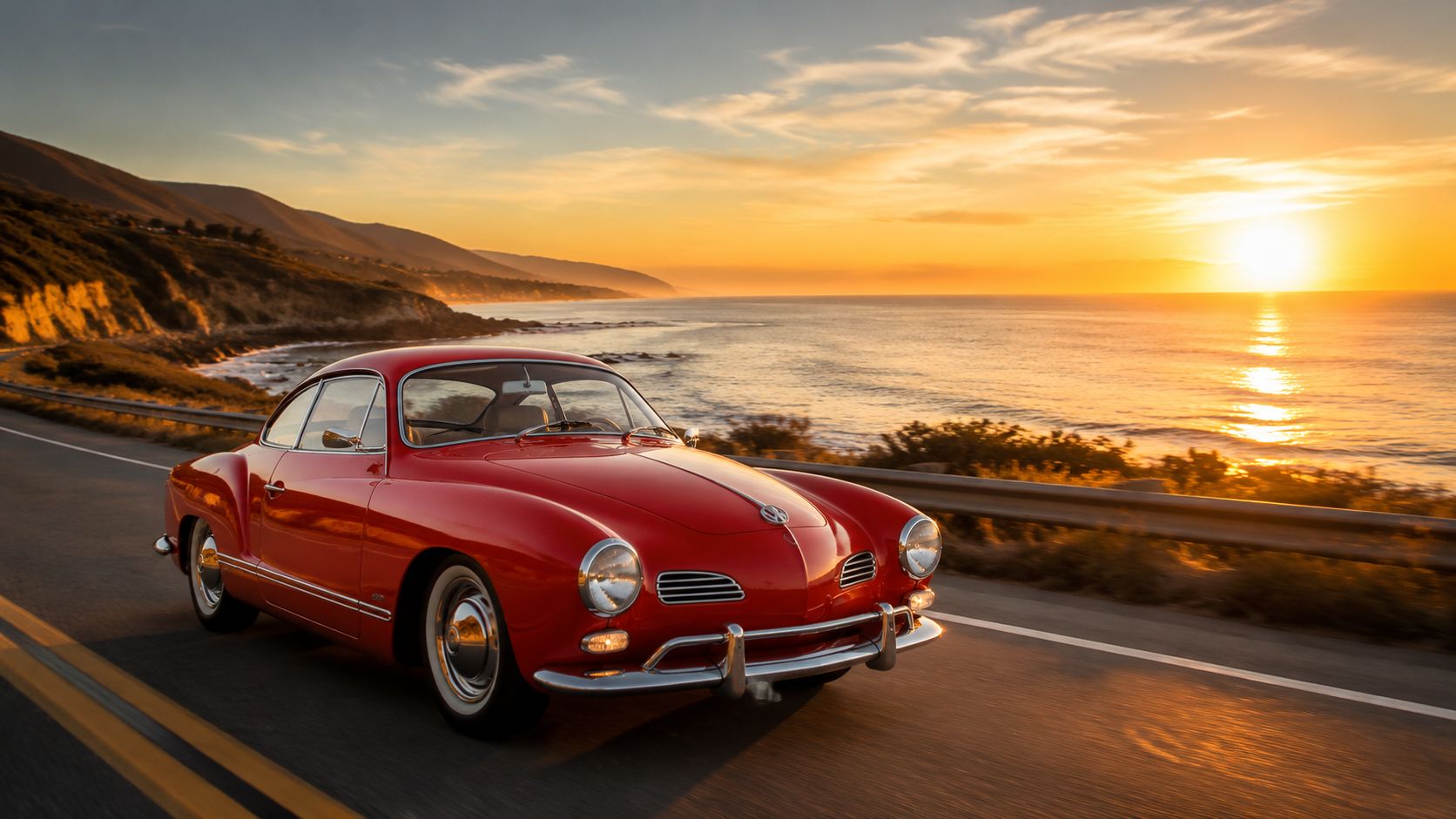
A quick check list helps when you are sizing up a car, a part, or even a model on a shelf:

  • Rear window style sets the era at a glance.
  • Headlights, taillights and bumpers often reveal whether the body matches its claimed year.
  • Decklids, guards and exterior trim are common swap points because they fit across more than one period.
  • Steering wheels, dashboards and seats shape the whole character of the cabin.

That same eye helps diecast collectors avoid the usual disappointments. A miniature meant to represent an early 1960s Beetle should carry early 1960s cues, not a mash-up of later wheels, brightwork and lamps. The best replicas feel right because somebody cared about the same details a restorer cares about.

OEM, NOS and reproduction in plain English

At club meets around Australia, this conversation never gets old. One owner waves a dusty factory box like treasure. Another says the reproduction part worked perfectly. A third mutters that he fitted three cheap versions before finding one that lined up.

The terms are simple enough once you strip away the jargon.

Type Best for Trade-off
OEM Factory-spec fit and feel Can be harder to find
NOS Unused period stock for original cars and serious collectors Age and storage still matter
Reproduction Keeping cars on the road when originals are scarce Quality varies from excellent to disappointing

OEM parts are the benchmark many owners use when they want a Beetle to shut, steer, run or fit the way Volkswagen intended.

NOS, or New Old Stock, carries a special thrill. You open an old box, smell the paper and preservative, and for a moment you are back in a dealership parts department. Still, old stock is still old. Rubber hardens. Chrome can suffer. Paint and packaging can hide a rough life on the shelf.

Reproduction parts keep the hobby alive, especially here in Australia where local supply can be patchy and freight can turn a small purchase into a serious decision. Some reproduction pieces are excellent and save a project. Others need trimming, fettling or a second attempt. Old hands usually spend their money carefully on structural, mechanical and safety-related items, then relax a little on minor trim.

Workshop wisdom: Buy quality for the jobs that punish you for doing them twice.

Why this matters to collectors too

The bridge between the workshop and the display cabinet is shorter than it looks.

A person restoring a Brunswick Blue Beetle and a person hunting the perfect 1:18 model are chasing the same thing. They both want the car's character to ring true. The right wheel style, the proper badge, the correct year of bumper, the shape of the rear lamps. Those details are how a Beetle keeps its identity.

That is part of the Beetle's soul, especially in Australia where local memories matter as much as factory facts. Maybe your reference point is a family Bug that spent summers down the coast. Maybe it is a dealer brochure from Melbourne, a service sticker from Adelaide, or a diecast model that matches the car your grandfather drove in Perth. Once you can read part numbers and year changes, those objects stop being generic Volkswagen things. They become pieces of one very specific story.
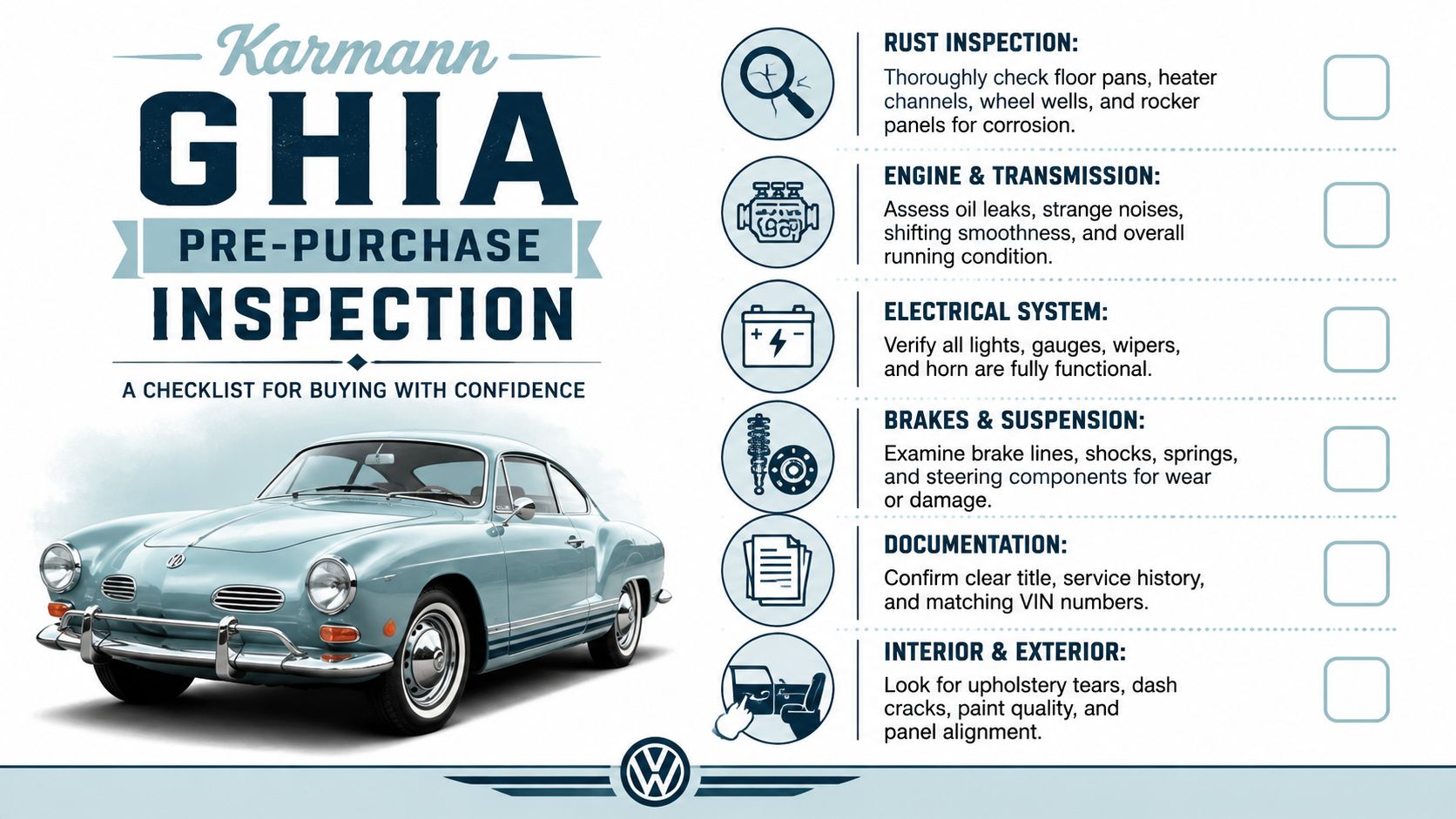
OEM Repro or NOS Navigating the World of Type 1 Parts

Every Beetle tells you what sort of life it’s had. One car has a soft, original feel with old German metal still doing its job. Another has lived through decades of budget fixes, aftermarket improvisation and one owner who clearly believed a hammer was a precision tool. That’s where the parts question gets real.

A local Bug I know well started as a tidy driver with a smoky engine and a gearbox mount that had seen better days. Its owner wasn’t building a museum piece. He wanted a reliable Sunday runner that still felt like a Beetle. So every purchase became a balancing act between authenticity, availability and common sense.

The purist path and the practical path

For structural or core mechanical pieces, many owners still prefer original-spec parts when they can get them. A genuine crankcase, for example, carries a certain confidence because it’s what the engine’s design was born around. But not every original component is waiting on a shelf in mint condition, and not every project needs concours purity.

Reproduction parts can be the difference between a stalled project and a finished car. The trick is knowing where compromise is safe and where it becomes expensive later. Cheap cosmetic trim might only annoy you. Poor internal engine parts can ruin a weekend and an engine together.

Engine choices that change the whole personality

Type 1 engines live and die by correct matching. Displacement comes from bore and stroke working together, and common configurations include 1600cc, 1641cc and 1776cc. Crankshaft matching matters because the wrong combination can cause engine damage. The same source also notes that builders weigh original VW crankcases against aftermarket alternatives, and some builds use specs such as 8 dowel pin counterweight crankshafts. That foundation is outlined in this VW Type 1 bore and stroke engine size guide.

That sounds technical until you see it play out in the shed. A stockish engine usually suits an owner who wants easy manners, a familiar feel and less fuss. A larger combination can wake the car up, but only if the rest of the build respects the geometry and the parts work together.

A Beetle’s common aches and the parts choices behind them

Here, stories from old cars become useful.

  • The tired commuter Beetle often wants sensible reliability parts. Good ignition pieces, sound fuel delivery parts, proper mounts and carefully matched internals.
  • The sentimental family Bug usually rewards restraint. Keep the driving character intact, repair what’s worn, and avoid upgrades that erase its personality.
  • The weekend toy gives you more freedom. You might accept a few non-original choices if they improve drivability and don’t upset the car’s balance.

One owner I know chased NOS anything he could find, then switched to selected reproduction parts for the jobs nobody sees and the items he needed quickly. Another went the other way. He started cheap, got burned on fit and finish, then rebuilt sections properly with better quality pieces.

The right answer isn’t a slogan. It depends on whether you value period correctness, day-to-day reliability, or simply getting the car back into the sunlight.

A simple buying filter

If you’re stuck, use this order of priority:

  1. Safety first. Brakes, steering and structural hardware deserve quality over convenience.
  2. Core engine internals next. If it means splitting the engine again later, don’t gamble.
  3. Fit-sensitive body parts after that. Badly made panels and trim create endless frustration.
  4. Minor cosmetic items last. These are easier to revisit when better examples turn up.

This is also where collectors can learn something from restorers. When you know how much care goes into choosing a real crankcase, mount or trim piece, you start appreciating why an accurate miniature with the right details feels special. It reflects decisions that mattered on the actual car.

Trouble in Paradise Common Failures and Must Do Maintenance

The Beetle is tough, but it isn’t magic. Leave one sitting, ignore its warning signs, or trust ancient rubber and wiring just because the car still starts, and it’ll eventually remind you that simplicity still needs care.

A close-up view of spark plugs and metal tools on a work mat with a red VW Beetle behind.

Rust never sleeps

Ask any long-time owner where to look first and the answer usually comes fast. Heater channels, under the battery, and the spare wheel well. Those spots cop moisture, neglect and years of “it’ll be right” storage.

What matters is not just spotting rust, but understanding what it means:

  • Heater channels affect structure as well as comfort.
  • Battery tray corrosion can spread further than it first appears.
  • Spare wheel well rust often hints at front-end water ingress or past repairs.

A shiny Beetle can still hide nasty surprises in these places. Tap, inspect, torch in hand. Don’t let glossy paint do the talking.

The lumpy idle and the lazy start

A Beetle that won’t settle into a smooth idle often needs basic honesty before exotic diagnosis. Check ignition condition, fuel delivery and carburettor tune. Many rough runners don’t need heroics. They need patient adjustment and parts that aren’t half-worn.

Electrical gremlins also love old Volkswagens. A weak connection, tired switch, poor earth or charging issue can turn a cheerful little Bug into a stubborn one. The car usually gives clues. Dim lights, slow cranking and random cut-outs rarely arrive unannounced.

A Beetle rewards methodical owners. Change one thing at a time, test, and listen to what the car is telling you.

Maintenance that keeps a Type 1 sweet

There are jobs every owner should either learn or understand well enough to discuss with a mechanic.

Job Why it matters Typical parts involved
Valve adjustment Keeps the engine breathing properly rocker gear hardware, gaskets
Ignition service Helps starting and running plugs, leads, distributor items
Fuel system checks Reduces leaks and poor running hoses, clamps, carburettor service parts
Brake inspection Keeps the car safe and predictable shoes, cylinders, hoses, hardware

A collector’s eye gets sharper too. If you understand what proper engine tin, plug leads, badges or lights should look like on an authentic vehicle, you’ll judge models and memorabilia differently. The details stop being decoration. They become evidence.

Why real parts knowledge improves collecting

A lot of people treat restoration and collecting as separate hobbies. I don’t think they are. They’re two ways of paying attention.

When you’ve spent time learning what a correct decklid handle looks like, or why a wheel style belongs to a certain era, you’ll spot that same truth in miniature. You’ll notice when a model captures a Beetle’s stance properly. You’ll care whether the trim matches the year. Your shelf becomes a little more informed, and a lot more satisfying.

Beyond the Engine Bay Collecting and Displaying VW Heritage

I watched a young bloke at a Sydney cars and coffee pick up an old VW bonnet badge once. He turned it over in his hands longer than he spent looking at the engines. The chrome was tired, the pins were worn, and it had the kind of scratches you only get from years of washing, polishing and daily use. His father was beside him talking carburettors, but the son kept coming back to that badge. He could see the car in it.

That is part of the Beetle’s magic. A Type 1 lives in its little details as much as its mechanicals. The bonnet badge. The hubcap with the proper dome. The trim that catches low afternoon light in a way no modern hatch ever seems to manage.

A display case featuring three miniature Volkswagen Beetle models, a metallic alloy wheel, and a VW emblem.

Among VW people, those pieces create a natural meeting point between the restorer chasing correct parts and the collector building a shelf full of memories. One wants the right emblem for a car. The other wants the same emblem because it carries the shape, era and feeling of the Beetle into a study, garage or living room. In Australia, where family Bugs, beach trips and local club runs sit so close to the culture, that overlap feels especially strong.

The parts that tell stories

A rocker cover can be spotless and still say very little. An original badge or trim strip often says plenty.

Exterior pieces age where everyone can see them. Sun dulls them. Hands polish the high spots. Road grit leaves its little marks. If you have ever found an old dealer badge in a swap meet box, you know the feeling. You are not just buying metal. You are holding a clue to where that Beetle lived and who cared about it.

That is why home and garage displays work best when they borrow from real cars instead of looking like generic retro decor. A shelf with an original emblem, a period brochure and one well-chosen diecast Beetle has more heart than a dozen random ornaments. The same appeal runs through vintage home accessories for VW-themed spaces, especially if you want your display to feel like a tribute rather than a catalogue.

Why diecast gets better when you know the real car

The best Beetle models are convincing for the same reason a good restoration is convincing. The details are right.

A collector who knows Type 1 parts will spot the difference straight away. The wrong bumpers can throw off the whole year. Wheels can date a model in seconds. Window shapes, trim lines, taillights and badges all matter. A diecast Beetle is small, but the judgement behind it is not.

That makes collecting more satisfying in a very practical way:

  • Year-correct details stand out once you know what belongs on an early car and what belongs on a later one.
  • Trim and emblem pieces carry more weight because they are part of the Beetle’s identity, not just decoration.
  • Stance matters more because the Bug has a look that is cheerful, upright and unmistakably its own.

Collectors who start with one Beetle often branch into the wider VW family as their eye sharpens. Australian shelves are full of little stories like that. A Bug from childhood. A Kombi from a surf trip. A panel van that looks like one a local electrician drove in the 1970s.

For a closer look at why those details matter to enthusiasts, this short video captures the kind of visual affection VW people have always had for the marque.

Displaying the collection with a bit of soul

The best displays I have seen were never the biggest. They were the most personal.

One club member in Melbourne keeps a small oval-window diecast next to the hubcap from his first Beetle. Another has framed a dealer plate surround above a shelf of Australian-delivered VW models. Both displays work because they connect object to memory.

A few habits help:

  • Pair real and miniature pieces so the shelf reflects both the actual car and the memory of it.
  • Group items by era because early and late Beetles speak in different visual accents.
  • Use wall space well with signs, framed prints and small objects arranged like a tidy garage corner.
  • Let one piece lead whether that is a rare badge, a crisp diecast, or a model of a Kombi every local enthusiast recognises.

A good display makes the Beetle feel present, even when the car is parked somewhere else.

That is the pleasure of this side of the hobby. The greasy-knuckled restorer and the memorabilia collector are often chasing the same thing. They both want to keep the Beetle’s character alive, whether it sits on jack stands in the shed or in perfect miniature on a shelf.

Your Local Workshop Sourcing VW Parts and Memorabilia in Australia

Australian VW culture has its own flavour. You see it at Volksfest, at the VW Nationals, and in the way people chat around a car here. There’s less posing, more storytelling. Someone always knows where a car came from, who painted it, or which family had it before.

That local passion has deep roots. Volkswagen assembly in Australia started in 1954 at the Clayton plant in Melbourne, and the operation produced over 100,000 Beetles by the 1960s. The same historical overview notes that over 200,000 Type 1 vehicles were imported or assembled locally over the years, which helps explain why the Beetle still feels so embedded in Australian enthusiast life. That history is outlined in Heritage Parts Centre’s history of the VW Beetle.

Why buying locally matters

Anyone in Australia who’s ordered niche VW gear from overseas knows the feeling. You wait. You hope the photos were honest. You cross your fingers about shipping damage, customs surprises and whether the item will look the way it did on the screen.

Local sourcing takes a lot of that stress out of the hobby. It usually means clearer communication, easier support and a better feel for what Australian buyers want. That matters just as much for memorabilia as it does for practical parts, especially if you’re buying a gift or trying to complete a themed display before an event.

If your interest leans toward decorative and collectible pieces inspired by real Beetle details, a category like Volkswagen Beetle parts can make browsing simpler because it keeps the visual language of the Type 1 together in one place.

Practical checks before you buy

A few habits save disappointment:

  • Check the year feel. Even decorative items and models should suit the era you love most.
  • Read the finish closely. Chrome, paint tone and trim style are often what separate average from memorable.
  • Think about display context. A shelf piece for a study may differ from what you’d choose for a garage or gift.
  • Buy with a story in mind. The best piece is usually the one that connects to a real memory, car or period.

For Australian enthusiasts, that local connection counts for a lot. We’re not just buying objects. We’re keeping a long-running conversation alive, one that started on local roads decades ago and still turns heads every time a Beetle rolls into a sunny car park.

Conclusion Keep the Passion Rolling

The beauty of the Beetle is that it welcomes all kinds. The hands-on restorer chasing the correct mount or pushrod. The nostalgic owner preserving family history. The collector who wants a Volkswagen Beetle model that gets the details right. It’s all part of the same affection for one of the world’s most recognisable cars.
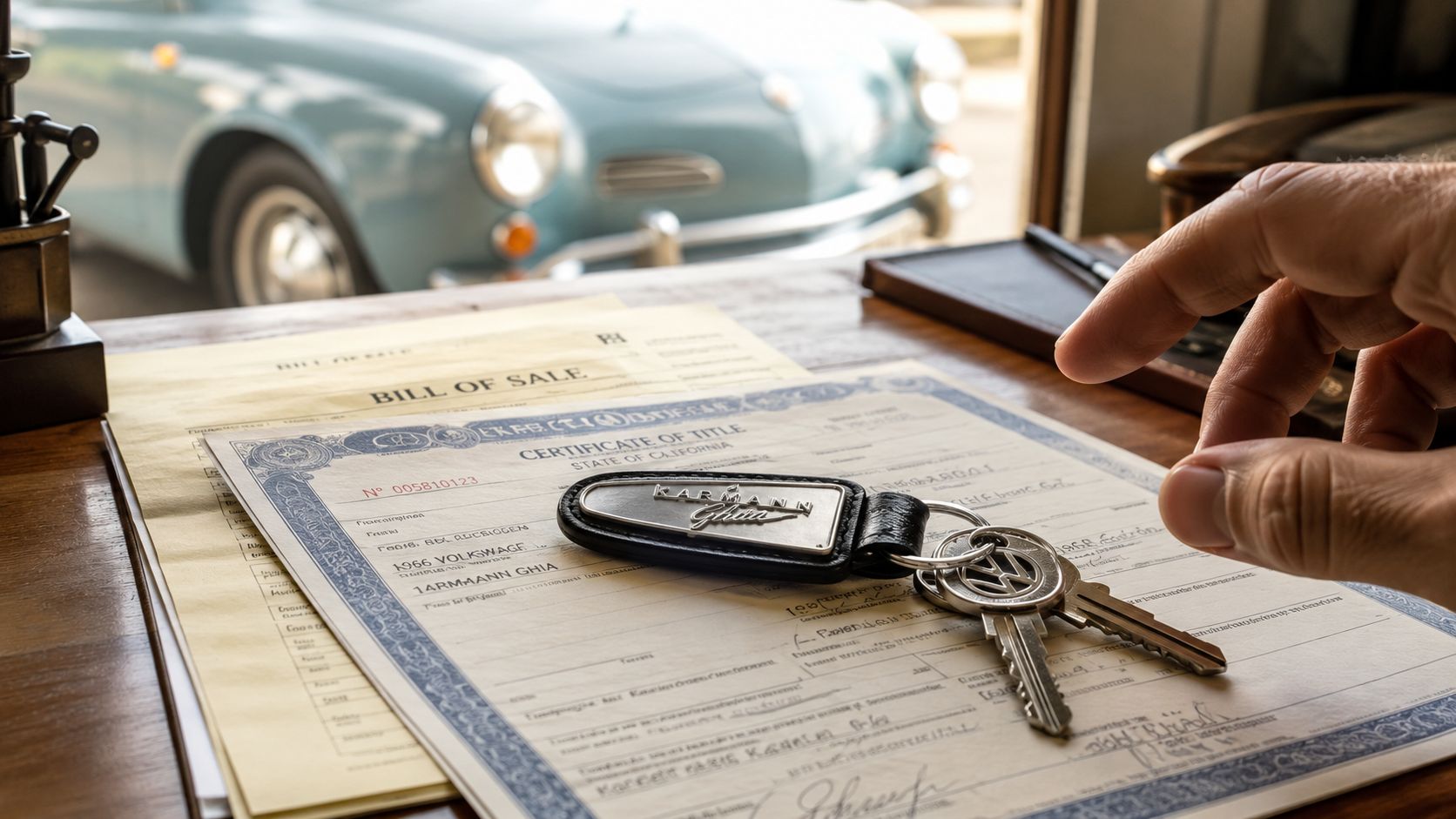
Learn the right parts, and the car opens up. Learn the visual details, and every badge, trim piece and diecast replica gains meaning. That’s how the passion keeps rolling.


If this article has stirred up your love for classic Volkswagens, have a look through Volkswagen Memorabilia for licensed VW-themed diecast models, collectible gifts and display pieces that celebrate the Beetle, Kombi and the wider VW story with an Australian touch.

VW Travel Van: Surf Culture, History & Collecting Guide

A sun-faded Kombi rolled past me on the Great Ocean Road one bright morning, white roof, coloured body, surfboard up top, windows open to the salt air. Everyone turned to look, not because it was loud or flashy, but because a vw travel van still carries the kind of magic modern traffic rarely does.

That feeling is why these vans never really left us. They just changed shape, from road-trip companion to restoration dream to diecast treasure on a shelf.

The Enduring Call of the Open Road

I still reckon the best place to understand a Kombi is not in a museum. It is out in the sun, parked near the coast, with sandy thongs on the grass beside it and someone leaning inside for a thermos or an old wax tin.

The old van does not need to say much. Its shape says enough. Short nose. Friendly face. Plenty of glass. Room for boards, picnic gear, mates, and a plan that only gets clearer once the road starts unwinding.

A vintage orange and white VW travel van with a surfboard on top driving along a coastal road.

Along Australian coastlines, the vw travel van became more than transport. It became a backdrop to first camping trips, surf weekends, market runs, music festivals, and long drives where nobody minded arriving late. That is also why so many people who may never own a full-size Kombi still feel drawn to the shape, the colours, and the story behind it.

A lot of enthusiasts first fall in love with the idea before they ever touch the metal. They spot a split-screen at a local show. They hear stories from a parent who once slept in one near Byron. Or they stumble across old van-life nostalgia like this look at van life in Australia, and suddenly the appeal clicks.

Why this van still gets under your skin

Some classics impress you with speed. The Kombi wins people over differently.

  • It feels welcoming. The face of an old VW van looks cheerful, almost human.
  • It invites a slower pace. You do not think about lap times. You think about coast roads and bakery stops.
  • It suits Australian memories. Beaches, road trips, hand-painted signs, and a bit of harmless chaos all fit the Kombi beautifully.

A classic VW van does not just remind people of travel. It reminds them of the kind of travel where the journey was the whole point.

That is why the Kombi sits in such a sweet spot. It is practical history, surf culture, design icon, and memory machine all at once.

From Wolfsburg to Wollongong The History of the VW Van

At a country show near Wollongong a few summers back, an old fellow stood beside a dove-blue Kombi and tapped the bonnet with a grin. He said his dad used one for work during the week, then packed the kids in on Friday and headed for the coast. That is the magic of the VW van story. It began in Germany as a practical little hauler and ended up stitched into Australian family lore, then later into the shelves and display cabinets of collectors who wanted to keep a piece of that feeling.
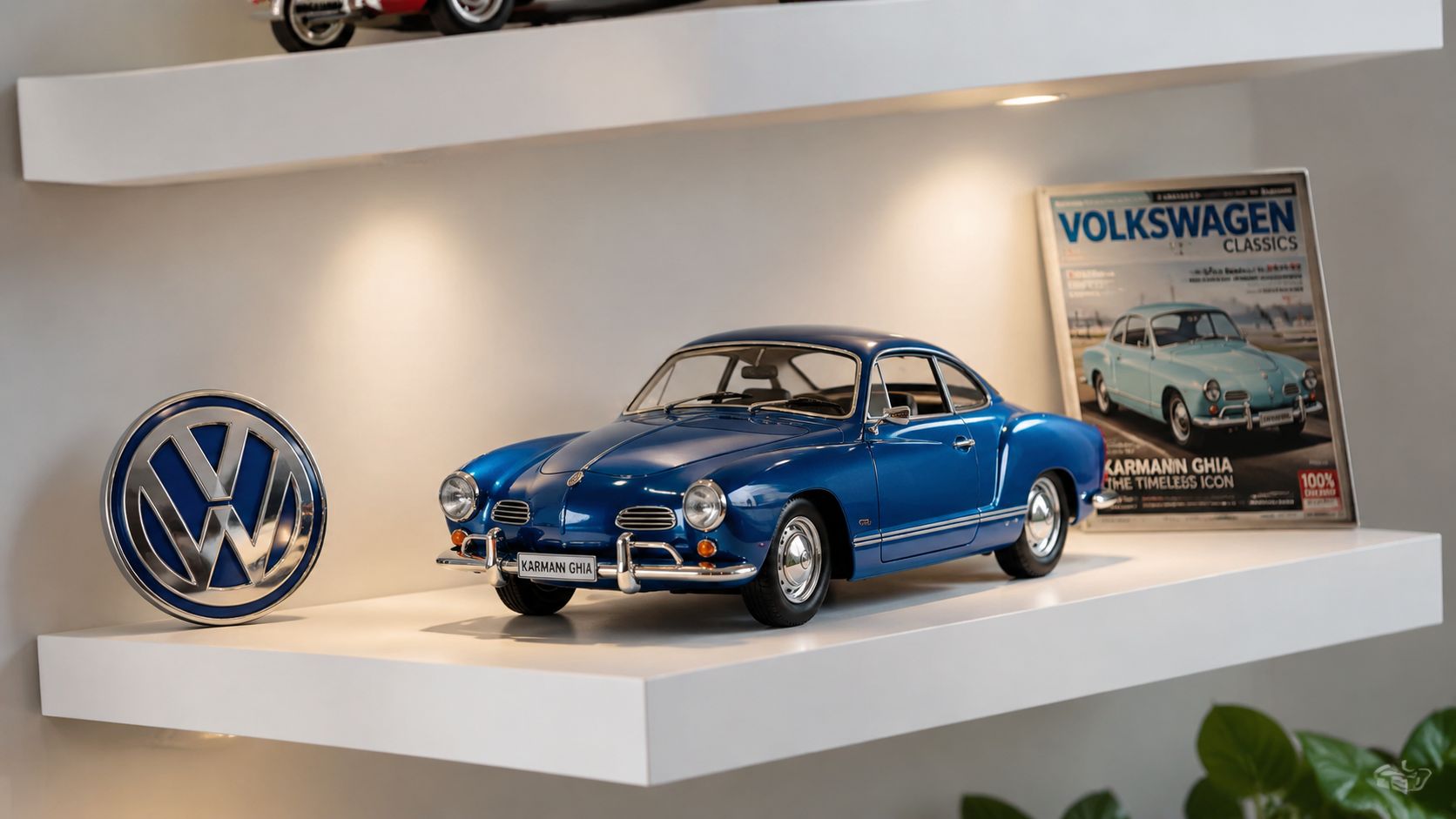
The first spark came in 1947, when Dutch importer Ben Pon sketched a simple van after seeing motorised trolleys at the Wolfsburg factory. That sketch became the Type 2 Transporter, and the first production example rolled off the line on March 8, 1950, in dove blue, with output starting at 10 vehicles per day before rising quickly, as noted in this history of the Volkswagen Type 2 Transporter.

Infographic

The early years that shaped the legend

What made that first Transporter special was not flash or speed. It was usefulness. A baker could run deliveries in one. A tradie could load tools in another. A growing family could fit everyone inside and point the nose toward a holiday park.

Volkswagen saw demand build fast in those first years, and by October 9, 1951, the company had delivered its 100,000th Transporter. For a van born from a factory-floor sketch, that was a mighty result.

Collectors still chase those early details because they tell the whole story at a glance. The split windscreen, the upright nose, the uncluttered sides, the friendly face. A full-size Kombi turns heads at a servo. A good diecast version does much the same on a study shelf. The shape carries history beautifully.
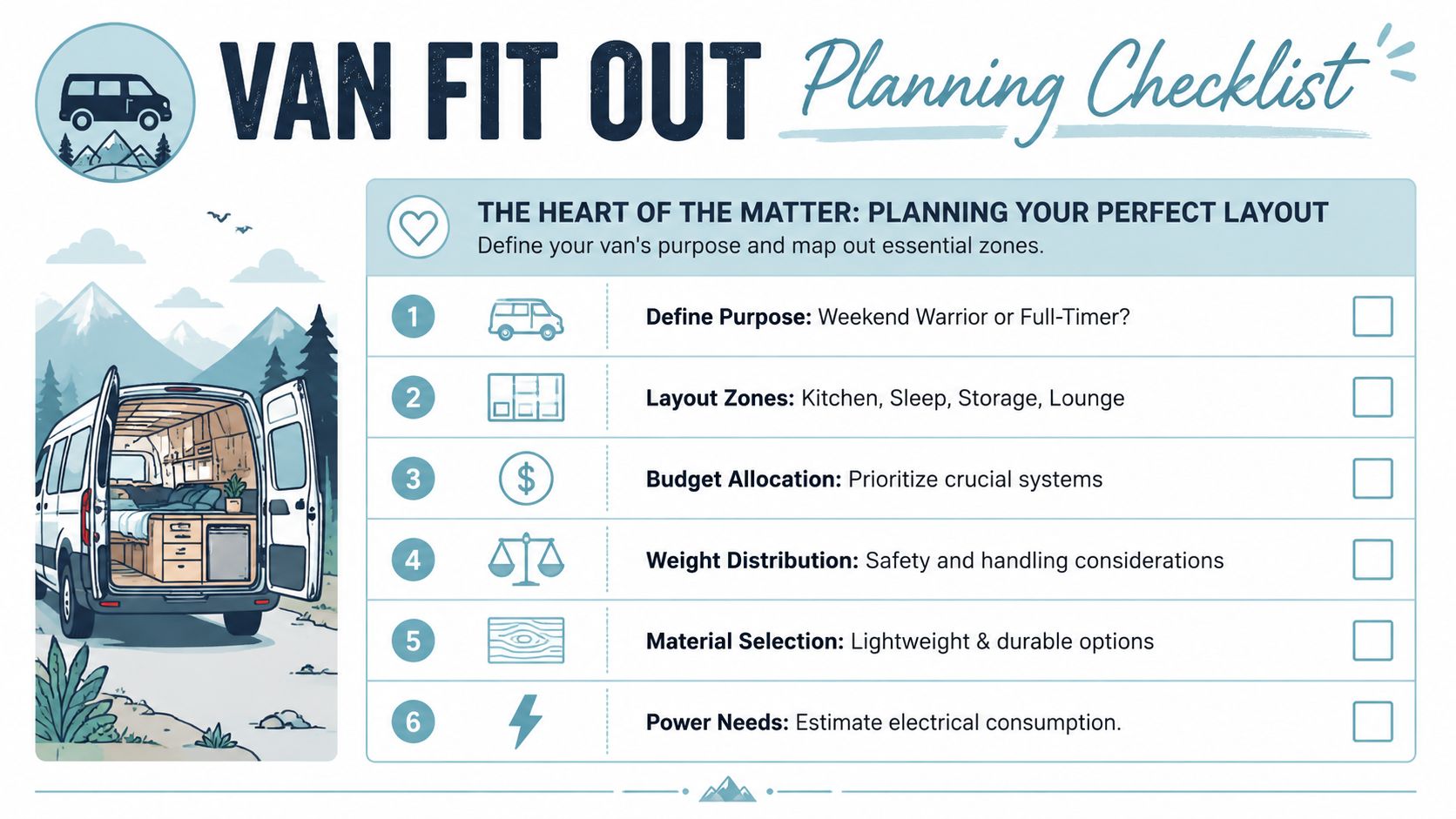
Why Australia took to it so naturally

The T1, later nicknamed the Splittie, reached Australia in the early 1950s and settled in quickly. It suited the places Australians went. Beach towns. Country roads. Busy suburban trades. Long weekends that started with an esky, a map, and a bit of optimism.
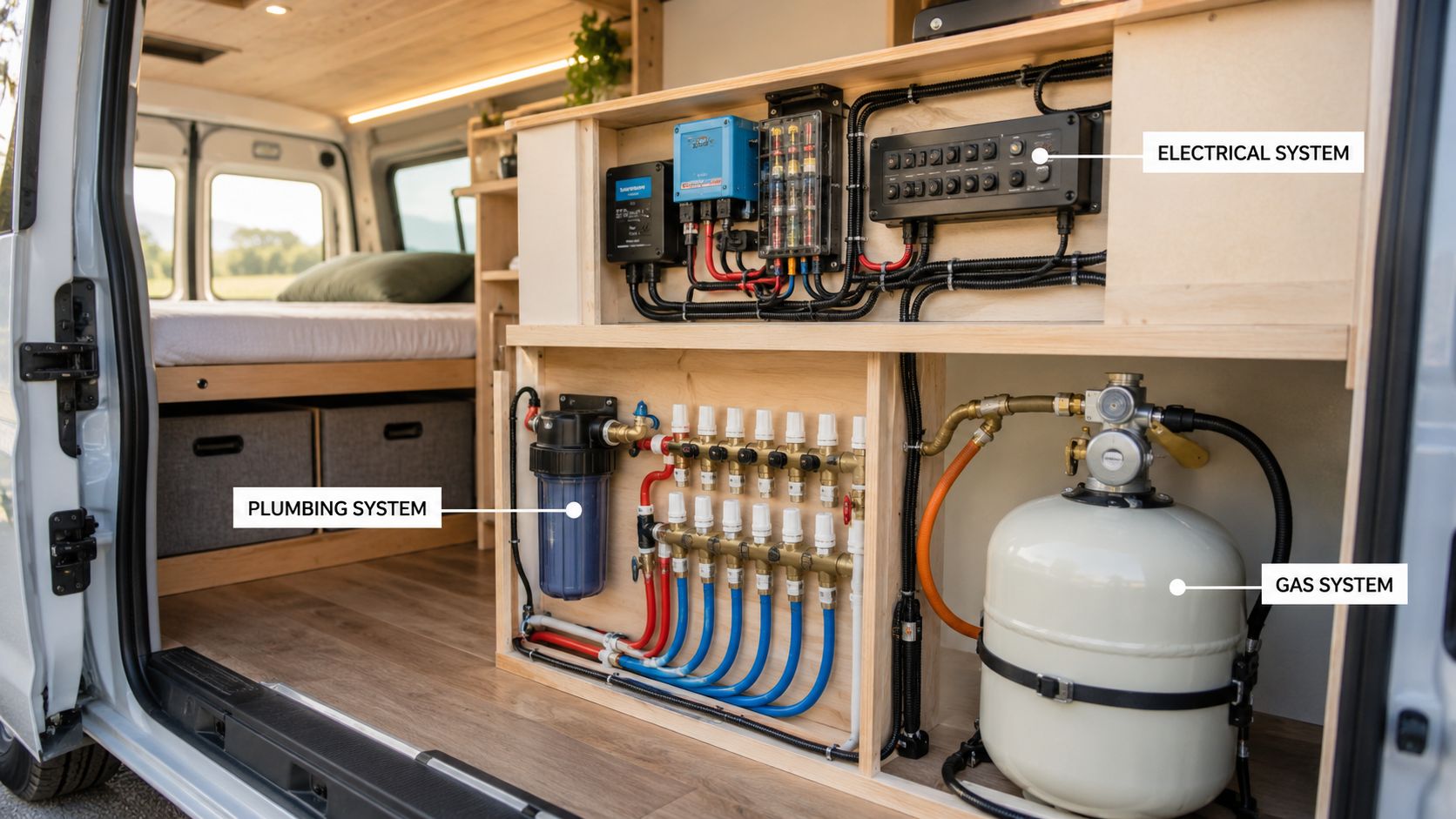
Here, the van earned its stripes through everyday use before it became an object of nostalgia. Builders used them. Families holidayed in them. Local travellers adapted them for sleeping, cooking, and hauling gear. That lived-in history is part of why the VW van now has such strong appeal as memorabilia. People are not collecting a random old vehicle. They are collecting a memory of movement.

The camper side of the story grew early too. Westfalia conversions began in 1951, helping turn the humble Transporter into a machine for roaming. Australian owners and coachbuilders soon put their own spin on the idea with practical interiors and touring setups suited to local conditions. For readers who enjoy that chapter, this look at Volkswagen Transporter camper history is a lovely rabbit hole.

The upgrades that helped it cross long Australian miles

A van does not become beloved in Australia by looking pretty in a brochure. It has to cope with distance.

In 1954, engine displacement increased, helping reliability on longer trips. Production also moved to Hannover that year, opening the door to broader production and more body styles. Those changes mattered here. Australian owners needed a van that could handle work on Monday and a proper run out of town once the weekend arrived.

By then, the Kombi had already become more than transport. It was a working vehicle, a holiday companion, and, years later, a collectible shape people wanted to own in any form they could find, full-size, restored, weathered, or cast in miniature.

Milestone Why enthusiasts still care
1947 sketch by Ben Pon It shows the van began as a clever, human-scale idea
1950 production launch This marks the birth of the production VW travel van
1951 100,000th delivery Proof that the design connected early and fast
1954 upgrades and Hannover move Better durability and broader model variety
Early Australian imports The start of the Kombi’s local identity

The Kombi gave Australians something rare. A vehicle useful enough for ordinary life and charming enough to become a treasured model long after the original vans had parked up.

Icons of an Era Notable VW Van Models

I still remember a fellow at a car show in Kiama holding a tiny blue-and-white Samba in one hand and pointing to the full-size Kombi he had parked under a gum tree with the other. Same paint break. Same little roof windows. Same grin. That is the magic of the VW travel van story. These machines live twice, first on the road, then on the shelf.

Three miniature Volkswagen vans including a red and white classic van and two modern camper van models.

A few models always draw the crowd. The T1 Splittie has that friendly face everybody knows. The Samba Bus brings the sparkle and showroom glamour. The Westfalia-style camper carries the dream of waking up near the beach with the kettle on and the back doors open to the sea.

By 1967, more than 1.2 million T1 units had been produced globally since 1950, a measure of just how far the shape had travelled from German factory floors to Australian roads and, later, to collectors’ cabinets, as described in this history of the VW camper van.

The T1 Splittie

The T1 Splittie looks cheerful even standing still. Its split windscreen, centre bar, and neat V-shaped nose give it a face that no other van quite matches.

That mattered in Australia. Plenty of early vans began life as workers. They hauled tools, bread trays, parts, camping gear, whatever the week demanded. Then a new owner would fit curtains, toss in a mattress, and head north or south as soon as summer arrived. That working-to-wandering life is part of why the Splittie feels so honest. It earned its legend.

Collectors love it for the same reason. In miniature, the silhouette is unmistakable from across the room. Even a small diecast captures the upright nose, simple body sides, and that wonderful split screen.

The Samba Bus

If the Splittie is the people’s hero, the Samba Bus is the show pony that still turns heads before the bonnet on anything else has even clicked shut.

The skylight windows and deluxe trim give it a sense of occasion. You can almost see a family rolling along the Princes Highway, kids peering out the roof glass, picnic basket rattling in the back. On the modern collectors’ table, those same details make the Samba irresistible. Two-tone paint, polished trim, and the famous 23-window arrangement give model makers plenty to work with.

That is why a Samba often becomes the centrepiece. A shelf full of diecast Volkswagens looks good. A shelf with a Samba in the middle looks finished.

The Westfalia-inspired camper

The Westfalia-inspired camper changed the van from transport into a travelling little home. Fold-out tables, compact storage, a place to sleep. Suddenly the trip mattered as much as the destination.

That idea landed beautifully in Australia, where long coastal runs and casual weekends away suited the Kombi’s unhurried pace. Plenty of local vans were not factory Westfalias, of course, but they borrowed the spirit. Timber cupboards built by hand. A little stove wedged in neatly. Curtains sewn by someone’s mum or nan. Every conversion told a personal story, and that same character is what makes camper diecasts so appealing now.

A good camper model does more than show a body shell. It brings back the whole ritual of travel.

Later in the article, there is a useful visual reminder of how these shapes translate so well into miniature collecting.

Why these models became collecting favourites

Collectors usually chase the vans that tell their story in a single glance.

Model Signature feature Why collectors love it
T1 Splittie Split windscreen The clearest early Kombi shape
Samba Bus Deluxe window layout Rich detail and strong display presence
Westfalia-inspired camper Home-on-wheels concept Captures the feeling of the trip itself

The best diecast pieces carry more than paint and proportions. They hold memories of surf checks, roadside brekkies, and long Australian miles. For plenty of enthusiasts, that is the bridge between owning a real VW van and keeping a little piece of the journey close at hand.

More Than a Van A Symbol of Aussie Surf Culture

Dawn at Bells Beach used to have its own little procession. Salt in the air, sand already warming underfoot, and a line of Kombis rolling into the car park with boards strapped high and wax melting softly on the dash. One might be pastel blue with sun-faded curtains. Another would wear primer on one door and a hand-painted surf club sticker on the rear hatch. Before the first set arrived, the vans had already told half the story.

That is how the Kombi found its place here. Australians did not need convincing. The van suited a coastal life built around long drives, cheap weekends, and a loose plan that could change with the swell.

Why surfers and travellers made it their own

At the beach, a Kombi was never just transport. It was changing room, gear locker, lunch spot, and sometimes the bed for the night if the session ran long and the camp ground was full. You could hose the sand out later, stack a couple of mals on the roof, and point the nose toward the next break without much fuss.

That usefulness gave the van character, and character turned into culture.

You saw it in the details. Timber racks knocked together in a suburban shed. Old tea towels hung as curtains. Stickers from Wollongong, Byron, Torquay, Margaret River. A Beetle might have been the fun little runabout, but the Kombi was the mate who brought everyone along. It became part of the scenery at surf comps, beach car parks, and lazy holiday runs up the coast.

Plenty of that feeling still lives on at Australian shows and swap meets. Owners talk about their vans the way surfers talk about a favourite board. Every dent has a place name attached. Every respray hides another chapter. If you want a good example of how that affection carries into collecting, the stories behind classic VW diecast models and memorabilia make the connection plain enough.

The community behind the romance

Anyone who has spent time around old Volkswagens knows the romance comes with skinned knuckles and patient waiting. A bloke in Newcastle might spend months chasing the right indicator housing. Someone in Geelong might find the missing trim piece only after a call from another owner who remembered a dusty box at the back of a wrecking shed. That is the true heartbeat of the scene. People helping people keep these vans on the road.

The surf link matters because it gave the Kombi its most recognisable Australian image. The simpler reason it lasted is this: It welcomed a certain kind of person. The easy-going traveller. The surfer who packed light. The family happy to trade speed for stories.

That same affection explains why the Kombi shrinks so well into a collectible. A diecast Splittie with a roof rack and two-tone paint does more than copy sheet metal. It captures a whole Australian memory. Beach towels on the line, boards rattling overhead, and the long scenic road home with the windows open.

Building Your Collection A Guide to VW Diecast Models

Most of us do not have the shed space, budget, or patience for a fleet of full-size Volkswagens. Diecast collecting solves that neatly. You still get the shape, the colour, the nostalgia, and the grin every time you walk past the display.

A person adjusting a miniature red Volkswagen camper van next to a tiny beach shack model.

There is another reason diecast resonates so strongly with Kombi fans. Even though the 2024 Volkswagen Transporter Base delivers 250 Nm of torque, collector passion still leans toward the original air-cooled vans because nostalgia and design heritage carry more weight in memorabilia than modern performance figures, as outlined in this 2024 Volkswagen Transporter Base review.

What makes a VW diecast model worth buying

Not every miniature earns a spot in the cabinet. Some look toy-like. Others capture the soul of the vehicle itself.

A good collector piece usually gets these things right:

  • Licensed shape accuracy. The nose, roofline, windows, and stance should look unmistakably Volkswagen.
  • Clean paintwork. Two-tone Kombis and Beetles need crisp separation, not fuzzy edges.
  • Useful detail. Roof racks, bumpers, wheels, mirrors, and interior colours should feel considered.
  • Character. A Samba should look deluxe. A surfy van should have charm, not clutter.

For newcomers, reading a bit more about diecast collecting basics helps make the first purchases more satisfying.

Choosing between Kombi and Beetle models

A lot of collectors think they must choose one lane. You really do not.

The best small collections often mix body styles because each model brings a different mood.

Style Best for Display personality
Kombi or Samba Bus Coastal, surf, van-life themes Relaxed, social, colourful
Volkswagen Beetle model Classic motoring nostalgia Friendly, iconic, timeless
Camper conversion models Travel storytelling displays Adventure-focused and playful

If you want a centrepiece, a 1962 VW Kombi or Samba Bus replica is hard to beat. If you want an easy entry point, a Beetle often fits smaller shelves and desks beautifully.

How to start without overthinking it

Collectors usually do better when they buy with a theme in mind. Random purchases can be fun, but a theme gives your display personality.

Three easy approaches work well:

  1. Go by era
    Build around early classics. Splittie, Samba, Beetle, and a flower-power style van make a cohesive vintage set.

  2. Go by colour
    Coastal palettes look great in a home office or living room. Cream, blue, red, mint, and orange all suit VW shapes.

  3. Go by story
    Pick pieces that remind you of travel. A camper van, a surf van, a Beetle for town days, maybe a bus with a roof rack to tie it together.

The best collection is not the biggest one. It is the one that looks like your own memories and tastes.

What to inspect before you click buy

Inspect before you click buy. Practical buying advice saves disappointment.

  • Look closely at windows and trim. Poorly fitted clear plastic or wonky chrome can spoil an otherwise nice model.
  • Check wheel stance. A Kombi should sit square and balanced.
  • Review scale and shelf space. Larger scales bring more detail, but they need room to breathe.
  • Choose local stock when you can. Australian buyers usually prefer avoiding the uncertainty that can come with overseas sourcing, especially for gifts or time-sensitive purchases.

Display ideas that make the collection sing

You do not need a giant cabinet to make Volkswagen diecast models for sale look brilliant at home.

Try these:

  • A coastal shelf with a Kombi, a small framed beach print, and a piece of driftwood.
  • A desk setup anchored by a Volkswagen Beetle model for a daily hit of colour and nostalgia.
  • A mixed-scale cabinet where a larger Samba takes centre stage and smaller vans support it.
  • A gift corner where boxed models stay pristine until birthdays or Father’s Day roll around.

Some collectors chase rarity. Others chase feeling. With VW pieces, feeling often wins, and rightly so.

Beyond the Garage Styling Your Home with VW Charm

A Volkswagen-inspired home does not need to look like a workshop. In fact, the best VW decor usually works because it feels lived-in, relaxed, and personal.

A well-chosen Kombi model can do more than fill space on a shelf. It can set the tone for the whole room. The colours bring warmth. The shape adds softness. The nostalgia makes the space feel welcoming rather than staged.

Where VW pieces work best

Living rooms and home offices are obvious spots, but they are not the only ones.

A hallway console can carry a bright little Samba and instantly make the house feel friendlier. A study shelf can use a Beetle model as a splash of colour among books and frames. Guest rooms suit VW decor especially well because the theme feels cheerful without demanding too much attention.

Pairing VW style with coastal decor

The Kombi and the Australian coast are old mates, so the styling connection feels natural.

Try pairing VW memorabilia with:

  • Weathered textures such as timber, woven baskets, or whitewashed surfaces
  • Beachy accents like shells, soft blues, sandy neutrals, and framed seaside prints
  • Retro touches including old travel tins, simple ceramic vases, or vintage-look signs

A bright red or two-tone van can work as the hero piece, while softer decor around it keeps everything balanced.

Why diecast works as decor

A diecast model has an advantage over larger themed decor. It tells the story quickly and cleanly.

One quality piece on a shelf can suggest travel, design history, surf culture, and personal memory all in a glance. That makes it ideal for people who love Volkswagen heritage but still want a tidy, stylish home.

A classic VW model earns its place in a room because it is both object and conversation starter.

Metal wall art and other vehicle-inspired decor can support that look nicely, but the miniature van often does the emotional heavy lifting. It is small, but it carries a big story.

Your VW Journey Starts Here

The Kombi’s journey began with a factory sketch and ended up woven into road trips, surf memories, restoration sheds, show grounds, and collectors’ shelves. Few vehicles travel that far in meaning.

The vw travel van still resonates because it joins useful design with optimism. It looks approachable. It invites adventure. It reminds people that travel does not have to be rushed to be worthwhile.

For some enthusiasts, that journey means chasing a full-size project. For others, it means finding the perfect VW Kombi diecast Australia collectors talk about, or tracking down a Volkswagen Beetle model that brightens a desk or display shelf. Both paths are part of the same affection for Volkswagen shape, history, and spirit.

If you have ever paused at a split-screen at a show, smiled at a Samba rolling past, or searched late at night for Volkswagen diecast models for sale, you already know the pull. The story sticks.

Sometimes owning the dream at full scale is not the point. Sometimes holding a beautifully made version of it in your hand is enough to keep the road alive.

Your VW Van Questions Answered

A bloke at a swap meet in Ballarat once held up a tiny two-tone Kombi and laughed, “Cheaper than restoring the one I sold in 1998, and a lot easier to dust.” That is the heart of these questions. For some Australians, the VW travel van is a machine with sun-faded paint and surf wax in the floor grooves. For others, it is a beautifully made diecast model on a shelf, keeping the same dream alive in smaller form.

What does “vw travel van” usually mean in Australia

In Australian VW circles, “vw travel van” usually points to the Volkswagen Type 2 family. People use it for Kombis, campers, beach vans, and road-trip buses in general. Depending on who is telling the story, it might mean a split-screen T1, a deluxe Samba, or a later camper fitted out for weekends up the coast.

Why is the Samba Bus so collectable

The Samba wins hearts quickly. Those extra skylight windows, the two-tone paint, and that cheerful face give it the sort of presence that stops people in their tracks at shows.

It also carries a bigger story. The Samba came to represent scenic drives, family holidays, surf checks, and the golden age of unhurried travel. In diecast form, all those little visual touches, window lines, trim, roof details, make it one of the most satisfying VW models to collect.
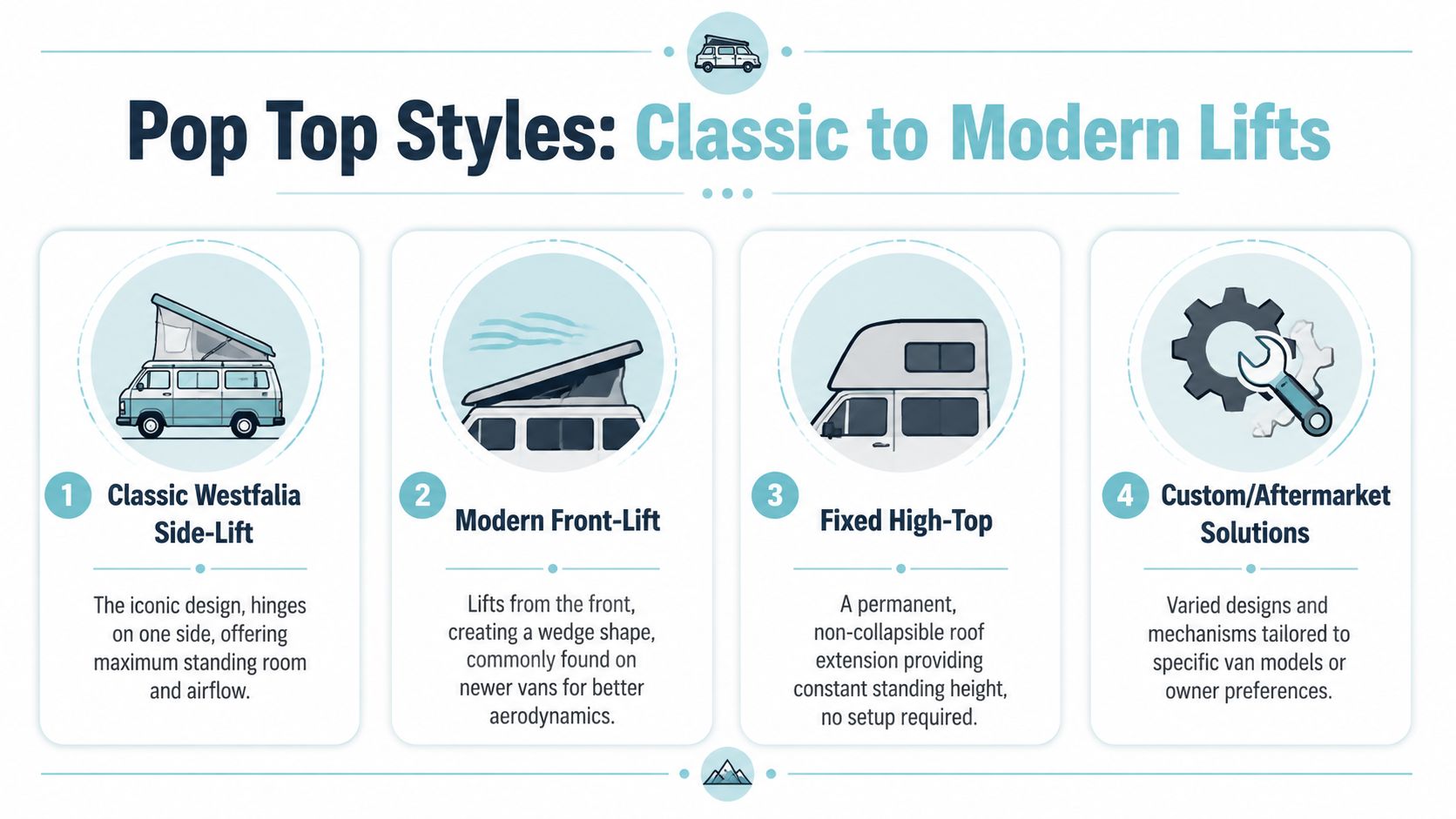
Is a diecast Kombi a good gift for a VW fan

Yes. It suits longtime collectors, former Kombi owners, Beetle lovers, and anyone who wants a dash of vintage VW character at home or in the office.

A full-size van asks for shed space, time, money, and patience. A licensed diecast Kombi gives the same grin in a package small enough for a bookshelf. That is a big part of its charm.

Is restoring a real Kombi easy in Australia

Restoring an original Kombi can be rewarding, but easy is not the word many owners would use. Rust repair, missing trim, specialist parts, and labour bills can turn a simple plan into a long-haul project.

That gap between dream and reality is one reason memorabilia matters. A good model car lets someone celebrate the shape, colour, and memories of a beloved van without spending years chasing panels and seals.

Are classic petrol VW vans still better than the ID. Buzz for rough outback touring

That depends on the trip, the support available, and what you expect from the vehicle. The linked ID. Buzz camper review covering the Australian reliability angle presents the review author’s view that the ID. Buzz camper suits sealed-road touring and lighter adventure use more naturally than hard, remote outback travel.

Classic petrol VW vans have their own limits, of course, but their old-school mechanical simplicity is part of why so many enthusiasts still romanticise the T1 and T2. That affection carries straight into the collectibles market, where the older vans remain the stars of display cases and gift tables.

What should a beginner collect first

Start with the one that makes you stop scrolling.

For plenty of collectors, that is a Samba in cream and red, or a surf-themed Kombi that looks like it belongs outside a weatherboard beach shack. For others, the first spark comes from a Beetle that reminds them of a parent, a first car, or a family holiday photo. Buy the model that stirs a memory first, then pay attention to build quality, scale, and licensing.

If you are ready to bring that road-trip spirit home, explore Volkswagen Memorabilia for officially licensed VW-themed gifts, Kombi and Samba Bus diecast models, Beetle collectibles, and coastal decor that suits Australian enthusiasts, collectors, and gift buyers alike. Local stock and friendly support make it an easy place to find a piece that feels like your own little slice of VW history.
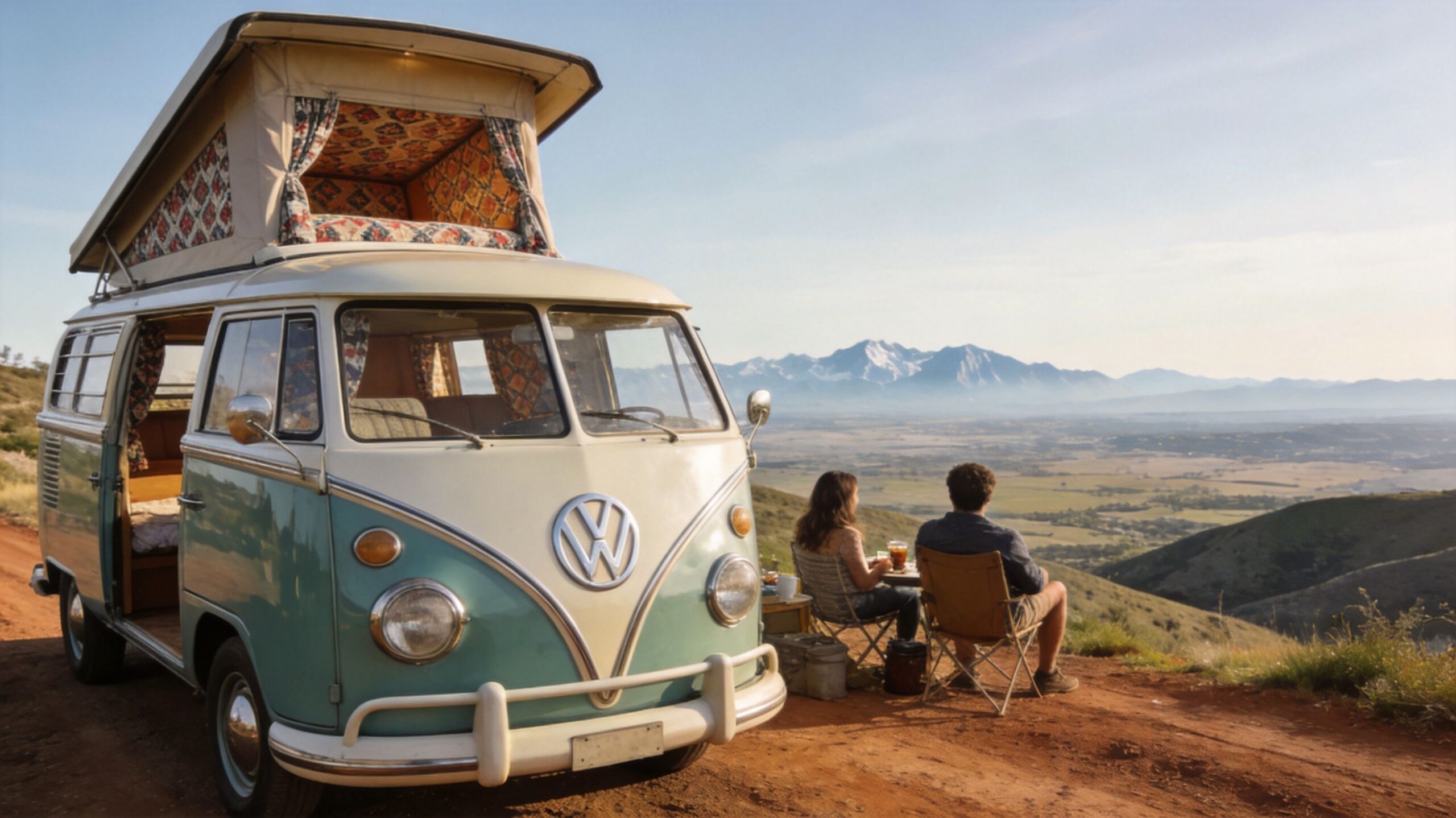
Your Ultimate Guide to the Golf GTI Mk6 in Australia

The Volkswagen Golf GTI Mk6, built between 2009 and 2013, is far more than just another hot hatch. It represents a golden era for many Aussie car fans, nailing the perfect blend of sharp performance, everyday usability, and timeless style. With its punchy 2.0-litre turbocharged engine and engaging driving feel, it quickly became a legend in Volkswagen’s performance history.

The Enduring Legend of the Golf GTI Mk6

White Volkswagen Golf GTI MK6 lowered on custom wheels at an outdoor car meet.

Picture this: it’s a sunny Saturday morning at a bustling Aussie car show. You can smell the coffee and hear the friendly chatter of fellow VW fans. Right in the middle of it all, drawing admiring looks, sits a perfectly clean Volkswagen Golf GTI Mk6.

For so many of us, this car isn't just a machine. It's a cultural touchstone that defined the modern hot hatch for a generation of enthusiasts down under. The Mk6 captured a special kind of magic, blending thrilling turbocharged fun with the practicality you need for the daily grind. It was the car that could carve up a winding coastal road on Sunday and still handle the school run on Monday.

This brilliant mix of excitement and sensibility created a passionate community that stretches from Sydney to Perth. Its sharp, clean styling and that potent TSI engine still capture hearts today, cementing its spot as a true modern classic. It’s more than just a successor to the iconic Mk1; it carries on a tradition of fun and freedom that began with Volkswagen’s earliest air-cooled icons. You can feel that same spirit when you read about the beloved VW Beetle and its incredible journey.

A Legacy Beyond the Road

The passion for the Golf GTI Mk6 runs much deeper than just the driver's seat. It's about the shared stories, the club meets, and the pride of ownership. This guide is a celebration of that spirit, connecting the love for the real car to the joy of collecting its perfectly detailed diecast replicas.

For enthusiasts, the Mk6 represents a sweet spot in the GTI lineage—more refined than the Mk5 but with a raw, connected feel that some feel has softened in later models. It’s this balance that makes it so memorable.

This is for every fan who appreciates the signature red grille stripe, the classic tartan seats, and the unmistakable bark of the exhaust. We'll dive into its history, explore what makes it tick, and show you how to celebrate its legacy through the wonderful world of VW memorabilia. It's a tribute to the passion behind the badge, and we’re thrilled to have you along for the ride.

When the Volkswagen Golf GTI Mk6 rolled onto Australian shores in 2009, it had some pretty massive boots to fill. Its older brother, the Mk5, had been a smash hit, completely reigniting the country’s passion for the hot hatch. The big question on every enthusiast’s mind was simple: could VW possibly strike gold twice?

As it turned out, the Mk6 didn't just meet the hype; it confidently left it in the rearview mirror. Volkswagen didn’t reinvent the wheel. Instead, they took a long, hard look at what made the Mk5 such a legend—that brilliant blend of raw performance and daily driver polish—and dialled the refinement all the way up. The aim was to build a GTI that felt more premium and mature, but without losing a single ounce of the aggressive spirit that makes a GTI, well, a GTI.

A New Class of Polish and Performance

The design was instantly sharper, cleaner. It wasn't a revolution, but a confident evolution of the GTI look. Step inside, and the difference was even more obvious. The cabin materials took a huge leap forward, with soft-touch plastics, more elegant switchgear, and of course, those iconic tartan seats that somehow managed to feel both nostalgic and completely modern at the same time.

It felt less like a hatchback with a big engine bolted in and more like a purpose-built performance car that you could happily drive to work every single day. This was a very clever move from VW. While other hot hatches were screaming for attention with wild wings and loud paint jobs, the Mk6 offered a more sophisticated kind of thrill. It was the sort of car a professional could park at the office without raising eyebrows, then absolutely unleash on a winding back road on the weekend.

The Volkswagen Golf nameplate was already a force to be reckoned with in Australia. To put it in perspective, back in 2007, the brand sold a staggering 10,982 Golfs, making it the top-selling car from any German carmaker Down Under. The Mk6 GTI leveraged this incredible momentum, winning over enthusiasts with its punchy 2.0-litre TSI engine. It put out a healthy 157kW and 280Nm of torque, enough to launch the car from 0-100km/h in just 6.9 seconds, all while wearing that iconic red-striped grille with pride. For those interested, you can find more on Volkswagen's historical sales performance and deeper insights into their market impact.

The Perfect All-Rounder for Aussie Roads

This combination of genuine performance and everyday usability was exactly what the Australian market was after. The Mk6 GTI wasn't just quick in a straight line; its beautifully balanced chassis and sharp, precise steering made it an absolute joy on the kinds of roads we love—from the tight, twisting hairpins of a mountain pass to the flowing corners of a country B-road.

The Mk6 GTI proved you didn't have to compromise. You didn't need to choose between a fun car and a practical one. It was a master of both, giving you a driving experience that was thrilling when you wanted it and completely composed when you didn't.

It was this brilliant duality that cemented its spot in Aussie car culture. No, it wasn't the loudest or the most powerful car in its class, but it was arguably the most complete. It redefined what an Aussie hot hatch could be, proving that sophistication and pure, unadulterated fun could go hand-in-hand to create a modern classic that enthusiasts and collectors still rave about today.

Pop the bonnet on a Mk6 GTI, and you'll understand what the fuss is all about. This is where the magic happens, and it’s what gives the car its legendary character.

A white Volkswagen Golf GTI with its hood open, revealing the 2.0 TSI engine on a sunny day.

At its heart sits the brilliant 2.0-litre EA888 TSI engine. This turbocharged four-cylinder is the soul of the machine, delivering an eager, responsive kick that will put a smile on your face every single time. It's an engine built for real-world fun, not just impressive numbers on a spec sheet.

It’s not about overwhelming, tyre-shredding power. Instead, the EA888 is all about accessible performance that feels perfectly suited to Australian roads. It’s punchy and pulls strongly from low revs, giving you a smooth, confident surge of torque whether you’re jumping into a gap in traffic or powering out of a tight corner.

The Great Transmission Debate

How that power gets to the front wheels has always been a hot topic for GTI fans. Volkswagen gave buyers two fantastic choices, each offering a completely different driving experience. It was a tough decision back then, and it's still something enthusiasts love to debate today.

  • The 6-Speed DSG: The Direct-Shift Gearbox was a game-changer. This dual-clutch automatic delivers incredibly fast, seamless shifts that keep the engine right in its sweet spot. It's ruthlessly efficient and makes the GTI feel effortlessly quick.
  • The 6-Speed Manual: For the purists, there’s no substitute for a proper three-pedal setup. The manual in the Mk6 is a joy to use, with a crisp, mechanical feel that connects you directly to the action. There's nothing quite like the satisfaction of nailing a perfect downshift yourself.

Honestly, there's no wrong choice here. It all comes down to what you want. Do you prefer the high-tech efficiency of the DSG or the classic engagement of rowing your own gears?

More Than Just a Great Engine

But the Mk6 GTI's genius is about more than just its drivetrain. A key feature on many cars was Volkswagen’s Adaptive Chassis Control (DCC), a clever system that lets you change the car's personality with the push of a button.

Think of it as having multiple cars in one. 'Comfort' mode softens the suspension for a relaxed daily commute, soaking up bumps and rough patches. Switch it to 'Sport', and everything tightens up—the suspension gets firmer, the steering becomes weightier, and the throttle feels sharper. It instantly transforms the GTI from a comfortable hatch into a focused corner-carver.

This dual personality is what truly defines the Mk6. It’s a sophisticated and comfortable cruiser one moment and a proper back-road weapon the next.

Of course, you can't talk about a GTI without mentioning the iconic details. The 'Detroit' alloy wheels, with their distinctive polished faces, are instantly recognisable. Inside, the supportive sports seats trimmed in the classic 'Jacky' tartan fabric are a fantastic nod to the GTI's heritage, a legacy that goes all the way back to VW icons like the beloved Kombi Samba Bus.

To give you a quick snapshot, here's a look at the key specifications for the Australian-delivered Mk6 GTI.

Volkswagen Golf GTI Mk6 Key Specifications

This table gives you a quick-reference guide to the core numbers that made the Mk6 GTI a standout performer in its class.

Specification Details
Engine 2.0-litre EA888 Turbocharged Stratified Injection (TSI)
Power Output 155 kW @ 5,300–6,200 rpm
Torque 280 Nm @ 1,700–5,200 rpm
0-100 km/h 6.9 seconds (DSG and Manual)
Transmission Options 6-speed Manual or 6-speed DSG
Signature Wheels 17-inch 'Denver' or optional 18-inch 'Detroit' alloys
Interior Highlight 'Jacky' Tartan sports seats
Brakes Red-painted callipers with ventilated front discs

From its punchy engine to its sharp handling and classic styling cues, every element works together to create a complete and compelling package.

Building Your Ultimate Mk6 Diecast Collection

Two white diecast model cars on a display shelf, one with red wheels, against a blue background.

As the real Golf GTI Mk6 settles into its role as a modern Aussie classic, the world of diecast models is the perfect way to appreciate its clean lines and performance heritage. There's just something special about holding a perfectly scaled-down version in your hands—it’s a tangible piece of automotive history.
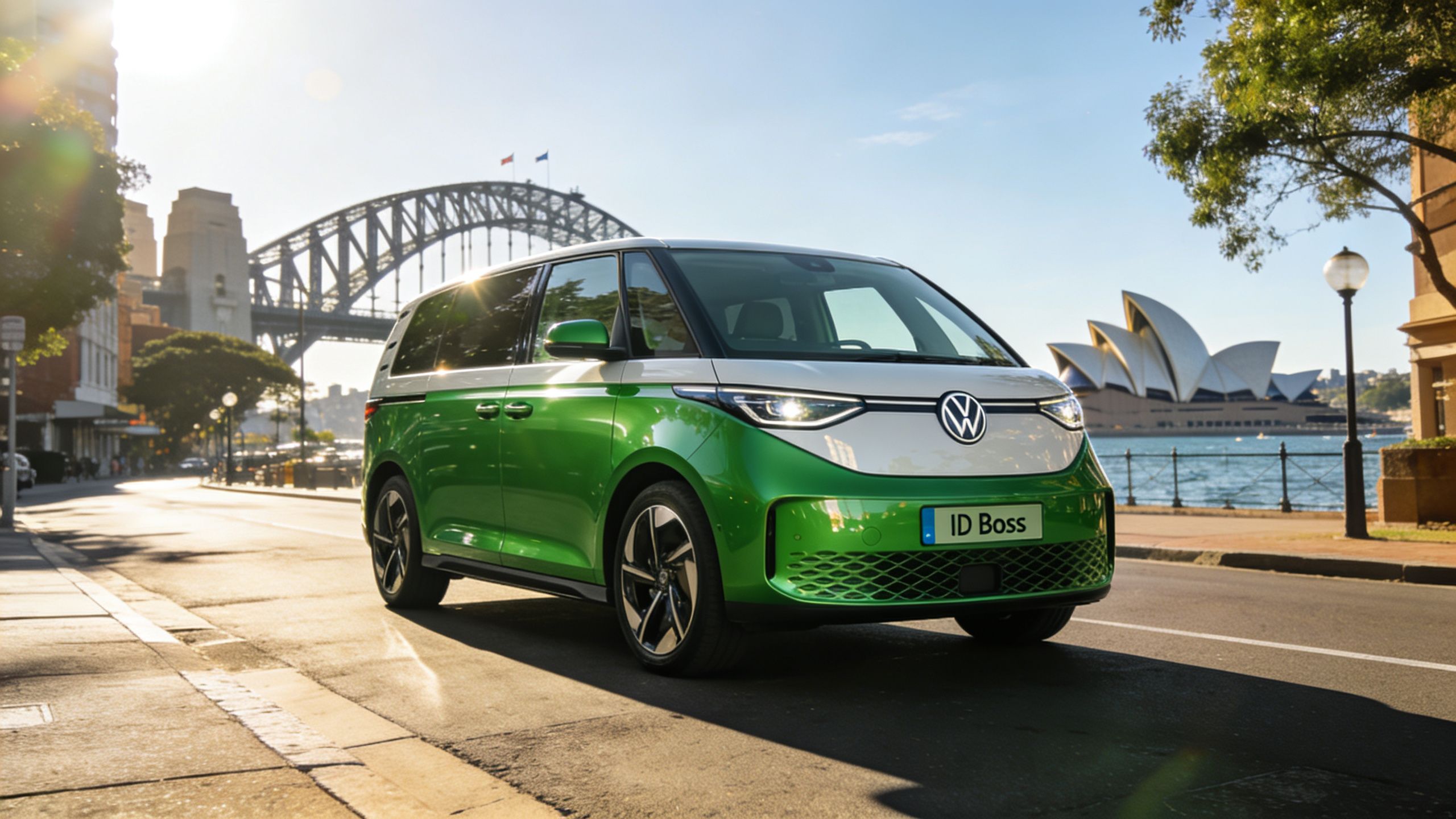
For plenty of us Volkswagen tragics, collecting these miniatures is a passion that runs just as deep as owning the real car. It’s your chance to build a dream garage, showcasing everything from the old air-cooled legends right through to today's heroes like the Mk6. So, let's dive into what you need to know to start or grow your own collection of these little gems.

Understanding Diecast Scales

Walking into the diecast model world for the first time can feel a bit confusing with all the different scales flying around. But it's actually pretty simple. Think of the scale as a ratio: for a 1:18 scale model, every 1 centimetre on the model represents 18 centimetres on the actual car.

Here’s a quick rundown of the most common scales you’ll come across for a Golf GTI Mk6:

  • 1:18 Scale: This is the big one, the scale for serious collectors who want maximum impact. These larger models have space for incredible detail—we're talking opening doors, bonnets, and boots, plus steerable wheels and a fully kitted-out interior and engine bay. A 1:18 Mk6 GTI makes a seriously impressive centrepiece.
  • 1:24 Scale: A brilliant middle-ground. A 1:24 model gives you fantastic detail without demanding as much shelf space as its bigger cousin. They often feature opening parts and are a popular choice for building a varied collection.
  • 1:43 Scale: This is a classic collector's scale, especially here in Australia and across Europe. It’s the perfect size to assemble a large, visually striking collection inside a display cabinet. Don't let the smaller size fool you; high-quality 1:43 models from premium brands still pack a surprising punch with their details.
  • 1:64 Scale: You’ll know this as the classic "Matchbox" or "Hot Wheels" size. These little guys are affordable, compact, and perfect for new collectors, younger fans, or anyone wanting to amass a huge variety of cars without needing a dedicated room.

Ultimately, the scale you pick really comes down to your personal goal. Do you want one or two highly-detailed hero pieces, or are you looking to build a whole fleet that tells the story of Volkswagen's history? There's no right or wrong way to do it!

What to Look For in a Quality Diecast Model

Not all diecast models are made equal. When you’re on the hunt for a Golf GTI Mk6 replica to add to your collection, a few key details will help you pick a model you'll be genuinely proud to show off.

First things first: always look for officially licensed Volkswagen products. This is your guarantee that the model was made with VW’s blessing, ensuring the shape, proportions, and badges are all spot on. Unlicensed models often just look off, with weird dimensions or incorrect details.

Next, get up close and check the finer points. The paintwork should be sharp and clean, without that bumpy "orange peel" texture. Take a look at the lights—are they just dabs of silver paint, or are they separate, clear plastic pieces? On a top-notch model, the GTI badges and VW logos will be tiny, perfectly printed decals, not clumsy blobs of paint.

A brilliant way to bring your collection to life is by creating a themed display. Picture it: your sharp, modern Golf GTI Mk6 diecast sitting next to a classic 1962 VW Kombi Samba Bus diecast. Placing them side-by-side tells a wonderful story on a single shelf—a story of Volkswagen's journey from carefree icon to performance-focused hero. It’s these creative touches that make collecting so rewarding, turning a group of models into a true celebration of VW passion.

The Reality of Owning a Mk6 GTI Today

So, you’re thinking about putting a Golf GTI Mk6 in the driveway? Great choice. It's a proper modern classic that still delivers a fantastic drive. But, like any performance car that's seen a few Aussie summers, there are a few things to keep in mind before you hand over the cash.

This isn’t a list to scare you off. Think of it more like the chat you'd have with a mate at a car meet—a friendly heads-up to help you buy a good one and enjoy years of happy motoring. Knowing what to look for changes everything; you go from crossing your fingers to confidently asking the right questions and checking the right spots.

Common Maintenance Checkpoints

Every car has its quirks, and the Mk6 GTI is no exception. The great thing is, the VW community here in Australia is massive and passionate, so these issues are incredibly well-documented. Being aware of them is the key to telling a cherished example from one that could become a bit of a project.

Here are the big ones to keep on your radar:

  • Timing Chain Tensioner: This is the one you’ll hear about most. Early Mk6 GTIs came with a timing chain tensioner that could, in a worst-case scenario, fail. A failure is catastrophic for the engine, so you absolutely must check if the updated, stronger version has been fitted. Any seller with decent service records should be able to show you the receipt for this job.
  • Intake Valve Carbon Buildup: The direct-injection engine is brilliant for performance and fuel economy, but a known side effect is carbon build-up on the intake valves over time. This chokes the engine, hurting power and efficiency. On any car with over 100,000 kilometres, you’ll want to see evidence of a 'carbon clean' in the service history.
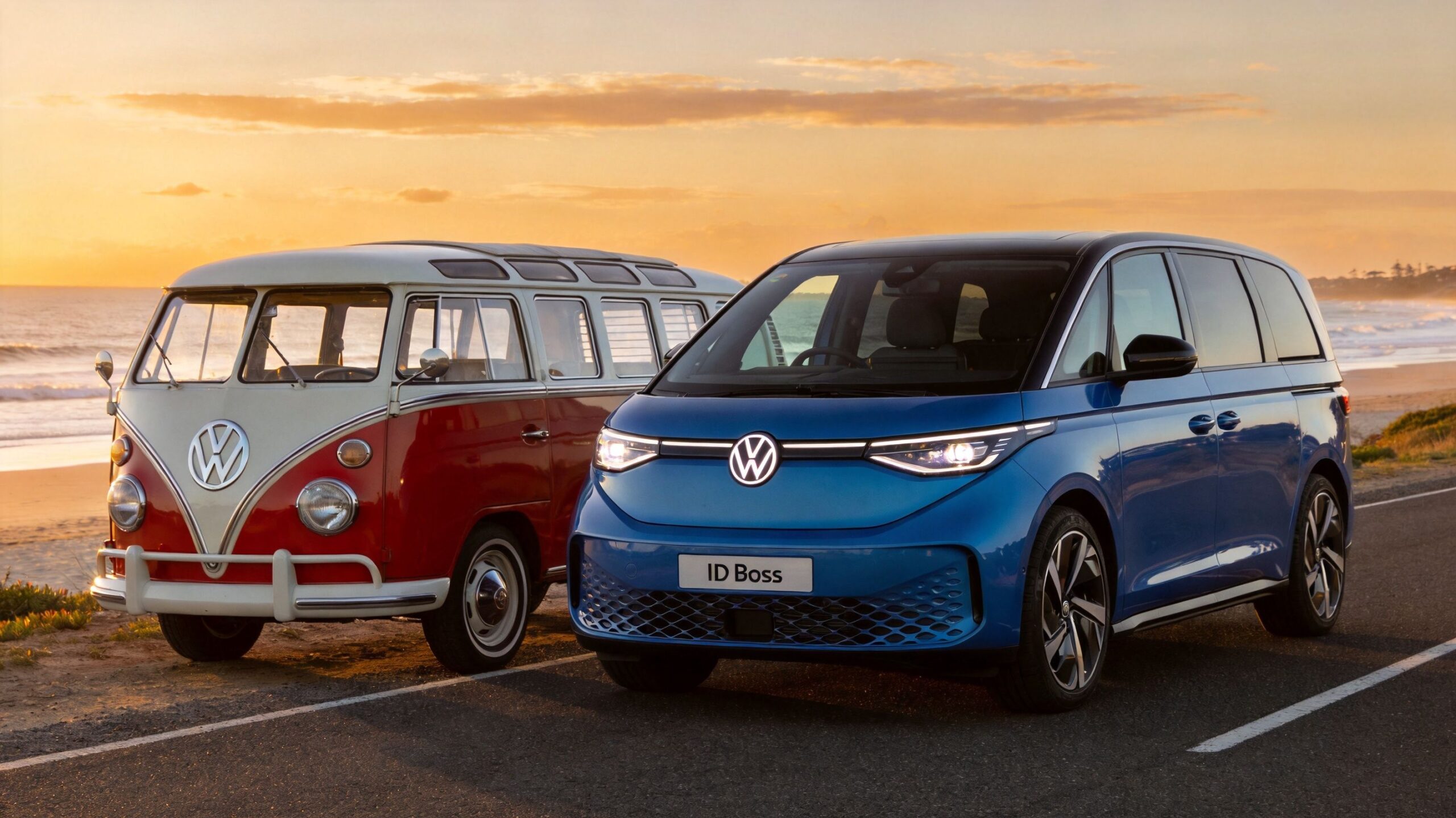
  • Water Pump & Thermostat Housing: The factory water pump and its thermostat housing are made of plastic that can get brittle with age and heat cycles, eventually leading to leaks. It's a very common repair. When inspecting a car, have a good look around that area for any signs of pink or white crusty residue (dried coolant) or ask if the parts have already been replaced with updated versions.
  • DSG Service: If you’re eyeing up a car with the fantastic 6-speed DSG gearbox, its service history is non-negotiable. The transmission requires a fluid and filter change every 60,000 kilometres, like clockwork. A missing DSG service in the logbook is a huge red flag and a good reason to walk away.
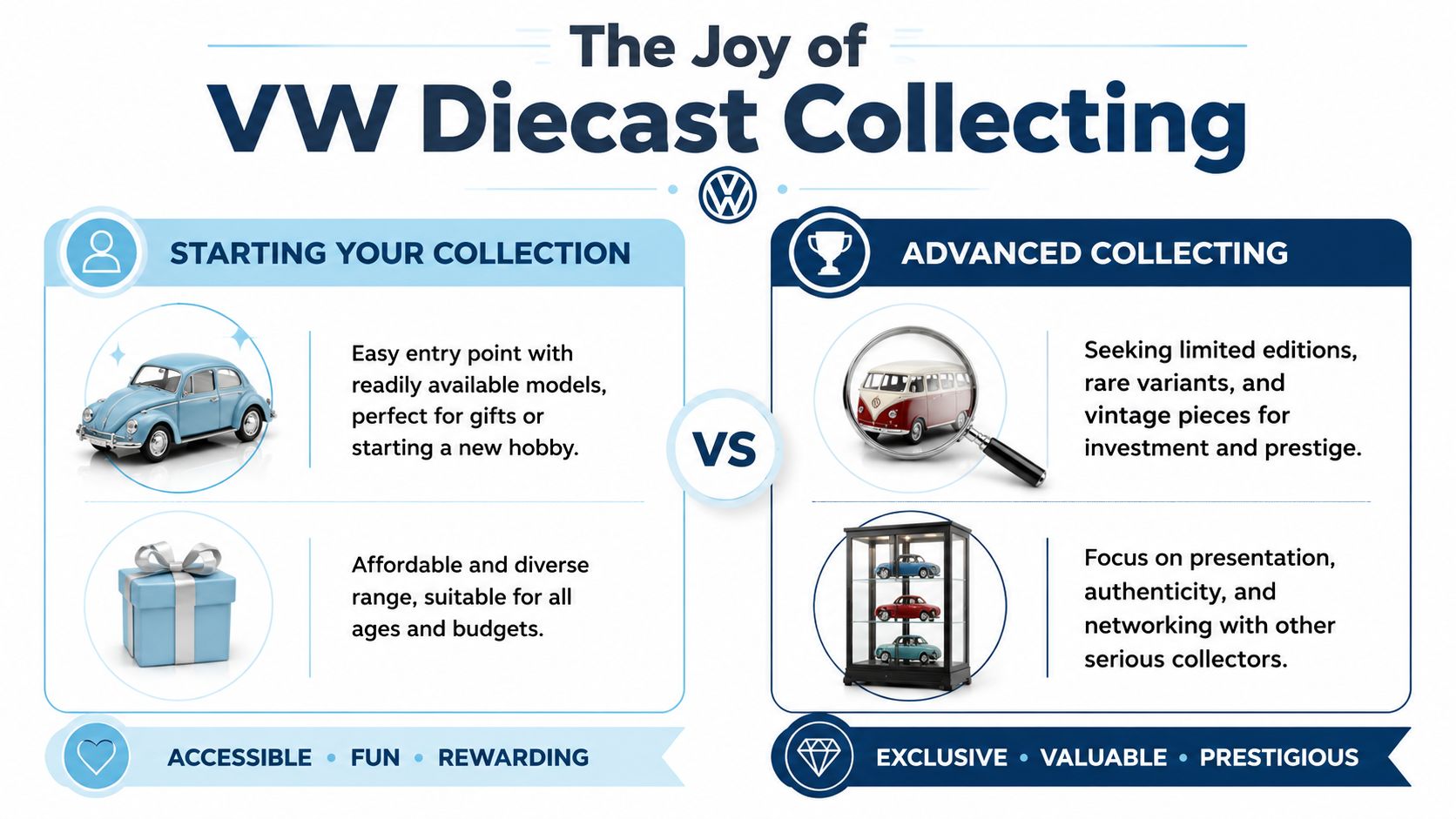
Don’t let this list put you off. Think of it as your pre-purchase checklist. A car with records showing these have been sorted is a sign of a diligent owner and a well-cared-for machine.
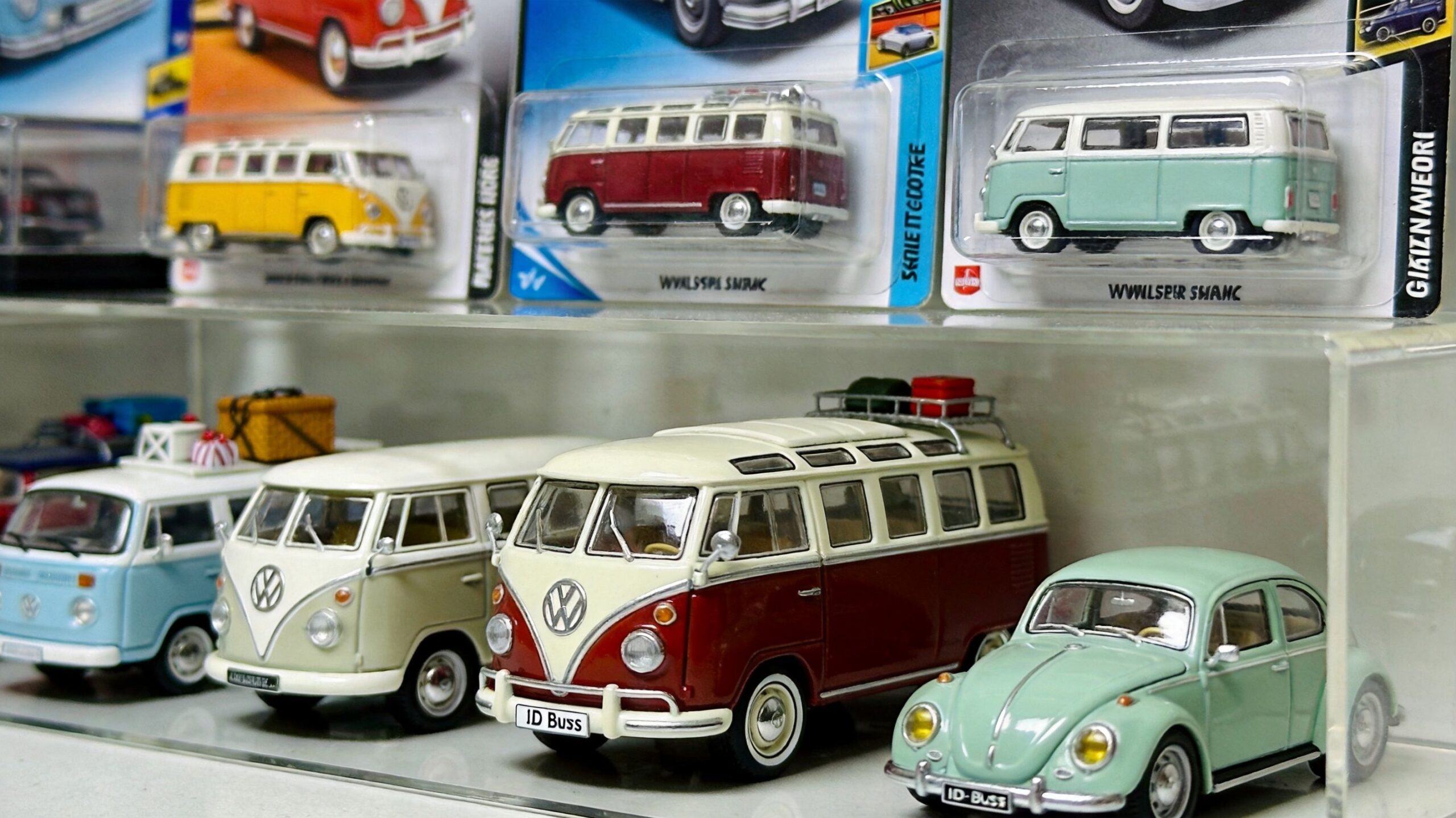
Knowing these points puts you in the driver's seat during the buying process. You can inspect a car with confidence, knowing exactly where to look and what to ask. It's all part of being a responsible owner. For more general chats about the VW scene and ownership stories, feel free to check out other articles on our VW Memorabilia blog.

Unlocking Performance with Popular Modifications

The Mk6 GTI is a brilliant car right out of the box. But for many Aussie VW fans, that's just the starting point. The real fun begins when you start making it your own, and there's a huge tuning scene down under dedicated to getting a bit more performance out of this fantastic platform.

You can feel the potential simmering just beneath the surface from your very first drive. That’s why modifying the Golf GTI Mk6 is such a massive part of the ownership experience. It isn’t about correcting faults; it's all about dialling up the excitement and turning a great car into your perfect hot hatch.

Stage 1: The Gateway to More Grunt

The first stop for most owners is an ECU tune, commonly known as a "Stage 1" tune. You can think of it like a software patch for the car's engine management system. It tweaks parameters like fuel delivery, ignition timing, and turbo boost pressure to safely release the extra power VW left on the table.

This one modification can make a huge difference, often adding 20-30kW and a serious lump of extra torque. The car just feels stronger, pulling harder through every gear. A quality Stage 1 tune from a respected Aussie workshop really wakes the car up, making it feel more responsive without putting reliability at risk.

Of course, before you chase more power, you have to make sure the car is in good health. This decision tree is a great guide for the critical checks you should do before buying or modifying any Mk6 GTI.

Decision tree for MK6 GTI ownership, outlining pre-purchase inspection, timing chain, and carbon buildup checks.

Getting these basics right—especially checking that timing chain tensioner—is the key to building a reliable, high-performance car.

Beyond the Tune: Breathing and Handling

Once you get a taste of that extra grunt, it's hard to stop. The next logical steps involve hardware upgrades that help the engine breathe easier.

  • Performance Intake: Replacing the standard airbox with a high-flow intake lets the turbo gulp down more cool air. It not only helps make more power but also gives you a satisfying induction roar when you hit the accelerator.
  • High-Flow Downpipe: The downpipe connects the turbo to the rest of the exhaust. Fitting an aftermarket one with a better catalytic converter reduces backpressure, helping the turbo spool up quicker. When you combine this with a "Stage 2" tune, the Mk6 really comes alive.

It's not all about engine power, though. A balanced car is a fast car. Many owners invest in suspension parts like lowering springs or a full set of adjustable coilovers. This sharpens the handling and gives the car a tougher, more planted look.

This passion for customising the Golf GTI Mk6 is something we love in the memorabilia world. It's common for collectors to hunt down diecast models of modified GTIs, celebrating the creativity that defines the VW community. You can explore our range of Volkswagen diecast models for sale to find everything from pristine stock models to custom-tuned heroes.

Your Golf GTI Mk6 Questions Answered

We see the same questions popping up all the time at car meets and in online forums about the Golf GTI Mk6. Whether you're thinking of buying one, trying to keep yours in top shape, or just a fan of the model, here are the answers to the most common queries we hear from the Aussie VW community.

What Is a Fair Price for a Golf GTI Mk6 in Australia?

This is always the big question, isn't it? The market for the Mk6 GTI has found its groove, but the price can swing quite a bit depending on a few key things. For a solid, honest car with reasonable kilometres (think 120,000–180,000 km) and a good service history, you’ll be looking at prices between $12,000 and $18,000.

You might see mint-condition, low-kilometre cars—especially limited editions or ones with extras like the 18-inch Detroit wheels and sunroof—climb over the $20,000 mark. At the other end, cars with higher k's that need a bit of TLC can sometimes be found for under $10,000, but just be ready for some upcoming maintenance costs.

How Reliable Is the Mk6 GTI's DSG Gearbox?

The 6-speed DSG is a fantastic bit of engineering when it's looked after. It’s known for those lightning-fast shifts that make the car feel so sharp and responsive. The key to its reliability, though, comes down to one thing: regular maintenance.

The number one rule for a healthy DSG is getting the fluid and filter changed every 60,000 kilometres. Don't skip it. This is the single most important service for the gearbox's long-term health.

When issues like jerky shifts or hesitation do appear, it’s almost always because a service was missed or the mechatronics unit—the gearbox's electronic brain—is on its way out. A stamped logbook showing on-time DSG services is a huge green flag.

How Does the Mk6 Compare to the Mk5 and Mk7?

The Mk6 is really the perfect blend of its older and younger siblings. It took the raw, playful character of the Mk5 and refined it, wrapping it all in a sharper, more premium package with a much nicer interior.

Put it next to the later Mk7, and the Mk6 feels a bit more analogue and connected. The Mk7 brought in more tech and a lighter chassis, making it quicker and more efficient, but many drivers miss the slightly heavier, more hydraulic steering feel of the Mk6. Honestly, each one has its own unique charm.

What Are the Best Brands for Golf GTI Mk6 Diecast Models?

For any collector, a miniature Golf GTI Mk6 is a great way to show some appreciation for the car. If you're looking for quality, you can't go wrong with brands like Norev, Solido, or IXO Models. These manufacturers produce officially licensed models with fantastic attention to detail, right down to the correct wheel designs and tartan seat patterns.

A good diecast replica will have crisp paint, clear badges, and true-to-life proportions. We have a hand-picked selection of high-quality Volkswagen diecast models for sale right here on our site, so you can be sure you’re getting an authentic model for your collection.


Ready to celebrate the spirit of Volkswagen? Here at Volkswagen Memorabilia, we've gathered a brilliant collection of diecast models and VW-themed gifts that are perfect for any enthusiast. Click here to explore our full shop and find your next favourite piece today.