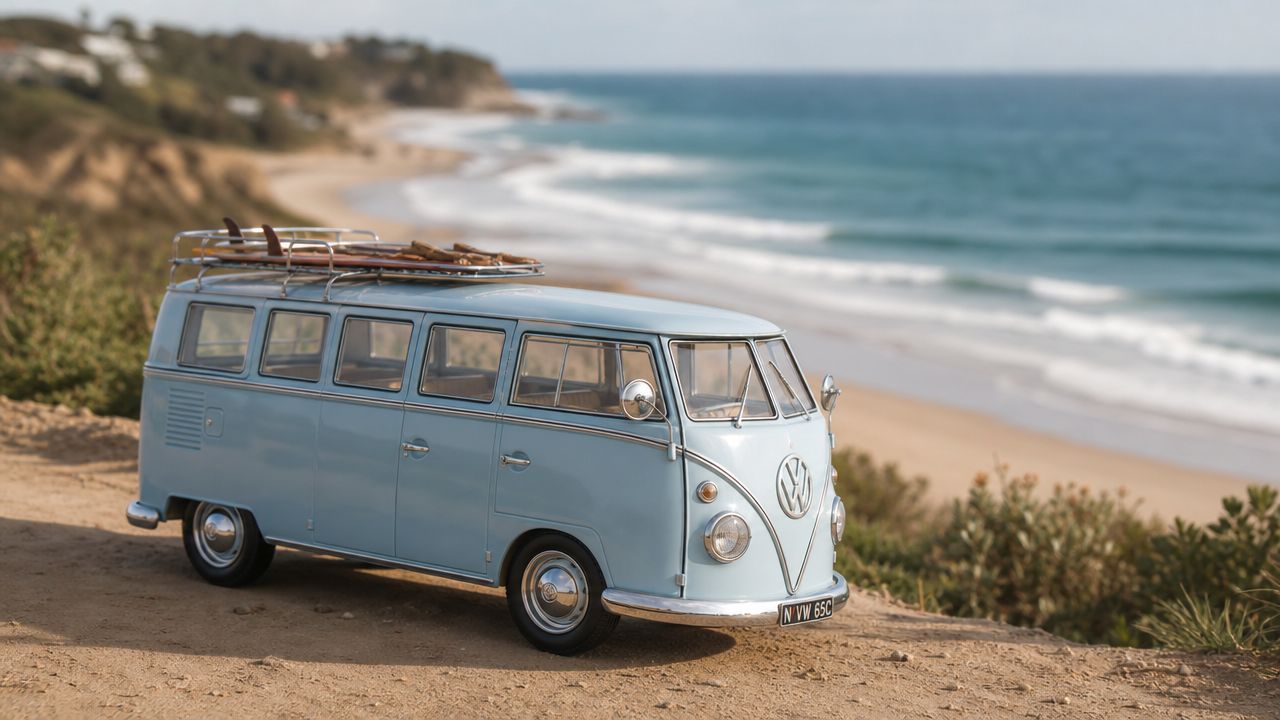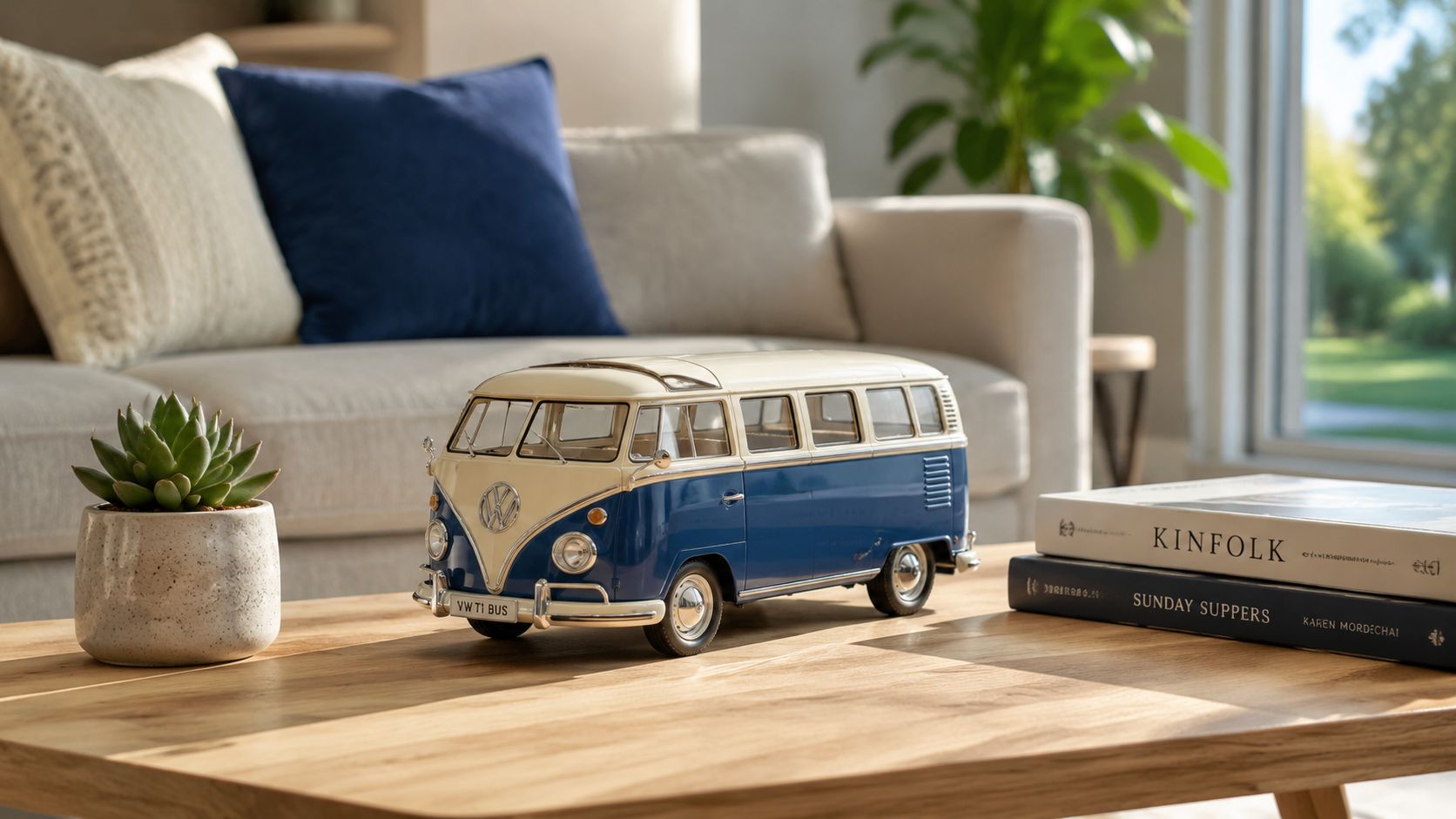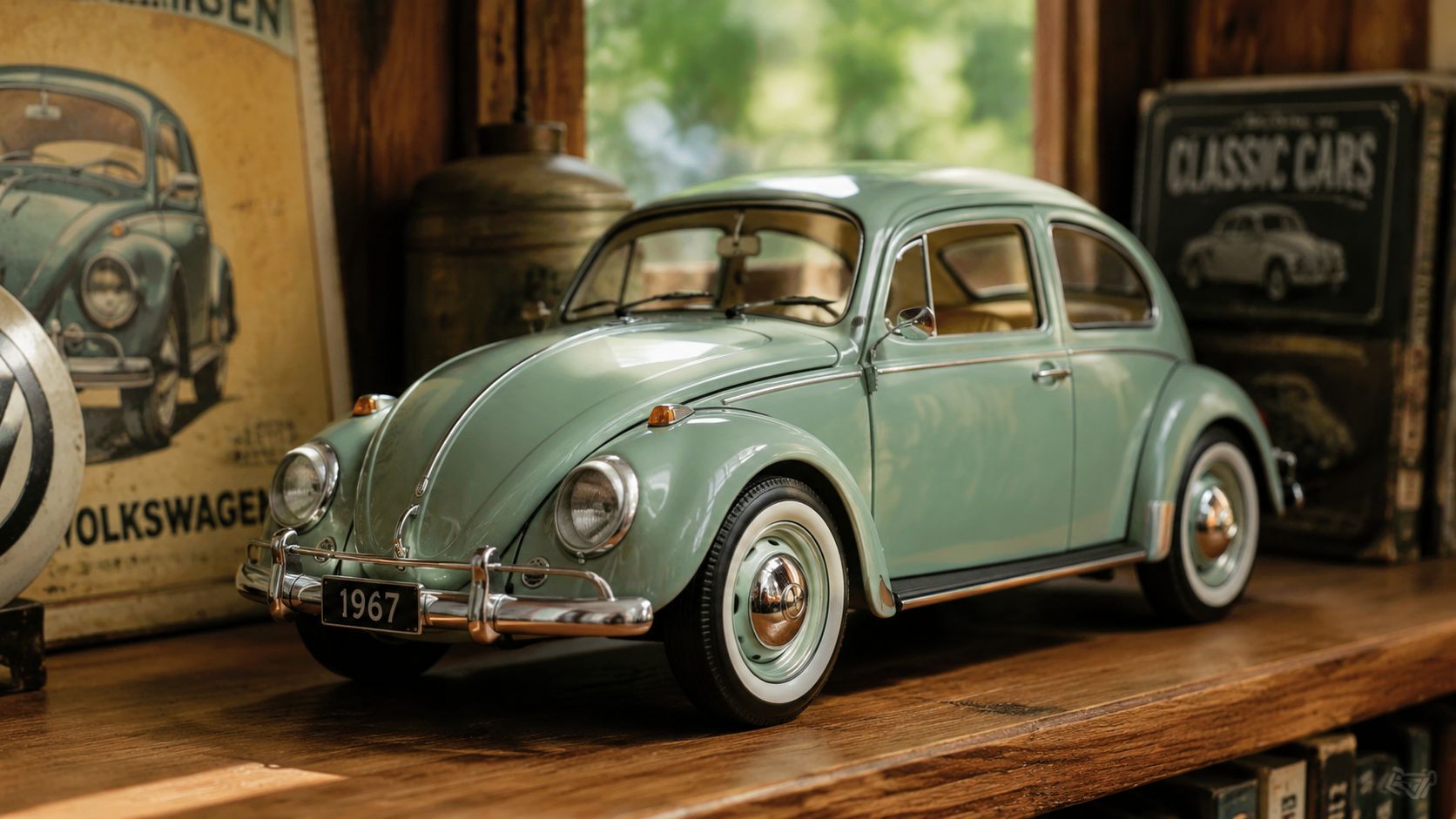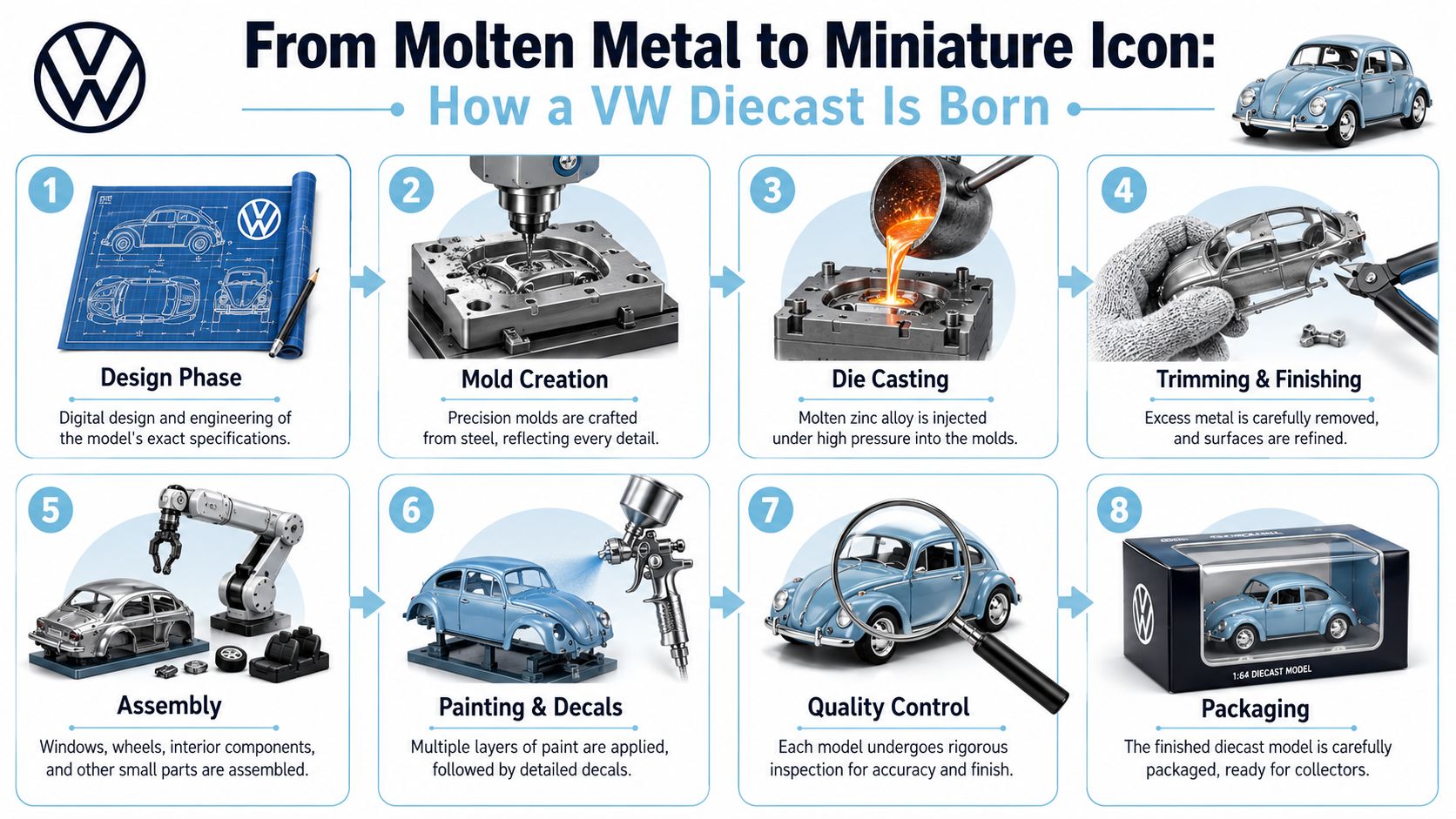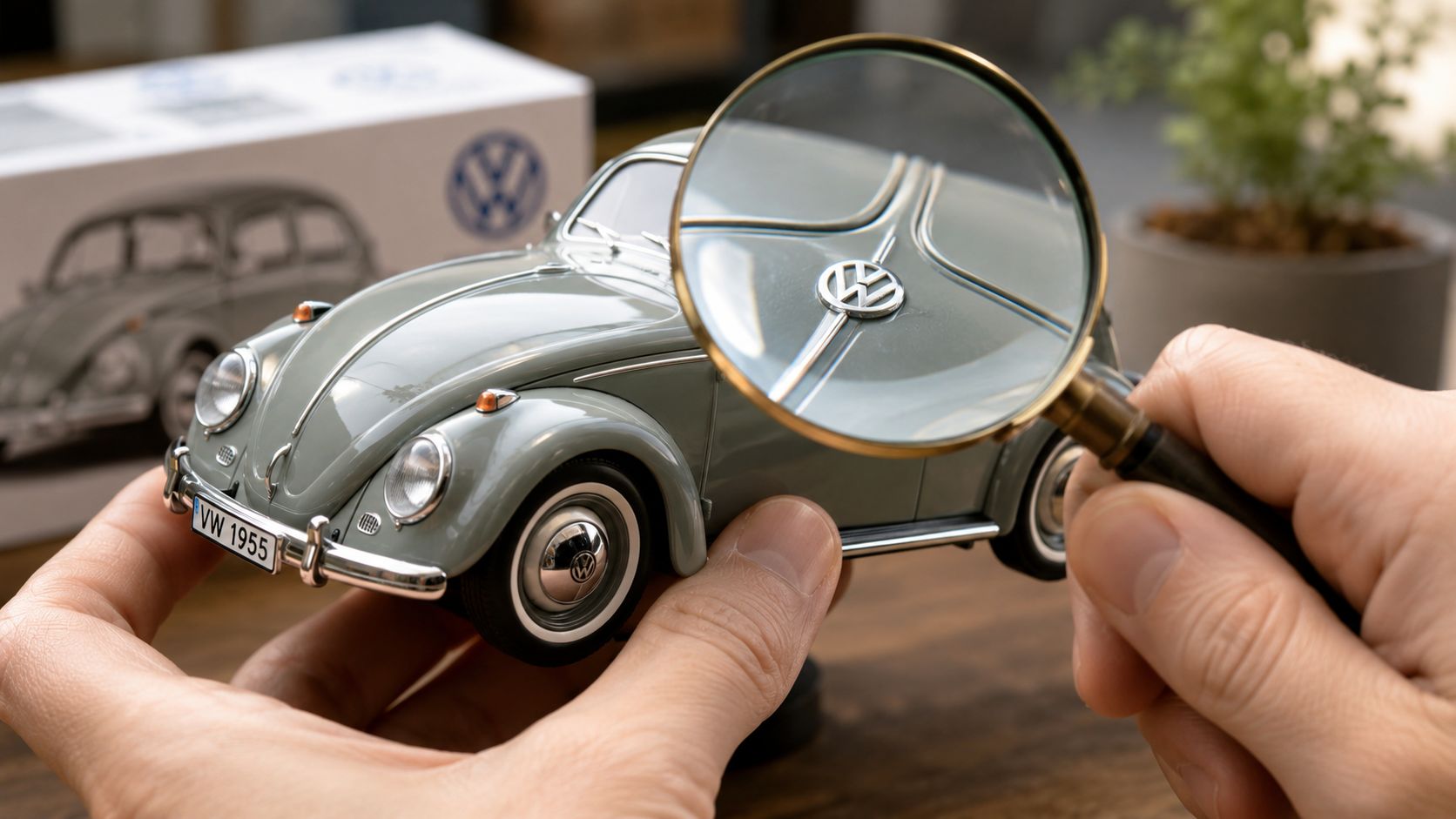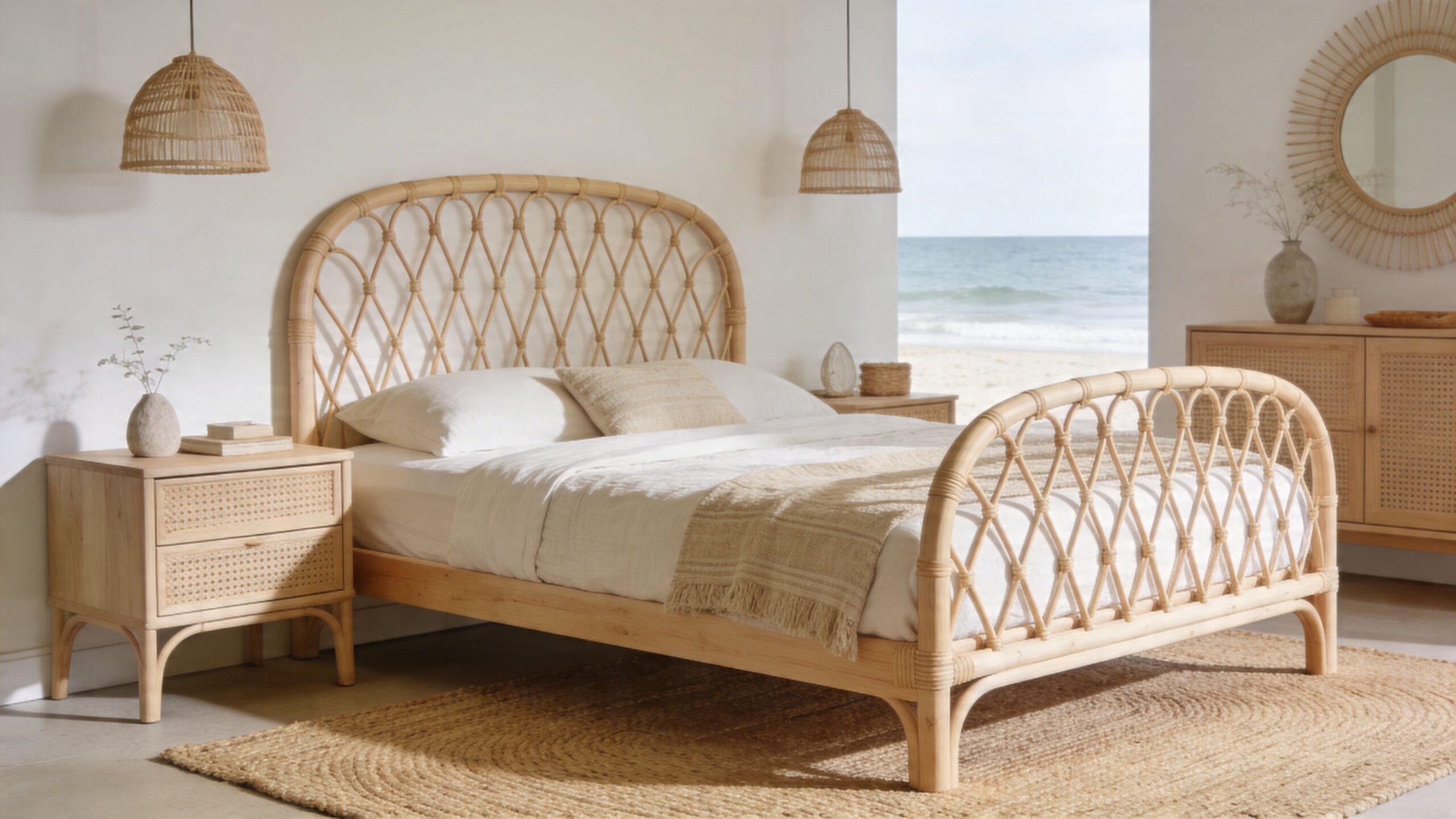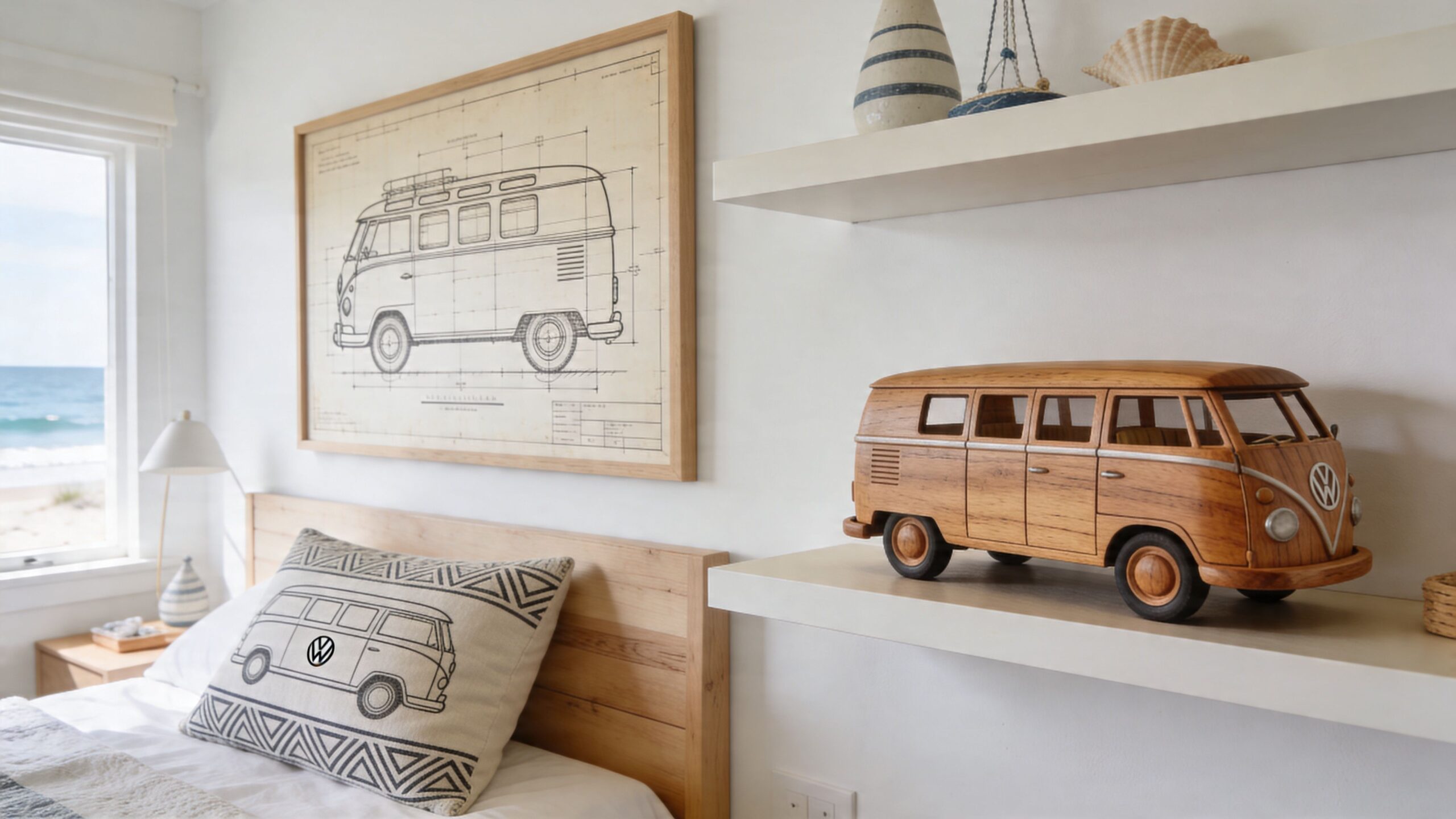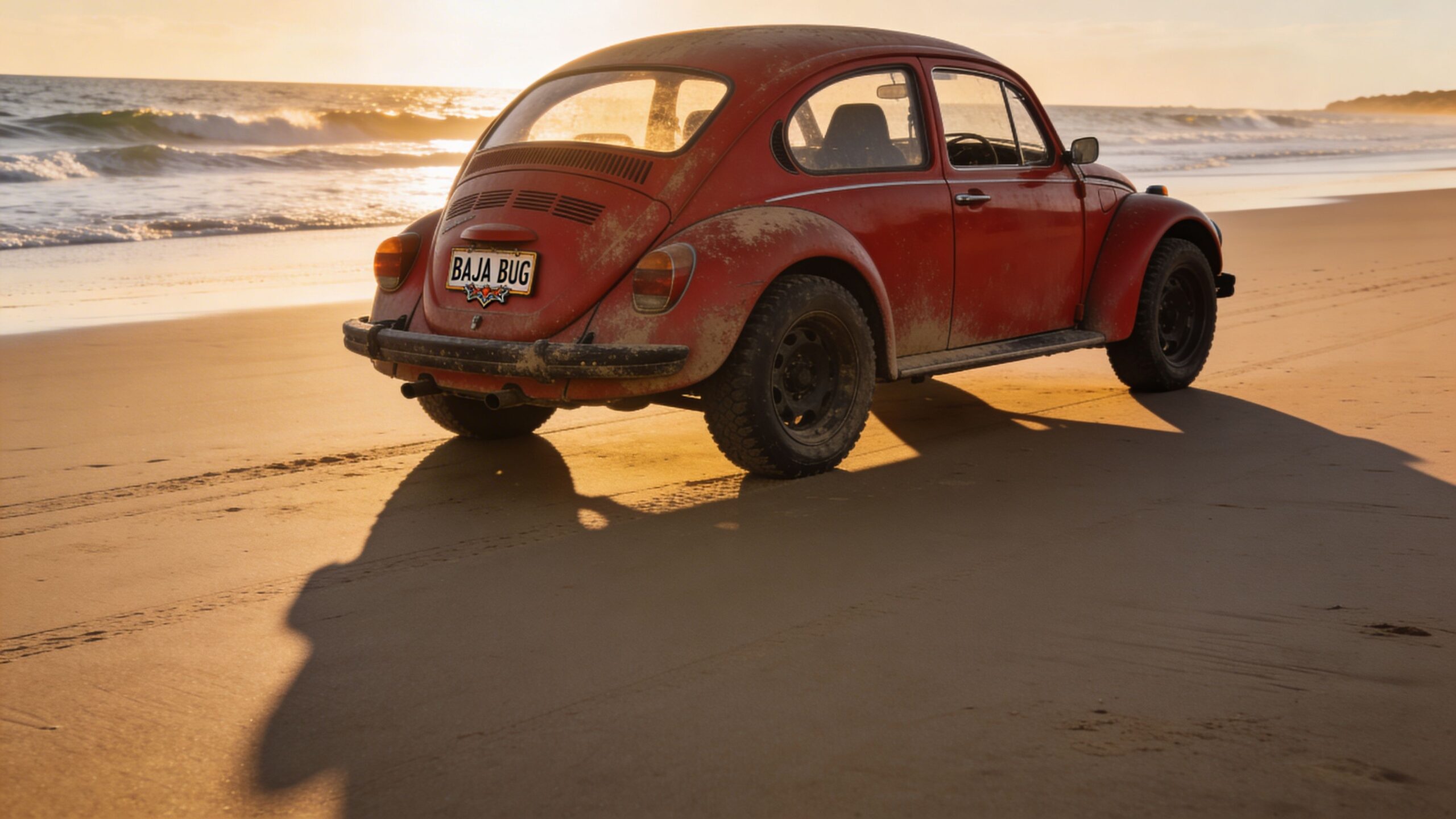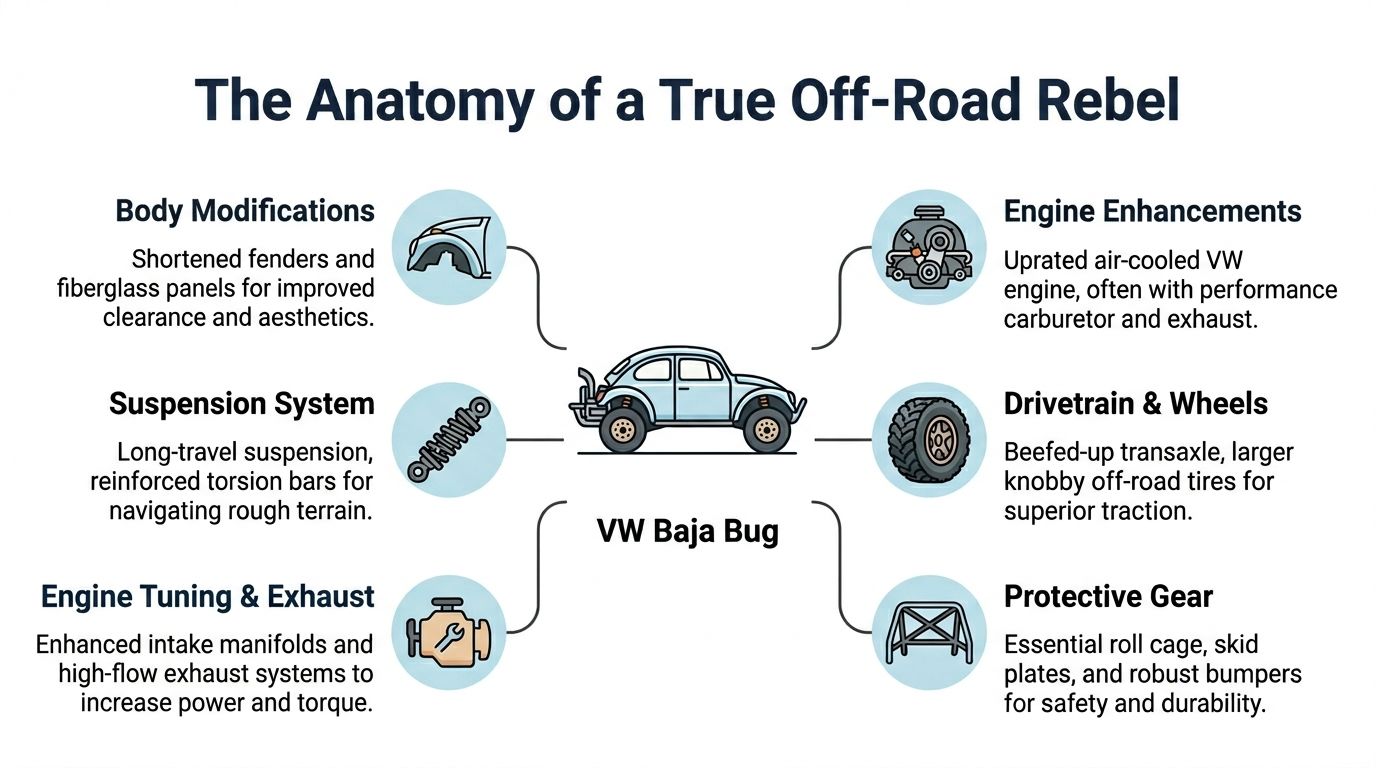
Your Guide to VW Home Decoration Items

You know the scene. You've come home from a Sunday run in the Beetle, there's still a bit of salt in the air from the coast, and your favourite photo from the last VW meet is sitting on your phone instead of on the wall where it belongs. The garage feels full of story. The lounge room, not so much.

That's usually where the decorating itch starts for VW people.

Not because you want your house to look like a theme park café, but because classic Volkswagens carry a kind of memory with them. A Kombi parked near the dunes. A Beetle in faded pastel paint. A dash full of sun. Those shapes, colours and little design details belong indoors just as much as they do on the road. The trick is knowing which home decoration items tell that story well, and which ones just create clutter.

Bringing the Adventure Indoors

A mate of mine has a weathered blue Kombi he only takes out on clear weekends. Inside his home, he didn't want number plates and signs everywhere. He wanted the place to feel like the same person lived there who owned the van. So he started small. One framed coastal print above a timber console. A cream Beetle model on a shelf. A bowl of shells picked up on trips up the coast. Suddenly the room made sense.

That's the sweet spot.

VW-inspired home decoration items work best when they feel lived with, not staged. A home with a classic Volkswagen connection should carry the same charm as the cars themselves. Honest materials, rounded forms, a bit of nostalgia, and enough breathing room that each piece gets noticed.

Why VW decor feels personal

A Kombi or Beetle isn't just transport. It's road trips, family stories, surf checks, first restorations, long chats at car shows, and that one part you hunted down for months. Bringing that spirit indoors means choosing pieces that remind you of movement and memory.

A good room often starts with one question. What story am I trying to tell here?

  • Beach run story. Use sandy colours, ocean blues, driftwood tones, and a Kombi print that feels sun-faded rather than loud.
  • Garage nostalgia story. Bring in metal finishes, old workshop textures, and a licensed diecast model or two with proper detail.
  • Collector story. Give your favourite pieces space. A shelf with one Beetle model and a framed photo can say more than a packed cabinet.

A room doesn't need to shout “Volkswagen” to feel unmistakably VW.

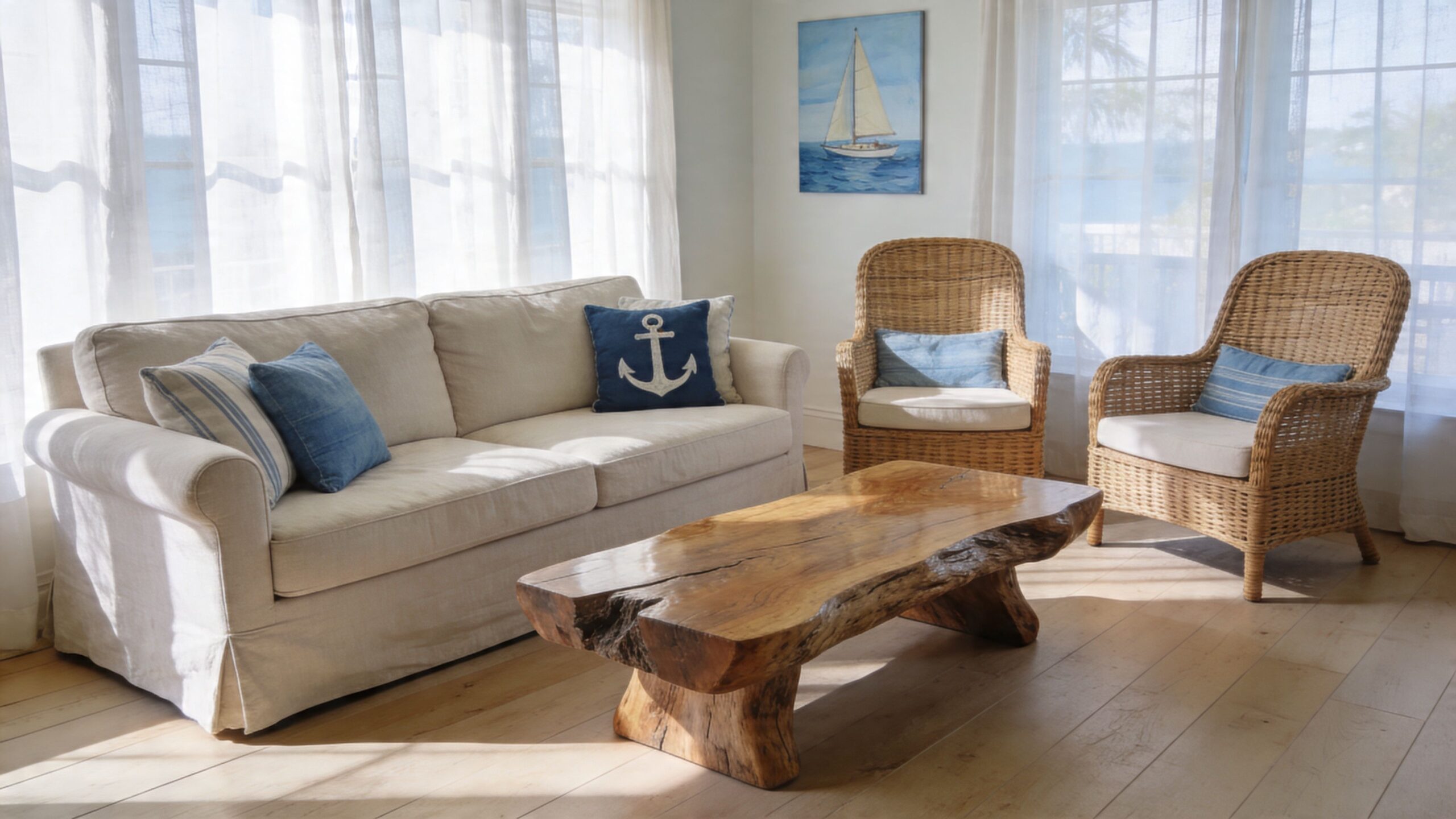
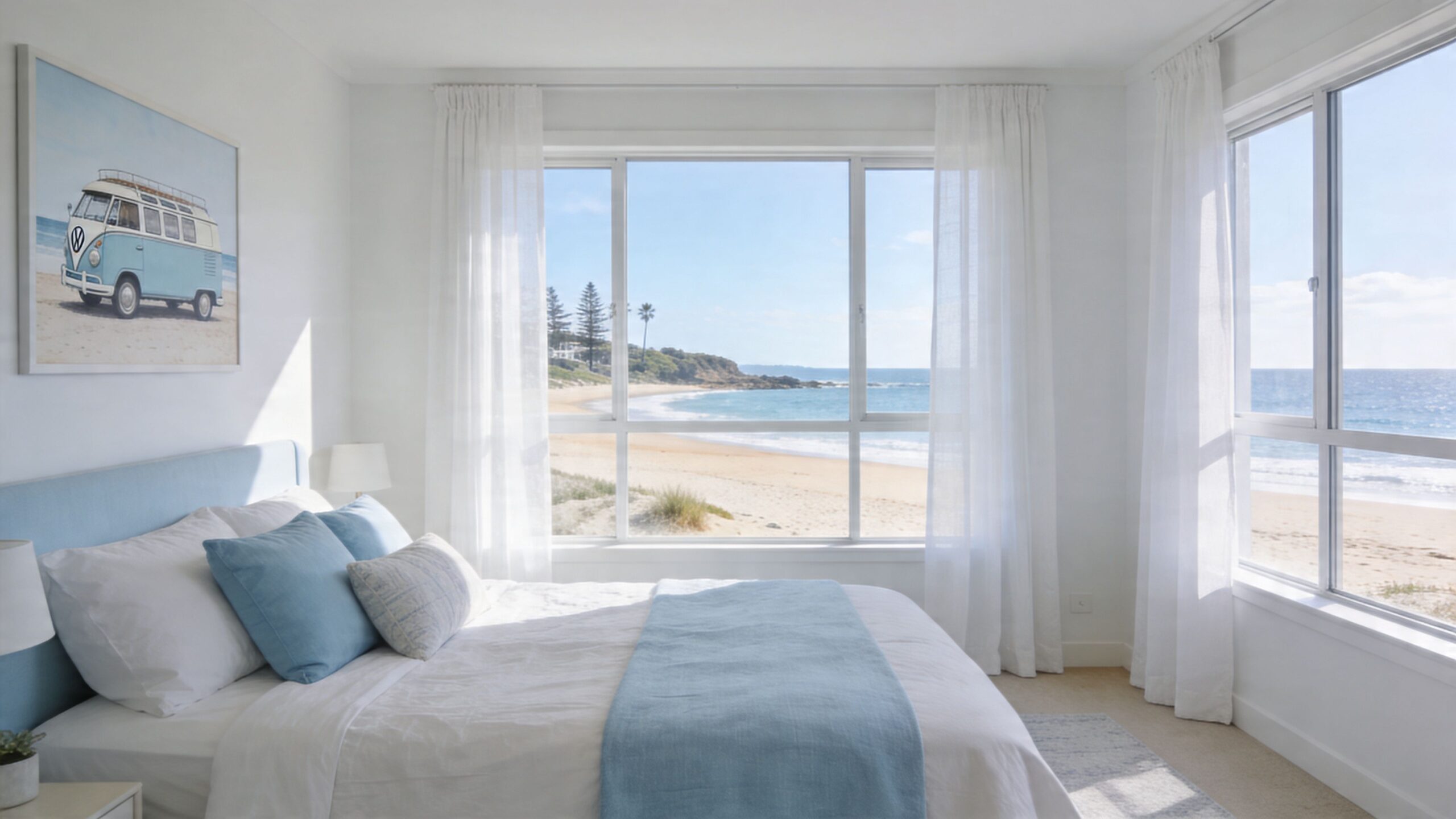
For a lot of Aussie homes, especially near the coast, that story sits beautifully beside relaxed beach style. Timber, linen, white walls and natural fibres calm the room down, while a classic Beetle or Samba Bus detail adds personality. That balance is what keeps the space cool instead of kitschy.

Decor Categories for the VW Enthusiast

The Australian market for home decoration items isn't tiny or passing. It's a serious retail category. Revenue in the Australian home décor market is projected to hit US$6.31 billion in 2026, with annual growth of 2.86%, which points to steady demand for products that personalise living spaces, including themed décor and wall accents, according to Australian home décor market projections.

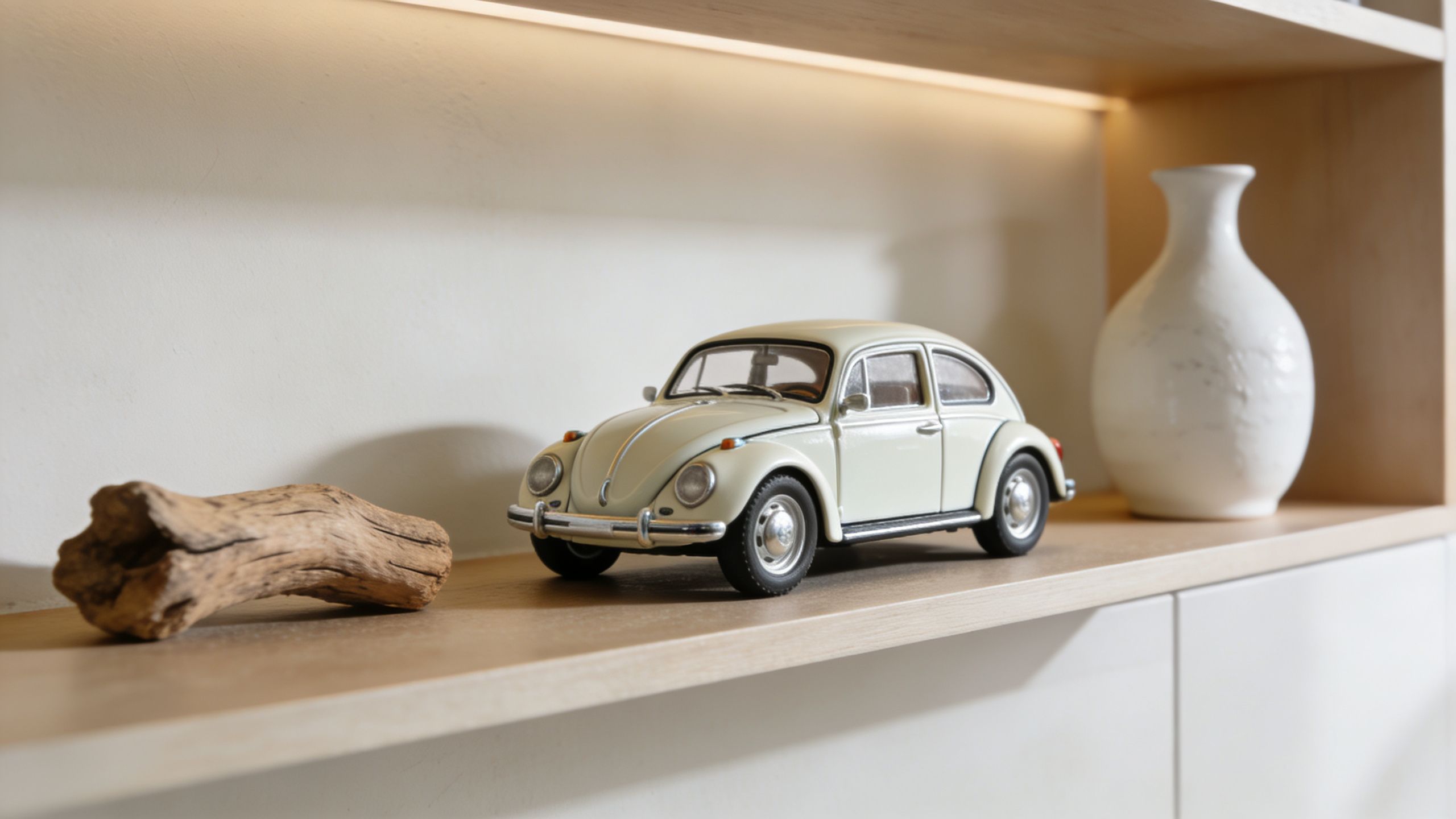
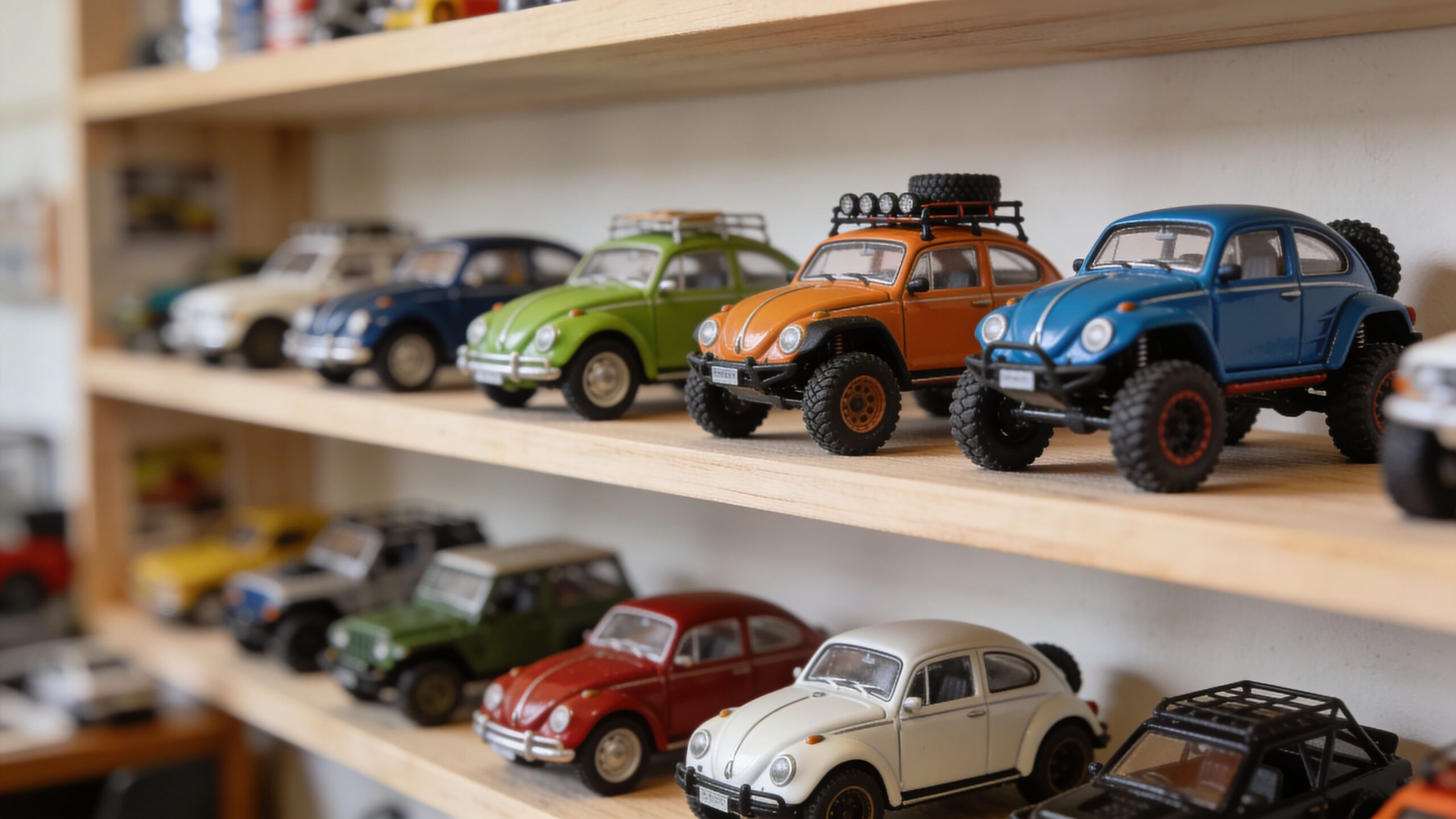
A miniature white vintage Volkswagen Beetle car model sits on a minimalist wooden shelf next to a decorative vase.

Wall art that sets the tone

Start with the walls, because they do the heavy lifting.

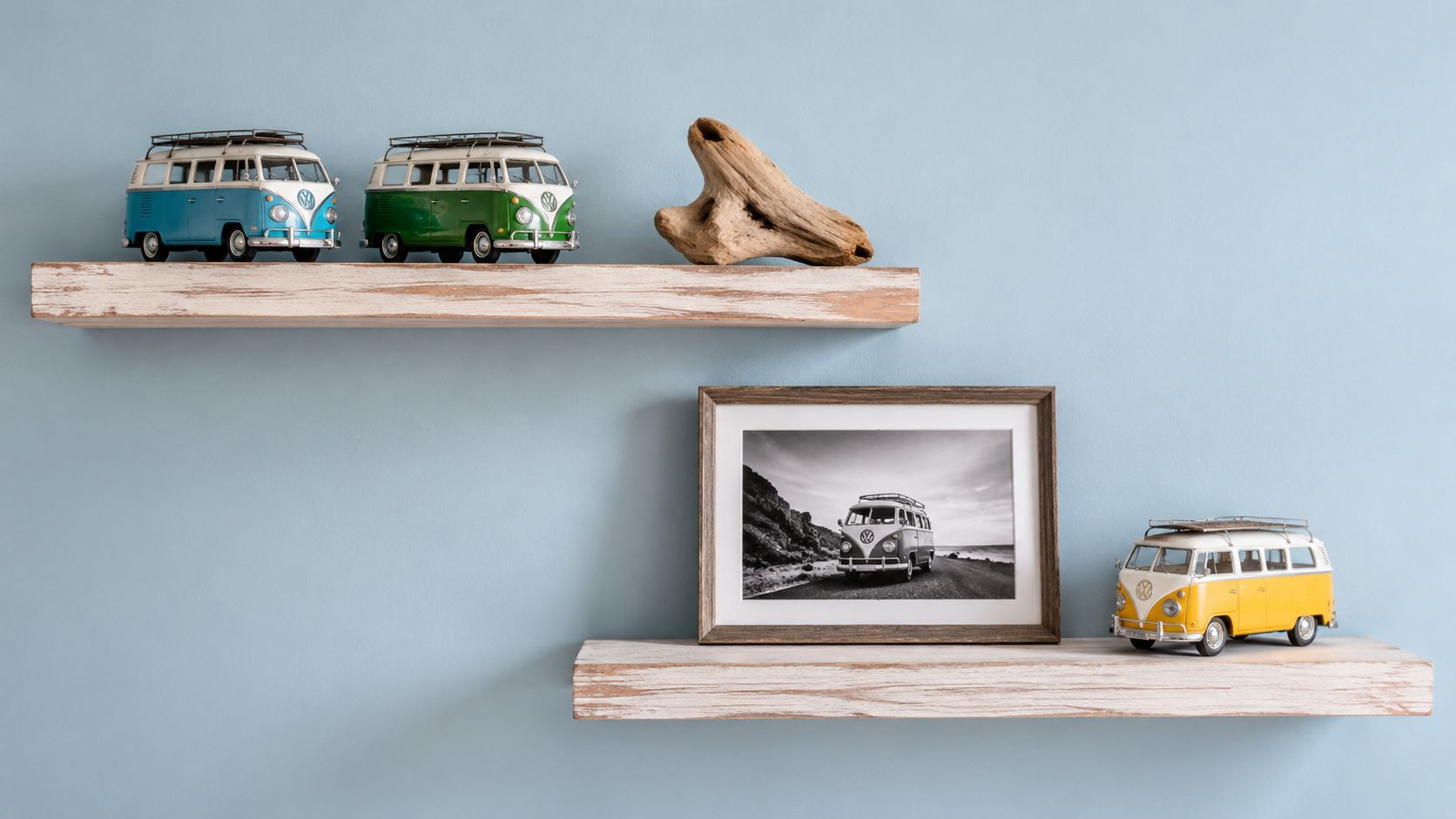
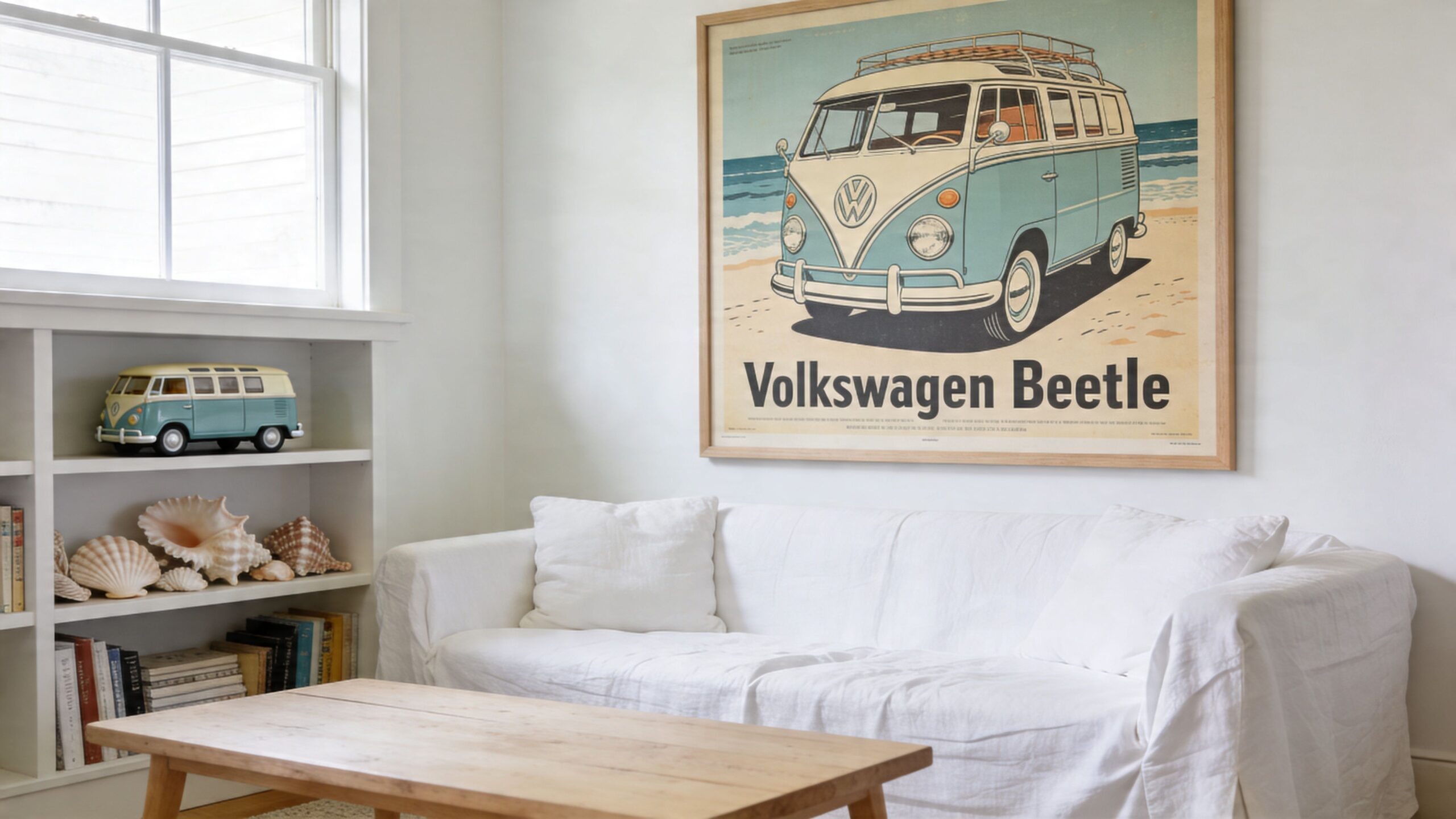
A framed print of a split-screen Kombi at the beach can anchor an entire room. So can vintage-style Volkswagen advertising artwork, surf photography, or a simple coastal scene in the same colour family as your car collection. If the room already has timber furniture and pale upholstery, wall art is often the easiest way to introduce VW character without overloading the space.

Good pairings look like this:

Room feel Wall art choice Why it works
Calm coastal lounge Soft-toned Kombi beach print Adds nostalgia without breaking the relaxed mood
Home office or study Framed Beetle artwork or garage photo Feels focused and personal
Entryway Narrow print, sign, or small framed series Gives a quick hint of the theme without crowding the space

Shelf pieces and collectible displays

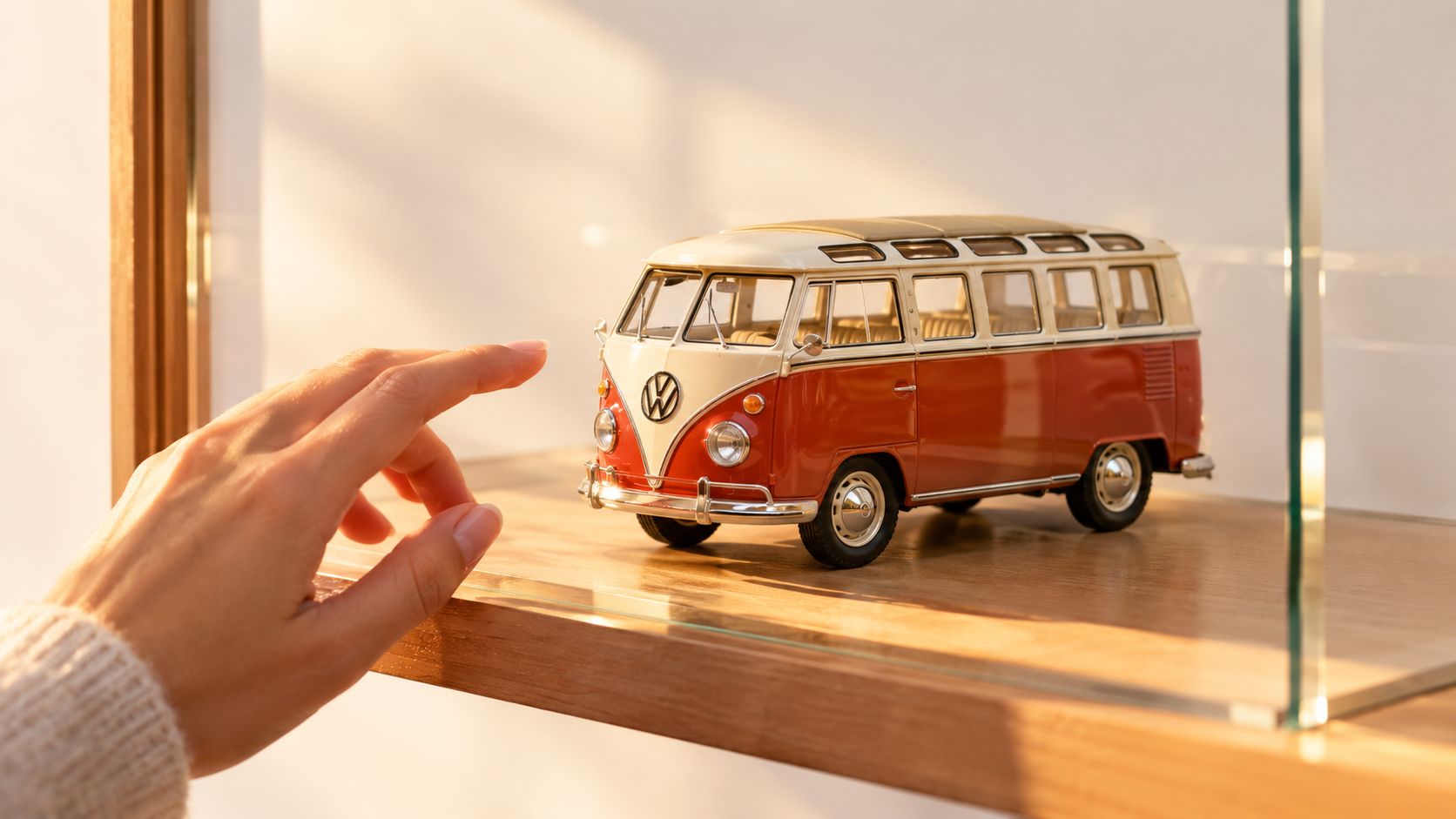
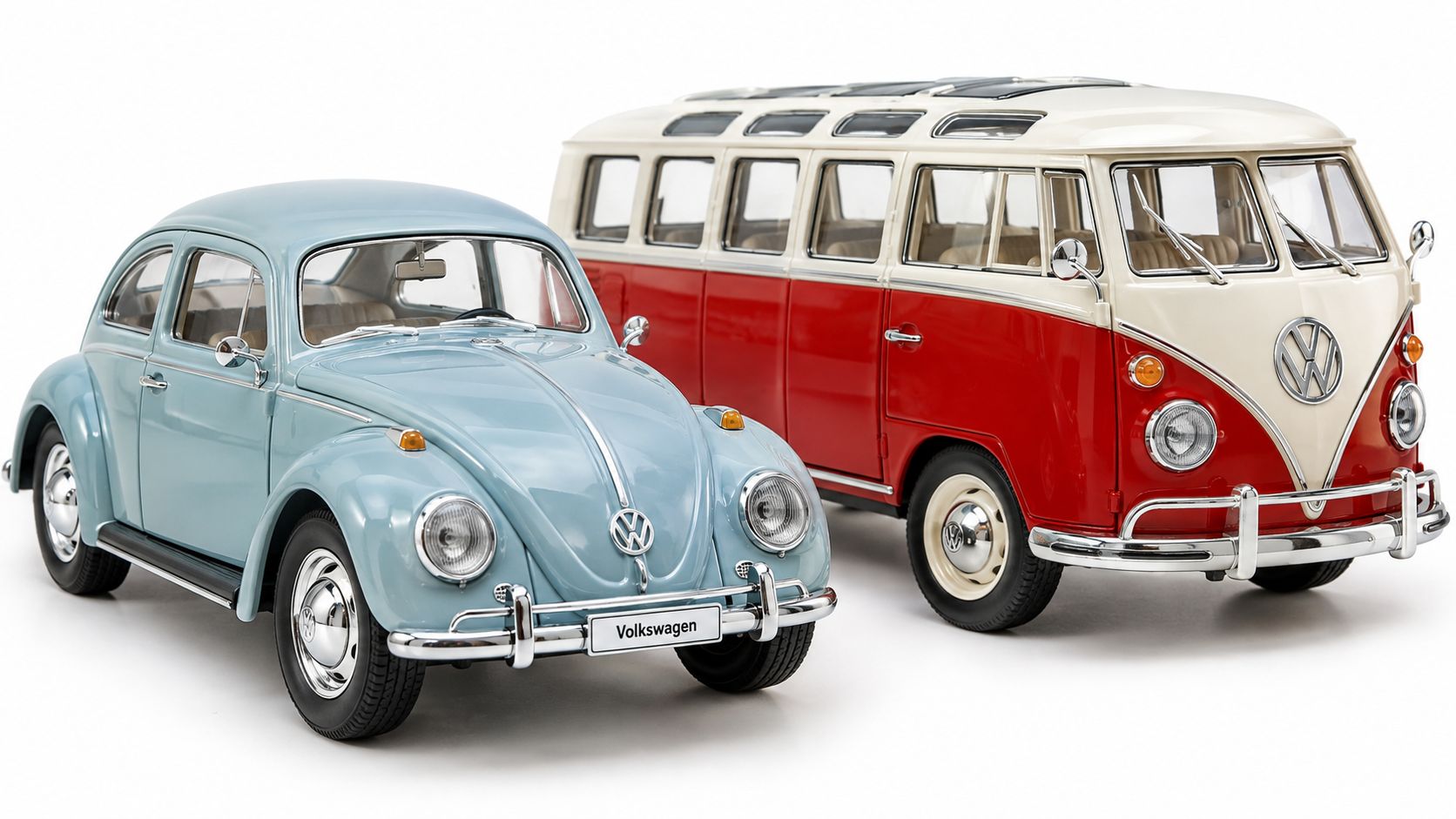
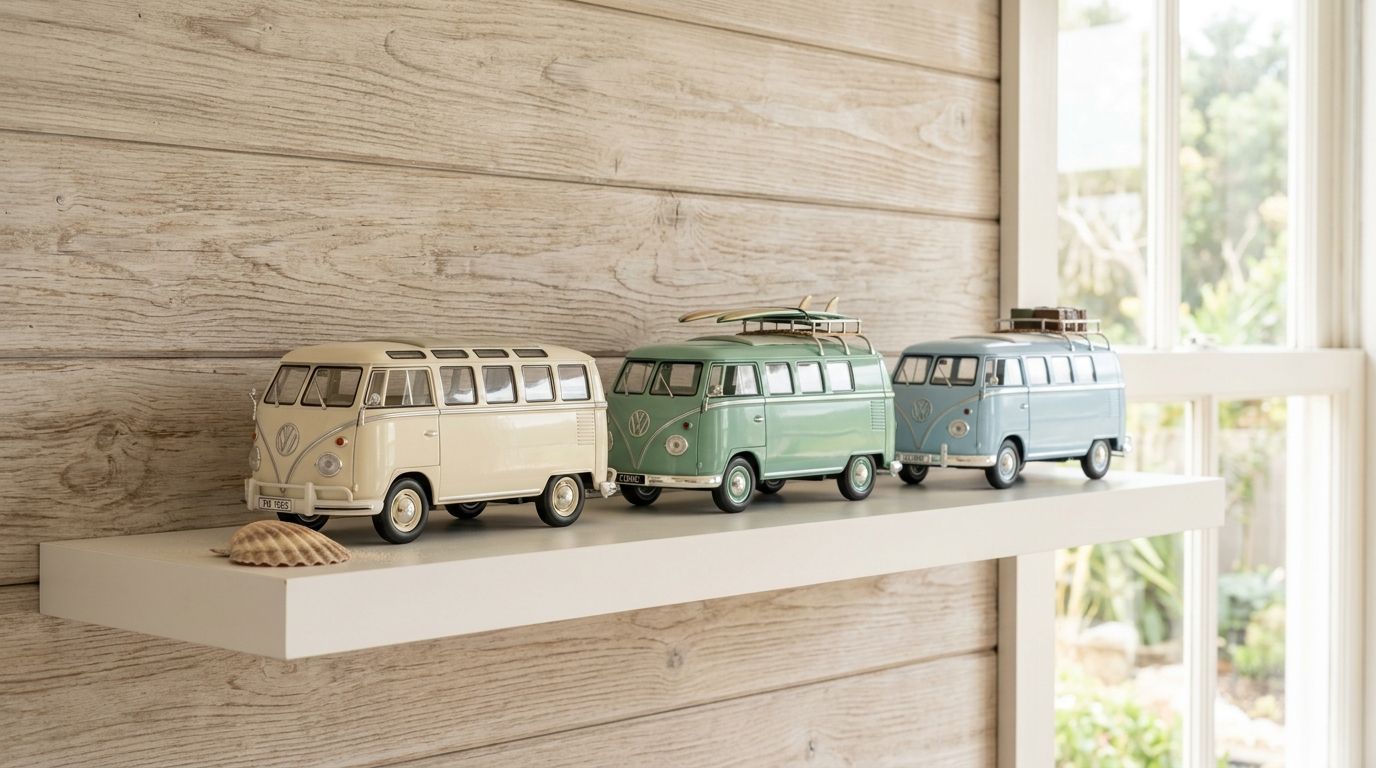
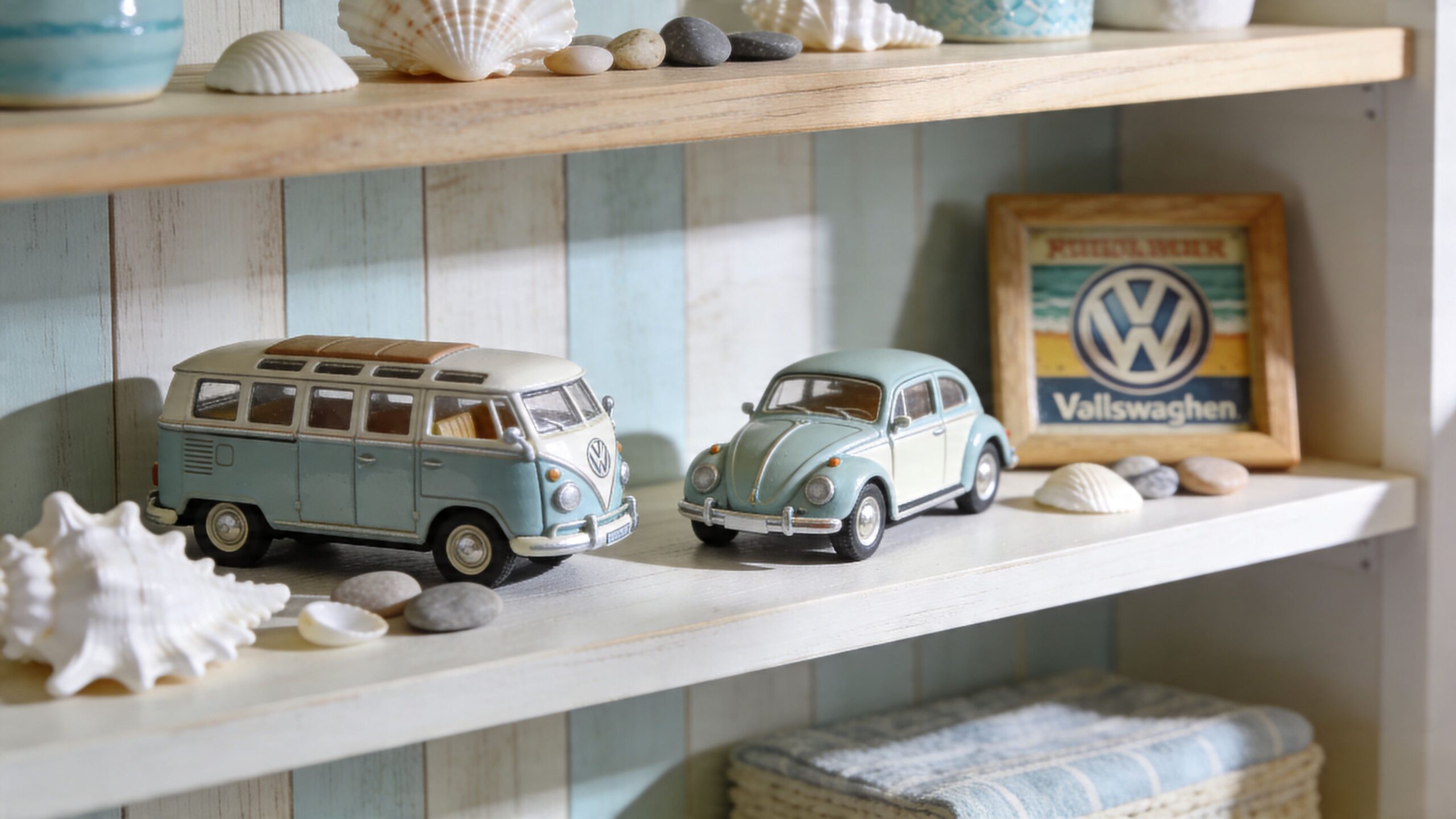
Many enthusiasts already have a head start in this area. Diecast Beetles and Kombis aren't just collectibles. They're sculptural objects with colour, shape and story built in.

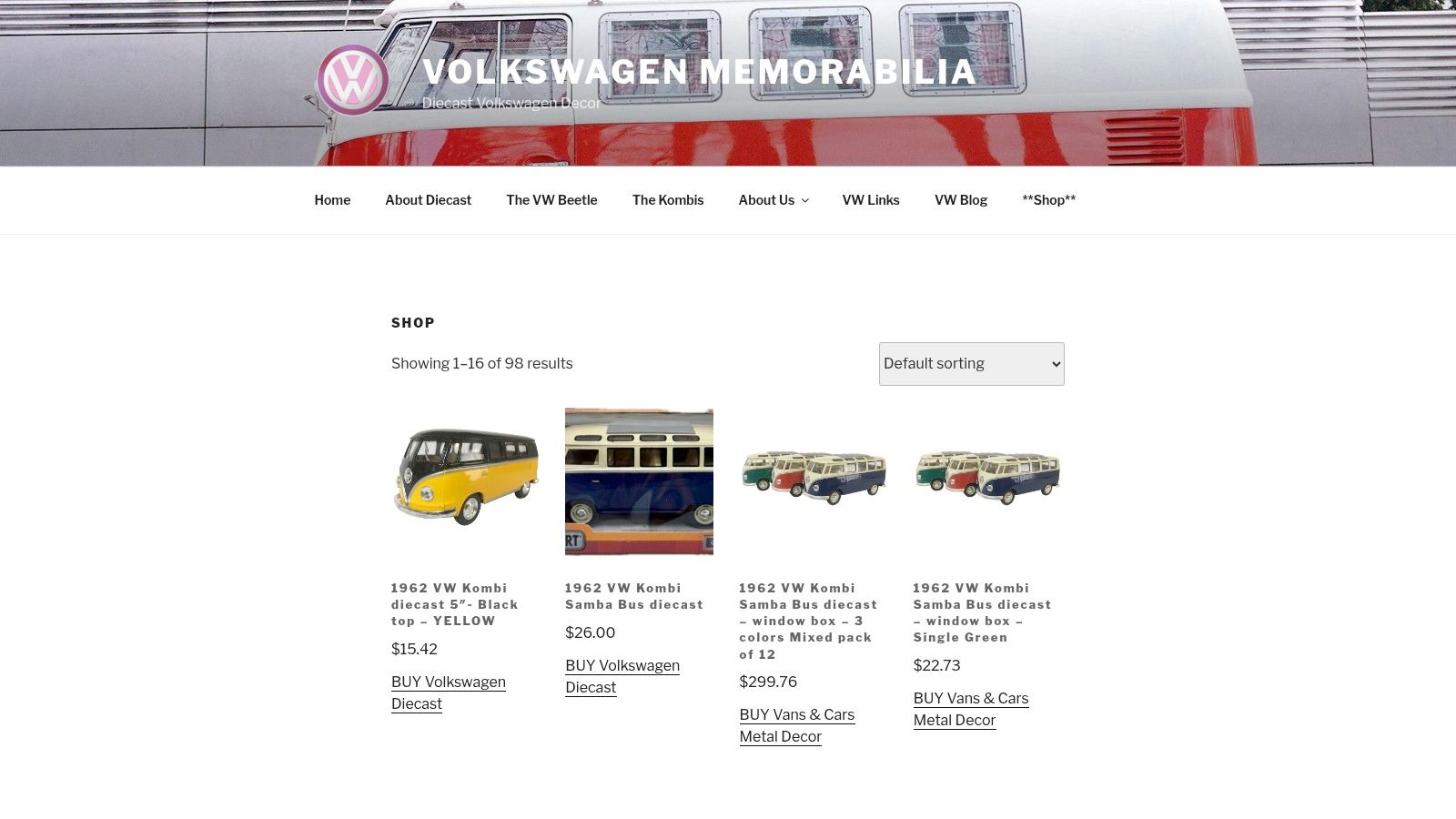
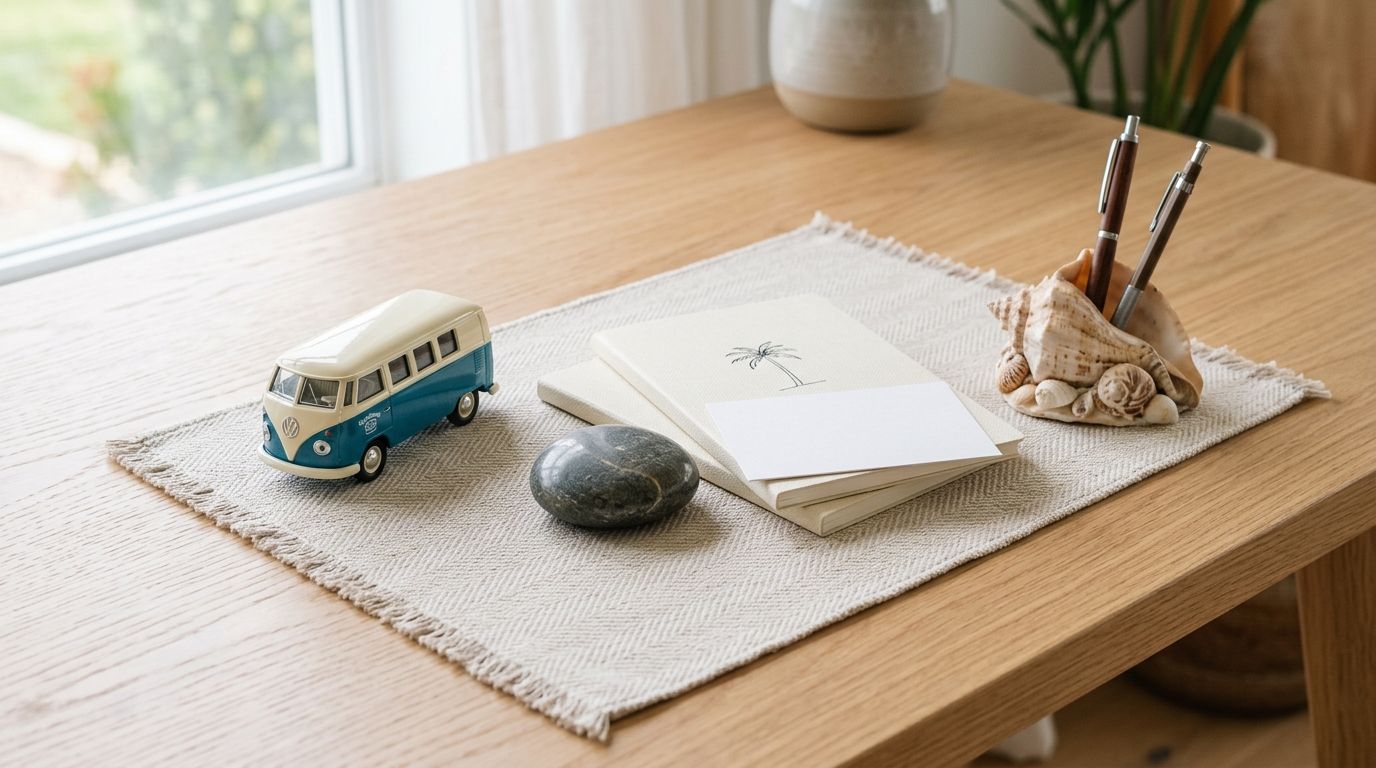
A single model on a floating shelf can do more than a handful of random ornaments. Place it beside a small stack of motoring books, a ceramic vase, or a beach stone picked up on holiday and it feels intentional. If you're after browseable options, the shop collection of VW-themed home décor gives you a sense of how these pieces can sit alongside frames, magnets and coastal accents.

Functional items with character

Some of the best home decoration items earn their place.

Think photo frames, decorative trays, tabletop pieces, small lanterns, key holders, or magnets displayed on a retro-style metal board in the kitchen. A Beach Board Photo Frame, for example, can carry both the coastal mood and the travel-memory feel that suits VW culture so well.

Use functional décor in rooms that need warmth:

  • Entry console. Tray for keys, small framed VW photo, one coastal accent.
  • Kitchen nook. Magnet display, mini model, and a timber bowl.
  • Bedroom shelf. One framed print, one Beetle model, soft textiles.

Textiles that soften the look

Hard surfaces alone can make a themed room feel like a display case. Cushions, throws and light fabrics fix that quickly.

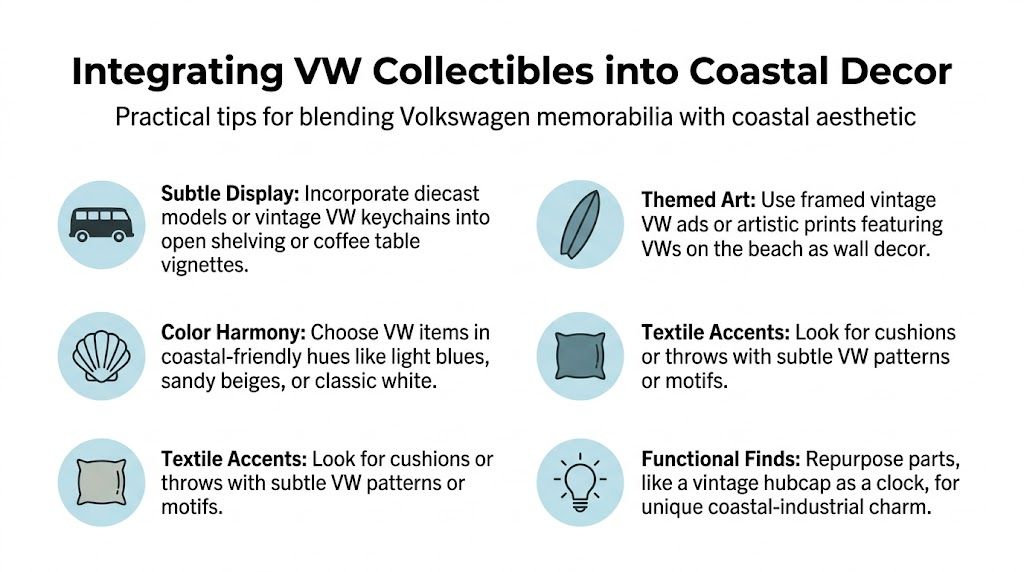
Choose linen, cotton, jute or wicker textures in off-white, faded blue, sage, sand or sun-washed mustard. Those tones let brighter pieces, like a red Beetle model or colourful Kombi print, stand out without taking over. The room still feels like home first, collection second.

Mixing VW Nostalgia with Coastal Cool

The easiest mistake with coastal VW decorating is trying to prove the theme too hard. Anchors, surfboards, shell garlands, model vans, beach signs, navy stripes, all in one room. That's when the space starts to feel like a souvenir shop.

The better approach is restraint. Design guidance for coastal rooms recommends using strong nautical motifs sparingly, with one or two statement items carrying the look while smaller objects repeat the same colour and finish language for a relaxed, uncluttered result, as noted in coastal styling guidance.

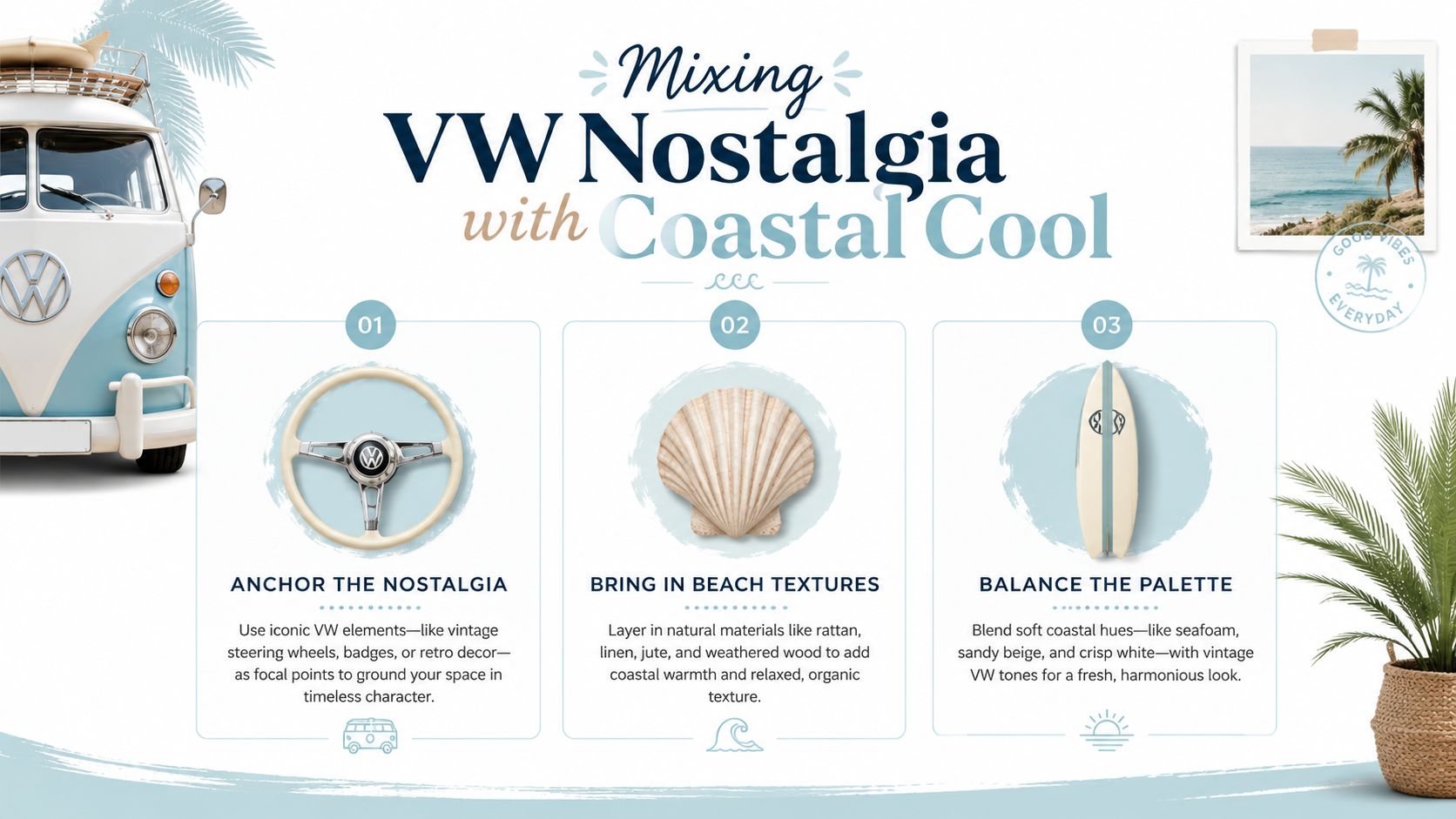
A graphic design guide showing how to mix VW nostalgia with coastal cool home decoration themes.

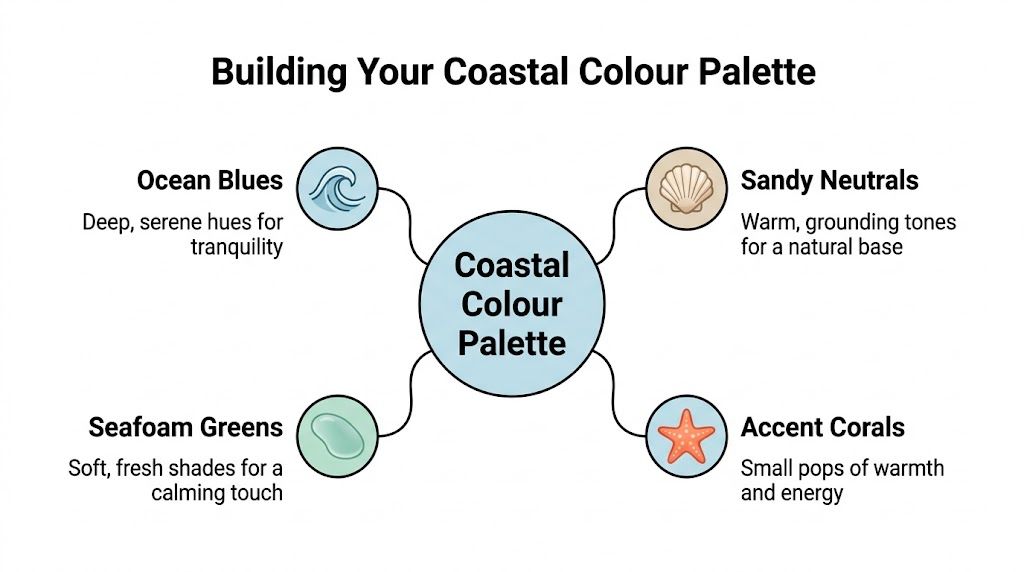
Start with colour, not objects

Think of the room like an old Kombi paint chart parked beside the beach.

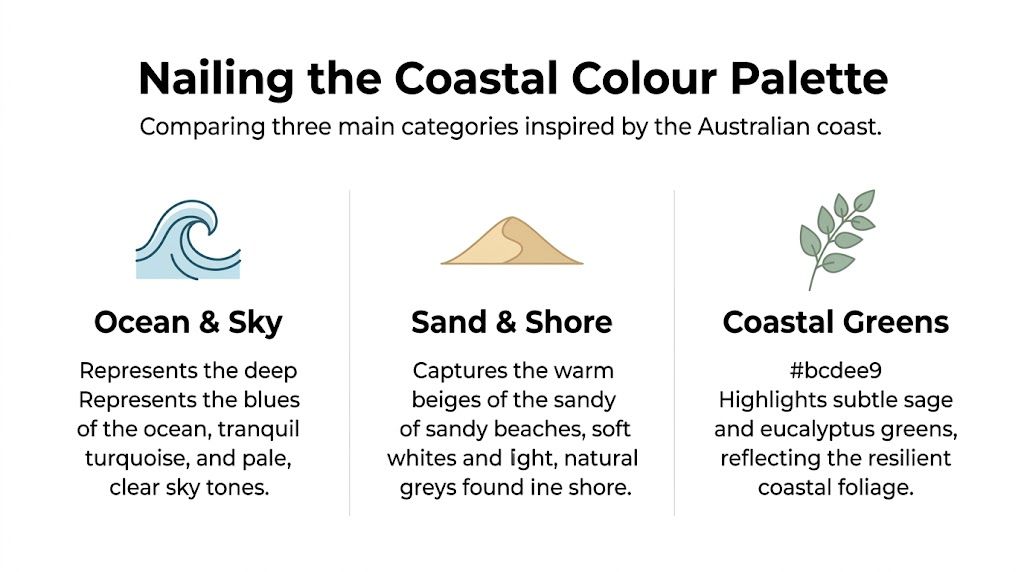
Cream, sea-glass blue, sandy beige, faded white, weathered timber, and touches of cheerful colour work beautifully. If you've got a bright yellow Beetle model or a Flower Power Kombi piece, let it be the pop against calmer surroundings. Don't ask every item in the room to compete.

A simple palette might look like this:

  • Base colours. White, oat, driftwood, pale stone
  • Coastal layer. Soft blue, muted aqua, seafoam
  • VW accent. Mustard, cherry red, pastel green, or classic cream

Mix materials like you'd style a good display stand

Metal diecast models look sharper when they sit against texture.

Weathered timber shelves, rattan baskets, linen cushions, glass vases and woven mats all soften the crisp finish of a Volkswagen model. That contrast is what gives the room depth. The model becomes part of the styling, not an afterthought dropped onto a shelf.

Styling rule: pair one smooth surface, one natural texture, and one nostalgic object in each vignette.

That could mean a cream Beetle model, a woven coaster stack, and a sea-blue glass vase on a timber sideboard. Or a framed Kombi print above a wicker chair with a neutral throw.

Let one piece lead

Every good room needs a lead singer.

In a lounge room, that might be a large Kombi canvas, a driftwood-framed coastal print, or a prominent shelf display of one special Samba Bus model. Once that piece is set, the smaller items should echo it subtly. A magnet on a side table, a frame on the shelf, a small coastal ornament. Enough repetition to create rhythm, not enough to feel crowded.

If you'd like a visual feel for that blend, the coastal living room ideas for VW fans page captures the kind of laid-back balance many collectors are chasing.

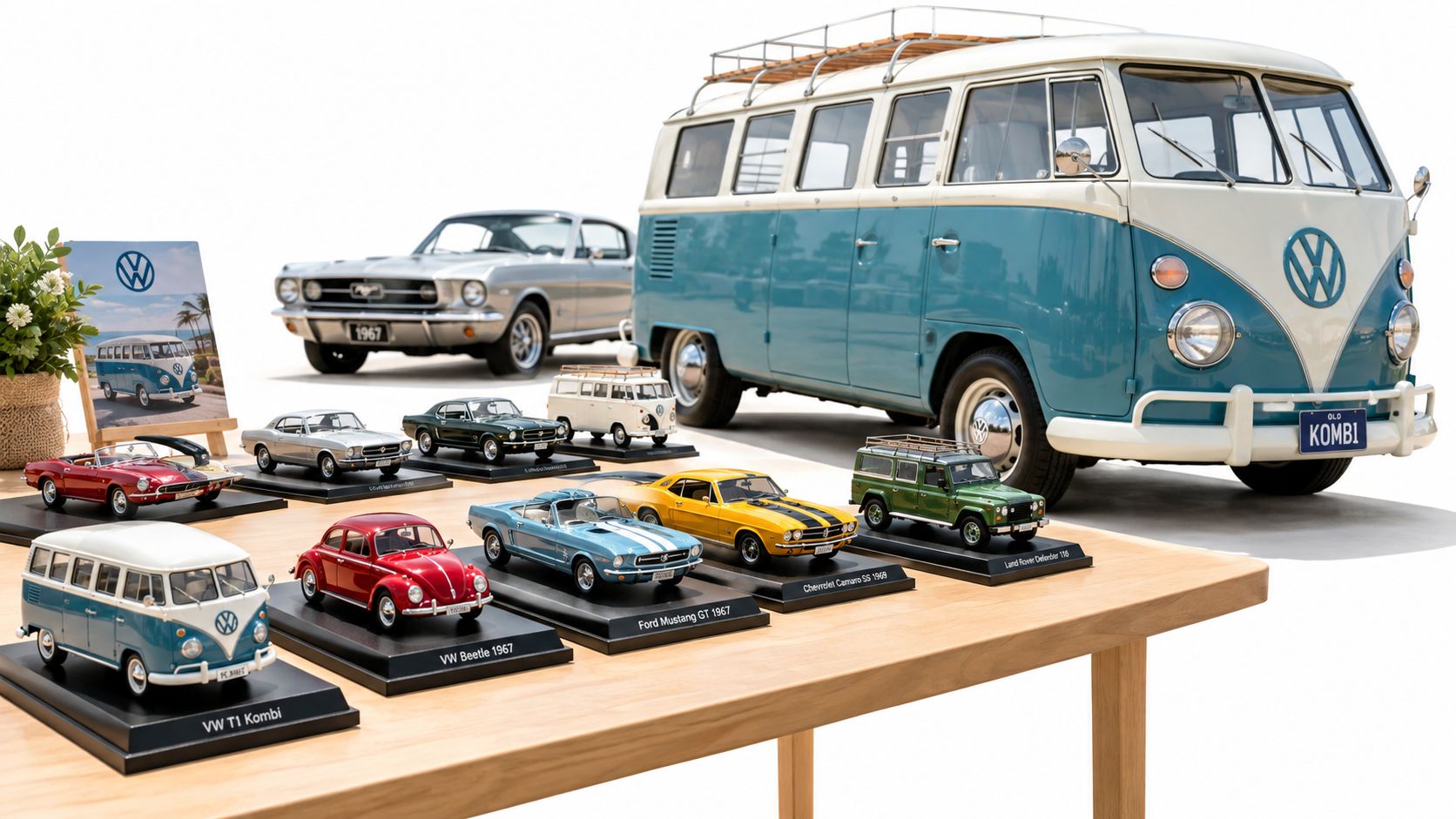
Showcasing Your VW Diecast Models

A licensed diecast model deserves better than being pushed behind a candle or lined up like supermarket stock on a dusty ledge. These pieces have shape, finish and detail. Treated properly, they become some of the strongest home decoration items in the house.

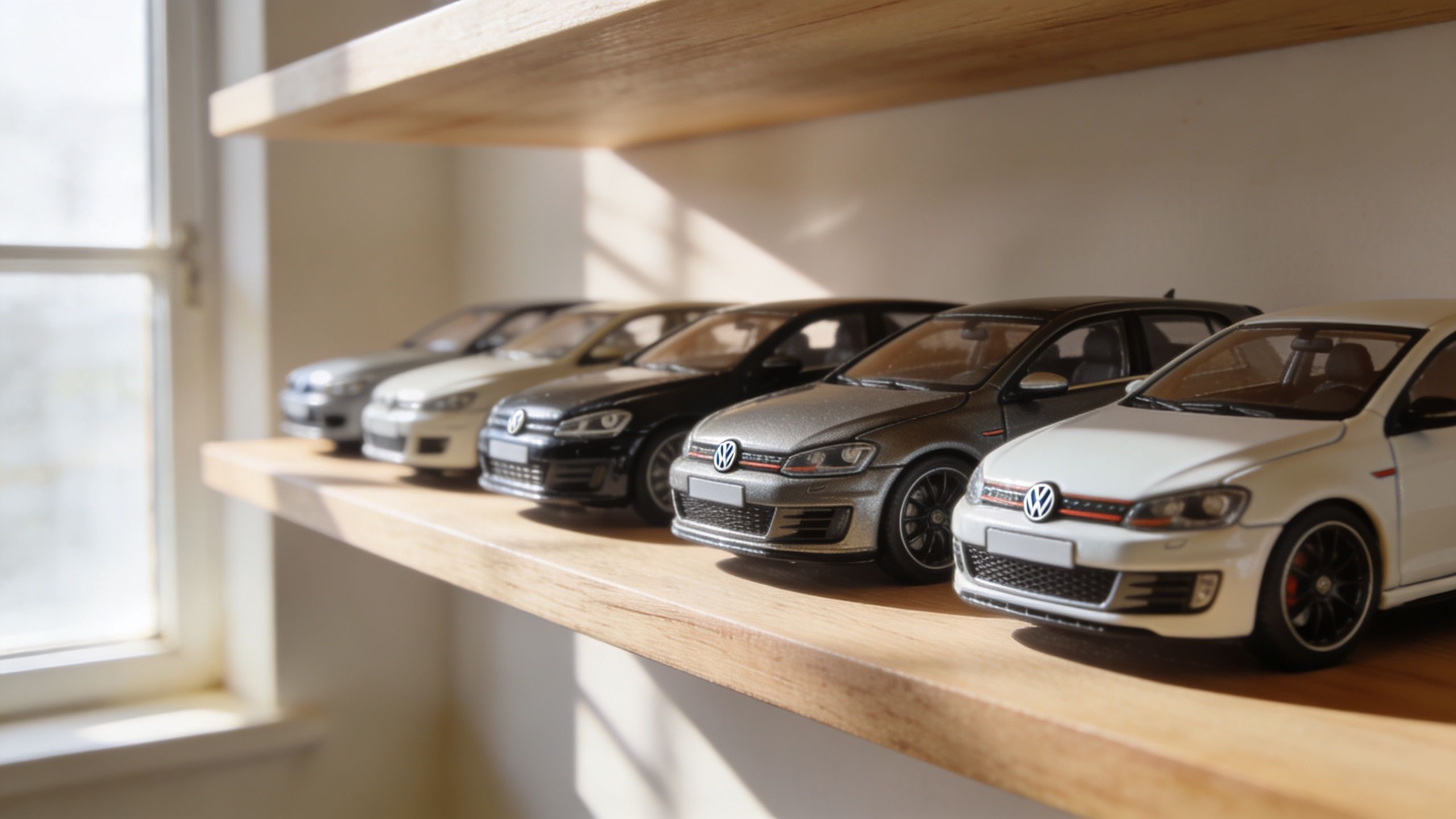
A collection of five Volkswagen model cars displayed in a neat row on a wooden shelf.

Australian households also spend meaningfully on making their homes feel personal. The average annual spend on home décor in Australia is approximately A$2,752 per household, according to household home décor spending analysis. That helps explain why collector-quality decorative accents have a real place in everyday rooms, not just hobby spaces.

Give each model a role

One Samba Bus can work as a focal object on a shelf. A Beetle can bring colour to a study desk. A pair of smaller vans can frame a stack of books. The key is to stop thinking of them as toys and start treating them like miniature industrial design pieces.

Try these display ideas:

  • Mantel road trip scene. Add one Kombi model, a framed beach postcard, and a small dish of shells.
  • Bookcase anchor. Use a larger model beside motoring books and a low plant.
  • Coffee table tray. One model only, paired with a candle holder or small coral piece.
  • Home office shelf. A Beetle model near old rally photos or workshop manuals.

For collectors building a display with purpose, the Volkswagen model cars range is the natural place to compare styles, colours and display-friendly options.

Use height and spacing

If every diecast model sits in one flat row, your eye skims past them.

Vary the levels. Put one on a stack of books. Place another inside a shallow shadow-box shelf. Let one sit under glass. Spacing matters too. A little empty room around a model gives it importance.

This video gives a nice sense of how model cars can read as display pieces rather than simple storage:

Some of the most effective displays use fewer models, not more.

That's especially true in a coastal-style home, where airiness is part of the charm.

Sourcing and Caring for Your Treasures

Buying VW-themed décor is easy. Buying pieces you'll still be happy to display years from now takes a sharper eye.

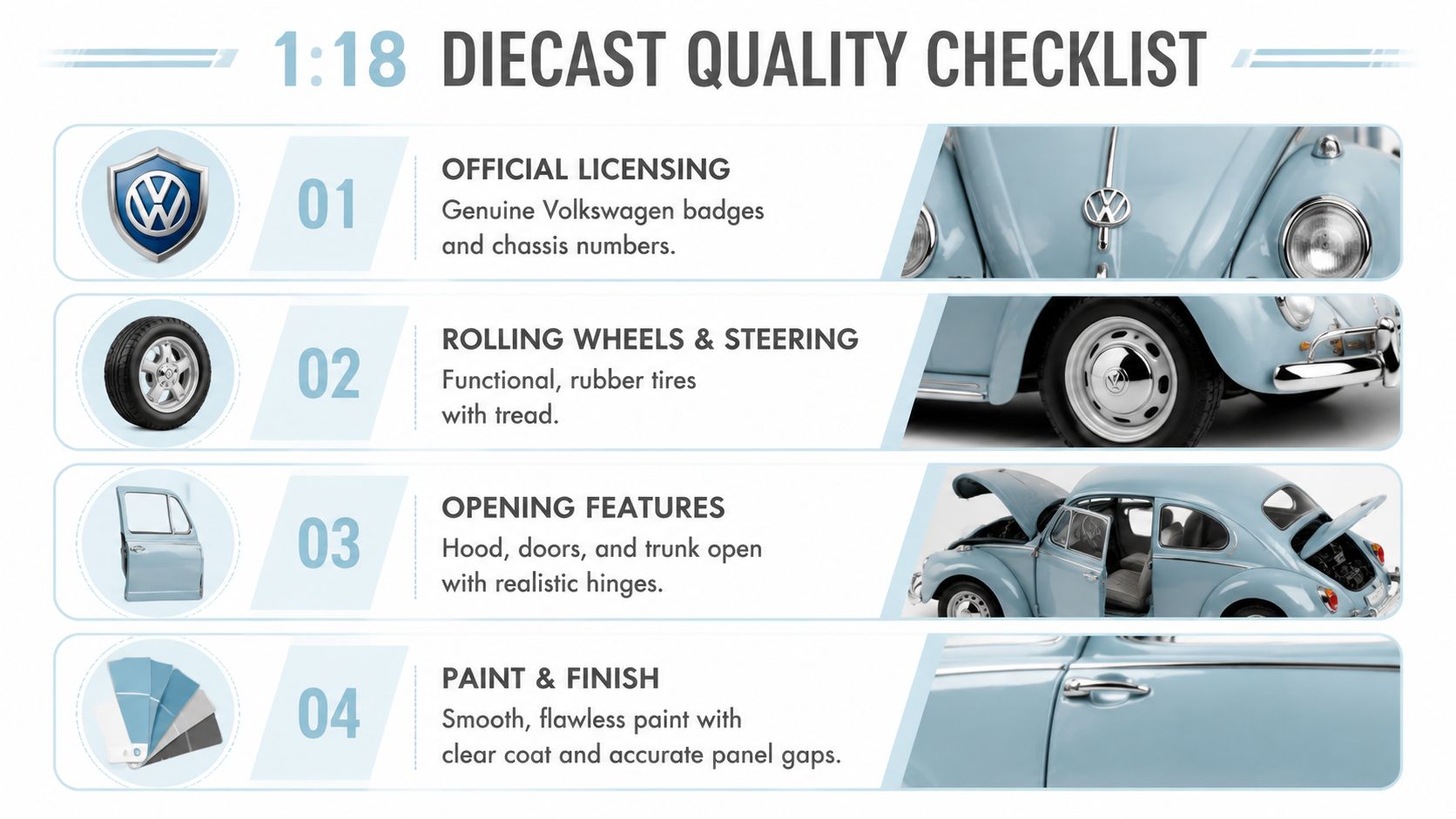
Start with licensing and finish quality. A proper Volkswagen collectible should look deliberate in its detailing, paintwork and proportions. If you're shopping locally, one practical option is vintage-inspired home accessories, where the mix of VW-themed gifts and décor gives you a clearer sense of how collector items can work in the home rather than just in a display cabinet. Local stock also makes life easier when you want faster delivery and straightforward support.

What to check before buying

  • Officially licensed cues. Look for product descriptions that clearly identify the model and branding.
  • Display value. Ask yourself if the piece works in a room, not only in a collection.
  • Material fit. Metal, timber, glass and fabric all age differently in Australian conditions.
  • Gift appeal. The best presents are specific. A Beetle fan usually knows a generic car gift when they see one.

Caring for coastal homes

Coastal decorating has one hidden challenge. Salt air.

In Australian coastal environments, decorative metals need care because airborne chlorides speed up oxidation, which matters for diecast models and other metal décor, according to coastal material guidance. In plain terms, if you live near the beach, don't leave prized models right beside open windows all summer.

A simple care routine goes a long way:

  • Dust gently with a soft dry cloth or soft brush.
  • Avoid direct sun on painted finishes and printed artwork.
  • Keep models off damp sills and away from salty airflow.
  • Rotate displays if one shelf cops harsh afternoon light.

A good VW gift works the same way a good room does. It feels personal, useful, and tied to a real memory.

Your Top VW and Coastal Decor Questions

What home decoration items work best in a rental?

Leaning art, tabletop décor, removable hooks and portable lamps are the winners. With about one-third of Australian households renting, there's a clear need for non-permanent decorating solutions, and items like leaning frames and tabletop collectibles offer strong visual impact without drilling, as noted in renter-friendly decorating guidance.

For a VW fan, that might mean:

  • Leaning framed Kombi art on a console instead of hanging it
  • Displaying diecast models on shelves, desks or sideboards
  • Using removable hooks for lightweight décor
  • Styling trays and photo frames on existing furniture

What's the best approach for a small flat or unit?

Go for fewer, better pieces. One framed print, one standout model, and one or two supporting accents usually look stronger than lots of little items. In smaller homes, breathing room is part of the design.

Which materials suit humid coastal or subtropical homes?

Choose pieces that cope better with moisture and sun. Rattan, sealed timber, glass, marine-suitable metal finishes, linen-look textiles and sturdy faux botanicals tend to make more sense than delicate untreated materials. For metal items, regular light cleaning matters more in humid coastal air.

If an item has to fight salt, sun and moisture every day, placement matters almost as much as style.

How do I stop VW décor from looking overdone?

Use one hero piece and keep the rest in support roles. If you already have a Kombi canvas, don't add five more loud statements beside it. Repeat colour and texture instead. A cream model, a weathered timber frame, a woven basket. Same language, less noise.

What makes a good VW-themed gift for someone who already has everything?

Look for pieces they can live with. A licensed Beetle model for a desk, a coastal photo frame, a decorative magnet set for the shed fridge, or a small Kombi display piece for the study usually lands better than novelty items. Think display-worthy, not disposable.


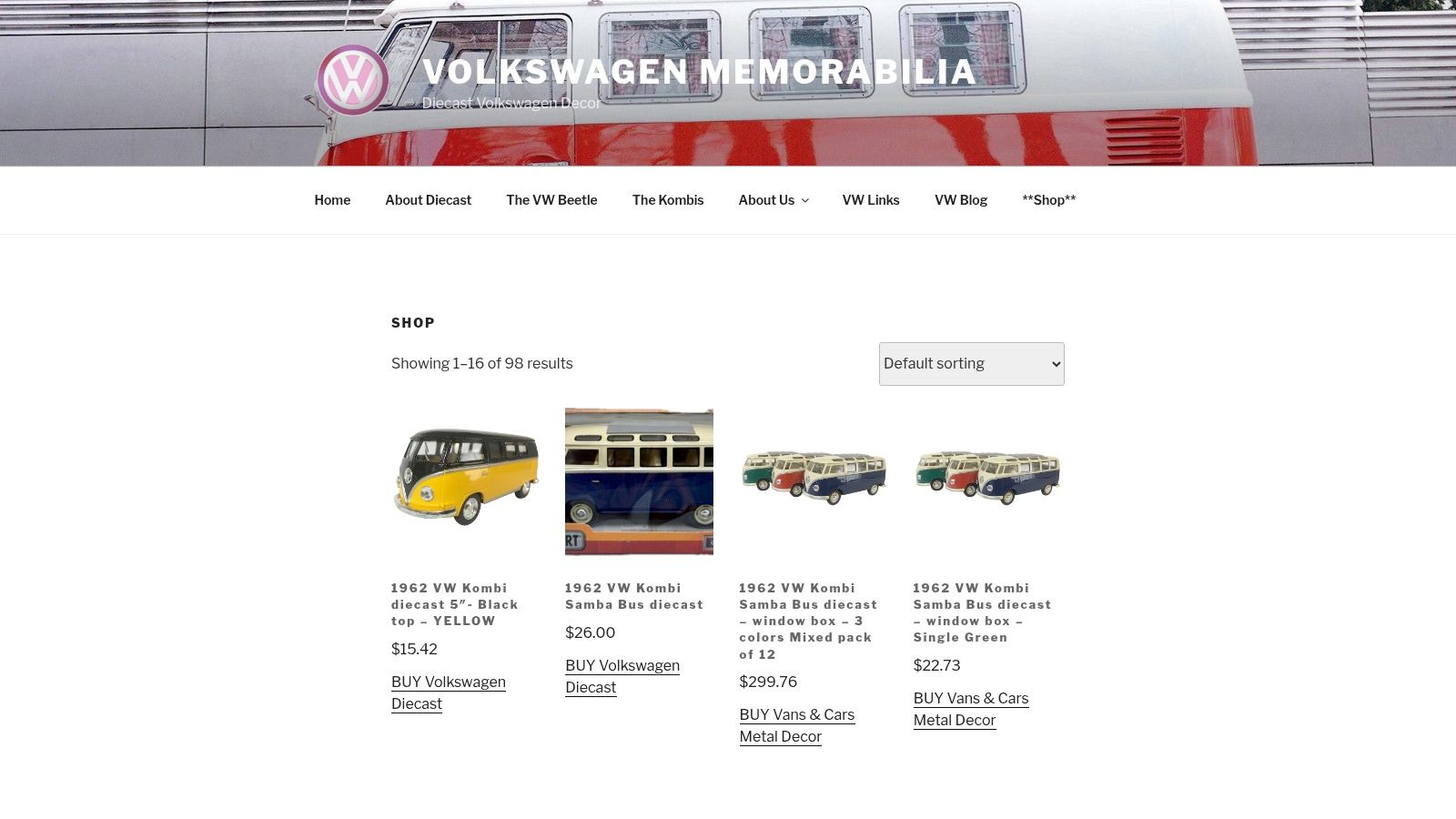
If you're ready to turn those road-trip memories into a space that feels like you, have a look through Volkswagen Memorabilia. You'll find licensed VW-themed gifts, diecast models, and coastal-inspired décor that suit collectors, gift buyers, and anyone trying to bring a bit of Beetle or Kombi spirit indoors, with local Australian stock and straightforward shipping that makes the whole process easier.

Panel Solar Water Heater Guide for 2026

A mate rolled into a beachside VW meet near Torquay in a sun-faded Kombi, slid open the side door, and out came a kettle, enamel mugs, and the kind of grin only an old Volkswagen seems to produce. Later that same arvo, the chat drifted from vans and road trips to rooftops and hot showers, and someone asked the surprisingly practical question: what makes a panel solar water heater work well in Australia?

That First VW Feeling

If you've ever heard an air-cooled Beetle burble into a driveway, you'll know the feeling. It's half memory, half mechanical music. One sound and suddenly you're back at a caravan park, a surf beach, or your uncle's shed with oil-stained hands and a kettle going.

That same Aussie affection for simple, durable gear is part of why solar hot water makes sense here too. Australia has a long history with solar water heating, with roots in the late 19th century and wider uptake through the 20th century as practical rooftop hot-water systems found their place in sunny detached housing, as outlined in this history of solar hot water development. The basic logic was beautifully straightforward. Dark surfaces soaked up the sun, water got warm, and clever refinements later improved storage and reduced overnight heat loss.

Why this story feels familiar

Old Volkswagens earned loyalty because they were honest machines. A panel solar water heater has a bit of that same charm. It isn't trying to be mysterious. Collector on the roof. Tank to store the heat. Pipes to move water. Controls to stop the whole lot wasting energy when conditions aren't right.

Practical rule: The best systems usually follow the simplest logic well, then add smart controls only where they solve a real problem.

That's especially true in a country where sunshine is more than scenery. It's part of daily life. If you've ever spent time dreaming about road trips and simple living through van life in Australia, you already understand the appeal of doing more with what the day gives you. Solar hot water taps into that same spirit.

A shed-chat way to think about it

This setup operates much like a classic Kombi. The idea is basic, but the good ones last because the details matter. On a solar hot water system, that means insulation, durable seals, corrosion resistance, and controls that know when to circulate heat and when to leave things alone.

That's where the story stops being nostalgic and starts being useful.

From the Highway to the Shelf Why We Collect VWs

People don't hang around old Volkswagens because they're the fastest thing on the road. They stick because these machines carry stories. The splitty parked under a gum tree at a country show. The Bug your neighbour drove for years. The Kombi that somehow made every camping trip feel bigger than it was.

Collecting follows the same instinct. Some people keep a shelf of miniature VWs. Others keep a mental shelf of practical, well-made systems they admire. A panel solar water heater fits that second category when it's done right. It has the same design satisfaction as a neat engine bay. Nothing flashy. Just parts working together with purpose.

A chrome faucet with steaming hot water flowing, powered by a rooftop solar water heater system.

The appeal of proven design

Solar hot water isn't some brand-new fad that appeared because sustainability became fashionable. Clarence Kemp's 1891 Climax heater is widely cited as the first commercial solar water heater, and by 1897 roughly one-third of homes in Pasadena had solar hot water systems, according to this historical account of solar water heating milestones. Later, William Bailey's 1910 patent improved the format with copper pipes and a separate insulated storage tank. By 1920, his company had sold over 4,000 Day and Night units, and Florida saw around 100,000 units installed before World War II in the same source.

Those details matter because they show the panel-style setup became established long before modern green marketing got hold of it.

What collectors and homeowners both appreciate

Good design sticks around when it solves a real need. In this case, that need is hot water from sunshine, using a layout that people can maintain and understand.

A few reasons the panel format still earns respect:

  • It's legible: you can follow how the system works without needing a sales brochure to decode it.
  • It's adaptable: flat collectors, storage tanks, and circulation can be configured for different homes.
  • It rewards climate fit: sunny places give it the sort of working conditions it likes.

Some technology feels disposable. Solar thermal doesn't. Its appeal comes from proven mechanics and long familiarity.

That's probably why the conversation around it feels oddly similar to a bunch of VW owners talking about old buses. People trust things that have already proven themselves in practice.

Decoding the Diecast World Scales and Details

Walk around a VW show and you'll hear people compare details most outsiders never notice. Window trim. Badge placement. Correct wheel style. Solar hot water has its own version of that. From a distance, many rooftop systems look similar. Up close, the details tell you whether you're looking at a thoughtful install or a future headache.

The parts that define a panel solar water heater

At its heart, the classic arrangement is straightforward:

  • Flat-plate collector: the roof panel that captures solar heat
  • Storage tank: where that captured heat waits until you need it
  • Circulation method: either natural thermosyphon flow or a pumped active setup
  • Controls: the brains that decide when heat transfer should happen
  • Backup heating: useful when sunlight alone won't cover demand

For Australian conditions, durability is the line between “good idea” and “good investment”. The EPA-derived solar hot water system specification calls for a minimum design life of 20 years for solar hot water systems, with 12 years for solar swimming pool heaters, in this solar hot water system specification document. That same specification also calls for selective-surface absorber plates, non-degrading thermal insulation, and ports for collector temperature sensors and electronic differential controls.

VW Diecast Model Scale Comparison

Scale Typical Length (Kombi) Level of Detail Best For
1:18 Large display size High Desks, feature shelves, close-up admiration
1:24 Mid-to-large display size Strong Balanced display and affordability
1:32 Medium Moderate Casual collectors, mixed shelves
1:64 Small, pocket-sized Compact Multi-model displays, gifts, nostalgia jars

The table is about diecast scales, sure, but the lesson carries across. Size alone doesn't tell you quality. Finish, durability, and functionality do.

What separates a robust system from a rooftop ornament

High solar irradiance and repeated heating and cooling cycles punish weak materials. Seals can fail. Insulation can degrade. Components can age fast if they weren't selected for long service.

Here's what to look for in principle:

  • Absorber quality matters: selective surfaces help collectors do their job efficiently.
  • Insulation can't be an afterthought: if it degrades, stored heat slips away.
  • Sensors and controls aren't luxury extras: they help the system behave sensibly throughout the day.
  • Maintainability counts: if a component can't be accessed or serviced easily, small faults can linger.

Workshop note: A system built for Australian sunshine must also be built for Australian heat stress. Those are not the same thing.

That's the sort of detail that doesn't show in a glossy brochure, but it absolutely shows up over the life of the system.

Building Your Dream VW Fleet

Some collectors chase every Beetle variation they can find. Others focus on one lane only. Splitties. Samba buses. Surf liveries. A good solar hot water setup deserves the same clear thinking. Don't start with “what's popular?” Start with “what suits the home, the climate, and the way hot water gets used?”

A checklist infographic outlining key factors to consider when choosing a solar hot water system.

Four good ways to think about system design

One home might suit a simple thermosyphon arrangement. Another may need active circulation and tighter control. Households differ, and that changes the best setup.

  1. Match the collector style to the site
    Roof orientation, shade, and available space influence whether a panel solar water heater will be straightforward or fiddly from day one.

  2. Plan for real usage, not ideal usage
    A home with regular morning showers, laundry, and family routines needs a system that handles practical demand patterns rather than showroom assumptions.

  3. Take summer seriously
    In parts of Australia, the challenge isn't squeezing every drop of heat out of winter. It's preventing too much summer heat, stagnation, or excess hot water production. General guidance acknowledges that steeper tilt can improve winter performance and reduce summer output, while flatter angles can boost summer gains, as discussed in this solar hot water tilt and seasonal control overview.

  4. Think beyond purchase day
    A maintainable system with sensible access and durable components often proves easier to live with than a more complicated arrangement that's hard to service.

A lot of people converting vans learn the same lesson when planning interiors. The cleverest setup on paper isn't always the nicest one to live with, which is why so many enthusiasts spend ages looking through van conversion ideas before committing to a layout.

Here's a solid visual primer before you go deeper into options:

Why hot-climate control deserves more attention

Australian summers can push systems into awkward territory if they're designed only for annual heat capture. Oversupply sounds nice until it means wasted heat, stressed components, or maintenance dramas.

Useful design responses can include:

  • Seasonal tilt decisions
  • Smarter controls
  • Collector shading
  • System draining approaches where appropriate
  • Thoughtful tank sizing
  • Backup integration

Not every home needs every strategy. But in hot, sunny regions, ignoring summer behaviour is a bit like building a show Kombi with no thought about how it handles on a long highway run.

Show Off Your Splitties and Bugs

A well-chosen system should look tidy on the roof and sensible on the spec sheet. The same goes for your collection at home. Display matters because it changes how often you enjoy the things you care about.

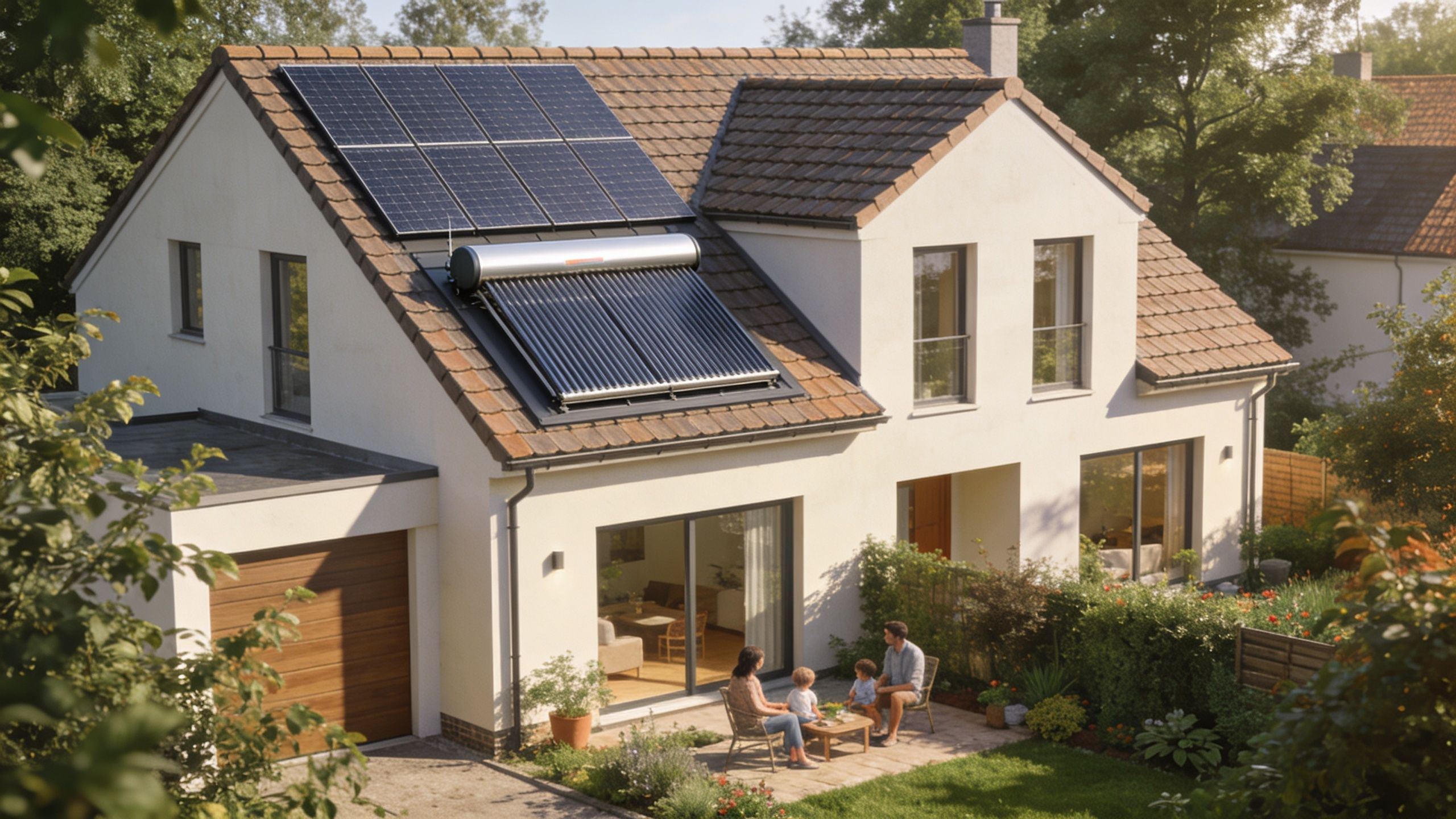
A modern house with solar panels and a solar water heater installed on the roof in a garden.

Display ideas that actually work

If you're showing off VW diecast, don't just line them up and hope for the best. Give them some atmosphere.

  • Floating shelves: perfect for grouping Beetles by colour or era
  • Desk feature piece: a larger Kombi model works brilliantly as a statement item
  • Bookshelf diorama: add a surfboard, a tiny road sign, or a beach postcard backdrop
  • Cabinet display: good for dust control and crisp presentation

The same visual logic applies when evaluating rooftop gear. Neat pipe runs, sensible placement, and uncluttered layout often signal that somebody thought the install through properly.

Keep colour and finish in good nick

Direct sunlight can be rough on diecast paint over time, and it can be rough on poorly chosen rooftop materials too. That's why storage and placement aren't cosmetic issues. They're preservation issues.

Keep display models out of harsh direct sun, and keep rooftop components specified for UV exposure and thermal cycling. Good looks last longer when materials match conditions.

A soft brush, microfibre cloth, and a steady hand usually do the trick for models. For solar hot water, regular inspection and sensible component choices do the equivalent job.

Frequently Asked Questions for Aussie Collectors

Is a panel solar water heater old technology or current technology?

Both, really. The idea is old, but that's part of its strength. The modern versions build on long-proven collector and storage principles rather than replacing them with something completely unfamiliar.

What control setup matters most?

For active systems, differential temperature control is a big deal. The Whole Building Design Guide explains that a delta-T controller starts the pump when the collector outlet temperature exceeds the bottom of the storage tank by about 6°C, and stops it when the gap falls to about 2°C, in this solar water heating control guide. That helps prevent pumping when useful heat transfer isn't really happening.

Why do people in hot parts of Australia worry about overheating?

Because too much heat can create its own problems. In very sunny conditions, collectors can face stagnation, excess production, and extra wear if the system isn't designed with summer behaviour in mind.

Can a properly integrated system cover much of a home's hot-water demand?

Yes, qualitatively it can make a meaningful contribution. The same Whole Building Design Guide source notes that, when correctly integrated with controls and backup heating, a system can serve up to 80% of hot-water demand in suitable conditions.

How long should a system be expected to last?

The benchmark used in the specification cited earlier is a minimum design life of 20 years for solar hot water systems. Actual service life still depends on materials, installation quality, operating conditions, and maintenance.

What should I ask before buying anything for home projects or collectibles?

Ask practical questions first:

  • Who supports it locally? Local help is easier when something needs attention.
  • Are replacement parts or matching items available? Continuity matters.
  • Will it suit the way you live? That applies to roof systems and shelf collections alike.
  • Can you maintain it without drama? If upkeep is awkward, small issues tend to get postponed.

For people who love practical fit-outs, road-trip living, and making things last, that same mindset also runs through topics like insulation for van projects.

If you're the kind of person who loves classic Volkswagens because they're honest, character-filled, and built around real-world use, you'll probably appreciate a well-designed panel solar water heater for the same reasons.


If you'd like to bring a bit more VW spirit into your shed, office, or lounge room, have a browse through Volkswagen Memorabilia. It's a ripper place to find licensed VW-themed gifts, diecast classics, and display-worthy pieces with local Australian stock and fast shipping, so you can start your own little fleet without the long overseas wait.

Your Guide to Every Electric Van Australia Offers in 2026

You might be here because you've noticed something different on Australian roads. One minute it's old-school charm, surf stickers, and memories of a Kombi by the beach. The next, you're spotting battery-powered delivery vans performing the daily grind. That's the interesting part of electric van australia right now. It sits at the meeting point of nostalgia and change.

For VW fans, that makes the topic more fun than it first appears. The same country that fell in love with Beetles and Kombis is now watching a new generation of vans arrive with charging ports instead of fuel caps. If you love the story of Volkswagen in Australia, it's worth understanding both the actual vans on the road and the miniature ones that end up proudly on the shelf.

From Aussie Roads to Your Shelf The Magic of VW

I still think a lot of us had the same early memory. A Kombi rolling past with boards on top, windows open, and that shape you could recognise from half a suburb away. Or a Beetle tucked into a city street, somehow looking cheerful even standing still.

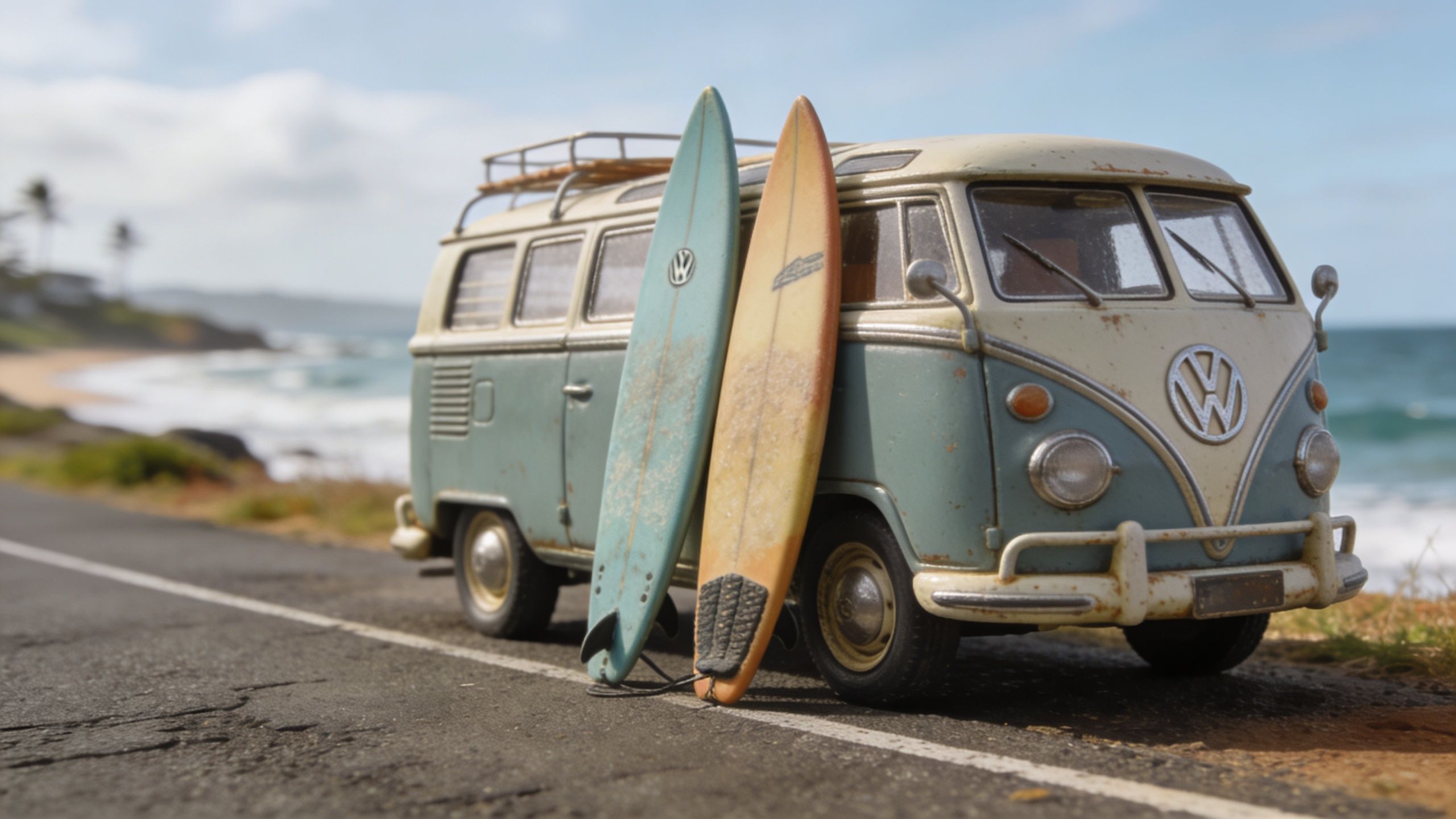
A classic vintage Volkswagen van parked on a coastal road next to two surfboards, overlooking the ocean.

That feeling isn't accidental. Volkswagen has deep roots here. Volkswagen's Australian history in Clayton, Victoria notes that VW vehicles were assembled there from 1954 until 1976, with over 250,000 vehicles produced, including the Beetle and Kombi. That's a big reason these vehicles feel woven into Australian life rather than imported curiosities.

Why that heritage still matters

Collectors don't usually fall for diecast models because they're just small cars. They buy them because the actual vehicles meant something first. A Beetle can remind someone of a first car. A Kombi can bring back family camping trips, market runs, surf weekends, or long coastal drives.

That's also why the newer electric chapter is so interesting. Australia's electric van market is growing as part of the broader EV shift. Redline Pulse's Australia electric vans overview says the market was valued at USD 24.79 million in 2025 and is projected to reach USD 61.08 million by 2034, with 13 electric vans plus variants available in the Australian market in 2025.

Practical rule: If a vehicle has a strong story on the road, it usually becomes a stronger collectible on the shelf.

For VW enthusiasts, that link between past and present is easy to feel. The classic Kombi represents freedom. The modern electric van represents a new kind of practicality. And if you've got a soft spot for the future-facing VW side of things, the VW Buzz in Australia is part of that same conversation.

Electric vans and the old VW spirit

The vans may be changing, but the appeal hasn't vanished. Vans still mean movement, lifestyle, and personality. They still attract people who want function without giving up character.

That's why scale models remain such a satisfying hobby. You're not only collecting metal and paint. You're holding a tiny version of a much bigger story.

Choosing Your Champion Understanding Diecast Scales

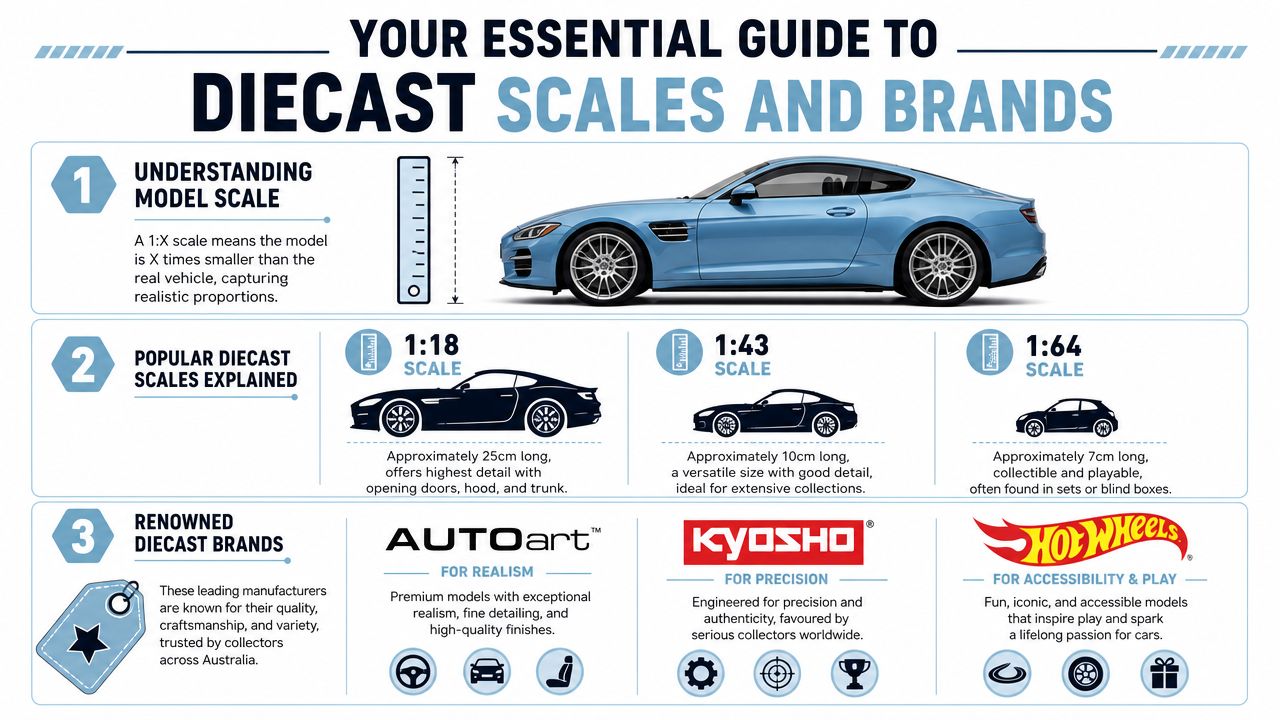
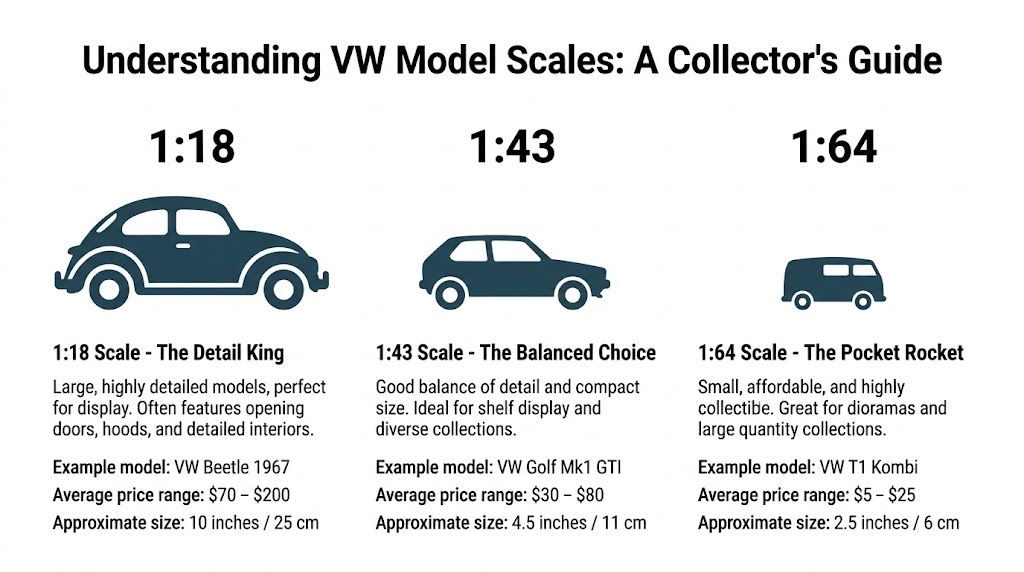
Scales can confuse new collectors fast. You see 1:18, 1:24, 1:32, 1:64, and suddenly it feels like you need a maths lesson before you buy a Beetle.

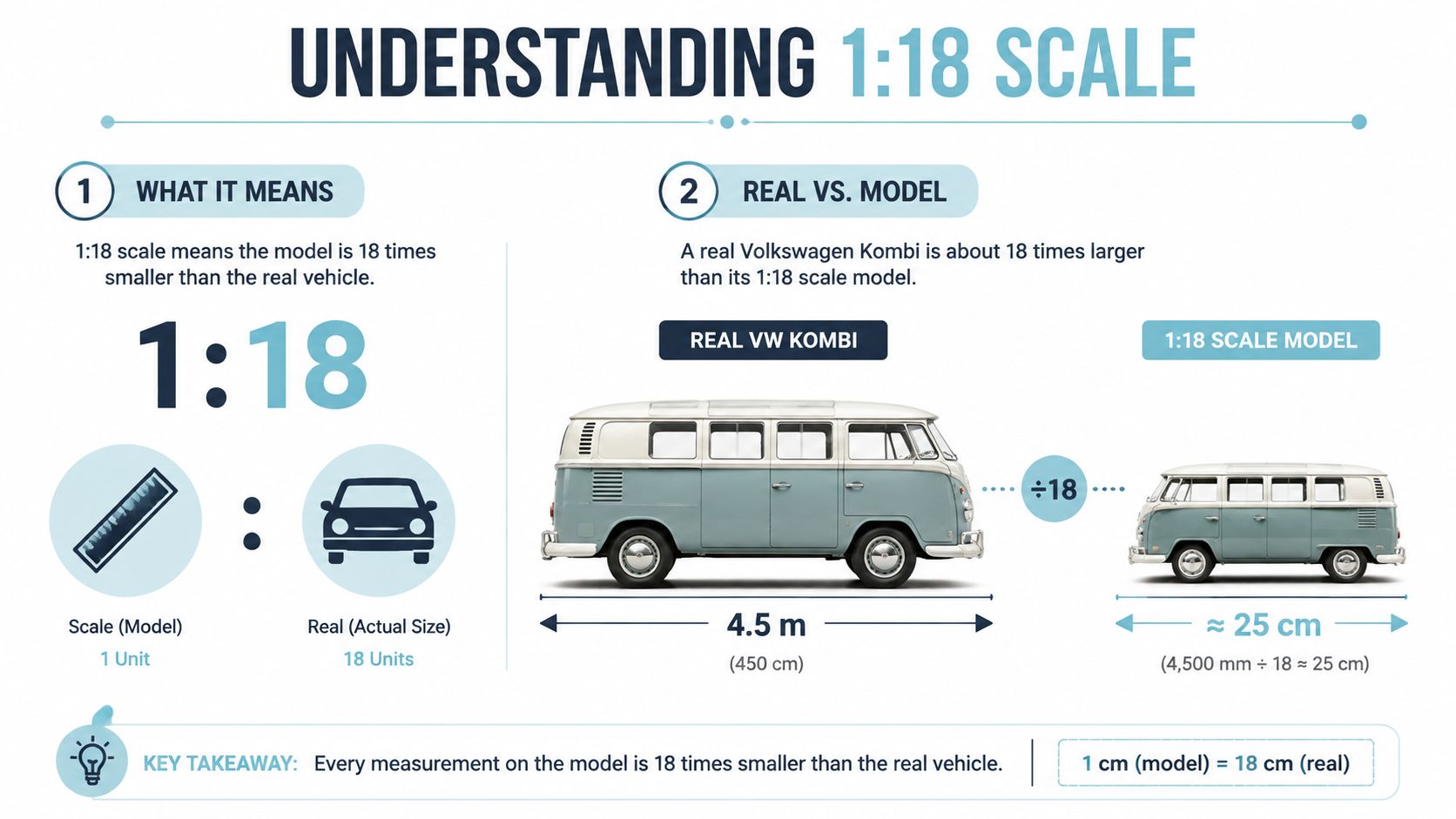
The trick is simple. The second number tells you how much smaller the model is than the actual car. So a 1:24 model is twenty-four times smaller than the actual vehicle.

An infographic titled Choosing Your Champion showing three diecast car model scales: 1:18, 1:24, and 1:64.

Wikipedia's 1:24 scale guide gives a handy example. A 1:24 scale model of a 4.3-metre-long VW Beetle would be about 18 centimetres long. That's why 1:24 feels so popular. It's large enough to show off the shape and details, but still easy to display on a shelf, sideboard, or office desk.

A simple way to think about size

Here's the easy collector's version.

Scale Best for What it feels like
1:18 Detail lovers A centrepiece model
1:24 Most collectors The balanced choice
1:64 Small-space collectors Easy to group in sets

How to pick the right one

Some buyers go too big too quickly. They fall in love with one large model, then realise they don't have room for the next five. Others go too small and later wish they had more visible detail.

A better approach is to choose based on how you'll enjoy the model day to day:

  • If you want a hero piece, go larger. A bigger model often shows more interior detail and has stronger shelf presence.
  • If you want a tidy collection, 1:24 is the sweet spot for many VW fans.
  • If you want a fleet, smaller scales make it easier to group Beetles, Kombis, buses, and support vehicles together.

Smaller isn't lesser. Larger isn't always better. The right scale is the one that suits your shelf and your eye.

One more tip. If you collect because you love body shape and paintwork, 1:24 often gives you the most satisfying balance. If you collect because you want to recreate a whole little VW world, mixing scales can work beautifully as long as you stay organised.

Spotting a Ripper What to Look For in a Quality Model

Not every model deserves display space. Some are charming little toys. Some are genuine collectibles. Knowing the difference saves disappointment.

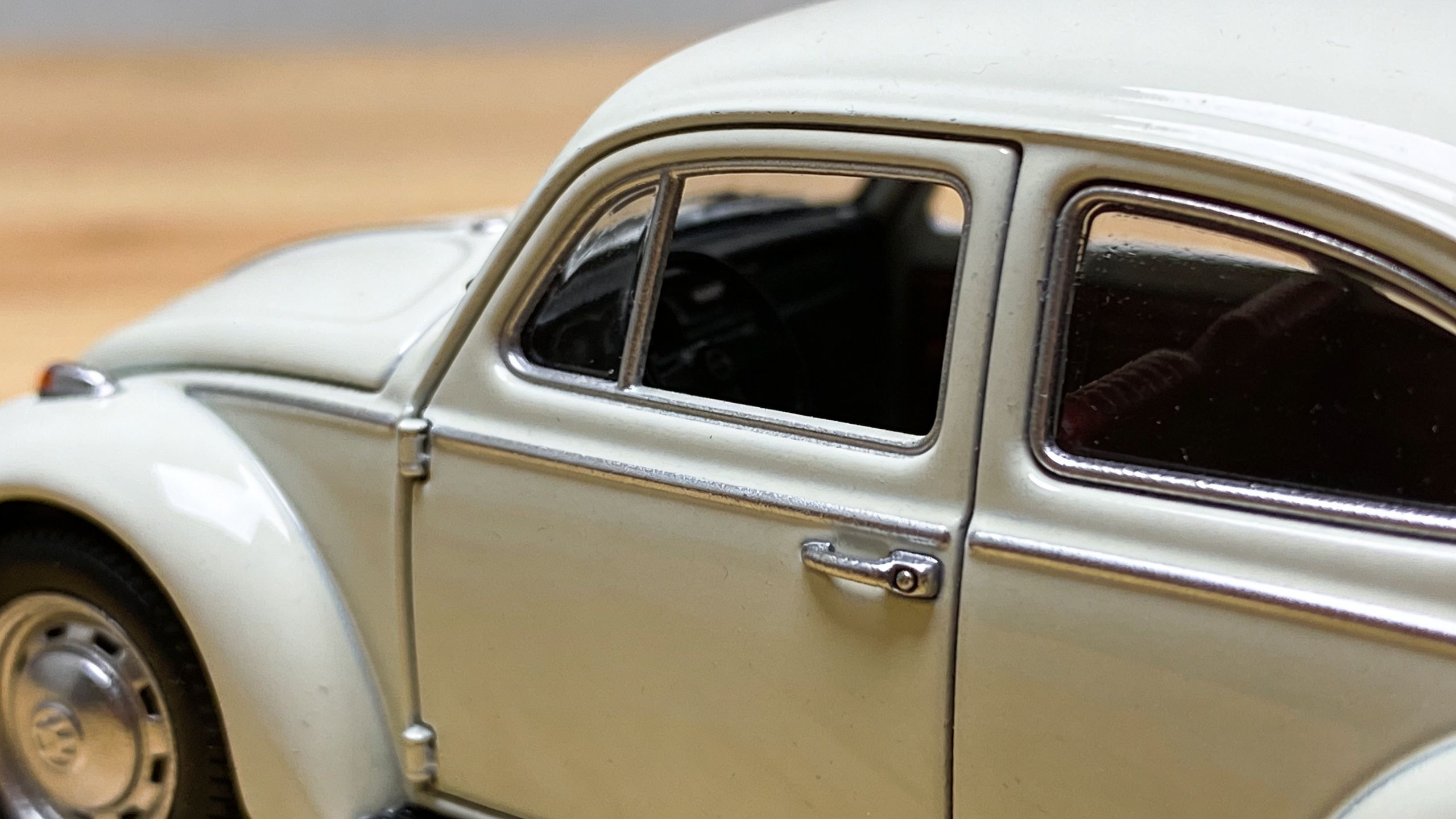
A close-up side view of a white Volkswagen Beetle miniature toy car model.

The first thing I look for is simple. Is it officially licensed by Volkswagen? If the answer is no, I usually move on.

Why licensed models matter

Volkswagen's brand and model information states that officially licensed Volkswagen models are created using original design blueprints from VW, which helps ensure details from the body curvature to the hubcap logos are accurate. For collectors, that accuracy is the whole game.

A licensed model tends to capture the little things that make a VW feel like a VW. The roofline sits properly. The front end looks right. The proportions don't feel guessed.

Your quality checklist

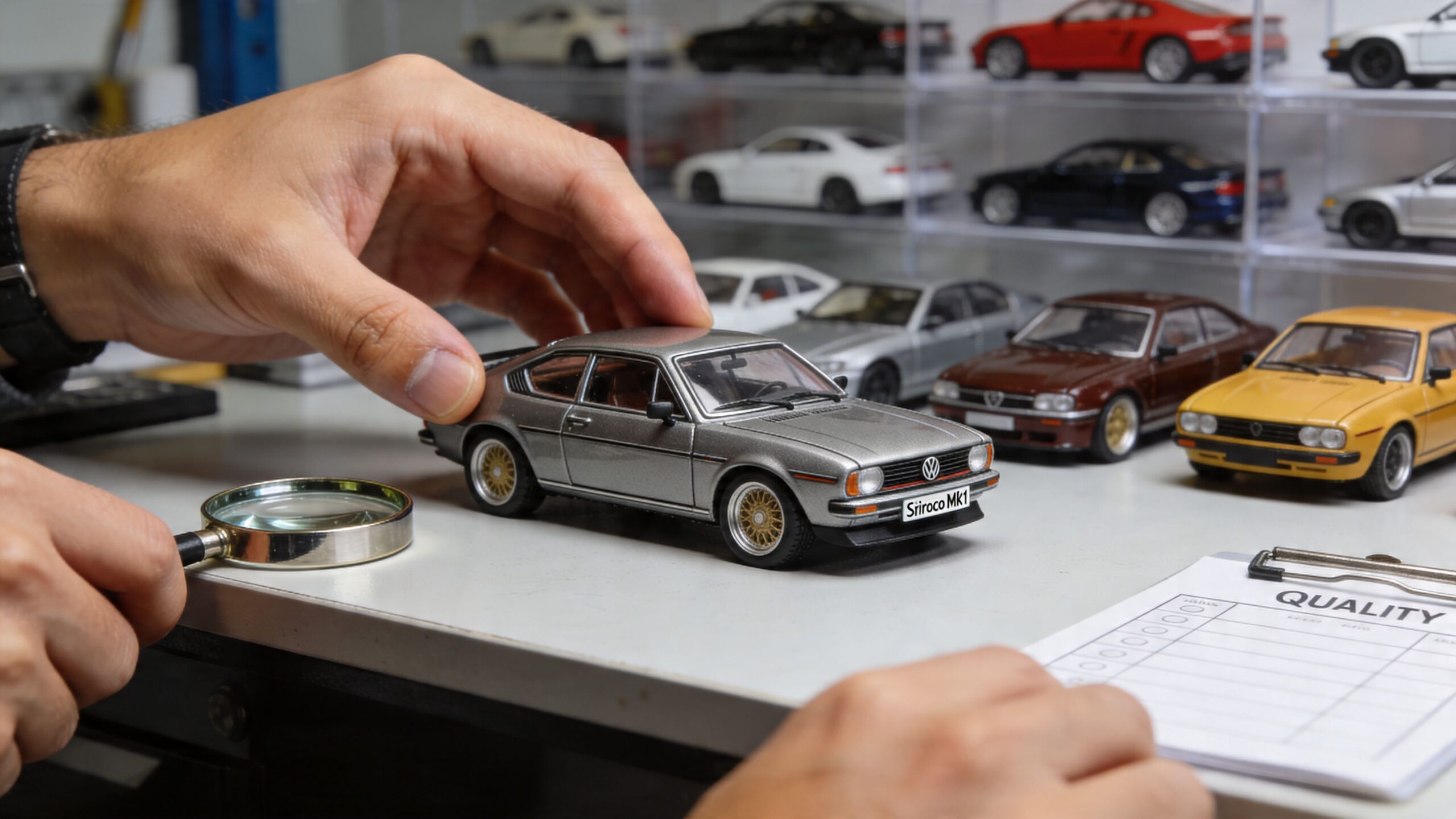
When you're inspecting a model, keep an eye on these points:

  • Body shape first. If the silhouette is off, no amount of shiny paint will rescue it.
  • Paint finish matters. You want even colour, tidy trim lines, and no blotchy patches.
  • Windows and lights should sit cleanly. Crooked plastic ruins the illusion fast.
  • Interior detail counts. Seats, steering wheel, dashboard, and cargo space all add life.
  • Wheels tell a story. Cheap models often get the wheels wrong before anything else.

A good model should look convincing from a metre away and rewarding up close.

The details that separate collectible from forgettable

Opening parts can be lovely, but only if they're done properly. Doors, bonnets, tailgates, roof racks, spare wheels, and surf accessories all add personality. If they feel flimsy or oversized, they can have the opposite effect.

Here's a quick look at model details in action:

A quality model should reward a slow look. You notice one detail, then another, and before long you're grinning at the tiny hubcaps.

There's a useful parallel with real electric vans too. Buyers of full-size vans have to judge trade-offs carefully. Renault Australia's Kangoo E-Tech information highlights how battery size, range, and payload can pull against one another in electric van design. Collectors face a gentler version of the same idea. You're balancing size, detail, display room, and budget.

The point is the same in both worlds. Look beyond the headline. Study the fine print.

Building Your Dream Garage From Kombis to Beetles

Some collections work because they're big. The memorable ones work because they have a point of view.

One collector might chase every Beetle variation they can find. Another might build a shelf entirely around buses and vans. Someone else might go full beach scene, with surfboards, roof racks, bright paint, and all the laid-back personality that made VW culture so beloved here.

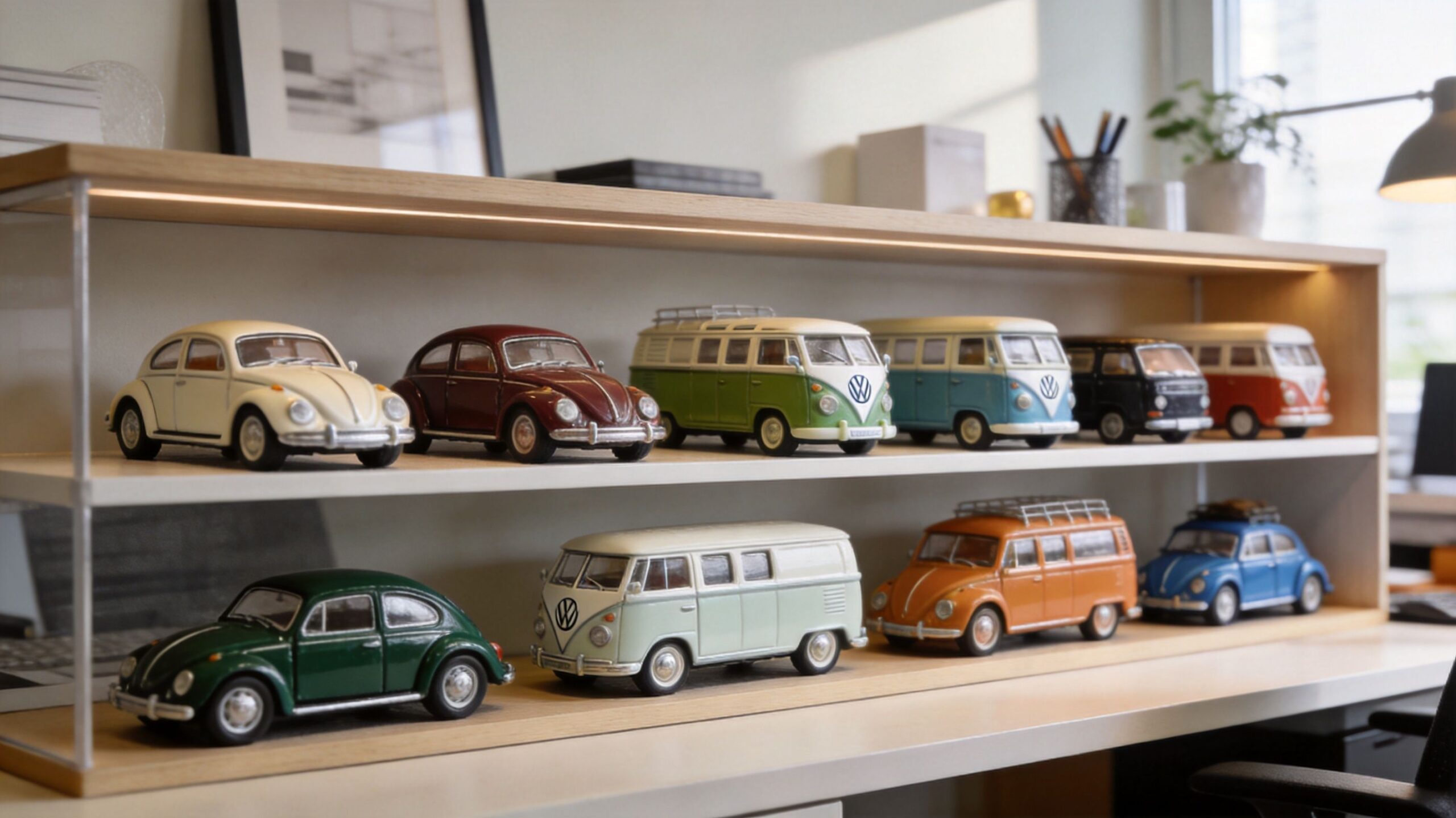
A wooden shelf holding a collection of vintage Volkswagen Beetle and van toy models in an office.

The Kombi shelf

If you're drawn to vans first, the Samba Bus is the obvious star. Volkswagen Newsroom's history of the Samba Bus explains that the sought-after Samba, also called the Deluxe Microbus, was known for 23 windows, including eight skylight windows and a cloth sunroof. No wonder it becomes the centrepiece of so many collections.

That model gives you instant visual theatre. It has presence even before you notice the details.

A Kombi-focused shelf might include:

  • A Samba Bus as the hero piece
  • A standard panel van for contrast
  • A surf-themed variant for colour and movement
  • A camper-style model to bring in the travelling spirit

If that camping side of VW life is what hooks you, the Volkswagen Crafter camper angle is an interesting modern callback to the same van-life appeal.

The Beetle shelf

Beetle collectors often take a different path. Instead of chasing window counts and roofline variations, they lean into colours, years, trim details, and playful editions. A bright Beetle can completely change the feel of a display.

That's why a Beetle shelf often feels more personal. You might choose one because it reminds you of a family car, another because the paint is pure sixties joy, and another because it looks right beside your Kombi.

Collector's note: A small, themed collection usually looks sharper than a random pile of models, even when the random pile includes good pieces.

Build around a story, not just a product

A shelf gets stronger when each model helps tell the same story. Coastal Australia. Road-trip freedom. Workshop classics. Family nostalgia. Show-and-shine favourites. Pick one lane and your display suddenly feels curated instead of crowded.

That's also where electric van australia fits the bigger picture. The full-size market is broadening, with new vans entering local consideration and buyers comparing practicality, range, charging, and carrying ability. WhichCar's round-up of electric vans in Australia reflects that growing variety, including upcoming models and van-life possibilities. For VW lovers, it's another reminder that van culture never sits still. It changes shape.

Show Off Your Pride Displaying and Caring for Your Models

A good model shouldn't end up forgotten on a crowded shelf behind old paperwork and a faded stubby holder. Display is part of the fun.

Keep them clean and visible

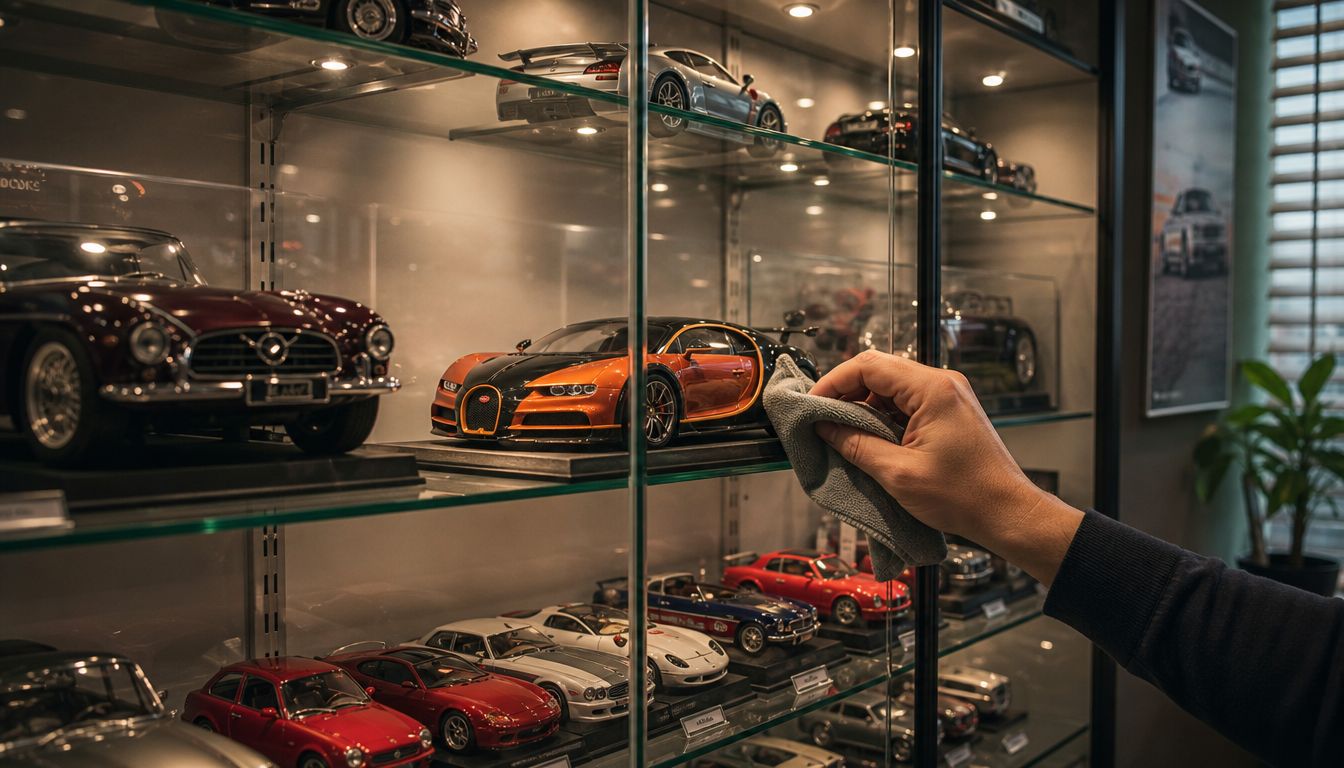
Dust is the quiet enemy. It dulls paint, settles into panel gaps, and makes clear windows look tired. Use a soft brush or a gentle microfibre cloth, and go slowly around mirrors, roof racks, and small trim pieces.

If the original box is tidy, keep it. Even if you display the model loose, storing the packaging gives you options later and helps if you ever move house.

Make the display feel intentional

You don't need a museum cabinet. A simple shelf with a bit of breathing room often looks better than cramming everything together.

Try these ideas:

  • Group by theme. Keep surf vans together, Beetles together, or buses together.
  • Vary the height. A small riser at the back helps every model get seen.
  • Avoid harsh sun. Direct light can be rough on paint and packaging over time.
  • Leave space around hero pieces. A Samba or standout Beetle needs room to shine.

If you can see every model properly, you'll enjoy the collection more often.

Handle them like collectibles

Pick models up from the solid body, not the mirrors, bumpers, or opening parts. If a piece has moving doors or accessories, don't force them. Small hinges and trim details reward patience.

A collection lasts longer when routine care is easy. Clean lightly, display elegantly, and resist the urge to overpack the shelf.

Start Your Volkswagen Journey Today

The charm of electric van australia isn't only in what's new. It's in how the new chapter sits beside everything Australians already love about vans. Practicality, personality, travel, community, and that unmistakable sense of movement all still matter. The shape of the story has changed, but the spirit is familiar.

Australia's broader EV shift gives that story some real momentum. AFMA's report on Australia's EV sales growth in 2025 notes that 103,300 battery electric vehicles were sold in 2025, 53,484 plug-in hybrid electric vehicles were sold, and more than 157,000 electric vehicles were sold nationally, accounting for 13.1 percent of all new car sales for the year. It also says electric vehicles reached 16.5 percent market share of new vehicle sales by April 2025. That rising familiarity helps electric vans feel less like oddities and more like part of the normal Australian road mix.

For collectors, all of this adds another layer of enjoyment. You can appreciate the old-school magic of a Beetle or Samba Bus while keeping an eye on where vans are heading next. If modern VW curiosity has already bitten, the Volkswagen ID Buzz Australia price guide is one more interesting place to wander.

The best collections usually start small. One Beetle you love. One Kombi that reminds you of summer. One licensed model with enough detail to make you stop for a second look every time you pass it. That's enough to begin.


If you're ready to add a little VW history to your shelf, have a browse through Volkswagen Memorabilia. You'll find officially inspired VW-themed collectibles, locally stocked in Australia, with fast shipping and plenty of charm for Beetle lovers, Kombi fans, and gift buyers chasing something with real personality.

The VW Beetle Motor: A Collector’s Guide to the Icon

One of my favourite car-show moments is hearing a Beetle before I spot it. Across the grass, past the deck chairs and coffee vans, that light, busy thrum tells you exactly what's coming.

That's the charm of the vw beetle motor. It isn't just mechanical hardware. It's memory, personality, and for plenty of Aussie enthusiasts, the very heartbeat of a car that feels friendly the second it rolls in.

That Unmistakable Sound The Soul of a VW Beetle

Stand near a row of classic Volkswagens on a bright morning and you'll notice something straight away. No two cars feel exactly the same, but a Beetle always carries a certain warmth. The engine note is part sewing machine, part cheerful chatter, and completely its own thing.

That character comes from the Beetle's simple air-cooled flat-four layout. There's no radiator up front to define the car's story. The action sits at the back, tucked under that curved lid, whirring away with a kind of honest purpose. You hear the fan, the exhaust note, the slightly mechanical rhythm, and suddenly the whole car makes sense.

For Australian owners, that matters. A Beetle doesn't feel overcomplicated or precious. It feels usable. It feels like something you can park at a beach meet, drive to a club run, or spend a Sunday morning tinkering with in the shed.

Why the motor matters so much

The motor shaped the Beetle's entire identity:

  • It gave the car its sound. You can often pick an air-cooled VW out of a crowd before you even see the badge.
  • It made the car easy to understand. Open the rear lid and the layout is wonderfully direct.
  • It built loyalty. Owners who learn one Beetle engine often stay hooked for life.

Practical rule: If you want to understand any Beetle, start at the rear. The engine tells you what era the car belongs to, how it drives, and how original it really is.

That same fascination carries neatly into collecting. People don't only admire a Beetle's shape. They love the details hiding under the lid, which is why so many model-car collectors hunt for miniature Beetles with engine bays worth peeking into.

The Heart of the Bug A History of Air-Cooled Power

You can trace the Beetle's personality back to a very simple engineering brief. Volkswagen needed a compact rear-mounted engine that could be built in huge numbers, serviced without drama, and keep working in everyday conditions. That is why the Beetle motor feels so honest. Every part of it was shaped by usefulness first.

The earliest production Beetles used an air-cooled flat-four of 985cc with 22.5 horsepower, and Volkswagen's own historical record notes a top speed of about 100 km/h for those first cars in 1938, according to Volkswagen's Beetle history.

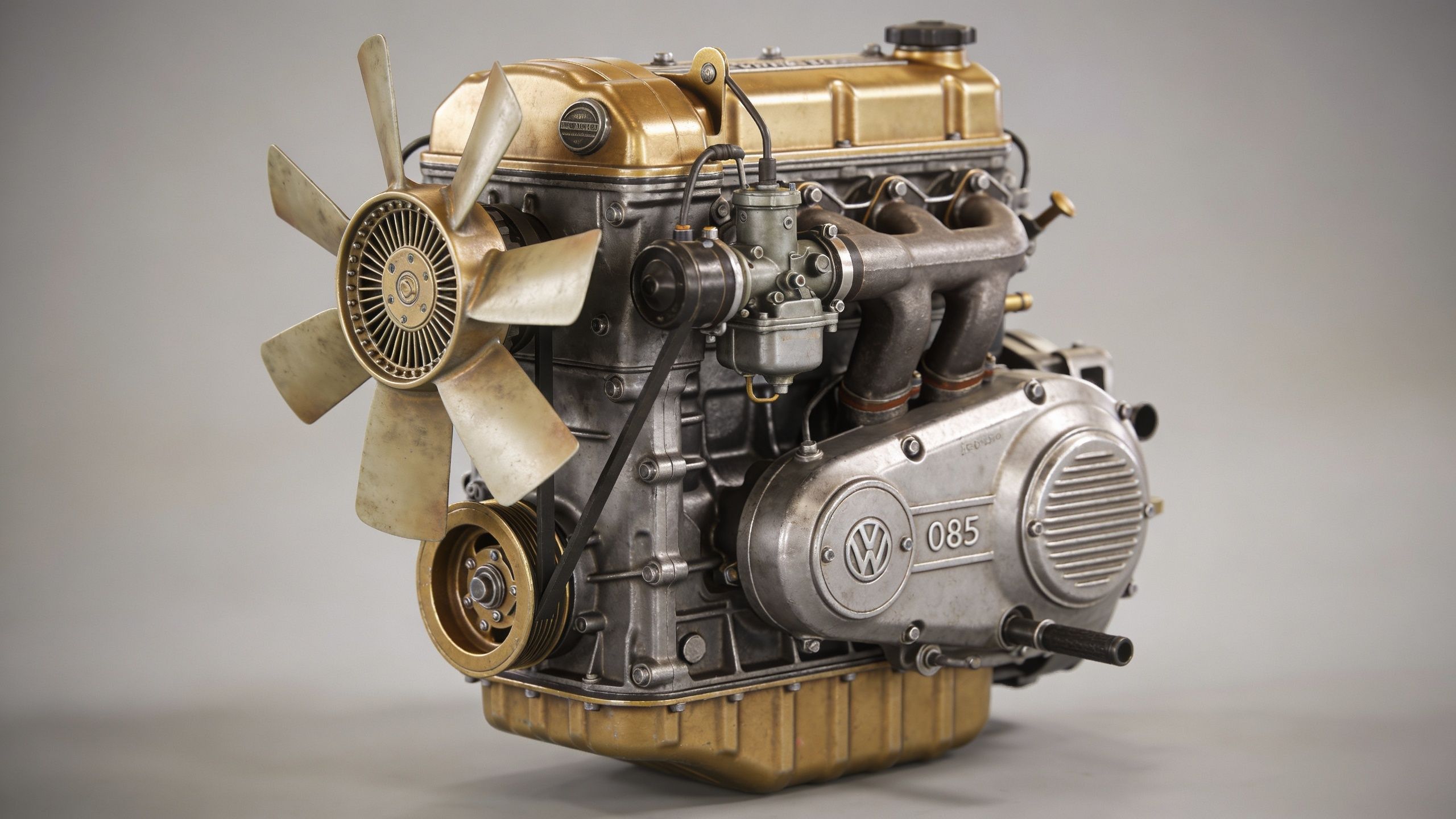
A vintage Volkswagen engine with gold accents and a large cooling fan against a gray background.

Those numbers look tiny now. In period, they made sense. The Beetle was light, and the engine was designed to pull steadily rather than sprint like a sports car. It behaved a bit like a loyal kelpie on a farm. Not flashy, always ready, and happiest when given a clear job.

How the motor grew with the Beetle

As the Beetle matured, the engine grew with it. Early wartime and post-war development led to larger versions, and by the 1950s the 1192cc engine had become one of the defining Beetle motors. Australian buyers came to know that engine well because it suited the car's whole character. It was simple, easy to service, and happy to spend years doing school runs, beach trips, and country miles.

That 36 horsepower 1200 is the point where many enthusiasts feel the Beetle found its rhythm. It gave the car enough extra urge to feel friendlier in traffic, while keeping the same basic recipe that made the flat-four so approachable in the first place.

There is a materials story here too. The crankcase used lightweight alloy construction, and later magnesium-rich cases helped keep weight down. That matters more than it first seems. Less weight hanging behind the rear axle helped the whole car feel more balanced than the raw engine figures suggest.

Then came the 1600, the motor many collectors chase

The later 1584cc engine gave the Beetle a more relaxed stride, especially in the 1970s. Horsepower figures for these engines can look confusing because different markets and years used SAE gross, SAE net, and DIN ratings, but the broad story is clear in The Autopian's explanation of Beetle horsepower ratings. The 1600 became the enthusiast favourite because it kept the Beetle feel while making the car easier to live with on faster roads.

That is also why 1600-powered cars often get plenty of attention at shows. They sit in a sweet spot between charm and usability. You still get the classic air-cooled layout, but with a bit more breathing room in everyday driving.

For owners trying to match a real car to its period details, a VW Type 1 engine identification guide helps make sense of the different engine families and codes.

Why this history matters to diecast collectors

Here is the fun part for model collectors. The changes in full-size Beetle engines often show up in miniature, and the better diecast makers know exactly which clues matter. A 36 horsepower era model should not have late dual-port style details under the lid. A 1970s Beetle model with a 1600 look should usually show the wider fan shroud and later engine-bay layout cues that collectors expect.

That makes the motor a quiet test of authenticity. Plenty of toy makers get the body shape roughly right, but the engine bay separates a generic Beetle model from one that feels properly researched. If you collect opening-engine diecasts, look for whether the miniature matches the era of the car rather than just wearing a vaguely air-cooled flat-four shape.

The actual Beetle earned its legend one engine revision at a time. The miniature world follows the same trail, just scaled down to something you can hold in your palm.

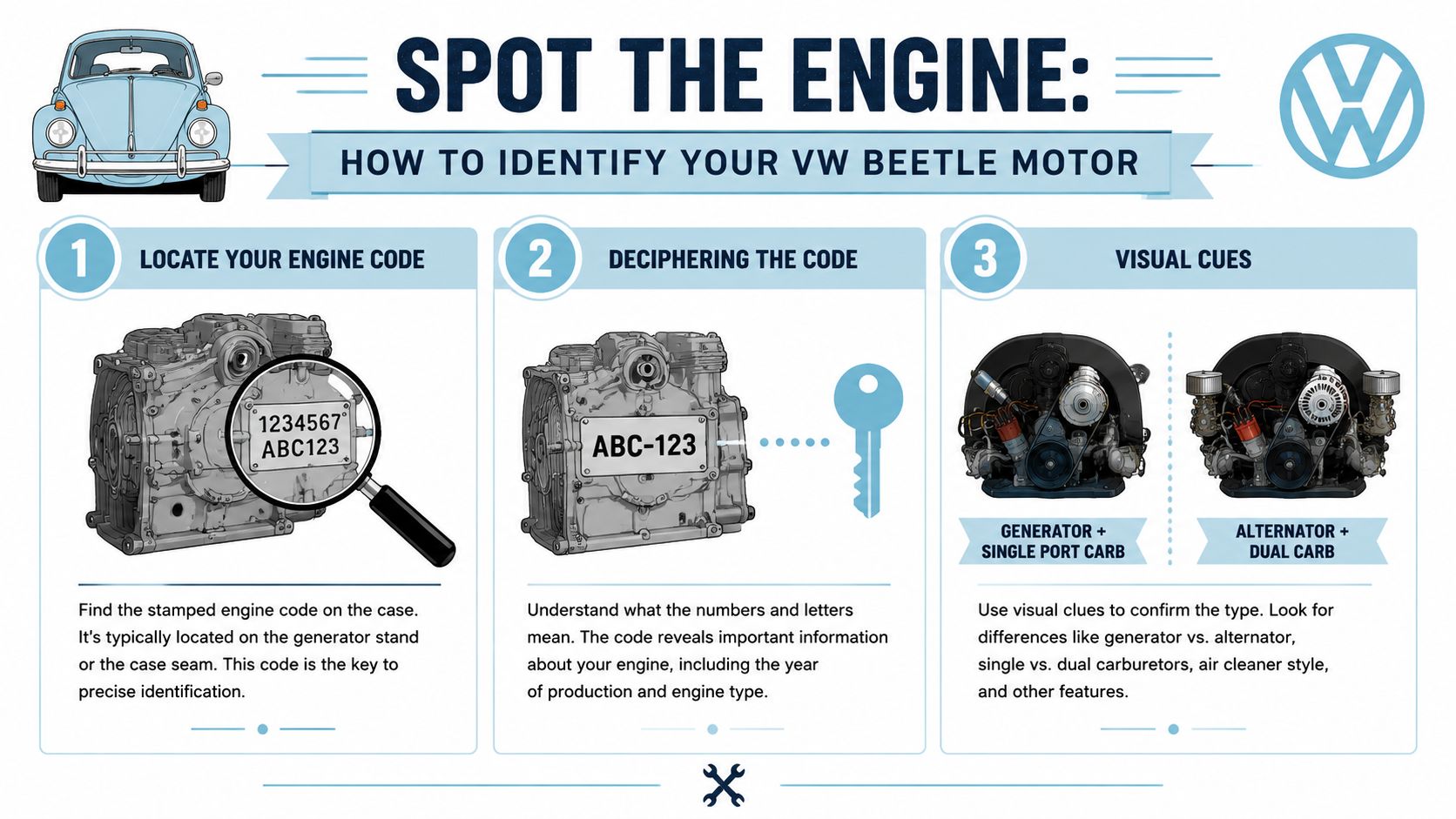
Spot The Engine How to Identify Your VW Beetle Motor

You lift the rear lid, have a stare, and then the questions start. Is it original? Is it a 1200, a 1600, or something built from mixed parts over the years? That confusion is normal, because Beetles have lived long lives and many have been repaired, upgraded, or rebuilt.

The best starting point is the engine code. If you want a handy reference for where to look and what the markings mean, this VW Type 1 engine identification guide is a useful companion.

An infographic titled Spot the Engine explaining how to identify a classic Volkswagen Beetle motor.

Start with the stamped code

On a classic Beetle motor, the stamped engine number is the closest thing you'll get to a name tag. It helps identify the engine family and often points you toward the original displacement and era.

That said, don't stop there. Many Beetles now carry replacement cases, swapped carburettors, later fan shrouds, or upgraded ignition parts. A code can tell you where the case began. The rest of the engine tells you how the story changed.

Then look at the visual clues

A few details can quickly narrow things down:

  • Single-port versus dual-port intake. A dual-port setup is a big clue you're looking at a later-style engine.
  • Generator or alternator. That often reveals whether the charging system is closer to an earlier original setup or a later update.
  • Fuel-injection hardware. On Australian late-model 1600 engines, Bosch L-Jetronic fuel injection marks a later configuration rather than the more familiar carburettor look.
  • General neatness of the installation. A tidy, era-correct bay usually suggests careful restoration. Mixed finishes and odd parts often hint at years of practical repairs.

The 1600cc engine, at 1584cc, became the key late-model unit. In Australia it was common in late Super Beetles and produced 48 hp SAE net after 1975 with Bosch L-Jetronic fuel injection, which is one reason it remains such a favourite among local enthusiasts.

If the engine code says one thing and the hardware says another, trust your eyes as much as the stampings. Beetles are survivors. They often wear parts from more than one chapter of their life.

VW Beetle Engine Identification Guide Australian Models

Displacement Engine Code Prefix Approx. Horsepower (HP) Common Years (Australia)
985cc Early engine code varies by period 22.5 hp Early imported cars from 1947 onwards
1192cc Varies by case and market 36 hp From 1954 in Australian Beetles
1584cc Varies by version 57 hp SAE gross to 60 hp in early 1970s versions; 48 hp SAE net in post-1975 Australian applications Common in late-model Australian Beetles and Super Beetles

A quick note on that table. The horsepower figures are useful, but they don't always compare cleanly because different rating methods were used over time. That's why one Beetle owner might call a 1600 a 60-horse motor and another calls it a 48-horse motor, and both can be talking about legitimate published figures from different standards.

Keeping the Legend Alive Common Fixes and Maintenance

The nicest thing about caring for a Beetle motor is that regular attention matters more than fancy tricks. These engines respond well to simple habits, done properly and done on time.

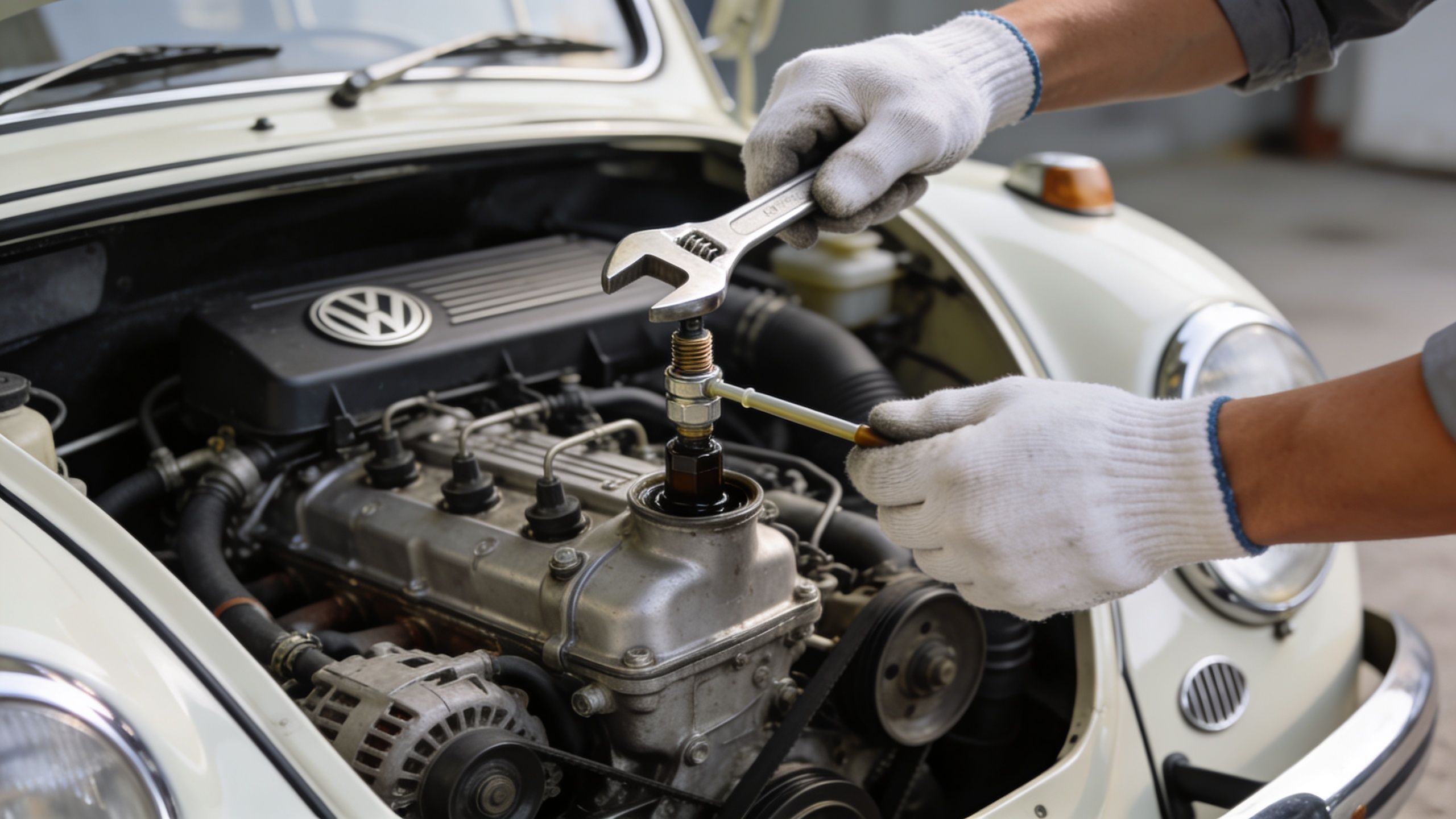
A mechanic wearing white gloves uses a wrench to work on a vintage Volkswagen Beetle engine.

If you're still building confidence, a browse through VW parts Australia can also help you get familiar with the bits owners commonly replace during routine upkeep.

The basics that matter most

Most classic Beetle headaches start with neglected maintenance rather than dramatic failures. A healthy routine usually includes:

  • Fresh oil and regular checks. Air-cooled engines rely on clean oil because oil does a lot of work in temperature control as well as lubrication.
  • Valve-clearance checks. A noisy top end or hard starting can be a clue that clearances need attention.
  • Ignition tune-ups. Old-school points, condenser, timing, and leads all need to be in decent shape.
  • Watching for leaks. Beetles often mark their territory a bit, but fresh leaks deserve a closer look.

Points and dwell still matter

This is the bit many newer owners find mysterious. On a points-style ignition system, dwell angle is the amount of time the breaker points stay closed. For classic Beetles, the specified range is 44 to 50°, and setting it correctly affects ignition timing, fuel economy, and engine performance, as explained in this dwell-angle tuning video.

That's why old hands always talk about dwell and timing together. If the dwell is wrong, you can chase timing all afternoon and still not be happy with the result.

Workshop habit: Set dwell first on a points car. Then set timing. Doing it the other way around can waste your whole morning.

A visual guide can help if you prefer seeing the process before reaching for a feeler gauge or meter.

Common symptoms owners often misread

A Beetle that's hard to start, idles poorly, or feels flat doesn't automatically need a rebuild. Start with the small stuff.

  • Rough idle can come from points adjustment, timing drift, or an air leak.
  • Oil smell in the cabin might be a leak finding its way onto hot engine parts.
  • Hesitation on acceleration often sends owners chasing carburettor problems when the ignition setup is the actual culprit.

The trick is not to panic. These motors usually reward patient, logical checks.

More Grunt Popular Upgrades and Modern Swaps

Some owners want a Beetle exactly as Wolfsburg intended. Others want a bit more urge on modern roads. Both approaches are perfectly fair, and the right choice comes down to how you use the car.

The beloved air-cooled 1600 sits in the sweet spot for many enthusiasts because it balances period feel with better flexibility than the smaller engines. It's also why plenty of performance-minded owners build on that foundation rather than starting from scratch.

Upgrades that keep the Beetle feel

Common improvements usually aim to preserve character while making the car nicer to drive:

  • Electronic ignition for less fiddling than traditional points
  • Freer-flowing exhaust setups for a livelier response and a stronger note
  • Careful carburettor tuning rather than random parts swapping
  • Stroker-style builds, with 1776cc and 1835cc being well-known choices in Beetle enthusiast circles

Those bigger builds can make the car feel more effortless, but they also move you further away from factory originality. If your Beetle is a preservation-minded car, that trade-off matters.

Swaps sound simple until the details arrive

Engine swaps are where a lot of owners hit a wall. Forum chatter often suggests some Volkswagen diesel long-blocks are interchangeable with minimal modification, with mentions that the oil pump pickup and oil pan may need swapping, but there's still a real lack of a proper compatibility matrix covering model years, installation angles, cooling differences, and Australian compliance questions, as discussed in this VW diesel forum thread about interchangeability.

That gap matters because a swap isn't only about bolting in an engine. You also have to think about fuel delivery, wiring, cooling strategy, mounts, and what the finished car will be like to register and maintain.

Originality gives a Beetle one kind of value. Usability gives it another. The smartest builds decide which one matters most before the first spanner comes out.

From Full Size to Fingertips The Motor in Miniature

A good Beetle model does more than copy the roofline. It captures the spirit of the car, and that means paying attention to the engine. If a diecast Beetle has an opening rear lid, the little motor underneath tells you very quickly whether the maker understood the original or just filled space.

That's why collectors enjoy studying Volkswagen model cars collecting almost as much as the full-size cars. The joy is in the details.

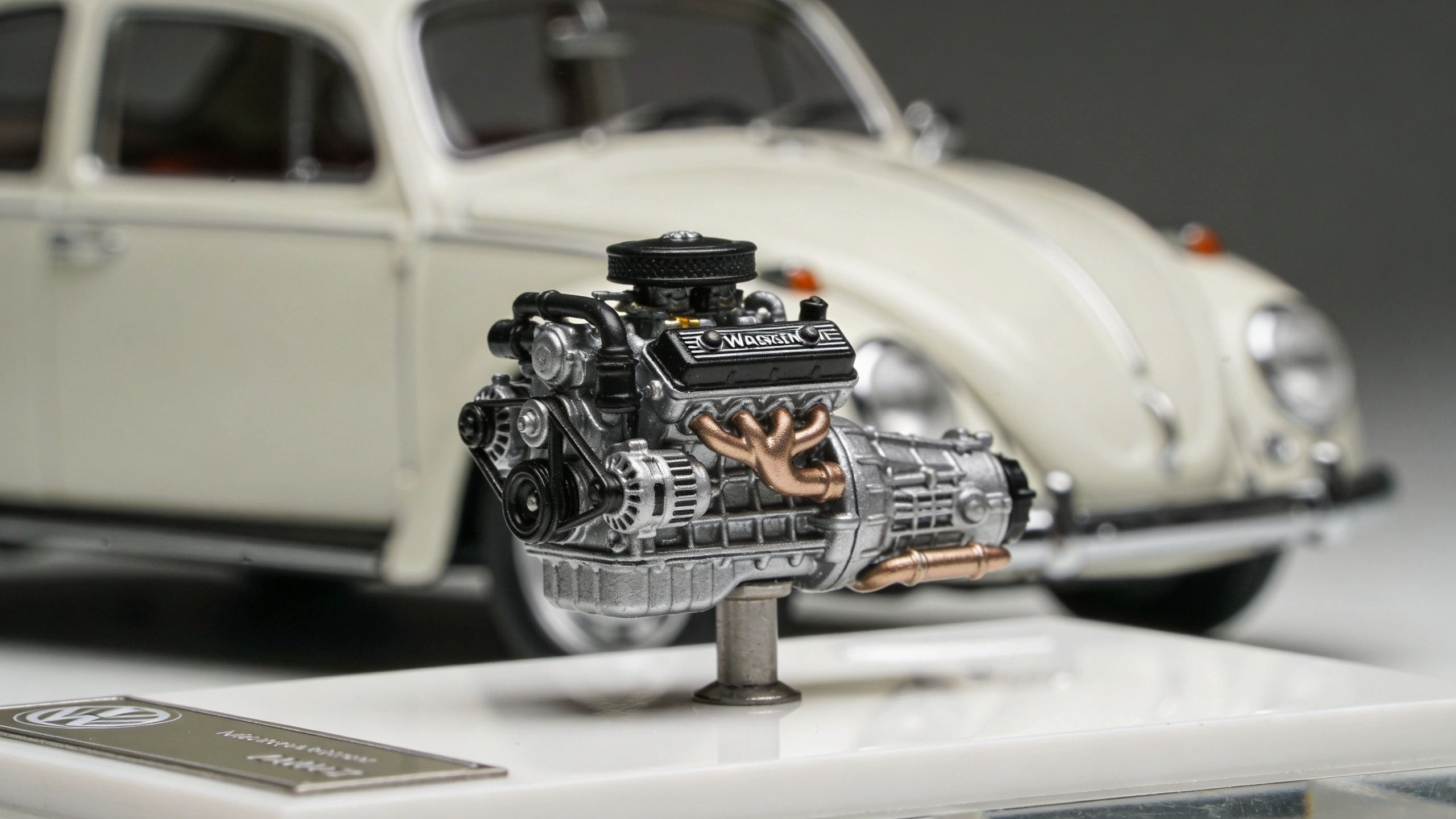
A detailed model of a Volkswagen Beetle engine displayed on a stand in front of the car.

What to look for in a great Beetle model

If you're buying for yourself or choosing a gift, pay close attention to these details:

  • Opening engine lid. This is the big one. If it opens, you can enjoy the miniature motor.
  • Correct fan-shroud shape. Even small differences change the whole look.
  • Separate carburettor and air-cleaner detail. A crisp engine bay feels far more authentic than a single moulded lump.
  • Era matching. Early cars and later 1600-based cars shouldn't all look the same underneath.

For diecast fans, the story becomes richer at this point. Once you know the difference between an early economy-focused engine and a later enthusiast-loved 1600, you start spotting those clues in miniature too. The model stops being shelf décor and starts feeling like a tiny history lesson.

Why collectors care about the engine bay

A Beetle's rear end is part of its personality, so a model that gets the engine compartment right feels complete. It also starts conversations. One person notices the engine lid props. Another spots the fan housing. Someone else starts telling a story about the family Bug they rode in as a kid.

That's when collecting becomes more than buying objects. You're collecting recognition, memory, and the little mechanical details that made the Beetle special in the first place.


If this article has stirred up memories of real Bugs, tiny engine lids, and sunny VW show days, have a look at Volkswagen Memorabilia. It's a great place to browse officially inspired VW-themed gifts, model cars, and display pieces for Australian enthusiasts who want local stock, fast shipping, and something that keeps the Beetle spirit alive at home.

Gifts for the Beach: A VW Fan’s Ultimate Guide

You’re probably here because the usual gifts for the beach feel a bit flat. Another striped towel, another shell trinket, another candle with “ocean breeze” on the label. Nice enough, sure. But if the person you’re buying for lights up at the sight of a two-tone Kombi, slows down for an old Beetle in a car park, or still talks about that perfect coastal drive like it happened yesterday, you need something with more soul.

That’s where Volkswagen nostalgia fits so naturally. In Australia, beach days and old VWs belong in the same memory box. The Kombi isn’t just transport. It’s a symbol of surfboards on the roof, sandy thongs by the sliding door, and a late arvo run to the headland with salt still in your hair. The Beetle has that same magic. Cheerful, unmistakable, and full of character before you’ve even turned a key.

The Search for Sun-Drenched Nostalgia

Last summer at a local VW meet, I watched a bloke in a faded club shirt trying to choose a present for his sister’s new beach house. He’d done the rounds already. Generic gift stores, surf shops, homewares chains. Everything looked fine, but none of it felt like her. She loved the coast, collected retro bits and pieces, and had spent half her twenties chasing waves in a Kombi that needed more optimism than mechanical sympathy.

When he found a small vintage-style VW piece, his face changed. Not because it was flashy. Because it told the right story.

A pair of hands gently holding a small vintage Volkswagen camper van toy on a sandy beach.

That’s the sweet spot with gifts for the beach. The best ones don’t just match a theme. They trigger a feeling. For VW fans, a Kombi or Beetle does that in seconds. It can sit on a shelf, on a desk, or in a holiday house and instantly bring back road trips, market mornings, surf carnivals, and those long coastal drives where no one cared what time it was.

There’s a real cultural reason this works so well in Australia. Roy Morgan’s 2022 Australian holiday destinations report found that 32.4% of Australian adults preferred beach or coastal holidays, and the ABS reported that domestic coastal tourism expenditure contributed roughly AUD 23 billion in 2019 to 2020, showing just how much beach life shapes spending and taste in leisure-related products, including décor and gift items in this coastal tourism overview.

Why the VW look belongs by the sea

Beach style can drift into the predictable. Too many anchors. Too many signs telling you to relax. A classic Volkswagen piece avoids that trap because it carries genuine history and personality.

A surfy Kombi model, a Beetle in soft coastal colours, or one of the charming vintage home accessories pieces with VW character feels personal instead of generic. It says the giver knows the recipient’s taste, not just the postcode of their holiday shack.

Gifts land better when they reflect a person’s memories, not just their décor palette.

Finding the Perfect VW Gift for Every Beach Lover

Not every beach lover wants the same thing. One mate wants a licensed diecast model he can line up next to his other classics. Another wants something fun for the bookshelf in the beach house. Someone else doesn’t want “stuff” unless it comes with a day out attached.

That’s why I like to sort gifts by personality first.

VW Gift Finder The Perfect Pick for Every Fan

Recipient Type Top Gift Ideas Why They'll Love It
The serious collector Licensed Kombi Samba Bus diecast, Beetle model, Flower Power variant They’ll appreciate shape, detail, and the way a good model captures VW history in miniature
The beach house decorator VW metal wall décor, coastal-style van display piece, retro shelf model It adds character to a room and feels more original than standard nautical décor
The surfy nostalgic mate Beach bus-themed keepsake, casual display model, playful Kombi piece It taps into that easygoing coastal spirit without feeling too formal
The hard-to-buy-for parent or partner Beetle or Kombi model paired with a beach picnic kit or coastal drive plan It combines a keepsake with shared time, which makes the gift feel thoughtful
The practical adventurer VW collectible paired with a beach-ready accessory They get the fun of memorabilia and something they’ll actually use outdoors

For the collector who notices the little details

Collectors are usually easy to spot. They’ll lift a model, turn it over, inspect the finish, and start telling you what year the actual vehicle reminds them of. For them, go for a proper display-worthy VW piece. A Samba Bus diecast or a classic Beetle model usually hits the mark because it feels substantial and timeless.

Mainstream beach gift lists rarely speak to this kind of buyer. They skim across broad categories and miss the people who collect with intent. That’s exactly why VW-themed gifts feel more considered for this crowd.

For the person who’d rather make a memory

This one matters. Roy Morgan’s 2021 to 2022 Values study found that 64% of Australians prefer experiential gifts or time-together products, which makes a paired present a smart move as summarised in this gifting trend reference.

So instead of handing over only a boxed item, pair a VW model with something shared:

  • Coastal drive voucher for a weekend run along the foreshore
  • Beach picnic kit with snacks, rug, and a map of a favourite lookout
  • Surf lesson or beachfront café booking for someone who loves getting out there

Practical rule: If they already own plenty of décor, add an experience. If they love collecting, let the VW piece be the hero.

For the relaxed stylist

Some people don’t think of themselves as collectors, but they know what they like. They want charm, colour, and something with a story behind it. A cheerful Beetle model, a beach bus display piece, or retro VW décor suits them beautifully. It’s decorative, but it still has identity.

A Breakdown of VW Beach Gift Categories

The easiest way to buy well is to think in categories. Not all VW gifts for the beach do the same job. Some belong in a cabinet. Some make a room feel warmer. Some work best as part of a themed bundle.

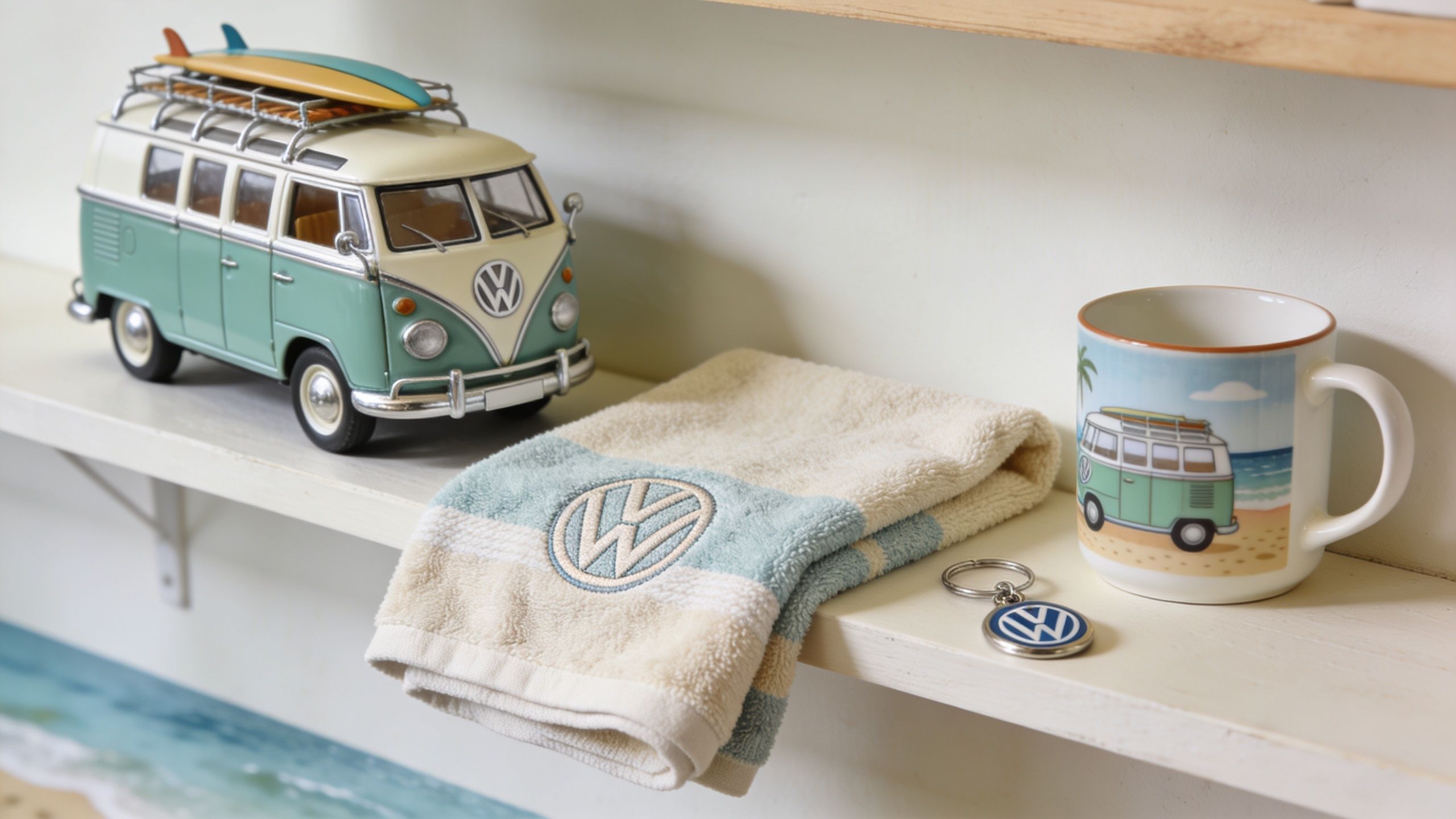
A Volkswagen camper van toy, a branded towel, and a mug on a shelf for beach themed gifts.

Classic diecast models

For many, it all began with diecast models. A proper diecast model has presence. You notice the body lines, the paintwork, the stance. A Kombi Samba Bus has that unmistakable silhouette, and a Beetle always seems to carry a grin even when it’s sitting still.

These pieces work especially well because they bridge two interests at once. Mainstream gift guides often miss niche collector communities, yet VW-themed pieces like vintage Kombi vans and Flower Power Beetles naturally appeal to both automotive hobbyists and beach-home decorators, as discussed in this note on underserved collector-focused beach gift ideas.

A few signs you’re choosing well:

  • Licensed detailing that feels true to the original vehicle
  • Display appeal from every angle, not just front-on
  • Colour and theme fit with a coastal home, office, or collector shelf

Coastal home and wall décor

Not every VW fan wants a cabinet full of models. Some want one statement piece that changes the feel of a room. That’s where metal décor, shelf pieces, mugs, framed accents, and surf-inspired van items come in.

A beach house entryway, a rumpus room, or even a study nook can come alive with a single VW object that carries that seaside freedom. If you’re building a themed present, a practical extra can round it out nicely. A simple addition like a straw beach hat can tie the whole coastal mood together without overpowering the main gift.

Here’s a closer look at the look and feel many collectors love:

Ready-to-go themed bundles

Some gifts feel better when they arrive as a little world of their own. A Kombi model with a beach mug. A Beetle keepsake with a coastal photo frame. A surf-van piece with small décor accents in natural tones. Volkswagen Memorabilia offers VW-themed gifts, diecast models, and coastal décor in one catalogue, which makes this kind of themed pairing straightforward for shoppers who want the beach and VW connection in one place.

A bundle works best when one item carries the story and the rest support it quietly.

Styling and Pairing Your VW Treasures

A good VW gift shouldn’t disappear into a cupboard after the wrapping paper’s gone. True fun starts when it becomes part of daily life. A Kombi on a coffee table can make a room feel warmer. A Beetle on a bookshelf can break up a run of plain frames and candles. The right piece turns a shelf into a conversation.

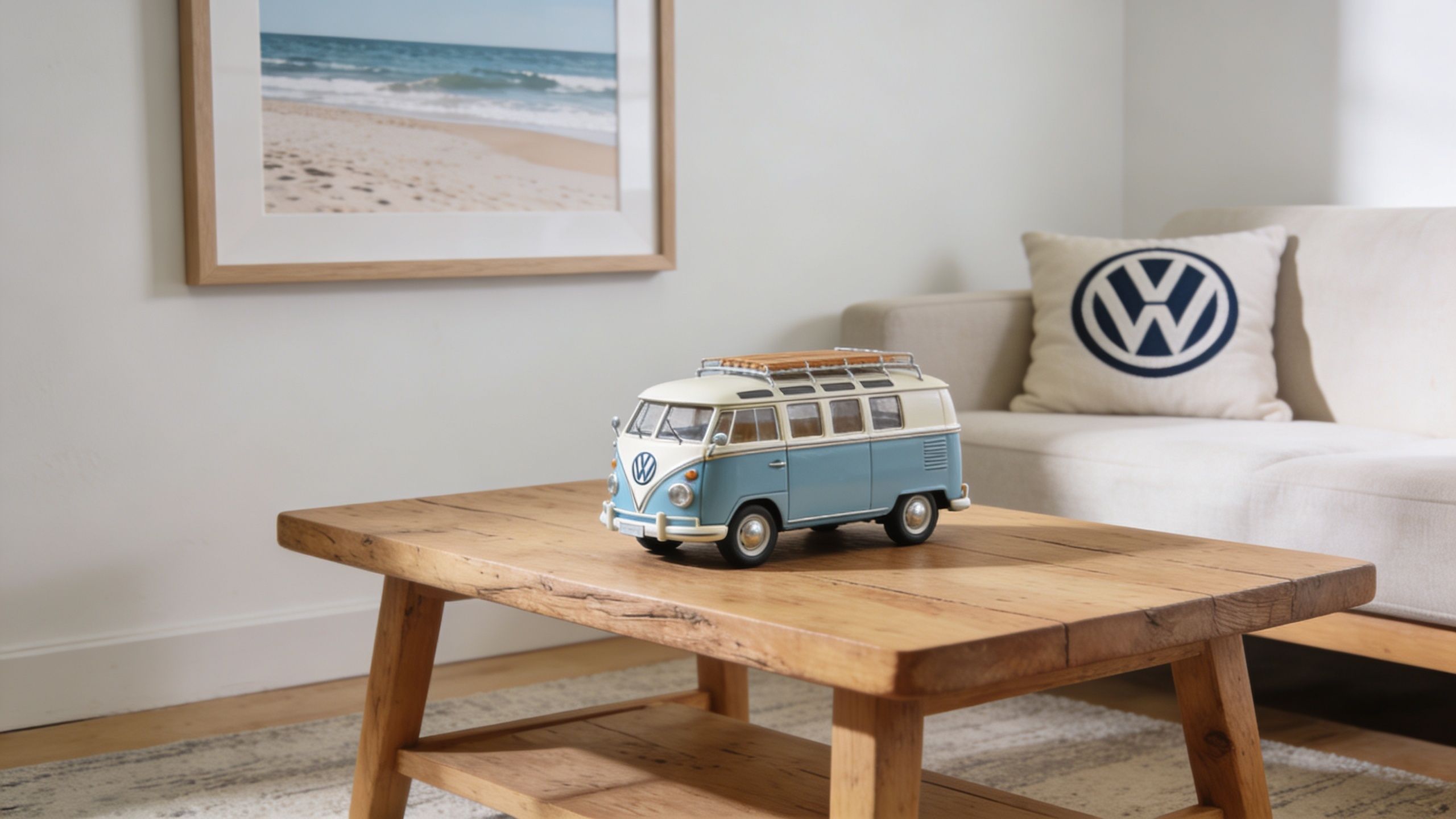
A miniature light blue and cream vintage Volkswagen camper van sits on a rustic wooden coffee table.

Create a small coastal scene

Try grouping a VW model with only two or three other objects. A shell, a weathered timber tray, a faded holiday photo, maybe a small bowl of collected treasures from the beach. Keep the colours soft so the vehicle shape stands out.

That’s why Kombis work so well in coastal styling. They already carry the story. You don’t need to force it.

Pair nostalgia with something useful

There’s also a strong case for mixing sentiment with practicality. Modern sand-resistant towels use tightly woven microfiber that reduces sand adhesion compared with traditional terry cloth, so pairing one with a classic VW model creates a gift bundle that feels both nostalgic and useful in this practical beach gift material guide.

A few pairings that work nicely:

  • Kombi model plus sand-resistant towel for regular beachgoers
  • Beetle display piece plus picnic hamper bits for couples who love day trips
  • Surfy VW van gift plus framed holiday photo for a new beach house

The best styling choice is often the least crowded one. Give the VW piece a bit of breathing room.

Don’t hide the gift’s personality

If the recipient loves colour, lean into it. A Flower Power style model doesn’t need apologising for. It needs a spot where it can be seen. If their home is more pared back, a cream, blue, or pastel VW piece usually slips into the room naturally while still carrying that beachy charm.

Your Smart Buying Guide for Every Occasion

Different occasions call for different scales of gift. A small “thinking of you” present can be a playful display piece or compact model. A milestone birthday or retirement gift can justify a more substantial diecast or a bundle that mixes memorabilia with something beach-ready.

Match the moment

For Father’s Day, many buyers lean toward classic models with a bit of heritage behind them. For Christmas, lighter and more decorative pieces suit beach-house styling. For a housewarming, think display items that help shape a room rather than something highly collector-focused.

A premium route is to pair a VW collectible with a practical piece of beach tech. For example, a waterproof Bluetooth speaker should have an IP67 rating for beach use, making it a sensible companion to a nostalgic VW gift for someone who spends weekends by the water according to this beach device gifting guide.

Why local stock matters

If you’re buying in Australia, local stock makes life easier. You know what’s available now. You avoid the uncertainty that can come with overseas shipping. And if you need help, local support hours are far more reassuring than a contact form vanishing into the void.

That matters most when the gift is tied to a date. Birthday, Christmas lunch, anniversary getaway, Father’s Day morning. You want confidence that the parcel will arrive in time and match what you expected.

Start Your VW Beach Adventure Today

The beauty of VW-themed gifts for the beach is that they don’t feel manufactured. They feel lived in, remembered, and passed around in stories. A Kombi reminds one person of surfboards and caravan parks. A Beetle reminds another of their first car, or an uncle who could fix anything with a spanner and a bit of patience. That’s why these gifts last. They mean something before they even leave the box.

They also suit the Australian way of living remarkably well. Beach culture here isn’t a trend. It’s part of the rhythm of weekends, holidays, and family memories. Add Volkswagen history to that, and you get a gift that feels both playful and personal.

If you’re choosing for someone who loves old VWs, coastal style, or that whole easygoing van-life spirit, follow the story rather than the category. Pick the piece that looks like it belongs in their life already. If you want a little inspiration for that broader lifestyle, the stories around van life in Australia capture exactly why these vehicles still hold such a special place in beach culture.

In the end, the right gift doesn’t just say “I bought you something”. It says “I know what makes you smile”.


If you’re ready to find a piece of sun-soaked VW nostalgia, have a browse through Volkswagen Memorabilia. You’ll find licensed diecast models, coastal-inspired décor, and gift ideas that suit collectors, beach-house stylists, and anyone who still feels a little thrill when a classic Kombi rolls by.

VW Beach Buggy: The Ultimate Collector’s Guide

You can almost see the scene already. A warm northerly is rolling over the dunes, the esky is rattling in the back, and somewhere near the surf club a fibreglass body catches the sun like a lolly wrapper. Then comes that familiar air-cooled chatter. Not polished concours perfection. Not a garage queen. Just a cheerful little machine built for beach runs, fish and chips, and that feeling that the whole weekend is still in front of you.

That’s why the vw beach buggy still gets people smiling at shows across Australia. It isn’t only the shape, or the Beetle mechanicals underneath, or even the surf-culture nostalgia. It’s the way the buggy turns memory into something you can touch. For some people that means owning an original. For plenty of us, it means collecting the next best thing, whether that’s a licensed diecast, a shelf display, or coastal décor that carries the same sunny spirit.

The Enduring Spirit of Sun Sand and Volkswagen

At a Surf Show & Shine, you’ll always spot the crowd around the buggy first. Kids point at the open bodywork. Older blokes lean in and start yarns about mates who had one in the day. Someone always says they nearly bought one once. Someone else reckons they should have kept theirs.

That reaction says everything.

A vw beach buggy was never just transport. In the Aussie imagination, it became part of a whole summer rhythm. Early mornings with wax on the board. Salt drying on the seats. Sandy feet you gave up trying to clean off. It stood for freedom in a way few cars ever have.

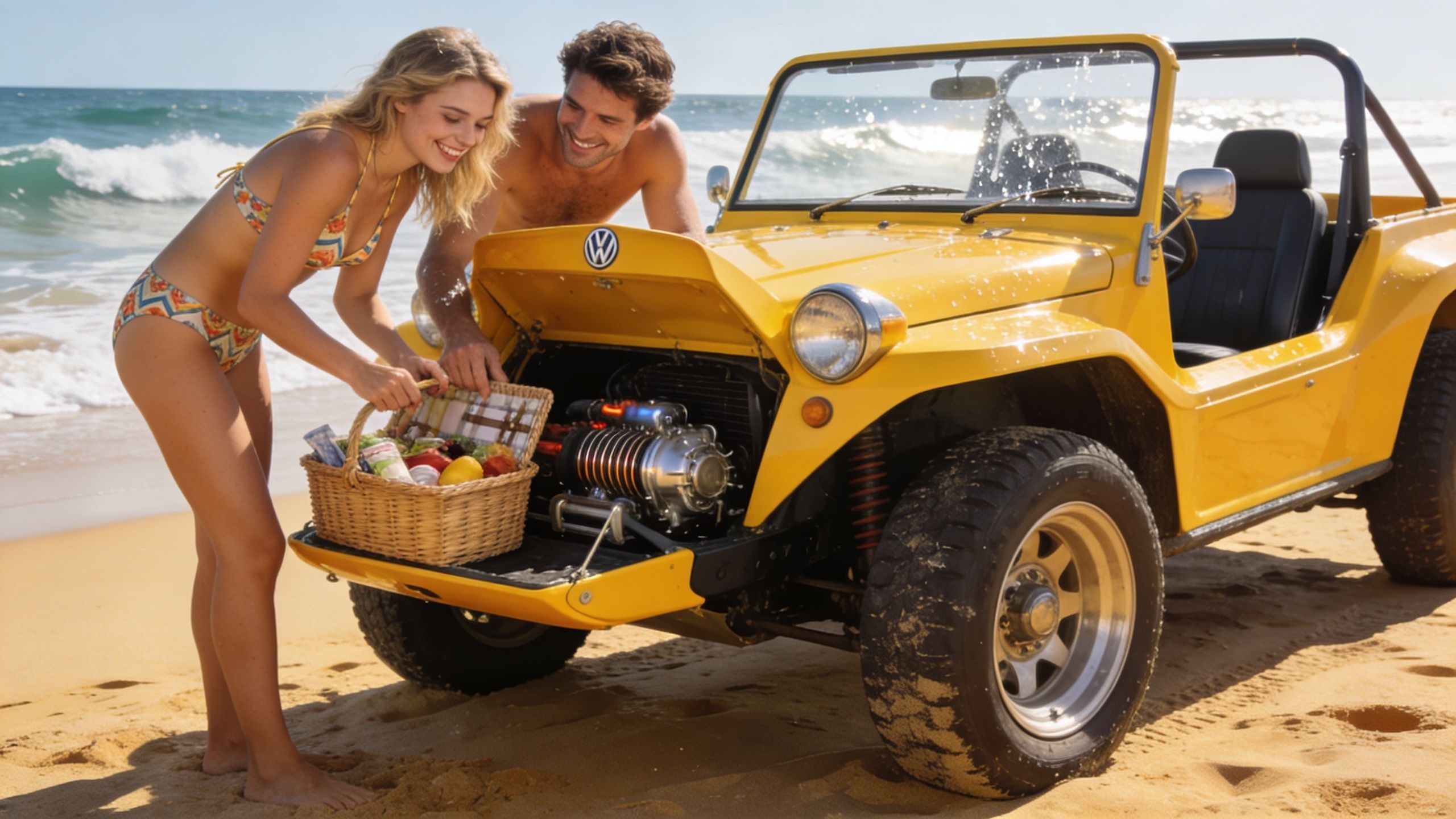
A happy couple standing by a yellow Volkswagen beach buggy on a sunny sandy beach with a picnic basket.

Why the feeling lasts

The buggy’s magic comes from a few simple things working together:

  • Open-air fun with none of the stiffness of a formal classic car.
  • Volkswagen familiarity that makes it instantly lovable to Beetle and Kombi fans.
  • Beach-town personality that feels right at home in Australia.
  • A handmade spirit that reminds you real enthusiasts built these things to be used.

Some classics impress you. A beach buggy invites you in.

That’s also why so many collectors drift toward miniatures and display pieces. You might not have room for a full-sized buggy in the shed. You might not want the hassle of finding the right one. But you can still keep that same mood alive on a desk, in a display cabinet, or in a lounge room styled with surfy Volkswagen charm.

From machine to memory

A Beetle makes people nostalgic. A Kombi makes them grin. A beach buggy does something slightly different. It brings out stories. It gets people talking about summer holidays, road trips, beach car parks, and the loose, happy side of motoring that’s easy to miss now.

That’s what makes it such a strong collector theme. You’re not only collecting a vehicle. You’re collecting a mood.

From Beetle Bones to Beach King An Aussie Icon's Story

The clever bit about the beach buggy was always its simplicity. Take dependable Volkswagen underpinnings, strip away the heavy factory body, and fit a lightweight fibreglass shell that looked like it belonged near the surf. Suddenly the humble Beetle became something playful, cheeky, and distinctly outdoorsy.

Australia didn’t just borrow that formula. We made it our own.

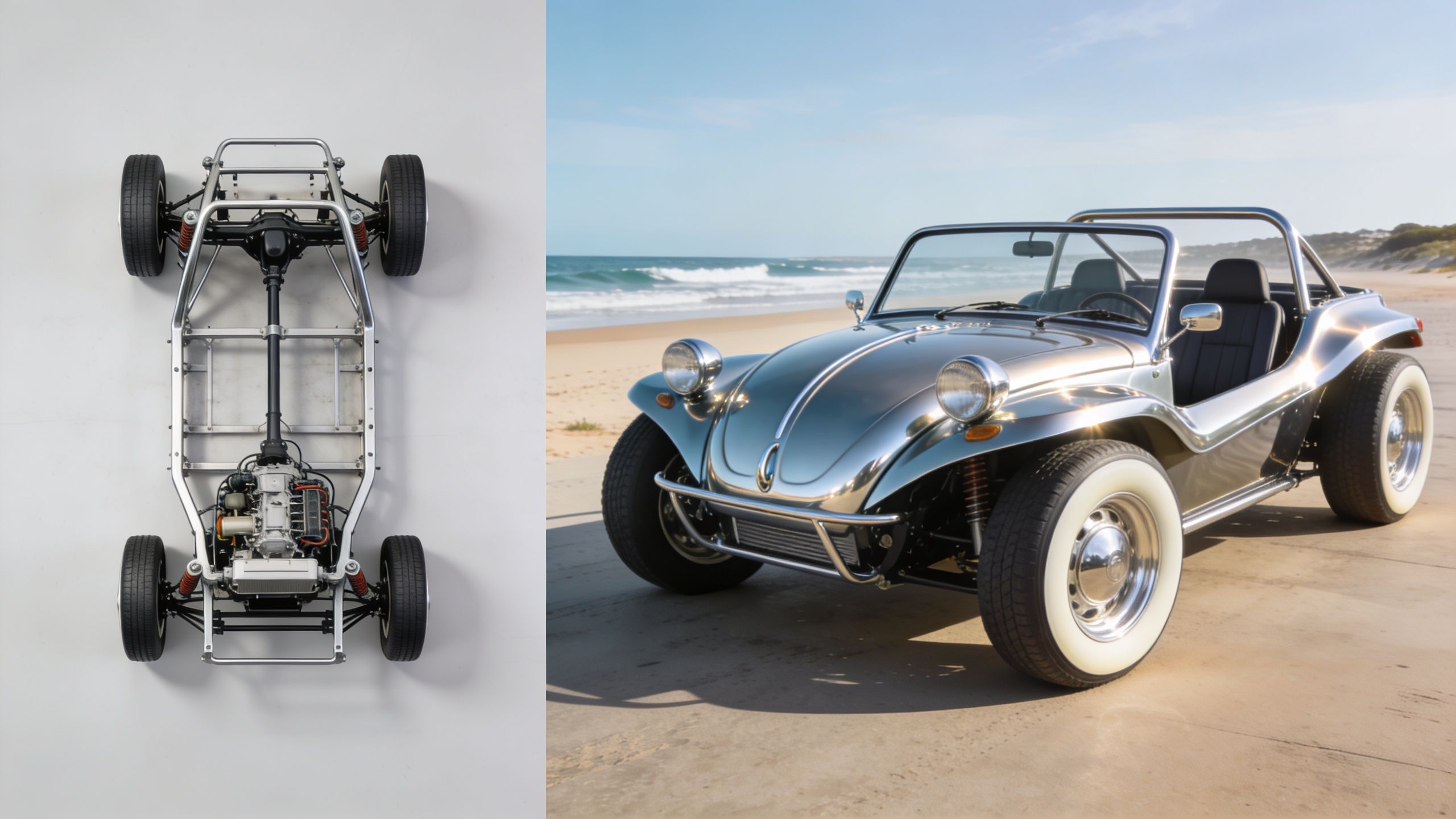
A split image showing a silver VW beach buggy chassis on the left and the finished vehicle parked on a beach.

The Manta Ray and the Melbourne connection

One of the great local stories is the Manta Ray, a Melbourne-built buggy that emerged in the late 1960s. According to the Club VW archive on the Manta Ray, it was built from the floor pan of a 1966 VW 1300 Beetle and wore a fibreglass top shaped to resemble a manta ray. That’s such an Australian bit of ingenuity. Practical Volkswagen bones underneath, beach-ready personality on top.

It wasn’t only about looks, either. The same archival account notes performance testing of 0 to 50 mph (80 km/h) in 10 seconds, using the standard Beetle engine, plus very modest running costs that helped make the buggy appealing to enthusiasts. Weekly insurance averaged $1.04 for registration and third-party cover, servicing was listed at 66c weekly, and petrol use averaged 37 mpg (7.6 L/100 km) in city driving in that period’s reporting.

Those details matter because they explain why the buggy caught on. It felt exciting, but it still came from sensible Volkswagen roots.

Why Beetle underpinnings mattered

The Beetle chassis gave buggy builders three big advantages.

Feature Why enthusiasts loved it
VW floor pan base It provided a familiar starting point for a custom body
Air-cooled mechanicals Owners already knew the character and quirks of VW running gear
Lightweight fibreglass body It gave the buggy its lively, beachy feel

A lot of the buggy’s charm came from contrast. The Beetle was humble and dependable. The buggy was carefree and extroverted. Put them together and you had something that looked half hot-rod, half surf craft.

Practical rule: The best Australian buggy stories start with ordinary Volkswagen parts and end with something unforgettable.

There was a trade-off, of course. Early models had some shortcomings, including poor stock 1200 brakes and weak chassis handling in some builds, as the archival material notes. That’s part of the story too. These weren’t sterile showroom exercises. They were enthusiast creations, full of character, trial and error, and local know-how.

For readers who love the off-road side of VW culture as much as the beach side, the VW Baja Bug story sits in a similar lane of creative Volkswagen reinvention.

Surf culture gave it a soul

The reason the Manta Ray still matters isn’t just the engineering. It’s what the vehicle represented in Australia. Coastal freedom. Informal style. Affordable fun. A car you could imagine parked outside a fibro shack near the beach, board leaning against the wall, zinc on the nose, tide coming in.

A moving picture says a lot about that spirit, and this old footage captures the fibreglass-and-VW magic nicely.

The vw beach buggy became an icon because it fit Australia’s rhythm so neatly. It was relaxed, inventive, and unpretentious. That same mix is exactly why people still chase them, talk about them, and collect anything connected to them.

More Than a Toy The Art of Collecting VW Memorabilia

A good diecast doesn’t sit on a shelf like a toy left behind from childhood. It holds a story in miniature. If you’ve ever stopped in front of a well-made Volkswagen model and studied the stance, the paint, the tiny wheels, and the way it instantly brought back a family car or an old road trip, you already know that.

Collectors don’t chase these pieces because they’re childish. They chase them because they’re specific.

Why authenticity matters

The buggy market has a challenge. Search results show both original late-1960s builds and modern reproductions, but there’s little clear guidance on how to separate authenticity from imitation or how to judge collectibility, as discussed in this commentary on vintage versus modern buggy confusion. That uncertainty is frustrating when you’re looking at a full-sized purchase.

For memorabilia, there’s a cleaner path. Officially licensed products matter because they follow the original vehicle’s design language and heritage more closely. That gives the piece more credibility as a collectible and makes it more satisfying to live with long term.

If the real car world is full of grey areas, licensed memorabilia gives collectors a firmer footing.

Choosing the right scale for your shelf

Different collectors want different experiences. Scale is where the hobby becomes personal.

  • 1:18 scale suits the detail-lover who wants doors, trim lines, interior features, and a proper display presence.
  • 1:24 scale often lands in the sweet spot for everyday collecting. Big enough to enjoy, compact enough to display in a row.
  • Smaller scales work well when you want a themed collection rather than a single hero piece.

The trick is not to ask which scale is best in general. Ask which scale fits your room, your display style, and the way you enjoy looking at models.

What makes a piece feel special

Collectors usually respond to the same qualities, even if they describe them differently:

  • Faithful proportions that look right at a glance.
  • Clean paintwork with tidy finishing around edges and trim.
  • Character that captures the Volkswagen mood, not just the silhouette.
  • Display harmony so a Beetle, Kombi, or buggy can sit together without clashing.

That’s why a shelf of Volkswagen miniatures can feel almost like a tiny museum of motoring joy. One model recalls surf culture. Another recalls family holidays. Another nails the shape so perfectly you can’t stop looking at it.

Collecting is less about quantity than connection. The best pieces earn their place because they mean something.

Your Guide to Building a Classic Collection

Real beach buggies have moved beyond quirky old fun into proper collector territory. The market tracked by The Classic Valuer’s Volkswagen beach buggy data shows 52 units publicly sold, a median price of approximately AU$15,500, an 81% sell-through rate since 2020, and a top recorded sale of about AU$92,000. That doesn’t mean every memorabilia piece becomes an investment story. It does show the buggy’s cultural weight has held up.

If you collect thoughtfully, your display starts to feel connected to something bigger than décor.

A step-by-step guide on how to build your dream vintage Volkswagen beach buggy collection.

What to check before you buy

A seasoned collector usually slows down and looks for a handful of things.

  1. Proportions first. If the roofline, wheel placement, or body shape feels off, you’ll notice it every time you walk past.
  2. Paint next. Look for even coverage, consistent colour, and tidy edges.
  3. Small details matter. Wheels, lights, trim, and interior treatment often separate an average piece from one you’ll keep for years.
  4. Licensing and maker reputation. These help you avoid generic lookalikes that never quite capture the original charm.

A model doesn’t need to be flashy. It needs to feel right.

A simple collector’s checklist

Checkpoint What to look for
Body shape Clean lines and recognisable Volkswagen character
Finish Smooth paint and neat assembly
Theme fit Works with your existing Beetle, Kombi, or surf-themed display
Authenticity Official licensing where available
Display value Worth seeing every day, not just storing away

For collectors wanting to browse models in one place, the Volkswagen model cars range is a handy category to compare styles and display ideas.

Collector’s note: Buy the model you’ll still enjoy in a year, not the one that only looks exciting for five minutes.

Display like a curator, not a hoarder

The easiest mistake is lining everything up on one dusty shelf and hoping for the best. A stronger display tells a story.

Try one of these approaches:

  • Beach scene grouping with a buggy, a Kombi, and coastal accents in sandy or white tones.
  • Volkswagen timeline showing Beetle to bus to buggy as a design evolution.
  • Colour-led display where bright beach hues become the theme.
  • Single hero piece under glass or on a clean timber shelf with breathing room around it.

Good collecting is organised editing. Leave space around the best pieces and they’ll do more work for you visually.

Think in themes, not only in items

A classic collection usually gets stronger when it has a point of view. Maybe yours is all about surf culture. Maybe it’s Australian Volkswagen nostalgia. Maybe you just love cheerful utility vehicles with personality.

Once you know your angle, choosing gets easier. You stop buying random pieces and start building a collection with shape, rhythm, and emotional pull.

Bringing the Beach Vibe Home With Coastal VW Decor

One of the nicest displays I’ve seen wasn’t in a garage at all. It was in a bright coastal sitting room with weathered timber, white walls, a soft blue throw, and one little Volkswagen model parked on a shelf as if it had just rolled in from the foreshore. That single piece changed the room. It turned beach styling into a story.

That’s the appeal of VW décor when it’s done well. It doesn’t shout. It smiles.

A sunny coastal room featuring a toy VW beach buggy, car-themed decor, and a beautiful ocean view.

Styling a room around the buggy spirit

You don’t need a full buggy body in the shed to enjoy the look and mood it represents. A relaxed room can carry the same cues:

  • Playful colour pops drawn from beach umbrellas, surfboards, and classic VW paintwork
  • Rounded shapes that echo Beetle and Kombi forms
  • Natural textures like timber, rattan, linen, and weathered finishes
  • One or two standout VW pieces rather than a crowded novelty display

A toy beach buggy on a shelf beside shells, framed family beach photos, and a vintage-style van can do more emotionally than a room full of unrelated expensive objects.

The practical appeal of décor over a full build

There’s also a very Australian reason some enthusiasts turn to memorabilia and décor rather than a real project. Available research points to a major information gap around Australian pricing, import availability, and regulatory compliance for VW beach buggy kits, making the dream build far less straightforward for local fans, as noted in this discussion of beach buggy kit uncertainty. For many people, that puts the project in the too-hard basket.

Décor and collectibles offer a direct, regulation-free way to enjoy the same lifestyle cues at home.

A room can carry the beach buggy mood without a registration form, import drama, or a half-finished chassis under a tarp.

For inspiration on mixing surfy pieces with furniture and home styling, these coastal home décor ideas are a useful jumping-off point.

A few combinations that work beautifully

Some pairings just click.

Setting VW-inspired touch
Living room shelf A Beetle or beach buggy model beside driftwood and framed holiday photos
Entry console A Kombi-themed piece that sets the tone the moment guests walk in
Study or office One licensed diecast as a compact burst of colour and nostalgia
Guest room Coastal décor with a subtle Volkswagen accent for a laid-back holiday feel

The key is restraint. Let each item have room. When the styling is clean, the Volkswagen pieces feel intentional rather than kitschy.

Make it personal

The best home displays usually reflect a real memory. Maybe your dad had a Beetle. Maybe you honeymooned in a Kombi. Maybe the beach buggy is the dream car you never quite bought. That personal thread is what turns décor into something warmer.

A home with a little Volkswagen soul in it feels lived-in, cheerful, and unmistakably Australian by the coast.

The Perfect Find For The VW Fan In Your Life

Gift shopping gets easier when you stop thinking in categories and start thinking in personalities. The VW fan in your life usually gives themselves away pretty quickly.

For the dedicated collector, a licensed model is hard to beat. They’ll notice shape, finish, and authenticity straight away, and they’ll appreciate something that sits properly alongside the rest of their display. If they already love buses and classic vans, it’s worth browsing the wider shop collection of Volkswagen gifts and diecast.

For the home stylist, look beyond the display cabinet. Coastal Volkswagen décor, framed accents, or metal wall pieces suit someone who wants the vibe of classic motoring woven into the house rather than concentrated in one shelf.

For the nostalgic dad, uncle, or old mate who “used to have one just like it”, go with something that sparks a story. A Beetle model or surfy Volkswagen piece often lands better than a generic present because it connects to memory, not just taste.

For the last-minute buyer, local stock matters. Buying from an Australian importer with stock on hand makes life simpler when you need a present without the long wait and uncertainty of overseas ordering. That’s especially handy around birthdays, Father’s Day, Christmas, or a club event gift exchange.

A good VW gift doesn’t feel random. It feels recognised.

Keep the Good Vibes Rolling

The vw beach buggy has always been bigger than its parts. Beetle floor pan. Fibreglass body. Sand, salt, and sunshine in the mix. Yet somehow all of that became a symbol of easy-going Australian fun that still turns heads decades later.

That’s why collecting around the buggy makes so much sense. A well-made model, a thoughtful display, or a coastal room with a touch of Volkswagen character keeps that spirit close, even if the original lives only in memory or on the wish list.

You don’t need a full garage build to be part of the story. You just need an eye for the pieces that carry the feeling forward.


If you’re ready to bring some of that sunshine home, have a look through Volkswagen Memorabilia. You’ll find licensed VW diecast, gift ideas, and coastal-inspired pieces that celebrate classic Volkswagen charm with local Australian stock and fast shipping.

White Candle Holders: Coastal VW Decor Ideas

You know that moment when you stand back from your shelf, coffee in hand, and admire the little fleet you’ve built over the years? A tidy Beetle with those rounded guards. A bright Kombi that still feels like summer on wheels. Maybe a Samba Bus parked proudly in the centre like it owns the mantel. The models are right. The memories are right. But the display still feels a touch flat.

I had that feeling after a Show n Shine weekend, looking at a sun-faded surf photo, a couple of diecast VWs, and a bare bit of shelf timber that needed some soul. Not more clutter. Just atmosphere. Something that softened the edges and gave the whole corner that relaxed beach-house calm we all secretly want, whether we live near the coast or not.

That’s where white candle holders sneak in and do their best work. They don’t fight the colours of your Kombi. They don’t steal attention from a classic Beetle silhouette. They sit there, adding shape, light, and that breezy coastal mood that feels right at home beside old Vee-Dub memories.

Setting the Scene for Your Prized Collection

A mate of mine keeps a cream shelf above an old sideboard. On it sits a blue-and-white Kombi model, a weathered photo from a camping trip up the coast, and a stack of workshop manuals he refuses to throw out. It already had heart. What changed the whole look was adding two white candle holders at different heights, one smooth and one slightly rustic, to frame the display without boxing it in.

A man smiling at two miniature vintage Volkswagen toy cars displayed on a rustic wooden mantelpiece.

The effect was simple. The white surfaces bounced a bit more light around the shelf, the diecast paint looked richer, and the whole arrangement felt like it belonged together. It stopped looking like a few nice objects lined up after a clean-up and started feeling like a story.

A display that feels lived in

Classic Volkswagen displays work best when they suggest a life around the vehicle. A Kombi isn’t just a van. It’s road trips, surfboards, servo pies, and maps folded the wrong way. A Beetle isn’t just a shape. It’s first cars, family photos, and that unmistakable bonnet catching afternoon sun.

White candle holders help because they create breathing room. They act like the pale trim in an old beach shack. Quiet, tidy, and full of character without demanding applause.

A few styling cues make that shelf feel more natural:

  • Use uneven heights so the eye moves across the display instead of stopping at one hero piece.
  • Keep white tones soft rather than stark when you want a warmer nostalgic look.
  • Pair with timber, shells, or old books so the setup doesn’t drift into showroom-cold territory.

Practical rule: If your model car is the memory, the candle holder should be the backdrop.

If you like the idea of blending collectibles with home styling, a browse through vintage home accessories can spark plenty of display ideas without turning the room into a theme park.

Why this small touch works so well

White candle holders bring order without making things feel fussy. That matters when you’re displaying VW pieces, because the cars already have personality. Too many bold décor items and the whole shelf starts arguing with itself.

A clean white holder settles things down. It gives your collection the same feeling a well-detailed Beetle has after a wash. Calm. Crisp. Ready for a proper look.

Why White is the Perfect Colour for a VW Theme

White makes sense in a VW setting for the same reason white walls work in a surf club or a weatherboard beach house. It lets the good stuff breathe. The chrome on a Beetle catches it. The two-tone paint on a Kombi pops against it. Even a faded old postcard or a retro enamel sign looks sharper when there’s a bit of white nearby.

In Australian décor, that instinct has become mainstream. Reporting on interior trends and product mix notes that neutral-toned decorative items account for roughly 35 to 40% of decorative centrepiece sales, with white consistently the top colour choice. The same reporting says white ceramic and glass candle holders made up 42% of Adairs’ candle-holder SKUs in 2021 to 2022, promoted as “versatile” and “coastal-friendly.”

That wording says a lot. Versatile means it works with your bright Flower Power bus and your understated grey oval-window Beetle. Coastal-friendly means it carries that easy Australian beach mood without trying too hard.

White feels like the road trip itself

Think about the colours wrapped up in old VW memories here in Australia.

There’s white foam on the shoreline at first light. White sun glare off the bonnet during a long run north. White painted fibro shacks, salt-stained fences, and old milk bars near caravan parks. White belongs to the scene already. It doesn’t need to be forced in.

That’s why white candle holders feel right beside a Kombi. They echo the world the van belongs to.

White lets the cars do the talking

Collectors sometimes worry that white will feel plain. It won’t, if the rest of the display has shape and texture. White is a canvas. It gives the model room to sing.

A bright red Beetle looks more vivid against white. A pastel Kombi looks more relaxed. A cream-and-blue Samba suddenly feels like it’s parked outside a beachside café.

Here’s where white earns its keep:

Display element What white does
Bright diecast Kombi Tones down visual noise and lets paintwork stand out
Chrome details on Beetles Reflects light softly and highlights curves
Coastal props like shells or driftwood Ties them together without becoming overly nautical
Bookshelves or mantels Keeps the whole setup feeling tidy and airy

It suits both old-school and minimal spaces

Not every VW enthusiast wants a room full of loud retro colour. Some of us like the memorabilia tucked into a cleaner, more grown-up interior. White candle holders bridge both worlds. They work with a surfy corner full of texture, and they work with a modern shelf that only carries a few chosen pieces.

White isn’t the star of the display. It’s the light hitting the star.

That’s why this colour keeps turning up in beach-inspired styling and nostalgic collections alike. It gives a display polish without sanding away its personality.

Choosing the Right Holder Material and Finish

Picking a white candle holder is a bit like choosing wheels for a project car. The wrong choice isn’t always bad. It just sends the display in a different direction. Material changes mood, maintenance, and how comfortable you’ll feel placing it near your prized models.

A graphic guide explaining the aesthetic differences between ceramic, whitewashed wood, and glass white candle holders.

Ceramic for a clean classic look

Ceramic white candle holders suit neat shelves, modern sideboards, and anyone who loves a display that feels organised. They’re easy on the eye and they don’t bring too much texture into the mix.

If your diecast collection includes polished Beetles or display-ready Samba models with crisp paint lines, ceramic usually behaves well. It adds shape without visual fuss.

Best suited to:

  • Minimal interiors where you want the model’s colour to carry the scene
  • Bookshelves and office displays that need a tidy, refined finish
  • Collectors who prefer easy care and don’t want a heavily distressed look

Whitewashed wood for that beach-run warmth

This is the one that feels most like bare feet on a timber floor after a morning surf check. Whitewashed wood has grain, softness, and a bit of that weathered personality VW people tend to love.

A particularly useful option in coastal homes is whitewashed mango wood. Product information on whitewashed mango wood pillar holders notes that the lime-based whitewash creates a breathable finish that reduces mould growth risk by 20 to 30% compared with sealed varnishes. The same material notes that mango wood has a Janka hardness of 1,070 lbf, which gives it greater stability than pine.

That’s handy if your place gets sticky in summer or your display sits in a coastal room that always seems to hold a bit of salt air.

Workshop-style tip: If your display includes driftwood, shells, or vintage surf pieces, whitewashed wood usually looks like it was always meant to be there.

Glass for light and brightness

White glass holders bring a brighter feel. They suit shelves that get morning sun and displays where you want reflection and sparkle, not rustic texture. They’re especially good when the surrounding décor is already timber-heavy and needs a lighter counterpoint.

Glass can also make a smaller shelf feel less crowded because it doesn’t carry as much visual weight. The eye passes through it more easily.

A quick comparison

Material Best mood Good match for VW display Main consideration
Ceramic Sleek and orderly Beetles, clean-lined shelves, office nooks Can feel formal if everything else is too polished
Whitewashed wood Coastal and nostalgic Kombis, surf themes, rustic consoles Texture is the feature, so keep nearby pieces simple
Glass Bright and airy Smaller shelves, lighter rooms, reflective styling Shows smudges more quickly

Finish matters as much as material

Don’t stop at the base material. The finish changes everything.

A gloss white ceramic holder feels sharp and contemporary. A chalky or matte finish feels softer. Distressed whitewash adds old beach-house charm. Smooth glass feels lighter and more decorative.

When in doubt, match the finish to the story you want your VW display to tell. Restored and polished. Sun-faded and surfy. Or somewhere comfortably in between.

Matching Holders to Candles and Diecast Models

Scale matters. You wouldn’t park a giant plastic palm tree next to a beautifully detailed Beetle and call it balanced. Candle holders work the same way. The right size supports the model. The wrong size swallows it whole.

If you’ve got a modest diecast setup on a shelf, keep the holder slightly lower than the visual high point of the main model unless you’re deliberately framing it. That usually keeps the car as the hero.

Getting the proportions right

A small white tealight holder can guide the eye toward a compact Beetle model. A taller pillar holder works better when the display includes a larger Kombi or when the candle holder sits to one side as an anchor.

Try these pairings:

  • Low tealight holders beside smaller diecast pieces when you want a tidy, runway-like line of light
  • Medium holders with taper candles near books and framed photos for a more nostalgic shelf scene
  • Chunkier pillar holders beside larger vans or centre displays where the vehicle has enough presence to hold its own

One trick that works well is grouping rather than mirroring. Two holders of different heights often look more natural than a perfectly symmetrical pair.

Flame, heat, and common sense

Any display with collectibles needs a bit of care. Plastic parts, paper tags, dry timber, and boxed models don’t belong too close to an open flame. If you love the look of a real candle, give the holder clear space around it and keep the model slightly offset rather than tucked right beside the flame.

For a safer material choice, borosilicate glass white candle holders are worth noting. The material data says their coefficient of thermal expansion is lower than soda-lime glass, and that this reduces shatter risk by 70% when exposed to candle heat.

That doesn’t mean you can forget the basics. It just means the holder itself is better suited to heat changes.

Keep open flame as décor, not drama. If the setup feels crowded, switch to flameless candles and keep the ambience.

A few practical habits go a long way:

  1. Leave breathing space between the candle holder and any boxed collectible or paper item.
  2. Check stability first on narrow mantels or shelves that wobble when someone walks past.
  3. Use LED candles if the display lives in a busy family room or near curtains.
  4. Avoid oversized candles that tower over the model and pull all the focus.

If you’re styling around collectible vehicles, browsing Volkswagen model cars can help you judge scale and silhouette before you commit to a display layout.

Styling Your VW Sanctuary with Coastal and Retro Ideas

Some displays look bought. The best ones look gathered over time. A trip here, a market find there, an old photo from the glovebox, a diecast you couldn’t leave behind. White candle holders fit beautifully into that kind of setup because they connect all the odd pieces without making the arrangement feel staged.

A rustic coastal console table featuring white candle holders, seashell decorations, driftwood, and Volkswagen branded items.

The classic coastal Kombi corner

This look belongs on a console table, hallway shelf, or sunny living room nook. Start with a Kombi model in beachy colours. Add one whitewashed holder, one smoother white holder, and then bring in a few natural pieces like shell fragments, driftwood, or a shallow bowl of sand-toned stones.

The point isn’t to build a literal beach scene. It’s to hint at one. Let the holder shapes echo the vertical lines of old fence posts or jetty pylons, while the Kombi carries the story.

A setup like this works best when you keep the palette narrow:

  • White and off-white for calm
  • Faded blue or sea-glass green through the model or a small accent
  • Natural timber and shell tones to stop it feeling too sterile

The retro Beetle bookshelf display

This one feels more grown-up. Less surf shack, more favourite reading corner with a whiff of petrol nostalgia. Slide a classic Beetle model between a few stacked books, then place a pair of slim white candle holders on one side. Add a small framed black-and-white photo or an old club badge if you’ve got one.

Here, white candle holders act almost like bookends with personality. They bring shape and rhythm without crowding the shelf.

A bookshelf display works when every piece has a little air around it. If objects are touching all over the place, the nostalgia gets lost in the noise.

The flower power centrepiece

For a dining table or occasional table, go more playful. A bright Samba Bus or Kombi in the middle, fresh flowers nearby, and a ring of small white tealight holders around the edge creates a cheerful retro scene without tipping into kitsch.

The reason this works is contrast. White holds the structure together while the flowers and vehicle bring the fun. You get colour, but the display still feels tidy enough for an adult home.

A useful way to think about these three looks is this:

Style Best VW star White holder style Extra touches
Coastal Kombi corner Surfy Kombi or van Whitewashed or matte white Shells, driftwood, pale rope textures
Retro Beetle bookshelf Classic Beetle Slim ceramic or glass Books, framed photo, club keepsake
Flower power centrepiece Bright Samba or Kombi Tealight holders in white Fresh flowers, colourful napery

The shared thread is restraint. Let the model hold the memory. Let the white candle holders shape the mood.

Easy DIY Projects for a Personal Touch

VW people are makers by nature. Even if you’re not rebuilding carbies in the shed, you probably enjoy tinkering, adjusting, and giving things your own spin. That’s exactly why simple DIY work suits white candle holders so well. They’re easy to personalise without ruining the clean look that makes them useful.

A person paints the rim of a small wooden candle holder with white paint at a crafting table.

Add subtle VW-inspired detail

Take a plain ceramic or timber holder and give it one small nod to the hobby. A thin stripe in a classic Kombi blue. A tiny daisy motif for a Flower Power feel. A neat pinline around the base in red, cream, or mustard.

Keep it restrained. The charm is in the suggestion, not in turning the holder into a billboard.

Good beginner ideas include:

  • A fine painted ring around the lip or base
  • Mini retro decals used sparingly on one side
  • A distressed white finish rubbed back lightly on timber for a weathered beach look

Build a shared display base

One of the easiest projects is making a simple timber tray or base that holds both the candle holders and the diecast model together. It keeps the arrangement unified and makes it easy to move when you’re dusting or restyling the shelf.

Use reclaimed timber if you like a more relaxed finish. Paint it white, wash it back, or leave some raw timber showing through. Then place a small model and two holders together so the whole thing feels like one display piece rather than three separate objects.

A few coastal accents from shell wall art can also help if you want the finished setup to lean more beach-house than workshop.

Keep the project fun, not perfect

The best DIY décor for VW collectors has a bit of personality in it. A brushstroke that isn’t dead straight. A rubbed-back edge. A hand-painted detail that feels human. That imperfection often suits old Volkswagens better than factory-perfect gloss.

Small-maker advice: If the holder starts looking too busy, stop. White space is part of the design.

That’s true on shelves, and it’s true in the garage too.

The Perfect Gift for a Fellow VW Fan

Some gifts feel like a last-minute servo run. Others make the recipient grin before they’ve even opened the box properly. A diecast Volkswagen model paired with a well-chosen white candle holder sits firmly in the second category. It says you know what they love, but you’ve also thought about how they live with it.

A whitewashed timber holder paired with a Kombi suits the person who talks about road trips, beaches, and old camping stories. A sleeker white ceramic holder beside a Beetle model feels right for someone whose study or office shelf is neat, curated, and full of quiet nostalgia. A glass holder with a bright little van works well for gift buyers who want something cheerful and display-ready.

Why this pairing lands so well

It works because the gift doesn’t stop at the collectible. It helps create the setting for the collectible. Plenty of enthusiasts already have shelves full of treasured pieces. What they often don’t have is the little styling touch that makes those pieces feel finished.

That’s where white candle holders shine. They’re practical, attractive, and easy to blend into different homes. They suit beachy interiors, cleaner modern spaces, and retro corners with equal ease.

A thoughtful gift pairing might include:

  • A coastal-style holder with a Kombi model for the relaxed surf-culture fan
  • A slim white ceramic piece with a Beetle model for a more classic, understated look
  • A small cluster of white tealight holders with a colourful Samba for someone who loves entertaining and centrepieces

Buying local makes gifting easier

For Australian buyers, local stock matters. If you’re shopping for a birthday, Father’s Day, Christmas, or a surprise for a VW mate before the next club meet, it helps to buy from an Australian importer with local support and fast shipping. You’re not left guessing about delivery timing, and you’re dealing with people who understand the local scene.

That matters even more when the gift is specific. VW fans tend to notice details. Licensed models, good presentation, and a bit of display inspiration go a long way.

The nicest part of this whole idea is that it feels personal without becoming overblown. A simple white candle holder. A classic Volkswagen model. Together they tell a bigger story about travel, memory, and home.


If you’re ready to style your own shelf or find a gift that’ll mean something, have a look through Volkswagen Memorabilia. You’ll find officially licensed VW collectibles, coastal décor, local Australian stock, and plenty of inspiration for building a display around your favourite Beetles, Kombis, and Samba Buses.

Shell Wind Chimes: The Sound of VW Surf Culture

I still remember pulling up at a quiet stretch of coast in an old Kombi, side door open, wax on the board, kettle rattling on a little camp stove. The waves rolled in, gulls carried on, and from the fibro beach shack next door came that light clink of shell wind chimes, the sort of sound that makes a whole afternoon feel slower in the best possible way.

The Soundtrack to Freedom and Salty Air

That sound belongs to a certain Australian memory. You park the van crooked in the sand, kick off your thongs, and everything sharp about the week drops away. Salt sits in the air, sunscreen and seaweed mix together, and somewhere nearby a string of shells taps softly against itself in the breeze.

A vintage orange Volkswagen bus parked on a beach at sunset with a seashell mobile hanging inside.

For a lot of VW people, that’s the core charm of beach culture. It isn’t only the vehicle. It’s the whole scene around it. A weathered esky. Faded stripes on a deck chair. A surfboard with a few honest dings. A VW travel van surf van piece on a shelf can spark the same feeling, especially when the rest of the room carries that coastal note.

Why shell wind chimes fit the Kombi spirit

Shell wind chimes don’t shout for attention. They work the same way a classic Kombi does when it’s parked among modern cars. They bring character without needing polish or fuss.

  • They sound natural: softer than metal, more like surf shack ambience than garden-centre clang.
  • They age well: a bit of weathering often makes them look more at home, not less.
  • They carry memory: one gentle rattle can bring back beach runs, early starts, and sandy floor mats.

Shell wind chimes feel like the audio version of a Kombi window open on a summer afternoon.

That’s why they work so well in homes, sheds, patios, and display corners built around old Volkswagens. They keep the coastal mood alive after the engine’s off and the boards are stacked away.

More Than Decoration The History and Soul of Shell Chimes

Shell wind chimes have far older roots than is commonly known. They weren’t dreamt up as a cute coastal accessory for a verandah. They began as practical objects with a job to do, and that gives them a bit of soul.

Archaeological remains in South East Asia show wind chimes made from bone, wood, bamboo, and shells dating back to approximately 3000 BC, and farmers in places such as Bali used them to ward off birds from crops while also believing they could repel evil spirits, according to the history outlined by Wind Chimes Australia. That’s a cracking origin story for something now hanging beside beach towels and old surf photos.

Practical first, symbolic second

The best objects usually start with use. Think of a Kombi. It became beloved because it was useful before it became iconic. Shell wind chimes followed a similar path.

Early shell chimes served two purposes:

  • Field work: they created enough movement and sound to unsettle birds around food crops.
  • Spiritual protection: communities also treated the sound as a barrier against bad energy or unwelcome spirits.

Those two threads still cling to shell chimes today. Even now, people don’t only hang them because they look good. They hang them because they change a space. A doorway feels calmer. A patio feels inhabited. A corner of the house feels less still.

Why that history suits Australian coastal living

Australian coastal style has always borrowed from what works in wind, sun, and salt. Shells, timber, rope, and washed-out colours aren’t trends here. They make sense. They belong.

That’s also why shell-based décor sits naturally alongside textured pieces such as shell wall art. Both have that collected, weathered, slightly sun-faded charm that makes a room feel lived in rather than staged.

Practical rule: when an object has both history and function, it tends to outlast fashion.

There’s also something fitting about shell chimes finding a home in Australian beach culture. They connect the sea, the breeze, and everyday life. For VW enthusiasts, that same connection matters. The old cars we love aren’t just machines. They’re tied to roads, campsites, board racks, beach car parks, and whole eras of living.

The object becomes part of the ritual

A shell wind chime isn’t just there to fill a hook on the verandah. It marks a threshold. You hear it when someone steps onto the porch. You hear it when the afternoon change comes through. You hear it when the weather turns.

That ritual quality is what makes it more than decoration. It does what all the best memorabilia and home pieces do. It turns atmosphere into something tangible.

Finding Your Coastal Tune Shell Types and Chime Styles

Choosing shell wind chimes gets easier when you stop thinking only about looks and start thinking about sound. Different shells create different moods, just as different VW models create different reactions. A bright Beetle has one personality. A two-tone Samba has another. Shells do the same job in audio form.

A guide titled Choosing Your Perfect Coastal Tune detailing various types of shells and wind chime styles.

A useful starting point is the material itself. Tuned shell wind chimes using Australian-sourced capiz and ringtop cowrie shells can achieve pentatonic scale precision, capiz shells can produce sustained tones lasting up to 4 seconds, and denser cockle shells can create frequencies between 800-1200 Hz for a soft, cascading “ocean whisper” effect, as described on the capiz and cowrie shell chime reference.

What each shell sounds like

Here’s the short version if you’re picking by ear rather than by label.

Shell type Sound character Best suited to
Capiz Light, airy, tinkling Indoor corners, windows, sheltered balconies
Cockle Softer cascading note Coastal patios, relaxed outdoor nooks
Cowrie More rounded and percussive Spots with a little more breeze
Mixed shell blends Varied and textured Beachy displays with a handmade feel

If you’re drawn to translucency and movement, capiz is hard to beat. It catches the light beautifully and gives off a finer sound. If you prefer something earthier, cockle and cowrie styles tend to feel more grounded.

Style matters as much as shell

The frame and layout change the effect just as much as the shell itself. A big cascading design moves differently from a spare, minimalist one.

  • Classic cascading chimes suit verandahs, pergolas, and leafy corners where you want visible movement.
  • Driftwood-topped designs feel rougher and more surf-shack. They pair well with timber, cane, and old beach signage.
  • Minimalist shell strands work better in apartments or tighter spaces where constant movement could get busy.
  • Craft-supply pieces let you build your own balance of sound and shape, especially if you start with seashell wall art crafting supplies.

Matching sound to place

A breezy Queenslander verandah can handle a fuller chime with more strands. A sheltered Sydney balcony often suits something quieter and shorter. If the space already has a lot going on, cane furniture, patterned cushions, stacked mags, surf prints, keep the chime simple.

Pick the shell wind chime the way you’d pick a stereo for a shed. Don’t ask only how it looks. Ask how it will sound in that exact space.

That one decision usually separates a lovely coastal detail from a chime that ends up in a drawer after a week.

Styling Your Space A VW Shrine Meets Coastal Cool

A mate of mine on the Central Coast keeps a little shelf by the back door of his weatherboard house. On it sits a faded blue Kombi model, a sun-bleached surf photo, and a shell wind chime that catches the breeze every time the screen door swings open. The whole corner feels like an old summer run up the coast. You can almost hear thongs on timber boards and a van door sliding shut before first light.

A shelf decorated with Volkswagen model cars, a shell wind chime, and a white piece of coral.

That is the look to chase. Bring your VW pieces into the coastal styling so the room carries the same easy spirit as a Kombi parked near the dunes. Shell wind chimes help because they soften the hard edges of metal, enamel, and glass, and they add a bit of movement that makes a display feel lived in.

The surf shack shelf

The easiest setup starts with restraint and a good eye for mood. A couple of Kombi diecast models in sun-faded colours, timber or painted-white shelving, and a driftwood-and-shell chime nearby will usually do it. It should feel collected over a few beach holidays, not bought in one hit on a Saturday afternoon.

Pieces that suit this look include Kombi diecast models, early Samba Bus memorabilia, and other classic Volkswagen collectibles you already have on hand.

Keep the palette dusty and salt-washed. Soft aqua, chalky white, faded red, sea-glass blue, sandy beige. Natural shell chimes sit especially well here because they look at home beside cane, old timber, and anything with a bit of wear.

The flower-power corner

A Beetle display carries a different kind of memory. Less surf club car park, more road trip to a market with a tape deck full of old tunes and flowers painted on the quarter window.

Pair a bright Beetle model with a lighter shell chime that has a little shimmer and rounder shapes. The link is visual and emotional at once. Curves, colour, and a playful feel.

Display mood VW piece to pair Chime style
Flower-power fun Volkswagen Beetle model Capiz or mixed shell strands
Retro road-trip Diecast Kombi Driftwood and shell cluster
Collector’s wall shelf Volkswagen diecast models Smaller, tidy shell chime

Give the shelf some breathing room

The best displays leave space around the hero piece. A classic VW has too much character to be crowded by ten other things fighting for attention.

A simple formula works well:

  1. Pick the star. A Beetle, a Samba Bus, or one favourite model with real personality.
  2. Add one beach texture. Shell, rope, driftwood, or a coral-look accent.
  3. Repeat a colour once. If the van has a red stripe or aqua roof, echo that nearby.
  4. Let air sit between pieces. The arrangement will feel calmer, and the shapes read properly.

If the shelf already has bold colours or old signs, choose a quieter shell wind chime. The room should feel relaxed, like a shady spot outside a surf shack, not a swap-meet trestle table.

Let the patio carry the same story

Some of the best VW styling happens just outside the house. A covered patio, a few chairs, an old surf shot on the wall, and a small cabinet with a couple of favourite models can feel like an extension of the garage and driveway. Add a shell chime near the seating area and the whole space starts to sound the part too.

That connection is what makes this style work. The Kombi life was never only about the vehicle. It was morning coffee from an enamel mug, sandy towels on the line, and chasing the coast whenever the weather looked kind. Bring that same feeling into the house, and your VW collection stops looking like storage and starts feeling like a life well remembered.

Placement Care and Making Your Own Chime

A good shell wind chime can sound dreamy in one spot and annoying in another. Placement does most of the work. You want enough breeze for movement, but not so much exposure that the thing chatters all day or cops a hammering from sun and salt.

A person carefully crafting handmade seashell wind chimes on a wooden porch during a sunny day.

Where to hang shell wind chimes

The sweetest spots are usually transitional places. Near a window that catches an afternoon breeze. On a covered porch. At the edge of a pergola. Beside a doorway that opens toward the coast.

A few placement rules help:

  • Shelter matters: under cover lasts longer than full exposure.
  • Head height is pleasant: the sound sits around you instead of above you.
  • Avoid constant wind tunnels: corners between walls can make even soft chimes too busy.
  • Test before fixing: hang it temporarily for a few days and listen at different times.

Caring for them in Australian conditions

Salt air can be rough on thread, knots, and drilled points. Harsh sun can make some materials brittle. The answer isn’t fussing over them every week. It’s giving them a quick check now and then.

Use a soft cloth to remove grime, untangle strands before knots tighten, and bring delicate chimes under cover if wild weather is rolling through. If a strand starts to wear, replace it before the shells drop and chip.

A shell wind chime should sound relaxed, not stressed. If it’s clattering nonstop, move it before it wears out early.

Making your own with local shells

DIY shell wind chimes suit VW people because we already like tinkering. We don’t mind spending an hour adjusting something small if the end result feels personal.

There’s also a strong reason to go local with materials. A key issue often missed is legal, sustainable sourcing. The Australian shell craft compliance note says 40% of intercepted shell crafts at borders were non-compliant, and it also notes that 65% of AU Etsy searches for “shell wind chimes” seek “local made” options. Local alternatives such as pipi or cockle shells, as promoted by Indigenous craft groups, make far more sense for an Australian DIY project.

A simple DIY approach

You don’t need a workshop full of gear. Just patience and a light hand.

  1. Gather a base
    Driftwood works beautifully. So does a smooth branch or a simple timber ring.

  2. Choose a small shell mix
    Pipi or cockle shells create an honest local feel. Keep the selection balanced rather than perfect.

  3. Use weather-friendly cord
    Nylon or similar outdoor-safe line tends to hold up better than flimsy craft thread.

  4. Space the strands unevenly
    Uneven lengths usually give a more natural sound and stop the whole piece looking too rigid.

  5. Hang it somewhere protected first
    Listen for a few days. Trim, shorten, or separate strands if the sound is too dense.

A handmade shell wind chime beside your VW shelf or patio chair has something shop-bought pieces can’t fake. It carries your own beach, your own trip, your own afternoon.

The Perfect Gift for Your Favourite VW Enthusiast

The best gifts for VW people usually do one thing well. They show you understand the life around the vehicle, not just the badge on the nose.

A diecast Kombi on its own is a solid present. A shell wind chime on its own is thoughtful. Put them together properly and the gift starts telling a story. It says beach mornings, old road maps, wax in the glovebox, sun-faded towels, and that dream of one more run up the coast.

A gift pack that feels personal

One of the nicest combinations is a Kombi or Samba Bus diecast paired with a soft-sounding shell chime in coastal tones. Wrap it in plain kraft paper, tuck in a handwritten note, and add a tag that nods to a favourite beach, a first road trip, or the old family van they still talk about.

That combination works because the two pieces do different jobs:

  • the diecast model anchors the VW nostalgia
  • the shell wind chime brings in atmosphere and home style
  • the packaging and note turn the whole thing into a memory, not just a purchase

Matching the gift to the person

Not every VW enthusiast wants the same vibe. Some lean collector-clean and organised. Others want their place to feel like a casual surf hideaway.

Here’s a simple approach:

Recipient type Better model choice Better shell chime choice
Kombi dreamer Samba Bus or surf van Driftwood or mixed shell
Beetle lover Bright Beetle diecast Capiz or lighter shell strands
Home stylist Neutral VW display piece Soft white or natural shell chime

If you’re buying for someone who already has shelves full of models, add the shell chime. It gives the collection a setting and a mood.

Why it lands so well

Unboxing matters. The little clink of shells before the tissue paper’s even off. The glimpse of a Beetle roof or Samba windows under wrapping. That’s the sort of present people keep talking about after the birthday or Christmas lunch is over.

It’s also a smart option for gift buyers who want something warmer than another generic car-themed mug or stubby holder. A model plus a shell wind chime feels considered. It respects the VW passion while adding a bit of coastal calm to the home.

Bringing the Sound of the Coast Home

A shell wind chime does something a lot of décor can’t. It adds sound to the memory. Long after the Kombi is parked, the board is rinsed off, and the esky is back in the shed, that soft rattle in the breeze keeps the coastal mood alive.

That’s why it suits classic Volkswagen life so well. Both are tied to freedom, simplicity, and a certain Australian way of slowing down without trying too hard. One sits in the driveway or on the display shelf. The other hangs nearby and gives the whole scene its soundtrack.

If your place already leans beachy, shell wind chimes will finish it off. If your shelves are full of old Volkswagens, they’ll connect the collection to the lifestyle behind it.

Your Shell Wind Chime Questions Answered

One of the blokes at a summer VW meet in Torquay told me his shell chime sounded perfect for two days, then turned into a tangled fishing net after a stiff sea breeze. Another had hung one on a unit balcony beside a row of surfboards and worried the neighbours would hear every clack before sunrise. These are the questions people ask once the chime is up and the novelty wears off.

Quick FAQ Guide

Question Quick Answer
How do I untangle a badly knotted shell chime? Lay it flat first, separate one strand at a time, and start at the top knot instead of tugging from the bottom.
Are shell wind chimes too noisy for apartment balconies? Usually no, if you choose a lighter design with fewer strands and hang it in a sheltered spot.
What’s the safest way to clean capiz shells? Wipe them with a soft dry or slightly damp cloth. Skip harsh scrubbing, because delicate shells mark easily.
Can shell wind chimes do anything beyond sounding nice? Yes. In several coastal and farming traditions, shell and wind chimes were used to add movement and sound around gardens and crops, and they were also valued for their ceremonial and protective meaning.

A stubborn tangle is easier to sort while the chime is hanging from a hook. Gravity helps the strands fall into place, and you can see which cord is crossing the others instead of wrestling the whole lot in your hands.

Small balconies suit quieter chimes. Fewer shells, shorter drops, and a spot out of the strongest gusts will give you a soft rattle instead of an all-day clatter that feels more pub beer garden than relaxed beach shack.

Give it a quick once-over now and then.

Dust on the shells, salt on the knots, and sun on the cord can wear a chime down faster than people expect, especially near the coast. A simple wipe and a fast knot check every so often usually keeps it sounding right and saves you from restringing the whole thing later.

Start with the quietest shell wind chime that suits your space. You can always move it into a breezier corner later, but a too-noisy spot gets old quickly.

If you’d like to pair that coastal sound with something for the shelf, Volkswagen Memorabilia is a terrific place to browse. You’ll find VW-themed gifts, beach-inspired décor, and classic diecast favourites that suit everything from a laid-back surf nook to a proper collector’s display. It’s a great spot to explore if you’re after VW Kombi diecast Australia pieces, a Volkswagen Beetle model, or thoughtful VW memorabilia collectibles that bring the whole lifestyle together.

Unique Gifts for Car Lovers: Top Ideas & Memorabilia

You know the moment. You’re standing in a shop, or scrolling late at night, trying to buy for someone who can spot a split-window at fifty metres, argue about wheel trims over a sausage roll, and still remembers the smell of hot vinyl in an old Beetle. A generic car mug won’t cut it. Neither will another keyring.

The best unique gifts for car lovers aren’t random motoring bits. They carry a story. They bring back a road trip, a family Kombi, a first project car, or the memory of seeing a line of Beetles parked nose-to-tail at a local show.

At a Show & Shine, you can see it happen in real time. One bloke leans over a diecast Kombi and says, “My old man had one in that colour.” Another points to a Beetle and starts talking about beach runs, surfboards, and long summer afternoons. That’s why Volkswagen memorabilia works so well as a gift. It isn’t just shelf filler. It taps into memory, design, and a whole slice of Australian car culture.

Finding Unique Gifts for Car Lovers in Australia

A mate of mine had this exact problem before Christmas. He needed a present for his brother, the sort of fellow who already had the tools, the books, the caps, and a garage full of opinions. Every idea felt flat until he stopped thinking about “car accessories” and started thinking about what car story mattered to him most.

That changed everything.

His brother wasn’t just into cars in a broad sense. He loved Volkswagens. Old Beetles. Sunny-window Kombis. The rounded lines, the cheeky face, the way a VW can look friendly even when it’s parked still. Once you narrow the gift to that emotional centre, the search gets easier. A well-chosen Volkswagen model car collection makes more sense than ten generic gadgets ever will.
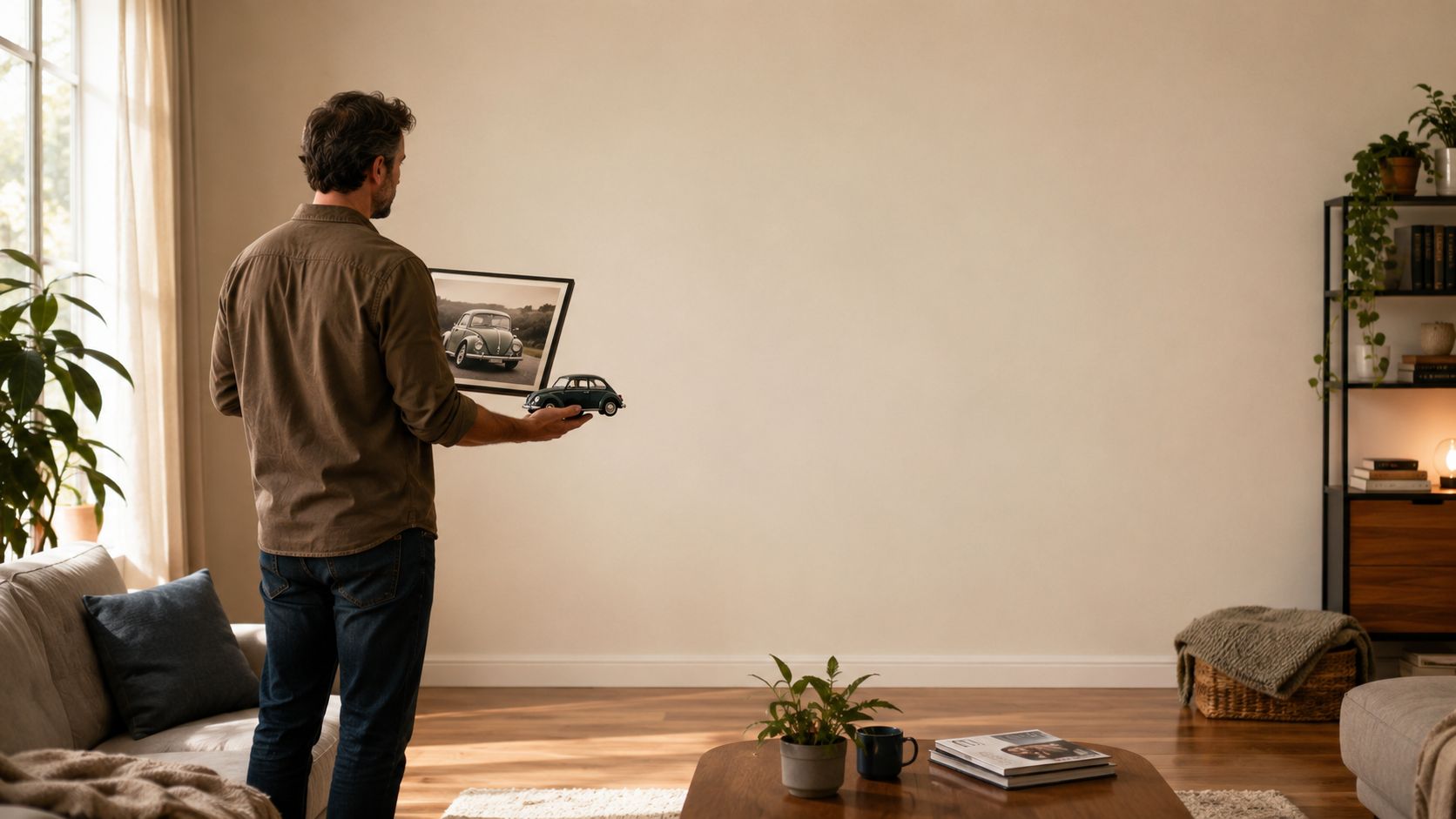
Why the right gift feels personal

A memorable gift usually does one of three things:

  • Brings back a real memory like a first car, a family holiday, or a childhood ride.
  • Reflects the person’s taste such as surf culture, retro styling, or classic European design.
  • Gives them something they’ll keep instead of something they’ll toss in a drawer.

That’s the sweet spot with VW pieces. They’re instantly recognisable, even to people who aren’t deep in the hobby. A Beetle doesn’t need an introduction. A Kombi doesn’t need explaining. They already mean something.

A good gift says, “I know what you love.” A great one says, “I know why you love it.”

Why Volkswagen keeps coming up

Volkswagen has that rare mix of design charm and cultural weight. In Australia, the Beetle and Kombi weren’t just transport. They became part of everyday life, especially along the coast. They turned up at beaches, campsites, festivals, driveways, and car club meets. That’s why VW-themed gifts often feel warmer and more thoughtful than generic motoring merch.

If you’re shopping for a collector, a restorer, or someone who just smiles every time they see a Kombi, you’re not buying a thing. You’re buying a little piece of a life they already care about.

More Than Metal The Enduring Legacy of VW in Australia

The story starts in Melbourne. The first Beetles landed on Australian shores in December 1954, and from there the little car took off. According to Car and Driver’s gift guide reference, Australia has over 35,000 active Volkswagen enthusiasts across 120 clubs as of 2025, and the Beetle had reached 300,000 units sold by 1975. That kind of staying power doesn’t happen by accident.

A vintage white Volkswagen Beetle and a modern grey Volkswagen parked on an Australian outback road.

You still feel that history when you walk through a club display. The Beetle crowd tends to gather around the details. Badges, paint codes, trims, wheels, year changes. Then you drift toward the Kombis and the mood shifts. People start telling road-trip stories. Someone mentions surfboards on the roof. Someone else remembers sleeping in the back on a coastal run.

From humble import to national favourite

The Beetle earned affection because it looked different from everything else on the road. Rounded. Honest. Friendly. It didn’t have to posture. It just got on with it, and generations of Australians took to it.

The Kombi added another layer. It wasn’t only practical. It represented a slower, freer kind of motoring. Load your gear, gather your mates, point it toward the coast, and see where the day ends. That’s a strong image, and it still sticks.

For anyone styling a retro room or hunting for Volkswagen diecast models for sale, that emotional pull matters. A miniature Samba Bus isn’t just a van in scale form. It’s a symbol of a lifestyle people still admire.

Why clubs keep the spirit alive

VW culture in Australia isn’t tucked away. It’s visible, social, and welcoming. Club meets, local cruises, swap days, and big public events all keep the cars in front of people and the stories in circulation. That’s one reason memorabilia has such a loyal audience. The objects connect to a living community, not a forgotten brand chapter.

A lot of enthusiasts also have a soft spot for wagons and vans because they carry so much personality. If you’ve ever spent time around Type 2 fans, you’ll know how quickly one conversation about roof racks turns into an hour of stories. That same affection explains the appeal of pieces inspired by the classic VW station wagon and van style that collectors like to display at home.

Some marques inspire admiration. Volkswagen often inspires affection. That’s a different kind of loyalty.

What makes VW gifts land so well

For a gift buyer, this history solves a big problem. You’re not guessing. You’re choosing from a world with clear emotional anchors:

VW icon What it tends to evoke Why it works as a gift
Beetle Charm, first-car memories, classic design Easy to recognise and display
Kombi Surf culture, travel, freedom, beach life Great for coastal and retro styling
Samba Bus Collectability, nostalgia, colourful personality Strong shelf presence and conversation value

That’s why VW-themed presents often feel more thoughtful than standard motoring gifts. They already carry decades of meaning before the wrapping paper goes on.

Your Guide to Volkswagen Memorabilia Collectibles

Some gifts are made to use. Others are made to keep. Volkswagen memorabilia sits in that second camp, especially when the piece suits the recipient’s style and space. If you’re choosing between a diecast model, wall décor, or a beachy display piece, it helps to think about how they’ll live with it day to day.

There’s also a distinctly Australian angle here. As noted in Good Housekeeping’s gift guide reference, demand for VW-specific memorabilia gifts in Australia is rising among coastal enthusiasts, and many gift guides miss the connection between VW heritage and beach or nautical décor. That’s a missed opportunity, because Kombis and coastal styling belong together beautifully.

Diecast models that feel like proper collectibles

A good diecast model has presence. You pick it up and notice the shape first, then the finer details. Windows, paint, trim lines, wheels, stance. A licensed VW model should feel like a tribute to the original, not a rough cartoon of it.

Collectors often focus on familiar heroes:

  • 1962 VW Kombi
  • Samba Bus variants
  • Volkswagen Beetle models
  • Flower Power editions
  • Surf-themed vans

Some buyers want accuracy. Others want colour and personality. Both approaches are valid. A shelf with a crisp Beetle and a bright Kombi side by side often tells a better story than a row of identical pieces.

Scale matters more than many buyers expect

If the recipient is already a collector, scale is worth checking before you buy. Even if they aren’t strict about it, matching the scale of pieces on a shelf makes a display look more deliberate.

Here’s a quick comparison:

Scale Feel on display Typical appeal
1:18 Bigger, more detailed, stronger centrepiece Serious collectors and desk displays
1:24 Easier to place on shelves, balanced size Casual collectors and gift buyers
Smaller novelty scales Fun accents, lighter visual footprint Stocking fillers and mixed displays

Collector’s rule: If they already display one scale prominently, buy to match it unless you know they want a standout centrepiece.

Retro metal décor for garage, bar, or living room

Not every VW lover wants another model car. Some want atmosphere. That’s where metal signs, wall plaques, and vintage-style decorative pieces come in. They work especially well in garages, home bars, workshops, and alfresco spaces.

The trick is choosing art that suits the room rather than shouting over it. A bright Kombi sign fits a fun beachy corner. A weathered Beetle piece can look spot-on in a more muted vintage setup. If you’re after styling ideas beyond shelf collectibles, coastal-friendly vintage home accessories can help tie the whole look together.

Coastal styling is the quiet winner

VW memorabilia can be more than a collector’s hobby; in the right setting, it becomes part of the home. Think of a pale timber shelf, a blue-and-white vase, a small stack of travel books, and a diecast Kombi parked neatly beside a shell or framed beach photo. That works because the Kombi already belongs to that visual world.

A few combinations that tend to look right in Australian homes:

  • Kombi plus driftwood tones for a relaxed beach-house feel
  • Samba Bus plus white frames for a lighter coastal wall arrangement
  • Flower Power variant plus coloured glass for a playful retro nook
  • Beetle model plus old holiday photos for a nostalgic hallway shelf

Small gifts can still have weight

You don’t need a huge centrepiece to give something memorable. Fridge magnets, compact décor items, and smaller display pieces often work well when the recipient already has a crowded shelf or limited space. The point isn’t size. It’s recognition.

The best memorabilia usually prompts a story within a few seconds. If it does that, it’s done its job.

How to Pick the Right VW Gift for Them

Buying for a car lover gets easier once you stop asking, “What’s a good gift?” and start asking, “What sort of VW person are they?” The answer usually tells you where to look.

Some people love precision. Some love nostalgia. Some want their hobby in the house, not the garage. Choose for the person, not just the badge.

A flowchart guide helping people select the perfect Volkswagen themed gift based on individual personality and interests.

The diecast collector

You’ll know this type straight away. They notice scale, packaging, model year, and whether the colour feels right. If they already collect, don’t buy blindly. Have a quick look at their shelves first.

For this person, the safest strong options are:

  • A Beetle or Kombi in a scale they already collect
  • A Samba Bus variant with distinctive livery
  • A model that matches a car they once owned or admired

Collectors often enjoy the hunt as much as the item. That means your thought process matters. If you can say, “I picked this because it matches your other models,” you’ve probably nailed it.

The classic car restorer

Restorers are practical people, but they’re sentimental in a very specific way. They appreciate reference points, design details, and pieces that reflect the car accurately. A good model can sit on a bench, office shelf, or bookcase and keep the project spirit alive between garage sessions.

This is also the sort of person who may appreciate useful tech. An OBD II Bluetooth diagnostic scanner can make a smart gift because it plugs into a vehicle’s diagnostic port, reads real-time engine data, and works with compatible apps such as Torque Pro and Car Scanner ELM OBD2, as described in MotorTrend’s guide to gifts for car lovers. It’s especially appealing to enthusiasts who like understanding what the car is doing, not just driving it.

Buy decorative gifts for their passion. Buy diagnostic tools for their process.

The home decorator with a VW heart

This person may love Volkswagens without wanting the house to feel like a workshop. They want pieces that blend in. Softer colours. A little retro charm. Maybe a Kombi on a shelf next to books and beach finds, rather than a wall plastered with logos.

For them, think in combinations rather than single objects:

Recipient style Better gift direction Why it works
Coastal home lover Kombi model with beachy décor feel Feels relaxed and lived-in
Retro colour fan Flower Power or surfy van piece Adds personality without needing a full collection
Minimalist collector One clean Beetle model Neat display, strong shape, no clutter

The nostalgic family gift

Sometimes the right present isn’t for a hardcore collector at all. It’s for a parent, sibling, or partner who has a VW memory. Maybe they learned to drive in a Beetle. Maybe they camped in a Kombi. Maybe they had a neighbour with one parked under a carport for years.

Those gifts work best when they echo a memory:

  • Match the vehicle type first
  • Then get as close as possible on colour or era
  • Keep the presentation simple so the story stands out

A small card explaining why you chose it often means as much as the gift itself.

A quick decision checklist

Before you buy, run through these questions:

  1. Do they collect, decorate, or tinker?
  2. Are they more Beetle or Kombi?
  3. Would they prefer one standout piece or a smaller accent?
  4. Will it live in a study, lounge room, garage, or office?
  5. Are they sentimental about a specific model year, colour, or style?

If you can answer three of those clearly, you’re already close to the right gift.

Bringing Your VW Passion into Your Home

A well-chosen VW piece shouldn’t end up hidden in a cupboard. Half the fun is living with it. The right display turns a collectible into part of the room.

A living room featuring Volkswagen themed home decor including a wall art frame, a car model, and a cushion.

Build one shelf with a clear theme

The easiest mistake is trying to show everything at once. A better approach is giving one shelf a proper identity. A Beetle shelf might use black-and-white photos, older books, and more muted tones. A Kombi shelf can lean coastal with pale timber, shells, or framed beach prints.

Keep some breathing room around the model. If every centimetre is filled, the details disappear.

Use height and texture

A display comes alive when objects sit at different levels. Put a diecast model on a small plinth or stack of books. Lean a sign or framed print behind it. Add one natural texture, like timber, rattan, or ceramic, so the metal and paint don’t feel too cold.

A few combinations work especially well:

  • Diecast Kombi plus white frame plus shell accent
  • Beetle model plus vintage book stack
  • Metal décor plus smaller desk model below
  • Seasonal VW piece mixed into a Christmas or summer display

Don’t decorate around the collectible as if it’s fragile museum stock. Style it as part of the room so it feels owned and enjoyed.

Care matters if you want it looking sharp

Collectibles age well when they’re treated properly. Dust is the obvious enemy, but sunlight can be just as rough on colour over time. Keep painted pieces out of harsh direct sun where possible, especially in bright rooms.

A simple care routine works best:

  • Dust gently with a soft dry cloth or soft brush
  • Avoid damp storage in sheds or garages
  • Keep original packaging if the recipient values collectability
  • Handle by the base rather than delicate mirrors or trim

Let the gift tell a story

The nicest displays usually reveal something about the owner. A Kombi beside a beach holiday photo. A Beetle model near an old registration plate or travel postcard. These little pairings make the room feel personal.

That’s the charm of VW memorabilia. It doesn’t just say “I like cars.” It says what kind of life and memories sit behind that love.

Shopping Tips for Authentic Volkswagen Diecast Models

When you’re buying a gift, authenticity matters. It affects the finish, the detailing, and how the item feels in the hand. A licensed model usually looks more convincing because the proportions, badging, and overall presentation have been treated with proper care.

A diecast Volkswagen Beetle model car displayed with tips for verifying the authenticity of collectible car models.

There’s strong interest in this area too. According to Consumer Reports’ gift guide reference, online searches in Australia for 1962 VW Kombi and Samba Bus diecast gifts have risen 40%, with demand focused on nostalgic collectibles priced under AUD 50.

What to check before you buy

A few details separate a proper collectible from a disappointing impulse buy:

  • Licensing details on the product listing or packaging
  • Clear model naming such as Beetle, Kombi, or Samba Bus
  • Crisp photos showing paint, trim, and proportions
  • Scale information if the recipient already collects by size
  • Condition notes if packaging matters to them

If a listing is vague, has poor images, or skips basic product details, treat that as a warning sign.

Why buying local helps

For Australian buyers, local stock makes the whole process easier. You can shop with more confidence when shipping is faster, support is nearby, and you’re not guessing how long a parcel will drift around in transit.

That matters even more when you’re buying for a birthday, Christmas, Father’s Day, or a club mate’s retirement gift. A present that arrives on time is already a better present.

Price isn’t the whole story

Affordable gifts can still feel thoughtful. In fact, many of the most appealing VW-themed pieces are smaller collectibles that land emotionally because they’re specific, not because they’re expensive.

Use this simple guide:

If they value… Prioritise…
Accuracy Licensing, model name, scale
Display impact Colour, size, shelf presence
Nostalgia Era, body style, surf or retro theme
Convenience Local stock and straightforward delivery

Buying tip: If you’re unsure, choose the model with the strongest story connection. Sentiment usually beats technical perfection for gift giving.

Share the Ride A Gift That Goes the Extra Mile

The best gifts for car lovers don’t just fill space. They spark memories, start conversations, and keep a favourite chapter of motoring culture close at hand. That’s especially true with Volkswagen pieces. A Beetle brings instant charm. A Kombi carries that sun-faded surf spirit Australians still adore. A well-chosen model or décor piece can feel surprisingly personal.

If you’re trying to find unique gifts for car lovers in Australia, lean toward something with meaning. Think about the car they talk about most, the era they love, or the room where the piece will live. That’s usually where the right answer is hiding.

A great VW gift doesn’t shout. It smiles back from the shelf and reminds them why they fell in love with these cars in the first place.

Your VW Gift Questions Answered

What’s the difference between 1:18 and 1:24 diecast models?

The short answer is size and presence. 1:18 models are usually larger and often suit collectors who want more visual detail. 1:24 models are easier to place on shelves and make excellent gifts when space is limited.

Scale Approx. Length (Beetle) Typical Features Best For
1:18 Larger display size More prominent detailing, stronger shelf presence Dedicated collectors, centrepiece displays
1:24 Medium display size Balanced detail and easier placement Gift buyers, casual collectors, office shelves

Are VW diecast models toys or collectibles?

Many are bought as collectibles first. Some are sturdy enough to handle gently, but licensed diecast pieces are usually better treated as display items, especially if the buyer cares about condition, paint finish, or packaging.

How do I know if a Volkswagen model is officially licensed?

Check the listing and packaging for clear licensing information and proper model naming. Good sellers usually show this plainly. If the product photos are vague or the wording feels generic, it’s worth being cautious.

What makes a VW gift feel more personal?

Matching the gift to a memory helps most. Choose a Beetle if they talk about family motoring stories or classic curves. Choose a Kombi or Samba Bus if they love surf culture, road trips, or coastal décor.

Can VW memorabilia work in a normal home, not just a garage?

Absolutely. Kombi and Beetle pieces work especially well in retro, coastal, and relaxed interiors. A single model on a shelf, sideboard, or home office desk can look stylish without turning the whole room into a car display.


If you’re ready to find a gift with a bit of heart behind it, have a look through Volkswagen Memorabilia. You’ll find licensed VW-themed diecast models, Kombi and Beetle collectibles, and coastal-inspired décor that suits Australian homes, with local stock and friendly support to make gift shopping easier.

Your Guide to Volkswagen Model Cars & Diecast Collecting

A faded orange Kombi rolled past me near the coast one summer morning, boards on the roof and that familiar flat-four chatter in the background. Half the crowd turned their heads, and the other half smiled like they’d just remembered an old mate.

That’s the charm of Volkswagen model cars. A small Beetle on a shelf or a tiny Samba Bus in a cabinet can carry the same feeling as the actual vehicle: road trips, surf checks, family photos, first cars, and the sort of design you recognise from a mile away.

Holding a Piece of History in Your Hands

At a local show, you’ll often see it happen. Someone leans over a display table, spots a little pastel Kombi or a tidy Beetle in diecast, and suddenly they’re telling a story. It might be about learning to drive in Mum’s Bug, or chasing summer in a van that smelt faintly of salt, vinyl, and hot engine tin.

That’s why collecting volkswagen model cars feels different from collecting just any miniature. These aren’t only objects. They’re memory triggers.

The shelf that starts the yarns

A fellow enthusiast once showed me a small lounge room display with three VWs lined up on a timber shelf. A cream Beetle. A bright Kombi. A later Golf tucked in beside them. Nothing fancy, just clean lines, good light, and enough space around each piece to let the shapes breathe.

Every model had a reason for being there.

  • The Beetle reminded him of his dad’s old runabout.
  • The Kombi stood in for years of beach holidays.
  • The Golf marked the car he drove when life got busier, but the VW habit never left.

That’s the appeal. A collection doesn’t have to be huge to matter. One well-chosen model can say more than a packed shelf full of random pieces.

Collector’s truth: the best model in your cabinet is usually the one tied to a real memory.

Why miniatures hit so hard

Volkswagen design has always had a knack for sticking in your mind. The rounded Beetle roofline, the cheerful face of a split-screen van, the tidy confidence of a GTI. In miniature form, those details become even more lovable because you can hold them, turn them in the light, and notice things you’d walk past on a full-size car.

That’s part of the fun for Australian collectors. We don’t just admire the car. We place it in our own story. A diecast Beetle can evoke a country drive. A Kombi can turn a shelf into a tiny reminder of freedom, sun, and sand.

More than a hobby

Some people start with a gift. Others buy one model after seeing a real car at a meet. Before long, they’re looking for a matching colour, a favourite era, or the van they wish they’d never sold.

The hobby grows naturally because it feels personal. You’re not chasing numbers for the sake of it. You’re building a small, visible history of what these cars mean to you.

And if you’re the sort of person who slows down for an old VW rumbling through town, you already understand the appeal. A miniature lets you keep that feeling close, long after the show field empties and everyone heads home.

The Magic in Miniature Understanding Volkswagen Model Cars

If you’re new to collecting, the first thing to know is simple. Not all model cars are built the same, and that’s a good thing. Some are made to be centrepiece display items. Others are perfect for a bookshelf, desk, or a growing line-up of favourites.

The sweet spot is finding the size and finish that suits the way you want to collect.

Getting your head around scale

Scale tells you how much smaller the model is than the actual vehicle. Once you’ve seen a few side by side, it clicks quickly.

An infographic showing the three standard scales for Volkswagen collectible model cars, their features, and average prices.

A handy way to think about common sizes:

Scale What it feels like Best for
1:18 Big enough to show off on its own Statement display pieces
1:43 Compact, but still detailed Shelves, cabinets, varied collections
1:64 Small and easy to group Dioramas, desk displays, mixed themes

The infographic above gives a useful visual guide to 1:18, 1:43, and 1:64, including example VW models, approximate size, and typical price ranges.

Choosing the scale that suits your style

Some collectors love a larger piece they can inspect up close. A 1:18 Beetle often has the presence of a proper display object. It suits a study, living room shelf, or a cabinet where the curves and chrome can catch the light.

Others prefer variety. A 1:43 collection lets you line up different eras of Volkswagen without needing a whole wall of space. You can place a Beetle beside a Kombi, a Golf, and something more unusual without the display feeling crowded.

Then there’s 1:64, the playful scale. These are brilliant if you enjoy building little scenes, arranging beachy displays, or collecting lots of Volkswagens without overthinking it.

Small scale doesn’t mean small charm. Some of the happiest collections I’ve seen were built from modest little models grouped with care.

Diecast metal, plastic, and why finish matters

When people talk about diecast, they usually mean a model with a metal body. That gives the car a satisfying weight in the hand and often a more premium feel on display. Plastic parts still play a role, especially in mirrors, interiors, underbody details, and trim.

What matters most isn’t just the material. It’s the execution.

Look for:

  • Clean paintwork with even colour and tidy edges
  • Crisp trim detail around lights, windows, and badges
  • Proportions that feel right when you view the model from the front and side
  • Neat wheels and tyres that suit the era of the vehicle

A lovely model doesn’t have to be the biggest or the flashiest. It just has to capture the character of the actual car.

Why official licensing matters

For Volkswagen fans, officially licensed products are worth seeking out. They tend to honour the shape, branding, and visual details that made the original car special. That’s important when you’re collecting a Beetle or Kombi that means something to you personally.

A licensed model usually gives you more confidence in the basics:

  • Body shape accuracy
  • Authentic badging
  • Era-correct styling cues
  • A finish that feels considered rather than generic

That’s especially important if you’re buying a gift. Even a casual VW lover can spot when a model captures the spirit of the actual vehicle, and when it misses by a mile.

Legends of the Road The History of Our Favourite VWs

At a swap meet by the coast a few summers back, an old bloke in a faded Sunraysia cap picked up a tiny cream-and-blue Kombi, turned it over in his palm, and laughed. He said it looked exactly like the van his mates packed with boards and sleeping bags for a run up the New South Wales coast in 1974. A minute later, another collector wandered over, spotted a red Beetle on the same table, and started telling a story about learning to drive in one outside Newcastle.

That is how these little Volkswagens work. They stir up real roads, real holidays, real people.

A collection of vintage Volkswagen die-cast model cars including a blue van, two red Beetles, and a silver Golf.

The Beetle that settled into Australian life

The Beetle, or Type 1, began in Germany before the Second World War and grew into one of the best-known cars ever built. Its simple rear-engined layout, rounded body, and stubborn reliability suited Australian conditions beautifully, from city errands to long country drives, as outlined in the Volkswagen marque history.

In Australia, the Beetle stopped being just an import and became part of the scenery. It turned up in family photos, outside weatherboard shops, at beachside caravan parks, and under gum trees with picnic rugs spread nearby. That familiar presence explains why collectors still reach for Beetle models first. The car already lives in memory before it ever lands in a display cabinet.

Why Beetles still look right in miniature

Some cars lose their charm when they shrink. The Beetle does the opposite.

Its curved roofline, upright guards, and friendly face hold together at almost any scale, so even a modest diecast can carry the character of the original. In a coastal home, a pastel Beetle looks easy and natural beside pale timber, woven textures, old travel postcards, or a shelf of shells and holiday snapshots. It has that sun-warmed, lived-in feel that suits Australian beach-house styling without trying too hard.

Collectors often favour 1960s Beetles for this reason. They bring back surf culture, simple family motoring, and the cheerful practicality that made the Bug feel welcome almost anywhere.

The Kombi that promised a better weekend

If the Beetle belonged to everyday life, the Kombi belonged to escape. It was the van parked near the dunes, the one with sandy thongs by the door and a kettle rattling in the back. Around Australia’s coast, it became tied to camping trips, market runs, road journeys, and that lovely sense that the day could stretch out a bit longer.

That warmth carries straight into miniature. A well-made Kombi model does more than mark a chapter in motoring history. It brings a whole scene with it.

One of the nicest examples is the travel-inspired van style that recalls long beach drives and holiday miles. The VW travel van collectible style suits that mood beautifully, especially if you are styling a shelf in a breezy coastal room or adding character to a holiday house nook.

Later, the Kombi took on a bigger role in popular culture. Music festivals, surf towns, handmade curtains, road maps folded in the glovebox. Those associations matter to collectors because they make even a small diecast feel full of life.

The overlooked heroes that deserve a spot

The Beetle and Kombi get the applause, and fair enough, but some of the most interesting Volkswagen model cars are the ones collectors overlook at first glance.

The Samba Bus is one. Those extra windows and two-tone paint schemes give it real presence on display, especially near framed beach prints or stacked vintage motoring books. A Type 3 can be another quiet favourite, particularly for collectors who like the less obvious corners of VW history. Even a later Golf can tell an honest family story in a collection where the brand spans generations instead of stopping in the air-cooled years.

These models add texture. They stop a display from feeling predictable.

Why the backstory changes the way you collect

A Beetle model means more when you know it mirrors a car that once sat in thousands of Australian driveways. A Kombi means more when you can almost hear the esky sliding across the floor and smell salt on the breeze. The story behind the model gives the object its weight.

That is also what makes Volkswagen model cars so enjoyable to style at home. You are not just lining up tiny vehicles. You are building a little memory wall. A soft blue Kombi on a white shelf can echo the coast. A bright Beetle tucked beside an old holiday photo can make the whole corner feel personal.

If you want a little moving backdrop while you browse the history and shapes of these classics, this clip fits the mood nicely.

A few classics that keep turning up in collections

Certain themes appear again and again, usually because they connect to a real memory or suit the way people live with their models at home.

  • The first-love Beetle
    Chosen because it matches a family car, a first set of driving lessons, or the Bug someone always promised themselves.

  • The beach-run Kombi
    A natural fit for coastal homes, holiday cottages, or shelves styled with a relaxed Australian seaside feel.

  • The Samba showpiece
    Picked for colour, shape, and sheer presence. It often becomes the model visitors notice first.

  • The unexpected later VW
    A Golf or another newer model that rounds out the family story and gives the collection a broader timeline.

The best collections usually start with a grin. Then they gather history, one little Volkswagen at a time.

Starting Your Collection How to Buy Diecast VW Models

Buying your first diecast VW can be simple, but it helps to know what separates a keeper from a quick impulse buy. The easiest approach is to slow down and inspect the model the way you’d inspect a real classic. Stand back first. Then move in close.

If the shape feels right immediately, you’re usually onto something good.

Start with the body and paint

A person inspects a detailed silver Volkswagen Scirocco model car with a magnifying glass in a studio.

The paint tells you plenty. On a quality model, colour should look even across the panels, and trim lines should appear sharp rather than fuzzy. Two-tone Kombis are especially good at exposing sloppy work, so they’re a useful test case.

Check these points first:

  • Panel finish should look smooth under natural light
  • Window trim should sit cleanly against the body
  • Badges and lights should appear centred and tidy
  • Wheel stance should look natural, not crooked or toy-like

A Beetle can forgive a lot because the shape is so charming, but poor paint or awkward wheels will still pull you out of the illusion.

Then look at the details that create character

A good diecast doesn’t need every opening panel to be enjoyable, but details do matter. Mirrors, steering wheel shape, dashboard layout, seat pattern, and even the way the bumpers sit can tell you whether the maker really cared.

Some collectors love opening doors, bonnets, or boots because they add a sense of interaction. Others prefer sealed models with cleaner lines. Neither camp is wrong. It comes down to what you enjoy seeing on display.

One category that often appeals to collectors who like modern performance VWs is the Golf GTI Mk6 diecast range. It’s a good example of how later models can still carry strong personality in miniature.

Practical rule: buy the model you’ll want to look at often, not the one that only sounds impressive on paper.

A simple buyer’s checklist

When you’re comparing Volkswagen diecast models for sale, use this quick guide:

What to inspect What you want to see Why it matters
Shape Strong proportions and correct stance Captures the real car’s personality
Paint Even colour and neat separation lines Makes the model feel premium
Interior Visible steering wheel, seats, dash detail Adds realism up close
Wheels Era-appropriate style and tidy fitment Avoids the toy-like look
Licensing Officially licensed branding Improves authenticity

Why buying locally suits Australian collectors

For Australians, local stock has practical advantages. You can browse with more confidence, avoid the headache of waiting on overseas delivery, and skip the worry of surprise import issues turning a simple purchase into a drawn-out nuisance.

It also helps when you’re buying a gift and need it within a reasonable timeframe. A local retailer can make the whole experience feel less risky and more enjoyable, especially if you want support from someone who understands the VW scene here.

Buy with a theme in mind

Collections feel stronger when they have a thread running through them. That theme could be anything:

  • Your family VW history
  • Classic coastal vans
  • A shelf of Beetles through the decades
  • Hot hatches and GTIs
  • Only blue-and-white models for a beach-house palette

That last point matters more than people think. If you’re styling a home as well as building a collection, colour and mood are part of the decision. A model that suits your space will get admired far more often than one tucked away in a box.

Beyond the Beetle Exploring Rare and Unique VWs

Every VW crowd has that moment when someone mentions a model you hardly ever see in the wild. Heads tilt. Phones come out. The conversation shifts from familiar classics to the oddballs and holy grails.

That’s where collecting gets even more interesting.

The Brazilian gems many Australians never meet

Among the most fascinating rare Volkswagens are the Brazil-exclusive cars that lived outside the usual Beetle-and-Kombi spotlight. The SP2 is a beauty of that world. Low, sporty, and distinctly different, it looks like the sort of car that should’ve become globally famous, yet it remained wonderfully obscure.

For Australian collectors, that scarcity adds to the intrigue. A noted gap remains in local content around these rare imports, particularly the SP2, and fewer than 1,000 are believed to survive globally, which helps explain why enthusiasts are so drawn to high-quality replicas of these overlooked classics, according to this look at rare Volkswagen models such as the SP2.

A silver Volkswagen model car displayed in a glass case with interior lighting alongside another car.

Why rare models make brilliant diecasts

Most of us won’t stumble across an SP2 at the shops or see a Brasilia parked at the local servo. That’s exactly why a model version has such appeal. It puts a hard-to-find chapter of Volkswagen history right in front of you.

Rare-model collecting has its own flavour:

  • It sparks conversation because not everyone recognises the car straight away
  • It widens your collection beyond the obvious fan favourites
  • It lets you celebrate design variety within the VW family

A rare diecast can also stop a display from becoming too predictable. A row of Beetles is lovely. A Beetle beside a Kombi and an SP2 is a story.

The lesser-known Volkswagens often become the pieces seasoned collectors talk about longest.

Building personality into a collection

The smartest collections usually mix familiarity with surprise. You want one or two models that everyone loves instantly, then one that makes people lean in and ask, “What’s that?”

That’s the role of the unusual VW. It gives your shelf a twist.

If you’re shopping with that idea in mind, keep an eye out for:

  • Regional oddities that weren’t common in Australia
  • Body styles outside the usual lineup
  • Colours and trims that show a different side of VW design
  • Models with a real backstory, even if the average person hasn’t heard of them

That little element of discovery is one of the great pleasures of collecting. You’re not only preserving the icons. You’re rescuing the side stories too.

The Curator's Corner Caring For and Styling Your Collection

A Volkswagen model looks best when it feels considered. Not hidden, not cluttered, and not left to fade in a harsh patch of sun. A well-kept collection has a calmness to it. You can tell the owner enjoys the cars, but also respects them.

That matters whether you own one Samba Bus or a whole shelf of Beetles.

Keeping your models tidy and bright

Dust is the quiet enemy of diecast displays. It settles into window rubbers, wheel spokes, roof gutters, and all the little places that make a model look crisp when they’re clean.

A simple care routine goes a long way:

  • Use a soft brush for regular dusting, especially around mirrors and trim
  • Handle with clean hands so paint and clear parts stay looking fresh
  • Avoid direct sunlight because long exposure can dull colour over time
  • Store boxes carefully if you like keeping original packaging for future display changes

If a model has delicate pieces, resist the urge to over-handle it. A shelf favourite can still be enjoyed without being picked up every afternoon.

For collectors who want to improve how they maintain and present special pieces, guides focused on collectible care and vintage home accessories are useful for thinking beyond the purchase itself.

Styling volkswagen model cars in a coastal Australian home

The hobby finds its particular enjoyment. Volkswagen shapes suit coastal interiors beautifully because they already carry a relaxed, outdoor spirit. A Kombi naturally belongs near pale timber, white walls, ocean tones, and anything with a breezy holiday feel.

You don’t need a dedicated display room either. A few thoughtful placements can make the collection feel part of the home rather than separate from it.

Try these ideas:

  • Shelf vignette
    Place a blue or white Kombi beside driftwood, a framed beach photo, and a small stack of travel books.

  • Console accent
    Use a classic Beetle on an entry console to add warmth to a neat Hamptons-style space.

  • Cabinet grouping
    Gather three smaller VWs in similar tones for a more organised, gallery-like effect.

  • Study desk character
    A GTI or later-model Volkswagen can bring a touch of personality to a clean workspace.

Matching model type to room mood

Different VWs give off different energy. That’s worth using to your advantage.

Model type Display mood Best setting
Classic Beetle Friendly, nostalgic, soft-edged Living room, study, hallway
Kombi or Samba Relaxed, beachy, adventurous Coastal shelves, holiday homes
Golf or GTI Crisp, sporty, modern Office, den, minimalist spaces
Rare VW Curated, conversational, distinctive Glass cabinet, feature shelf

Less clutter, more story

A common mistake is trying to show every piece at once. The better approach is to give your favourites breathing room. One Kombi beside a shell, a book, and a framed print will usually look stronger than six cars packed wheel-to-wheel.

Rotate models seasonally if you like. Bring the surfy vans forward in summer. Give the Beetles centre stage when you want a softer vintage feel. That kind of movement keeps the display alive.

A collection becomes décor when each model has space to tell its own story.

Let the collection reflect you

The most memorable displays aren’t the most expensive ones. They’re the ones that reveal a person’s taste. Maybe you love white-and-blue coastal pieces. Maybe your thing is bright flower-power vans. Maybe every car on the shelf has to connect to a chapter of your life.

That’s what turns a collection into curation. You’re not merely storing miniature cars. You’re shaping a corner of home around memory, design, and the easy-going spirit that made Volkswagen culture so beloved in the first place.

The Perfect Present Finding a Gift for a VW Lover

A Volkswagen model car makes a good gift because it feels personal without being overcomplicated. Even if the person already has a shed, a project car, or a shelf full of automotive bits and pieces, a well-chosen VW miniature still lands nicely.

The trick is matching the model to the person, not just the badge.

Gift ideas by personality

For the practical gift buyer, this is usually the easiest way to decide.

  • For the hands-on restorer
    Choose a model that resembles the car they own, owned, or are forever talking about finishing one day. Familiar body shape matters more than flashy packaging.

  • For the surfie or beach-house dreamer
    A Kombi or Samba Bus suits the mood perfectly. It feels relaxed, cheerful, and very at home among coastal décor.

  • For the nostalgia seeker
    Go for a classic Beetle. It’s the model most likely to trigger stories straight away.

  • For the performance fan
    A Golf GTI or another sportier Volkswagen gives the gift a sharper edge.

Gifts that feel a bit more thoughtful

Sometimes the best present isn’t the biggest model. It’s the one that shows you noticed the recipient’s taste.

A few reliable approaches:

  • Match their colour palette if they’re into home styling as much as cars
  • Pick a model with display presence if they already have a dedicated shelf or office space
  • Choose a rare or unusual VW if they know the classics and enjoy something less expected

If you’re buying for someone just starting out, a small mixed selection can work nicely because it gives them a sense of variety from the start. If they’re already a serious collector, a more detailed centrepiece model often feels more special.

When in doubt, choose the car with the story

People remember gifts that connect to a real memory. The Beetle their parents drove. The Kombi they always wanted to road-trip in. The GTI they reckon was peak hot hatch.

That’s why buy diecast Kombi and Volkswagen Beetle model searches are so common among gift buyers. They’re not only looking for a miniature car. They’re looking for recognition.

A well-picked VW model says, “I know what you love.” That’s why it works.

Start Your VW Journey Today

A single VW model can change the feel of a room.

A turquoise Kombi on a white shelf brings a bit of Bondi into a study. A weathered-look Beetle beside a stack of surf books can turn an ordinary corner table into something that feels personal, sun-warmed, and lived in. For collectors, that first piece often starts there. With a car that suits the home as much as the heart.

If you’re ready to find that Beetle, Kombi, Samba Bus, or gift-worthy VW piece that brings the memories flooding back, have a browse through Volkswagen Memorabilia. It’s a local Australian shop focused on VW-themed diecast, gifts, and coastal-inspired décor, with local stock and fast shipping that make collecting a whole lot easier.

Coastal Home Accessories Your Guide to Beach Style

A mate of mine keeps a faded blue split-screen Kombi model on the shelf above his entry table, right beside a bowl of collected shells and a weathered bit of driftwood. You walk in, catch that little scene in the morning light, and suddenly the whole house feels like a summer road trip up the coast.

That’s the magic of coastal home accessories when they’re done with heart. Not showroom-perfect. Not stiff. Just relaxed, sun-warmed, and full of stories that smell faintly of salt, old vinyl seats, and beach towels drying on the fence.

Bringing the Aussie Beach Vibe Home

You know the feeling. A classic Kombi is parked near the surf club, nose pointed toward the sea, boards on top, side windows catching the glare of a big summer afternoon. Even standing still, it looks like it’s about to head off on some carefree run up the coast.

That’s why the beach look lands so naturally in Australian homes. It isn’t just a decorating style. It’s memory. It’s weekends away, fish and chips on the bonnet, sand in the footwells, and that lovely mix of simplicity and freedom old Volkswagens seem to carry with them better than any other vehicle.

Australia gives that feeling a pretty solid foundation in everyday life. With a 25,760 km coastline and more than 85% of the population living within 50 km of the coast, beach living shapes how many Australians think about home, according to this coastal market overview citing Australian Bureau of Statistics data. No wonder so many of us lean toward interiors that feel open, breezy, and tied to the shore.

The houses that feel like holidays

Some homes get the coastal mood wrong because they chase props instead of atmosphere. They load up on anchors, signs, and novelty bits, then wonder why the room feels like a themed café.

The houses that get it right usually do something quieter.

  • They use pieces with a backstory. A shell picked up on a family trip. A rattan chair found second-hand. A little Beetle model that reminds you of your first car.
  • They leave breathing room. Coastal style likes space around objects, the same way a beach looks better with open sand than a crowded car park.
  • They mix clean surfaces with worn character. White walls, sun-bleached timber, soft linen, and one or two nostalgic pieces can do more than a room full of accessories.

Coastal style works best when the room feels lived in, not staged. A well-placed object with meaning always beats a shelf full of filler.

That’s why VW pieces fit so beautifully into this world. They already carry that road-to-the-waterline spirit. A Kombi, a Beetle, a Samba Bus. These aren’t random collectibles. They’re little symbols of movement, adventure, and unhurried days.

A beach house mood without living on the beach

You don’t need a home at Noosa or Byron to bring in this look. A suburban lounge room, a unit balcony, even a study can pick up that same easygoing tone with the right coastal home accessories and a few thoughtful nods to surf culture.

If you want ideas that lean into that mix of sea air and VW nostalgia, this collection of coastal home decor ideas is a good place to spark the imagination.

What Exactly Is the Coastal Look Anyway

The easiest way to think about the coastal look is this. It’s like bottling up a good beach day and spreading it around your house.

Not the loud bit. Not the crowded esplanade. The softer part. Pale sand, washed timber, white cotton, sea-glass blues, a bit of rope texture, and light moving across the room as if a sea breeze has just come through.

It’s a feeling before it’s a formula

Aussie coastal style isn’t meant to be too polished. It’s more relaxed than formal Hamptons decor, and it’s far less fussy than a lot of imported “beach house” looks that feel designed for magazines instead of real life.

Think of the difference like this:

Style Feels like Looks like
Aussie coastal Bare feet after a swim Linen, rattan, shell textures, faded blues, practical pieces
Formal coastal Guests arriving for drinks Crisp symmetry, sharper contrast, more decorative styling

That’s why this style suits VW lovers so well. Classic Volkswagens have never been about flash. They’re charming because they feel honest. Useful. A bit playful. They carry stories in their paint and shape.

The colours are borrowed from the shoreline

A good coastal palette usually starts with what you’d see standing on the sand.

  • Whites and creams for surf foam, cotton curtains, painted timber
  • Soft blues for shallow water and clear sky
  • Driftwood greys for weathered boards and jetty timber
  • Sandy beige and oat tones for warmth
  • Sea greens in small touches if a room needs freshness

The trick is not to use every “beachy” thing at once. A room doesn’t need to shout seaside. It just needs to suggest it.

It should feel easy, not over-decorated

If you’re a collector, this matters. The coastal look gives your treasured objects room to breathe. That means a diecast Kombi can sit on a shelf and read as part of the home, not as clutter.

Practical rule: if an item looks like it belongs near a stack of surf books, a woven basket, or a framed beach print, it’ll usually sit comfortably in a coastal room.

A shell, a lantern, a woven tray, a simple photo frame, a little white Beetle model. Separately they’re just objects. Together they create atmosphere.

That’s the heart of it. Coastal home accessories aren’t there to prove you like the beach. They’re there to make the place feel calmer, lighter, and more connected to the kind of life many of us already love.

Choosing Your Colours and Materials

A coastal room lives or dies by its surfaces. Colour sets the mood, but texture does the heavy lifting. If the materials feel synthetic, shiny, or too slick, the whole thing can lose that easy beachside charm.

The strongest coastal spaces usually start with a quiet base. White walls, chalky finishes, pale timber, natural fibres, and fabrics that look better slightly rumpled than perfectly pressed.

Start with a sun-faded palette

The safest move is to build from light neutrals and add colour in smaller doses. White or warm off-white gives you that airy foundation, then you can layer sandy taupes, soft blue, and the occasional sea-glass green.

A coastal-themed arrangement featuring coiled rope, a square white cloth, and a beige tile on blue wood.

If you’ve got a bright VW piece in mind, such as a cheerful Kombi or a flower-power Beetle model, this sort of restrained palette helps it sing without taking over the room.

A handy way to think about the colour balance is below:

Base element Best coastal direction
Walls Warm white, soft white, very pale grey
Furniture Whitewashed timber, light oak, cane, rattan
Textiles Oatmeal, cream, stone, faded blue
Accent pieces Navy in moderation, sea-glass tones, weathered metal

Natural fibres earn their place

Coastal home accessories are practical, not just pretty. Baskets, rugs, woven trays, linen cushions, and cotton throws all soften a room and bring in that beach-house ease.

Rugs are a good example. In coastal regions, high-grade jute rugs with a density over 1200 g/m² retain 85-90% of their tensile strength after simulated 5-year sunlight exposure, according to this guide to coastal decor materials. That matters in bright Australian homes where sun can punish weaker materials.

So if you’re choosing between a natural-fibre rug and a cheap glossy synthetic one, the natural option often makes more sense for both look and wear.

A coastal room should age gracefully. Faded timber, softened linen, and a natural-fibre rug often look better with time than materials that start peeling or glaring under strong light.

Choose pieces that can handle real life

Beach-inspired interiors work best when they aren’t precious. You want materials that can cope with sandy feet, open windows, and everyday use.

A simple checklist helps:

  • For seating, go for slipcovers, cotton, linen blends, or woven textures that don’t look stressed if they pick up a bit of life.
  • For storage, think cane-front cabinets, open timber shelves, and baskets that hide the loose bits without feeling heavy.
  • For accessories, favour ceramic, glass, rope, shell, timber, and metal with a slightly weathered finish.

VW memorabilia slots neatly into this material mix when you place it against the right backdrop. A little diecast bus on a chunky timber console feels intentional. The same piece on a glossy black shelf can feel disconnected.

Let contrast come from texture, not clutter

One of the nicest coastal combinations is rough against smooth. Try a woven mat under a painted side table, or a glazed shell dish next to dry driftwood. That sort of contrast keeps a room interesting without forcing it.

For VW fans, this opens up lovely display opportunities. A miniature Beetle beside a stack of old travel books. A Kombi against beadboard or pale timber. A surf van model on a tray with coral tones and glass. The palette stays calm, and the personality comes through in the details.

The Perfect Wave Adding the VW Memorabilia Twist

A coastal room with no nod to surf culture can still be lovely. But if you grew up spotting Kombis outside beaches, markets, and point breaks, it can feel like something’s missing.

The old VW van belongs in the Australian coastal imagination. It’s part vehicle, part postcard. Add one thoughtfully to a room, and suddenly the styling has a proper story.

Why the Kombi works so well indoors

The shape helps. Rounded lines, cheerful proportions, big windows, painted panels. A classic Kombi or Samba Bus already carries the same friendliness as coastal decor. It doesn’t fight the room. It loosens it up.

There’s also a real appetite for this crossover. A 2025 Australian Volkswagen Beetle Club survey found 28% of coastal residents incorporate diecast models into home displays, highlighting a niche blend of retro car culture and beach-inspired decor, as noted in this article discussing coastal-retro fusion.

That rings true because the pairing feels natural. Surf culture and Volkswagens have shared the same visual language for decades. Freedom, utility, colour, and fun.

A helpful infographic showing six creative ways to integrate vintage Volkswagen collectibles into a coastal home decor theme.

Treat memorabilia like design, not storage

The biggest mistake collectors make is displaying every favourite at once. That can work in a dedicated hobby room, but in a lounge or bedroom it usually feels crowded.

A better approach is to style VW pieces the same way you’d style ceramics or books.

  • Use one hero piece on a shelf or console. A Kombi model can do the visual work of a sculpture.
  • Build around colour. White, pale blue, cream, and muted red often sit well with coastal palettes.
  • Group by mood, not by category. A small van model beside a shell dish and a framed beach photo tells a stronger story than four unrelated collectibles lined up in a row.
  • Repeat shapes softly. Rounded vases, curved bowls, and the soft lines of a Beetle work together beautifully.

A diecast Kombi doesn’t have to look like a collector’s item. In the right setting, it reads as a tiny piece of surf history.

If you like that broader crossover between retro motoring and beach-house styling, this curation of vintage home accessories shows how well the two worlds can sit together.

The best VW pieces for coastal styling

Not every collectible suits every room. Some pieces feel too dark, too busy, or too mechanical for the softer coastal look.

These usually work best:

VW item Why it suits coastal decor
Kombi and Samba Bus diecast models They echo surf culture and have a playful silhouette
Classic Beetle models in white or softer tones Rounded shape fits relaxed, nostalgic interiors
VW wall art with beach or travel themes Adds story without needing shelf space
Small decorative metal pieces Bring contrast when the room has lots of soft texture

A good coastal room doesn’t need a lot of VW memorabilia. It just needs the right piece in the right place. Much like pinstriping on an old Beetle, a small touch, done properly, changes the whole feel.

A Room-by-Room Tour for Coastal VW Fans

Last summer, I walked into a mate’s beach house on the South Coast and knew within seconds he was one of us. Not because there was a giant VW sign shouting from the wall. It was quieter than that. A sun-faded Kombi diecast sat on a stack of surf books beside a shell bowl, and the whole room felt like a long drive to Bells with the windows down. That’s the trick in a coastal home. The Volkswagen pieces should feel lived with, not lined up like a swap-meet stall.

A cozy coastal living room featuring a white sofa, coffee table, and a vintage Volkswagen bus print.

The living room feels best with one focal point

The lounge usually carries the story of the house. If you’ve got a white sofa, sandy timber, and a few woven textures already doing the heavy lifting, one well-placed VW piece can pull the whole scene together.

A low coffee table works beautifully for this. Try a woven tray, a couple of travel books, and a single Kombi or Samba Bus model with enough detail to catch the eye when someone sits down with a cuppa. Open shelving can do the same job. A shell accent, a pale vase, one framed print, and a bus model often reads better than a shelf packed tight with collectibles.

The key is restraint. A Kombi in the living room should feel like part of the holiday mood, like an old board strapped to the roof rack outside.

A home office can show more of your motoring side

The study has room for a bit more personality. That’s often the spot where a brighter Beetle works. On a desk corner, it brings a flash of colour against timber, linen, and soft coastal blues. On a bookshelf, a Kombi tucked between travel guides and old car mags feels personal rather than decorative for decoration’s sake.

I’ve seen this done especially well with smaller displays that break up the straight lines of a work setup:

Spot VW idea Coastal pairing
Desk corner Beetle model Coral-toned notebook, timber pen tray
Bookshelf Samba Bus diecast Small shell, pale ceramic, travel titles
Wall ledge VW print or plaque Driftwood frame, soft blue accents

If you want a little wall interest without turning the room into a garage, coastal shell wall art pairs nicely with a modest VW display and keeps the mood beachy.

The bedroom likes the quieter side of nostalgia

Bedrooms suit the softer VW touches. A white or pastel Beetle on a bedside table can look right at home next to a linen-shaded lamp and a stack of books you keep meaning to finish. A small Kombi on a dresser gives off that road-trip feeling without making the room too busy.

Framed VW imagery can work here too, but keep it sparse. One beach-themed print above a chest of drawers usually feels calmer than a whole gallery wall of badges, logos, and number plates.

Small pieces shine here.

Entryways and hall tables set the tone fast

The front hall is like the first glimpse of a tidy engine bay at a car show. You know straight away whether the owner cares about the details.

A compact Kombi model beside a key bowl, a shell accent, and a family beach photo tells a lovely little story before anyone gets past the doorway. It says this house belongs to people who love the coast, love the road, and probably slow down for old Volkswagens.
Metal decor can work in these tighter spots too, especially if you’ve got a narrow wall or a small nook that needs height rather than more tabletop clutter. Keep it simple and the whole space feels relaxed.

Covered outdoor spaces can take a playful turn

A sheltered patio or enclosed veranda can carry more of that surf-club energy. This is a good place for a bus model with a beachy colourway, a VW-inspired wall piece, or a nostalgic sign that nods to road trips up the coast.

Outdoor styling still needs a light hand. A wicker chair, striped cushion, side table, and one classic Volkswagen accent usually does the job. Too many themed pieces and the area starts to feel like a souvenir shop instead of a spot for an afternoon drink after a swim.

If you’ve already found a favourite VW display piece earlier in the article, this covered outdoor corner can be the perfect home for it, especially if the rest of the space stays breezy and understated.

Finding and Caring For Your Coastal Treasures

Buying coastal home accessories is the fun part. Keeping them looking good near the coast is where a bit of know-how pays off.

Salt, humidity, and strong light don’t care whether something is decorative or collectible. They’ll wear down finishes, dull metals, and make cheap materials show their weakness fast. That’s why it helps to choose carefully from the start, especially if you’re buying VW pieces you want to keep on display.

A hand delicately touching a translucent iridescent seashell resting on a folded cream-colored linen fabric cloth

What to look for when buying

Collectors usually know the thrill of finding something that looks right in a photo, then feels flimsy when it arrives. For home styling, quality matters even more because the item has to work visually and physically in the room.

A simple buying checklist helps:

  • Licensed detail matters. A properly finished VW model usually looks cleaner and sits more proudly in a styled display.
  • Paint and trim should feel deliberate. If colours are muddy or decals look rushed, the piece won’t enhance a room.
  • Weight is often a clue. A solid diecast model generally feels more display-worthy than a very light novelty item.
  • Choose local stock when you can. An Australian seller usually makes the process smoother, especially if you want faster shipping and easier support.

For broader coastal styling, wall pieces can help anchor the look without taking up shelf space. This collection of shell wall art shows how a beach theme can stay tasteful rather than kitschy.

Metal choices matter near salt air

If you live near the ocean, hardware and decorative fittings need extra thought. In salt-laden coastal conditions, solid bronze hardware can outlast brass by 3-5 times, retaining 95% of its structural integrity after 10 years of simulated exposure, thanks to its protective oxide patina, according to this coastal hardware guide.

That’s useful beyond door handles. If you’re selecting hooks, knobs, frames, or accent hardware around your displays, bronze is the smarter long-term choice for many coastal homes.

Choose materials that can age with dignity. In beachside interiors, a finish that develops character is often better than one that tries to stay shiny forever.

Caring for diecast and decor without fuss

You don’t need a museum routine. You just need consistency.

  1. Dust lightly and often
    Use a soft cloth or gentle brush rather than anything abrasive.

  2. Keep prized models out of harsh direct sun
    Bright rooms are lovely, but permanent beam-on-the-shelf exposure can be rough on finishes over time.

  3. Wipe salty residue from nearby surfaces
    If windows stay open to sea air, shelving and frames may need a quick freshen-up now and then.

  4. Rotate displays
    This keeps rooms fresh and gives favourite pieces a rest from the brightest spots.

Local stock is worth mentioning here too. If you’re buying gifts or collecting for your own home, dealing with an Australian importer often means less waiting, less uncertainty, and easier help if you’ve got a question about what will suit your space.

Styling Your Space Through the Seasons

A good coastal interior doesn’t need a full reset every few months. It just needs a few subtle changes so the house keeps pace with the weather and the mood of the year.

Summer is the obvious one. This is the season for crisp whites, brighter blues, shell textures, striped cushions, and the more playful side of VW styling. A surf-inspired Kombi model looks right at home beside a stack of holiday reads or on a coffee table with a woven tray and sea-glass tones.

Summer and the warmer months

Keep things light and easy.

  • Swap in breezier textiles like lighter throws and pale cushion covers
  • Bring out brighter VW pieces that feel cheerful and road-trip ready
  • Use glass, shell, and rope textures to reflect the season’s freshness

Winter and cooler weather

Coastal style can still work beautifully in the colder months if you warm the edges. Think chunkier knits, deeper oat and stone tones, weathered timber, and softer lighting. In this context, a classic Beetle can sometimes suit the room better than a brightly coloured surf van.

The beach mood doesn’t disappear in winter. It just becomes quieter and more tucked in.

Season Coastal shift VW accent idea
Summer Crisper whites, brighter blues, more open styling Kombi or Samba Bus with surf feel
Cooler months Warmer neutrals, layered textiles, softer light Classic Beetle in calmer tones
Festive season Coastal whites, touches of sparkle, shell details VW-themed Christmas decorations

Christmas can still feel coastal

For VW fans, festive styling is a fun chance to lean into personality without losing the room’s overall look. A coastal Christmas tree can carry shell ornaments, sandy tones, and VW-themed decorations in a way that feels playful rather than overdone.

A Kombi ornament, a little Beetle among natural textures, or beach-inspired festive accents can keep the whole home consistent. The trick is to treat Christmas pieces the same way you treat everything else in coastal decor. Fewer, better, and chosen for mood.

Your Coastal Decor Questions Answered

A mate of mine on the Central Coast keeps a pale timber shelf above his record player. On it sits one cream ceramic bowl, a stack of sun-faded surf mags, and a little blue Kombi diecast no bigger than his hand. The room feels coastal before you even clock the model. Then you spot that tiny van and the whole space picks up that old road-trip magic, like a memory of salt on the wind and boards strapped to the roof.

That’s usually the trick people are chasing. A home that feels breezy and relaxed, with enough Volkswagen character to make it personal.

What’s the best diecast scale for shelf displays

Start with the shelf depth and what else lives there. A larger Kombi or Beetle suits a console, coffee table, or a single open shelf where it can hold the scene on its own. Smaller scales are better if you’re styling around beach finds, books, framed photos, or a coral-coloured vase.

If you want the display to feel calm, let one model lead and keep the supporting pieces low and textural.

How do I keep a VW collection from looking cluttered

One Gold Coast family solved this beautifully by splitting their collection by mood. The brighter surf Kombis went in the living room with timber, linen, and ocean prints. The quieter Beetles, mostly in softer tones, ended up in a study with old maps and worn books. Same passion, different corners of the house.

That approach works because each room gets a clear story. Rotate pieces instead of putting every favourite out at once, and mix the models with baskets, ceramics, glass, or framed beach photos so the collection feels curated.

Which VW model suits a coastal theme best

The Kombi usually wins the room. It carries all that surf-club, beach-car-park, summer-holiday nostalgia Australians know straight away, especially in soft blues, whites, or sun-washed pastels.

A classic Beetle has a different charm. It’s a little neater, a little gentler, and often suits calmer coastal spaces where you want a nod to vintage motoring without making the display too playful.

I’m buying a gift for a VW fan. Where should I start

Start with the memory, not the object.

If they talk about camping trips, beach runs, or chasing old Kombis at weekend markets, a display-worthy van model makes sense. If they once owned a Beetle, or their parents did, a Beetle model often lands with more heart. The best gifts feel like someone noticed the story behind the car, not just the badge.

For these pieces, Volkswagen Memorabilia is a brilliant spot to browse. You’ll find licensed diecast favourites, decor pieces, and gift-ready options with local Australian stock and fast shipping.

Can coastal decor work if I don’t live near the sea

Absolutely. Some of the most convincing coastal homes sit nowhere near the beach. They get the feeling right through washed timber, natural fibres, airy colours, and a few objects that suggest a life spent outdoors.

A small Kombi on a hallway shelf, a framed beach photo, and a woven tray can do more than a room full of obvious seaside signs.

What should I avoid when mixing VW memorabilia with beach styling

Too many novelty pieces in one spot will flatten the effect. If every shelf has a sign, a model car, a shell, and a bright accessory fighting for attention, the room starts to feel like a souvenir shop.

Keep the base simple. Let the coastal materials set the mood, then use one or two Volkswagen pieces to bring in personality and that free-spirited old-school charm Beetles and Kombis do so well.

Coastal Living Room: An Aussie VW Fan’s Guide

Saturday morning. The sun’s already warming the bonnet of a tidy old Beetle in the showgrounds, someone’s got a camp chair out beside a pastel Kombi, and the smell of coffee is drifting past polished hubcaps and folding tables full of parts, badges, and diecast treasures. You’ve had that feeling before. A bit of salt in the air, a bit of surf music in your head, and that quiet thought that the best parts of coastal Australia aren’t flashy at all. They’re easy, faded, sunlit, and full of stories.

That’s exactly what a good coastal living room should feel like.

Not a theme park version with rope knots everywhere and a random anchor on the wall. I mean a room that feels like the drive home from the beach in an old VW. Sandy feet. Windows cracked open. A board strapped overhead. A favourite song on. Maybe a little 1:18 Samba Bus on the shelf that reminds you of every road trip you wish you’d taken sooner.

Bringing the Beach and the Bug Indoors

A mate of mine on the NSW coast did this beautifully without making his lounge room look like a surf shop. He started with what he already loved. White walls that caught the morning light. A worn timber coffee table that looked better with every mark. One blue armchair. Then he added the pieces that meant something to him: an old beach photo from a family trip, a tray of shells his kids insisted on keeping, and a miniature Kombi in retro colours parked on a floating shelf above the telly.

The room didn’t scream “coastal styling”. It just felt coastal.

That’s why this look works so well in Australia. According to House Beautiful’s coastal design trends reference, over 85% of Australians live within 50 km of the coast, and coastal-themed renovations account for 22% of all interior updates in beachside suburbs, with average spending at AUD 12,500 per project. The same source ties the look back to the 1970s surf boom, which is probably why it feels so natural to pair it with classic Volkswagen culture.

What the room is really trying to capture

A coastal living room isn’t about copying a catalogue. It’s about bottling a familiar Aussie rhythm.

  • Lightness: Rooms should feel open, not stuffed with furniture.
  • Ease: People should be able to flop down after a swim without worrying they’re in a museum.
  • Memory: The best spaces hold objects that mean something, whether that’s driftwood, family beach snaps, or a VW Bus model that takes you straight back to the open road.

Coastal styling works best when it feels collected over time, not bought all at once.

The VW connection feels natural

Kombis and beach life belong together in the Australian imagination. You don’t need to force the link. It’s already there in surf history, road trips, roadside fish and chips, and those long summer drives where the trip mattered as much as the destination.

So if you’ve been wanting a coastal living room that feels more personal than generic seaside décor, start with that. Build a room around the feeling of freedom your favourite VW gives you. The beach supplies the calm. The Bug or Kombi supplies the character.

Building Your Coastal Colour Palette

The easiest way to get this look right is to start with the colours you’d see on a beach drive. Not just “blue and white” as a vague idea. Think bleached sand, cloudy sky, sea glass, old timber boardwalks, and sun-faded paint on a well-loved van.

A strong coastal living room usually begins with a quiet base. Soft whites. Sandy beige. Driftwood grey. Then you bring in colour carefully, the same way a classic VW paint shade wakes up a line-up at a car show.

A diagram illustrating the four main color categories for a coastal interior design color palette.

Start with the calm colours

There’s a reason these shades never go out of style. A 2024 University of Sydney study referenced here found that coastal-inspired interiors using blue-white-sand colour schemes can lower reported stress levels by up to 34%, and the same reference notes these palettes appear in 62% of Sydney’s eastern suburbs homes.

That tells you something many decorators forget. The palette isn’t only pretty. It changes how the room feels to live in.

Use this simple approach:

Colour family Best use in the room VW-inspired twist
Sandy whites Walls, larger sofas, curtains Keeps the room feeling airy around brighter collectables
Ocean blues Cushions, artwork, rugs Echoes surf culture without getting too nautical
Driftwood greys Timber finishes, shelving, occasional chairs Helps diecast displays feel grounded
Sun-washed accents Small décor pieces only Think muted orange, sea green, or mustard drawn from classic VW paintwork

Add personality from classic VW colours

At this stage, the room sheds its generic appearance.

A sea green note can come from a vase, a throw, or a framed print near a shelf of Beetle models. A burnt orange cushion can nod to a road-trip Westfalia without taking over the room. A soft yellow can lift a corner the way an old Samba Bus does in real life. You don’t need much.

Practical rule: Keep your big pieces neutral, then let Volkswagen colours appear in small, movable layers.

That way, if you add a bright diecast model or metal sign later, it looks intentional rather than crowded.

Avoid the “souvenir shop” trap

If every item is blue, white, and shell-shaped, the room gets tired fast. Coastal living rooms have more depth when the palette includes faded, earthy tones too. Timber, woven fibres, chalky ceramics, and old metal all help.

If you’d like more inspiration for combining beach tones with vintage vehicle character, this roundup of coastal home décor ideas is a handy jumping-off point.

The trick is balance. Let the room whisper “beach house”, then let one or two VW references tell the story.

Choosing Furniture for a Relaxed Layout

Furniture makes or breaks this style. You can have the right colours and the nicest accessories in the world, but if the room is blocked up with bulky pieces and awkward angles, it won’t feel coastal. It’ll just feel busy.

The best coastal living room layout gives people permission to settle in. That means generous seating, open walking paths, and tables that don’t feel too formal to use.

A bright coastal living room featuring a linen sofa, rattan chairs, and a natural wood coffee table.

Choose pieces that sit lightly in the room

A deep sofa in a pale fabric often does the heavy lifting. It becomes the place everyone gravitates to after a swim, during Sunday arvo cricket, or while talking rubbish about which year made the best Kombi front end.

Pair that with lighter-looking pieces:

  • Rattan or woven occasional chairs: They keep the room from feeling too square.
  • Natural timber coffee tables: Better if the finish is matte or slightly weathered.
  • Slim entertainment units: You want storage, but not a giant visual block.
  • Open side tables: Airier than thick, dark furniture.

The key isn’t matching sets. In fact, matching too much can make the space feel staged. A coastal room should feel assembled the way a good garage is. Useful, personal, and a little bit relaxed around the edges.

Arrange for conversation, not just the television

One of the most common mistakes is pushing every seat hard against the walls. That leaves a dead zone in the middle and kills the warm, gathered feeling. Pull the seating inward a little. Let the coffee table become the anchor.

A simple layout often works best:

Area Better choice Why it suits a coastal living room
Main seating One comfortable sofa Creates a calm visual base
Secondary seating Two lighter chairs Adds flexibility and openness
Centre Natural wood coffee table Gives room for books, trays, or a featured model
Corner Floor lamp or plant Softens edges without clutter

If you can walk through the room without weaving around furniture, you’re usually on the right track.

Let your future display pieces breathe

This matters more than people realise. If you know you want a shelf of Beetle models, a framed VW sign, or a standout Samba Bus on the coffee table, don’t fill every surface before those pieces arrive.

Leave a little negative space. It makes special objects feel curated. A floating shelf with one polished Kombi model and a small ceramic bowl often has more impact than a packed bookcase full of bits and pieces.

That’s the same logic restorers use with a classic car. Every detail shines more when it isn’t fighting ten others for attention.

Layering Textures and Natural Light

A coastal living room can look flat if everything is smooth and pale. Texture is what gives it soul. It’s the difference between a room that looks nice in a photo and one that makes you want to kick off your thongs and stay for another coffee.

Start with fabric that has a bit of visual softness. Linen-look curtains, a woven rug, cotton cushion covers, a knitted throw over the sofa arm. These layers help the room feel lived in, not clinical.

Texture should feel a bit imperfect

The best coastal rooms borrow from the natural messiness of the shore. Weathered timber. Basket weave. Slightly nubby fabric. Ceramic finishes that aren’t perfectly glossy. Those surfaces bounce light differently and stop the room from becoming one long stretch of flat beige.

Try combining:

  • A woven rug under a timber coffee table
  • Soft curtains that move easily with the breeze
  • A rougher basket or tray to hold remotes, books, or coasters
  • One chunkier throw for evening warmth and visual contrast

A room with all light, smooth finishes can feel cold. A room with mixed textures feels settled.

Use daylight like part of the décor

Natural light is one of the great heroes of coastal styling. Keep window treatments light enough to let brightness through. Avoid heavy, dark drapes that make the room feel boxed in. If privacy matters, choose a soft layer that filters sunlight instead of blocking it.

At night, you want the opposite mood. Warm pools of light. A floor lamp beside the sofa. A table lamp near a reading chair. A gentle glow that makes white walls feel creamy instead of stark.

Evening lighting should feel like the last light on the beach. Soft, warm, and easy on the eyes.

Keep surfaces calm

Texture does the work, so you don’t need every object to shout. A timber bowl, a stack of books, a simple framed coastal print, maybe a smooth pebble or shell collected on holiday. These small touches foster atmosphere.

And that quietness matters, because it gives your Volkswagen pieces the right stage later on. A colourful diecast model stands out beautifully when the materials around it feel natural and restrained.

Styling Your Volkswagen Memorabilia with Pride

Here, the room becomes yours.

Plenty of guides can tell you to buy a striped cushion, add some coral, and call it coastal. Very few tell you what to do if the object you really love is a classic VW Samba Bus, a Beetle model in seafoam green, or a metal wall piece that reminds you of old beach-town servo signs. That’s the fun bit.

A Surfing Australia survey and home décor trend reference notes that over 60% of surfers associate retro VW vans with the coastal lifestyle, and the same reference reports a 25% rise in VW-themed home décor sales in coastal NSW and QLD regions. That lines up with what plenty of enthusiasts already know in their bones. The Kombi isn’t separate from Australian beach culture. It’s right in the middle of it.

A coastal-themed shelf featuring miniature Volkswagen toy vehicles, seashells, smooth pebbles, and a VW picture frame.

Treat models like sculpture

A licensed diecast model shouldn’t be hidden away like an afterthought. If you’ve got a well-finished Kombi or Beetle, style it the way you’d style a ceramic piece or a small artwork.

Good spots include:

  • Coffee table centrepiece: One larger model on a tray with a book and a small bowl.
  • Floating shelf display: A single Samba Bus beside a coastal print or framed photo.
  • Console table feature: Great for an entry-adjacent living room where the model becomes a conversation starter.

The most effective approach is restraint. One standout model on a clean surface often looks more premium than six lined up wheel-to-wheel.

Build little stories, not clutter piles

A coastal living room looks best when display pieces relate to each other. A retro Kombi model beside sea glass, a smooth pebble, and a pale timber frame feels considered. The same model shoved between random candles and spare keys doesn’t.

Try one of these combinations:

Display spot VW item Coastal pairing
Shelf Flower Power Kombi Sea glass, shell, white ceramic vase
Coffee table 1962 VW Samba Bus diecast Large beach book, timber tray
Wall niche Beetle model Framed surf photo, small driftwood piece
Sideboard VW metal sign or frame Rattan basket, soft lamp, neutral bowl

If you lean more decorative than collector-focused, these wall accents for the living room can help tie a display area together without making it look overdone.

Mix scales with purpose

Scale matters. A larger model reads as a hero piece. Smaller ones work better grouped or tucked into shelves. If your room is already full of visual detail, choose one larger item. If the room is quite minimal, a short row of smaller Beetles can add rhythm without overpowering the space.

A good display should make a guest smile first, then lean in for a closer look.

That’s exactly what old VWs do in practice too.

Lean into surf history, not clichés

The strongest Volkswagen coastal styling usually nods to surf culture rather than obvious nautical themes. That means weathered finishes, sun-washed colours, old road-trip energy, and pieces that feel like they’ve travelled.

You might use:

  • a pastel Kombi model on a pale oak shelf
  • a framed black-and-white beach photo
  • one metal VW sign with a slightly vintage feel
  • a stack of magazines or books about classic cars, surfing, or road travel

What you probably don’t need is a room full of anchors, fish netting, or novelty signs about beach rules.

The old Kombi already brings enough story with it.

Make the display feel grown-up

This matters if you’re sharing the room with a partner, family, or if you want the space to feel polished rather than kitschy. Keep the palette controlled. Repeat one or two accent colours from the memorabilia elsewhere in the room. Choose shelves and frames that suit the furniture. Dust the pieces and give them breathing room.

Done well, VW memorabilia doesn’t look like a hobby that invaded the lounge. It looks like design with personality.

Your Shopping Checklist and Sourcing Tips

Once you know the mood you’re after, shopping gets much easier. You’re not just buying “beachy stuff”. You’re choosing a few foundational pieces, then adding layers that hold up to real Australian conditions.

That last part matters. Sun, humidity, and salty air can be rough on interiors, especially in coastal areas.

A wooden clipboard on a beach background features a checklist with linen sofa, rattan chair, VW beetle model, and sea glass decor.

Your coastal living room checklist

Use this as a practical starting point when you’re planning the room.

  • A soft neutral base: White, sand, or drift-toned walls and a main sofa in a calm shade.
  • Natural-looking furniture: Timber, rattan, or woven details that lighten the room visually.
  • Layered textiles: Curtains, rug, cushions, and a throw with enough variation to avoid flatness.
  • One hero VW piece: A Kombi or Beetle model that can anchor a table or shelf.
  • Supporting décor: Shells, pebbles, beach photos, ceramics, or framed prints with restraint.
  • Warm evening lighting: Lamps that soften the room after sunset.
  • Display surfaces: Shelves, trays, or sideboards with enough empty space around collectables.

Buy for coastal conditions, not only for looks

A CSIRO-related climate note referenced here says Australia’s humid climates can run 40% higher in humidity than global averages, and the same reference points to durable metal accents like VW diecast models and fridge magnets as a mould-proof, long-lasting alternative to fabrics that degrade more quickly.

That’s worth remembering when you’re tempted by delicate or high-maintenance materials.

A simple rule of thumb:

Item type Better for humid coastal homes Use with care
Accent décor Metal, ceramic, sealed timber Untreated soft materials
Collectables Diecast models, framed pieces Fragile fabrics in direct sun
Storage Baskets with airflow, open shelving Overstuffed enclosed corners
Soft furnishings Practical, easy-care fabrics Anything that traps moisture easily

Know where to save and where to spend

Save on trend-driven bits. Cushions, small vases, and decorative bowls can change with the seasons. Spend more carefully on the sofa, occasional chairs, and the display pieces you’ll keep for years.

If you’re hunting for character pieces, vintage-inspired options in vintage home accessories can help pull the room together without forcing it.

For VW collectors in Australia, buying from a local importer has obvious advantages too. Local stock means less waiting, easier support, and a better sense of what suits Australian homes and gifting occasions. That matters when you’re after licensed memorabilia and you want it to arrive quickly, especially if it’s meant for a birthday, Father’s Day, or a shelf you’ve finally decided to style properly.

Frequently Asked Questions

How do I stop a coastal living room from looking too themed

Keep the bigger pieces quiet and let the personality come from a few smaller items. Choose natural materials, restrained colours, and one or two memorable accents. A single Kombi model or VW wall piece has far more impact than filling the room with beach clichés.

What’s the best place to display a VW Kombi diecast model

A coffee table, floating shelf, console, or open bookcase works well. The main thing is visibility and breathing room. If the model is special, don’t bury it among everyday clutter. Give it a clear backdrop so the shape and colour stand out.

Which VW model scale suits a living room best

Larger scales usually suit coffee tables and sideboards because they read more like sculpture. Smaller scales work well on bookshelves, in wall niches, or grouped on a ledge. If you’re unsure, match the model to the distance from which it’ll be viewed. Bigger for a focal point, smaller for close-up shelves.

Dust is easier to manage when each model has a defined display spot instead of being scattered around the room.

Can I mix VW memorabilia with Hamptons or mid-century furniture

Yes, as long as you manage colour and proportion. Hamptons pieces can work if the room stays relaxed and not overly formal. Mid-century furniture often pairs beautifully with Volkswagen memorabilia because both share clean lines and a sense of retro optimism. Keep the palette cohesive and the result feels intentional.

How do I clean diecast models in a coastal home

Use a soft, dry cloth or a very gentle detailing brush for dust. Keep them out of direct harsh sun where possible. Avoid soaking them or using strong cleaners. If a model sits in a room that gets regular sea breeze, a light, consistent dusting is better than letting residue build up.

How many VW pieces should I put in one coastal living room

Less than you think. Start with one hero item and one supporting piece. Live with that for a while. If the room still feels sparse, add another. Collecting and styling both work better when they grow gradually.

Can a Volkswagen Beetle model work in a beach-inspired room, or is a Kombi better

Both work. A Kombi leans more obviously into surf-road-trip nostalgia. A Beetle can bring a sweeter, more compact note, especially on shelves, side tables, or grouped displays. Choose the one that means something to you. Personal connection always looks better than trend-chasing.


If you’re ready to turn that beach-and-bus feeling into something you can enjoy every day, have a look at Volkswagen Memorabilia. It’s a great spot for licensed VW gifts, surfy diecast models, coastal accents, and display pieces that suit Australian homes, with local stock and fast shipping that make collecting a whole lot easier.

Coastal Bedroom Decor: Merge Beach & VW Style

Some bedrooms look fine on paper and still feel dead once you step into them. You’ve got the bed, a couple of tables, maybe a nice lamp, and yet the room says nothing about how you live.

That’s the spot plenty of VW lovers end up in. The garage, shed, or display cabinet carries all the personality. The bedroom gets the leftovers. If your best memories involve a Kombi run up the coast, a Beetle parked near the surf, or rummaging through swap meets for the right bit of VW nostalgia, there’s no reason your sleeping space should feel like a generic furniture showroom.

Coastal bedroom decor works brilliantly for that lifestyle because it already shares the same spirit. It’s relaxed, sun-washed, practical, and a little nostalgic. Add Volkswagen character carefully and the room starts to feel less like a styled set and more like a proper retreat you’d want to wake up in.

Bringing the Aussie Coast and Classic VWs Indoors

A lot of blokes and collectors I know have the same instinct at first. They try to “theme” the room. A surfboard in the corner, a few model vans on every shelf, maybe some bold stripes, and suddenly the place feels more like a beach kiosk than a bedroom.

That’s the wrong turn.

The better approach is to treat the room like an old beach shack that’s been lived in for years by someone who happens to love Volkswagens. The coast comes first. The VW story comes through the details.
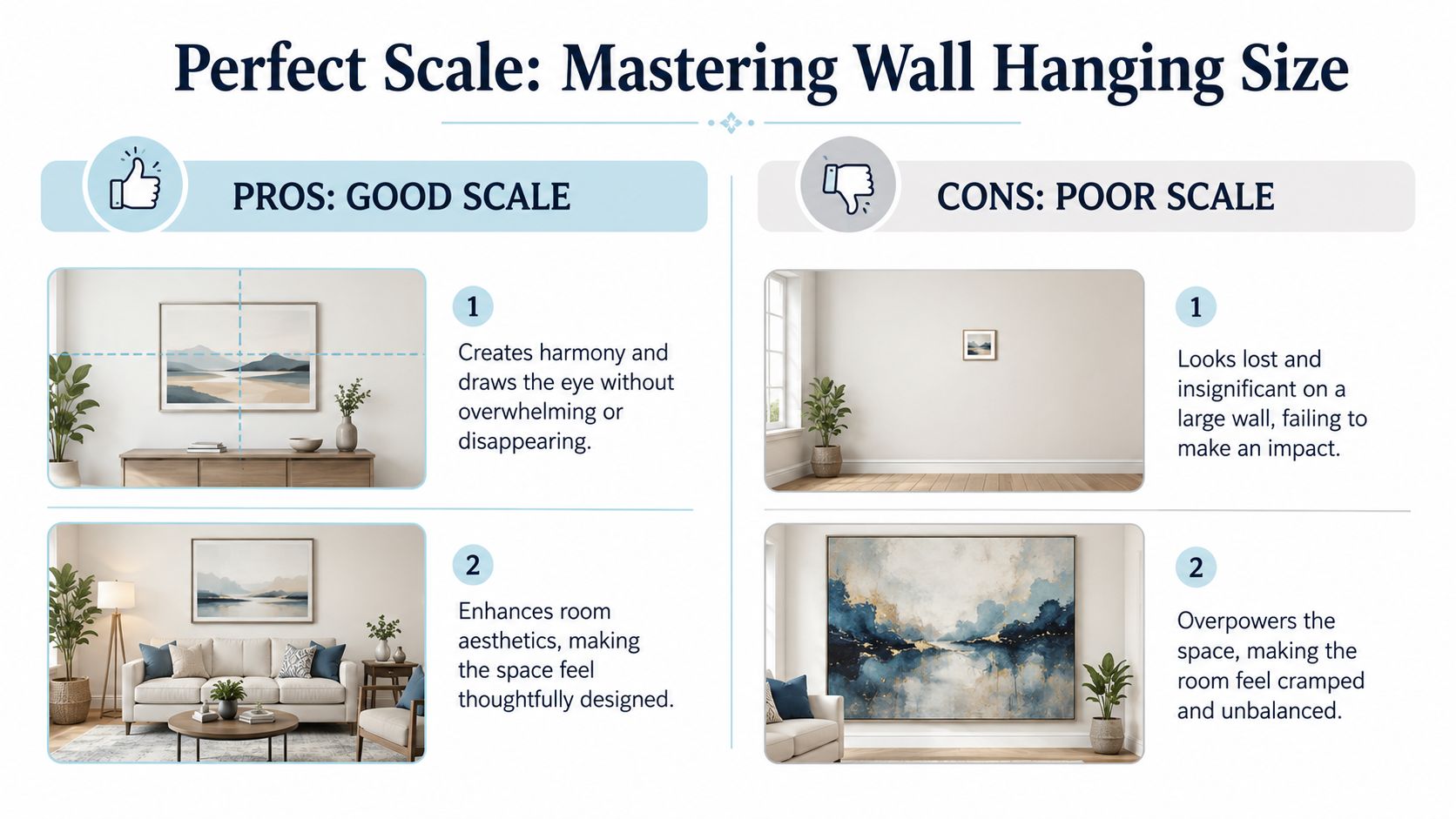
A serene bedroom with a light blue bed theme, white curtains, and panoramic views of a sandy beach.

Start with the feeling, not the collectables

Think about the rooms that stay with you after a road trip. They aren’t packed with “stuff”. They’re light, breezy, and easy to be in. Salt in the air, sun on the floorboards, maybe linen curtains moving with the breeze.

That’s the mood worth chasing.

For coastal bedroom decor, I always come back to a few essentials:

  • Light has to lead. If the room feels heavy, the whole coastal idea falls over.
  • Natural materials matter more than novelty. Timber, linen, jute, rattan. They do more lifting than any themed accessory.
  • VW pieces should look curated. One great Samba Bus model on a shelf beats a dozen random bits spread across every surface.

A good coastal VW bedroom should feel restful first and personal second. If it works the other way around, sleep suffers and the room feels busy.

Where the VW side fits naturally

Classic Volkswagens already belong in coastal spaces. Kombis, especially, sit comfortably with Australian surf culture, beach parking lots, old holiday towns, and that slow-road feeling we all know. Beetles work too, particularly in rooms that lean vintage rather than nautical.

The sweet spot is simple. Use coastal bedroom decor as the shell, then let your Volkswagen history show up in ways that feel collected over time. A framed old rally photo. A diecast bus on a floating shelf. A faded print with surf tones that picks up the room’s palette.

That’s how you bring the Aussie coast and classic VWs indoors without making the room feel forced.

Nailing the Coastal Colour Palette

Colour does most of the heavy lifting in coastal bedroom decor. Get it right and even a basic room starts feeling open and calm. Get it wrong and no amount of linen or driftwood will save it.

In Australia, coastal style isn’t some niche look. It reflects how a lot of us live. With 85% of Australians living within 50 km of the coast, coastal decor has become a dominant trend, and a 2023 Domain Home Trends Report found that 78% of coastal bedroom makeovers used soft neutral palettes while 67% used light timber furniture (A Blissful Nest).

A coastal color palette infographic featuring ocean blue, sandy beige, and soft sage green inspiration.

Build the room from the beach inward

The best palette usually starts with what you’d see standing on an Aussie shoreline.

Palette zone What it should feel like Best use in the room
Soft whites Clean, airy, sunlit Walls, ceiling, larger bedding pieces
Sandy beiges Warm, grounded, easy Rugs, throws, cushions, timber pairings
Muted blues Calm, coastal, not shouty Accent cushions, art, one statement piece
Coastal greens Subtle and natural Small accessories, prints, occasional upholstery

If you want the room to feel bigger, keep the walls in soft white or oyster-toned neutrals. If the room gets harsh afternoon light, a sandy beige or pale greyed white can soften the glare without losing the coastal look.

Don’t make every blue “beach blue”

It's common for people to overcook it. They paint a wall bright navy, add striped bedding, and suddenly the room drifts into pub-bathroom territory.

Muted blue works better than loud blue in a bedroom. Think sea haze, weathered paint, or faded denim. It gives the coastal cue without dominating the room.

For VW fans, this is also where you can sneak in personality. Instead of forcing primary colours everywhere, pull an accent from a vintage Kombi or Beetle in a restrained way:

  • Sea green works well in a ceramic lamp base or a framed print.
  • Burnt orange can lift a cushion or small artwork if the room is otherwise very neutral.
  • Cream and pastel blue suit older VW styling beautifully and sit naturally with coastal tones.

Practical rule: Choose one base neutral, one timber tone, and no more than two accent colours. That keeps the room collected rather than scattered.

A smart way to test your scheme

Before you buy anything big, gather your colours in one spot. Paint swatches, bedding fabric, a timber sample, even a photo of the VW model you want to display. Lay them together in morning and evening light.

That simple test stops a lot of expensive mistakes.

If you want more inspiration for balancing beach tones with vintage character, this guide on coastal home decor colour palette ideas is a handy place to keep the visual direction tight.

Furnishing Your Coastal VW Retreat

Furniture decides whether your room feels like a breezy coastal escape or just a pale room with beach colours. The bones matter.

Heavy dark suites usually fight the whole idea. Glossy modern pieces can feel cold. Coastal bedroom decor works best when the furniture has texture, softness, and a bit of visual breathing room.

A coastal style bedroom featuring a rattan bed frame, light wood nightstand, and ocean view scenery.

Pick one hero piece first

Most often, that’s the bed.

A rattan headboard, woven bed frame, or simple light-timber bed gives you an instant coastal anchor. Once that’s in place, the rest of the room gets easier to judge. If the bed looks too formal or too bulky, everything around it has to work harder.

A few bed styles that usually work well:

  • Rattan headboards bring texture without adding visual weight.
  • Whitewashed timber frames suit rooms that need brightness.
  • Simple oak or pine beds keep things grounded and don’t compete with memorabilia.

Bedside tables should support, not steal the show. Open-leg designs or lightly built timber pieces tend to keep the room airy. Chunky matching suites can flatten the whole look.

Texture beats decoration

One of the strongest practical lessons in coastal bedroom decor is that texture often matters more than accessories. Australian interior designers report a 92% success rate for jute or sisal rugs in coastal zones for humidity resistance, and a benchmark of 70% texture layering using materials such as jute, linen, and reclaimed timber is linked to the most serene results (Shine Rugs).

That tells you something useful. You don’t need heaps of “coastal” ornaments if the room already feels right underfoot and in the hand.

What works and what usually doesn’t

Here’s the trade-off in plain terms.

Choice Usually works Usually fails
Bed material Rattan, pine, light oak Dark heavy hardwood with ornate detailing
Storage Simple drawers, open shelving, light finishes Bulky glossy suites
Rug Jute or sisal for texture and practicality Plush synthetic pile in humid spaces
Chair or bench Cane, linen, or washed timber Chrome-heavy or ultra-modern pieces

Keep the furniture relaxed

The room shouldn’t look like every item came from the same page of a catalogue. Coastal rooms feel more believable when the pieces are slightly mixed. Maybe the bed is woven, the drawers are painted timber, and the bedside lamps bring in ceramic or cane.

That mismatch is healthy when the colours stay controlled.

A useful check is to stand at the doorway and look at the furniture as a group. If every piece shouts for attention, strip one thing back. If everything disappears, add one textured item with stronger presence, often the headboard or rug.

The room needs enough texture to feel layered, but not so many feature pieces that your eye has nowhere to rest.

For VW collectors, this matters even more. If the furniture is already loud, your diecast models and framed memorabilia won’t read as thoughtful details. They’ll just become more clutter.

Adding The VW Touch That Tells Your Story

This is the bit that separates a generic coastal room from one that actually belongs to you.

The mistake is thinking every Volkswagen item you own deserves a place in the bedroom. It doesn’t. A bedroom isn’t a swap-meet stall. The strongest coastal bedroom decor with VW influence uses fewer pieces and gives them room to breathe.

There’s a real appetite for this crossover. A Jan 2026 Houzz AU poll found that 62% of coastal decor seekers wanted retro car motifs but couldn’t find suitable ideas, and Google Trends AU data showed a 35% rise in “retro van art” searches from 2025 to 2026 (Houzz coastal bedroom ideas).

A coastal-themed bedroom featuring Volkswagen van decor, including a framed blueprint, wooden toy model, and decorative pillow.

Treat diecast models like display pieces, not toys

A good diecast Kombi or Beetle can carry a shelf on its own if you style around it properly.

Try a small vignette rather than a row of models. One Samba Bus model, one stack of books, one natural object like driftwood or coral-inspired decor, and one plant. That’s usually enough.

A few combinations that work especially well:

  • Surf shelf. A Kombi model in soft vintage tones, weathered timber behind it, and one framed beach photo.
  • Collector’s bedside display. A single Beetle model on a book stack with a ceramic lamp and no extra clutter.
  • Floating shelf trio. One VW diecast, one shell or stone object, one small artwork.

The restraint is the style.

Match the model to the room mood

Not every VW piece suits every coastal bedroom.

VW item Best room style
1962 Samba Bus diecast Relaxed surf-shack coastal rooms
Flower Power Kombi model More playful, retro coastal spaces
Classic Beetle model Vintage coastal bedrooms with softer tones
VW blueprint or print Cleaner, more pared-back rooms

If your room is calm and neutral, a colourful Kombi can become the feature. If the room already has a few stronger accents, use a cream, white, or pale blue model instead.

Use wall art with more care than you think

Framed VW prints can work beautifully in coastal bedroom decor, but scale matters. One medium print over a dresser often lands better than a whole gallery wall.

Old ad reproductions, surf trip photography, registration plates with patina, and blueprint-style art all tend to feel more grown-up than novelty signs. Keep the frames simple. Timber, white, or muted black usually sits best.

For readers who want to pull together retro accents with home styling pieces, these vintage home accessories show the sort of direction that suits this look without pushing it into kitsch.

A quick bit of moving inspiration always helps spark ideas:

The shelf test I always recommend

Before drilling holes or spreading models around, place your chosen VW items on the bed and remove half of them. Then remove one more.

What’s left is usually closer to the right answer.

If every piece has a story, the room feels personal. If every piece is visible at once, the stories blur together.

That’s the whole point. Your bedroom should hint at years of beach drives, car shows, restorations, and collecting. It shouldn’t scream them all at once.

Layering Textiles and Lighting for That Holiday Feel

A room can have the right paint and furniture and still feel a bit flat. Textiles and lighting fix that. They’re what turn a styled room into one you genuinely want to crawl into each evening.

Keep fabrics breathable and unfussy

For bedding, natural fibres nearly always win. Linen has that slightly rumpled look that suits coastal bedroom decor perfectly. Cotton works well too, especially if you prefer a cleaner finish.

The layered look doesn’t need much:

  • Base bedding in white, sand, or soft blue
  • One textured throw across the foot of the bed
  • Two or three cushions with different weaves rather than loud prints
  • A rug with natural character to stop the room feeling bare

The common trap is over-patterning. Once you’ve got a textured bedhead, a rug, and VW display pieces in the room, bold stripes and busy tropical prints can tip everything into noise.

Curtains should soften the room, not block it off

Heavy drapes fight the whole coastal idea unless you absolutely need full blackout. Sheer linen or light cotton curtains let daylight filter through and make the room feel more alive.

The effect is less about drama and more about atmosphere. Soft filtered light is what gives coastal bedrooms that easy holiday quality.

If you’re into mixing boho softness with beach tones, these boho style room ideas can help with layering without losing the clean coastal base.

Light the room in zones

One ceiling light rarely does the job well in a bedroom. It’s too harsh, and it flattens all the nice texture you’ve added.

Try this instead:

Area Best lighting approach Why it works
Bedside Warm lamp with ceramic, woven, or timber base Makes the room feel settled at night
Reading corner Floor lamp or table lamp Adds a second pool of light
Overall room Soft overhead fitting Useful when needed, not the main mood setter

A woven shade, ceramic lamp base, or timber lamp works especially well because it repeats the materials already in the room.

Soft light makes texture visible. Harsh light wipes it out.

That’s one of the biggest differences between a room that feels like a retreat and one that feels like a spare room with decent furniture.

Conclusion Your Coastal Escape Awaits

A well-done coastal bedroom decor scheme doesn’t need to be fancy. It just needs to feel honest. Light colours, natural materials, breathable fabrics, and a few carefully chosen VW touches can turn an ordinary room into something with real character.

That’s the charm of this look for Volkswagen enthusiasts. It connects two things that already belong together in Australia. Beach living and old VWs both carry that relaxed, slightly nostalgic spirit. Put them together with a bit of discipline and the room starts telling your story without looking staged.

If you’re reworking your own space, keep the order simple. Start with colour. Choose furniture with texture. Layer the bedding and lighting. Then bring in the Volkswagen pieces that mean something to you.

The final result should feel like your own beach escape. Calm enough for sleep. Personal enough to make you smile every time you walk in.

FAQ Your Quick Questions Answered

How can I use coastal bedroom decor in a small bedroom

Keep the palette light and the furniture visually open. White or sandy walls help the room feel less boxed in. Floating shelves work better than bulky cabinets if you want to display a Kombi or Beetle model without eating floor space.

Mirrors can help too, especially opposite a window or beside a dresser, because they bounce light around the room.

What are some budget-friendly coastal styling ideas

You don’t need a big spend to get the look moving. Repaint an old bedside table in a soft coastal shade. Hunt for second-hand rattan, cane, or light timber pieces. Frame your own beach photos or old VW event snaps rather than buying expensive art.

A lot of coastal character comes from texture, not price. New pillow covers, a natural fibre rug, and better curtains can shift the room fast.

How do I protect diecast models in a coastal environment

Humidity is the thing to watch near the coast. If you’ve got valuable or sentimental diecast pieces, a glass-fronted cabinet is the safest option because it reduces dust and moisture exposure.

If you prefer open shelving, make sure the room is well ventilated and keep the display away from damp corners or direct salt-heavy airflow. A soft brush for regular dusting helps, and discreet moisture absorbers can be useful behind shelves or inside cabinets.

How much VW memorabilia is too much for a bedroom

When the room starts feeling like a display room instead of a place to rest, you’ve gone too far. Most bedrooms benefit from a few standout pieces rather than a full collection dump.

Choose the models or prints with the strongest story and rotate the rest seasonally if you like.


If you’re ready to finish the room with the right pieces, have a look through Volkswagen Memorabilia. It’s a great spot for licensed VW diecast, Kombi and Beetle collectibles, and beach-friendly decor accents that suit this laid-back Australian look. Local stock and fast shipping make it easier to style the room without waiting ages, and the range suits both serious collectors and anyone after a thoughtful VW-themed gift.

Master the VW Baja Bug: History, Features & Collectibles

You’re probably here because a vw baja bug has got under your skin.

Maybe you saw one years ago parked near the dunes with salt on the guards and a surfboard leaning nearby. Maybe you’ve got an old Beetle in the shed and keep wondering whether it wants to become something wilder. Or maybe you just love the look of those lifted, cut-away Bugs and want a diecast version for the shelf above your workbench.

Whatever brought you in, the Baja Bug has a way of doing that. It takes the familiar, friendly shape of a Volkswagen Beetle and gives it a rebellious streak. It still feels like a VW. It just looks ready to leave the bitumen behind.

The Roar of Freedom and the Smell of Salt Air

A Baja Bug makes sense the moment you hear one.

That air-cooled thrum bounces differently when the car sits higher, wears chunky tyres, and looks like it would rather chase a sandy track than sit politely in traffic. On an Aussie beach road or a dusty bush run, it has a kind of cheerful defiance about it.

A red off-road Volkswagen Beetle parked on a sandy beach during a beautiful golden sunset.

The charm starts with contrast. A standard Beetle is rounded, tidy, almost humble. A Baja Bug keeps that soul but adds attitude. The guards are cut back. The stance rises. The wheels look ready for ruts and washouts. Even standing still, it feels like motion.

Why people fall for them

Some classics impress you with chrome and polish. The Baja Bug wins people over another way.

  • It looks honest: Nothing on a Baja Bug feels fussy. Every visible change suggests use.
  • It invites adventure: You don’t need to know every mechanical detail to understand what it wants to do.
  • It carries nostalgia: For many Australian VW fans, it taps into beach culture, shed-built projects, and old-school weekends away.
  • It suits collectors too: Even in miniature, the shape is unmistakable. A good Volkswagen Beetle model in Baja trim brings that whole mood onto a shelf.

A Baja Bug is one of those rare cars that feels playful and tough at the same time.

At a car show, it’s often the one people lean in to inspect. Kids spot the raised suspension. Old hands look for clever fabrication. VW tragics start swapping stories about beach runs, broken mounts, fibreglass front ends, and the one they nearly bought years ago.

That’s the magic of it. The vw baja bug isn’t just a modified Beetle. It’s a rolling expression of freedom, ingenuity, and the idea that a simple little car can go a very long way with the right spirit.

From Dusty Mexican Trails to a Global Legend

The Baja Bug didn’t begin as a styling exercise. It came from people asking a practical question. How do you make a humble Beetle survive rough country and keep going?

The answer appeared in the harsh conditions of off-road racing.

Where the story really starts

The first Baja Bug in competitive racing history was pioneered by Californian cartoonist Dave Deal, who entered a modified Volkswagen Beetle in the inaugural Mexican 1000 rally in 1968 in Baja California. That event stretched for over 830 miles, and it showed just how adaptable the Beetle could be when prepared for rough terrain, according to the Baja Bug history summary on Wikipedia.

That matters because it gave the car a proper proving ground. The Beetle wasn’t being turned into an off-roader in theory. It was being tested where suspension travel, clearance, durability and simplicity genuinely mattered.

Why the Beetle was such a strong base

The Beetle had a few natural advantages that made this transformation possible.

First, it was light. A lighter car has an easier time on rough surfaces than a heavy one that sinks, crashes and drags itself through every obstacle.

Second, it was simple. That air-cooled layout and straightforward mechanical design made the Beetle easier to adapt than many more complicated vehicles of the time.

Third, it had a shape and structure that encouraged experimentation. Builders could trim bodywork, lift the stance and reinforce key areas without losing the basic identity of the car.

How racing shaped the formula

The early race builds established the recipe that people still recognise today:

  1. Lift it up: Extra ground clearance helped the Bug clear rocks, ruts and soft terrain.
  2. Trim what gets in the way: Cutting fenders and other vulnerable panels gave the wheels room to move.
  3. Strengthen the weak points: Rough tracks punish frames, mounts and suspension components.
  4. Keep the VW spirit: Even modified examples still relied on the Beetle’s core layout.

That same development path fed directly into SCORE International Class 11 rules, which require a stock VW chassis with modifications focused on increased ground clearance and frame strength, as noted in that same historical reference.

The Baja Bug became iconic because the changes were driven by need, not fashion.

Why the idea spread so widely

Once enthusiasts saw what a Beetle could do off-road, the concept travelled fast.

You didn’t need a factory team or a huge budget to understand the appeal. A common little Volkswagen could be transformed into something that looked rugged, purposeful and full of personality. That made it irresistible to racers, home builders and dreamers alike.

And that is why the Baja Bug still grabs attention today. Its origin story is not polished or corporate. It was born in dust, necessity and a bit of cheeky creativity.

The Anatomy of a True Off-Road Rebel

A proper Baja Bug has a look you can spot from across a paddock. It sits taller, shows more tyre, and wears fewer frills. But the best part is this. Most of those visual cues exist for a reason.

Infographic

If you already love the classic Beetle shape, a Baja version can seem a bit rough on first glance. Then you realise every cut and every bolt-on piece is part of a practical off-road mindset. It’s the same kind of hands-on ingenuity that made the standard Beetle beloved in the first place. If you want a refresher on that original DNA, the story behind the VW Beetle helps explain why the platform works so well.

Body cuts that do more than look tough

The trimmed bodywork is often the first feature people notice.

Cut-away front and rear guards open up space around the tyres. That extra room matters when the suspension moves through bumps, dips and uneven ground. Many builds also replace steel panels with fibreglass pieces, which can simplify repairs and sharpen that unmistakable Baja silhouette.

The visual result is dramatic. The practical benefit is clearance.

Suspension and ride height

A Baja Bug needs to sit up properly. If it doesn’t, it just looks like a Beetle in costume.

Lifted suspension gives the car more room underneath and helps it cope with rough tracks, sandy approaches and rocky sections. The geometry, shocks and general setup vary from build to build, but the aim is always similar. Keep the underbody safer and let the wheels work over bad surfaces.

Here’s where people often get confused. A lift is not only about making the car taller. It’s about letting it travel and recover better when the ground gets ugly.

The exposed rear and engine character

Many Baja Bugs run with an exposed or partly exposed engine area.

That stripped-back rear end removes vulnerable bodywork and makes the car’s mechanical heart part of the visual theatre. You’ll often see a raised exhaust, commonly called a stinger, pointing proudly skyward. It looks wild because it is wild, but it also fits the no-nonsense spirit of these builds.

If a standard Beetle hides its hardworking bits, a Baja Bug puts them on show.

Tyres, wheels and protection

Chunkier off-road tyres are central to the whole package. They help with grip on loose surfaces and instantly change the personality of the car.

Then come the supporting pieces:

  • Roll cages: added for safety and chassis support
  • Skid protection: useful when terrain gets rough underneath
  • Reinforced bumpers: handy on cars built for actual use
  • Lighting upgrades: common on cars meant for trails or events

How to tell a real Baja-inspired build from a cosmetic one

Some cars wear Baja styling. Others were built with off-road use in mind.

A more serious build usually shows thought in the places casual viewers miss:

Feature Cosmetic build Purpose-built build
Stance Mildly raised for appearance Lifted with usable clearance
Bodywork Trimmed for style Cut to improve wheel travel and clearance
Tyres Road-biased look Off-road tread chosen for terrain
Protection Minimal Cage, guards, or underbody protection often present
Overall feel Custom Beetle Off-road Beetle with intent

That difference is part of the appeal. A vw baja bug is not one single formula. It’s a family of builds, all orbiting the same idea. Take a Beetle. Keep the soul. Make it fearless.

The Baja Bug Down Under An Aussie Icon

Australia was always going to warm to the Baja Bug.

We understand cars that are a bit scrappy, a bit clever, and ready for conditions that don’t flatter delicate machinery. Sand, scrub, corrugations, salty air, old beach roads. A lifted Beetle with a sense of humour fits right in.

Why it found a home here

The Baja Bug suits the local VW spirit because Australians tend to put their own spin on things. We respect originality, sure, but we also admire a practical build that solves real problems.

That’s part of why the scene has held on. In Australian VW enthusiast circles, Baja Bugs remain a lively niche, with median sale prices reaching AU$25,000 in 2026 auctions. The Volkswagen Club of Australia records over 500 registered Baja conversions since 1990, making up 12% of air-cooled VW off-road entries in national events, while 70% of Australian builds use aftermarket lift kits from Brisbane suppliers, according to The Classic Valuer’s Baja Bug market page.

Those figures tell you this is not some forgotten subculture. It’s a real slice of Australian VW life.

The Aussie flavour of the build

What makes an Australian Baja Bug feel local is often the atmosphere around it.

You see these cars linked with surf culture, coastal cruising, regional meets, dusty paddocks and friendly club talk. They share garage space, at least spiritually, with beach vans and road-trip Volkswagens. That same easygoing vibe is a big reason many enthusiasts also love the style of the VW travel van, even though the experience behind the wheel is completely different.
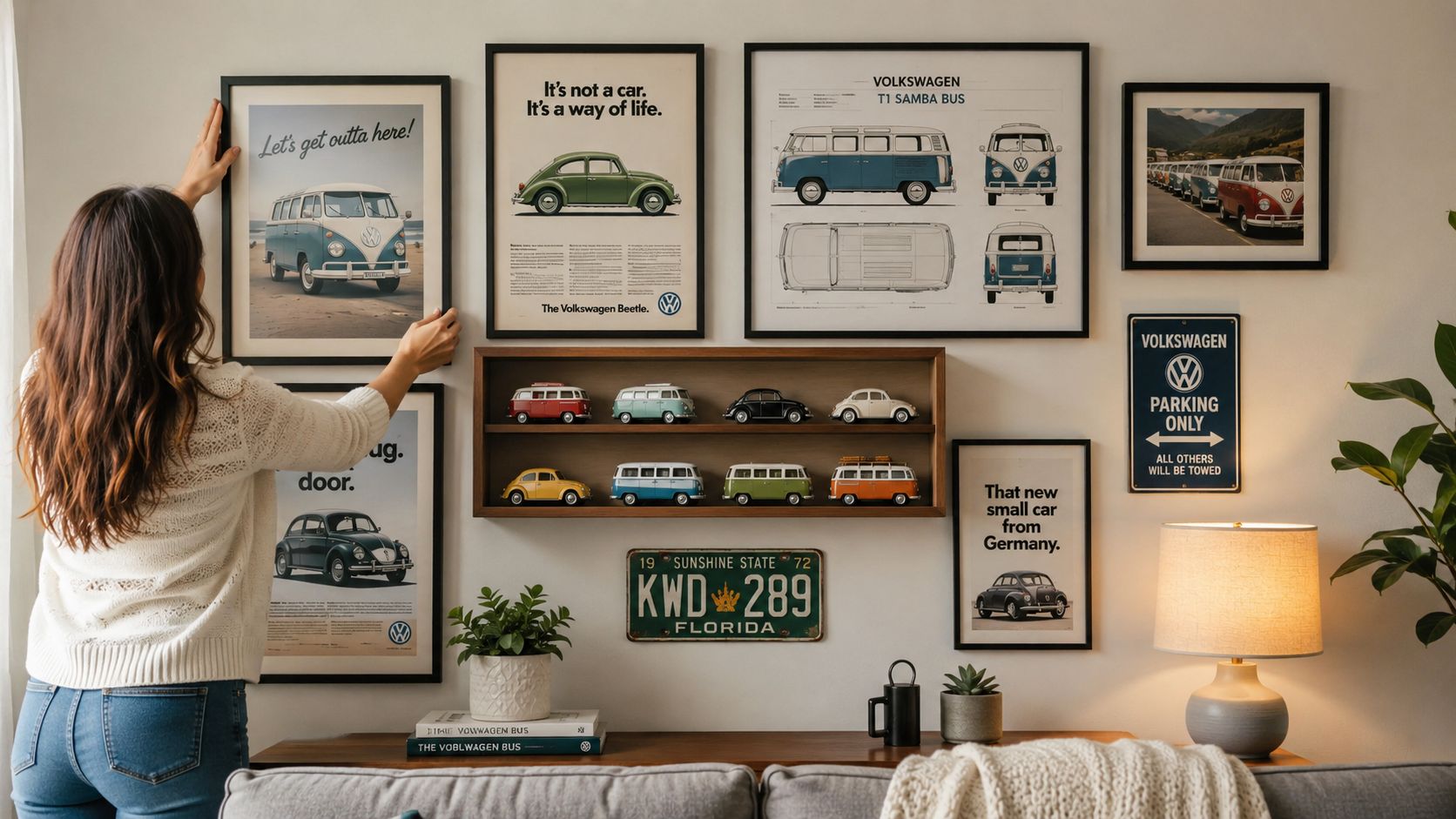
A Kombi says slow adventure. A Baja Bug says noisy mischief.

Why Australian enthusiasts ask different questions

American Baja content often focuses on desert builds, big fabrication projects and parts sources based overseas. Australian owners and buyers usually have a different set of concerns.

They want to know things like:

  • Will this pass local roadworthy requirements?
  • Has salt exposure already done damage to the shell?
  • Can I still get sensible parts without endless waiting?
  • Was this built for our conditions, or copied from a US look?

That local lens matters. A Baja Bug in Australia is not just a copy of a Californian idea. It has been adapted to our roads, our registration realities, and our coastal lifestyle.
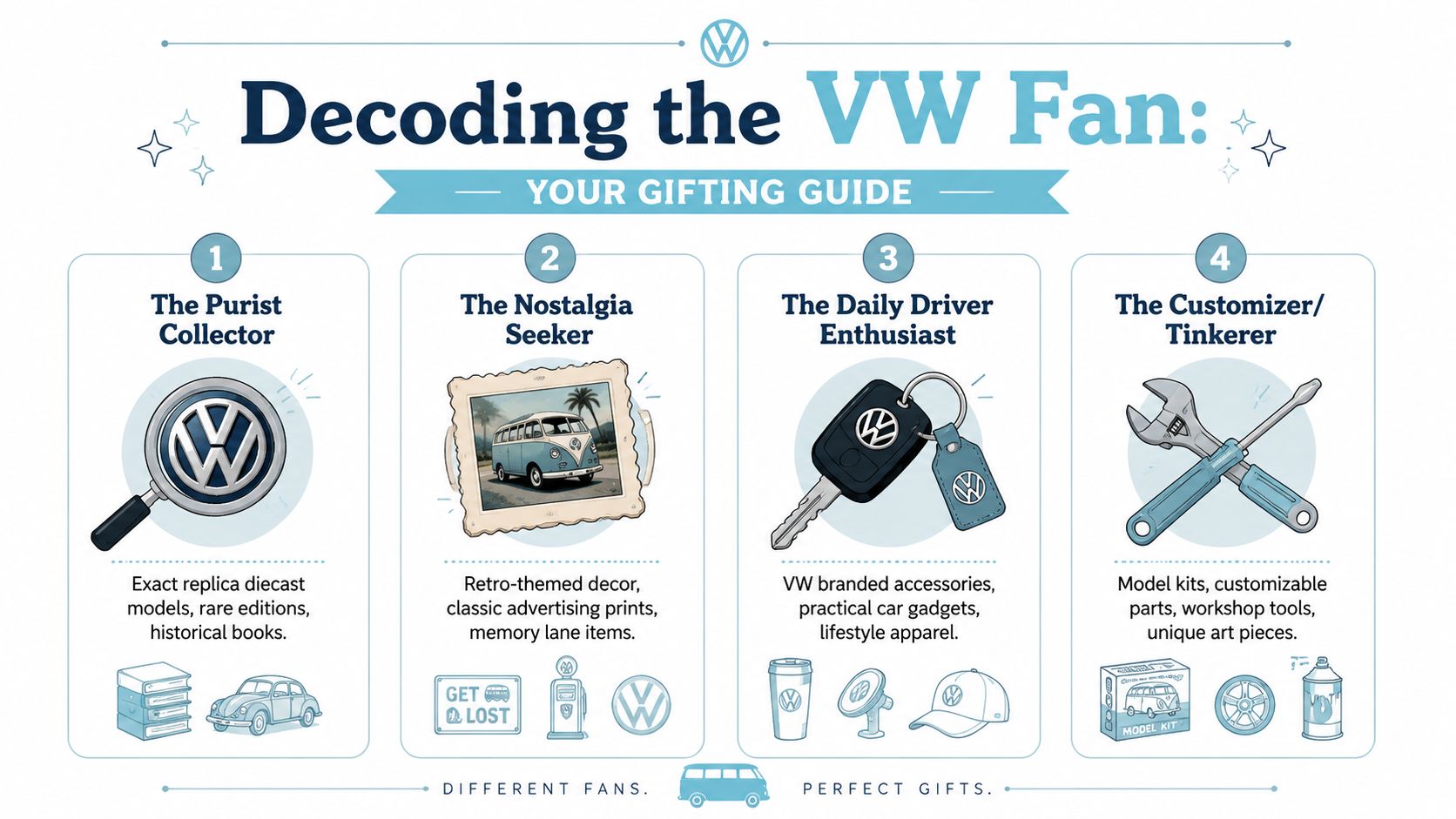
The Australian Baja scene has always felt hands-on. Less posing, more practical tinkering.

That’s a big reason the vw baja bug still turns heads here. It isn’t precious. It’s personal.

Collecting the Legend Baja Bug Diecast Models

Not everyone has the shed space, budget, patience, or registration appetite for a real Baja Bug. That’s where collecting becomes such a joy.

A good diecast captures the same stance, the same cheeky attitude, and the same visual punch that makes the full-sized car so memorable. For plenty of enthusiasts, collecting is not the backup plan. It’s part of the hobby.

A collection of die-cast VW Baja Bug toy cars displayed neatly on wooden shelves.

In Australia, interest is clearly there. Google Trends AU data shows “Baja Bug model” searches are up 45% in 2025-2026, linked to retro surf events, and the same source notes that this demand is underserved by guides because most existing content focuses on full-size cars rather than 1:18 or 1:24 replicas, as discussed in this Baja Bug memorabilia trend reference.

Choosing the right scale

Scale is where new collectors often hesitate. The best choice depends on how you want to enjoy the model.

Some people want a centrepiece with lots of visual detail. Others want a neat row of VWs on a shelf in the study, garage or rumpus room.

Here’s a simple comparison.

Baja Bug Diecast Scale Comparison

Scale Typical Length Detail Level Best For
1:18 Large display size High visual detail Feature shelves, desks, statement displays
1:24 Mid-sized and versatile Strong balance of size and detail Most home collections
1:32 Compact Simpler detailing Smaller shelves, grouped displays, casual collectors

What to look for in a quality model

Not every model gives the same satisfaction once it’s in your hands.

A strong Baja Bug diecast usually gets the essentials right:

  • The stance: It should sit with purpose. Too low, and the whole character disappears.
  • Body shape: The cut guards and Baja proportions need to look intentional, not cartoonish.
  • Wheel and tyre choice: These matter more than many collectors realise.
  • Paint and finish: Baja models can be bright, dusty-looking, race-inspired or beachy, but the finish should feel consistent.
  • Licensed presentation: For many collectors, officially licensed Volkswagen styling adds confidence and display value.

If you also collect buses and Beetles, you'll find the hobby gets fun here. A Baja Bug can sit beside a neat Volkswagen Beetle model, a clean street Beetle, or a row of VW Kombi diecast Australia favourites and instantly add contrast to the lineup.

Display pieces versus play pieces

Some collectors want boxed condition. Others want open-display charm.

Neither approach is wrong. It just changes what matters.

If the model will live on a shelf, focus on silhouette, stance and finish. If it will be handled often, durability matters more. Some people even create little display themes with surf signs, timber shelving, or retro service-station touches.

A few home display ideas sit nicely alongside broader vintage home accessories, especially if your style leans coastal, garage-inspired or mid-century relaxed.

Here’s a video that captures the energy many collectors love in Baja-themed Volkswagen models and builds.

A simple way to start a Baja collection

If you’re just getting into it, don’t overcomplicate the first purchase.

Try this approach:

  1. Pick one scale and stick with it first. Your shelves will look more organised.
  2. Choose one anchor piece. Let that be your hero car.
  3. Build around a theme. Off-road, surf, racing, or classic Beetle evolution all work well.
  4. Mix carefully. One Baja Bug beside cleaner VW road cars often looks better than a shelf full of near-duplicates.

A great collection doesn’t have to be huge. It just needs a point of view.

That’s why Baja models are so satisfying. They tell a story at a glance.

Styling Your Passion Display and Gift Ideas

A Baja Bug model deserves better than being shoved next to spare keys and old receipts on a crowded shelf.

If you’re going to collect, style it properly. These models have character. Give them a setting that helps that personality come through.

Display ideas that feel lived-in

A Baja Bug sits beautifully in spaces that already have warmth and texture.

Timber shelving works well because it softens the mechanical feel of the model. A surf print nearby, an old road sign, or a weathered photo frame can turn one diecast into a small scene rather than a random object.

Some collectors prefer tidy symmetry. Others go for a looser display that feels like a memory board from a shed near the coast. The Baja Bug suits the second style particularly well.

Try combinations like these:

  • Coffee table feature: One larger model on a tray with a motoring book and a small coastal accent
  • Garage shelf lineup: Baja Bug beside a standard Beetle and a Kombi for contrast
  • Home office corner: A compact model near framed event photos or vintage-style art
  • Workshop wall shelf: Pair the model with old tools or VW-themed tin signs

Creating a themed corner

Themed displays work best when they stay simple.

A “beach run” setup might include sandy tones, timber, and one or two blue accents. A “show and shine” arrangement could lean cleaner, with acrylic risers and stronger lighting. A “race-bred” display might include posters, number plates, and workshop textures.

The point is not to overfill the space. Give the Baja shape room to breathe.

The best displays make the model feel discovered, not crammed in.

Why Baja Bug memorabilia makes such a good gift

Gift buyers often struggle because car people can be picky. Fair enough too.

A Baja Bug collectible solves that problem rather neatly. It offers personality without requiring the recipient to commit to a full restoration project, a pile of spare parts, or another thing to register and maintain.

It works especially well for:

  • Long-time VW owners who appreciate Beetle history
  • Surf culture fans who love the beachy, rebellious vibe
  • Collectors of Volkswagen diecast models for sale who want something less ordinary
  • People styling a garage, office, bar area or holiday house with classic motoring touches

A Baja Bug model also has a conversational quality that a more formal collectible sometimes lacks. People smile when they see one. They usually have a story, or wish they did.

Keep it cohesive

If you’re adding one as a gift or to your own shelf, think about the wider display.

A Baja Bug often looks strongest when paired with pieces that support the mood rather than copy it. Natural textures, retro colours, clean lighting and a bit of breathing space do more than piling on every VW item you own.

That balance is what turns memorabilia into décor.

Your Guide to Owning a Piece of the Legend

Owning a real Baja Bug in Australia can be immensely rewarding. It can also test your patience if you rush in.

The first thing to look at is the shell. Rust changes everything on an old Beetle, especially if the car has lived near the coast or spent years as a half-finished project. After that, look closely at the quality of the modifications. A tidy Baja-inspired car is one thing. A poorly planned build is another.
What catches buyers out in Australia

Registration and compliance are where many dreamers get a rude surprise.

For Australian enthusiasts, lifted suspensions and shortened fenders need to satisfy Australian Design Rules and VSB14, and this is a frequent sticking point during roadworthy certification for the 150,000+ classic VWs imported annually, as noted in this Australian Baja compliance discussion.

That’s why a real-world buying checklist should include:

  • Rust inspection: floors, lower sections, and hidden repair areas
  • Modification quality: suspension, mounts, body cuts, wiring and safety equipment
  • Paperwork: engineering and roadworthy history where applicable
  • Intended use: road cruiser, event toy, display piece, or project base

For many enthusiasts, the smarter first move is to enjoy the legend in miniature while learning what style they love most. A diecast model gives you the shape, the colour, the history and the mood, without the workshop bills or compliance headaches.


If the vw baja bug has stirred up that old Volkswagen feeling, Volkswagen Memorabilia is a lovely place to keep the passion going. You’ll find locally stocked VW-themed gifts, diecast models, and coastal display pieces that suit collectors, classic car lovers, and gift buyers alike. It’s an easy way to bring a bit of Baja spirit, Beetle nostalgia, or Kombi charm into your home, with the bonus of Australian service and fast local shipping.