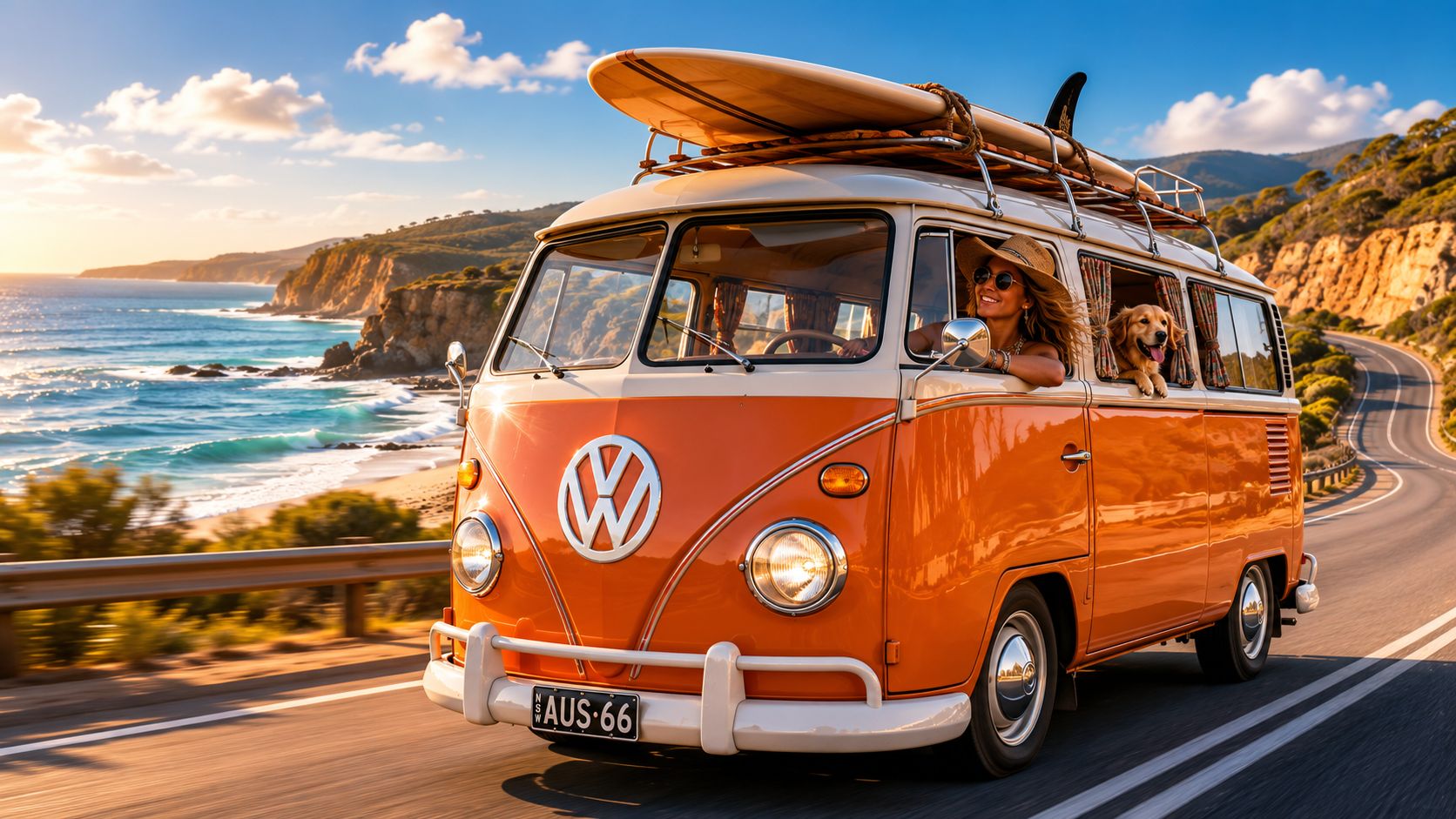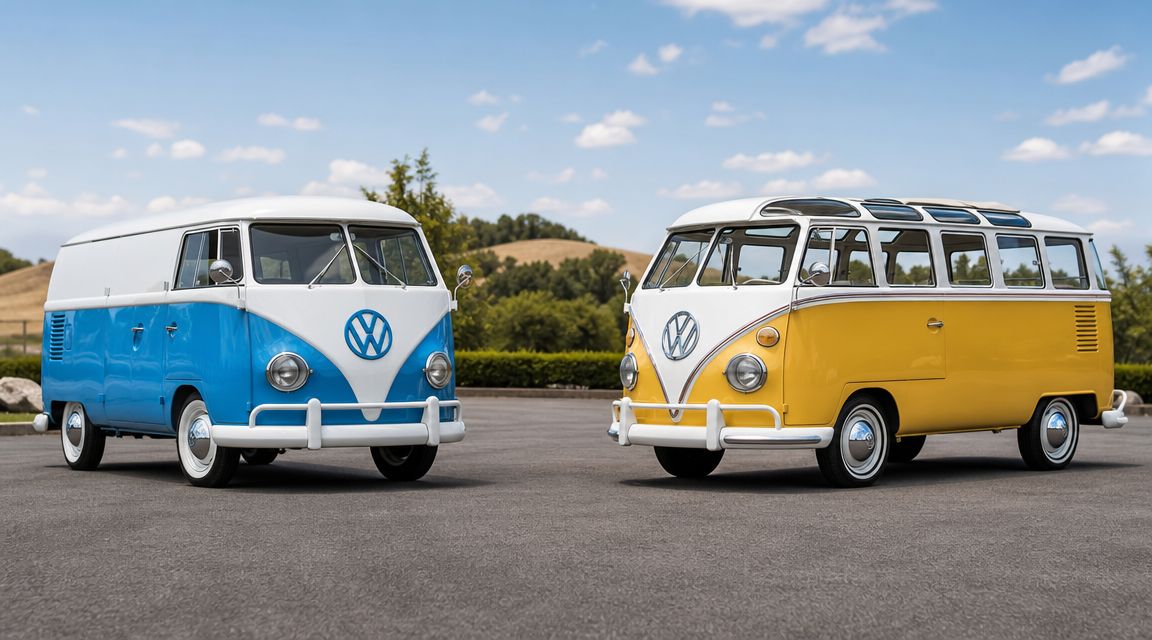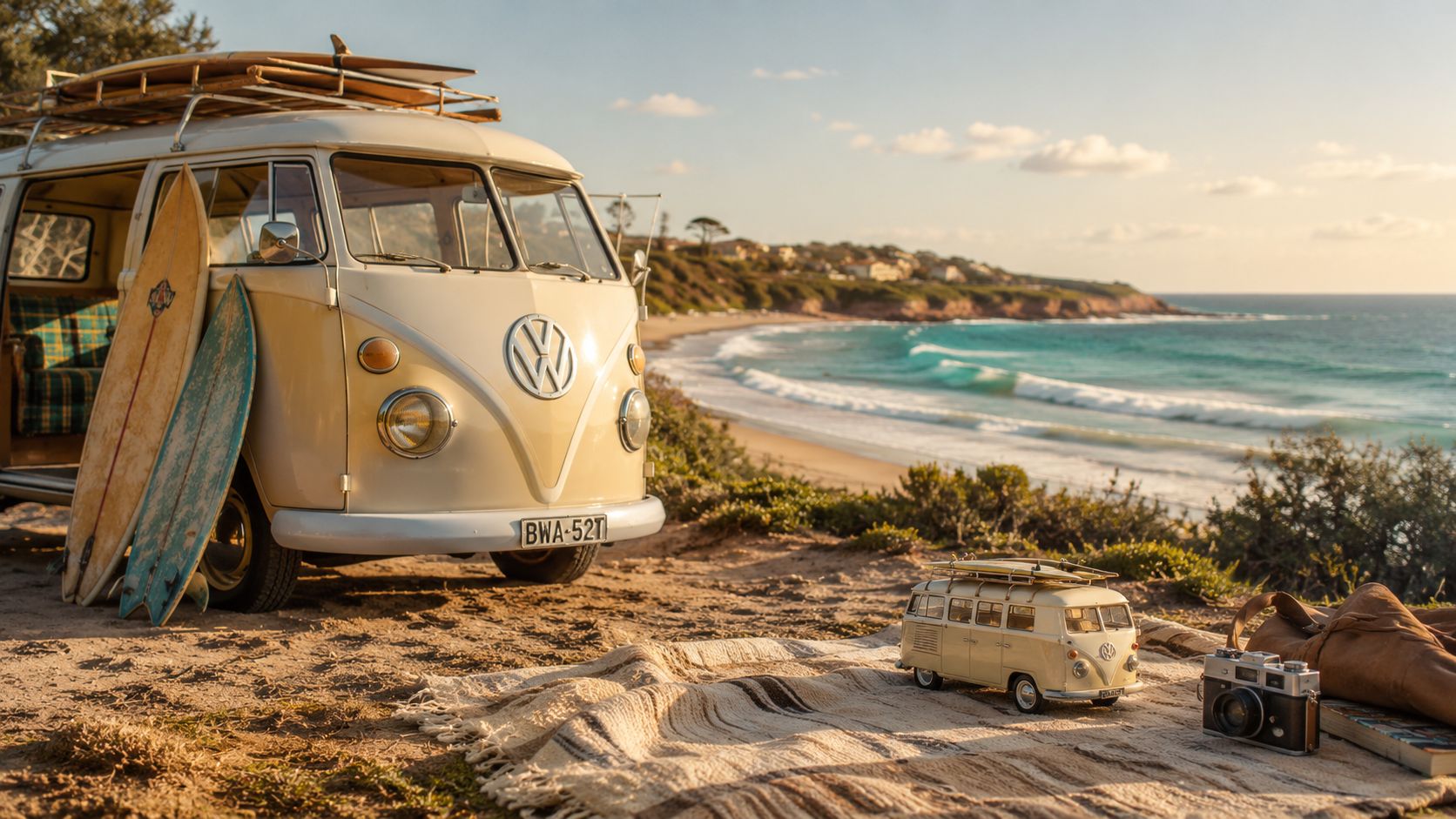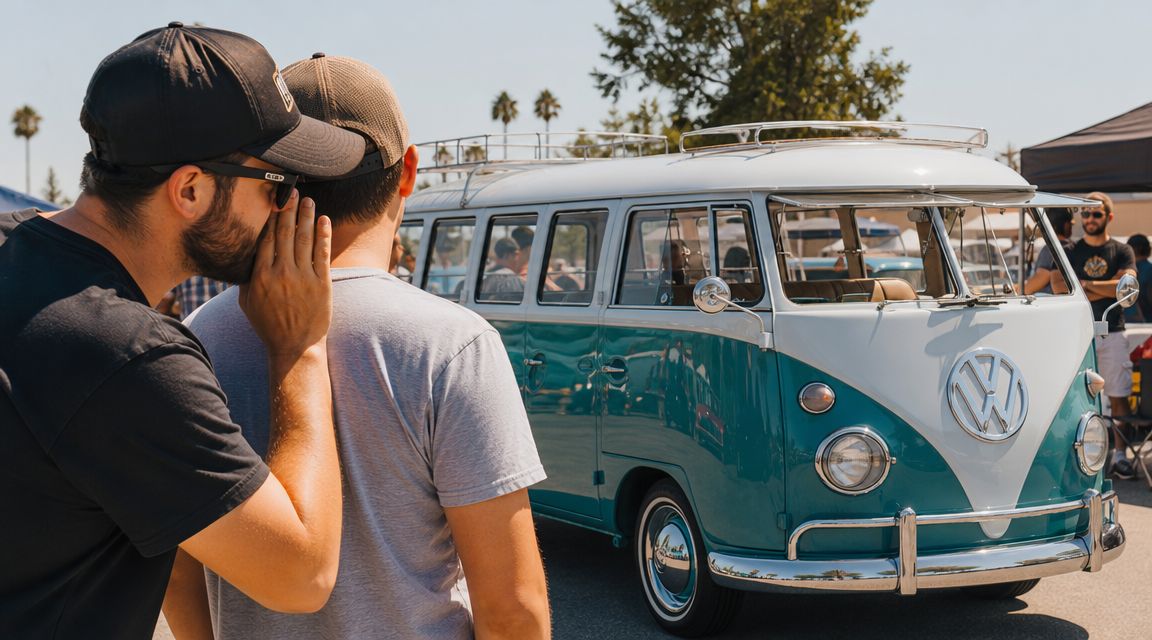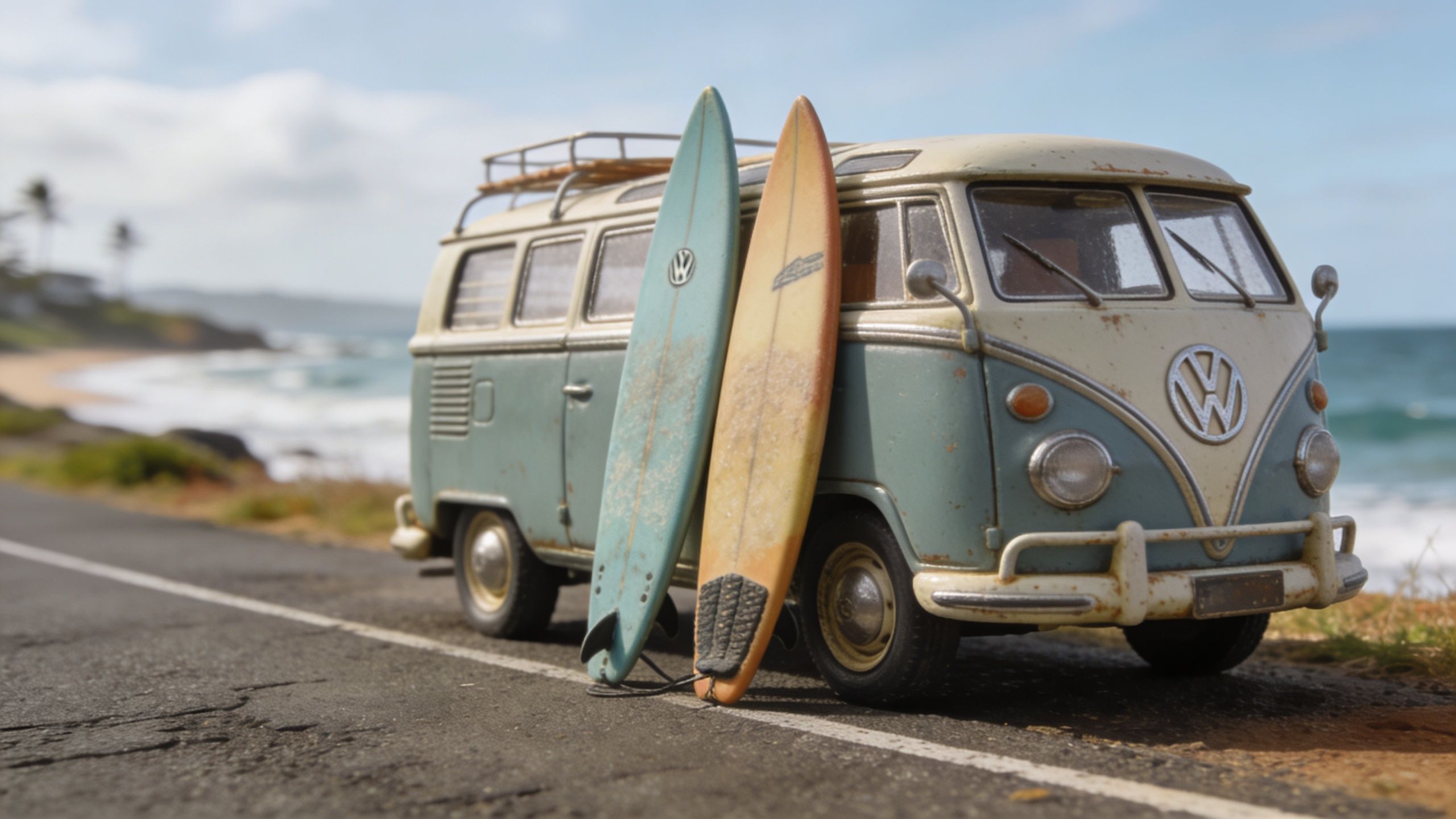

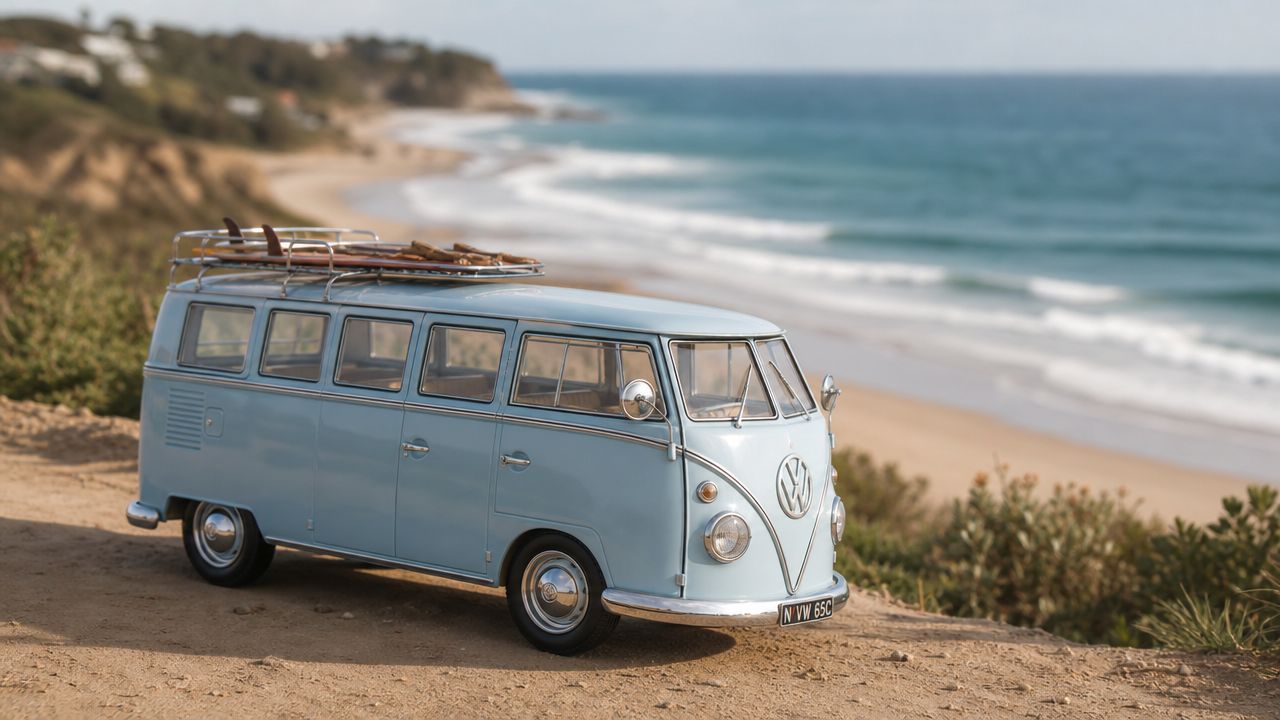
A few summers ago, I watched a sun-faded Kombi roll into a beachside car meet with salt on the paint and boards on the roof. Half the crowd smiled before the engine even stopped, because in Australia a VW like that doesn't just arrive, it brings a whole bundle of memories with it.
The Magic of Holding a Memory in Your Hands
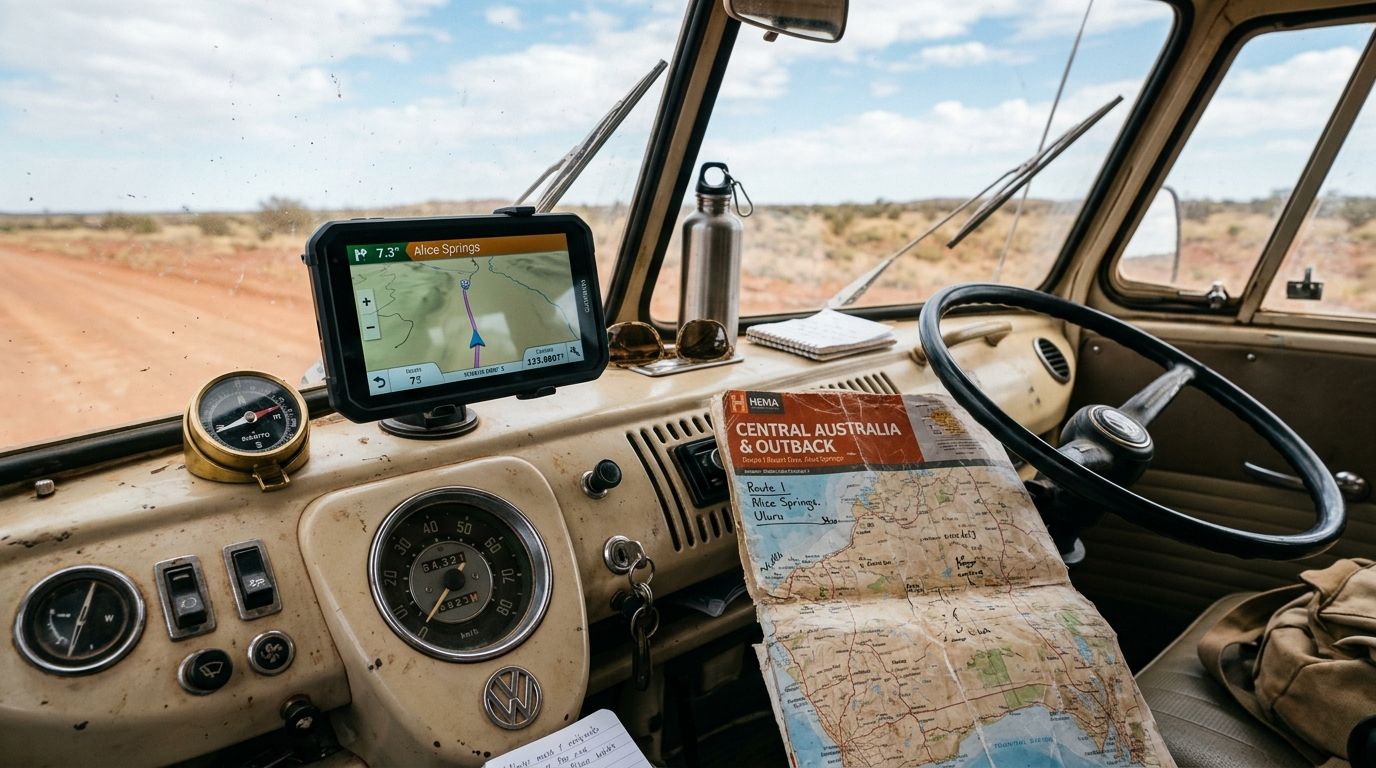
There's something wonderfully familiar about a classic Volkswagen on an Australian road. A Beetle buzzing along a coastal strip. A Kombi parked near the dunes with sandy thongs by the door. For a lot of us, these aren't just old vehicles. They're little pieces of freedom, family holidays, surf culture, first cars, and stories told over a folding chair at a car show.
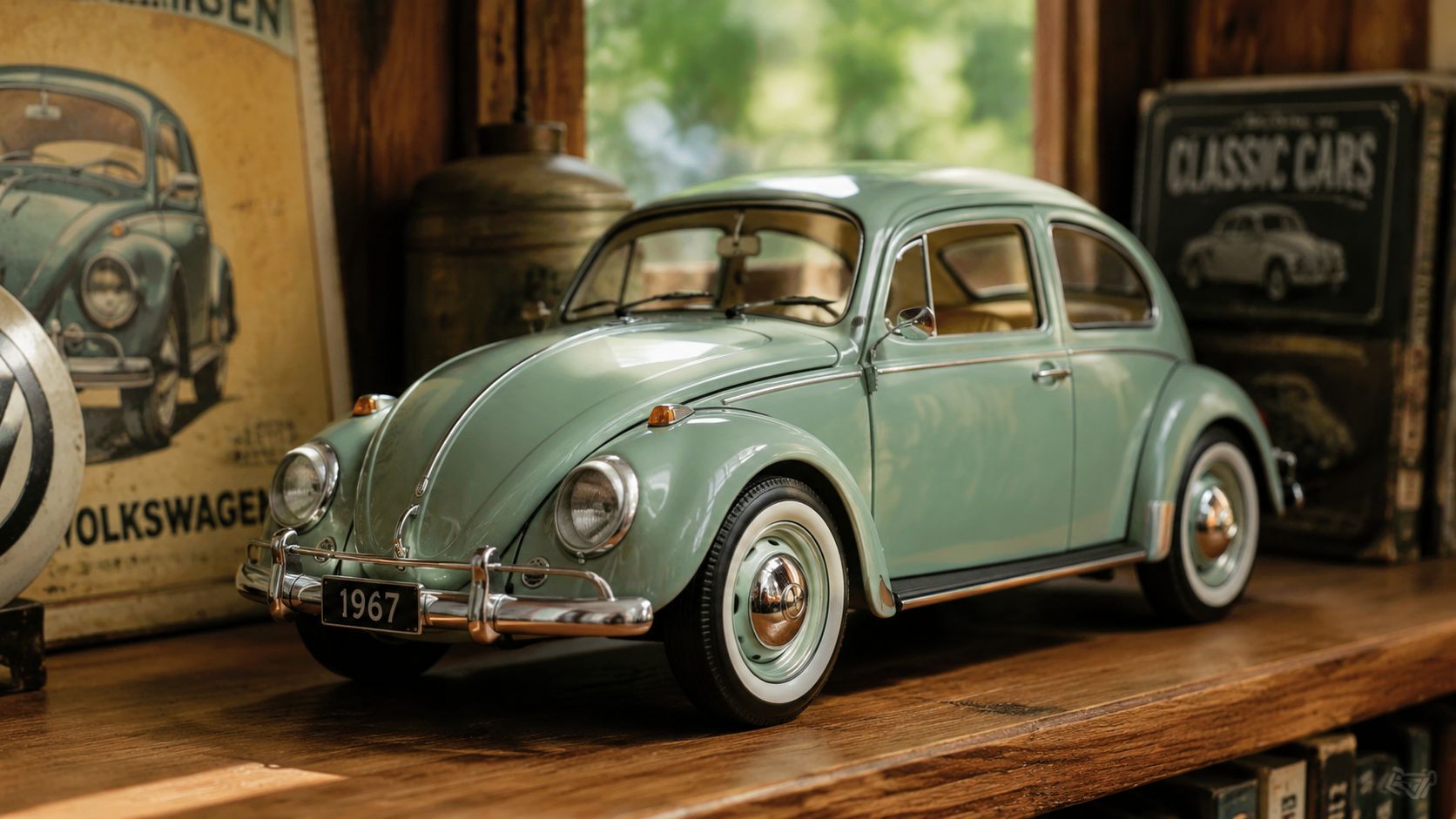
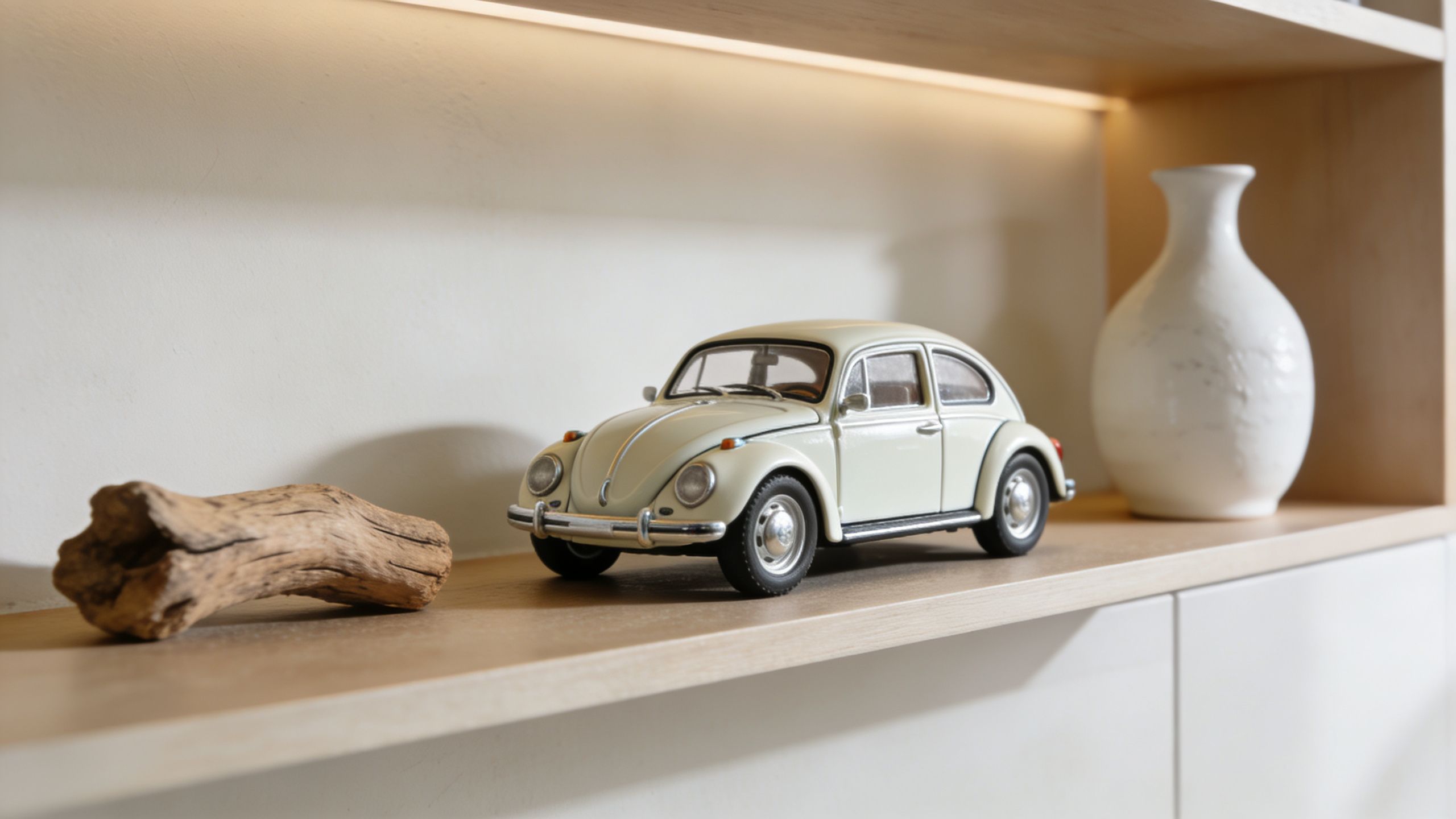
That's why diecast collecting grabs people so quickly. A good model doesn't feel like a random shelf item. It feels like a memory you can hold. For VW fans, that feeling runs deep because the Kombi and Beetle have such a strong place in local culture.
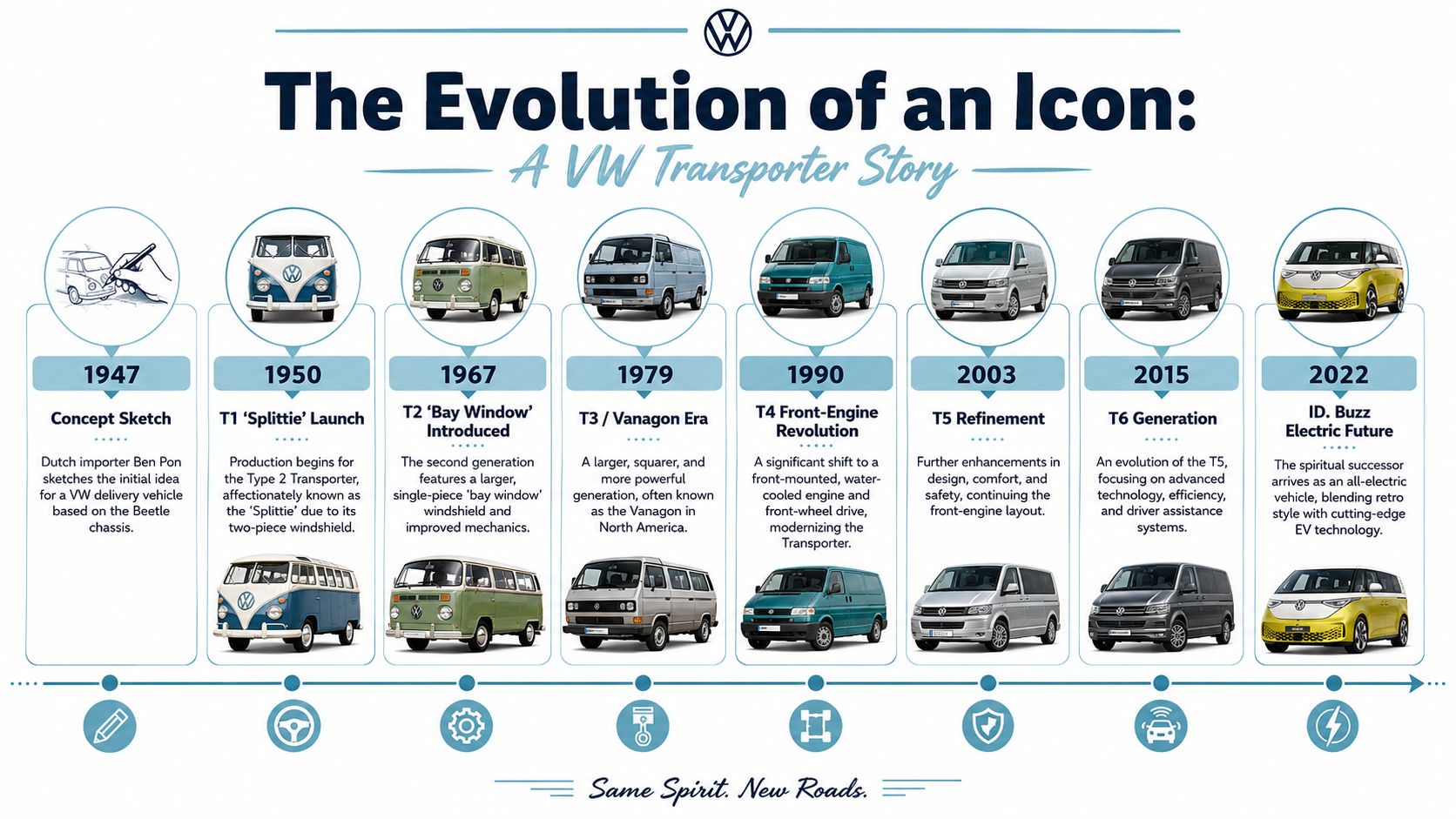
The Kombi's story started long before it became an Aussie icon. The iconic Volkswagen Kombi (Type 2) originated in 1949 when Dutch businessman Ben Pon sketched the first prototype after observing VW utility vans, leading to its official debut in 1950 and its eventual status as an Australian cult classic, as noted by Volkswagen Australia's Kombi history.
Why VW models feel different
Some marques inspire admiration. Volkswagens often inspire affection. That's a different thing entirely.
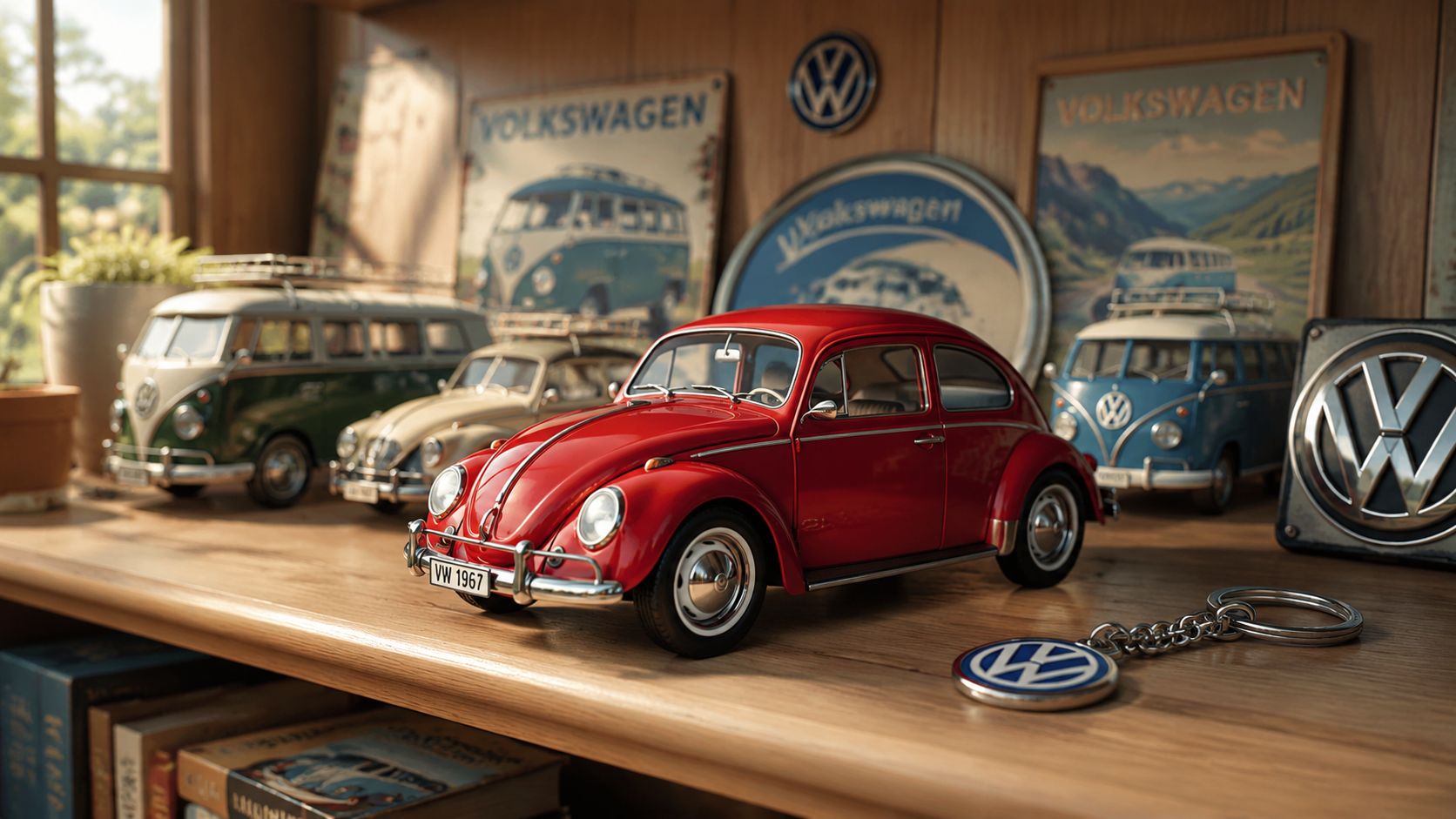
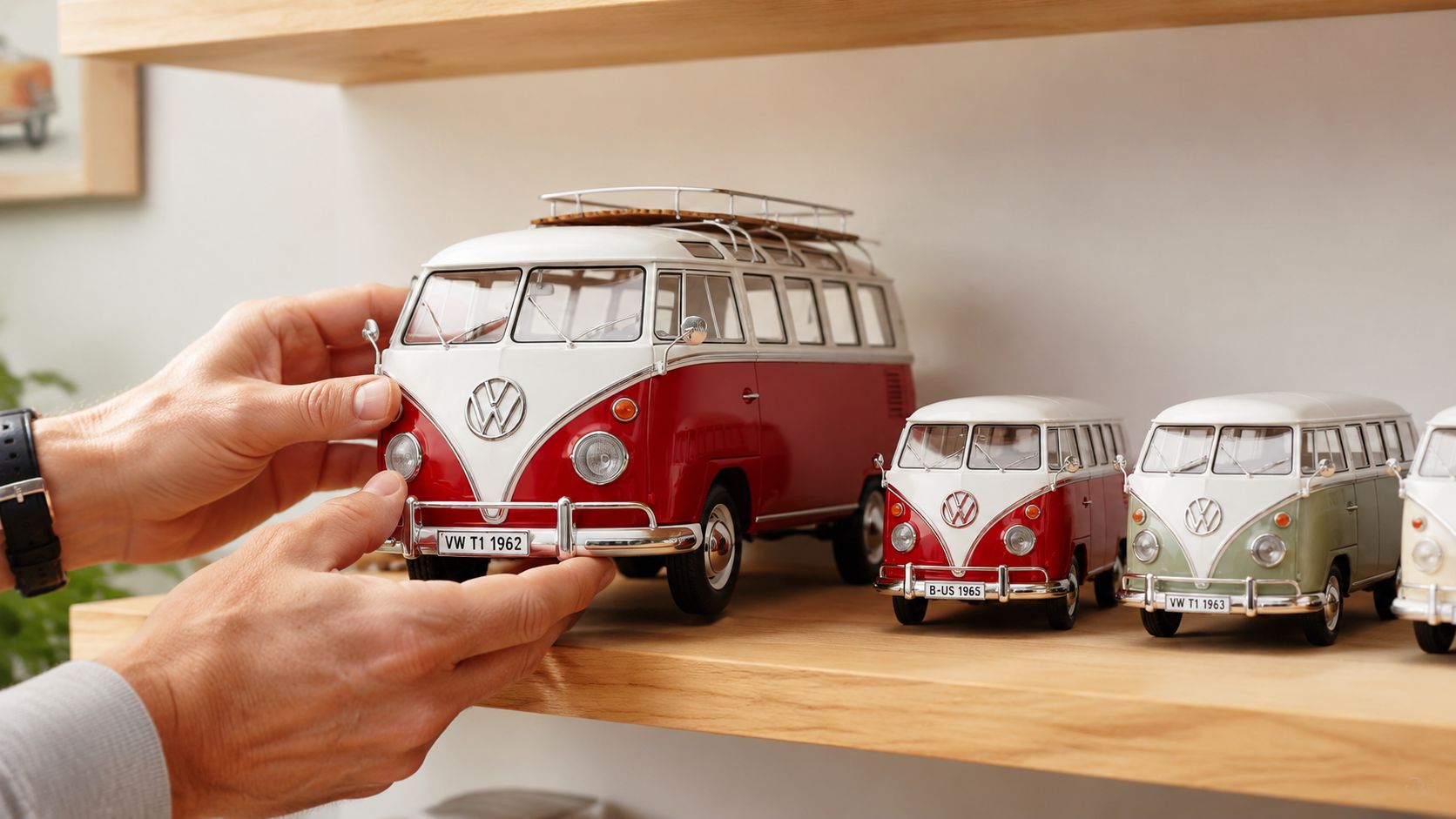
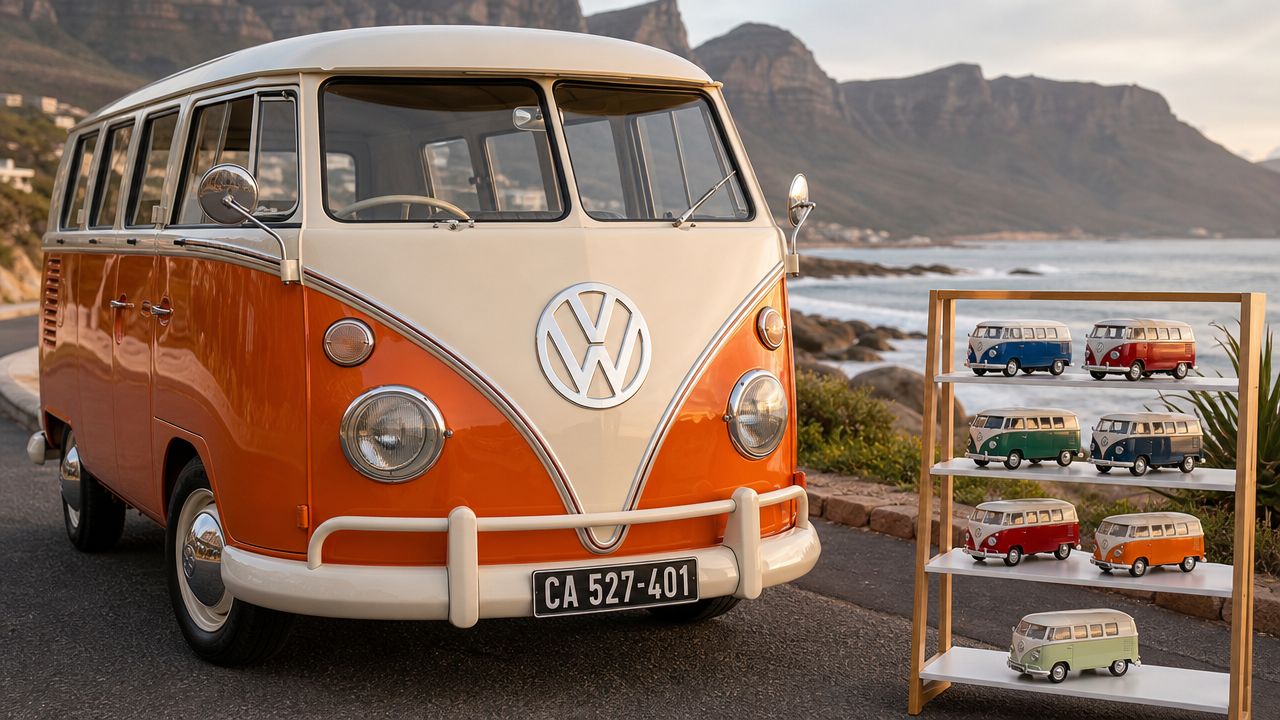
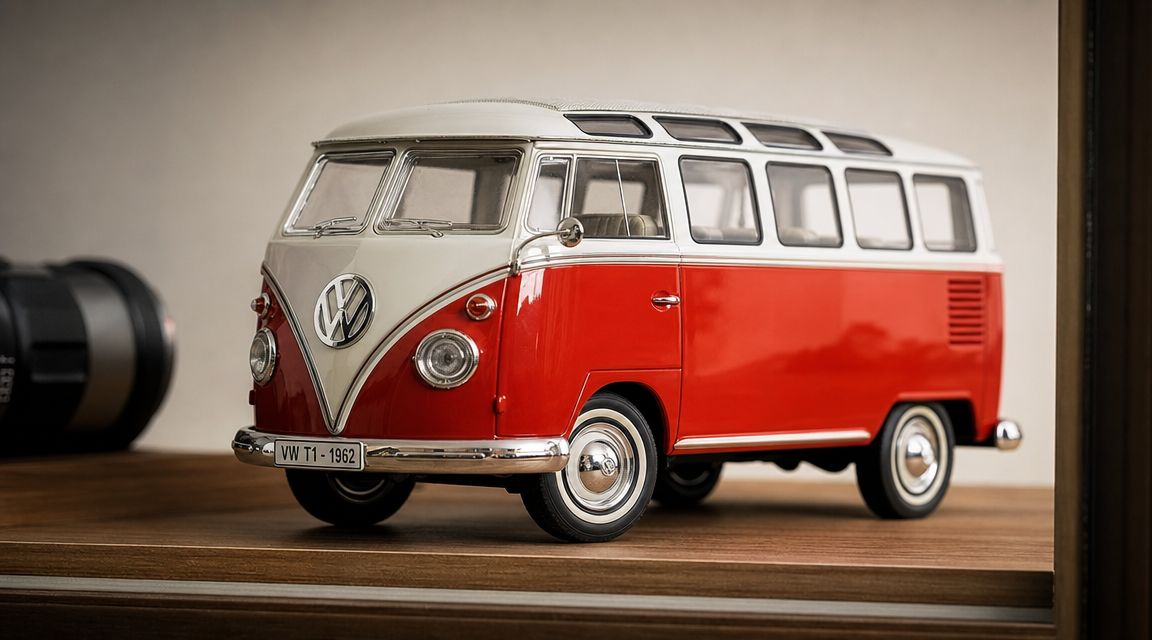
A diecast Samba Bus with tiny windows and bright paint can remind one collector of a real van they restored years ago. A simple Volkswagen Beetle model can remind another of a parent learning to drive. Even gift buyers who've never collected before often pick a Kombi because it instantly says summer, adventure, and easy-going style.
A well-made model car can do what a photograph sometimes can't. It gives memory weight, shape, and presence.
Why this hobby keeps growing in Australia
The local appetite for collecting is getting stronger. The Australia Diecast Model Car Market is projected to reach sales revenue of $245.6 Million by 2030, growing at a 5.2% CAGR between 2026 and 2030, reflecting strong collector demand and cultural interest, according to Cognitive Market Research's diecast model car market report.
For anyone exploring diecast models in Australia, that growth tells you something important. You're not wandering into a tiny niche. You're joining a lively hobby with plenty of fellow enthusiasts, from seasoned Volkswagen restorers to people looking for the right VW memorabilia collectibles for a birthday, Father's Day, or a home office shelf.
Your Guide to Diecast Scales and Brands
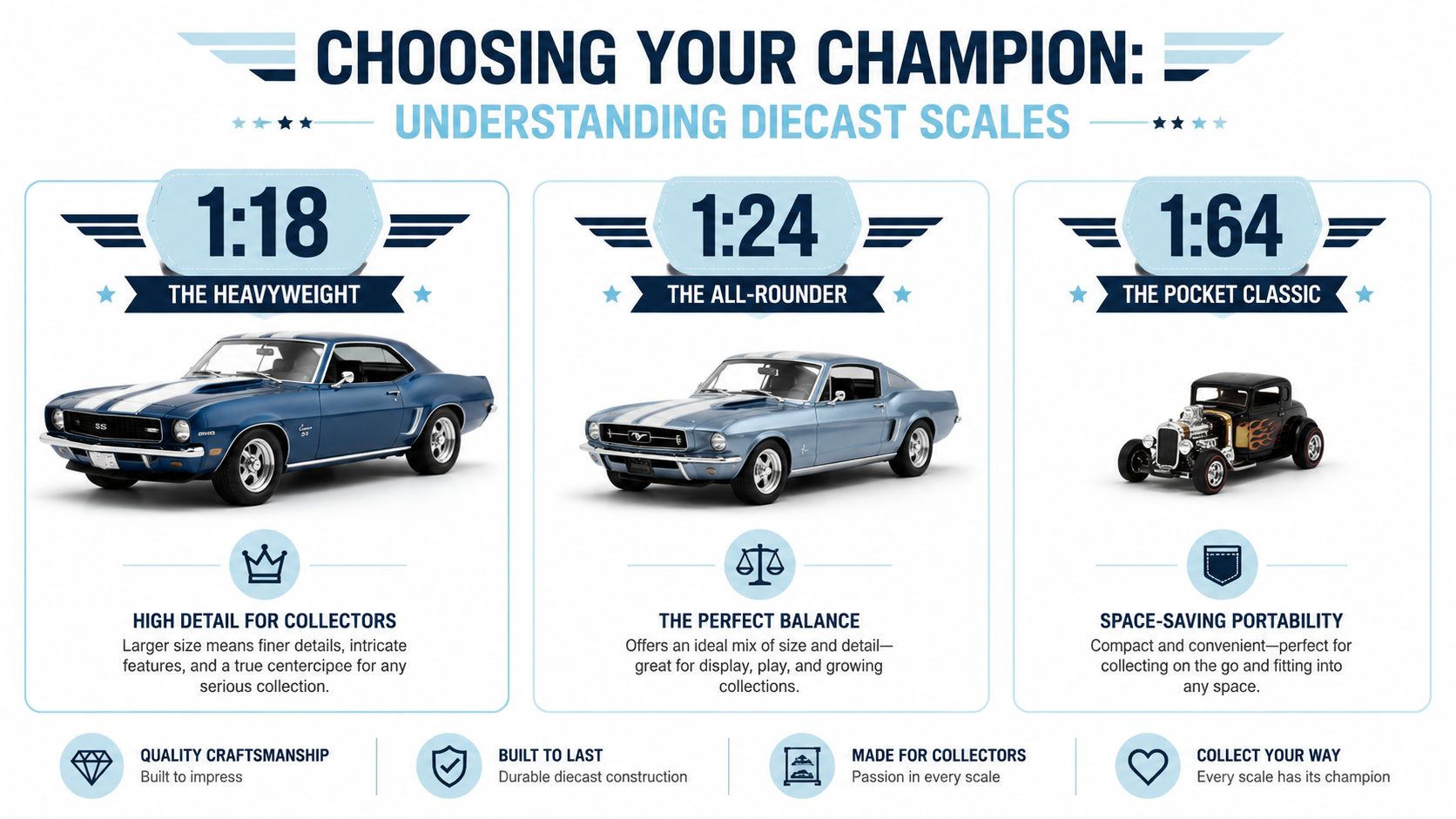
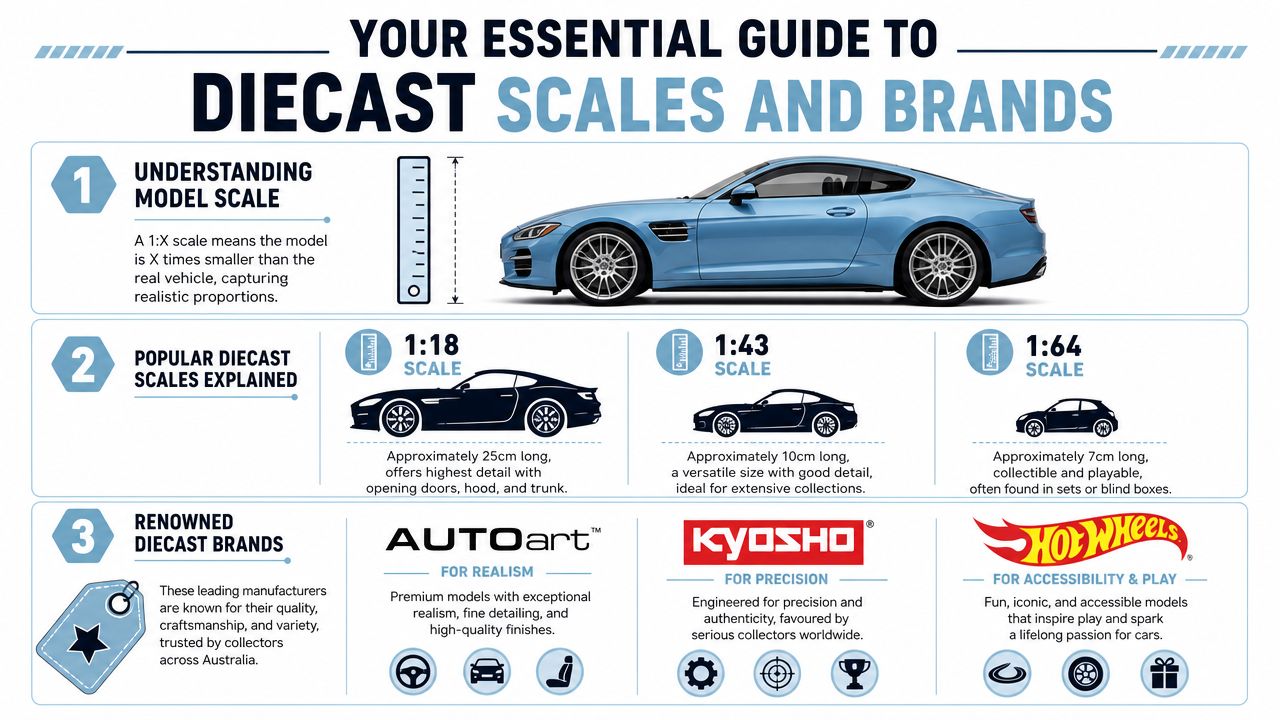
If you're new to collecting, scale is usually the first thing that causes confusion. The numbers look technical, but the idea is simple. A 1:18 model means the car is eighteen times smaller than its full-size counterpart. A 1:24 is smaller still. The second number gets bigger as the model gets smaller.
Consider photo prints as an analogy. A larger print shows more detail and has more presence on the wall. A larger-scale diecast does much the same on a shelf.
Why 1:18 gets so much attention
In local collecting circles, 1:18 is the most popular diecast model size among Australian collectors, driven by stronger demand and higher market activity that sustains meaningful price appreciation and trading volume, according to this Australian diecast valuation post.
That popularity makes sense when you've held one. A good 1:18 Kombi or Beetle has room for the little details collectors love, such as interior trim, badges, wheel design, and opening parts. It feels substantial without becoming awkward to display.
A quick scale comparison
| Scale | What it feels like | Best for |
|---|---|---|
| 1:18 | Bigger presence, stronger detail | Feature pieces, gifting, close-up display |
| 1:24 | A handy middle ground | Home shelves, desk displays, relaxed collecting |
| 1:43 | Compact and easy to line up | Wider collections in smaller spaces |
| 1:64 | Tiny and playful | Casual collecting, sets, pocket-money fun |
What to look for in a brand
Brand matters, but not only because of the logo on the box. It matters because different makers chase different goals.
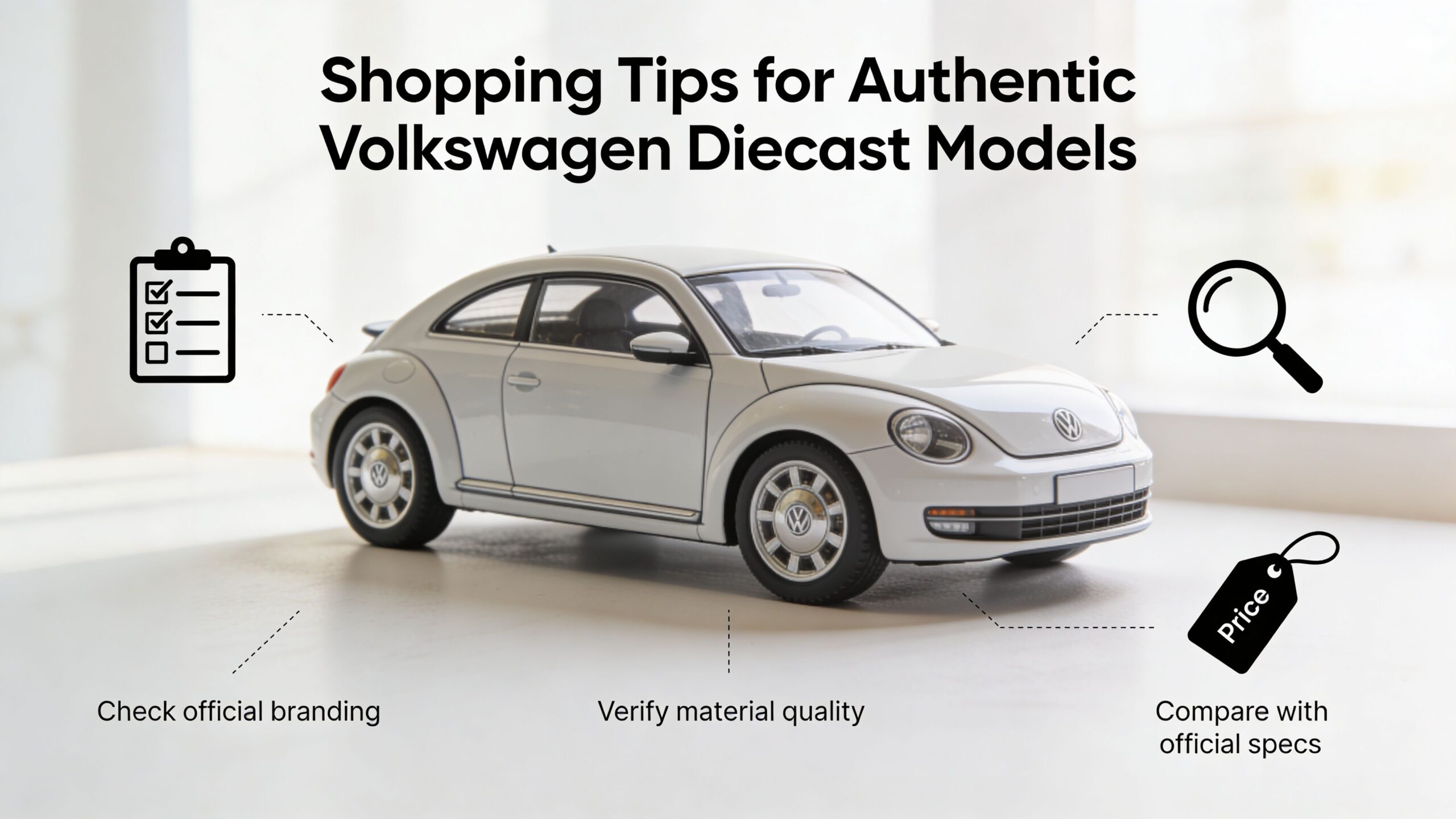
- Licensed accuracy: If you want a proper Volkswagen Beetle model, start with officially licensed products. They're more likely to get proportions, badging, and trim right.
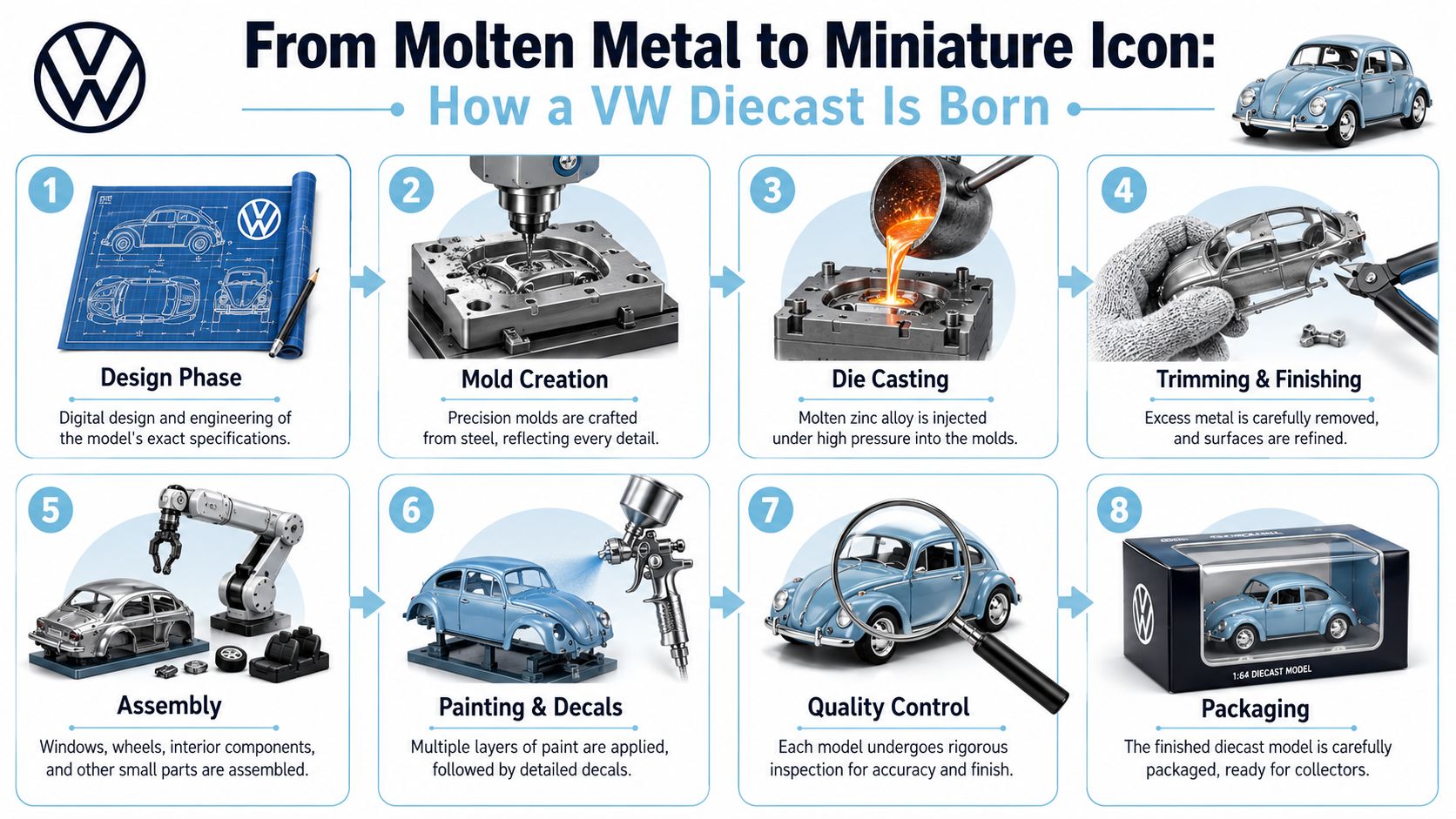
- Material quality: Better diecast pieces often use zinc alloy construction and feel solid in the hand.
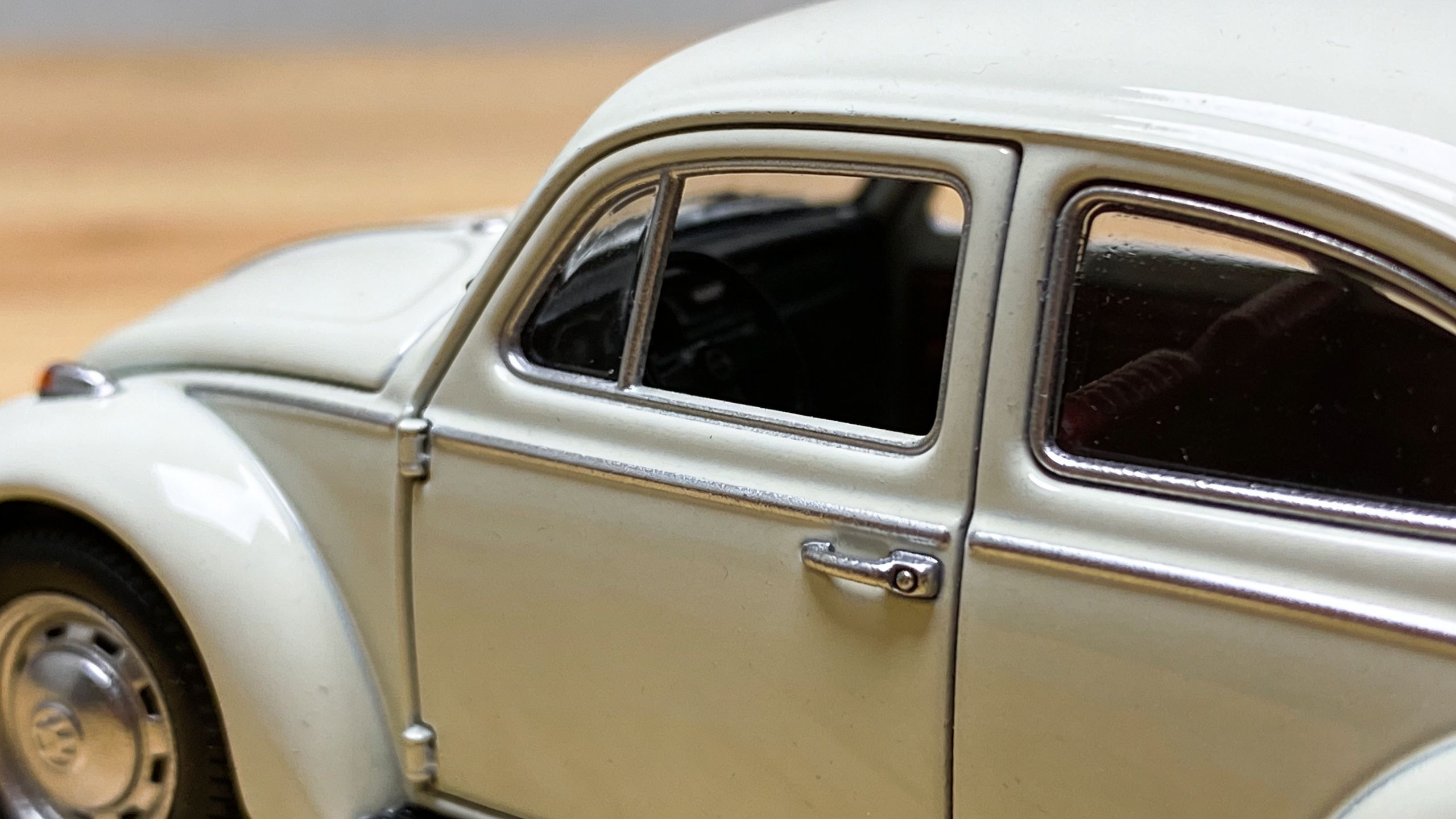
- Functional detail: Opening doors, tidy hinges, removable parts, and clean paint lines usually separate a collectible from a simple toy.
- Model focus: Some brands lean into realism, while others favour affordability or playful design.
For VW fans, this becomes especially obvious with a VW Kombi diecast Australia search. One model may be charming but basic. Another may show off split-screen details, a more convincing cabin, and neater exterior finishing.
A beginner rule that saves regret
Practical rule: Buy the scale that suits your display space first, then compare brands within that size.
That approach stops a common mistake. New collectors often buy by impulse, then realise the model doesn't fit their cabinet, desk, or room style. If you want a more detailed primer on the basics, this guide on what a diecast model car is gives a straightforward overview before you start comparing specific Volkswagens.
Where to Find Your Next VW Diecast Model in Australia
Buying diecast in Australia is half practicality, half treasure hunt. Some collectors love the chase of finding a hidden gem in person. Others would rather compare options online with a cup of tea and a clear return policy.
Both approaches work. The trick is knowing what each one does well.
The joy of buying in person
Physical hobby shops, swap meets, and VW events can be brilliant places to buy. You get the box in your hands, you can check the paint, and sometimes you'll find older pieces that never appear in a standard online catalogue.
Events like Volksfest or VW Nationals can be especially fun because you're already surrounded by people who understand why a particular Kombi roofline or Beetle wheel style matters. The atmosphere helps. A model bought at a great show often carries the memory of that day with it.
Still, there are trade-offs.
- Selection varies: A local stall may have one lovely Samba Bus and nothing else in your preferred scale.
- Condition can be mixed: Sun-faded boxes, missing mirrors, or vague model history can turn a bargain into a gamble.
- Prices are harder to compare: At an event, you often decide on the spot.
What online shopping does better
Online stores make comparison much easier. You can check body styles, colours, scale, and stock without driving across town. That matters as the local hobby expands. As noted earlier, Australia's diecast market is on a clear growth path, and that usually means more buyers trying to source the same sought-after pieces.
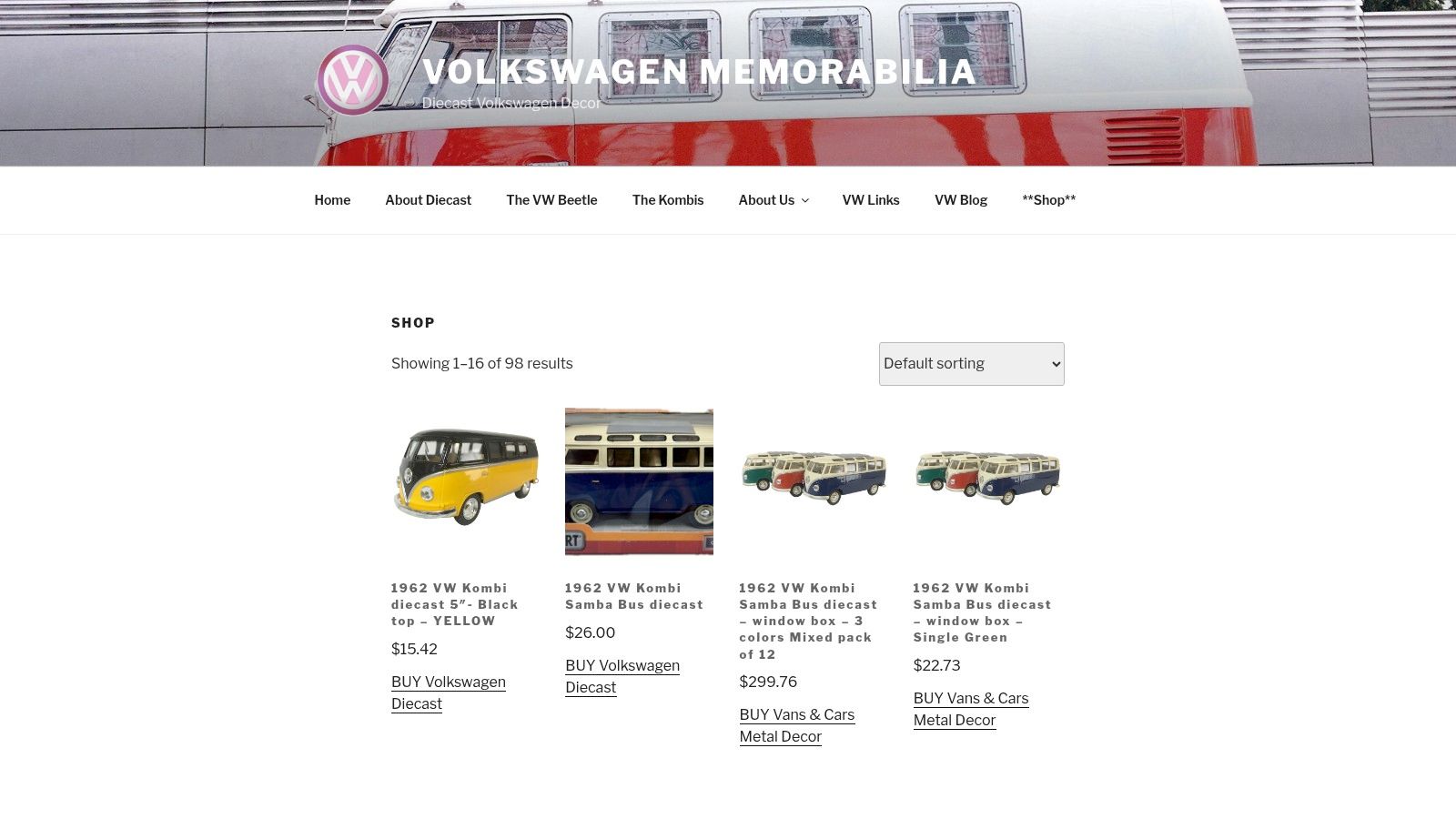
For people searching Volkswagen diecast models for sale, online buying also helps with one very practical issue. You can slow down and inspect listing photos. That gives you a better shot at spotting whether the model is licensed, whether the detailing is crisp, and whether the seller understands what they're offering.
Why buying from an Australian importer helps
Local stock becomes especially valuable. An Australian importer can remove a lot of the friction that comes with overseas ordering.
| Buying route | Main advantage | Main caution |
|---|---|---|
| Car shows and swap meets | You can inspect the item in person | Limited choice and variable condition |
| General marketplaces | Wide range of sellers | Authenticity and consistency can be patchy |
| Australian specialist stores | Local stock and simpler shipping | Range depends on the shop's focus |
| Overseas sellers | Access to unusual releases | Slower delivery and more uncertainty |
If you're trying to buy diecast Kombi models without the usual hassles, local stock means fewer surprises. Shipping is generally faster, support is easier to reach, and you're not left guessing about customs issues or waiting weeks to learn whether the item matches the photos.
One option is the 1962 Volkswagen Kombi Flower Power classic bus with surfboard, which shows the kind of beachy, nostalgic styling many Australian collectors and gift buyers look for. It sits nicely at the meeting point between classic VW heritage and the relaxed surf aesthetic that makes Kombi memorabilia so appealing here.
Choosing the right place to buy
A simple way to decide is to match the purchase to your goal.
- For a gift: A local specialist website is often the easiest path because sizing, style, and condition are clearer.
- For a serious collector piece: In-person inspection or detailed specialist listings usually beat casual marketplace browsing.
- For a fun shelf model: You've got more flexibility, so colour and character might matter as much as rarity.
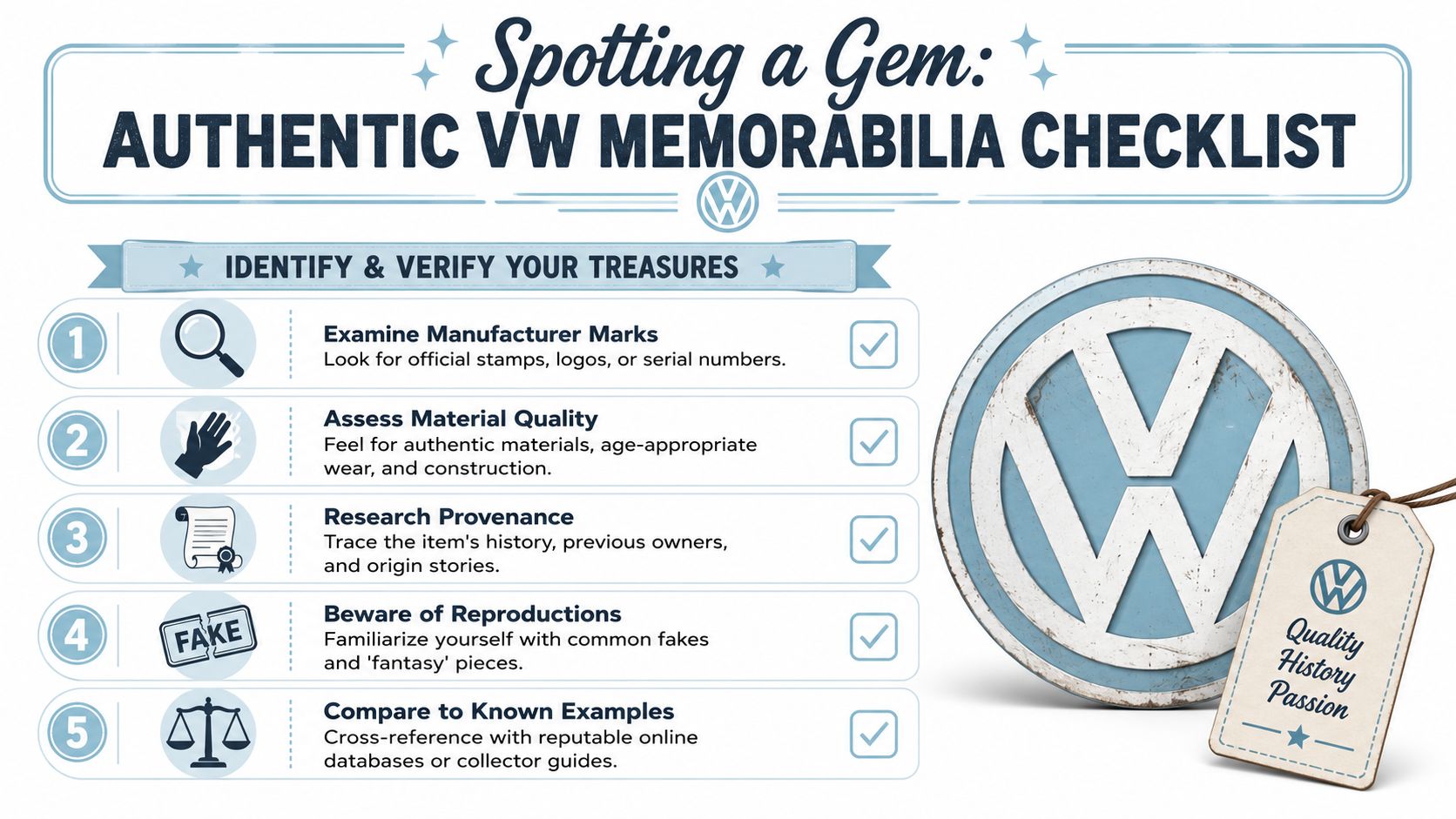
Spotting a Gem How to Check for Quality and Authenticity
Not every diecast Volkswagen deserves shelf space. Some are cheerful little toys, and there's nothing wrong with that. But if you're collecting rather than buying a novelty, quality and authenticity matter a great deal more than a cheap price tag.
That's particularly important in Australia because authentication is a pressing need for enthusiasts as global data shows Asia Pacific is the fastest-growing region for automotive diecast, yet local resources often lack guides to distinguish premium brands from budget or counterfeit models, according to Research and Markets' model vehicle coverage.
Start with the licence
The first question is simple. Is it officially licensed by Volkswagen?
Licensed products are more likely to show the right body shape, model naming, badges, and trim. On a Kombi or Samba Bus, those details make a huge difference. If the front end looks slightly off or the proportions feel clumsy, collectors notice immediately.
Learn the signs of a better model
You don't need to be an expert restorer to tell the difference between a proper collectible and a forgettable knock-off. A careful look usually tells the story.
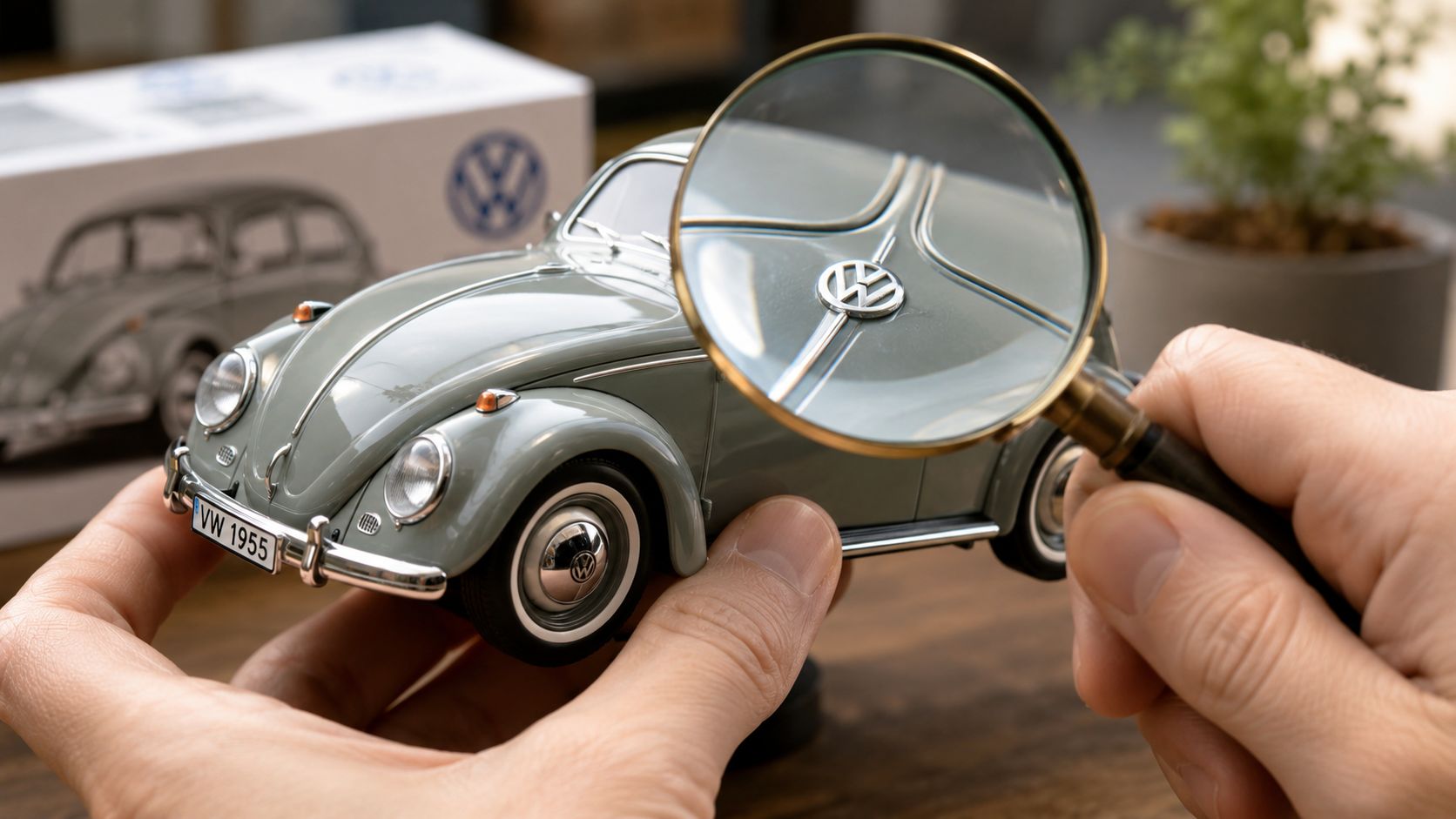
- Check the casting: Better models tend to feel solid and balanced, not tinny or flimsy.
- Inspect paint lines: Look where colours meet around windows, doors, and trim.
- Study the windows and lights: Cloudy plastic, poor fit, or obvious glue marks usually suggest lower quality.
- Look inside: Seats, dash detail, steering wheel shape, and interior colour all help separate premium work from generic moulding.
- Examine moving parts: Opening doors or panels should align neatly and close properly.
If the wheels sit oddly, the logos look vague, and the interior is little more than a plastic blob, it's probably not the collectible you hoped for.
Online photos can tell you plenty
When you can't inspect a model in person, use the listing images like a checklist. Zoom in on front badges, panel gaps, and wheel detail. Check whether the seller shows the box, the underside, and close-ups of the cabin.
A seller who only shows one distant photo often leaves too many questions unanswered. A better listing usually includes multiple angles and clear product naming. That won't guarantee quality, but it gives you more to work with.
A simple authenticity checklist
Before you buy, ask yourself:
- Does the model name match the body style?
- Is Volkswagen branding presented clearly and consistently?
- Do the proportions look true to the original vehicle?
- Are there clear close-up photos of key details?
- Is the finish clean enough for a collector display?
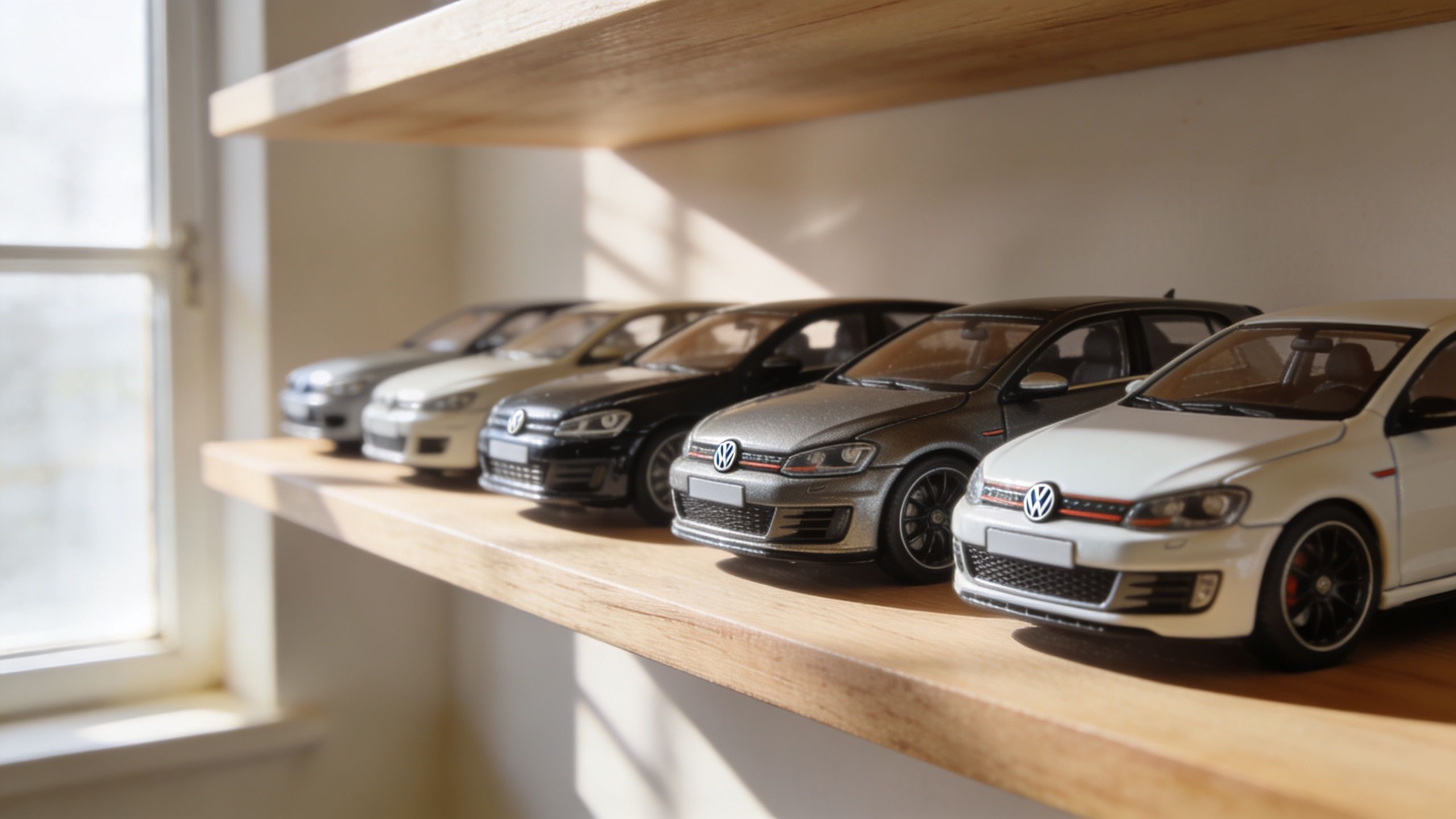
For popular VW subjects, especially Beetles and Kombis, the safest mindset is this. Buy fewer pieces, but buy better ones. A shelf with three licensed, well-finished models usually brings more long-term pleasure than a crowded row of compromises.
Caring for Your Collection Display and Storage Ideas
Once you've found a model you love, the next job is keeping it looking the part. Dust, direct sun, rough handling, and damp storage can take the sparkle out of even a lovely little VW.
A few simple habits make a big difference.
Everyday care that protects the finish
The easiest mistake is placing a model in a sunny spot because it looks great there at first. Bright light can dull colours over time, and dust settles quickly on roofs, mirrors, and window edges.
For most collectors, a better routine looks like this:
- Keep it out of harsh sun: Indirect light is much kinder to paint and decals.
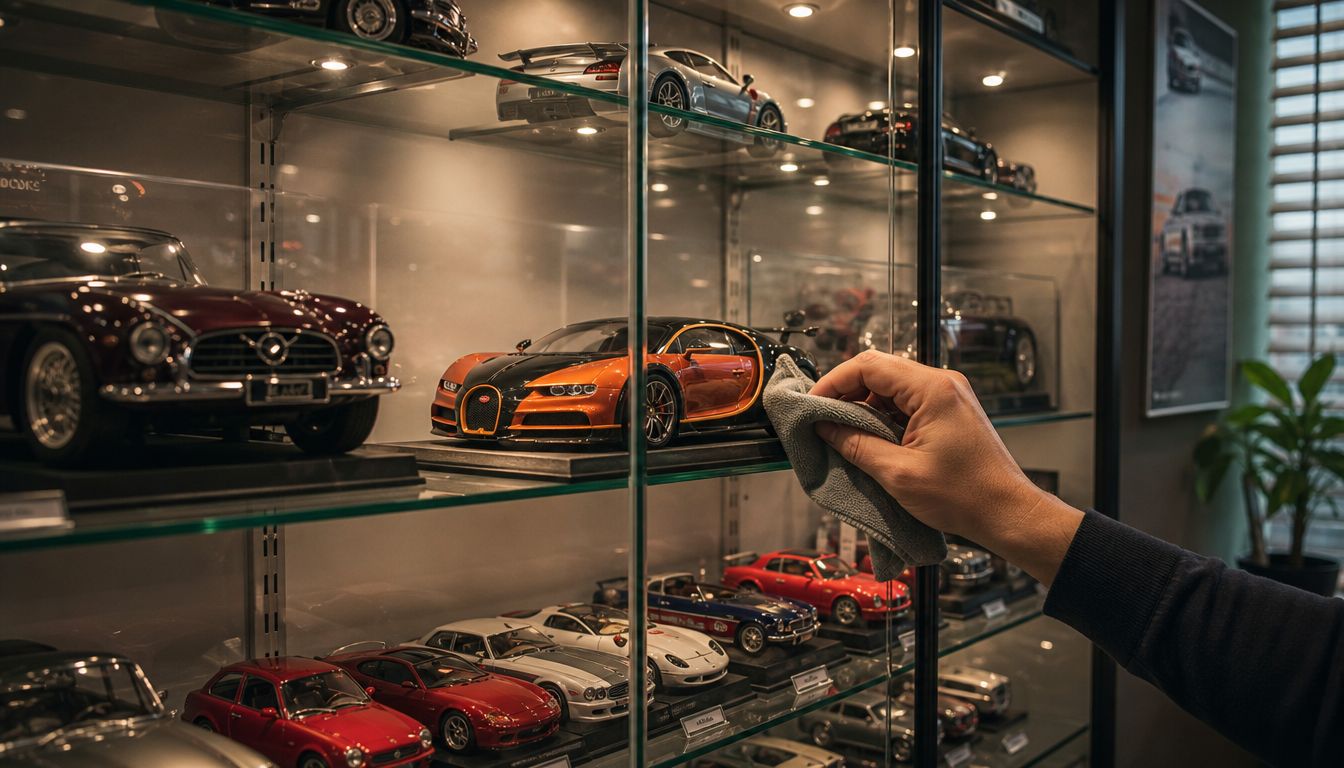
- Dust gently: Use a soft brush or microfibre cloth rather than anything abrasive.
- Handle by the base when possible: Mirrors, roof racks, and doors are often the first parts to suffer.
- Store the box if you have room: Original packaging can be helpful for protection and resale.
Display ideas with a bit of personality
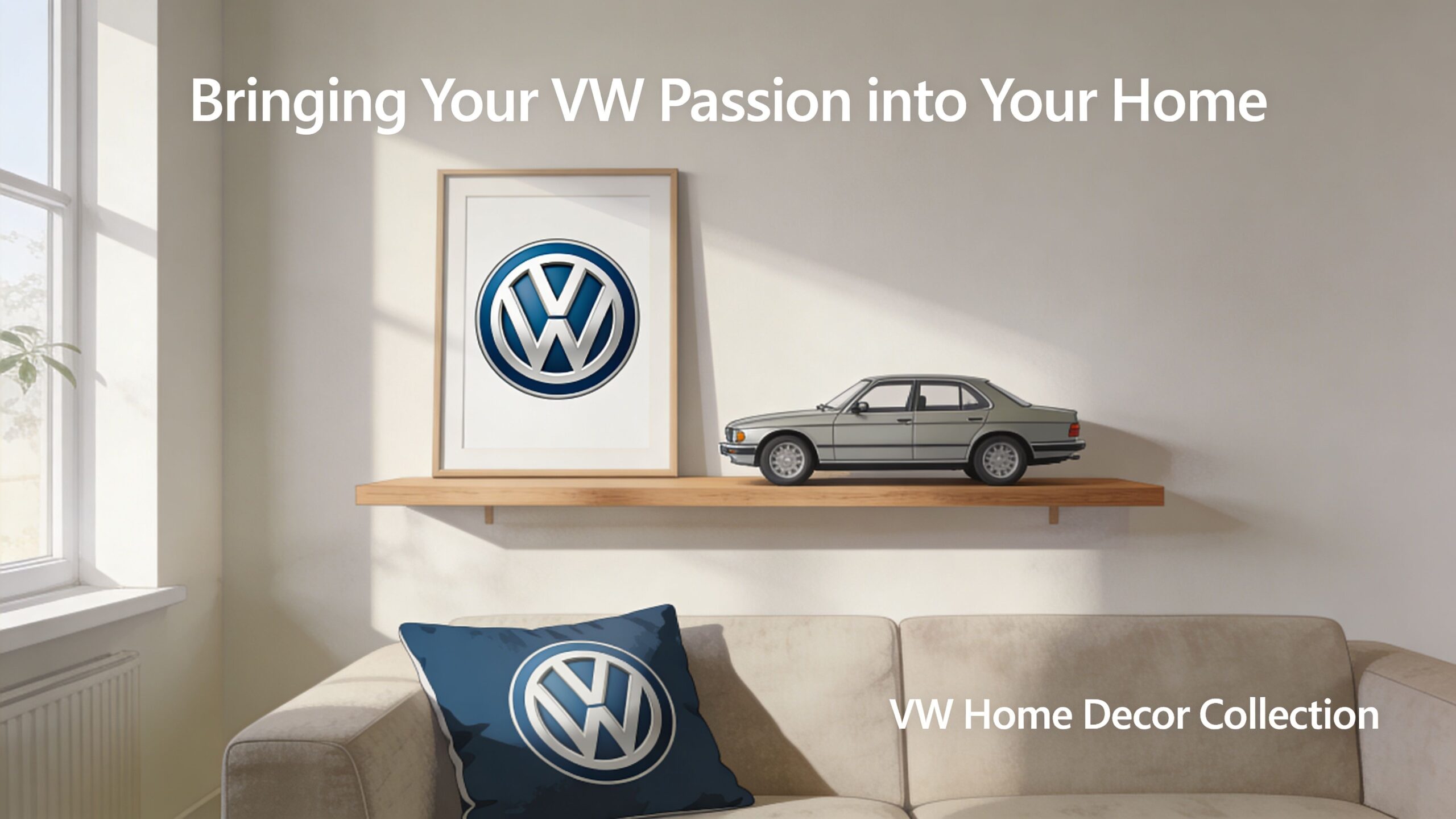
VW models suit more than one style of display. A polished cabinet works beautifully, but so does a relaxed, themed shelf that reflects the life those vehicles represent.
| Display style | Works well with | Overall feel |
|---|---|---|
| Coastal shelf | Kombis, surf-themed buses, pale timber | Easy-going and beachy |
| Retro garage nook | Beetles, signs, workshop-style décor | Mechanical and nostalgic |
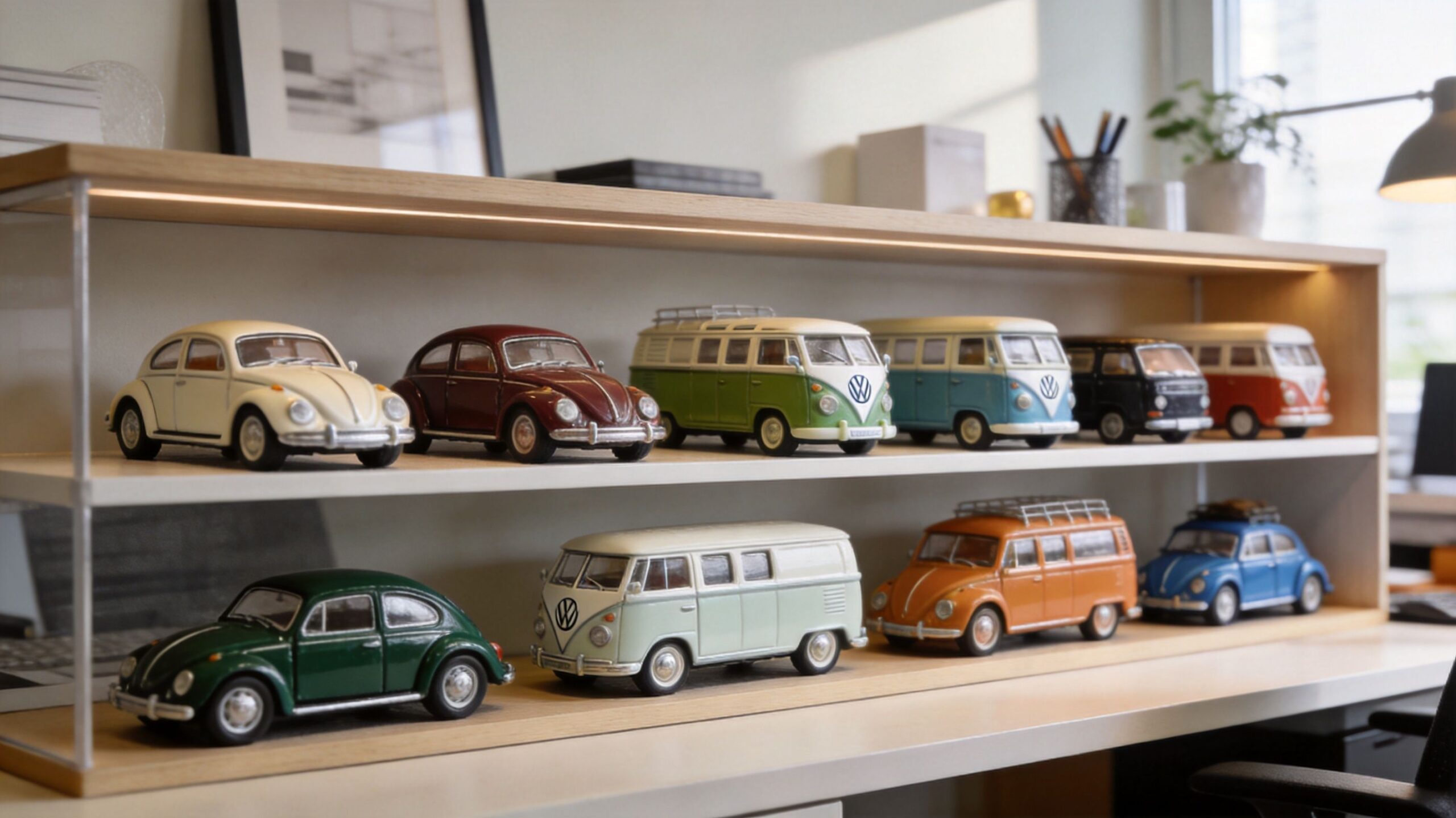
| Glass cabinet | Licensed collector pieces | Clean and organised |
| Desk display | One standout bus or Beetle | Personal and conversational |
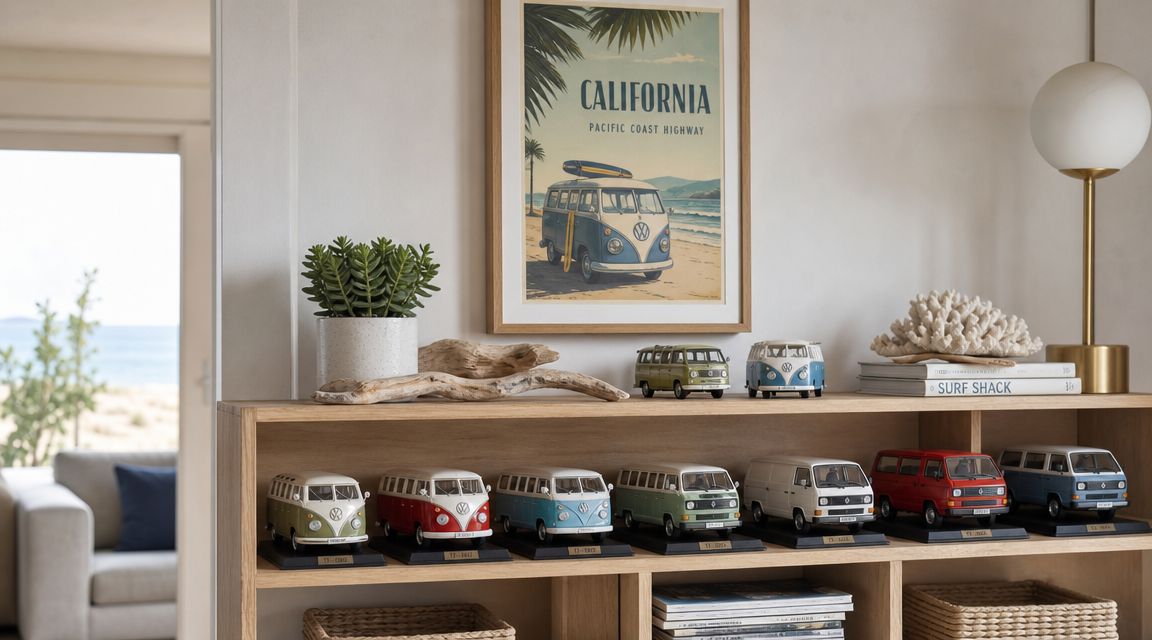
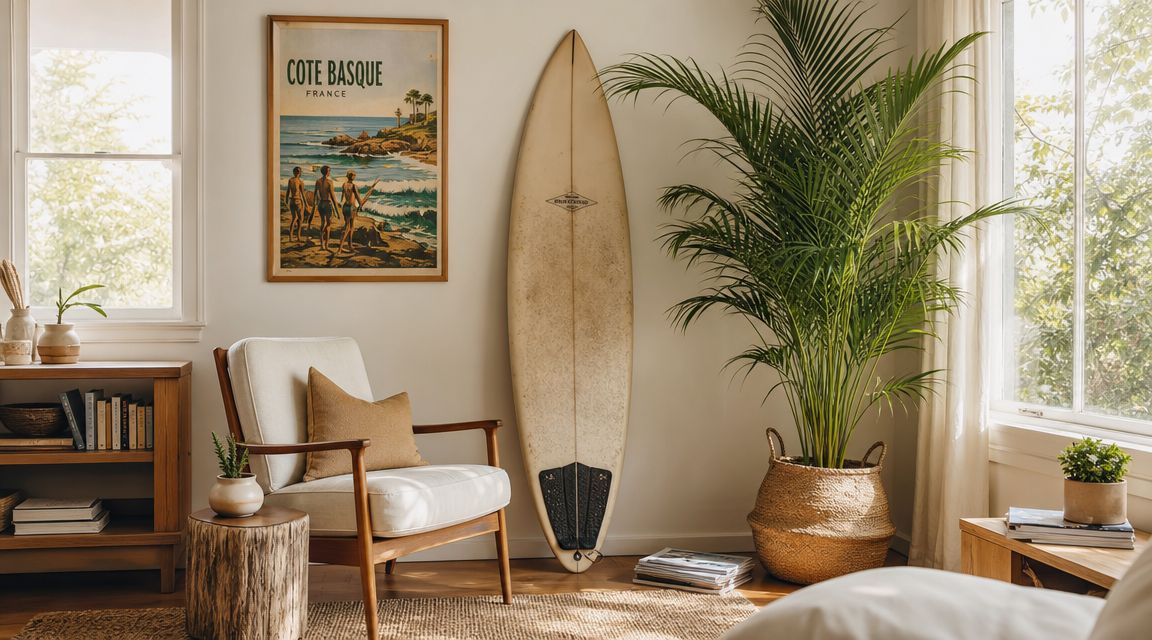
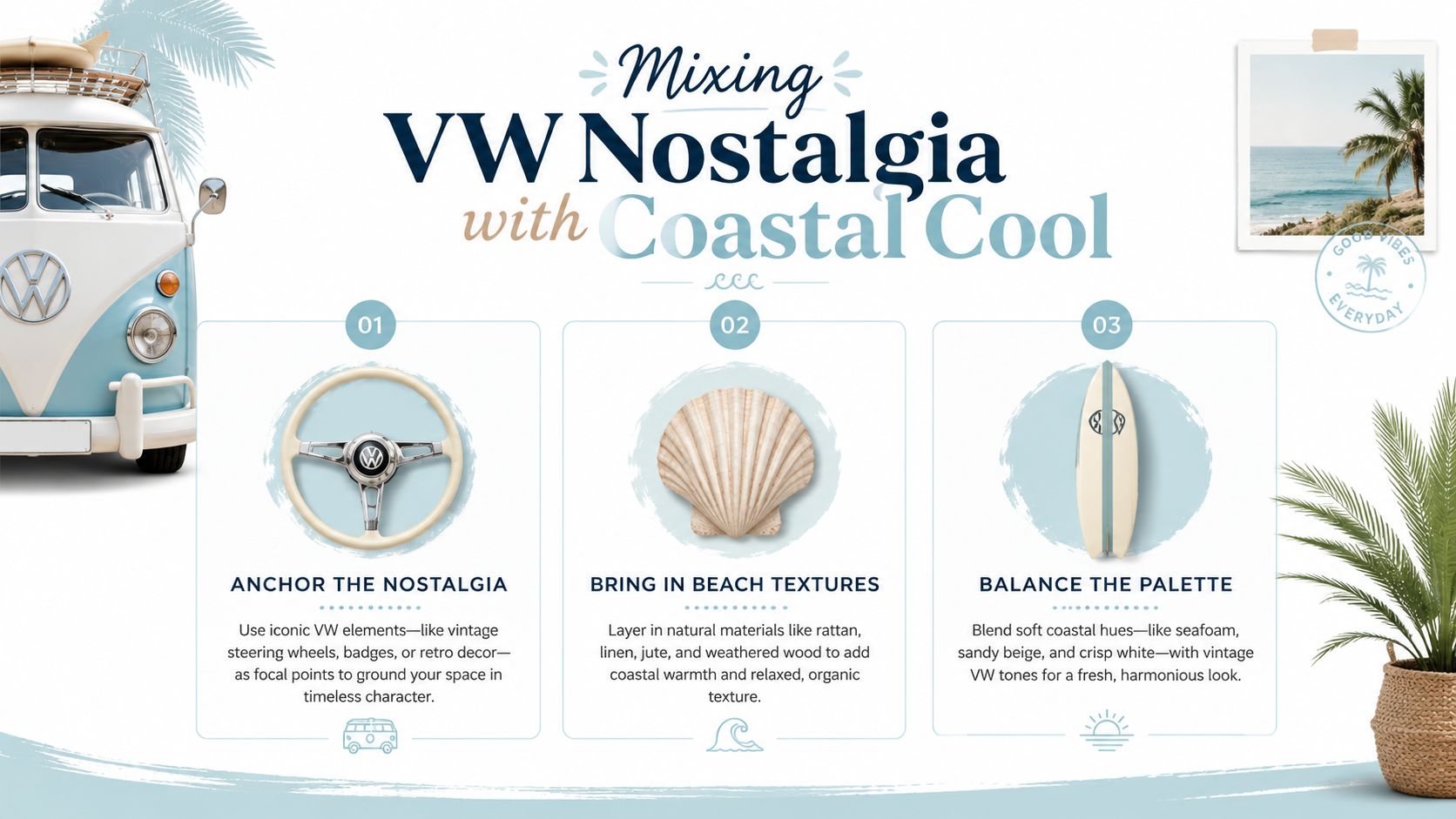
A coastal arrangement is especially fun with VWs. A Flower Power bus, a surfboard accessory, a bit of white décor, and a touch of beach texture can turn a simple shelf into a scene.
For collectors who want a tidier setup, these display cases for models are a practical way to cut down on dust while letting the details stay visible.
Cleaning technique matters
Collector habit: Clean less often, but clean carefully.
Frequent rough wiping causes more harm than patient, gentle dusting. If your model has opening doors or removable parts, move slowly and support the body while you inspect or clean it.
This video gives a handy visual sense of careful model handling and display care:
When storage becomes important
If your collection rotates with the seasons, use a dry cupboard and avoid stacking loose models together. Soft wrapping and stable shelves are far safer than tossing several pieces into one box. It's a simple step, but it helps preserve mirrors, paint, and presentation.
Joining the Aussie VW and Diecast Community
Collecting gets even better once you stop doing it alone. A shelf of Volkswagens at home is lovely, but the hobby really comes alive when you talk to people who know why a split-screen bus sparks debate, or why one Beetle colour instantly reminds them of childhood holidays.
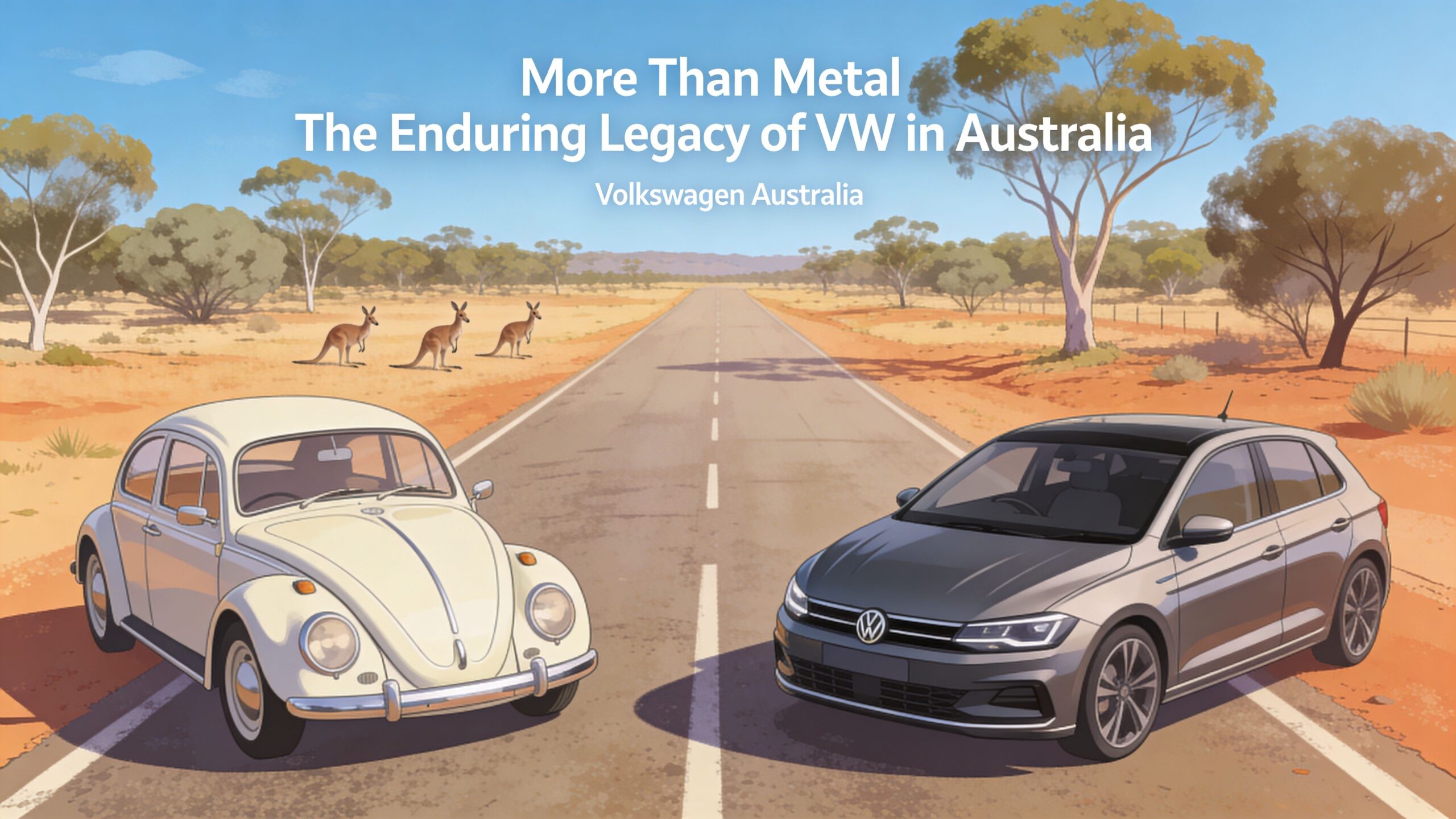
Volkswagen has had a long runway in this country. Volkswagen sales officially began in Australia in 1953, marking the start of the brand's deep cultural presence in the country that fuels the passion for collecting today, as outlined by Shannons Club's look at the Volkswagen Beetle in Australia.
Where enthusiasts tend to gather
Some collectors find their people at major car events. Others do it from the lounge room through online groups, collector pages, and enthusiast forums. Both are worthwhile because the hobby has two sides. There's the object itself, and there's the conversation around it.
Places worth keeping an eye on include:
- Volksfest and VW Nationals: Good for seeing real cars, meeting owners, and spotting memorabilia stalls.
- Facebook collector groups: Handy for model identification, swap discussions, and honest opinions on new releases.
- Classic car clubs: Often full of people who appreciate both the full-size vehicle and the miniature version.
- Special interest communities: Kombi fans, Beetle restorers, and surf-culture collectors each bring a slightly different angle.
Why community improves your buying eye
Talking with other collectors sharpens your judgement faster than scrolling alone. You start to recognise which finishes look right, which body styles are often mislabelled, and which models people repeatedly mention with affection.
You also realise something comforting. Most collectors started exactly where you might be now, with one bus, one Beetle, or one gift purchase that unexpectedly turned into a hobby.
A few questions new collectors often ask
Is a VW model only for serious collectors
Not at all. Plenty of people buy one model because it reminds them of a car they owned, a surf trip, or a family story. That's a perfectly good reason to start.
Are Kombis more popular than Beetles
They each attract a slightly different kind of affection. Kombis often bring in surf, travel, and coastal nostalgia. Beetles tend to spark memories of everyday life, first cars, and classic design.
Should I collect one scale only
If you like a neat, unified display, sticking to one scale helps. If you're collecting for joy rather than symmetry, mixing scales is completely fine.
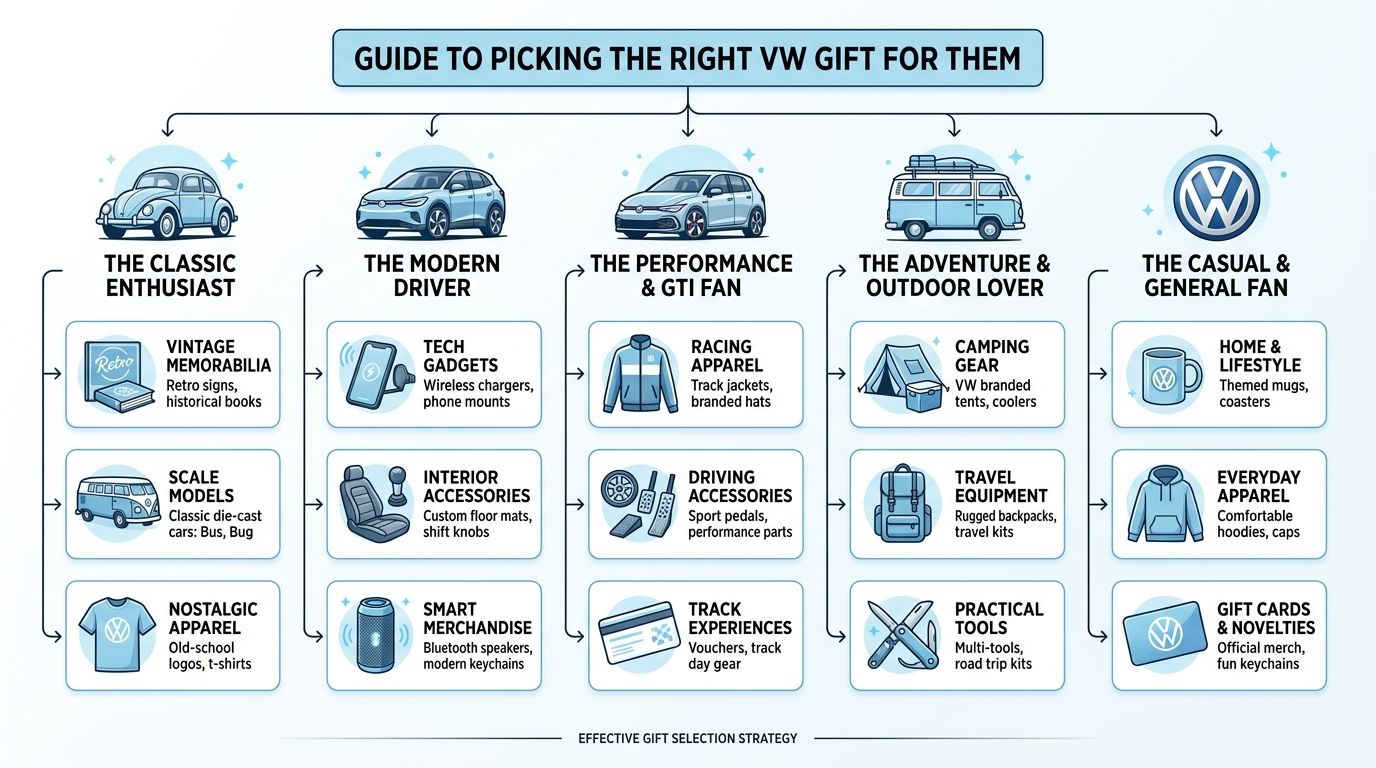
What makes a good gift for a VW fan
A licensed Kombi or Beetle model with a design that matches their taste usually lands well. Some people love classic factory looks. Others grin at playful surfy colourways.
The best part of diecast collecting in Australia is that it sits at the crossroads of motoring history, home display, and shared memory. It's practical enough for the detail-minded collector, and sentimental enough for the person who just wants one lovely Volkswagen on the shelf.
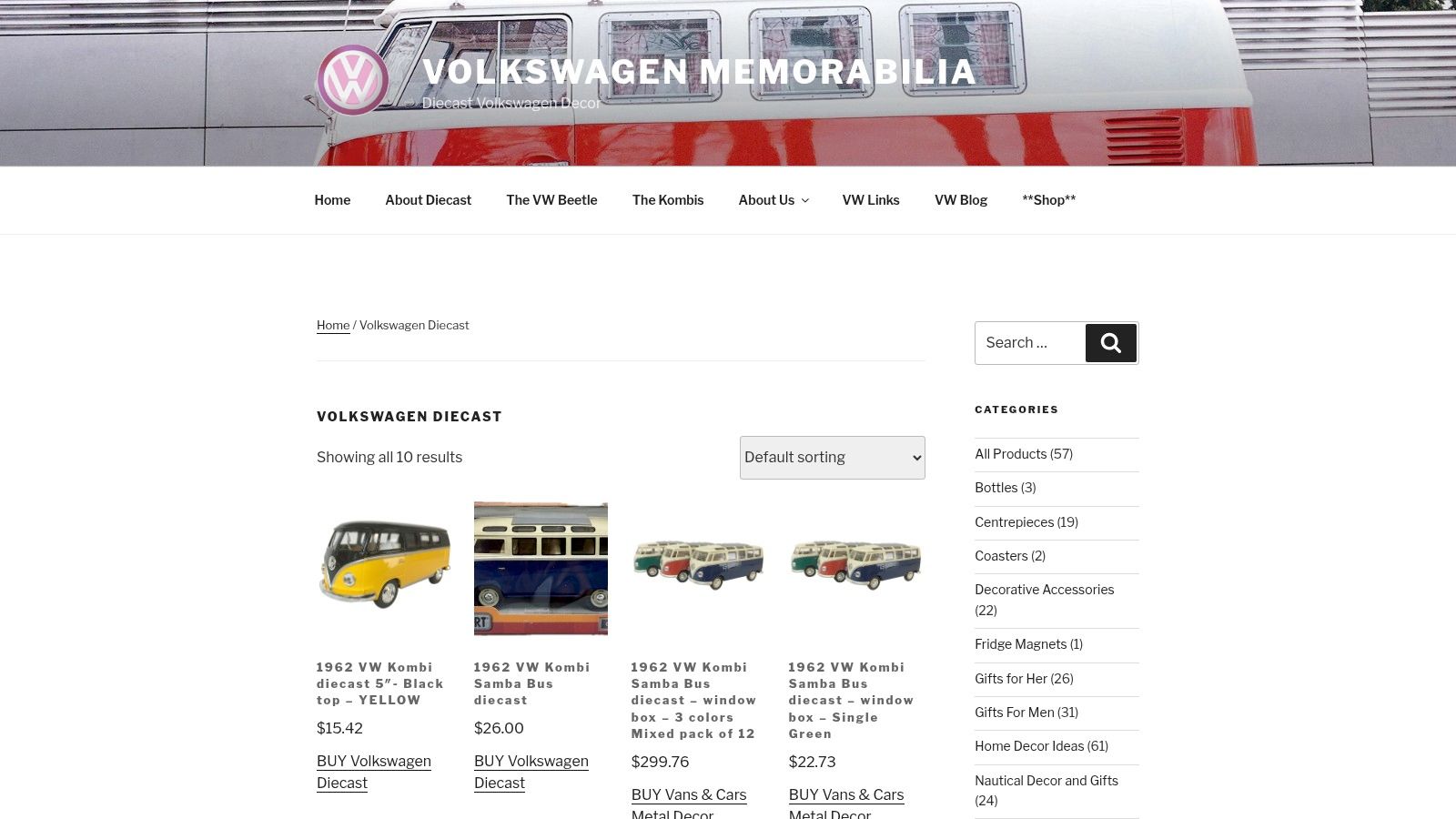
If you're ready to start or add to your collection, have a browse through Volkswagen Memorabilia for licensed VW-themed diecast models, Kombi and Beetle designs, and display-friendly pieces that suit Australian collectors, gift buyers, and anyone who can't resist a bit of classic Volkswagen charm.