

At a sunny VW show, a tiny red Beetle on a dashboard caught the light as visitors wandered past. One bloke stopped, smiled, and started talking about the full-sized car his parents once owned. That's the charm of collectible model cars. They're small enough for a shelf, yet big enough to carry a story.
A First Look at Collectible Model Cars
A toy is usually bought for play. A collectible model car is chosen for its subject, craftsmanship, history, finish and the memories it brings back. A well-made Volkswagen Beetle model can remind you of a first car, a family road trip or a restoration project. A Kombi Samba Bus can call up beach holidays, surfboards and the easygoing spirit of the Australian coast.
Australia already had a strong miniature-car culture before Hot Wheels arrived locally. Matchbox models were widely collected because they combined realistic reproductions with affordability and broad availability. Mattel introduced Hot Wheels internationally in 1968, and its arrival in Australia changed the local scene. Matchbox answered with the Superfast range, while Hot Wheels became known for brighter custom-car designs and a more dramatic style. The first Hot Wheels launch included 16 castings, with features such as Spectraflame paint, redline wheels, working suspension and low-friction bearings, details that appealed to children and adults alike. Drive explains the cultural rise of Hot Wheels.
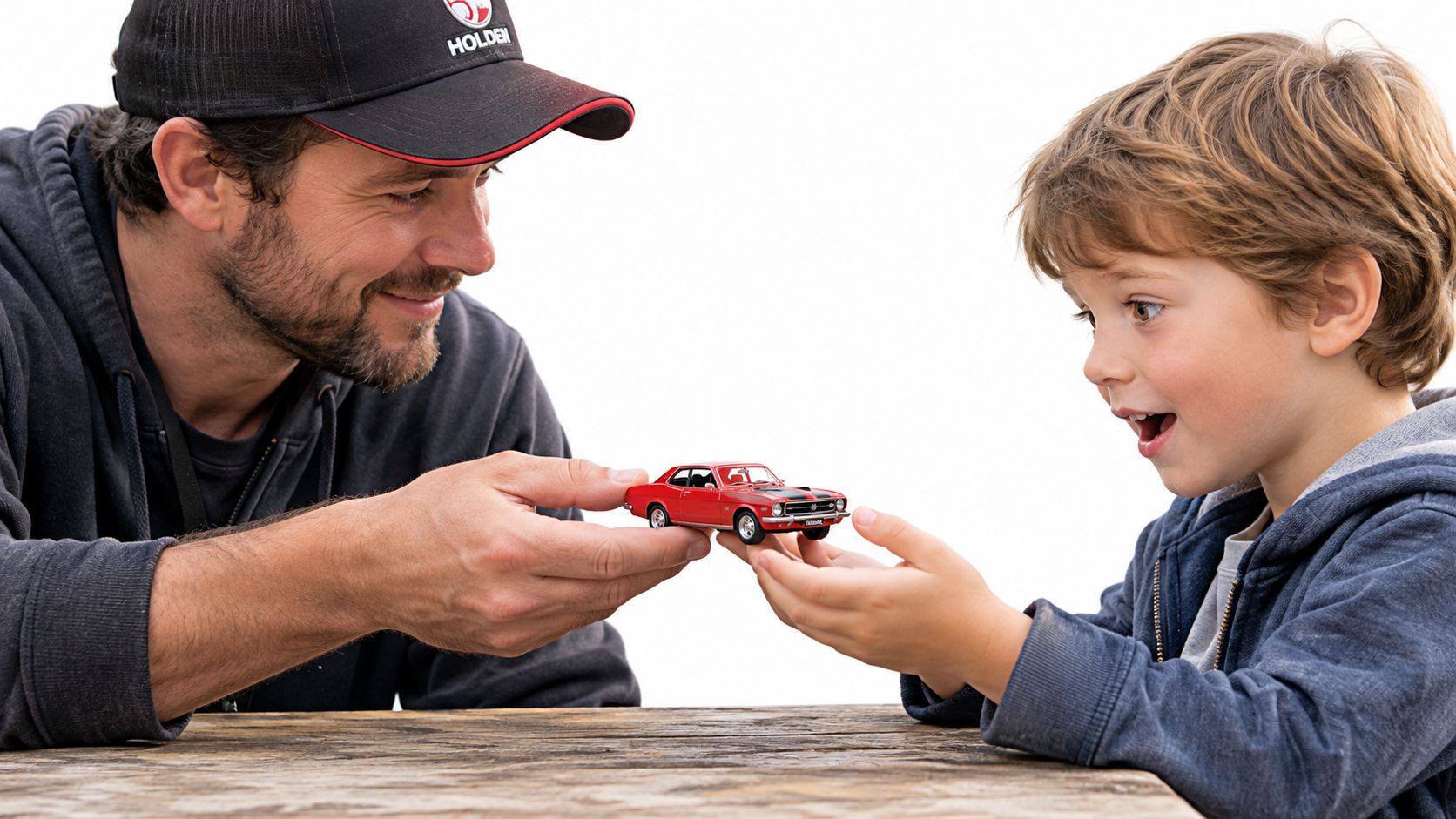
That history matters because Australian collectors often compare more than brands. They look at scale, casting, livery, production era, packaging and regional availability. A model can be interesting because it represents a locally sold version, a famous colour scheme or a vehicle seen at a club event.
Australia also has its own Matchbox collecting story. Between 1984 and 1992, Matchbox Toys produced limited-edition models for the Australian market, including publicity pieces commissioned by Australian businesses. Some began as on-pack promotions, then became available through regular retail outlets after the promotion ended. A special Model A Ford Van was commissioned in 1988 for the opening of an Australian museum. This Australian Matchbox history offers useful collecting context.
For a VW enthusiast, that means a diecast Kombi or Beetle isn't just shelf clutter. It can represent a road-trip culture, a local show, a family memory or a particularly Australian chapter of Volkswagen history. This guide covers scale, materials, value, care, buying and the thoughtful process of building a collection that feels like yours. You can begin by browsing licensed diecast model cars with that bigger picture in mind.
Understanding Scales, Sizes and Display Realities
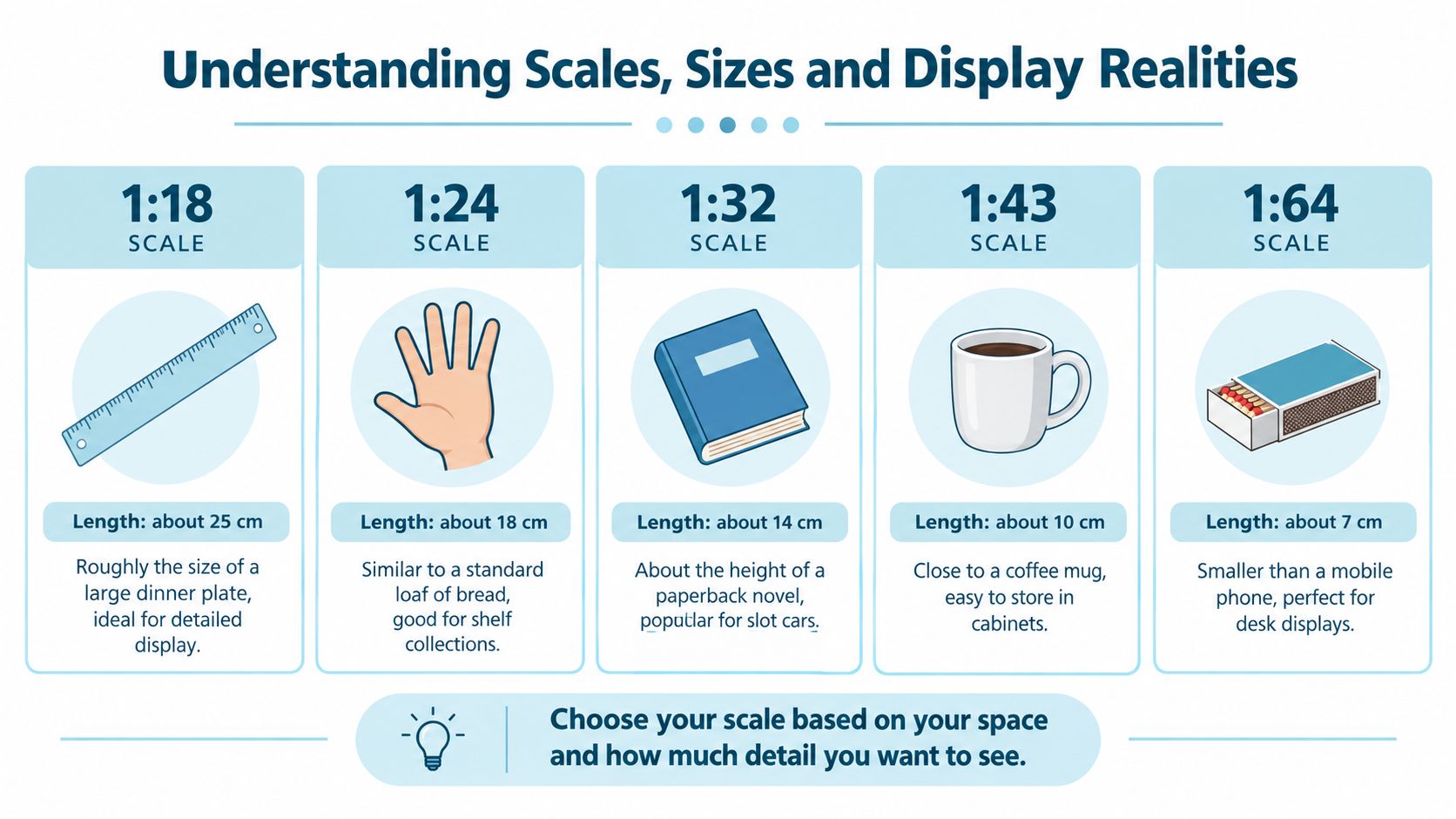
Scale tells you how large the model is compared with the vehicle. A 1:18 model is one eighteenth of the full-sized car's dimensions, while a 1:64 model is much smaller. The number doesn't automatically tell you whether a model is good or bad. It tells you what kind of display, detail and storage commitment you're making.
Australian diecast guides commonly identify 1:18, 1:24, 1:43 and 1:64 as popular car scales. Typical model lengths range from about 25–30 centimetres for 1:18, 16–20 centimetres for 1:24, 12–15 centimetres for 1:32, 10–12 centimetres for 1:50 and 7–8 centimetres for 1:64. Hobbyco's diecast guide explains common scales and their practical differences.
Matching scale to your display
Think of scale as a decision about how you want to enjoy the car.
| Diecast scale quick reference | Approx. length | Best for | Detail level |
|---|---|---|---|
| 1:18 | About 25–30 cm | Statement displays and detailed feature models | High |
| 1:24 | About 16–20 cm | Shelf collections and prominent VW models | High |
| 1:32 | About 12–15 cm | Balanced displays and themed groupings | Moderate to high |
| 1:43 | About 10–12 cm | Cabinets, dioramas and compact collections | Moderate |
| 1:64 | About 7–8 cm | Desk displays, mixed packs and larger scenes | Varies |
A 1:18 Kombi has presence. You'll usually see more clearly defined trim, wheels, glazing and opening features, but it needs a proper home. A 1:24 Beetle gives you a satisfying amount of detail without taking over a narrow shelf. A 1:32 model sits nicely between display impact and collection density.
For a smaller apartment or a collector building several colour variations, 1:43 and 1:64 make practical sense. They let you create a coastal scene, a VW Nationals-inspired line-up or a group of Beetles without needing a large cabinet. Greater detail generally requires more production time and tooling, which commonly affects price, so compare the feature level with the space you have.
Practical rule: Choose 1:18 for a statement piece, 1:24 or 1:32 for a balanced collection, and smaller scales for scenes, mixed packs and compact displays.
Before buying, measure the shelf depth as well as its width. Allow room for the model's packaging if you're keeping it boxed, and check whether doors, mirrors or surfboards extend beyond the main body. The guide to diecast model scales can help you compare options before committing to a particular VW.
Diecast Versus Resin and Plastic Models
The material changes how a model feels in your hand, how it handles display and what kind of detail the maker can include. Diecast models use moulded metal for much of the body, often combined with plastic parts for interiors, windows, accessories and fine trim. Resin models use a cast synthetic material, while plastic models are formed from moulded plastic components.
A diecast Beetle or Kombi generally has a reassuring weight. The metal body can give the model a solid presence, and the painted finish often captures the rounded panels and strong colour blocks that make classic Volkswagens so recognisable. Many licensed VW collectibles also include free-wheeling movement, opening doors or themed accessories such as surfboards.
Resin can suit a collector who wants a larger or more delicate feature piece, particularly when the design includes complex shapes that are difficult to produce in metal. Resin models may have excellent surface fidelity, but they can be less forgiving if handled roughly. Plastic can work well for lightweight display pieces, interior detail and parts that need a particular shape. It's not automatically inferior. The right choice depends on whether you value weight, durability, fine detail, movement or a specific finish.
What to inspect on a VW model
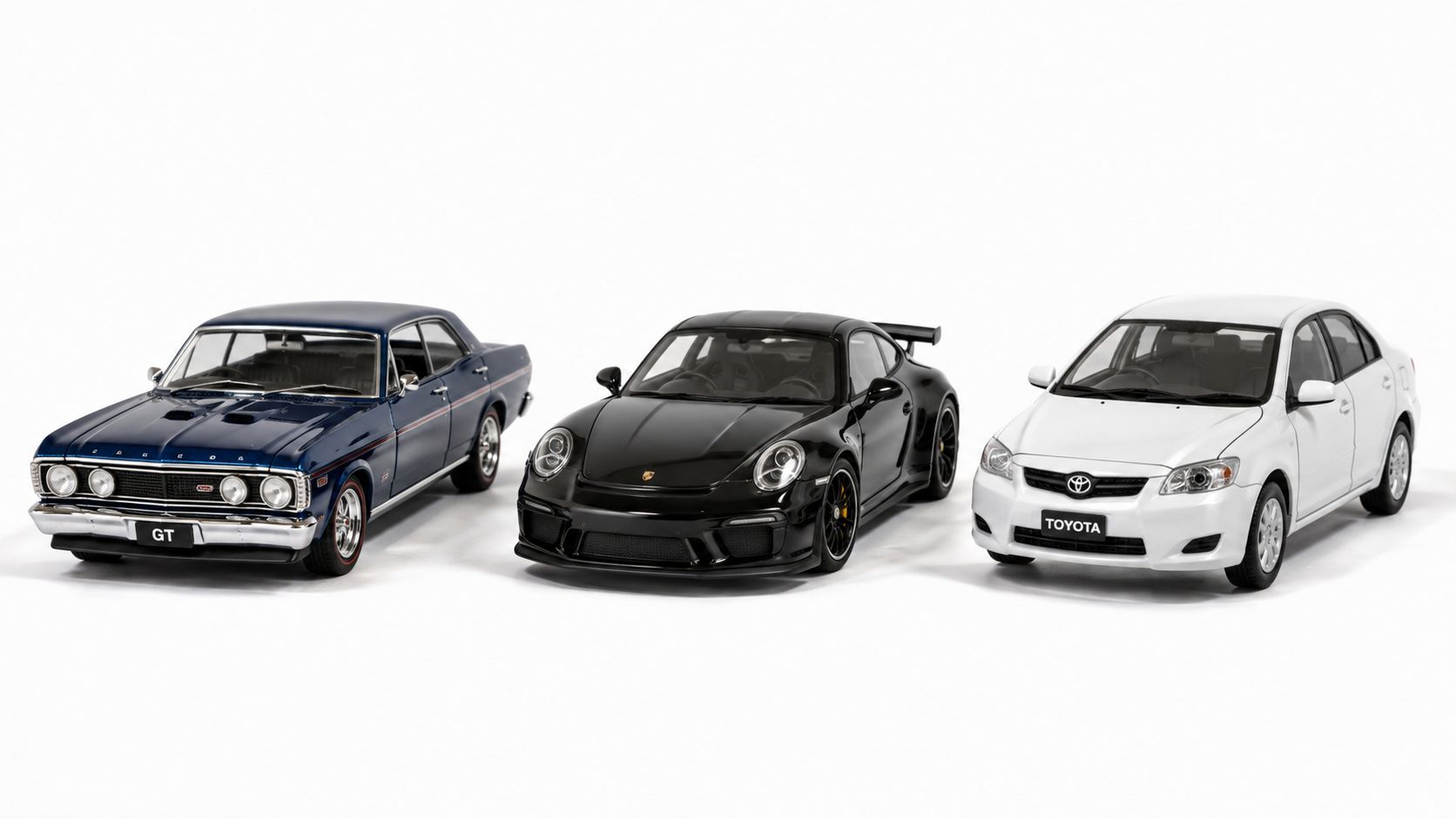
For a Beetle or Samba Bus, look closely at the points that carry the character of the vehicle:
- Body lines: The roof curve, guards and bonnet should look clean rather than soft or distorted.
- Paint finish: Check for even colour, tidy edges and decals that sit flat.
- Glazing: Windows should be clear and properly seated.
- Wheels and stance: The tyres should sit evenly, with the model resting naturally.
- Accessories: Surfboards, roof racks and mirrors add personality, but they also need careful handling.
Most buyers choose diecast because it offers a practical middle ground. You get a model with visual weight and a durable body, while the manufacturer can still add plastic interiors, transparent glazing and smaller decorative pieces.
The material should match the way you collect. If children will handle the model, look for a durable, play-suitable product rather than a fragile display piece. If the model is a gift for an adult VW fan, a detailed diecast Samba Bus or Volkswagen Beetle model may offer the strongest combination of nostalgia and display appeal.
A material label is only one part of the buying decision. Read the product description, check the intended age range and decide whether moving features matter to you. A beautifully finished fixed model may suit a cabinet better than a feature-heavy model that spends its life being opened and handled.
What Really Drives Value in a Collectible Model Car
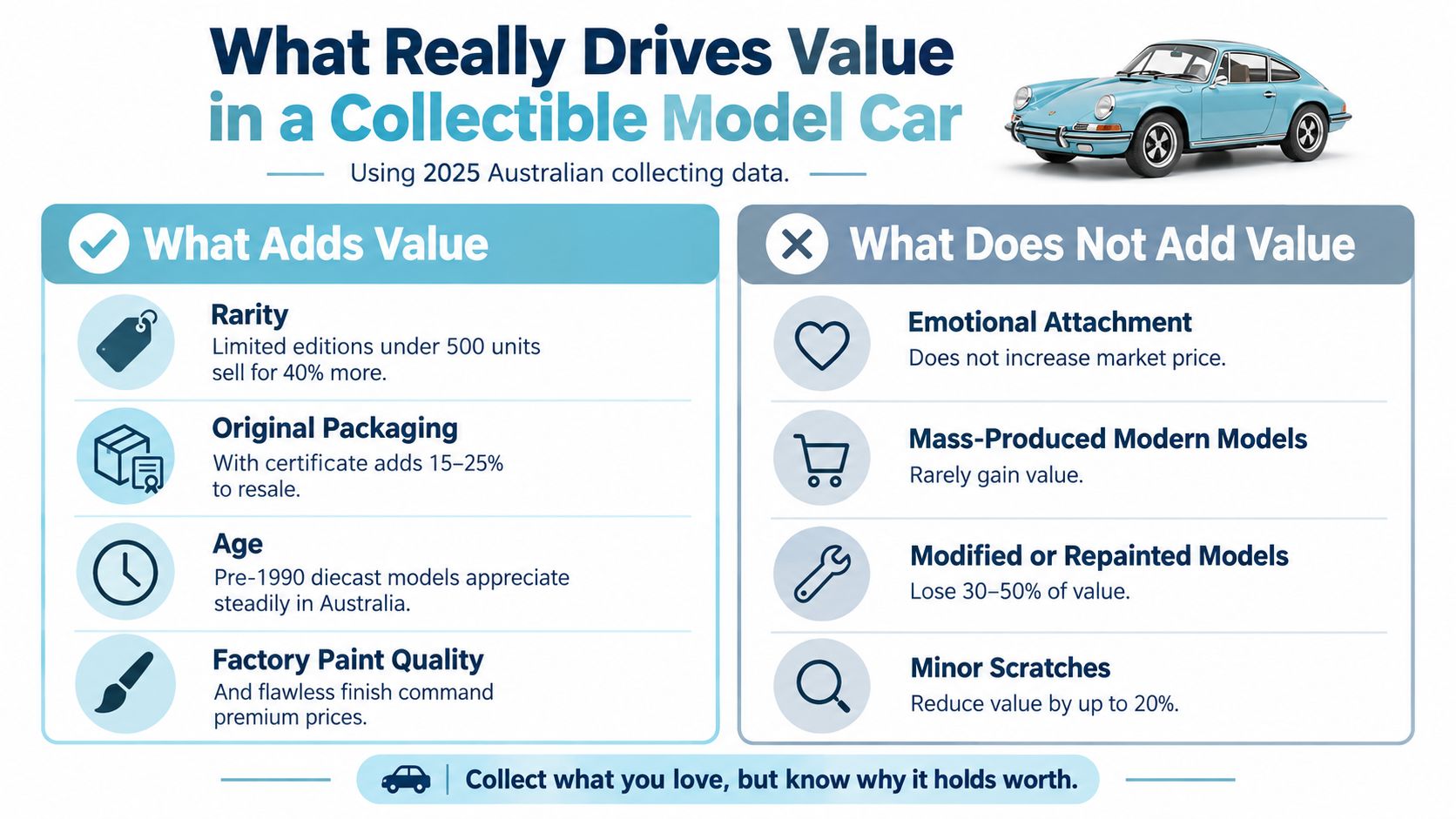
Many new collectors ask whether a model will become valuable. That's a fair question, but rarity alone doesn't guarantee demand. A limited model can remain difficult to sell if few buyers want its subject, colour, scale or condition.
Australian collecting data shows why people enter the hobby, while also warning against treating every purchase as an investment. eBay's Australian collecting survey estimates that 7.6 million Australians collect items, with toys collected by 33% of respondents. It also reports that 35% regard collecting as a good investment, and that collectors who sold items for a profit reported a median profit of $13,000 over three years. Those figures describe collecting broadly. They don't prove that ordinary diecast cars will appreciate or that a resale profit will remain after postage, insurance, GST and platform fees. Read eBay's Australian collecting report for the wider context.
A more honest value checklist
Assess a model in this order:
- Condition: Look for paint chips, bent parts, loose wheels, cloudy glazing and missing accessories.
- Packaging: Original packaging can help, particularly when it's clean, complete and suited to the model.
- Scale and subject: A beautifully made 1:18 Kombi may attract a different buyer from a compact 1:64 variation.
- Production context: Limited production can help, but only when collectors want the model.
- Provenance: A connection to an Australian promotion, event, business or regional release can add interest.
- Demand: Compare completed Australian sales, not optimistic asking prices.
Sentimental value and resale value are separate things. A slightly worn Beetle inherited from a family member may mean the world to you, even if another collector wouldn't pay much for it. Conversely, a factory-fresh model may have stronger resale appeal while carrying no personal story.
Australia's collecting culture also rewards regional context. Matchbox's Australian promotional history shows how distribution, local businesses and accessibility can become part of a model's significance. For VW collectors, an Australian-available Kombi, Samba Bus or Beetle can feel more meaningful than a supposedly rare model with no connection to your interests.
A sensible buying test: If the model never increases in price, would you still be happy to own it?
That question keeps the hobby enjoyable. Buy a model because you like the car, the colour, the era or the memory first. Treat any future resale value as a possibility, not a promise.
Care, Storage and Display in Australian Conditions
Australian homes give miniature cars four obvious enemies: sunlight, heat, humidity and dust. Direct sunlight can fade paint and decals, especially on brightly coloured Beetles and Kombis. Heat can affect plastics, adhesives and packaging, while humidity encourages dust to cling and can create problems for metal parts over time.
A shelf beside a sunny window might look perfect in the morning, but it can expose the model to repeated temperature changes. Choose a shaded position away from heaters, kitchen steam and strong afternoon light. A soft brush or clean microfibre cloth removes loose dust without dragging grit across the paint.
Boxed or displayed
| Choice | Advantages | Trade-off |
|---|---|---|
| Boxed | Protects the finish and keeps packaging with the model | You see less of the car and its detail |
| Displayed | Makes the collection part of your home and lets you enjoy the model daily | Dust, light and handling require attention |
Gift buyers often prefer a model that can move straight from the box to a shelf. Serious collectors may keep a special piece boxed while displaying a second example. Neither approach is morally superior. The right choice depends on whether the model's packaging, handling experience or visual presence matters most.
For a single Samba Bus, place it where the roofline and side profile are visible. A coastal-themed shelf can pair a Kombi with restrained surf décor, while a Beetle display might focus on colour, era or body style rather than adding every possible accessory. Keep the background calm so the car remains the star.
A compact display case for model cars can help apartment collectors separate models from household dust without requiring a dedicated hobby room. Leave enough space to remove the model safely, and don't force delicate mirrors, wheels or surfboards into tight corners.
Buying, Authentication and Selling Like a Local
Start with the product description, not the photograph. A reputable listing should identify the Volkswagen model, scale, material, features, packaging and intended use. Look for clear information about licensing and check that the body shape, badge placement and accessories match the stated vehicle.
Australian buyers also benefit from choosing a local importer when the model is available domestically. Local stock, faster shipping and weekday support make it easier to resolve a damaged parcel, ask about a scale or organise a gift. Overseas sellers can offer useful variety, but unverified listings may create uncertainty around condition, licensing, returns and delivery.
Age classification matters, particularly for small diecast vehicles with detachable mirrors, bumpers, tow bars, antennas, wheels or roof accessories. The Australian and New Zealand toy standard, AS/NZS ISO 8124.1:2023, applies to products designed or clearly intended for children under 14, while products intended solely as collectibles for people aged 14 and over sit outside that scope. The Australian standard explains the applicable safety requirements.
For children's toys, Australian regulators use a small-parts cylinder measuring 31 millimetres in diameter and 57 millimetres in length to assess detached components, and the mandatory requirements apply to toys for children up to and including 36 months. Product Safety Australia outlines the mandatory standard. Display models should be clearly described as collectibles, with appropriate age warnings and notes about fragile parts.
When selling, photograph the box, base, wheels, paint, accessories and any flaws. Compare completed Australian sales, then subtract postage, insurance and platform fees before deciding whether the price makes sense. Honest descriptions protect both sides and help the next owner understand exactly what they're buying.
Building a Collection That Means Something to You
Volkswagen collecting becomes richer when the models connect with real Australian stories. Regent Motors imported the first Beetles in late 1953, and Volkswagen Australia later assembled Beetles from completely knocked-down kits in Clayton, Melbourne. Local production ended in 1968 after more than 260,000 Beetles had been made, although the last new Australian-assembled Beetle appeared in 1976. Museum Victoria records this local manufacturing history.
The Kombi carries a different memory. Volkswagen Australia links it with music festivals and the spread of surfing along Australia's east and west coasts in the 1970s. VW Nationals began in 1988, and one event account estimated approximately 1,000 to 1,200 Volkswagens and Audis inside Valentine Park, with another 200 or so vehicles along the fences. Club VeeDub Australia documents the Nationals tradition.
Start with one model that means something. It might be a Samba Bus, a Flower Power Beetle or a small mixed pack that reminds you of a family holiday. From there, let the collection grow around your memories rather than every limited edition.
Volkswagen Memorabilia offers licensed VW diecast models, including Kombi, Samba Bus and Beetle pieces suited to collecting, gifting and themed displays. Visit Volkswagen Memorabilia to find a model that brings a bit of Australian VW heritage to your shelf.