
The morning usually starts the same way. Salt in the air, kettle just starting to mutter on the camp stove, and the Kombi side door open to that lovely little world you've packed with care. Not crammed. Curated. Towel rolled tight, enamel mugs nested properly, tea bags where you can grab them half asleep, and a camping utensil set tucked where it won't rattle the whole way up the coast.
If you've ever chased a sunrise out of a Beetle boot or cooked brekkie from the back of a Type 2, you already know the small gear matters more than people think. A dodgy spoon, a knife that bends, or tongs that vanish into the cutlery drawer chaos can turn a relaxed camp meal into a grumble. The right kit keeps the vibe intact. That matters when the road is the point.
The Joy of a Perfectly Packed Kombi
A Kombi has a way of teaching you discipline without making it feel like work. Every item has to earn its place. You learn fast that the things you touch every day matter most. The mug. The torch. The tea towel. The camping utensil set.
I remember a beach run up the New South Wales coast in an old two-tone bus, the sort of trip where the destination kept changing because the weather was too good to ignore. One mate brought a flimsy drawerful of mismatched cutlery wrapped in a supermarket bag. I had a compact roll with the proper basics, a serving spoon, a decent knife, a spatula that could flip a fritter without folding in half, and tongs long enough to save my knuckles from the pan. By the second camp breakfast, everyone knew which setup felt like home.
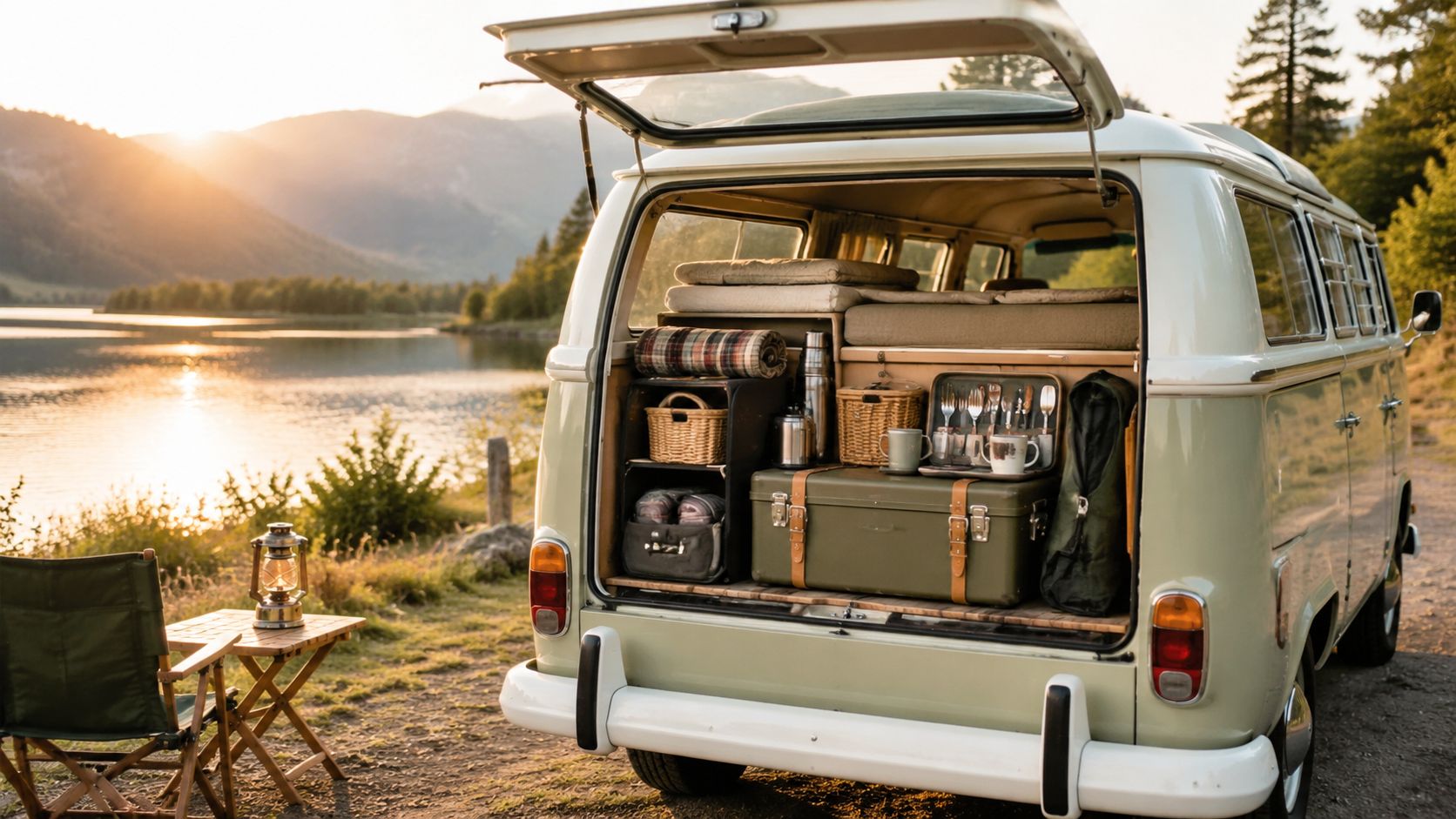
That little ritual is becoming more familiar all over the country. In 2025, caravan and camping trips in Australia, including glamping, increased by 14%, with Australians taking a total of 17.3 million caravan and camping trips, according to Tourism Research Australia's caravan and camping data. More people are getting outdoors, and more of them are realising camp cooking works best when your gear is sorted before the wheels start turning.
Packing for comfort, not clutter
A classic VW doesn't reward overpacking. It rewards intention.
- Keep daily-use gear together: Your utensil set should live near the stove, not buried under bedding.
- Pack for the meal you cook: If you make pasta, eggs, snags, toasties, and salads, pack for those jobs.
- Use your van like a tiny kitchen: A good layout saves time and keeps the camp mood easy.
Camp rule: If you need it at every stop, it deserves a fixed home.
A tidy van feels better to drive and better to live in. If you're refining that setup, this van fit-out planning checklist is handy for getting the essentials in the right order before your next trip.
Beyond the Spork What Is a Camping Utensil Set
A spork is fine if you're hiking light and dinner comes from a pouch. That's not how most VW road-trippers cook. A proper camping utensil set is less about surviving and more about eating well by the beach, at a bush stop, or at a meet-up where someone always says, “Throw another onion on.”
For van life, a useful set usually covers two jobs. First, personal eating tools. Second, cooking and serving tools. If it only handles one, you'll still end up rummaging through odd bits and pieces.
What belongs in a proper road kit
The best camping utensil set for a Kombi or Beetle trip usually includes a mix like this:
- Eating pieces: Fork, spoon, knife, and a mug or bowl setup that nests neatly.
- Cooking tools: Spatula, tongs, serving spoon, prep knife.
- Problem-solvers: Bottle opener, can opener, corkscrew, and something for turning food over a hot plate.
- Storage: A roll, pouch, or compact box that stops metal-on-metal chatter.
That last bit matters more than people think. In a van, every loose item develops a soundtrack. The wrong storage turns a scenic drive into a percussion session.
Why van campers need more than a backpacker kit
Backpackers strip things back because weight rules everything. VW travellers have a bit more room, so the better question is whether a piece earns its space. A full-size spatula often earns it. So do proper tongs.
The nicest camp meals happen when your tools feel familiar enough to use without thinking.
A camping utensil set should make your mobile kitchen feel settled. Not fancy. Not overloaded. Just ready. When you can make breakfast one-handed while balancing a mug of tea in the other, you've packed well.
Choosing Your Utensil Material for Aussie Adventures
Material changes everything once you leave the driveway. It affects how your gear feels in the hand, how it copes with heat, and how long it lasts after beach runs, dusty inland stops, and damp mornings near the water.
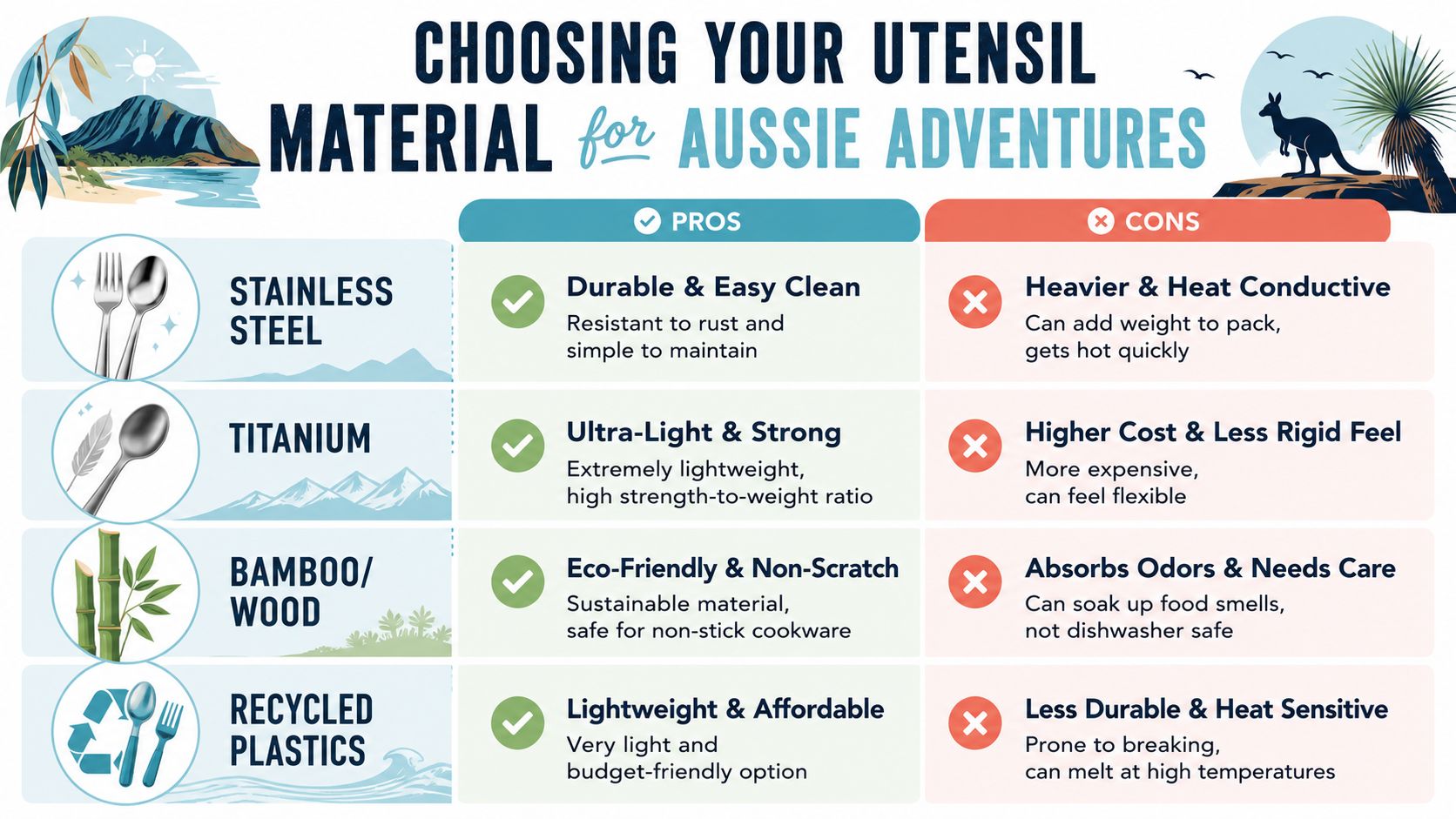
The coastal factor is where many buyers get caught. Most camping utensil content fails to separate normal wear from real durability in Australian conditions. 68% of Australian campers report replacing their utensil sets annually due to corrosion from coastal salt and heat, as noted in Cranky Croc's discussion of camp kitchen utensil considerations. If your VW weekends usually end with sandy feet and salty windows, material deserves a proper look.
Camping Utensil Material Comparison
| Material | Pros | Cons | Best For |
|---|---|---|---|
| Stainless steel | Durable, easy to clean, familiar feel | Heavier, can get hot fast | Regular road trips and general camp cooking |
| Titanium | Very light, strong for its weight | Higher cost, can feel less solid in use | Minimalist packers and serious lightweight travellers |
| Bamboo or wood | Retro look, gentle on non-stick cookware | Holds odours, needs more care | Relaxed camp setups with a natural, coastal feel |
| Recycled plastics | Light and budget-friendly | Less durable, heat sensitive | Backup kits, casual use, or very simple meals |
How each material suits VW travel
Stainless steel feels right in a classic setup because it's dependable. It washes up easily and suits campers who cook often. If your style is more “park by the dunes and fry something proper”, stainless is usually the safe choice.
Titanium suits travellers who love compact, efficient packing. It's especially appealing if your Beetle has very little spare room or you just enjoy finely made gear. The trade-off is cost. Some Australian camping utensil sets range from about $2 for a simple spoon to $30 for premium titanium spoon and fork sets, while a mid-range set noted by Outdoor Life sits at $22 with a 4.6 out of 5.0 rating, according to Outdoor Life's guide to the best camping utensils.
Bamboo and wood have undeniable charm. They look good on a striped towel beside the van and feel perfect for the retro crowd. They do ask more of you, though. Dry them well and don't treat them like something you can forget in a damp tub overnight.
Recycled plastics have their place, mostly as a second kit, a picnic backup, or something for easy snacks rather than serious cooking.
Material test: If your trips lean coastal, choose for salt, heat, and cleaning ease first. Style comes second.
Must-Have Features for the VW Adventurer
The right features matter more than clever marketing. On the road, practical design wins. You notice it when you're parked at a windy headland trying to make dinner before dark.
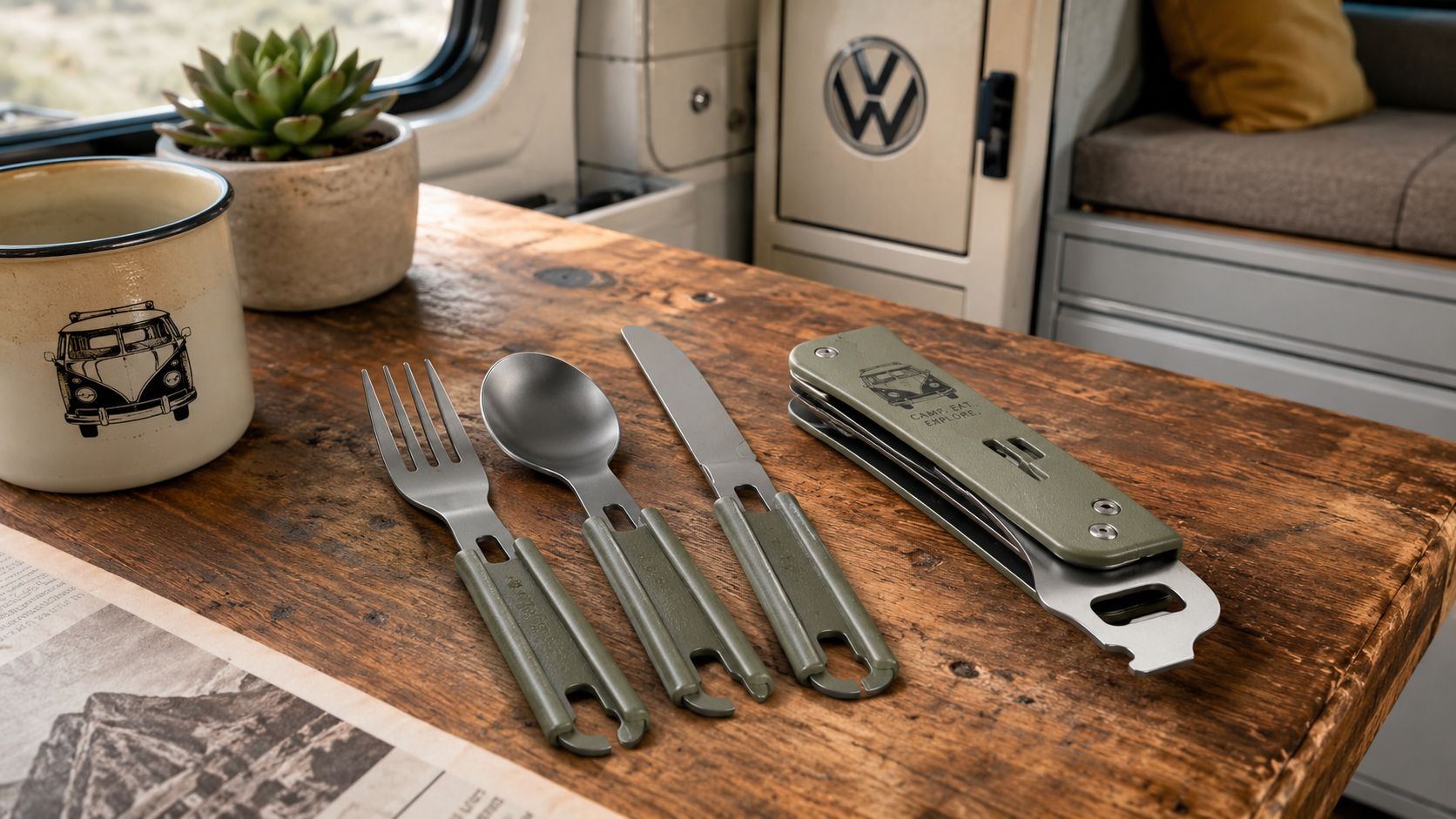
A tidy storage roll is high on my list. Corrugated roads and old VW cabins don't forgive loose gear. If your fork, knife, and opener all knock together in one tin, you'll hear them all day. A proper pouch or box also means you can lift the whole set from van shelf to picnic table in one move.
Full-size tools beat novelty combos
Compact multi-tools look brilliant in the shop. They don't always shine when you're cooking for more than one person. Only 22% of Australian campers use compact multi-utensil sets for week-long tent trips because they lack the prep efficiency of full spatulas, knives, and can openers needed for shared meals, as discussed in this Australian camping conversation on Reddit.
That lines up with what plenty of road-trippers already know. A combined spoon-fork-knife gadget can be handy for lunch. It's not much fun when you're trying to prep veg, open a tin, flip fish, and serve a group.
Look for these features:
- Secure storage: Rolls and boxes stop rattles and keep drawers organised.
- Real handles: Full-grip tools are easier to use when your hands are wet or sandy.
- Useful extras: Can opener, bottle opener, and serving spoon save you from packing duplicates.
- Easy cleaning: Smooth surfaces and simple joins are kinder at wash-up time.
Construction matters when gear gets used hard
If you cook often, pay attention to how pieces are built. The Front Runner Camp Kitchen Utensil Set is one example built with triple-riveted composite handles and full-size stainless steel blades, a design intended to prevent handle detachment under repeated torque stress. One retailer description notes this addresses a failure point seen in 15% of non-riveted consumer sets under Australian field testing conditions, with the riveted design increasing shear strength by approximately 40%, according to Roof Racks Galore's Front Runner product page.
That's the sort of detail you appreciate halfway through a trip, not at the checkout.
For a quick visual on camp kitchen essentials, this clip gives a decent sense of what practical setup looks like in a compact space.
Easy Packing and Cleaning Tips on the Road
Camp kitchen order doesn't come from buying more stuff. It comes from repeating a few good habits until they're automatic. Old Kombi owners know that once clutter starts, it spreads from the sink tub to the bed shelf in about ten minutes.
A simple routine that works
I like to wash in stages. Scrape first, rinse second, proper wash last. That keeps greasy water under control and stops your clean spoon ending up in yesterday's bacon film.
A few habits make life easier:
- Pack by use, not by type: Keep cooking utensils with the stove gear, not with eating cutlery.
- Dry before stowing: Even a little trapped moisture can leave things musty by the next stop.
- Use a mesh bag or open roll: Airflow helps when you've washed up late and hit the road early.
- Do a reset each evening: Two minutes of putting everything back saves a messy breakfast.
Wash-up is part of camp comfort. Do it before you sit down for the night and tomorrow starts better.
Keep the kit legal, clean, and easy to access
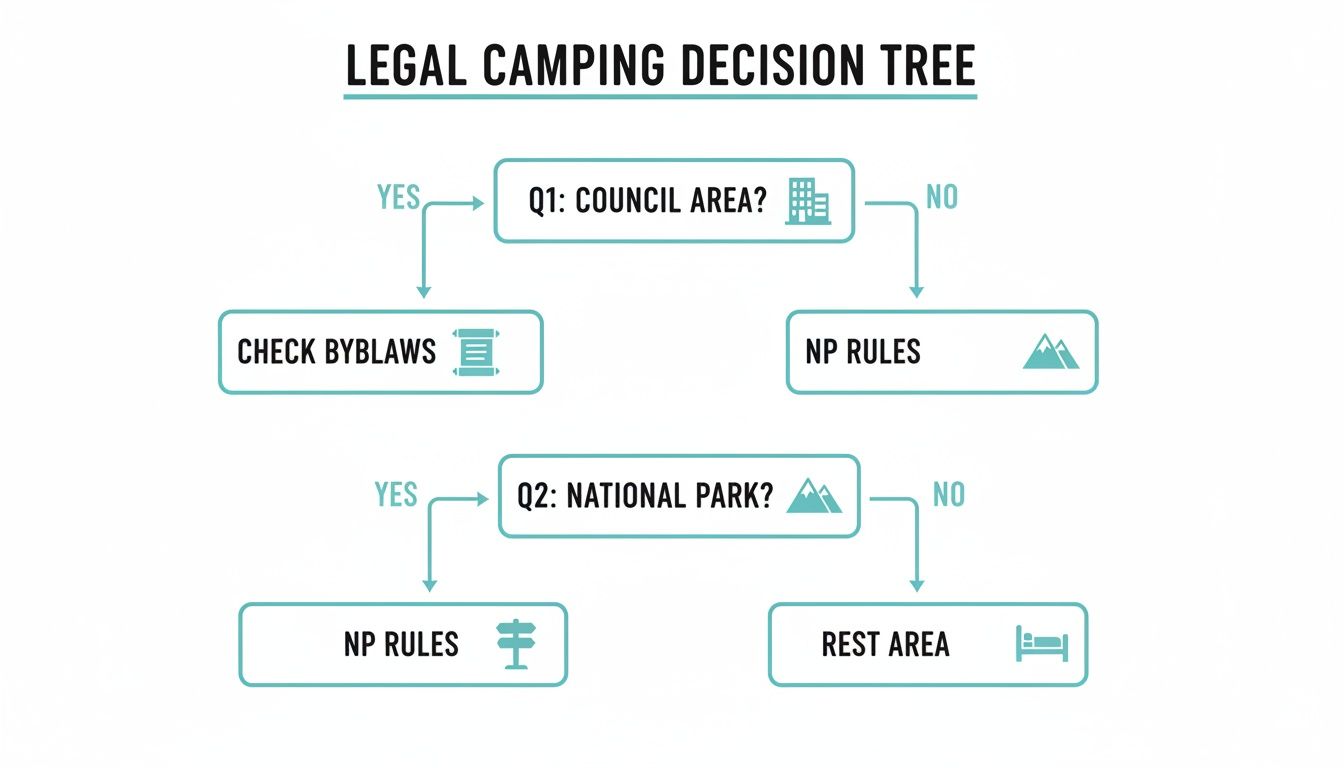
Storage also depends on where you stop and how you set up. If you're moving around Australia in a van, it helps to understand local expectations around overnight stays, camp behaviour, and how much gear you really want outside at any one time. This guide to van life Australia camping rules is useful for planning a setup that stays simple and respectful.
One more tip. Give every utensil a home you can reach without unpacking half the van. The best road setups aren't glamorous. They're calm.
Style Your Kit for Coastal and Retro Trips
Late afternoon at Crescent Head, the kettle is rattling on the stove, salt is still drying on the windscreen, and someone reaches into the cutlery roll for a fork that looks like it belongs in the van. That little detail changes the whole mood. In a Kombi, the camp kitchen is part of the scene, same as the striped towel on the door and the sandy thongs under the step.
A utensil set does more than help with dinner. It becomes part of the character of the trip. Stainless steel has that clean, old-school look that suits a silver Beetle or a tidy white Kombi. Bamboo handles bring in a weathered beach-shack feel. Bright retro colours suit vans with flower decals, vinyl coolers, and chairs that have seen thirty summers up and down the coast.
Let the Kombi story shape the mood
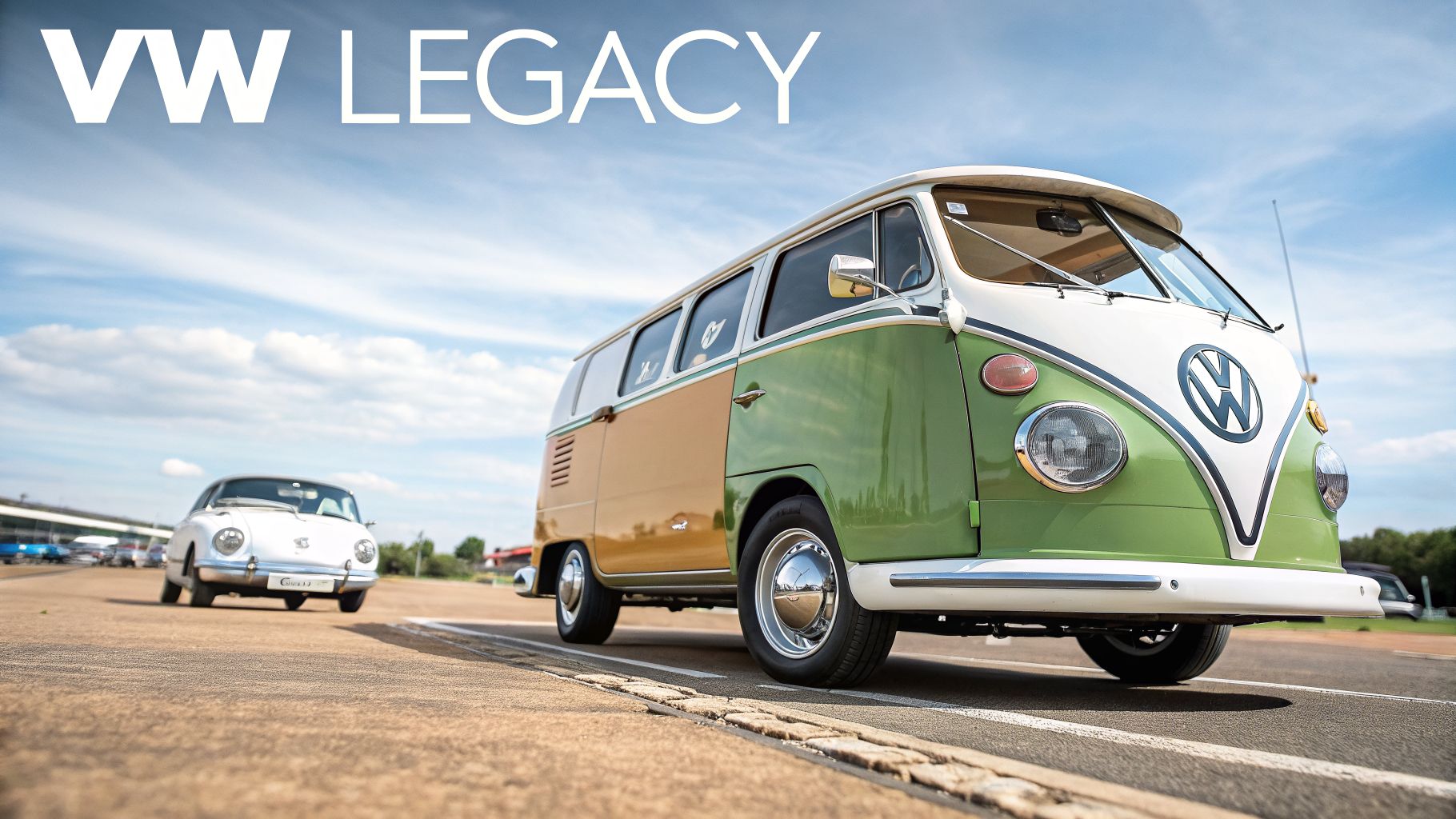
Part of the charm has always been that mix of useful and beautiful. On the official Kombi history page from Volkswagen Australia, the story begins with Ben Pon's sketch and the early Type 2 production that followed. That heritage still shows up every time a Kombi owner packs practical gear that also feels full of personality.
That is why some camp setups just look right straight away.
- Classic silver and cream: Stainless utensils, a canvas or neutral roll, enamel mugs, plain napkins.
- Coastal surf trip: Bamboo servers, faded blue or sea-glass tones, striped tea towels, timber boards.
- Playful retro weekender: Colourful handles, patterned plates, sunny mugs, old folding chairs beside the van.
Bring the same eye to your display at home
I have always liked the way road gear follows you home. A neat cutlery roll in the van often sits beside a shelf with maps, a tiny Kombi model, and a photo from some windy breakfast stop near the water. The same taste is at work in both places.
If your place has that beachy, retro VW feel, these coastal home decor ideas are worth a look. They suit the kind of home where an enamel mug, a surf print, and a little blue bus on the shelf all make perfect sense together.
A well-styled camp kit keeps the trip going long after you have parked the van.
The same eye for detail shows up in searches for VW Kombi diecast Australia, Volkswagen Beetle model, buy diecast Kombi, VW memorabilia collectibles, and Volkswagen diecast models for sale. People who care about a good-looking camp drawer usually care about the shelf in the garage or the corner of the lounge room too.
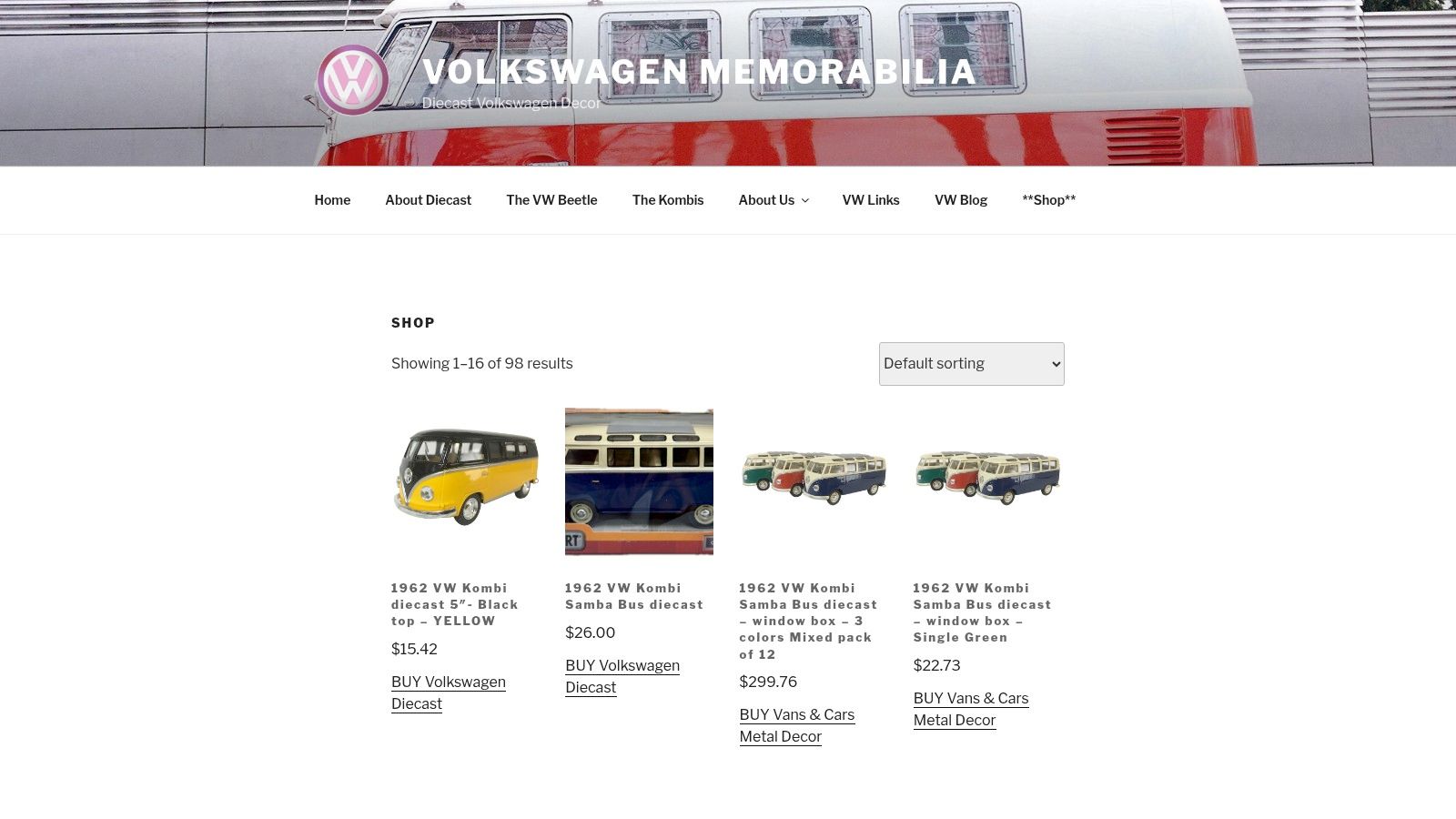
If your road-trip style spills over into the garage, office, or living room, Volkswagen Memorabilia is well worth a look. It's a strong local option for Australian VW enthusiasts who want licensed pieces with local stock and fast shipping, whether you're after a Kombi Samba Bus diecast, a classic Volkswagen Beetle model, or VW memorabilia that matches the easygoing spirit of life on the road. You can browse the range in the shop and find pieces that feel right at home beside a classic bus, a beach map, and a properly packed camp kitchen.