

You've brought home a striking VW canvas, found the perfect spot above the sofa, and then noticed the wall faces the afternoon sun. That's the moment styling turns into real-world collecting. A classic Kombi or Beetle should look brilliant in an Australian home, but coastal light, moisture and salty air demand more thought than just hammering in a hook.
The best VW canvas wall art does more than fill a blank wall. It brings the atmosphere of a show-and-shine, a surf trip or a family camping holiday into the living room, especially when you pair it with carefully chosen diecast memorabilia. Here's how to choose the right composition, protect it from the Australian climate and build a display with genuine Volkswagen character.
Bringing Classic VW Culture Into Your Home
The unboxing is part of the pleasure. You lift out a canvas showing a split-screen Kombi, a bright Flower Power bus or a rounded Beetle, and suddenly the room feels less like a showroom and more like a memory. Perhaps it recalls a beach holiday, a parent's old car, or the line-up at a sunny Volkswagen event.
That emotional response has a solid Australian foundation. Volkswagen's Australian sales passed 600,000 cumulative vehicles in December 2008, reflecting the brand's long continuity across the classic Beetle and Transporter eras. The milestone is recorded in the history of Volkswagen in Australia, and it helps explain why these shapes feel familiar even to people who've never owned one.
A Beetle canvas suits a study, bedroom or compact hallway because its rounded profile reads like graphic design. A Kombi needs more breathing room. Its long body, roofline and windscreen create a relaxed horizontal rhythm that works beautifully above a sofa, sideboard or low timber cabinet.
Styling principle: Choose the image for the memory it evokes, then choose the wall for the way its shape behaves in the room.
Keep the surrounding décor simple. Rattan, timber, linen, white walls and muted coastal colours let the vehicle remain the star without turning the room into a themed novelty space. For complementary retro accents, browse vintage home accessories and look for pieces that echo the canvas palette rather than compete with it.
Sizing and Placement for Australian Interiors
Generic wall-art formulas often misjudge a Kombi. The two-thirds rule is a starting point, not a guarantee, because a vehicle's long horizontal silhouette can need a wider composition for proper balance, as explained in this Australian wall-art layout guide.
Start with the furniture, not the artwork. For a 1.8 to 2.2 metre sofa, a panoramic Kombi canvas usually needs a generous visual footprint, while a portrait Beetle composition can work better as part of a pair. Above a narrow hallway console, keep the artwork visually contained so people can pass without brushing the frame. Over a queen bed, a wide bus image can establish the room's horizon, but a triptych may feel more architectural.
Use this process before ordering:
- Measure the furniture. Record the sofa, console or bed width in centimetres.
- Mock up the canvas. Apply painter's tape to the wall at the proposed outer edges.
- Check the horizon. Stand at the usual viewing distance and see whether the Kombi's roofline sits comfortably with nearby windows, shelves and door frames.
- Test the orientation. A long surf-van image may work better centred above a sofa, while a Beetle facing into the room can benefit from open wall space in front of it.
- Review the negative space. The wall around the artwork should support the vehicle's silhouette, not chop it up with nearby objects.
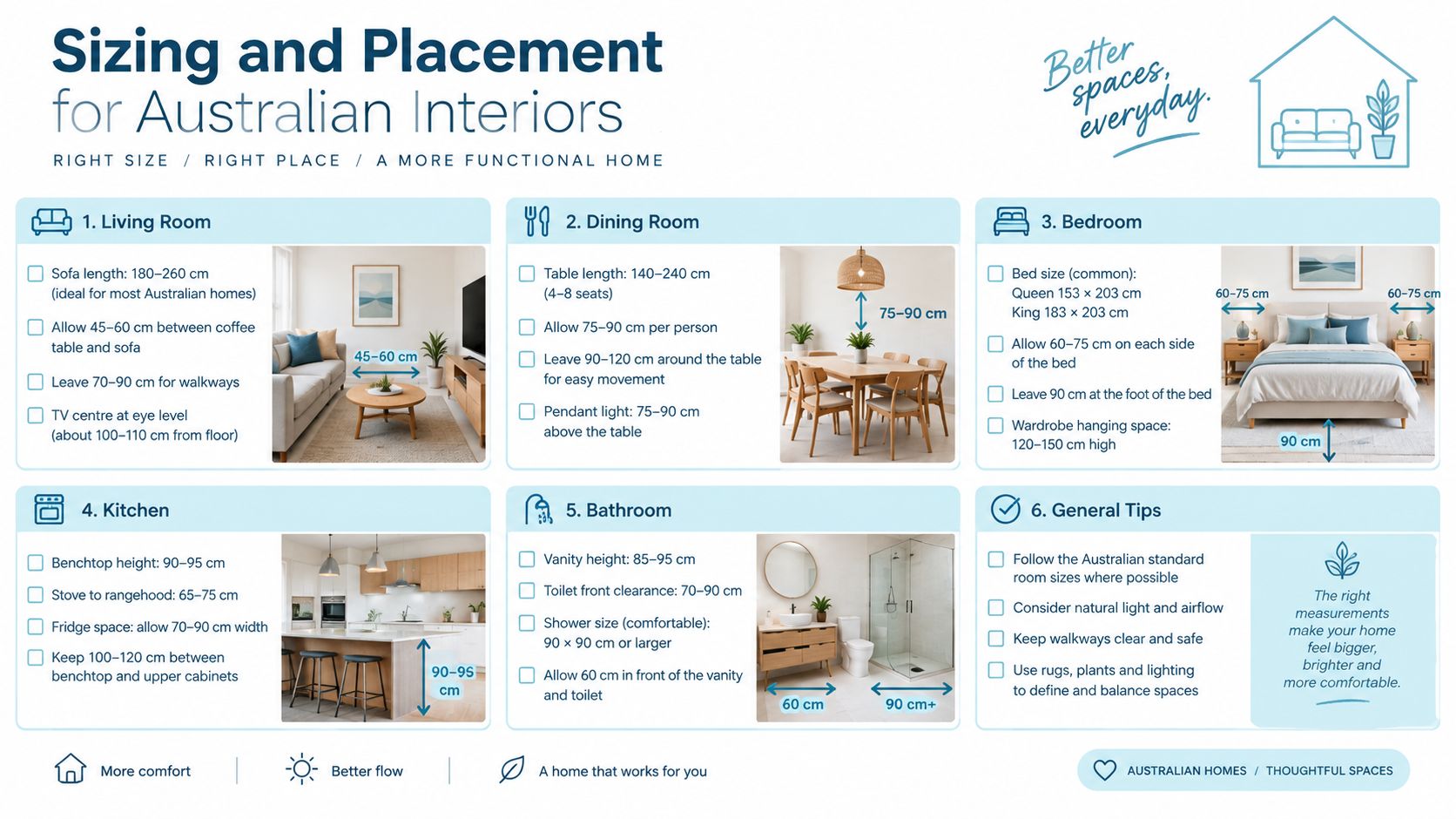
A panoramic canvas generally suits a living room or entertaining area, whereas a portrait format can add height beside a bookcase or in a narrow stairwell. If you're styling a relaxed coastal interior, resist the urge to fill every blank patch. One properly scaled canvas has more authority than several undersized pieces scattered across the wall.
For ready-made options, see the VW wall-art hanging collection and compare each image's orientation with your taped wall outline before buying.
Protecting Canvas Art in Coastal Climates
Australian coastal homes are tough on fibre-based décor. Humidity moves into canvas and timber stretchers, while direct sun gradually changes pigments and weakens natural fibres. Salt carried through open windows can settle on the surface, especially in bright rooms near the beach.
The conservation baseline is clear. Canvas and timber stretchers absorb moisture at high relative humidity, so Australian museum guidance recommends approximately 45–55% relative humidity, with fluctuations no greater than 5 percentage points in 24 hours, to limit structural movement. Read the Western Australian Museum conservation guidance for the full environmental context.
Avoid placing a canvas:
- Beside bathrooms or kitchens, where steam and cooking moisture fluctuate.
- Against condensation-prone windows, particularly in poorly ventilated rooms.
- On an unconditioned coastal wall, where salt-laden air and temperature changes can affect the substrate.
- In direct west-facing light, where afternoon exposure is especially harsh.
Light damage is cumulative and irreversible. Australian conservation guidance gives canvas a general display range of up to 200 lux and recommends limiting ultraviolet exposure below 75 microwatts per lumen, as outlined by the Western Australian Museum's light-exposure guidance. In practical terms, use indirect LED lighting, keep the piece out of direct daylight and choose UV-filtering protection or a suitable protective coating where available.
Material transparency matters. Ask whether the canvas is cotton or polyester, whether the inks are pigment-based, whether the surface has a protective finish and whether the reverse has a dust barrier. A thicker canvas alone won't solve a humid-room problem. Air circulation, sensible placement and stable conditions matter more.
For particularly exposed living rooms, compare the practical considerations in this guide to durable coastal wall art.
Capturing the Spirit of Australian VW Events
The strongest VW canvas choices feel connected to a community, not just a vehicle catalogue. A row of brightly coloured buses suggests a show-and-shine. A surf Kombi evokes coastal cruising. A classic Beetle parked beside a market stall feels social, nostalgic and unmistakably Volkswagen.
The Australian VW Nationals began in 1988 and have drawn thousands of spectators and over 1,200 cars through the gates, showing how local culture brings owners, families and memorabilia fans together around a shared visual language. The Australian VW Nationals history gives that nostalgia useful local context.

For a gift buyer, match the artwork to the recipient's VW personality:
- The classic enthusiast: split-screen Kombi, Samba Bus or early Beetle imagery.
- The surfer: a colourful bus, board-carrying scene or relaxed beach composition.
- The restorer: detailed side profiles, mechanical-era styling and restrained colour.
- The family collector: a cheerful scene that recalls camping, road trips and weekends together.
Events such as Volksfest also show how Volkswagen culture combines cars with food, music, swap meets and family time. That's why a good canvas can sit comfortably beside coastal décor. It represents the whole experience surrounding the car, not only the badge on the nose.
Pairing Artwork with Diecast Model Displays
A canvas gives you the broad visual story. A diecast model supplies the detail people stop to inspect. Place the artwork above a stable shelf, then let the models create a smaller, three-dimensional version of the same theme.
Australian hobby guidance identifies 1:18, 1:24 and 1:64 as common scales. Larger replicas create stronger shelf presence, while smaller models let collectors build a broader themed arrangement, as described in this diecast scale guide.
| Scale | Approximate Size | Best Display Use |
|---|---|---|
| 1:18 | Large display model | Make one Kombi or Samba Bus the focal object beneath a panoramic canvas |
| 1:24 | Medium display model | Build a balanced shelf with a Beetle, Kombi and small supporting pieces |
| 1:64 | Compact model | Create a wider collection across a narrow shelf or grouped display |
A 1:18 Kombi works as an anchor because its size and body detail command attention. Give it clear space rather than burying it among small objects. Several 1:24 Beetles can create a more conversational arrangement, especially if their colours relate to the canvas.
Use 1:64 models for density and variety. They're ideal when the shelf is shallow or when you want to represent several Volkswagen generations without making the wall feel crowded. Keep the display coherent by repeating one visual cue, such as colour, model era or travel theme.
Measure the shelf depth, check the model's footprint and decide whether the canvas or the diecast is the main feature. Don't place a large replica directly beneath a visually busy artwork. Let one element lead and the other support it.
Routine Care and Maintenance Tips
Coastal care works best as a small, regular habit rather than a dramatic restoration job.
- Dust the canvas gently: Use a clean, soft brush or a low-suction method. Never scrub printed surfaces.
- Remove salt carefully: If you notice residue, follow the maker's cleaning advice first. Avoid saturating the canvas with water.
- Inspect the reverse: Check for dust, dampness, mould or signs that the stretcher has shifted.
- Watch the light: If colours look different across the image, move the artwork away from direct sun.
- Clean diecast models dry: A soft detailing brush reaches grilles, window frames and wheel arches without leaving moisture behind.
- Recheck the hanging hardware: Coastal movement and household activity can loosen fittings over time.
Don't use household sprays, abrasive cloths or strong solvents on either canvas or painted diecast surfaces. Prevention is cheaper and safer than trying to repair a faded print or marked finish.
Frequently Asked Questions About VW Decor
Will VW canvas wall art fade in a sunny Queensland room
It can if direct daylight reaches the surface for long periods. Place the canvas away from west-facing windows and skylights, use indirect LED lighting and choose a UV-filtering glazing or protective coating where appropriate. Pigment-based inks are generally the more sensible specification to ask about for a long-term display.
How do I choose a licensed Volkswagen diecast model
Look for clear licensing information, accurate proportions, clean paintwork, properly fitted components and packaging that identifies the model. A Volkswagen Beetle model should have convincing body contours, glazing and wheel details. A Kombi or Samba Bus should show careful attention to its distinctive roof, windows and front treatment.
Is a Kombi canvas suitable for a coastal living room
Yes, provided you treat placement as part of the purchase decision. Keep it away from steam, condensation and direct sun, allow air to circulate behind the artwork and consider the surface finish, ink type and reverse-side protection before installation.
Should I buy a large model or several small ones
Choose a 1:18 model when you want a single focal piece. Choose 1:24 or 1:64 when you want a broader collection around the artwork or have limited shelf space. The right choice depends on whether you're building a hero display or a miniature VW gathering.
What makes a good gift for a VW fan
Start with the recipient's model preference. A classic Kombi fan may love a Samba Bus canvas paired with a matching diecast, while a Beetle owner may prefer a detailed Volkswagen Beetle model and a smaller wall print. The best gifts reflect a real memory, restoration project or event-going habit.
Volkswagen Memorabilia brings together licensed Volkswagen diecast models, Kombi and Samba Bus collectibles, Beetle pieces and relaxed coastal home décor for Australian enthusiasts and gift buyers. Visit Volkswagen Memorabilia to find a canvas-and-diecast combination that gives your home the feeling of a proper VW gathering.