


You're probably doing what plenty of VW people do on a Sunday arvo. Coffee in hand, tabs open, searching for a VW Caddy Maxi Kombi for sale while half-dreaming about beach runs, market mornings, and that first overnight trip where everything just works. Not a full-size camper. Not a fragile classic that needs a trailer and a prayer. Just a sensible Volkswagen with enough Kombi spirit to make everyday life feel a bit more like a holiday.
That's the sweet spot the Caddy Maxi hits in Australia. It's the van for the person who grew up loving Splittys and Samba Buses, but also likes air-conditioning, easy parking, and a diesel that's built to do real work. One mate brings his polished Beetle to the show field. Another rolls up in a weathered Bay Window with surf stickers on the glass. Then someone arrives in a clean Caddy Maxi, tailgate up, camp chair out, kettle on. Different era, same tribe.
The charm of the old Volkswagen world still matters. In Australia, the first-generation Volkswagen Kombi was produced from the 1950s until 1967, and that local history helped turn the Kombi into a symbol of surf culture and road-trip freedom, as noted in this history of the Volkswagen Kombi van. That's why so many buyers aren't just shopping for transport. They're buying into a lifestyle that stretches from real vans to shelves full of licensed diecast and garage memorabilia.
The Modern Kombi Dream A Caddy Maxi Awaits
You see it at a beachside car park in Byron. A Splitty gets the cameras. A tidy Bay Window gets the nods. Then a silver Caddy Maxi rolls in with two kids in the back, boards on the roof, a camp table in the tailgate, and enough room left over for the dog. By the time the kettle is on, you understand why so many Australian buyers end up here.
The Caddy Maxi carries the part of the Kombi story that still fits real life. It suits the school run, the hardware store, the early surf check, and the long haul up the coast without asking you to become a part-time mechanic. That matters if you love old Volkswagens but want to spend your weekends driving them, not lying under them.
A lot of people hunting for a VW Caddy Maxi Kombi for sale are chasing that balance. They grew up with posters of Samba Buses, or maybe a parent had a Beetle, and now they want something with the same friendly Volkswagen character in a shape that works every day. The Maxi earns its keep here. The extra length gives bikes, prams, camping tubs, and market gear proper space, so the cabin feels settled instead of packed to the roof.
That extra room also explains why the Caddy keeps popping up in conversations about practical camper builds. A well-bought example can become a smart weekender, but Australian buyers need to keep an eye on conversion costs, engineering shortcuts, and home-built fit-outs that look neat in photos and cost a bomb to sort later. If that side of ownership is already on your mind, this guide to a VW Caddy van camper setup gives a good sense of how the platform fits into the wider VW lifestyle.
There is a strong emotional thread running through all of this. Australians still put serious value on classic Kombis. One locally delivered 1960 Volkswagen Kombi Samba Bus brought $202,000 at auction in Melbourne, as reported by Shannons Club and detailed later in this guide. The point is not that a Caddy Maxi belongs in the same collector bracket. The point is that the badge still means something here, from a concours bus to a daily driver with sandy floor mats.
That is the modern Kombi dream in a nutshell. You get the Volkswagen spirit, the upright view out, the useful boxy shape, and the freedom to throw gear in the back and go. Then, if you are the sort of VW tragic who keeps diecast models on the shelf at home, the Caddy slots neatly into that bigger story too. It is transport, yes, but it is also membership in the same old tribe.
Finding Your Dream Caddy Maxi in Australia
Start broad, then get picky. The Australian market can look simple at first glance, but Caddy listings often blur the line between commercial vans, passenger models, and camper conversions.
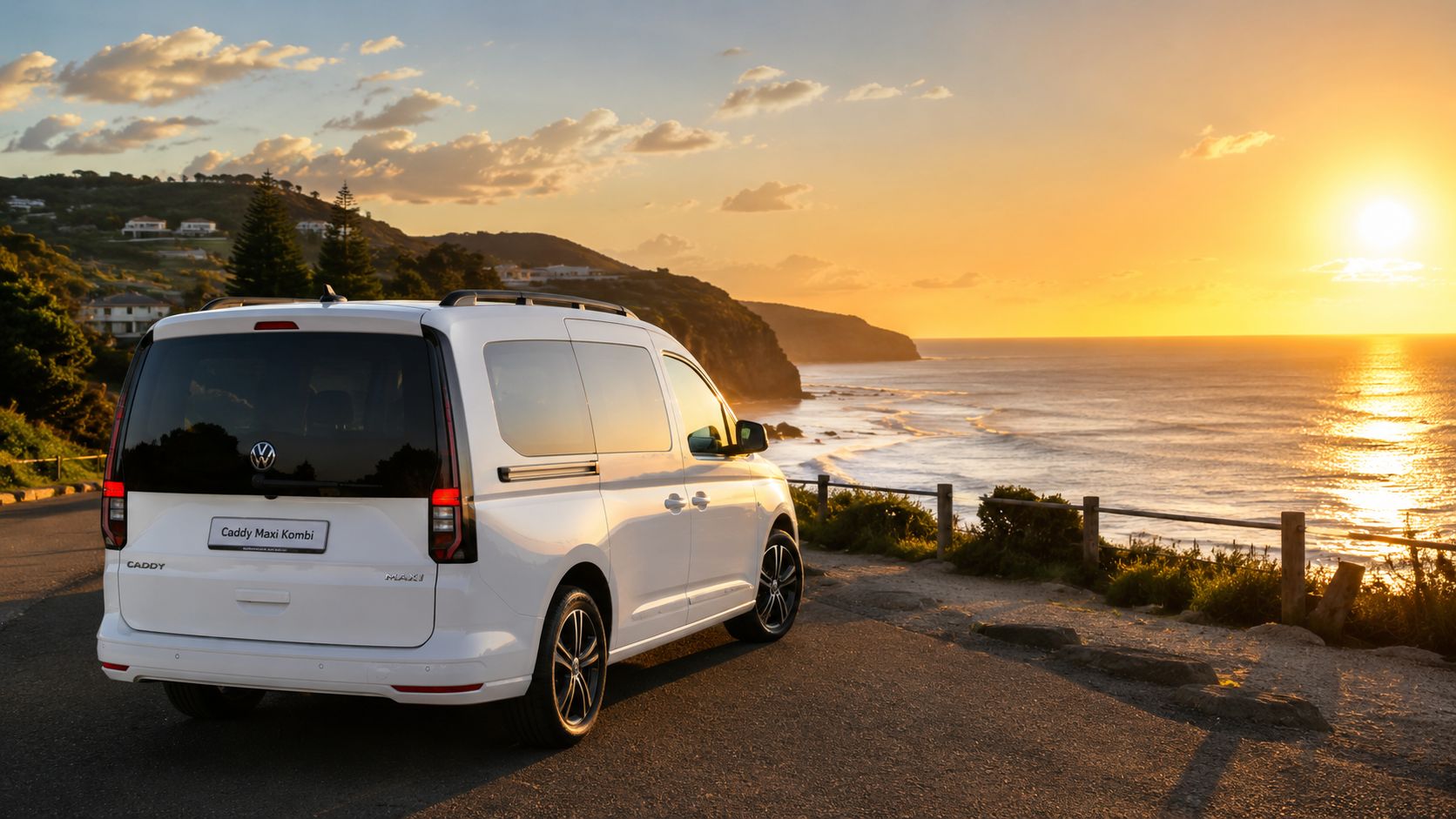
A realistic budget helps straight away. A 2025 Volkswagen Caddy Maxi can start from around $48,060 in Australia, and it measures 4,500 mm long with an 11.4-metre turning circle, which explains why it feels tidy around town for something so useful, according to Carexpert's Volkswagen Caddy pricing and dimensions.
Where to search beyond the obvious
Carsales and dealer stock are the first stop, but the best vans often surface through enthusiast circles before they hit the big listing sites. VW clubs, local Facebook groups, and word-of-mouth at events can be gold, especially if you're chasing a cared-for example rather than a hard-worked fleet van.
Try a mix of these:
- Dealer-used stock: Ex-fleet or trade-in vans can be worth a look if they've been serviced properly.
- VW owner groups: Owners often share details the ad forgot, including what the van's been used for.
- Independent specialists: Some workshops know which vans have had thoughtful conversions and which ones have been stitched together.
- Lifestyle-focused pages: If you're considering a light camper setup, browse inspiration like this VW Caddy van camper guide to sharpen your eye for useful layouts.
Know your Caddy language
A lot of confusion comes from badges and body styles. “Cargo” usually points to a commercial van. “Kombi” tends to mean a people-friendly setup with extra seating and windows. “Maxi” means the longer body, which is usually what buyers want if touring, family duties, or conversion plans are part of the brief.
Here's a simple way to sort your shortlist:
| Model type | Best suited to | What to watch |
|---|---|---|
| Standard Caddy | Daily urban use, lighter loads | Less room if you plan to camp or carry bulkier gear |
| Caddy Maxi | Touring, family use, flexible storage | Make sure the extra space hasn't been wasted on a poor conversion |
| Cargo | Trade work, gear hauling | Commercial wear can be heavier than the photos suggest |
| Passenger or Kombi-style setup | Mixed lifestyle use | Check seat configuration and compliance if modified |
If you want a moving look at the shape and feel of the van, this walkaround helps bring the Caddy Maxi into focus before you inspect one in person.
A buyer's filter that saves time
Don't just search by price. Search by intended life. If the van needs to carry family, camping gear, and maybe a dog, be ruthless about rear access, seat setup, and evidence of careful ownership. A shiny ad can hide a tired van. A plain ad from a fussy owner can hide a gem.
Practical rule: Buy the van that fits your weekends as well as your workdays. That's where the Caddy Maxi earns its keep.
Your Caddy Inspection Checklist Beyond the Basics
A mate in Byron bought a silver Caddy Maxi that looked perfect in the listing. Clean seats, tidy paint, cute little camp setup in the back. On inspection day, the story changed fast. The sliding door roller grated, the rear floor felt damp under the mat, and one peek underneath showed flaky surface rust starting around a poorly finished fit-out. That is the sort of van that teaches you to slow down.
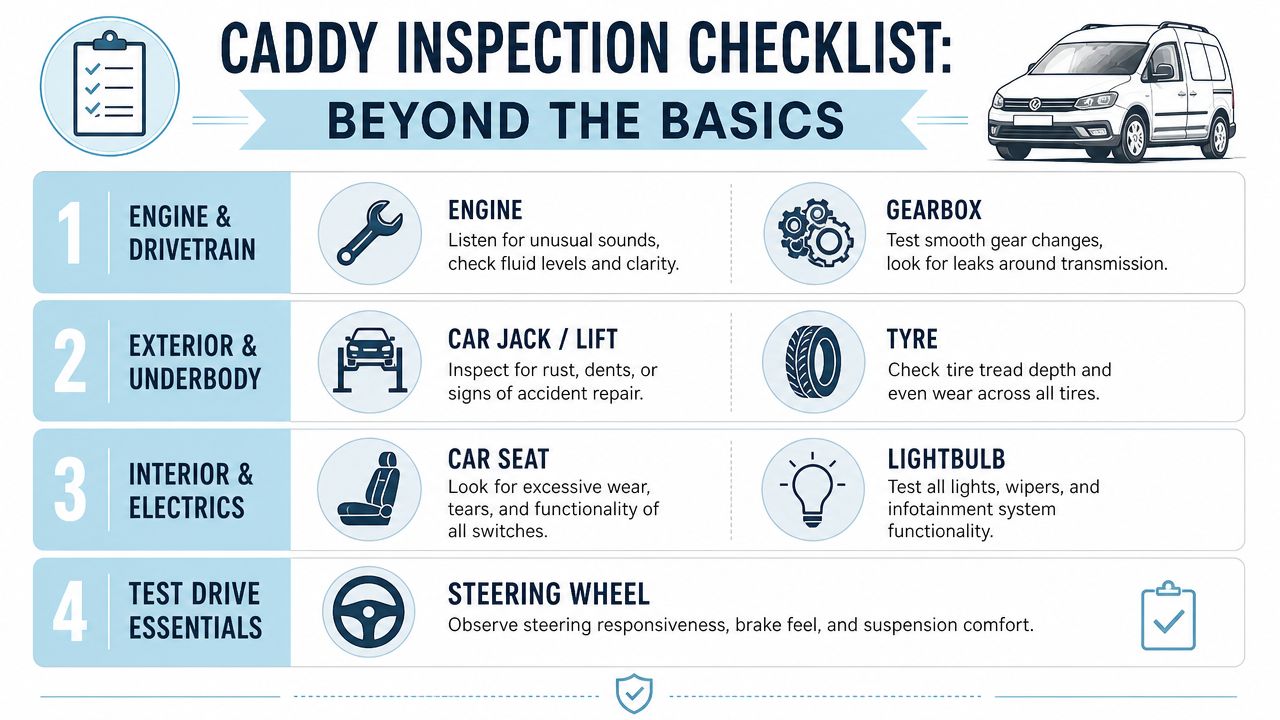
The Caddy Maxi can be a brilliant Australian all-rounder. Plenty run the 2.0 TDI diesel, and it suits the longer body well if the van has been serviced properly. The catch is hidden cost. Compliance work, rust repair, and fixing rough camper conversions can run into thousands, so your inspection needs to go further than a quick walk around with the seller chatting in your ear.
Under the bonnet and underneath the van
Start with a cold engine if the seller allows it. A warm engine hides plenty. You want a clean start, steady idle, and no plume of smoke hanging around longer than it should.
Then get your knees dirty. Look under the front lip, along the sills, around jacking points, and near the rear floor. Beach air, wet camping gear, and badly sealed accessories can all leave their mark on an Australian van.
Check these areas closely:
- Engine behaviour: Listen for rattles on startup, feel for vibration at idle, and check for warning lights that disappear a bit too conveniently.
- Gearbox feel: A manual should engage cleanly. A DSG should shift without jerks, hesitation, or a thunk into gear.
- Leaks and residue: Scan around the engine, gearbox, intercooler hoses, and undertray area for oil mist, fresh drips, or coolant staining.
- Tyre wear: Feathering, inner-edge wear, or mismatched tyres can point to suspension wear, poor alignment, or a harder life than the ad suggests.
- Suspension and underbody: Bushes, shocks, exhaust hangers, and scraped underbody sections tell you how the van has been treated.
The conversion traps that catch people out
This is the part many buyers get wrong, especially if they have one eye on road trips and another on the shelf of VW models at home. A real Caddy and a diecast one can both look spot on from three metres away. Only one can hide dodgy wiring behind a timber panel.
A “ready camper” setup needs the same scrutiny as the vehicle itself. Check seat mounts, extra batteries, inverters, USB outlets, flooring, insulation, and any cut panels around windows or vents. If the seller says, “Previous owner did that,” ask what paperwork backs it up. In Australia, the neatest-looking conversion can still sting you later if the work was never finished properly or does not line up with compliance requirements in your state.
A tidy folder of records helps here. Even a small habit like keeping notes in a Volkswagen service book themed collectible says something about how an owner thinks. You are looking for that same care in the van.
Cabin checks people rush
The inside usually gives the game away before the mechanicals do. A family Caddy with honest wear feels different from an ex-tradie van that has spent years hauling tools and getting slammed shut ten times a day.
Take your time with the cabin.
Seats and rails
Slide, fold, lift, and latch every seat. If it is a Kombi with aftermarket seating, inspect the mounting points and surrounding floor closely.Switches and electrics
Test windows, mirrors, lights, wipers, air conditioning, infotainment, charging points, and any added camping electrics.Water ingress signs
Lift mats, press into the rear corners, check window seals, and trust your nose. Damp carpet always has a cause.Load area condition
Scratches are normal. Patch repairs, random bolt holes, cracked trims, and fresh carpet over rough metalwork deserve questions.
What a good test drive feels like
A sorted Caddy Maxi feels settled. It should track straight, brake evenly, and stay composed over rough patches instead of bouncing or crashing through them. On a tight turn, listen for clunks from the front end. On a clear stretch, ease off the wheel for a moment and see if it pulls.
Drive it at suburban speed first, then on a faster road if you can. A van that feels fine around the block can still reveal wind noise, transmission hesitation, or tired suspension once it stretches its legs.
And if the seller keeps talking, ask for a minute of quiet. The van has plenty to say on its own.
Making an Offer and Navigating Aussie Paperwork
Buying well isn't just about spotting a good van. It's also about finishing the deal cleanly, with no loose ends waiting for you after the handshake.
Keep the final steps boring
Boring is good here. Before money changes hands, confirm identity, registration details, and ownership status. Ask direct questions and match the answers to the documents in front of you. If the seller gets slippery about paperwork, walk away politely.
A few habits make this easier:
- Run a PPSR check: It helps confirm there isn't money owing or a write-off history hanging over the vehicle.
- Check the roadworthy rules in your state: A certificate matters, but it doesn't replace your own inspection.
- Confirm registration transfer steps early: Each state handles timing and forms a bit differently.
- Keep receipts and messages: Save everything, even if the deal feels friendly and informal.
Negotiation that fits the VW community spirit
You don't need to smash a seller to get a fair deal. Most VW people respect a buyer who's prepared, calm, and honest. If you've found faults, name them clearly. If the van has good history and presents well, recognise that too.
A respectful offer usually lands better when you can point to specifics:
| What you found | How to raise it |
|---|---|
| Cosmetic wear | Mention it as future tidy-up cost, not a moral failing |
| Missing service records | Ask for a sharper price because uncertainty has value |
| Questionable conversion work | Treat it as risk, because you may need to redo it |
| Good history and careful ownership | Say so. Sellers respond well when buyers notice effort |
Buy with your head, but don't leave your manners at home. The VW scene in Australia is smaller than it looks.
If you're also daydreaming about the broader Volkswagen van world while you shop, browsing a page like Kombi for sale can remind you how wide the VW family tree really is, from practical vans to dream garage classics.
The final handover
On collection day, take your time. Get the spare key, books, receipts, wheel lock, and anything included in the sale. Pair your phone later. First, make sure the basics are in your hands.
Then drive home the long way.
The Caddy Maxi vs Its Classic VW Cousins
Saturday morning in Byron Bay, a white Caddy Maxi pulls up beside a split-window Kombi at the markets. One has child seats, surf wax in the door pocket, and a boot full of camping gear. The other has everyone crouching for photos before the owner has even switched it off. That little scene explains the whole VW family better than any brochure ever could.
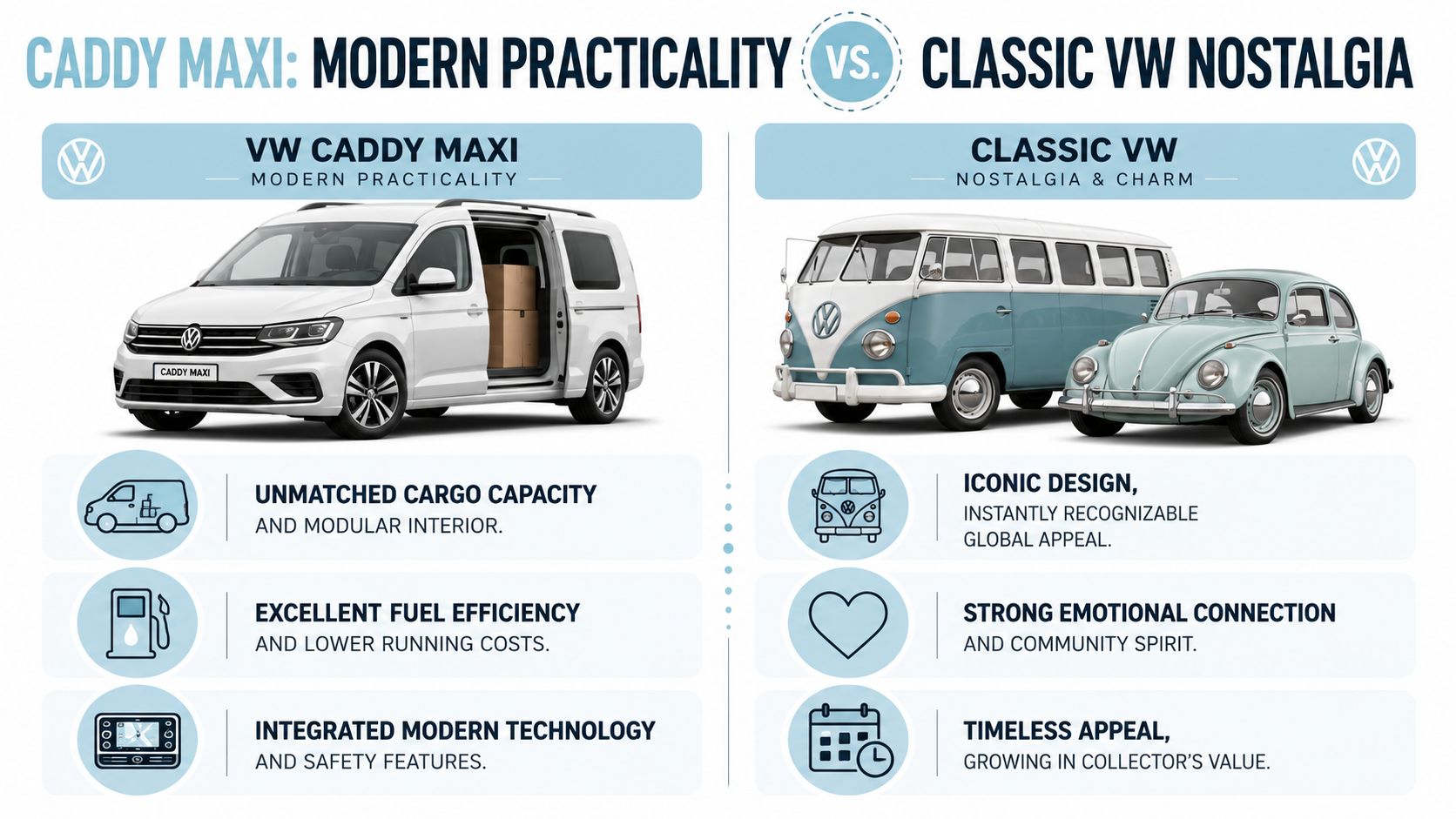
The Caddy Maxi earns its place with use. It handles the school run on Monday, the Bunnings dash on Wednesday, and a run down the coast on the weekend without turning every outing into a mechanical gamble. For plenty of Australian buyers, that matters more than romance by the second month of ownership.
The classics live in a different part of the heart. They bring ritual, shape, and history. Early Type 2 production was tiny, which helps explain why collectors still chase them so hard. Heritage Parts Centre notes that in 1949, only 8 Volkswagen Type 2 vehicles were built globally for the year, made up of 6 panel vans, 1 Kombi, and 1 Microbus, according to Heritage Parts Centre's Type 2 history.
Practicality versus pure nostalgia
A Caddy Maxi suits the owner who wants one Volkswagen to do the lot. You can load bikes, friends, tools, or camping gear and still expect decent manners in traffic and on the highway. That is a big part of the modern Kombi dream in Australia. You stay in the VW world without signing up for constant tinkering.
A classic Kombi, Beetle, or Samba gives back something less practical and more personal. The steering wheel feels different. The smells are different. Even the way people smile at traffic lights is different.
That is why the decision is rarely about which one is better. It is about which chapter of VW life you are in.
A side-by-side view
| VW type | Best quality | Trade-off |
|---|---|---|
| Caddy Maxi | Everyday usability, comfort, flexibility | Less of the old-school visual theatre |
| Classic Kombi | Heritage, charm, club appeal | More upkeep, more compromise |
| Beetle | Simple joy, unmistakable style | Not the same cargo or touring versatility |
| Samba Bus | Collector icon status | A dream garage piece for many enthusiasts, but not an easy daily choice |
There is an Aussie reality here too. A classic van that looks affordable at first glance can hide expensive conversion rework, rust repair, missing trim, and engineering headaches. A Caddy Maxi usually keeps those surprises in check, while still giving you the badge, the community, and the excuse to park beside older Volkswagens at a meet and feel part of the same story.
Classic buyers and diecast collectors often chase the same thing. They want a shape they can keep close. Listings on sites like Carsales show that older models can still appear at entry-level prices, while the best examples sit in a very different bracket. That spread is part of the appeal. You can join the VW lifestyle with a usable modern van, then collect the icons in smaller form while you decide whether a full classic project belongs in your future.
A smart VW garage in Australia often starts with the Caddy you can use and grows into the classics you admire, whether they live under a carport or on a shelf.
Why diecast belongs in this story
That collector streak makes perfect sense once you have owned a Volkswagen. You notice the roofline of a Samba, the stubby stance of a Beetle, the honest shape of an early Kombi. A diecast version keeps that connection alive without the cost, storage worries, or workshop bills.
The Caddy Maxi sits neatly in that broader VW journey. It is the van that gets you to the beach, to the swap meet, and home again. The classic cousin, even if it only lives in miniature for now, keeps the older dream in view.
Celebrate Your New VW With the Collector's Spirit
Once you've found the right van, something shifts. It stops being a search and starts being ownership. You begin noticing other Volkswagens more keenly. You wave at Kombis. You park carefully. You start collecting little bits of VW life without even meaning to.
That collector's instinct has always sat beside real-world ownership. Some people restore a Beetle. Some hunt vintage brochures. Some line up licensed buses and Beetles in 1:18 and 1:24 scale on the office shelf because the shapes make them smile at the end of a long day. It's all part of the same culture.
Small objects, big memories
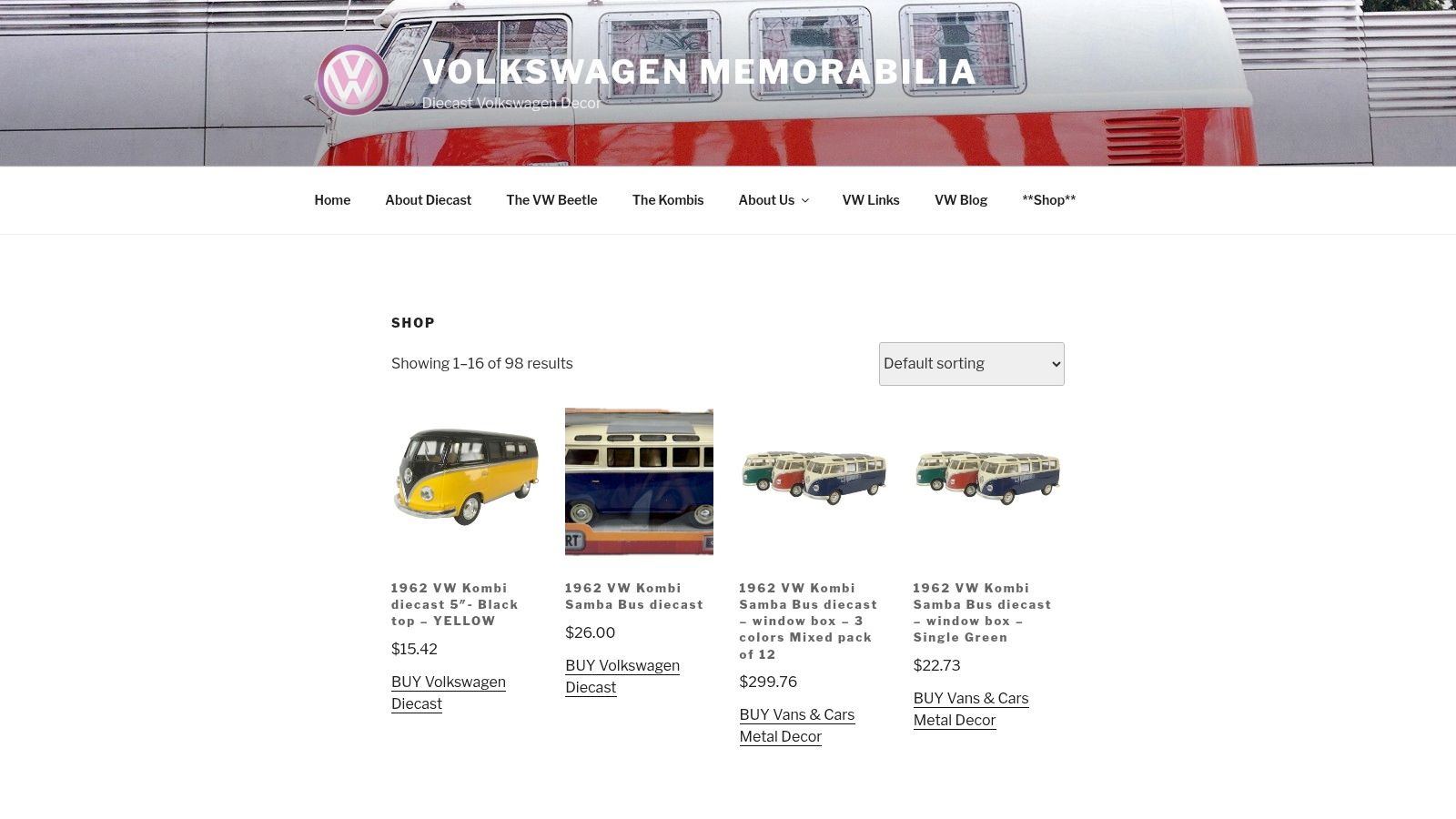
A real van gives you stories. A diecast model lets you keep them in sight. That's why VW Kombi diecast Australia, Volkswagen Beetle model, buy diecast Kombi, VW memorabilia collectibles, and Volkswagen diecast models for sale all feel connected rather than separate. They serve the same affection from different angles.
If you're choosing pieces for a display, gift, or garage corner, a few categories always feel right:
- Classic Kombi and Samba Bus diecast: Ideal if your heart still leans toward the old buses.
- Beetle models: Perfect for rounding out a collection with another all-time Volkswagen icon.
- Mixed display pieces: Great for a shelf that tells the whole story, from workhorse vans to surfy classics.
- Gift-ready memorabilia: Handy when the VW fan in your life already has the tools and the T-shirts.
FAQ for buyers and collectors
Is the Caddy Maxi a good modern stand-in for the Kombi spirit
Yes. Not because it looks the same, but because it supports the same kind of life. It's useful, compact enough for real roads, and still feels like a Volkswagen with purpose.
Should I buy a converted van or build my own
That depends on the quality of the conversion. A poor conversion can create compliance and repair headaches, so careful inspection matters more than the sales pitch.
Why do diecast models appeal to real VW owners
Because they carry the same design language and history in a form you can keep close. For many enthusiasts, collecting is another way of enjoying the brand.
Are local Australian shops better for collectors
Often, yes. Local stock is simpler for gifts, easier for support, and generally a nicer experience when you want your item without a long wait.
If your new van has sparked that familiar Volkswagen feeling, have a wander through Volkswagen Memorabilia. It's a terrific place to find licensed VW pieces that suit the same lifestyle, from the main shop to Volkswagen diecast picks, Kombi-inspired collectibles, classic Samba Bus styles, and Beetle-themed gift ideas. Local Australian stock, friendly service, and fast shipping make it easy to celebrate your Caddy Maxi with a little piece of VW history for the shelf, desk, or dashboard.