
Boost VW Performance: Fuel System Cleaner Explained

You know the feeling. The sun's out, the Beetle or Kombi has finally rolled out of the shed, and the drive starts exactly how it should. A light mechanical hum, that old VW smell, and a grin you can't fake. Then at the first set of lights it coughs, idles a bit unevenly, or hesitates when you lean on the throttle. Not a disaster. Just your old dub having a quiet whinge.

That's where a fuel system cleaner can earn its keep. Not as a miracle cure, and not as a substitute for proper maintenance, but as one of those simple bits of workshop common sense that helps a classic Volkswagen stay sweet between bigger jobs. On old VWs, especially ones that don't get driven every week, stale fuel deposits can creep in. The trick is knowing when a cleaner will help, when it won't, and which type suits your engine.

The Heartbeat of Your Classic VW

A classic Volkswagen has a way of talking to you. Not with warning chimes and dashboards full of lights, but through little changes in sound and feel. A Beetle that usually settles into a cheerful idle might suddenly hunt a bit. A Kombi that normally pulls cleanly might feel flat for the first few minutes. Most owners know those signs straight away.

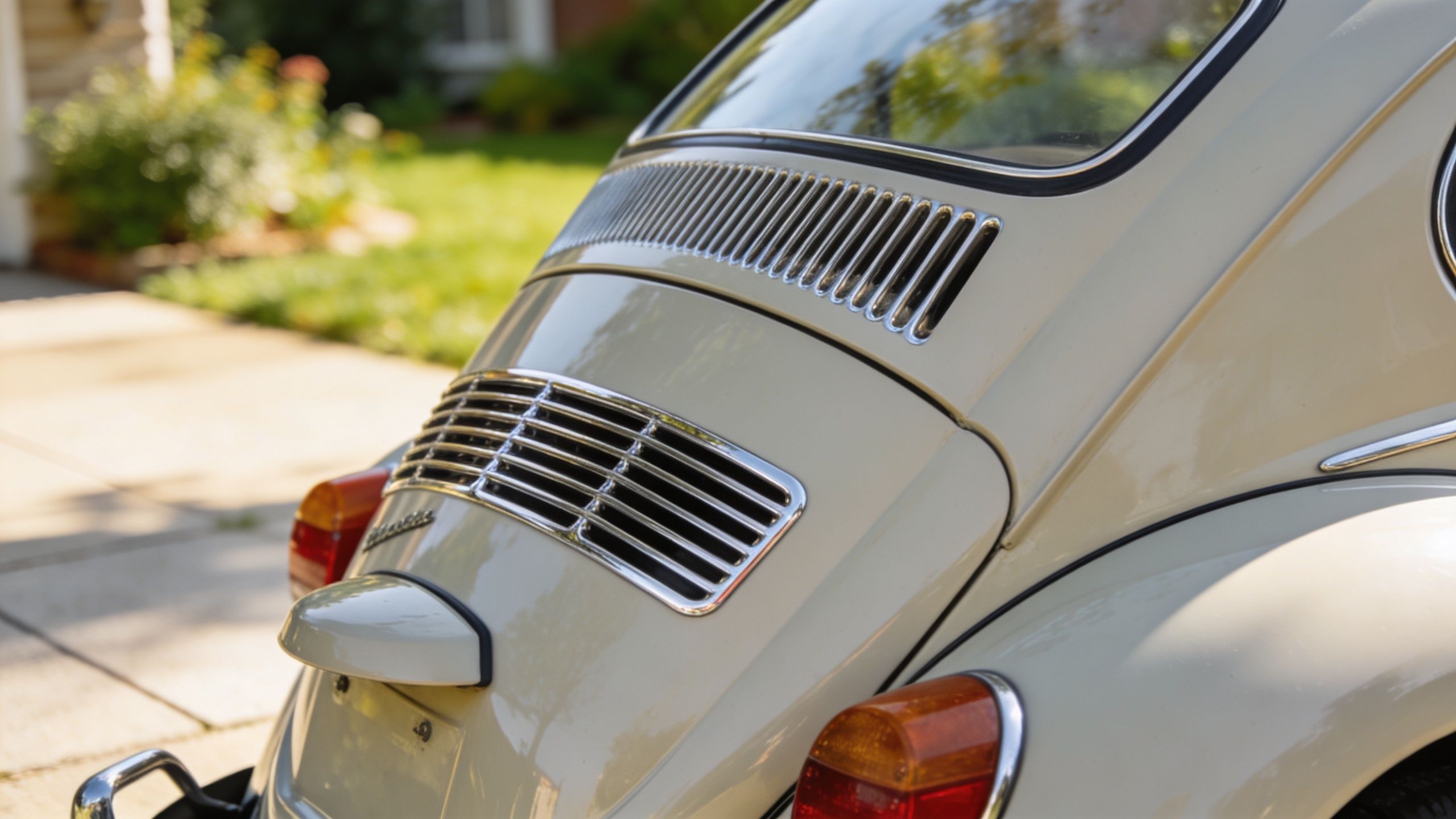
A close-up view of the rear engine air vents and taillights of a vintage beige Volkswagen Beetle.

On these cars, fuel quality and storage habits matter more than many people realise. Lots of our VWs spend part of their life tucked away under a cover, waiting for a Sunday run, a club cruise, or a local meet. That's part of the charm. It also means the fuel system doesn't always get the steady use modern cars enjoy.

Why old VWs respond differently

Air-cooled Volkswagens are simple, but they're not crude. Their fuel systems are sensitive in old-school ways. A tiny bit of varnish in a carburettor passage or a sticky needle and seat can be enough to upset idle quality and throttle response.

Practical rule: If a classic VW ran well, then got worse after sitting, fuel condition is one of the first things worth checking.

A fuel system cleaner is best thought of as a maintenance tool, not a rescue potion. It can help loosen light deposits and freshen up a car that's become a bit woolly through infrequent use. It won't fix split hoses, worn ignition parts, vacuum leaks, or a carb that's badly out of adjustment. That's the trade-off. Used at the right time, it's useful. Used as a substitute for diagnosis, it wastes time.

It's part of the ownership ritual

That's also why plenty of seasoned owners keep a bottle on the shelf. It sits in the same mental category as checking valve clearances, watching fuel lines, and listening for changes in the way the engine settles down after start-up. Small habits keep these cars happy.

And if you love the personality of an old VW, keeping the engine running cleanly is part of preserving what makes it special in the first place.

Reading the Signs Your Dub Needs a Dose of TLC

A dirty fuel system rarely announces itself with one dramatic failure. It usually sneaks up on you. The car starts and runs, but not with the same crisp feel it had a few months back. That's your cue to pay attention before a small annoyance becomes a driveway session.

What you'll usually notice first

On a classic VW, the common signs are more about behaviour than outright breakdown:

  • Lumpy idle at the lights. The engine still runs, but it sounds unsettled and doesn't quite sit where it used to.
  • Hesitation off the mark. You press the pedal and there's a flat little pause before the car picks up.
  • Sluggish response after sitting. It feels reluctant, especially on the first drive after a spell in the garage.
  • More fuel smell or fussiness during warm-up. Not always the cleaner's job, but worth noting as part of the picture.

For owners chasing mechanical bits as well as maintenance clues, it's worth keeping tabs on trusted Volkswagen Beetle parts sources so you can separate fuel issues from worn hardware.

If the engine feels “sticky” rather than broken, mild deposit build-up is a fair suspect.

The signs differ a bit by engine type

A carburetted Beetle or Kombi often shows its displeasure at idle and low-speed transition. Those circuits are fine and easily upset. Early injected Volkswagens, like an older Golf, can show rough running under load or inconsistent response through the rev range.

That said, don't blame the fuel system for everything. Old VWs love stacking faults. A slightly dirty carb, slightly tired points, and a tiny vacuum leak can team up and feel like one problem.

When cleaner won't solve it

Skip the bottle and inspect the basics first if you've got any of these:

  • Visible fuel leaks around hoses, pump, or carburettor
  • Cracked or hardened rubber lines
  • Obvious ignition issues such as misfire, weak spark, or poor leads
  • Heavy contamination in the fuel filter or tank sediment bowl
  • A carburettor that's flooding or badly out of tune

If the problem is mechanical, a fuel system cleaner won't magically smooth it out. It can help with light contamination. It can't replace hands-on fault finding.

Choosing the Right Brew for Your Engine

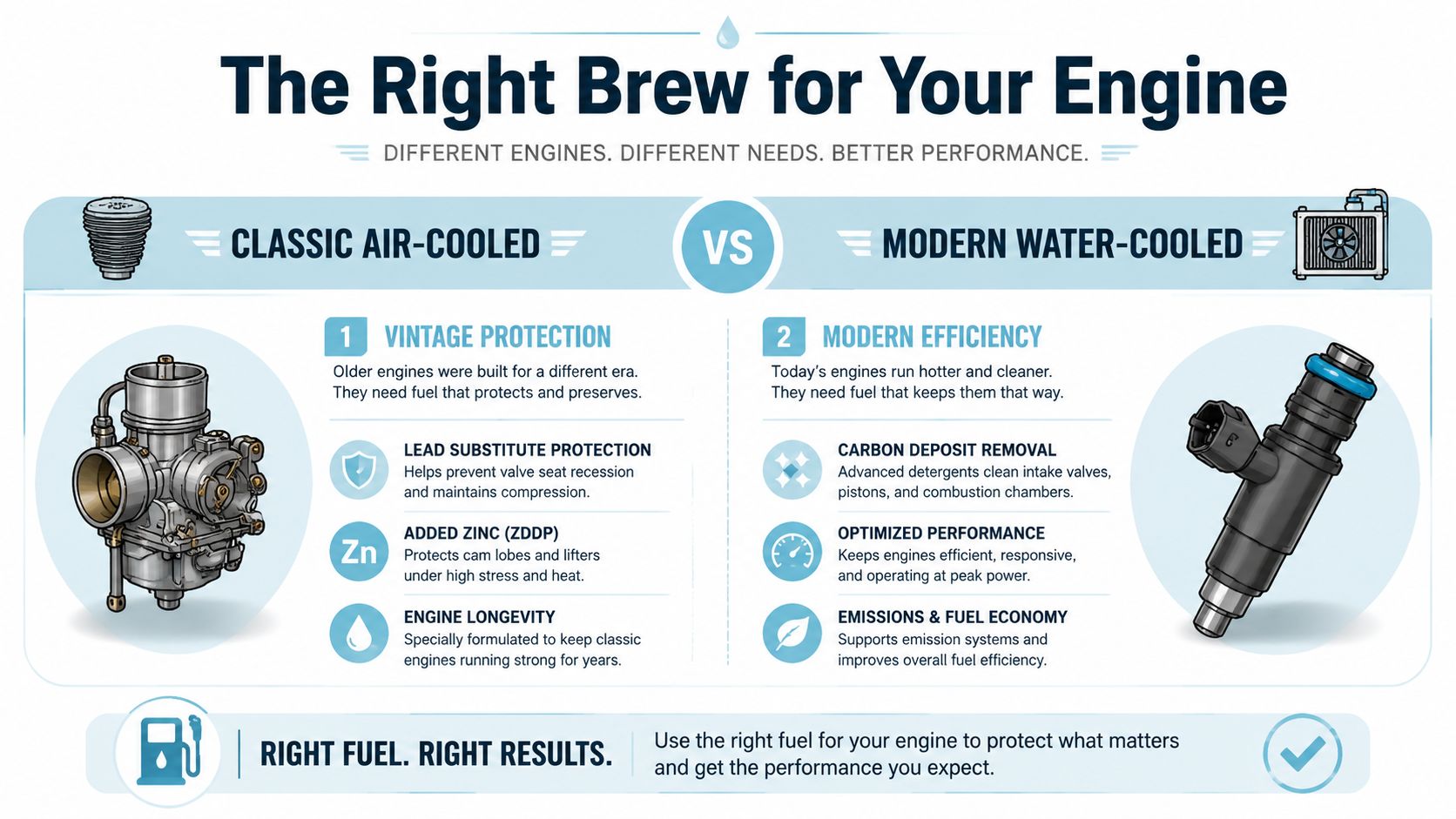
Generic advice on this topic usually proves insufficient. Not every fuel system cleaner suits every VW. A carburetted air-cooled engine and an early water-cooled injected engine may both burn petrol, but they want different things from an additive.

A comparison infographic between fuel requirements for classic air-cooled engines and modern water-cooled engines.

Air-cooled Beetles and Kombis

If you're running a classic air-cooled VW with a carburettor, your main enemy is often varnish and gum in small passages and jets. That's especially true if the car sits for stretches between drives. Chevron notes that carburettor varnish can begin to form in as little as 30 days with modern E10 fuels, reducing fuel flow and causing poor idling. That's directly relevant to classic air-cooled engines that aren't driven often, as noted by Chevron's Techron guidance.

For these cars, look for a cleaner that explicitly mentions carburettors or classic petrol fuel systems. You want something aimed at dissolving light varnish and keeping passages clear, not just injector-focused marketing.

Early water-cooled Golfs and injected VWs

On an injected VW, the concern shifts more toward injector cleanliness and spray quality. A cleaner made for injectors can make sense here, especially if the car feels uneven under load or dull on throttle response. Read the label carefully. If the bottle talks only about carburettors, it may not be the best fit for an injected Golf.

A good habit is to match the product to the hardware, not to the badge on the bonnet.

Quick Guide to VW Fuel System Cleaners

Engine Type Common Issue Look for Cleaners That Mention
Classic air-cooled Beetle or Kombi with carburettor Varnish, gum, poor idle after sitting Carburettor cleaning, fuel passage cleaning, classic petrol systems
Early water-cooled VW with fuel injection Dirty injectors, uneven spray, hesitant response Injector cleaning, petrol injection systems, intake deposit cleaning
Infrequently driven classic VW Stale-fuel deposits and rough running after storage Fuel system cleaning for stored vehicles or products suitable for preventative use

What works and what doesn't

A cleaner can help when the deposits are light and the rest of the engine is sound. It's a maintenance move. It's not a substitute for stripping and cleaning a badly fouled carburettor, replacing blocked filters, or sorting ignition faults.

Workshop view: The right product can tidy up a mildly dirty fuel system. The wrong product, or unrealistic expectations, just delays proper diagnosis.

Also keep your additive choices separate in your head. A friction-reducing oil additive such as Liqui Moly Cera Tec belongs in an engine-lubrication conversation, not a fuel-cleaning one. Mixing up those jobs is more common than you'd think.

The Weekend Ritual A Simple How-To Guide

Using a fuel system cleaner is one of the easier jobs you can do in the driveway. No special tools, no drama, and no need to overcomplicate it.

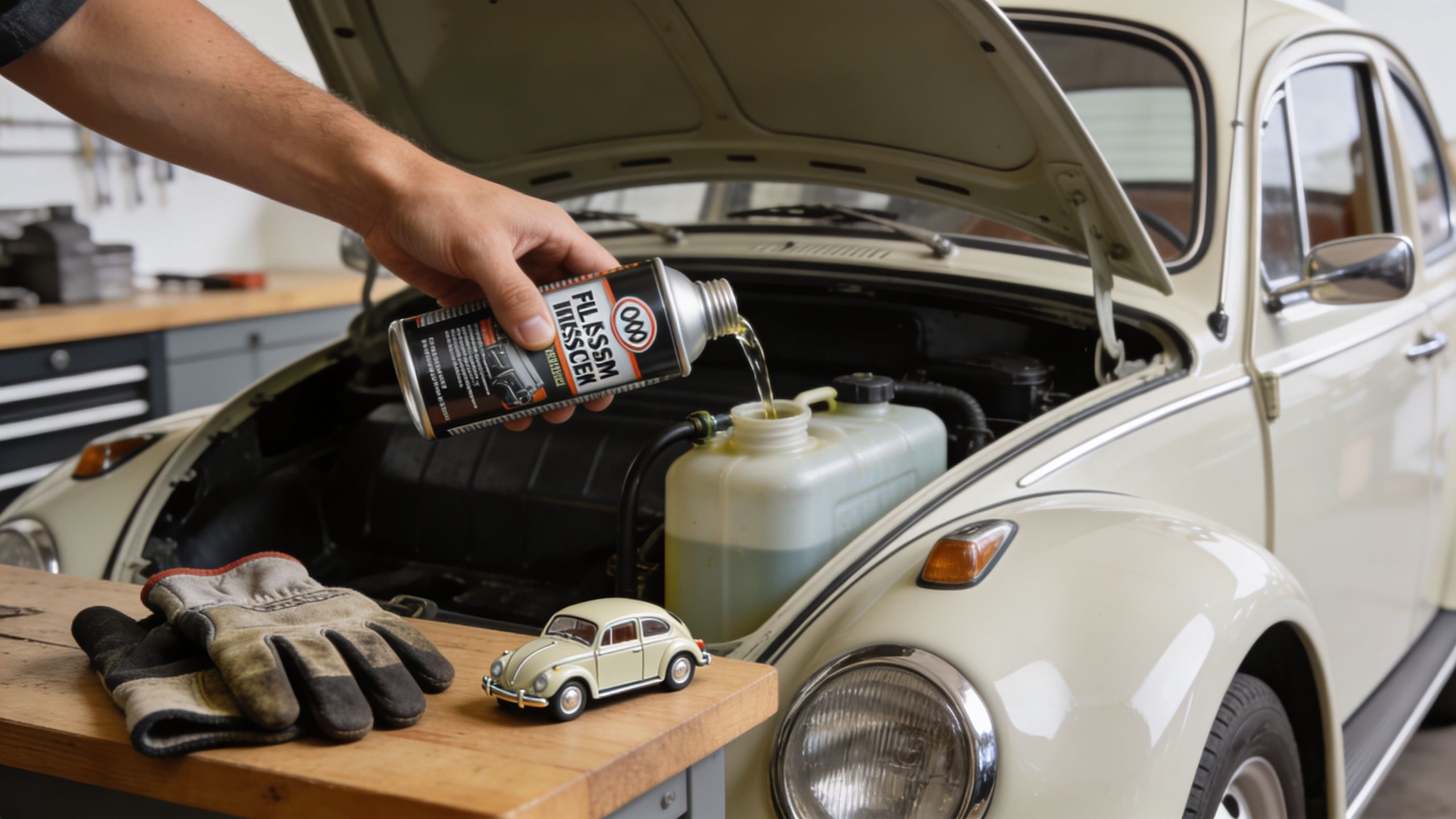
A person pouring fuel system cleaner into a vintage beige Volkswagen Beetle during routine engine maintenance.

Before you pour anything in

Read the bottle. That sounds obvious, but it's the step plenty of people skip. Different products are blended for different systems, and the maker's dose rate matters.

Keep a rag handy, wear gloves, and don't slosh the stuff onto paint. Old paint and fresh spills aren't great mates.

The simple driveway method

  1. Start with a low-ish tank
    You don't need to be on fumes, but adding cleaner before filling up helps it mix properly through the fuel.

  2. Add only the recommended amount
    More isn't better. Overdosing doesn't make it work faster, and on an old car it can create confusion if the engine starts behaving oddly for another reason.

  3. Fill the tank with fresh fuel
    Fresh fuel gives the cleaner the best chance to circulate evenly through the system.

  4. Take the car for a proper drive
    Don't just idle it in the driveway for five minutes. A decent run gets treated fuel through the lines, pump, carb or injectors, and into normal operating conditions.

  5. Pay attention over the next few drives
    Idle quality, start-up manners, and throttle pick-up are the first places you'll usually notice a change.

What a good run looks like

The best follow-up is a normal drive where the engine gets fully warm and spends time under varied load. Highway cruising helps. So does a mix of suburban stop-start if the issue has been most obvious at idle and low speed.

Here's a handy visual walkthrough if you like seeing the general process in action:

A few mistakes worth avoiding

  • Using cleaner to dodge tune-up work. If points, plugs, timing, or mixture are off, sort those first.
  • Treating ancient fuel as if cleaner will save it. If petrol has gone stale and the car has been parked for ages, draining and starting fresh may be the smarter move.
  • Ignoring the fuel filter. If the filter's dirty, inspect it. Cleaner can loosen deposits, and that can expose a filter that was already near the end of its useful life.

A clean, simple routine works best. Add it, fill up, drive it, then judge the result.

Keeping the Good Vibes Rolling A Maintenance Schedule

The smartest way to use fuel system cleaner is before the car gets crook, not after it's already carrying on at every traffic light. On classics, especially those that spend time parked, prevention is usually less painful than chasing symptoms later.

A sensible pattern for most classic VWs

Rather than tipping cleaner in at random, tie it to how the car lives:

  • Occasional drivers often benefit from using it as part of a regular pre-emptive routine, especially if the car sits between outings.
  • Weekend cruisers can work it into seasonal maintenance, alongside checks of hoses, clamps, timing, and oil.
  • More frequently driven cars may need it less often, but they still benefit from attention if the idle starts to lose its neat, familiar rhythm.

Look after the fuel system before it complains, and the rest of the car usually feels happier for it.

Think preservation, not just repair

That's the mindset with old Volkswagens. You're not just keeping transport alive. You're preserving something with history, character, and a very particular feel on the road. The same instinct that makes people admire a shelf display of a 1:24 scale Kombi Samba Bus applies here. Small details matter.

If you enjoy browsing the main VW shop or checking out the Volkswagen Beetle model collection, it's the same love of shape, story, and heritage. Looking after your car completes the picture.

For practical maintenance support on your vehicle, it also helps to know where to find dependable VW parts in Australia.

Got a Question Mate? Our FAQ

I used a fuel system cleaner and my VW still runs rough. What next

Go back to the basics. Check ignition first, then vacuum leaks, then fuel delivery hardware. On an air-cooled VW, points, plugs, timing, valve adjustment, and intake leaks can all mimic fuel-system trouble. If the cleaner made no difference at all, the fault may not be deposit-related.

Is fuel system cleaner safe for old rubber fuel lines

The cleaner isn't the first thing I'd worry about. The age and condition of the hoses matter more. If the lines are old, hard, cracked, or weeping, replace them before chasing additives. Use products clearly intended for petrol engines, and don't use mystery brews from an unlabelled bottle.

Can I use it in a freshly rebuilt engine

Usually, yes, but keep it modest and stick to the product directions. A freshly rebuilt engine still needs proper break-in habits, correct tuning, and careful checks for leaks or adjustment issues. Cleaner can help keep the fuel side tidy, but it shouldn't distract from the normal post-build inspections.

Is fuel system cleaner enough for a badly gummed-up carburettor

No. If the carb is heavily fouled, flooding, or blocked, remove it and clean it properly. A pour-in cleaner is for light deposits and ongoing maintenance. It can't replace a strip-down when the carb needs one.

Should I use cleaner before storage or after storage

If the car is going to sit, fuel quality deserves attention before storage. If it has already sat and now runs a bit ordinary, a cleaner may help if the problem is mild. If the fuel is clearly stale or the car has been parked for a very long stretch, start with fresh fuel and a proper inspection.


If your love of classic Volkswagens extends from the driveway to the display shelf, have a look at Volkswagen Memorabilia. It's a ripper spot for licensed VW gifts, collectables, and diecast favourites, with local Australian stock, fast shipping, and plenty of charm for Beetle and Kombi fans alike. Whether you're after a present for a VW mate or a new piece for your own collection, you can browse the range of Volkswagen diecast models, memorabilia, and coastal-inspired décor in one place.

Volkswagen ID Buzz Australia Price A Complete Guide (2026)

A bloke rolled into a coastal VW meet near me in a sea-blue classic Kombi just as the morning sun hit the chrome. Ten minutes later, the whole circle had shifted to one question about its electric descendant. What’s the volkswagen id buzz australia price, and is it worth it for people who love the badge, not just the brochure?

The Buzz is Back An Enthusiast's Intro to the ID.Buzz

At a VW show, you can spot the moment it happens. Someone opens a phone, flicks to a photo of the new ID.Buzz, and the circle tightens. One old hand starts talking about road trips in a tired bay-window camper. Another points at the two-tone paint and says it has the same cheeky charm as the buses parked on the grass behind us. Then someone asks the practical question every enthusiast eventually gets to. What does it cost in Australia, and does that number still feel like a Volkswagen?

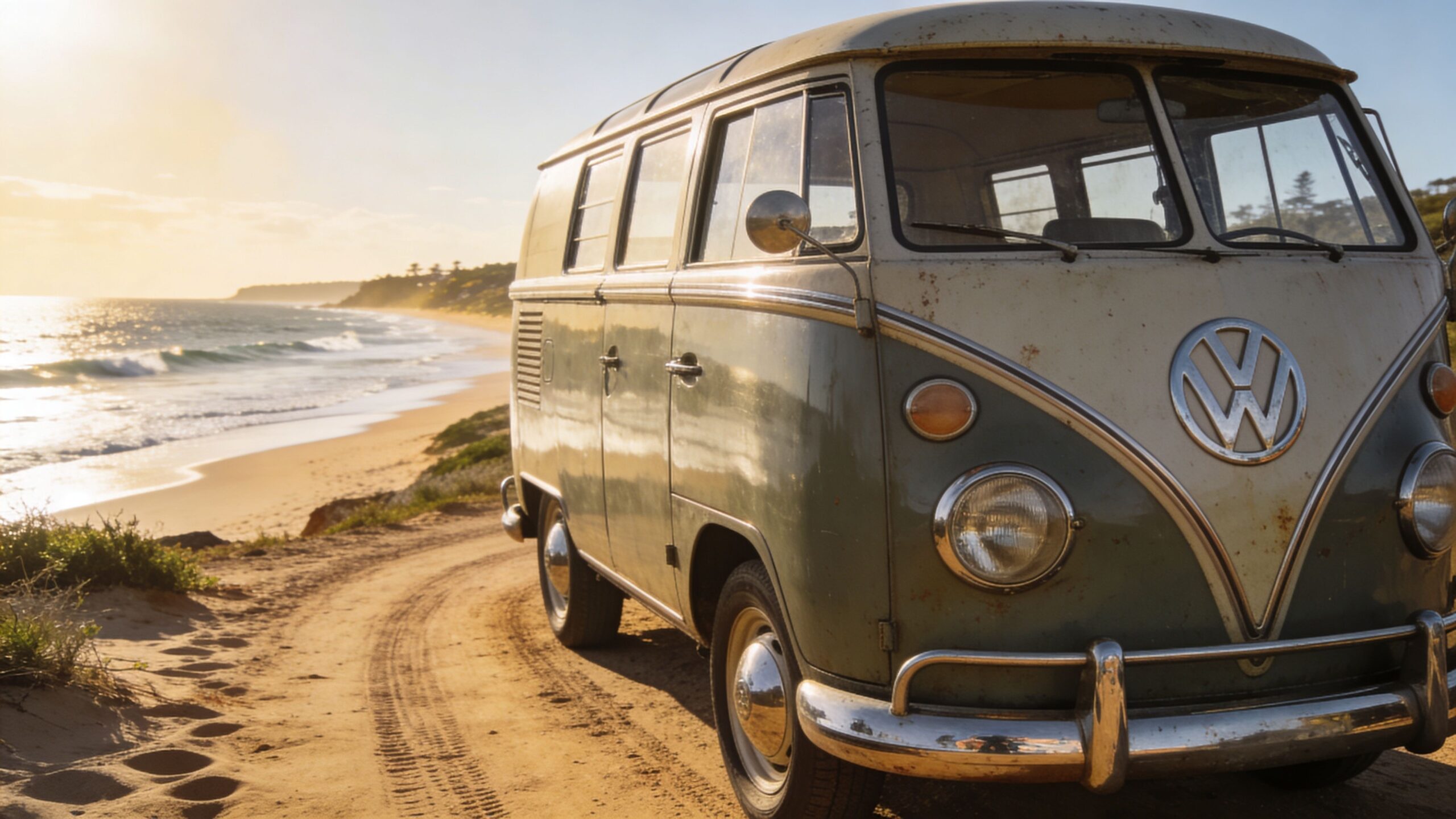
A vintage green Volkswagen van parked on a sandy beach path during a warm, sunny coastal sunset.

That question hits differently with this van. The ID.Buzz carries the same warm, upright silhouette that made generations of Kombis feel friendly before you even turned a wheel. The glassy cabin, the short nose, the bright colours. They tap straight into memory. If you have ever spent a Sunday polishing a Beetle, arguing split-screen versus bay-window, or hunting down a mint diecast Samba at a swap meet, you already know why this model has people grinning.

The price matters because heritage matters. A new people mover can be judged on seats, range, and finance repayments alone. The ID.Buzz brings another layer. Buyers are weighing a modern EV against decades of affection for the badge, the shape, and the stories attached to it.

That is why this guide takes the enthusiast route.

For plenty of VW fans, the dollars only make sense once you place the new bus beside the old dream. A classic Kombi asks for patience, storage space, and a forgiving mechanic. The ID.Buzz asks for a much bigger upfront spend, but it also offers factory warranty, everyday usability, and the rare feeling that Volkswagen has built a modern van with one eye on its own family album. If you enjoy comparing eras, this look at the Crafter camper and Kombi comparison shows how VW vans have kept changing shape while holding onto the same travel-first spirit.

The local pricing story has added to the interest. Early reactions focused on how ambitious the launch figures felt for loyal VW buyers. Later adjustments made more people stop and look again, especially those who loved the idea of an electric Kombi but could not quite square the romance with the first sticker price.

The ID.Buzz feels like the van that finally lets nostalgia and daily driving share the same garage.

That is also why collectors have taken to it so quickly. Every time Volkswagen releases a van with this much character, the shelves start filling with miniature versions. The actual car becomes a conversation piece. The diecast becomes the thing you bring home while you decide whether the full-size one belongs in your driveway.

Understanding the Official ID.Buzz Price Tag

At the local VW meet near Sandown, the loudest price debate was not about the GTX. It was about the Pro SWB. One old Kombi owner ran his hand along the Buzz’s two-tone flank, smiled, and said it looked like the first modern VW van priced close enough to move from poster dream to family spreadsheet.

That sums up the Australian ID.Buzz story rather well. The early numbers sparked plenty of chatter, then the revised local pricing gave enthusiasts a second reason to walk back into the showroom and take a proper look.

The 2026 starting prices at a glance

Here’s the range in plain terms.

Model Variant Seats / Type RRP (from) Key Feature
ID.Buzz Cargo Cargo van $69,990 Practical work-focused variant
ID.Buzz Pro SWB 5 seats $75,990 Short-wheelbase passenger model
ID.Buzz Pro LWB 7 seats $80,990 More family-friendly cabin space
ID.Buzz GTX LWB Performance passenger model $104,990 Top-spec range flagship

Those figures matter, but the true enthusiast conversation sits just underneath them. Which version feels most like the spiritual heir to the old bus?

For plenty of VW fans, it is not the range-topper. The Cargo has that stripped-back honesty. The Pro SWB carries the neat proportions that echo the classic silhouette. The Pro LWB makes the strongest case for buyers who want the nostalgia hit without giving up family duty. Price, in that sense, becomes part of personality.

If you like tracing that family resemblance across generations, this Crafter camper and Kombi comparison gives useful context for how Volkswagen’s vans have shifted from simple workhorses to lifestyle icons.

Collector’s lens: The best buy in a VW range is often the one that captures the right era, shape, and feeling, then fits real life well enough to be enjoyed often.

Why the revised pricing got attention

Volkswagen’s local adjustments changed the mood around the Buzz. Buyers who had admired it from afar started treating it less like a design statement and more like an actual purchase.

That shift matters in Australia. A Buzz is never judged only against other EVs. It gets measured against family wagons, people movers, classic van projects, and the emotional value of owning something with proper VW blood in it. A lower sticker makes that emotional calculation much easier.

Options can reshape the number quickly

The RRP is only the starting point, especially with a vehicle this tied to style and nostalgia.

Two-tone paint adds a noticeable premium. Metallic paint and the panoramic sunroof push the total higher again. Those choices are easy to understand if you have ever hunted down the exact diecast Kombi in the right colour split, with the right wheels, and the right trim. Enthusiasts rarely want the van in its most anonymous form.

That is why the official price tag deserves a careful read. On paper, it is a list of variants and starting figures. In practice, it is a menu of personalities, and every extra you choose nudges the Buzz closer to the one you have been picturing since the first concept photos landed.

Calculating Your Real Drive-Away Price

The showroom figure is the headline. The drive-away figure is the lived reality.

Anyone who collects knows the feeling. You spot a beautiful model online, then remember postage, display gear, and maybe a case to keep the dust off. Buying an ID.Buzz works the same way, just with much bigger numbers and more official paperwork.

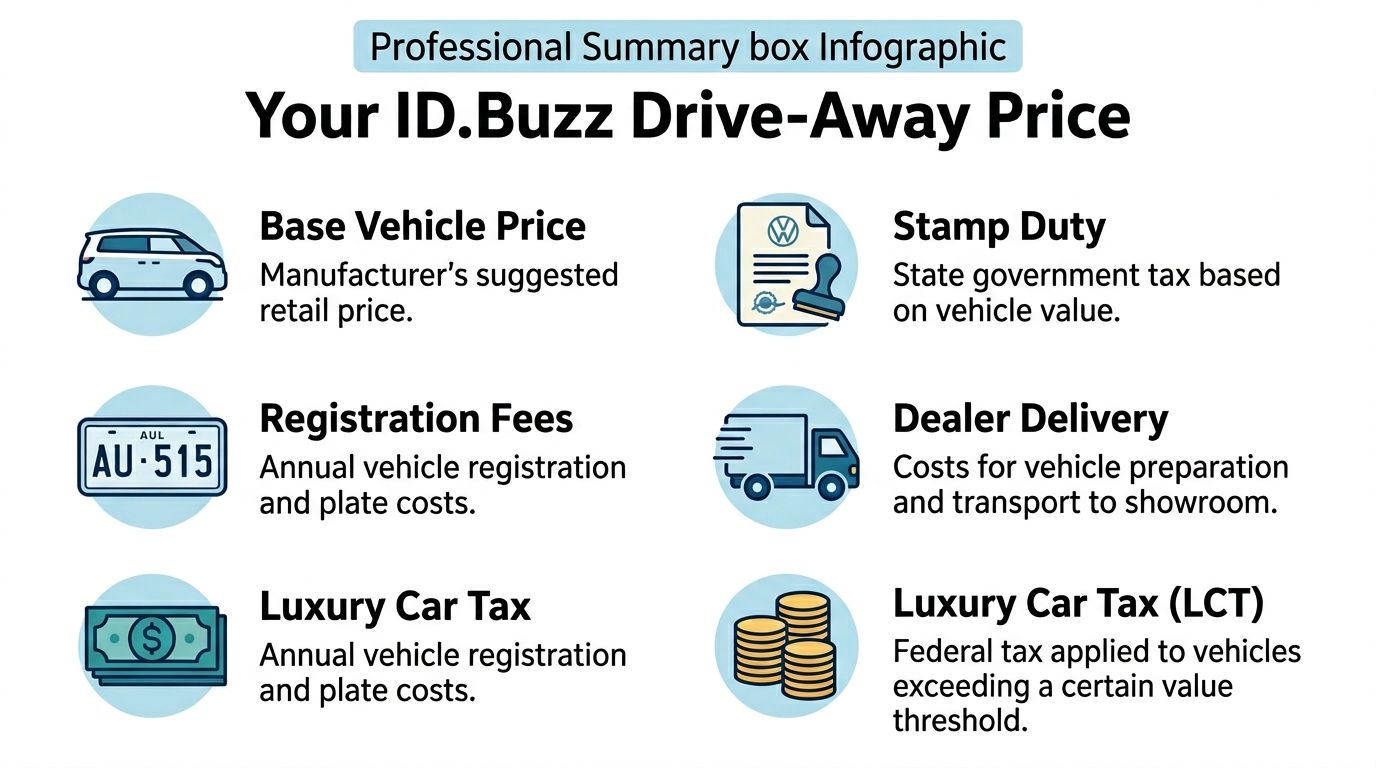
An infographic detailing the components of the drive-away price for a Volkswagen ID. Buzz vehicle in Australia.

What gets added on top

Your drive-away cost usually includes several layers beyond the advertised RRP:

  • Stamp duty based on your state or territory rules.
  • Registration for getting the vehicle legally on the road.
  • CTP insurance where it applies as part of registration arrangements.
  • Dealer delivery for preparing and supplying the vehicle.
  • Options and accessories such as the two-tone paint many buyers will want for that classic VW look.

Why two buyers can pay different final prices

The Australian market gets a bit more nuanced. National offers can make pricing look neat and uniform, but local conditions still matter. A buyer in a metro area may get a different final package from someone in a regional centre, even when the headline campaign looks identical.

Carexpert’s report on the later price cuts notes that national drive-away offers can obscure regional differences, and that dealer flexibility remains a key variable worth exploring.

That means it’s smart to ask specific questions, not just broad ones.

The questions worth asking the dealer

Before you sign anything, ask for a written breakdown that separates each cost. That keeps the conversation clear and stops the final figure feeling mysterious.

  • Ask for itemisation so you can see the base vehicle price apart from on-road costs.
  • Ask about local stock because a ready-to-deliver vehicle may differ from a factory order in colour and option mix.
  • Ask how options affect tax position if you’re near any threshold-sensitive pricing.
  • Ask whether the offer is drive-away in your postcode rather than assuming the national ad tells the full story.

Practical rule: Don’t compare one Buzz with another using only the advertised headline. Compare the signed drive-away figure, the options fitted, and your location.

For enthusiasts, the most dangerous extra is usually cosmetic. That gorgeous two-tone paint taps straight into decades of Kombi nostalgia, and resisting it won’t be easy.

How Government Incentives Can Lower Your Cost

At a VW meet in Brisbane last summer, one bloke spent half an hour admiring the two-tone ID.Buzz and another half doing novated-lease maths on his phone. That is the true Australian Buzz conversation. Heart first, spreadsheet second.

For buyers who can salary package through work, the volkswagen id buzz australia price can look very different from the figure on the windscreen. Volkswagen’s local pricing has put key Pro variants in reach of the current Fringe Benefits Tax exemption for eligible EVs under the fuel-efficient Luxury Car Tax threshold, which can change the ownership equation in a meaningful way.

The tax break enthusiasts keep talking about

The basic idea is simple. If your chosen ID.Buzz qualifies for the EV FBT exemption through a novated lease, part of the cost is treated more favourably for tax purposes than a typical petrol family mover.

That matters because the Buzz is not an impulse buy. It is the kind of vehicle people justify the way they justify a beautifully restored split-window Kombi or a shelf full of rare diecast buses. The dollars have to feel right, not just the design.

As noted earlier, the Pro models were priced with that threshold in mind. Stay within the eligible limits and the tax treatment can be far kinder than many first-time buyers expect. Load up too many options and the sums can shift quickly.

Where buyers can get caught

The trap is usually not the model itself. It is the extras.

Metallic paint, a panoramic roof, or a few tempting comfort options can push the price higher and affect eligibility, depending on how your lease is structured and what counts toward the threshold at the time you order. A dealer can tell you the list price. Your salary packaging provider should confirm how the packaged vehicle is assessed before you sign.

That is the moment to slow down and check the build sheet line by line.

Who gets the biggest benefit

A few buyers should pay especially close attention:

  • Employees with access to novated leasing through their workplace
  • Families cross-shopping the Buzz against petrol people movers
  • Long-time VW fans who want the nostalgia hit, but still need the monthly numbers to feel sensible

Collectors tend to understand this instinct better than anyone. You might happily pay more for the perfect old-school Kombi model in the right colourway, but you still want to know whether the premium is justified. The same mindset applies here. If the modern electric bus gets the tax treatment you want, the jump from dream garage to driveway can feel far less intimidating.

And if the new electric era has you looking at the wider VW story, the Volkswagen ID.4 and the brand’s broader EV direction also help explain why so many enthusiasts are treating the ID.Buzz as both a practical buy and the next chapter in a collection.

If your chosen Buzz sits close to the threshold, the option list deserves as much attention as the badge on the tailgate.

That may sound dry beside all the retro charm, but it is part of the fun for VW tragics. We have always balanced emotion with detail, whether we are hunting an original Samba, comparing hubcaps at a swap meet, or figuring out how to bring the electric Kombi home without overspending.

Estimating Your Running and Charging Costs

A mate from our local VW club took his new-school Buzz out for a Sunday coffee run a few weeks after years of driving an old air-cooled bus. The funny part was not the silence. It was the habit. He still glanced toward the servo on the corner before remembering he would top up at home that night instead.

That small change says a lot about ID.Buzz ownership in Australia. The spending does not vanish. It shifts into a pattern that feels calmer, easier to budget for, and a bit more like charging your phone than feeding a thirsty people mover.

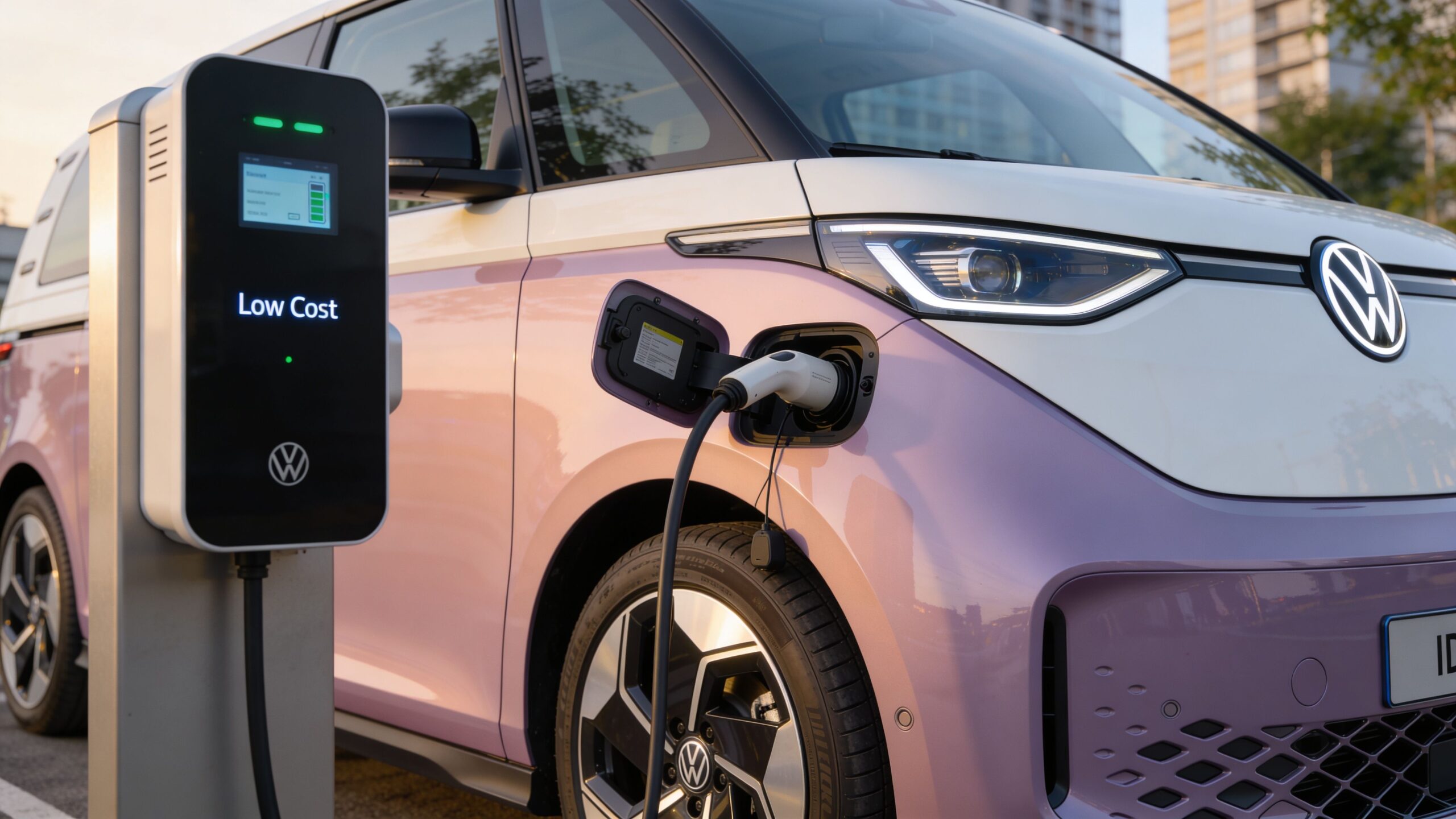
A two-tone pink and white Volkswagen ID. Buzz electric van charging at a public EV charging station.

A cost you can pin down early

One ownership figure is refreshingly clear. Chasing Cars’ ID. Buzz review notes that Volkswagen offers a capped-price servicing plan of $1,450 for six years or 90,000km.

For buyers used to older Volkswagens, that predictability feels almost strange. Anyone who has chased a mystery rattle through a classic Kombi or hunted parts before a club run will appreciate having at least one line of the ownership budget mapped out from day one.

Where the real difference shows up

Charging costs depend on how you live with the van.

A Buzz that sleeps in a garage with home charging access will usually feel cheaper and more convenient to run than one relying heavily on public chargers. Add rooftop solar to the mix and the equation gets even more appealing for families who can charge during the day or overnight on favourable electricity rates.

Public charging still matters, especially for weekends away, school holiday runs, and those long coastal drives where a Kombi has always felt most at home. As noted earlier in the article, the ID.Buzz supports fast DC charging, so road-trip stops can be practical rather than painful.

The ownership costs that deserve a proper look

The monthly picture usually comes down to a handful of variables:

  • Home charging setup, especially if you need equipment installed
  • Electricity tariff, including off-peak rates or solar use
  • Public charging habits on longer trips
  • Insurance premiums, which can vary sharply by suburb and driver profile
  • Tyres and general wear items, because the Buzz is still a sizeable family vehicle
  • Battery health over the long term, which matters more if you plan to keep it for many years

Collectors will recognise the mindset. Buying the model is only part of the story. Ultimately, the question is what ownership feels like over time, whether that is preserving a classic Type 2 or deciding if the modern electric bus suits your routine.

Here’s a walkaround video that helps bring the practical EV van experience to life:

If you enjoy seeing how Volkswagen carries the same design spirit across its electric range, the Volkswagen ID.4 overview and wider EV direction adds useful context.

The smartest way to judge ID.Buzz running costs is to compare your own habits. Daily kilometres, charging access, and trip patterns matter far more than a generic estimate.

More Than a Van It Is an Inspiration for Collectors

The most charming thing about the ID.Buzz might be what it does after you’ve parked it. It sends your mind wandering back through the whole Volkswagen story.

One minute you’re looking at a modern electric van in two-tone paint. The next you’re remembering a split-window bus from a club display, a faded beach photo from childhood, or a little diecast Beetle that sat on your desk for years. That’s the deeper appeal. The Buzz doesn’t erase the classics. It makes you appreciate them more.

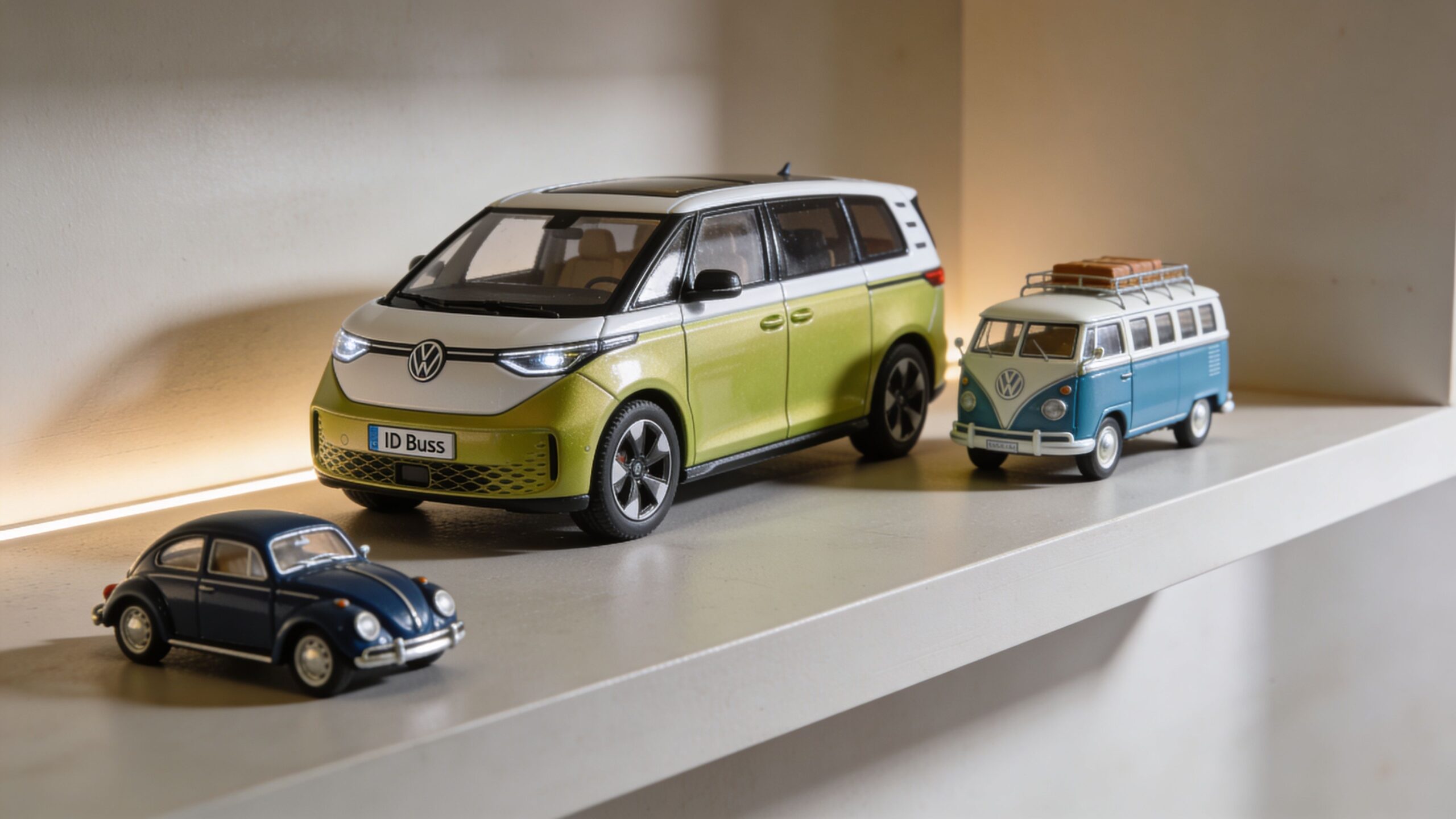
A display shelf featuring miniature Volkswagen toy cars, including a modern ID. Buzz and a classic microbus.

Why the new Buzz sparks old memories

Collectors are wired to notice continuity. The shape of the roofline, the cheerful face, the colour combinations, the way one generation nods to another. The ID.Buzz is full of those details.

That’s why so many enthusiasts respond to it with both curiosity and affection. Even if they’re not buying this particular model tomorrow, they start revisiting the classics in their own way.

A shelf that once held only a Beetle model suddenly feels like it needs a Kombi beside it. A collection focused on older buses now seems incomplete without something that hints at the electric future.

The collector’s version of ownership

For plenty of VW fans, collecting is how the passion becomes tangible. You might not have room for another full-size project vehicle. You might not be ready to order a new van. But you can still build a story in miniature.

That’s where the ID.Buzz has an oddly powerful role. It acts like a bridge piece.

  • For Kombi lovers, it refreshes interest in classic Samba Bus styling.
  • For Beetle fans, it reminds you how Volkswagen has always balanced friendliness with function.
  • For gift buyers, it makes VW memorabilia feel current again, not just nostalgic.

A good collection doesn’t freeze the past. It shows the line from then to now.

Why heritage still matters when the drivetrain changes

Some enthusiasts hesitate around EVs because the sound, feel, and rituals are different. That’s understandable. Yet heritage was never only about engines. It was about design, community, utility, and personality.

The ID.Buzz still carries those things. It still invites conversation at shows. It still makes people smile. It still connects generations of owners who might otherwise have little in common except a shared affection for the VW shape.

And that, for a collector, is gold. Not monetary gold. Storytelling gold.

Your Top Questions About Buying an ID.Buzz

There are always a few practical questions that come up after the first wave of excitement. Here are the ones most VW fans tend to ask.

Is the Australian price the same everywhere

Not always. National drive-away campaigns can make it look that way, but local dealer flexibility and regional conditions can still affect the final figure. It’s worth checking the full written quote for your postcode and dealer.

Which model feels most like the spiritual successor to a classic Kombi

That’s subjective, but many enthusiasts are drawn to the passenger Pro models because they lean hardest into the people-moving, lifestyle-friendly character that made the original bus so beloved. The Cargo has charm too, especially if you love the practical side of VW vans.

Are the options worth it

They can be, especially if the appearance matters to you. The two-tone paint is the obvious emotional choice because it taps directly into old-school Kombi flavour. Just be careful if you’re structuring the purchase around tax-sensitive pricing.

Is the real cost more than the advertised RRP

Yes. The advertised RRP is only the starting point. On-road costs, dealer delivery, registration, insurance, and any options all shape the final figure.

Does it make sense if I’m comparing it with a petrol people mover

It can, but the answer depends on how you’ll buy it and how you’ll use it. Buyers using novated leasing may see a very different ownership picture from someone paying outright. Running costs also depend on whether you mostly charge at home or rely on public charging.

Should enthusiasts wait for more deals

Some buyers will. The Australian market has already seen meaningful price adjustments, so plenty of careful shoppers will keep a close eye on timing and dealer stock. If you’re not in a hurry, patience can be part of the strategy.

Start Your Volkswagen Journey Today

The volkswagen id buzz australia price tells an interesting story. On paper, it’s a premium modern EV van. In practice, it’s also a heritage piece, a family mover, a business tool, and for many of us, the first new Volkswagen in a long time that tugs at old Kombi heartstrings.

The smart way to read the price is to look beyond the headline. The revised RRPs changed the conversation. Drive-away costs still matter. Incentives can make a major difference for the right buyer. Running costs deserve proper thought, not guesswork. And if you care about VW history, some of the value sits in that hard-to-measure sense of continuity between the original bus and this electric reboot.

That’s why the ID.Buzz has captured so much attention in Australian VW circles. It isn’t just selling transport. It’s reviving a feeling.

If you love the broader VW lifestyle, this kind of modern-versus-classic conversation sits beautifully alongside the old road-trip spirit captured in van life stories from around Australia. The inherent joy of the badge has always been bigger than one vehicle.

Whether you’re pricing a full-size ID.Buzz or enjoying what it represents, you’re part of a long, colourful Volkswagen tradition that still has plenty of road ahead.


If the new Buzz has you daydreaming about Kombis, Beetles, and everything in between, have a look at Volkswagen Memorabilia. It’s a lovely place to find officially licensed VW-themed gifts, diecast models, and collectible pieces that let you enjoy the Volkswagen story at home, on your shelf, or as a gift for another fan.

The Volkswagen Travel Van: An Aussie Icon on Wheels

G'day, mate! Is there anything more iconic than a classic Volkswagen travel van cruising along the Aussie coast? For so many of us, it’s more than just a vehicle—it’s a rolling piece of our history, a symbol of freedom, and the heart of a thousand sun-bleached memories. From the original Split-Screen Kombi to the modern vans still hitting the road, these legends have a special spot in Australia's heart, forever tied to our laid-back lifestyle.

A True Aussie Legend

Say "Volkswagen travel van" and you can almost smell the salt in the air, can't ya? You’re picturing a sun-drenched beach, a couple of longboards propped up against a classic Kombi, and nothing but the open road ahead. It’s an image that's as Aussie as a sausage sizzle. This van isn't just a hunk of metal; it’s a feeling, a memory, and a dream all rolled into one beautifully simple package.

For yonks, these vans were the trusty sidekicks for surfers, families, and adventurers making their way up and down our incredible coastlines. They were simple, practical, and just perfect for chasing the next wave or finding that secret campsite. They helped create the stories our parents and grandparents still yarn about today.

From Wolfsburg to Our Shores

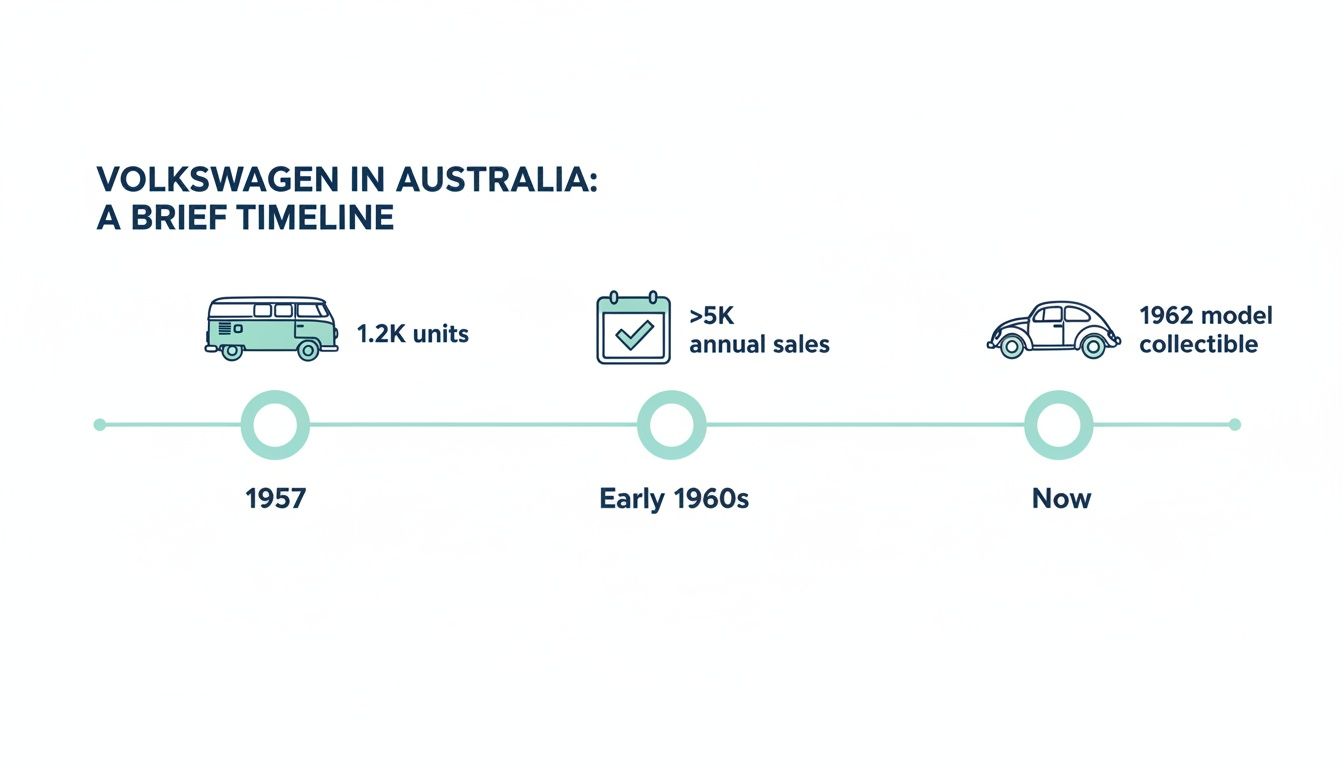
Our national love affair with the Kombi kicked off when the Volkswagen Type 2 Transporter first landed on our shores in the mid-1950s. By 1957, we'd already brought over 1,200 of them. Fast forward to the early 1960s, and we were buying more than 5,000 every single year! That’s a massive 300% increase in just a few short years, proving just how much we Aussies fell for its rugged charm. You can get the full story on the Kombi's early days and see its global journey.

This rich history is exactly why we're all so passionate about collecting them now. Getting your hands on a piece of this legacy, whether it’s a fully restored van parked in the shed or a detailed Kombi Samba Bus diecast model on the shelf, is about connecting with that original spirit of adventure.

It’s about holding onto a design that screams freedom, simplicity, and the pure fun of the trip itself. Every curve on a classic VW tells a story of endless bitumen and sun-bleached summers.

So whether you’re tinkering with a '62 Splitty in the garage, lining up your colourful Volkswagen Beetle models on a shelf, or just daydreaming of your next coastal getaway, the Volkswagen travel van is an icon that’s here to stay. It’s a legacy of freedom we’re proud to be a part of.

The Classic Kombi Generations

There's a reason your head turns when a classic Kombi rumbles past. It’s not just a van; it’s a rolling piece of history, and for us Aussies, it's the symbol of the ultimate road trip. Let's have a chinwag about the two models that started it all.

First up is the legendary Type 2 (T1), which everyone knows and loves as the ‘Splitty’. Built from 1950 to 1967, this is the original. You can spot one a mile off thanks to its iconic split front windscreen and big, friendly VW badge. The design was brilliantly simple, with a small, air-cooled engine chugging away in the back.

This was the van that defined the Aussie surfari. Mates would chuck their boards on the roof, pile in, and chase the swell up the coast. Because they were so mechanically basic, you could practically fix them with a shifter and some good old-fashioned ingenuity, making them the perfect companion for an off-the-grid adventure. That raw, no-fuss freedom is exactly why an original Splitty is such a prized collector's item today.

This timeline shows just how fast the VW travel van went from a curious import to a true-blue Aussie icon.

A timeline depicting Volkswagen's history in Australia, showing units sold in 1957, annual sales in the early 1960s, and a 1962 collectible model now.

You can see how quickly the Kombi became part of the scenery, cementing its place in our beach and road-trip culture in just a few short years.

The Bay Window Takes Over

As the flower-power sixties rolled into the seventies, the Kombi got an update. The Type 2 (T2), or ‘Bay Window’, arrived in 1968 and quickly became the go-to family camper. The biggest change was ditching the split windscreen for a single, large, curved one—the ‘bay window’—giving you a brilliant, wide-open view of the road.

The Bay Window was a bit more grown-up. It rode smoother and had a few more creature comforts, which made it the perfect base for camper conversions. This is when the pop-top really took off in Australia. Local companies got to work turning these vans into little homes on wheels, fitting them out with fold-down beds, kitchenettes, and those famous pop-top roofs for extra headroom.

The 1970s Bay Window VW Kombi became the signature vehicle of our relaxed, coastal way of life. At their peak in 1972, a whopping 12,346 units were imported in that year alone.

By 1975, over 50,000 had been sold in Australia, and it’s estimated that a massive 40% of them were converted into campers by local businesses. These days, an original in good nick can be worth around AUD 65,000, and a great custom paint job can add even more to its value.

Whether you’re a fan of the pioneering Splitty or the classic family Bay, these two vans are true blue Aussie legends. If you want to get into the nitty-gritty of the different models, check out our detailed guide to the Volkswagen Type 2 Kombi.

The Modern Adventurer: T4, T5 and T6 Vans

The adventure didn't stop with the Bay Window, of course. It just got a whole lot more comfortable. While the classic air-cooled engines have a special place in all our hearts, the Volkswagen travel van kept evolving, shifting to front-engine, water-cooled generations that ushered in a new era for Aussie explorers.

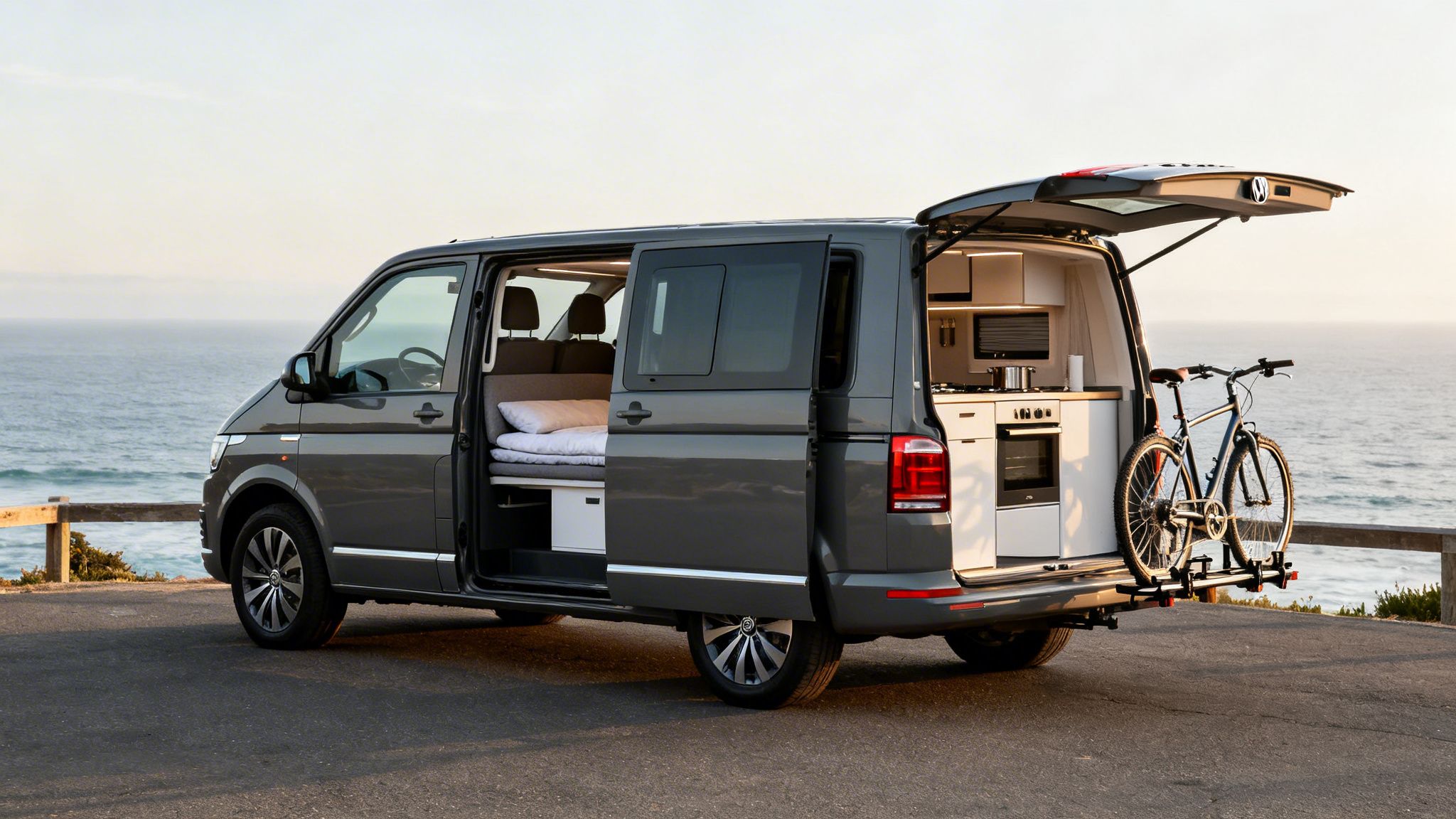
Dark grey Volkswagen travel van with open doors, bed, kitchen, and bike, by the ocean.

It all kicked off with the T4 Transporter back in the '90s. This was the van that really changed the game, bringing a level of reliability and safety that the older models, charming as they were, just couldn't match.

The "van life" spirit was still there, but now it was wrapped in a package you could easily drive every day. The days of tinkering on the side of the road started to fade; these modern vans were built for long, hassle-free journeys up the coast.

The Rise of the T5 and T6

For today's Aussie adventurers, the true modern heroes are the T5 and T6 Transporter models. You’ll see them everywhere, from the popular Multivan to the factory-kitted California camper.

They perfectly blend everyday practicality with weekend freedom. Think of it as the ultimate two-for-one vehicle: a sensible people-mover during the week that transforms into a fully-fledged home-on-wheels come Friday arvo.

What makes these modern vans so special is that they honour the VW legacy. They still represent that same feeling of freedom and escape, but now with the added perks of modern tech, better fuel efficiency, and creature comforts like air con.

The VW Transporter T5 and T6 have completely re-energised Australia's camper market. For instance, the T6 Multivan recently snapped up 28% of the premium van segment with 4,872 sales.

Since 2010, over 35,000 T5/T6 models have hit our roads, and an impressive 62% of those now feature pop-top conversions from local Aussie outfitters. And with the T6's turbo diesel engine averaging just 7.5L/100km, those long coastal road trips are more affordable than ever. You can dive deeper into the evolution of these commercial vehicles and their history on the VW Group site.

A Modern Take on a Classic Vibe

These newer models are proof that the soul of the Volkswagen travel van is alive and well. Families can now experience the same joy of a coastal road trip their parents did, but in a van that’s safer, more reliable, and packed with all the mod-cons.

It’s the perfect middle ground for anyone who wants that nostalgic nod to the past without giving up the conveniences of today. This enduring appeal is exactly why our range of Volkswagen diecast models for sale now proudly features these newer generations right alongside the timeless classics.

A Guide to Collecting VW Diecast Models

You don't need a massive garage to own a whole fleet of classic VWs. For so many of us, the thrill of collecting diecast models is just as rewarding as owning the real thing! It’s a brilliant way to celebrate the long history of the Volkswagen travel van, letting you hold a piece of that iconic design right in the palm of your hand.

Building a collection is all about passion. It’s that feeling you get when you spot a perfect replica of a van you once owned, or finally track down a miniature of the one you’ve always dreamed of. Whether you’re just kicking things off or you’re a seasoned collector, the world of VW memorabilia is absolutely packed with fantastic finds.

Choosing Your Scale

One of the first things you’ll realise is that diecast models come in different "scales". This simply refers to how big the model is compared to the actual vehicle. Each scale offers something a little different, and the right one for you really comes down to what you value most—incredible detail, a wide variety, or simply the fun of collecting.

A quick comparison to help you choose the right diecast model scale for your collection, whether you're after detail, variety, or display flexibility.

Choosing Your VW Diecast Travel Van Scale

Scale Typical Size (approx.) Best For Our Recommendation
1:18 24 – 26 cm Incredible detail; standalone display pieces. Think opening doors, bonnets, and intricate interiors. Perfect if you want one or two stunning models to be a real centrepiece.
1:24 17 – 19 cm The "sweet spot" with great detail but a more manageable size and price for a growing collection. Our top pick for most collectors. It feels substantial and looks brilliant on a shelf.
1:43 10 – 12 cm Building a diverse collection of different models and years without needing huge amounts of space. Great for creating a visual timeline of the VW van's evolution on a single shelf.
1:64 7 – 8 cm Maximum variety and affordability. These are the classic "matchbox" size cars many of us grew up with. Ideal for collectors who want to own dozens of different colours and styles.

While the big 1:18 scale models are absolute showstoppers, we find they can be a bit tricky to display if you plan on having more than a few. On the other hand, the smaller 1:43 and 1:64 models are fantastic for amassing a huge variety of vans.

For many collectors, the 1:24 scale just hits the sweet spot. It provides that satisfying, weighty feel and visible detail you want, while still being practical enough to collect multiple models. It's the perfect scale to appreciate the beautiful lines of a 1962 Kombi Samba Bus diecast.

What to Look for in a Quality Model

When you’re ready to add a new diecast Kombi to your family, you want to be sure you’re getting a quality piece. Our best advice? Always look for officially licensed products. This is your guarantee that the model is an accurate, faithful reproduction that’s been given the tick of approval by Volkswagen itself.

Pay attention to the little things that bring a model to life: the quality of the paint job, the crispness of the decals, and the accuracy of the tiny features like mirrors and bumpers. A top-notch model will capture the unique personality of the Volkswagen travel van, making it a true collector’s item you’ll be proud to own.

If you’re keen to dive deeper into the nuts and bolts of it all, you can learn more about diecast models in our detailed guide. Being based right here in Australia, we make sure you get genuine, locally stocked models with fast shipping, so you can start enjoying your new collectible sooner.

Bringing The VW Vibe Into Your Home Decor

Your passion for the Volkswagen travel van doesn’t have to stay parked in the garage. It’s easy to bring that classic, adventurous feeling right into your home, blending the van's iconic style with a relaxed coastal aesthetic that feels like a permanent holiday.

Sunlit shelf featuring blue and white pillows, a toy VW van, and natural woven baskets.

This isn’t about creating a museum. It's about adding tasteful touches that bring you joy. When you pair your favourite VW memorabilia collectibles with natural textures and a sun-faded colour palette, you create a look that's both nostalgic and stylish. It’s where a love for classic vehicles meets that laid-back Aussie home design we all love.

Styling With Diecast Models

Your diecast collection is more than just a hobby—it's a goldmine of unique decor pieces. These little works of art are perfect for setting up charming scenes that tell a story. Don't hide them away; let them be part of the view.

  • Make It a Focal Point: A single, highly detailed 1962 Kombi Samba Bus diecast model looks fantastic on a floating shelf or sitting on your desk. Its unique shape and retro charm are a natural conversation starter.
  • A Pop of Colour: Try lining up a few colourful Volkswagen Beetle models along a mantelpiece or a wide windowsill. Mixing and matching different colours creates a vibrant, eye-catching display.
  • Bookshelf Stories: Tuck a classic Volkswagen travel van model in amongst your books. A surf-themed Kombi placed next to a stack of novels and a small pot plant creates a cool little scene that feels personal and thoughtfully arranged.

Treat each diecast model like it's a small sculpture. A well-made Volkswagen diecast has a presence all its own, adding a splash of colour and a bit of history to any corner of a room.

Creating a Coastal VW Atmosphere

To really nail that sun-drenched, beach holiday vibe, you need to think about the other decor elements that will sit alongside your VW pieces. The aim is a relaxed, cohesive style that feels effortless.

Think about textures and colours that remind you of the coast. Natural materials like light-coloured wood, rattan, and linen are perfect. Pair them with a colour scheme of sandy whites, ocean blues, and soft seafoam greens. This creates a calm, beautiful backdrop for your VW memorabilia to stand out.

You can also bring in other themed items, like retro wall art featuring old VW ads or surf posters to tie it all together. For some great ideas, check out our range of vintage home accessories that go perfectly with VW decor.

By combining your passion for the Volkswagen van with some simple styling, your home can become a personal retreat that celebrates freedom, adventure, and timeless design.

Your Volkswagen Travel Van Questions Answered

Still got a few questions about the classic VW bus? Good on ya. Here are some of the common ones we get from fellow collectors and enthusiasts.

What Is The Difference Between A Kombi A Samba And A Transporter

It's a common question, mate! They're all part of the Volkswagen Type 2 family, but here’s the breakdown.

‘Transporter’ is the official model name for the entire series. Think of it as the family name.

‘Kombi’ is the classic Aussie nickname we all use. It generally refers to the passenger or cargo versions of the Transporter.

The ‘Samba’, or Deluxe Microbus, is the top-of-the-line model. You'll know it by all the extra windows in the roof – either 21 or 23 of them – plus a massive fabric sunroof. It's the one most prized by collectors for a good reason!

What Makes The 1962 Volkswagen Travel Van So Special

The 1962 model is the absolute heart of the classic ‘Splitty’ era. It has that iconic V-shaped front end and the split windscreen that defined the look of Aussie surf culture.

For us collectors, the 1962 Kombi Samba Bus diecast models are a must-have. They capture that free-wheeling spirit perfectly in a detailed replica, making them a true cornerstone for any collection.

How Do I Care For My Diecast VW Models

Keeping your models looking brand new is simple if you follow a few tips.

  • Display them in a closed cabinet to keep the dust off and away from direct sunlight, which can fade the paint colour over time.
  • Use a soft makeup brush or a can of compressed air for light dusting.
  • Avoid water or any chemical cleaners. They’ll damage the paint finish and delicate decals.
  • Always handle them with care, especially around small parts like wing mirrors and windscreen wipers.

At VW Memorabilia, we’re just as passionate about this stuff as you are. As a local Aussie importer, we bring you the best, officially licensed collectibles with fast, local shipping on all our genuine diecast Kombi and Beetle models. Start or grow your collection today by exploring our handpicked range. C'mon, have a stickybeak at the shop: https://vwmemorabilia.com.au/shop/.