

You’re probably here because a simple job turned into a proper VW scavenger hunt.
Maybe it started with a Beetle door handle that didn’t quite line up. Maybe your Kombi needs a seal, a badge, a trim clip, or that one maddening little bracket everyone swears is “easy to get”. Then three tabs become thirty, one seller says the part fits everything from a Bug to a Bus, another says “check number first”, and suddenly you’re wondering whether sourcing vw parts australia is meant to feel like archaeology.
It can feel that way. But after enough swap meets, shed clear-outs, late-night catalogue sessions, and hard lessons with left-hand-drive parts that should never have come near an Australian car, you realise there’s a pattern to it. Once you understand the families of parts, how VW numbers its components, where Australians find good stock, and when importing makes sense, the whole thing becomes less of a headache and more of a rewarding puzzle.
That’s the charm of old Volkswagens. Every part has a story. Every correct piece brings the car closer to itself again.
Decoding the VW Parts Universe OEM Aftermarket and NOS
The first confusion usually hits before you’ve even bought anything. A seller says it’s genuine. Another says OEM. Another says aftermarket but “just as good”. Then someone at a club meet starts talking about NOS like they’ve found pirate gold.
They’re talking about three different families of parts, and knowing the difference saves money, time, and arguments in the shed.
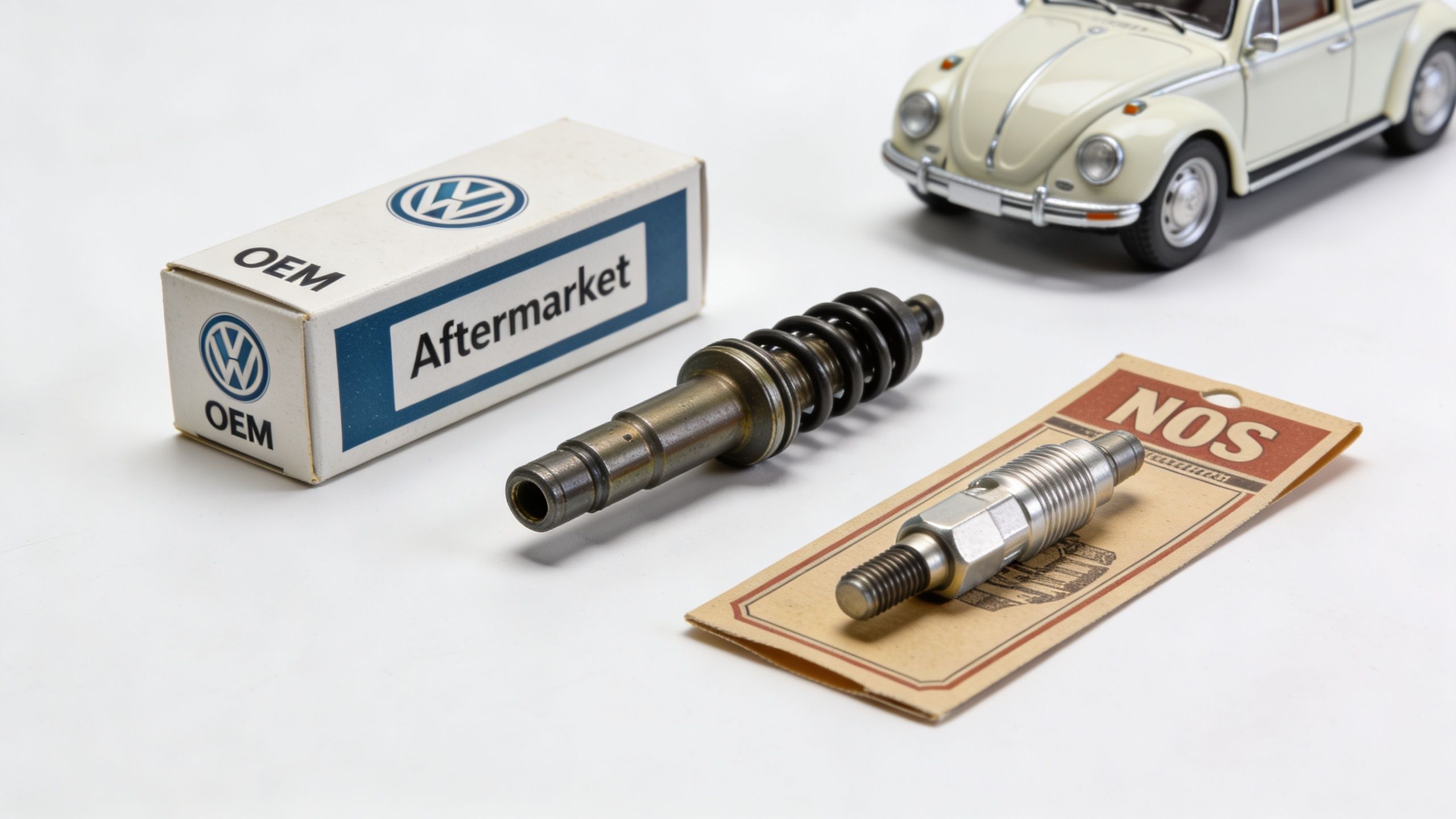
Genuine parts feel like factory fresh
Genuine Volkswagen Parts are the closest thing to buying the part as Volkswagen intended for the car. In Australia, genuine parts sourced through official channels come with a 2-year unlimited kilometre warranty, which gives plenty of owners peace of mind when the job is too important to gamble on, especially for braking, suspension, sealing, or engine service items, as noted on Volkswagen Australia’s genuine parts information.
That doesn’t mean every project needs genuine everything. But when fitment matters, genuine parts usually remove the guesswork. You’re paying for consistency, correct engineering, and less mucking around with “close enough”.
Aftermarket parts can be the smart buy
Aftermarket parts are made outside Volkswagen’s official supply chain. That sounds risky to newcomers, but it doesn’t automatically mean poor quality. Some aftermarket options are sensible buys, especially for consumables, maintenance parts, or components where a trusted alternative is easier to source than genuine stock.
The trick is to separate the reputable option from the bargain-bin disappointment. In Australia, it’s wise to check whether imported aftermarket parts comply with Australian Design Rules, especially for safety-related items. If they don’t, you can end up with roadworthiness issues, insurance trouble, or a part that doesn’t belong on the car.
This can be understood as follows:
| Part type | Best for | Watch out for |
|---|---|---|
| Genuine | Correct fit, important systems, peace of mind | Higher price, occasional wait times |
| Aftermarket | Budget-conscious maintenance, broader availability | Inconsistent quality, possible compliance issues |
| NOS | Authentic restorations, period-correct details | Shelf age, condition, rarity pricing |
NOS is the time capsule find
New Old Stock, or NOS, is the stuff that gets old VW people grinning. It’s an original part made in the period, never used, often left sitting on a shelf for years. Sometimes decades. If you’re restoring a car and want proper period details, NOS can be magic.
It can also be a trap if you buy with your heart instead of your eyes.
Rubber hardens. Packaging lies. “New” doesn’t always mean “ready to fit”. An NOS seal or bush might be historically correct and still be the wrong choice for a car that’s driven.
Practical rule: Use genuine or quality aftermarket for function. Use NOS where originality matters and the material condition still makes sense.
A lot of owners end up mixing all three. Genuine for the critical bits, aftermarket for practical maintenance, NOS for those little finishing touches that make the car feel right. That’s often the sweet spot.
If your project centres on a Beetle or early Bug platform, it helps to browse a category built around the model itself, not just generic listings. A focused starting point like VW Type 1 parts can help you think in model families before you think in part listings.
What usually confuses people first
Most mistakes happen because buyers chase the lowest price before they’ve decided the goal of the build.
Ask yourself these questions first:
- Is this a driver or a show car? A daily-driven Beetle needs dependable function before concours perfection.
- Is authenticity part of the value? For a period-correct Kombi restoration, the right trim, handles, and finishes matter more.
- Will the part affect safety or legality? Brakes, steering, seatbelt hardware, and suspension deserve extra caution.
- Do you need it now or can you wait? Some parts are easy to source locally in aftermarket form, while genuine or NOS can take patience.
That one decision changes the whole search. Once you know which family of part you’re chasing, the next step is finding the exact number that belongs to your car.
Your VWs Fingerprint Finding the Right Part Number
Ask any long-time VW owner what separates a smooth parts order from a miserable one and you’ll hear the same answer. Part number first.
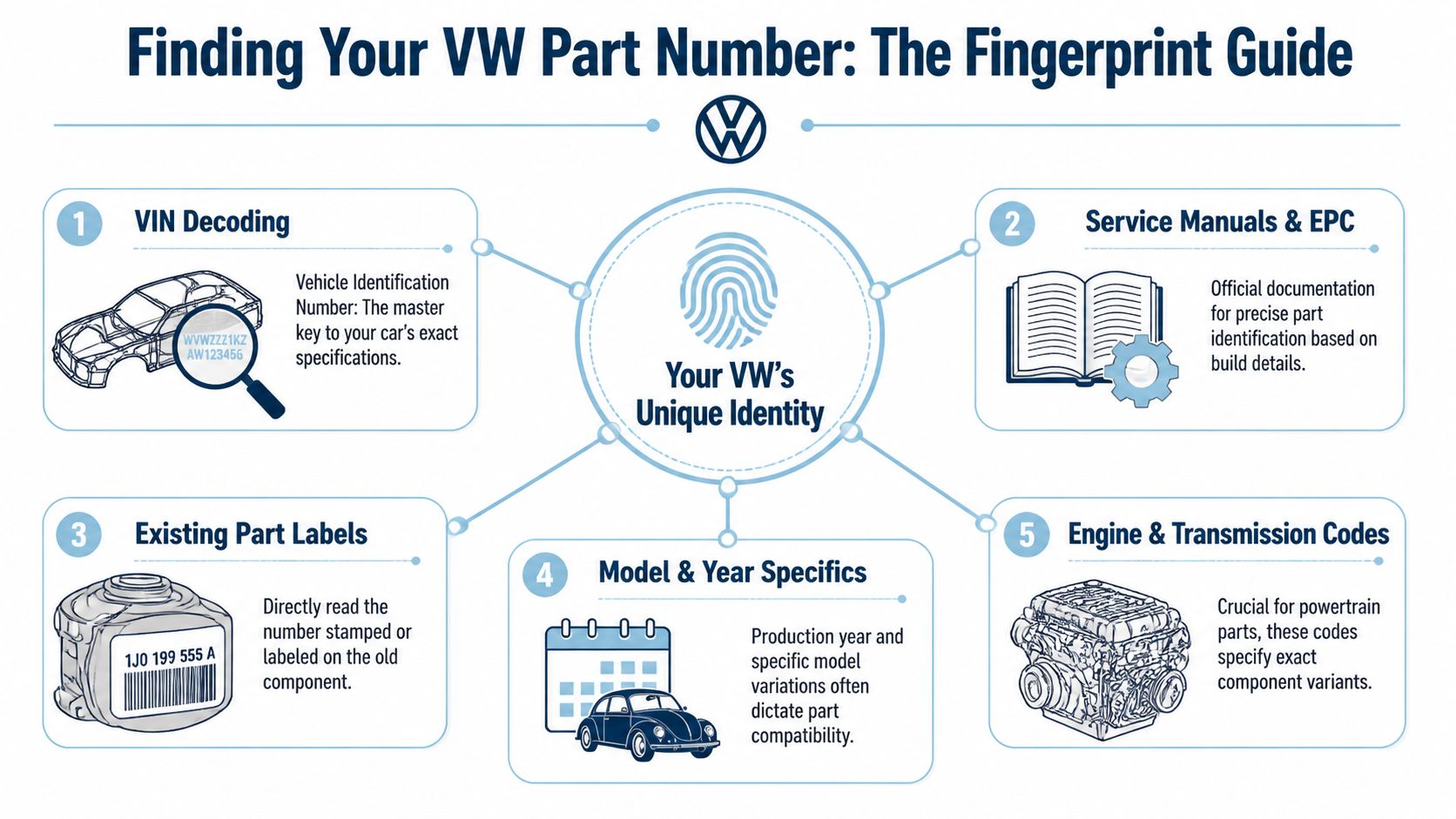
Volkswagen’s numbering system looks cryptic at first glance, but it’s not random. It’s your car’s fingerprint. Once you can read it, you stop guessing and start ordering with confidence.
How the nine-digit code works
According to Club VW’s guide to Volkswagen part numbers, the Volkswagen part numbering system uses a nine-digit code, sometimes followed by a modification letter. The key point for Australian buyers is right at the front of the number. Digits 1 to 3 denote the model, and odd numbers indicate left-hand drive while even numbers indicate right-hand drive.
That matters here because Australian cars are right-hand drive. Get that wrong and you can end up with parts that physically bolt on badly, interfere with mounting points, or are unsuitable for local vehicle layout.
In Australia, left-hand-drive and right-hand-drive confusion isn’t a minor catalogue error. It can lead to steering, mounting, and compliance headaches.
Club VW also explains the rest of the code in useful chunks:
- Digits 1 to 3 identify the model or unit code
- Digit 4 shows the main group
- Digits 5 and 6 narrow it to a subgroup
- Digits 7 to 9 identify the specific part
- A final letter can show a revision or modification
Once you know that, the code starts to read less like gibberish and more like a map reference.
Five ways to find the right number
Most owners don’t need to decode everything from scratch. They need a repeatable method.
Start with the old part
If the original component is still on the car, clean it carefully and look for stamped or cast numbers. This is often the quickest lead, especially on metal components.Check the VIN and build details
Build year, model variation, and mechanical specification can all change fitment. Beetles and Kombis may look similar across nearby years, but one small production change can shift the correct part.Use ETKA or an equivalent catalogue
ETKA is the proper parts catalogue many VW enthusiasts rely on to cross-reference numbers. It helps confirm supersessions and model-specific changes.Match engine and gearbox codes
For powertrain parts, broad model description isn’t enough. Engine and transmission codes often decide whether the part fits.Confirm against Australian specification
If the seller is overseas, ask them to confirm the number rather than just the model name. “Fits Beetle” is not the same as “fits your Australian right-hand-drive Beetle”.
The easiest mistake to make
Newcomers often search by model name alone. That’s how you end up with a part that fits a Beetle in a general sense, but not your Beetle.
A practical example is a handle, mirror mount, dash fitting, or steering-related piece. It may look identical in photos, yet differ because of side orientation or right-hand-drive layout. That’s why catalogues and old club references still matter.
If you’re chasing bug-specific items, it helps to keep your browsing narrow and model-led. A collection like Volkswagen Beetle parts is useful because it keeps your attention on Beetle-compatible categories while you verify the exact part number elsewhere.
A simple order of operations
When I’m helping someone at a show who’s overwhelmed, I tell them to do it in this order:
| Step | What to do | Why it matters |
|---|---|---|
| First | Identify the exact model and year | Similar cars can use different parts |
| Second | Photograph the old part and any markings | Saves memory-based mistakes |
| Third | Check catalogue references | Confirms supersessions and variations |
| Fourth | Verify RHD compatibility | Critical for Australian cars |
| Fifth | Ask the seller to repeat the number in writing | Creates a clear record before purchase |
“If the seller can’t give you a part number, they’re asking you to buy hope.”
That sounds blunt, but it’s true. Hope doesn’t fit a Kombi. Numbers do.
Sourcing Your Parts Locally The Great Aussie VW Hunt
Finding parts in Australia has always been half logistics, half community. One day it’s a specialist who knows every seal profile by eye. The next it’s a retired club member pulling a dusty box from a shelf and saying, “I knew I kept that for a reason.”
That’s part of the joy. It’s not just shopping. It’s the hunt.
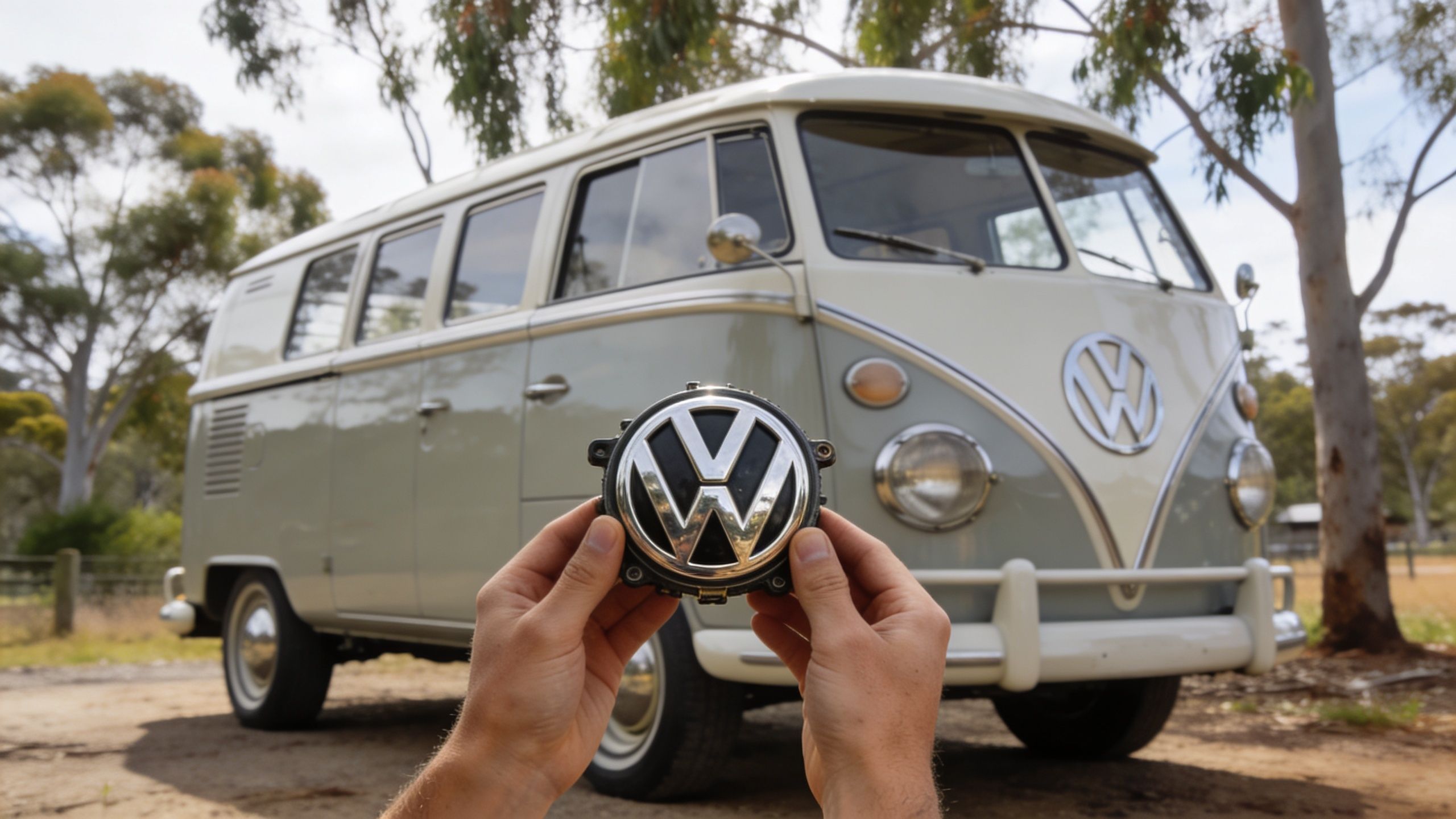
Australia gives VW owners a decent base to work from. The local automotive aftermarket was estimated at $8,820 million in 2023, and Australia’s registered vehicle fleet reached 18.9 million, which helps sustain suppliers, wreckers, clubs, and all the side networks enthusiasts rely on, according to the Australia automotive parts country commercial guide.
The specialist supplier
The best specialist suppliers save you from expensive mistakes because they understand the difference between “sort of fits” and “fits properly”. They know which reproduction seals are too fat, which trim clips crack, and which parts should never be ordered without checking chassis details.
When you ring a good specialist, have these ready:
- Your exact model details so they’re not guessing from a broad description
- The part number if you have it because this speeds everything up
- Photos of the old item especially if the car has had previous-owner modifications
- A clear goal such as daily use, original restoration, or roadworthy repair
The better your question, the better the answer.
Wreckers and swap meets still matter
Modern online catalogues are handy, but old Volkswagens still reward old-fashioned searching. Wrecking yards, swap meets, and club events can turn up original hardware, brackets, trims, and obscure bits that don’t even make it into neat online stock lists.
The catch is condition. Learn to inspect before you get excited.
Look for:
- Cracks and fatigue on handles, mounts, and brackets
- Rust in hidden edges not just on visible surfaces
- Thread condition on bolts, studs, and captive nuts
- Signs of previous repairs such as welds, filler, or drilled holes
A used original German part can be better than a poor reproduction. But only if it’s still sound.
Here’s a helpful look at the kind of hands-on VW culture that keeps the scene going:
Clubs are where the real shortcuts live
If you’re not in a VW club yet, you’re making the hunt harder than it needs to be. Club members know who has stock, who rebuilds what, who hoards Type 3 bits, and who’s got a shed full of Kombi trim they swear they’ll sort through one day.
That local knowledge beats endless scrolling.
Club wisdom: Ask for the person, not just the part. In the VW world, the right contact often matters as much as the right catalogue.
You’ll also hear the unwritten truths. Which supplier packs well. Which one labels accurately. Which one is lovely to deal with but slow on email. That sort of advice isn’t flashy, but it’s gold.
Why local often wins
Buying local in the vw parts australia market has a few practical advantages that never go out of style:
| Local source | Why owners like it |
|---|---|
| Australian specialist shops | Easier communication, familiar with RHD cars |
| Clubs and members | Honest knowledge, rare spare parts, community trust |
| Swap meets and shows | Chance to inspect parts in person |
| Wreckers and salvage | Original pieces that reproductions can’t match |
You also avoid the heartbreak of waiting weeks for something from overseas only to find it’s wrong, damaged, or built for another market. Local buying won’t solve everything, but it makes a lot of jobs easier and a lot of restorations more enjoyable.
Bringing It Home Importing Parts and Navigating Compliance
You finally find the part after weeks of searching. It is sitting in a warehouse in California, or on a shelf in Wolfsburg, or in the spare room of a seller in the UK who swears it fits your year perfectly. That moment feels like victory. Then the actual work starts.
Importing can save a restoration. It can also turn a tidy plan into an expensive lesson if you buy on hope instead of proof.
When importing makes sense
Overseas buying usually earns its place when the job is too specific for the local market. Rare trim, odd interior hardware, country-specific lenses, and period-correct finishes often fall into that category. Collectors know the feeling well. Sometimes the right piece is not just a spare part. It is the missing detail that makes the car feel whole, the same way a proper brochure, badge, or model car completes a memorabilia shelf.
That collector's instinct can be useful here, as long as you keep it disciplined. A careful buyer treats an imported part the way a serious collector treats a rare item. You check markings, provenance, condition, and whether it is exactly correct for the year and model, not merely close.
Part numbers matter more once a parcel is crossing oceans.
Compliance matters more than excitement
A part can look perfect in photos and still be wrong for an Australian car. That matters most with anything tied to safety, roadworthiness, or insurance. Imported aftermarket parts should be checked against Australian requirements if they affect braking, steering, suspension, lighting, seat belts, mounting points, or other regulated systems.
Volkswagen Australia says Genuine Volkswagen Parts bought through its official Australian network come with a 2-year unlimited kilometre warranty. Private overseas purchases usually do not give you that kind of backup, and returning a bad part across borders can cost more than the savings that tempted you in the first place.
That is the value equation many owners only learn after one wrong order.
If the part affects how the car stops, steers, lights the road, or protects passengers, treat exact fit and clear compliance as required, not optional.
The traps that catch eager buyers
The biggest problems are rarely dramatic. They are the small mismatches that stall a project for months. A left-hand-drive switch panel. A lens with the wrong markings. A reproduction rubber seal that looks right on the bench but fights the body opening like it was made for another car entirely.
Early Volkswagens are especially good at teaching humility. Mid-year changes, export-market differences, and previous-owner modifications can all confuse the trail. A 1967 Beetle is a famous example of this sort of mischief, but almost every model line has its own trouble spots.
A practical importing filter
Before you send money overseas, run through this short check:
- Match the part number to your car's chassis range, year, and model
- Confirm right-hand-drive suitability if the part relates to controls, trim, or visibility
- Ask for clear photos of stamps, labels, casting numbers, and wear
- Check freight costs, return terms, and import duties before paying
- Be stricter with safety-related parts than with decorative or collectible items
- Compare the overseas bargain with local genuine supply, especially when warranty support could save you later
Decor items, badges, books, signs, and display pieces usually carry less risk. Mechanical parts do not. That is where the collector's eye and the restorer's discipline need to work together.
The best importers are methodical. They buy with enthusiasm, but they verify like a sceptic.
Beyond the Spanner The Collector's Spirit and Your VW's Story
You finally find the right badge for the decklid, set it on the bench, and pause for a second longer than expected. Next to it sits an old brochure, a tiny diecast Kombi, and a photo of the car as it looked when you dragged it home. That little scene explains something every long-term VW owner learns sooner or later. Restoring the car and collecting the story around it are parts of the same hobby.
That is why the hunt for vw parts australia often grows beyond bolts, seals, and trim.
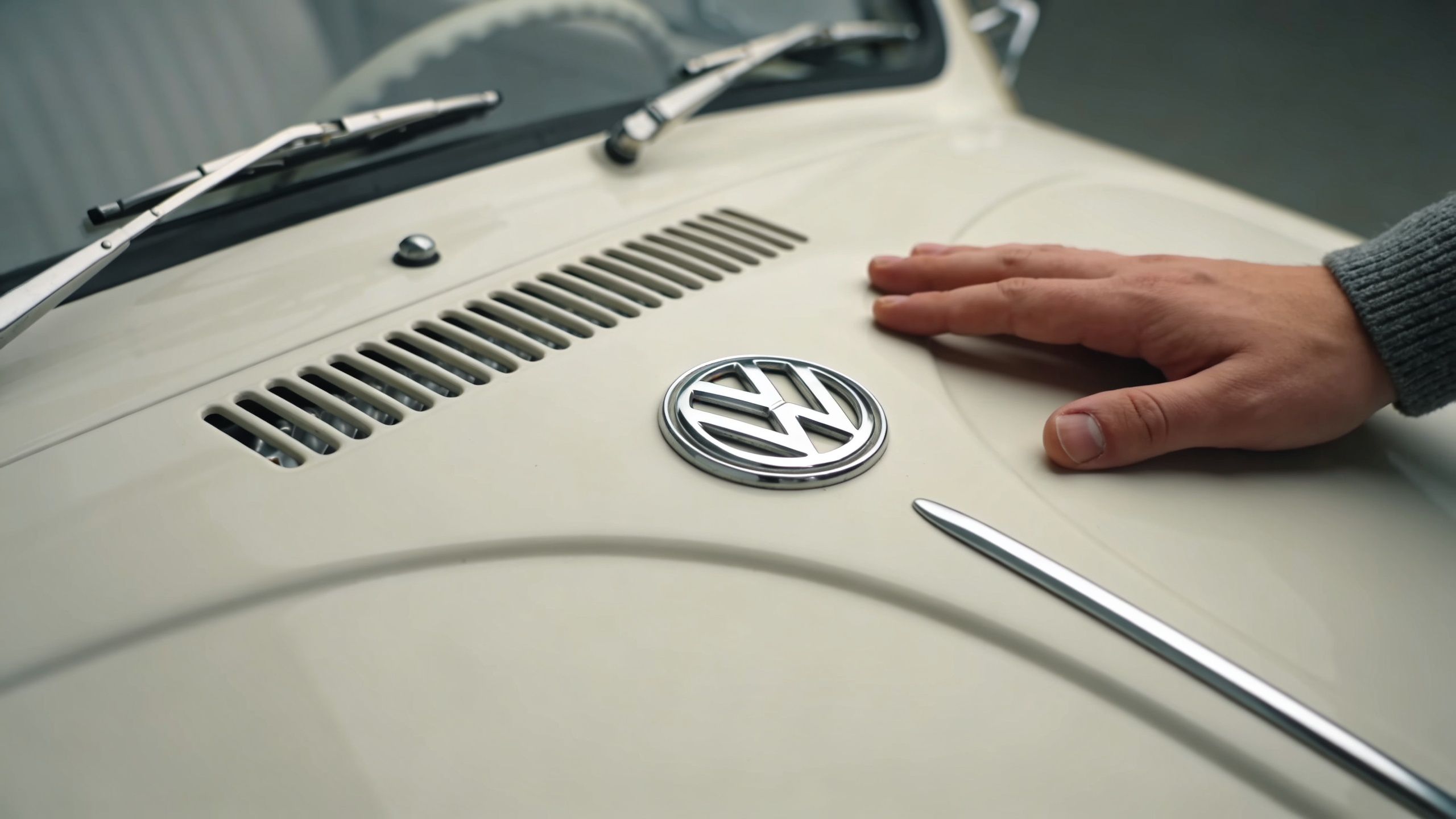
Restoring and collecting belong together
A clear gap exists in the market here. People looking for Kombi decor, Beetle display pieces, or workshop-themed VW gifts often end up sifting through pure parts listings, even though many enthusiasts want both sides of the hobby under one roof.
That overlap is easy to understand if you have ever lived with an old Volkswagen project. A car in pieces can test your patience. A model on the shelf, a period sign on the wall, or one of these VW dashboard-themed display pieces keeps the car present in your life while the full-size version waits for its next round of work.
Collectors and restorers are usually chasing the same thing. Connection.
A diecast Beetle or Kombi helps in practical ways too:
- It keeps enthusiasm alive during the slow months of cleaning, waiting, and reordering
- It gives you a visual reference when you are still settling on colour, trim, or stance
- It invites family into the story because a shelf piece is easier to enjoy than a discussion about door scrapers and chassis numbers
- It marks progress so the project feels like part of the home, not just a machine stalled in the shed
The project deserves a place in the house too
Old VW hands have been doing this forever. We saved brochures from swap meets, stacked old workshop manuals, hung dealer signs, and kept worn badges that were too full of history to throw away. Plenty of us had a tiny bus or Beetle sitting above the vice long before anyone called it curation.
That habit matters because restoration can be slow, expensive, and occasionally maddening. Memorabilia gives the project a heartbeat when the car itself cannot move. It works like a campfire around the main event. People gather around it, ask questions, share memories, and suddenly the project stops being a pile of jobs and starts feeling like a story again.
The restoration starts long before the spanners hit the bench. It starts when the car takes up room in your memory, your plans, and your shelves.
Why memorabilia makes such good VW gifts
Some VW enthusiasts do not own the full-sized car. Some sold one years ago and still miss it. Some grew up riding in a Beetle or watching a Kombi pull into a caravan park every summer. For them, memorabilia is not filler. It is a manageable, lasting way to keep hold of the feeling.
That is also why gifts in this corner of the hobby tend to mean so much. A thoughtful model, sign, or display piece says you understand the person's taste, their memories, and the shape that never quite left their mind.
The collector's spirit sits inside every good restoration. One side sources the right parts. The other keeps the romance alive while the work gets done.
Your Essential Checklists for Buying VW Parts
By the time you’re ready to buy, excitement can undo all your careful thinking. A seller sounds convincing, photos look decent, and you want the job moving. That’s exactly when a checklist earns its keep.
Save these to your phone. Better yet, print them and keep them in the glovebox or workshop.
The restorer's pre-purchase checklist
Use this when you’re buying a single part for your own car.
- Confirm the exact part number. Don’t rely on model name alone. Match the number to your vehicle’s year, variant, and Australian right-hand-drive setup.
- Ask for photos of markings and all sides. Stamps, casting numbers, wear points, and mounting tabs tell you more than a polished hero shot.
- Check whether the part is genuine, aftermarket, or NOS. Sellers often blur these lines. Make them be specific.
- Look at material condition, not just appearance. Rubber, plastic, and plated finishes can age badly even when unused.
- Ask what car it came off if it’s used. “Fits Beetle” is too vague.
- Get return terms in writing before you pay, especially for imported or hard-to-find parts.
- Pause on safety-critical items. If the part affects braking, steering, mounting, restraints, or suspension, be stricter than usual.
The retailer's sourcing sheet
If you buy for resale, gifts, workshop stock, or display ranges, the questions shift a bit.
| Check | Why it matters |
|---|---|
| Authenticity and licensing | Especially important for themed collectibles and branded items |
| Consistency across multiple units | Mixed quality creates headaches for returns and reputation |
| Packaging quality | Matters for shipped goods and gift buyers |
| Supplier communication | If there’s a stock issue, clear answers matter fast |
| Category fit | Make sure the item suits your audience, whether that’s restorers, collectors, or decor buyers |
A useful example is adjacent display stock. If you’re building a VW-themed retail or workshop corner, practical accessories can sit alongside collectibles and decor. Items such as automotive dashboard covers can help shape a display or themed range, provided you’re clear about whether you’re selling function, style, or both.
The final sense-check
Before you hit buy, ask one last question.
Does this part solve the actual problem, or am I buying it because I’m tired of searching?
That one question has saved plenty of us from boxes full of “nearly right” parts.
Frequently Asked Questions for the Aussie VW Enthusiast
How do I handle parts shipping to regional Australia
You find the right part at last, click through to checkout, and then the surprise arrives. Freight.
Regional buyers learn this early. Delivery to remote parts of NT or QLD often takes 5 to 7 days or more, and heavy-item shipping can run upwards of $20, according to VAGPARTS and the regional delivery reality for VW parts in Australia. That matters because a bargain bumper bracket or wheel drum can stop looking like a bargain once freight joins the bill.
The fix is simple, but it takes discipline. Ask for packed dimensions before you pay, confirm the courier being used, and bundle small service items into one order where you can. Old hands treat freight like part of the restoration, not an afterthought. Collectors do the same with rare brochures, badges, and model cars. The hunt only works when the whole cost makes sense.
Is genuine always better than aftermarket
Genuine parts usually give you the best shot at correct fit, especially on cars that have already lived a few different lives. A Beetle or Kombi that has been repaired over decades can be full of little surprises, so factory-spec parts often save time and swearing.
Good aftermarket parts still have their place. They can suit cosmetic items, trim pieces, and everyday maintenance jobs if the supplier knows the product well and states fitment clearly. The trick is to match the part to the job. A reproduction interior knob is one thing. A brake component asks far more of your trust.
What’s the easiest way to avoid buying the wrong part
Start with the part number.
That number is your VW’s fingerprint. Model names help, year ranges help, and photos help, but the part number cuts through a lot of confusion. It also keeps you grounded when a seller claims one item fits a long list of cars.
Check right-hand-drive compatibility, confirm any chassis or engine-code break points, and ask the seller to verify the number in writing before you buy. If they hesitate, slow the process down. A cheap wrong part usually costs more than a dear correct one once return freight and lost workshop time get involved.
How can I spot a poor-quality reproduction
Poor reproductions usually give themselves away if you know where to look. Rough casting, thin chrome, soft fasteners, missing markings, and vague fitment claims are common warning signs. So are listings that claim one part suits nearly every Beetle, Bus, or Golf variation under the sun.
Precise sellers tend to be better sellers. They will tell you measurements, production years, left or right fitment, and whether a part suits Australian-delivered cars or imported variants. That same eye for detail is what separates a meaningful piece of VW memorabilia from a generic trinket. Real enthusiasts notice accuracy.
Should I buy used original parts over new reproduction parts
Used original German parts can be the smarter buy, especially if the original piece was built from better material than the modern reproduction. Plenty of club members have fitted a clean second-hand latch, hinge, or switch and found it works better than a brand-new copy.
Condition decides everything. Check for corrosion, fatigue, cracks, worn threads, and old repairs. Rubber, seals, and other perishable materials need extra caution because age can beat originality. The best restorations, and the best collections, come from choosing pieces with a story and enough life left in them to justify bringing them home.
If you love the hunt as much as the finished result, have a look at Volkswagen Memorabilia. It’s a local Australian shop focused on VW-themed gifts, diecast models, and coastal decor that speaks directly to Beetle and Kombi fans. If your shed project has spilled into your office, lounge room, or gift list, it’s a lovely place to find officially inspired pieces that keep the Volkswagen story going long after the tools are put away.