

At a sunny coastal car show, the best VW displays always seem to attract a crowd. A mint Kombi catches the light, a Beetle model sits on a folding table, and someone nearby is explaining which parts came from a long-finished restoration. You might've arrived looking for a small gift, then found yourself wondering whether a licensed diecast model, an enamel sign or a genuine vintage replacement part belongs in your own garage.
That's the charm of vintage VW supplies. The category stretches from practical restoration components to VW memorabilia collectibles, licensed Volkswagen diecast models, printed material and relaxed coastal décor. This guide focuses on the Australian buyer, with straightforward advice for choosing authentic pieces, checking fitment, comparing local and overseas sourcing, and building a collection that feels connected to real VW history.
Walking into the World of Vintage VW Supplies
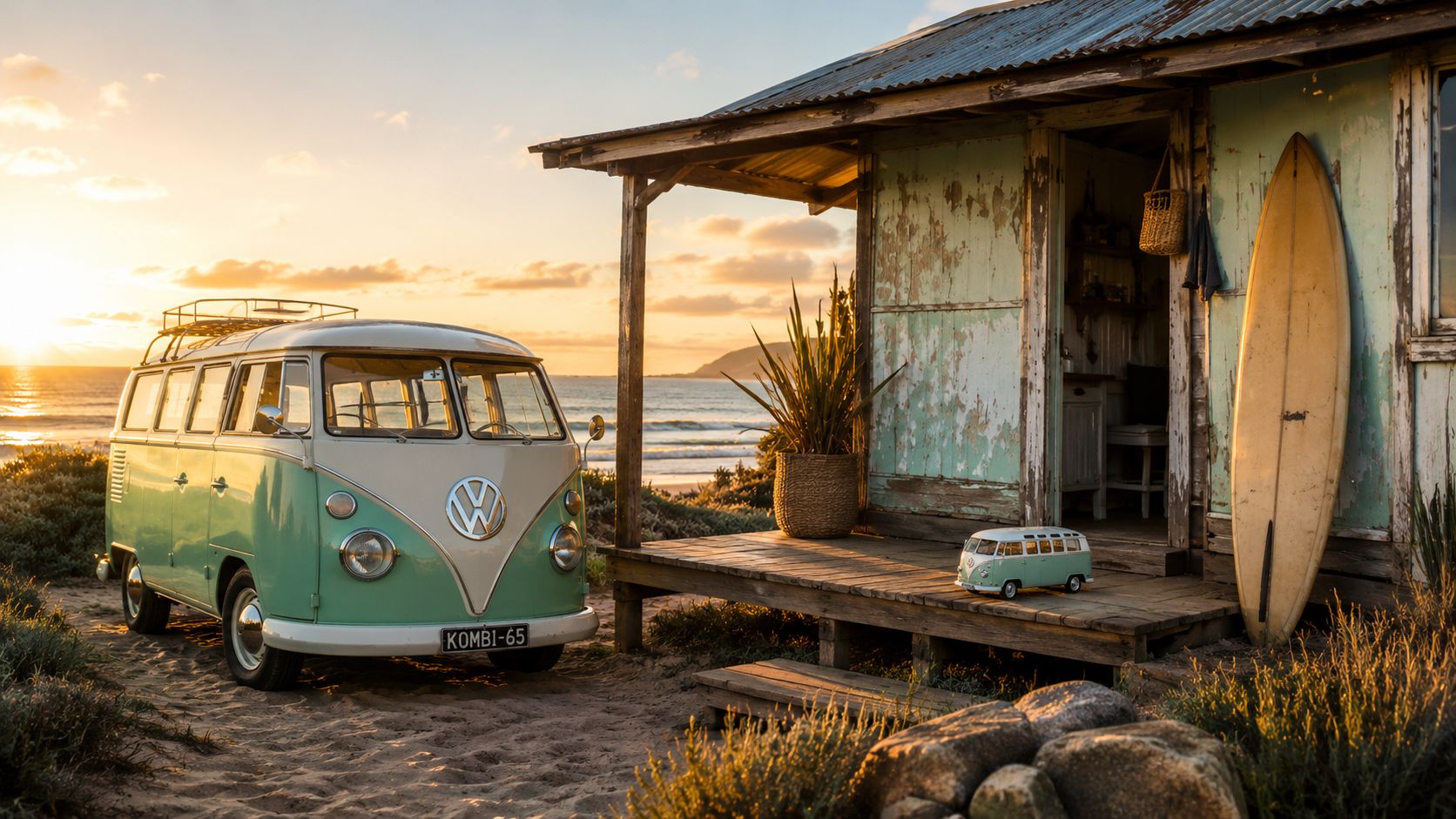
The old Kombi beside the fibro beach shack tells a story before anyone turns the key. Its rounded roof, split windscreen or cheerful two-tone paint carries memories of road trips, surfboards, family holidays and weekends spent chasing the next coastal campsite. A small model on a bookshelf can bring back the same feeling, even when the full-size bus is out of reach.
More than parts in a cardboard box
For a restorer, supplies might mean brake components, suspension pieces, body hardware or an obsolete engine item. For a collector, they can mean a licensed Volkswagen Beetle model, a 1962 Kombi replica, a metal sign or a tin plate decoration. Renters and beach-house owners often prefer smaller objects that add retro character without requiring a full garage fit-out.
Australia has a particularly rich Volkswagen story. Early Beetles arrived in the 1950s, and local assembly began at Clayton, Victoria, in 1954. Manufacturing later ended in 1976, making the Clayton period an important part of the country's VW heritage, as documented by Museums Victoria's Beetle history.
The Beetle also became localised. By 1962, Australian content had reached 80 per cent, rising to 95 per cent by the mid-1960s, according to Carsales' account of the Beetle's Australian story. That background helps explain why an Australian collector might value a small model, workshop sign or period-style object as more than decoration.
Collector's mindset: Choose pieces that connect with a memory, a model year or a real Australian VW story. A collection feels stronger when every item has a reason for being there.
The Kombi carries its own local history. Volkswagen began building the Type 2 in March 1950, while Australian assembly took place at Clayton from 1964 to 1977. CarsGuide's history of the Australian Kombi notes that most were assembled from CKD kits, with some vehicles made from mostly local parts between 1959 and 1968.
The Main Categories Worth Knowing
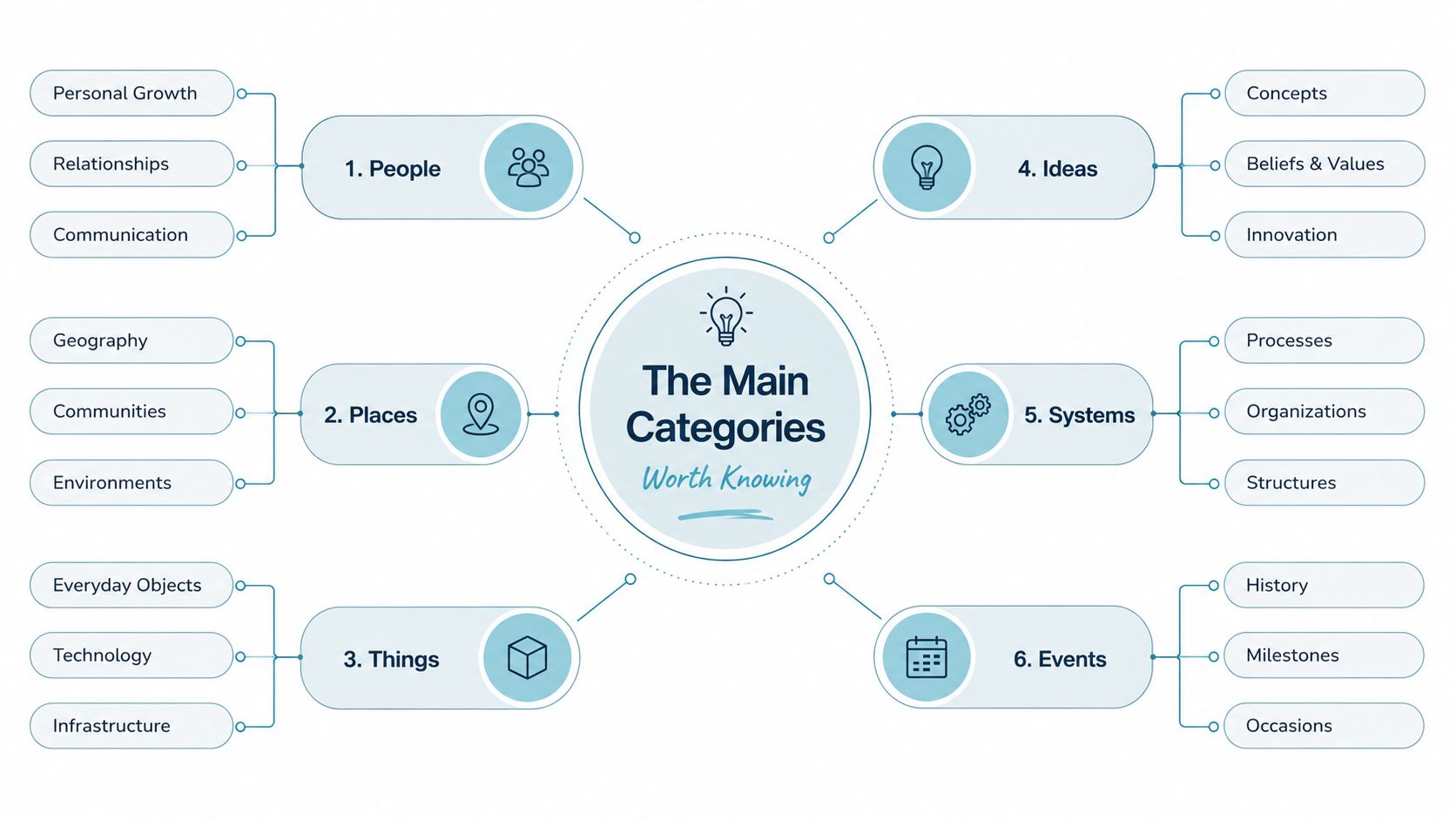
A first trip through a vintage VW shop can feel like walking into a busy swap meet. Start by separating the range into three broad groups, then explore the smaller niches once you know what suits your space and budget.
Licensed diecast models
Diecast is the serious collector tier, a bit like Matchbox grown up. The metal body, detailed interior, wheels, badges and paintwork give a Beetle or Kombi a stronger sense of presence than a basic toy. Scales such as 1:43, 1:24 and 1:18 help you judge the model's size before ordering, although the right choice depends on your display rather than a universal rule.
A 1:43 Volkswagen Beetle model suits a compact shelf or a growing line-up of different cars. A 1:24 Kombi has enough visual impact for a sideboard, while a 1:18 piece usually needs a dedicated cabinet or plinth. Check whether the model has opening panels, a fixed pose, a clear case or a presentation box, because those details affect how you'll display and handle it.
Printed and workshop memorabilia
Printed memorabilia works like the coffee-table literature of VW culture. Enamel signs, workshop manuals, period posters and reproduction garage graphics bring context to a collection, especially when you're displaying several models together.
A wall sign behind a Beetle model can make the car look like it has just rolled out of a service bay. A workshop manual beside a diecast Kombi adds a practical, mechanical note and gives visitors something to browse while they admire the model.
Home décor and smaller collectables
Home décor is often the easiest entry point. Cushion covers, lamps, metal wall art, enamel mugs, keyrings and tin toys can add a surf-shack mood without taking over the room. These pieces work well for gift buyers, renters and collectors who want VW style in a hallway, kitchen or office.
Limited-edition runs and mixed packs sit between casual décor and dedicated collecting. A mixed pack can introduce several colours or body styles, while a single special colourway may suit someone who already has a carefully organised display.
Start with the object you have room for, not the object that looks biggest online. A well-placed small model often has more impact than a crowded cabinet.
Spotting Licensed Diecast and Avoiding Reproductions
A genuine licensed model should look considered from every angle. The paint should sit evenly across the body, the graphics should be crisp, and the interior should show deliberate detail rather than a dark, featureless block. Brands such as Schuco, AUTOart and Greenlight are familiar names among collectors, but the manufacturer name alone isn't enough. Inspect the complete listing and the model itself.
Volkswagen licensing marks, manufacturer stamps, packaging information and a clear product description all help establish provenance. A weighted chassis can give a model a more convincing feel in the hand, while a clear acrylic case protects the finish and makes the piece display-ready. None of these details replaces careful checking, but several consistent signs together are reassuring.
Compare the construction, not just the price
| Feature | Licensed Diecast | Reproductions |
|---|---|---|
| Branding | Volkswagen licensing and manufacturer information are visible | Branding may be missing, altered or unclear |
| Graphics | Tampo-printed details are usually sharp and aligned | Decals can look blurry, uneven or poorly positioned |
| Bodywork | Panel lines, bumpers and trim are shaped with care | Gaps, flat surfaces and simplified trim are common |
| Interior | Seats, steering wheels and dashboards receive attention | Interior detail may be minimal or absent |
| Presentation | Original packaging or an acrylic case may be supplied | Packaging can be generic or inconsistent |
| Provenance | Seller can usually explain the brand and product | Listing may rely on vague “vintage style” language |
A model described only as a “retro bus toy” deserves extra questions. Market stalls and overseas listings can contain attractive pieces that aren't licensed collectibles, and mixed packs may combine different quality levels under one broad description. That doesn't automatically make them worthless, but it changes what you should expect to pay and how you assess future desirability.
Use this diecast model explainer to understand the construction and terminology before comparing listings.
A quick authenticity check
- Read the brand details: Look for the Volkswagen name, licensing information and the actual manufacturer.
- Inspect every photo: Check wheels, glazing, trim, graphics and the underside if it's shown.
- Ask about the box: Confirm whether original packaging or a protective case is included.
- Question vague wording: “Vintage inspired” isn't the same as officially licensed.
- Keep the receipt: Documentation helps if you later trade, insure or gift the model.
Licensed pieces generally make a more dependable foundation for a collection because their identity is clear. Generic reproductions can still suit a playful display, but don't confuse decorative appeal with documented collectability.
Where Aussie Buyers Source Their Supplies
The smartest buying channel depends on what you're sourcing. A local specialist may be ideal for an unusual restoration item, while an Australian online retailer can make more sense for a boxed diecast gift that needs to arrive promptly.

Match the channel to the job
Local VW specialists often carry parts for engine, suspension, rear axle, brakes and body systems. Australian suppliers also advertise reproduction components and used parts for older or discontinued Volkswagens. That range reflects how fragmented the supply chain can be, with new, used, reproduction and imported stock filling different gaps.
Rare parts need a more technical approach. One Australian classic-parts partner says it can source over 40,000 rare and obsolete genuine Volkswagen parts from the VW Classic Parts warehouse in Wolfsburg, with orders quoted in Australian dollars including freight to Australia, as explained by Mick Motors' classic-parts information. Exact identification matters because revision letters can distinguish different versions or even different models.
For restoration work, use the stamped nine-digit VW part number as your main reference, rather than relying only on a casting number or appearance. Special-order items may not be returnable unless faulty, so confirm fitment before committing.
A practical sourcing checklist
- Local specialist shops: Best for technical questions, used components and model-specific advice.
- Australian online retailers: Useful when domestic stock, AUD pricing and straightforward returns matter.
- Mixed packs and bulk lots: Handy for variety, gifts or starting a display without choosing every item individually.
- Online marketplaces: Offer breadth, but require closer inspection of photos, descriptions and seller history.
- Peer-to-peer auctions: Can uncover unusual pieces, although condition and provenance need careful verification.
The Australian diecast models guide is a useful starting point for comparing local options. Domestic sellers can also remove the uncertainty that comes with international listings, including customs handling, currency conversion and long waits.
Before you buy: Ask for extra photos, confirm the licensing details, check the seller's reviews and make sure the return conditions are written clearly.
Local delivery isn't the only advantage. An Australian seller can answer questions in local business hours, quote in AUD and explain whether an item is stocked domestically or ordered from overseas. Those details make a bigger difference when the product is fragile, special-order or intended as a time-sensitive gift.
Styling a Collection With Coastal Retro Charm
A good VW display shouldn't look like a toy shop shelf unless that's exactly the mood you want. The most relaxed collections mix diecast models with timber, metal, woven textures and the sun-faded colours associated with Australian beach culture.
One collector might place a 1:24 Kombi on reclaimed timber beside a weathered road sign. Another could line a hallway runner with small buses, spacing them so each silhouette has room to breathe. In a living room, a Beetle model can sit on a brushed aluminium shelf above a rattan console, while a tin plate graphic adds a garage note without making the space feel industrial.
Build the display around a story
Group models by colour if you're chasing a calm visual rhythm. Mint green, cream, pale blue and red can create a cheerful coastal palette, while a collection arranged by body style gives a more automotive feel. A Samba Bus display works especially well with surf references, roof-rack details and small objects that suggest a road trip.
A dedicated cabinet with LED strip lighting protects the models from dust and gives darker paintwork a clean outline. Keep lighting soft and indirect, particularly if the cabinet sits near a window. For a patio or veranda, use metal signs and weather-tolerant décor rather than delicate diecast models.
Three rules keep shelves photogenic
- Leave breathing space: Crowding hides the details that make licensed models worth displaying.
- Mix heights: Combine a low model with a taller sign, lamp or framed print.
- Repeat one colour: A shared accent, such as turquoise or warm cream, ties separate pieces together.
The coastal look works because it feels lived-in. A collection can include a polished boxed model, a slightly weathered sign and a practical key rack without pretending everything came from the same decade. That balance is what makes a room feel like a real enthusiast's space rather than a themed showroom.
Caring for, Storing and Valuing Your Collection
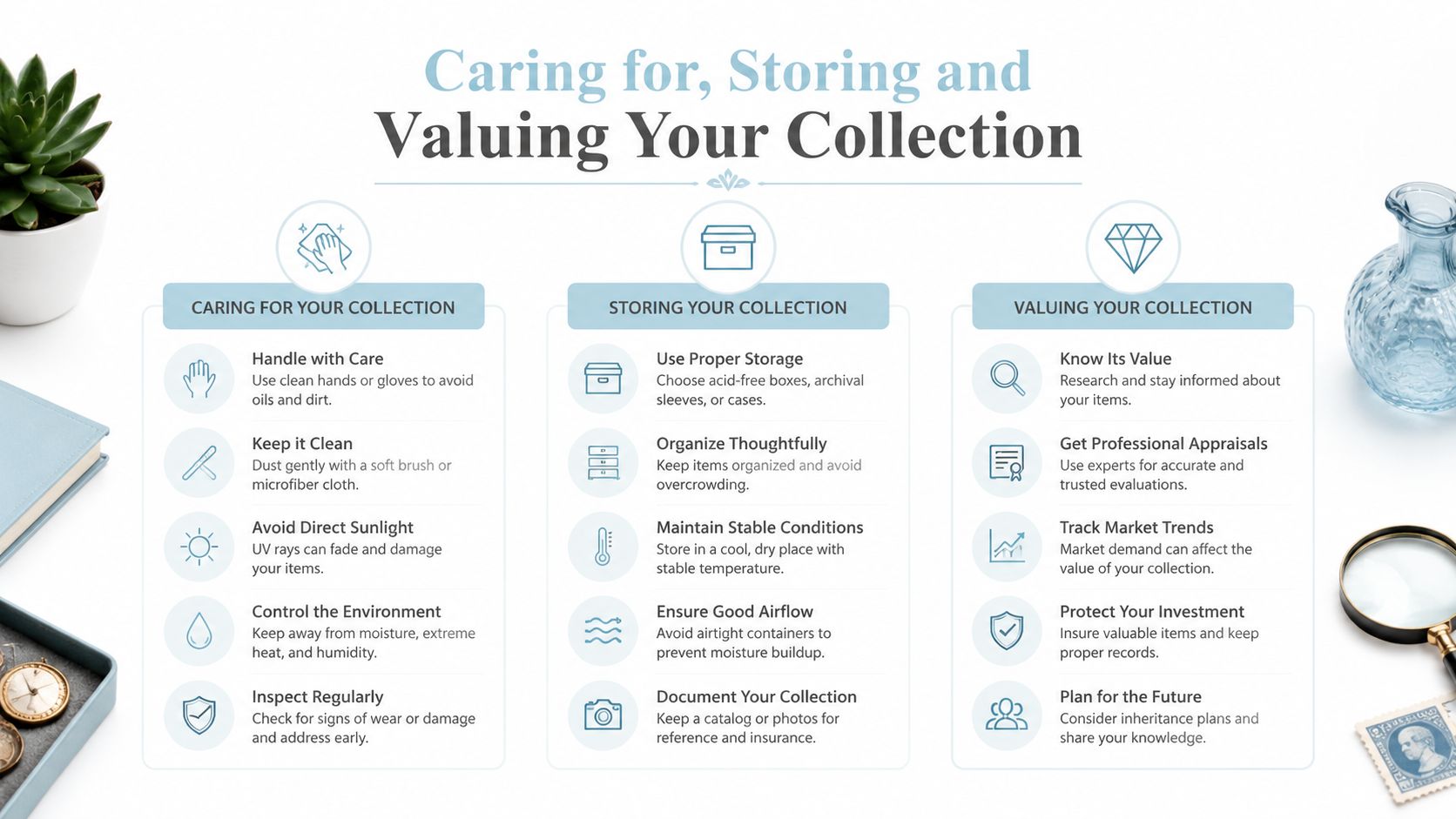
Diecast models and printed memorabilia last best when you treat them as display objects, not indestructible toys. Handle models with clean hands, use a soft cloth for dust and avoid dragging them across shelves. Direct sunlight can fade dashboards, graphics and paint, even when the model is safely behind glass.
Protect the finish and the packaging
A display cabinet gives better control than an open shelf, particularly in homes exposed to dust, humidity or salt air. Original boxes matter too. They protect the model during moves and help document its identity if you later trade or insure it. If you prefer an open display, keep the packaging flat, dry and away from heat.
Australian summers can be hard on enclosed rooms and window ledges. Choose a stable indoor position, avoid hot sheds and use silica gel packs where appropriate. Don't place collectibles directly beside a heater, in a damp garage or against a salty coastal window.
For a more polished setup, display cases for models can keep individual pieces visible while reducing handling and dust exposure.
Keep a simple record
A collection log doesn't need to be complicated. Record the model name, scale, manufacturer, licensing information, purchase date, packaging condition and any marks or repairs. Add photographs from several angles, especially for rarer pieces.
Valuation comes from comparison, not wishful thinking. Look for recent comparable sales, then adjust for box condition, paint quality, missing parts and whether the model is officially licensed. An unlicensed copy may look similar in a photo, but it shouldn't be valued as though it carries the same documented identity.
A tidy record turns a shelf of models into an organised collection. It also makes gifting, trading and insurance conversations much easier.
Gift Ideas for the VW Fan in Your Life
The safest gift is one that matches the recipient's existing habits. A collector who fills cabinets with precise models may prefer a carefully chosen scale, while a beach-house stylist might get more joy from a sign or mug used every day.
| Recipient | Best Gift Match | Why It Works |
|---|---|---|
| Coastal home stylist | VW-inspired tin sign, surf-themed print or enamel mug | Adds retro character without needing a large display |
| Experienced collector | Licensed 1:43 or 1:24 model, special colourway or mixed pack | Fits an established line-up and offers variety |
| Younger VW fan | Robust diecast model for a bedroom shelf | Introduces the hobby through a recognisable vehicle |
| Tradie or garage enthusiast | Metal workshop sign, oil-can replica or key rack | Combines VW identity with useful garage decoration |
| Nostalgia seeker | Beetle or Kombi model linked to a remembered era | Turns a personal story into a physical keepsake |
Choose by display style
A Kombi Samba Bus diecast suits someone who talks about camping, surfing or family road trips. A Beetle model works well for a person who remembers their first car, follows local shows or has a soft spot for the rounded original shape. If you're unsure which colour they like, a mixed pack can provide a wider spread without forcing you to guess one exact variant.
For a homewares lover, look beyond the car itself. Metal wall art, printed signs, cushion covers and enamel-style kitchen pieces can carry the VW mood into everyday spaces. Garage types often appreciate practical objects, particularly key racks or signs that look at home beside tools and parts.
Check scale and packaging before ordering. A collector may already have a particular series, so clear photographs and manufacturer information help you avoid an accidental duplicate. For children, choose a display-friendly model with sturdy construction and avoid assuming that every small item is designed for rough play.
Wrapping Up and Where to Shop Locally
The best vintage VW supplies do more than fill a shelf. They preserve the shapes, colours and stories that make Beetles, Kombis and Samba Buses such enduring parts of Australian car culture. That connection is visible in the Beetle's local manufacturing history, and in the affection surrounding the Kombi at shows, club gatherings and beachside meet-ups.
Australia's Beetle sales history gives the nostalgia some useful context. 1960 was the Beetle's most successful sales year in Australia, with 24,388 sold, according to the Club VeeDub reference history. That kind of local presence helps explain why an old Beetle often feels familiar even to people who've never owned one.
The buyer's short list
Choose licensed diecast when accurate branding, construction and long-term collectability matter. Choose décor when you want a broader coastal look, and consider mixed packs when you're starting a display or buying for someone whose exact preferences you don't know.
For restoration parts, slow down before ordering. Confirm the complete part number, including suffix letters, check the model and system version, and ask whether the item is stocked locally, imported or special order. Suppliers serving Australian restorers may combine domestic inventory with overseas warehouses, so lead times and return rules deserve the same attention as price.
Local sourcing also makes practical sense for memorabilia. Domestic stock can mean faster shipping, AUD pricing, easier communication and fewer surprises than an overseas marketplace listing. A local importer or specialist seller may also provide weekday support when you need help checking a model, scale, brand or product description.
The VW community has always been about sharing knowledge. At Volksfest, VW Nationals, Surf Show and Shine events and smaller club gatherings, a conversation about a model often leads to a story about a real car. Start with one piece that means something, give it a safe place to live, then let the collection grow at its own pace.
Volkswagen Memorabilia brings together licensed VW diecast models, including Kombi Samba Bus and Beetle pieces, along with coastal décor and gift-ready memorabilia. Visit Volkswagen Memorabilia to browse locally supplied pieces, find a relaxed retro addition for your home or choose a thoughtful gift for the VW fan who already has the stories.