Tissue Small Box Guide for VW Décor Lovers in Australia

You're at a sunny coastal VW meet, one hand on a coffee and the other reaching for a tissue after a smear of sunscreen finds its way onto the Kombi's polished dash. A little cardboard box sits beside the shell dish and picnic thermos, far less clumsy than a bulky household pack and somehow right at home among the chrome, canvas and surfboards.

That's the charm of a tissue small box. It solves an ordinary problem while adding a small decorative note to a bathroom, beach house, campervan or diecast display. For a VW lover, the best version doesn't need to shout. A tidy coastal colour, a tasteful bus illustration or a licensed Volkswagen motif can do the job with the same relaxed confidence as a well-kept Beetle.

Why a Tissue Small Box Belongs in a Coastal VW Home

A beige tissue box on a white bathroom vanity can look surprisingly considered when it's placed beside a potted plant, a ceramic shell and a stack of folded linen. The box fills a practical role, but its compact shape leaves breathing room around the basin. That matters in a coastal room, where the mood depends on light surfaces, open space and a few well-chosen objects rather than clutter.
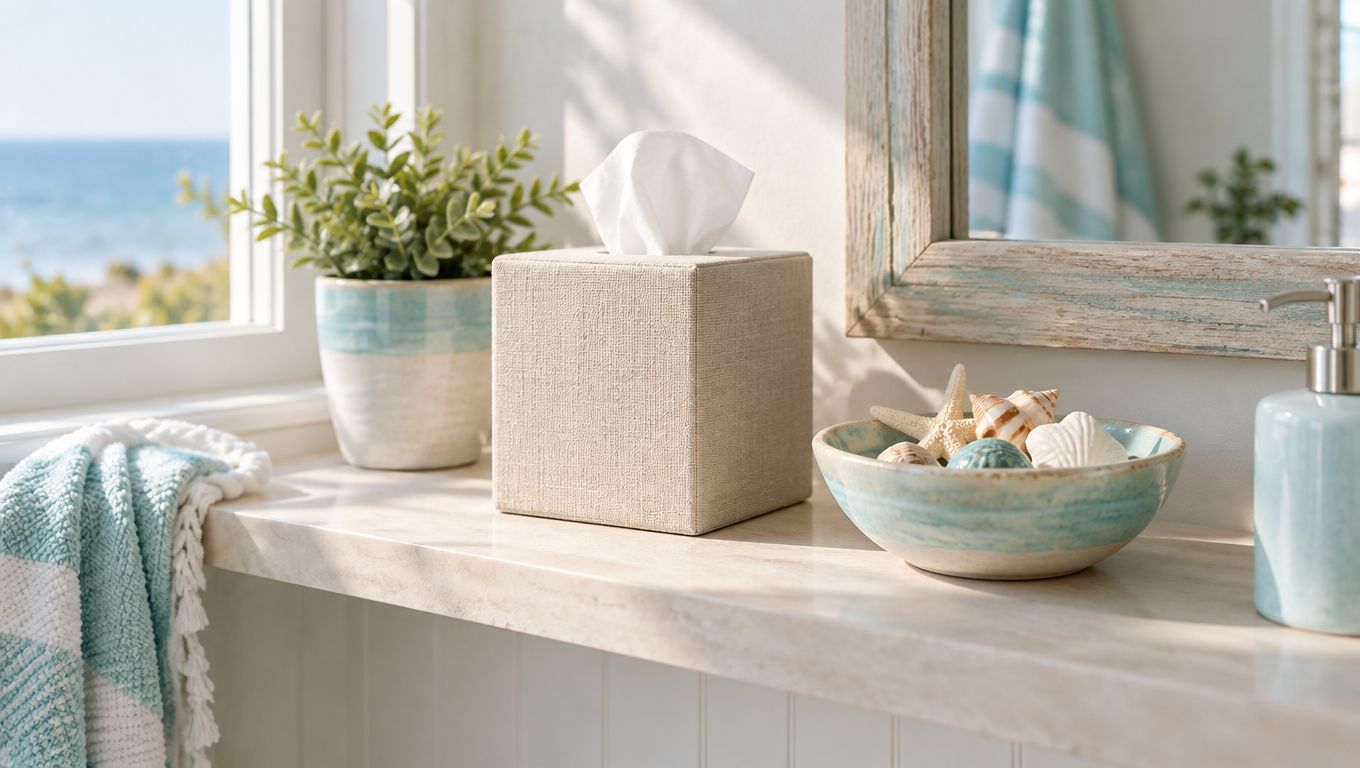
A beige square tissue box sits on a bathroom vanity with a potted plant and seashells.

At a car show, the same idea works on a Kombi dashboard. A small box tucked near the split windscreen can echo the van's friendly proportions without competing with the steering wheel, flower vase or period accessories. At home, it might sit on a bathroom shelf, inside a guest room or beside a cabinet holding a Volkswagen Beetle model.

Scale creates the relaxed look

A large tissue pack can dominate a narrow shelf. A small box feels more deliberate, especially when its width suits the vanity, bedside table or coffee table beneath it. The finish matters just as much. Chalky white, warm beige and soft blue sit comfortably with sea grass, bleached timber and ceramic pieces collected on coastal drives.

The printed design should support the room rather than turn it into a novelty display. A simple bus silhouette, a restrained surf graphic or a white box with a small badge can connect with VW memorabilia while keeping the space calm. Browse ideas for combining those elements in these coastal home décor ideas.

Practical rule: Choose the box for its footprint and finish first, then decide whether the artwork belongs in the room.

The humble tissue small box becomes more than a disposable object. It gives a guest bathroom a welcoming touch, adds character to a campervan-themed office and makes a thoughtful companion to a Samba Bus display. In a relaxed Australian home, useful things can still have a bit of soul.

Standard Australian Tissue Small Box Dimensions and Pack Counts

Before buying a cover or styling a shelf, measure the space where the box will live. Don't measure only the visible opening. Check the full width, depth and clearance above the box, especially if the tissue pulls through a lid or fitted slot.

Australian commercial facial tissues use familiar sheet proportions. Kimberly-Clark Professional lists facial tissue sheets at about 19.5 cm by 20.5 cm, with formats including 24 boxes per case and 200 tissues per box, or 48 boxes with 100 tissues per box. Those figures describe sheet and pack configurations, not a universal outer-box size, so the product label remains the final authority. See the Australian commercial facial tissue specifications before committing to a tight dispenser or cover.

Use the table as a measuring prompt

The safest approach is to record the actual product dimensions before ordering. A boutique or licensed VW-themed box may leave extra room for a printed panel, a reinforced edge or a decorative sleeve.

Format Width (mm) Depth (mm) Height (mm) Sheets per Box
Commercial flat box Check pack label Check pack label Check pack label 100 or 200 examples are listed in the AU catalogue
Large case configuration Check outer carton Check outer carton Check outer carton 24 boxes with 200 tissues each
Alternate case configuration Check outer carton Check outer carton Check outer carton 48 boxes with 100 tissues each
Decorative tissue small box Measure before purchase Measure before purchase Measure before purchase Depends on the inner pack

Ply also changes the feel of a box. A thicker tissue can make a pack sit higher or pull differently through a narrow opening, even when the outer carton appears similar. If you're fitting a timber cover, leave enough tolerance for the inner pack to slide in and out without catching.

A fitted wood tissue box cover can give a plain pack the warm, crafted appearance of a small piece of furniture. Just confirm the internal measurements rather than relying on the name “small”.

Refill Options Versus Single-Use Small Boxes

A refillable tissue box works like a well-organised Kombi boot. The outer sleeve or acrylic shell stays in place, while a wrapped inner pack is replaced when empty. That arrangement suits a busy bathroom, office or family room because the decorative object remains consistent and the refill process is straightforward.

A single-use box takes the opposite approach. Its printed surface does more of the visual work, so it can be ideal for a guest room, a car, a picnic table or a gift bundle where the artwork is part of the experience. You won't need to store a separate sleeve, but you'll discard the outer carton when the tissues are gone.

Compare the trade-offs honestly

Refill packs can make more sense for regular use because the holder remains part of the décor. Single-use themed boxes can justify their place when presentation matters, particularly beside a gift, a diecast vehicle or a coastal welcome basket.

Consideration Refillable sleeve Single-use themed box
Presentation Consistent holder with replaceable inner pack Artwork arrives on the box itself
Convenience Requires compatible refills Open, use and replace
Best location High-traffic bathroom or office Guest room, car, display or gift
Waste profile Outer holder stays in use Carton is discarded when empty
Style flexibility Change the inner tissues, retain the look Change the entire design

Packaging choices are changing in Australia. Commentary connected with the Australian Packaging Covenant Organisation describes mandatory compliance measures beginning in 2026, alongside a move away from plastic windows towards cardboard-only construction and clearer recycling expectations. Read the Australian tissue packaging discussion when sustainability is part of your buying decision.
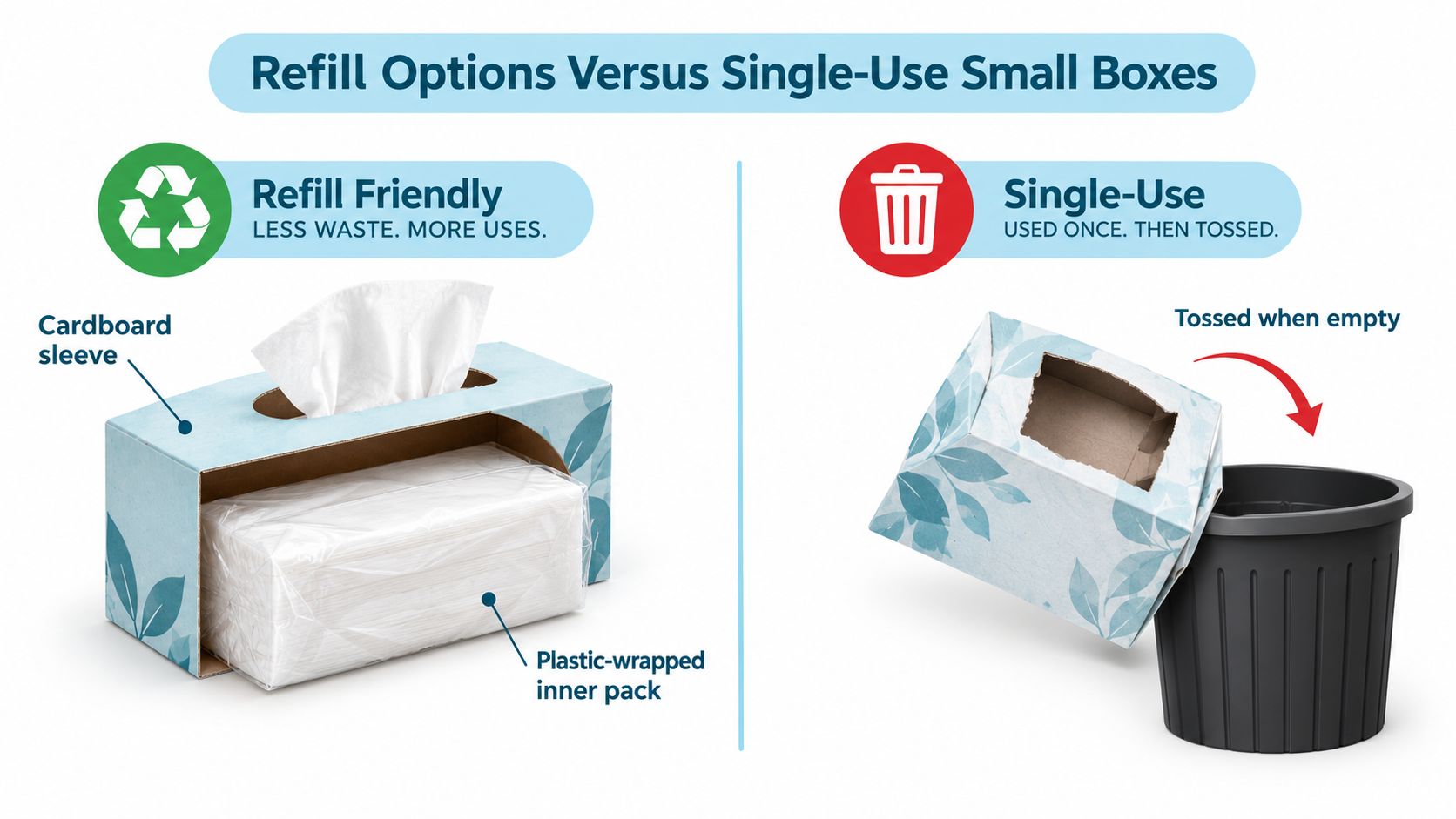
A comparison graphic showing a refillable cardboard tissue box sleeve versus a traditional single-use tissue box being discarded.

Look for plain cardboard where possible, and check your local council guidance for coated board, laminates and plastic components. The prettiest box isn't automatically the easiest one to recycle.

Materials, Finishes and Coastal White Décor Choices

Material changes the personality of a tissue small box. Cardboard-only feels light and informal, which suits a living room with weatherboard walls, linen cushions and a shelf of small VW models. A soft-touch matte surface reduces glare and lets a printed panel sit calmly against white or pale timber.

A plastic or acrylic shell has a different role. It resists the everyday bumps of a bathroom and can hide a less attractive refill pack. The glossy surface feels more like a hotel amenity, while a clear or frosted window can make the tissue level easy to check.

Match the surface to the room

Use matte cardboard in dry living zones, bedrooms and display areas. It works particularly well with chalky eggshell, crisp linen and bleached driftwood tones. Add a sea-grass basket nearby and the box becomes part of a collected coastal arrangement rather than a standalone household item.

Choose a plastic or acrylic cover for a room where splashes and humidity are common. Keep it away from harsh cleaners, which can cloud some surfaces. In a display cabinet beside diecast shelves, a foil-stamped or carefully printed licensed Volkswagen panel can provide a small flash of colour without overwhelming the models.

Licensed and unlicensed artwork also deserve a closer look. A licensed design should use authorised Volkswagen branding and a considered representation of the vehicle. Generic bus artwork may still look cheerful, but muddy printing, inaccurate badges and uneven colour can weaken the connection for collectors who know their Split Window from their Bay Window.

Collector's eye: If the box is meant to sit beside a licensed model, the artwork should show the same care in its badge, body shape and colour balance.

Salt air and direct sun are less forgiving than a climate-controlled cabinet. Keep paperboard away from damp ledges, use felt feet on stone benchtops and wipe matte surfaces with a barely damp microfibre cloth. These small precautions help a coastal display stay crisp.
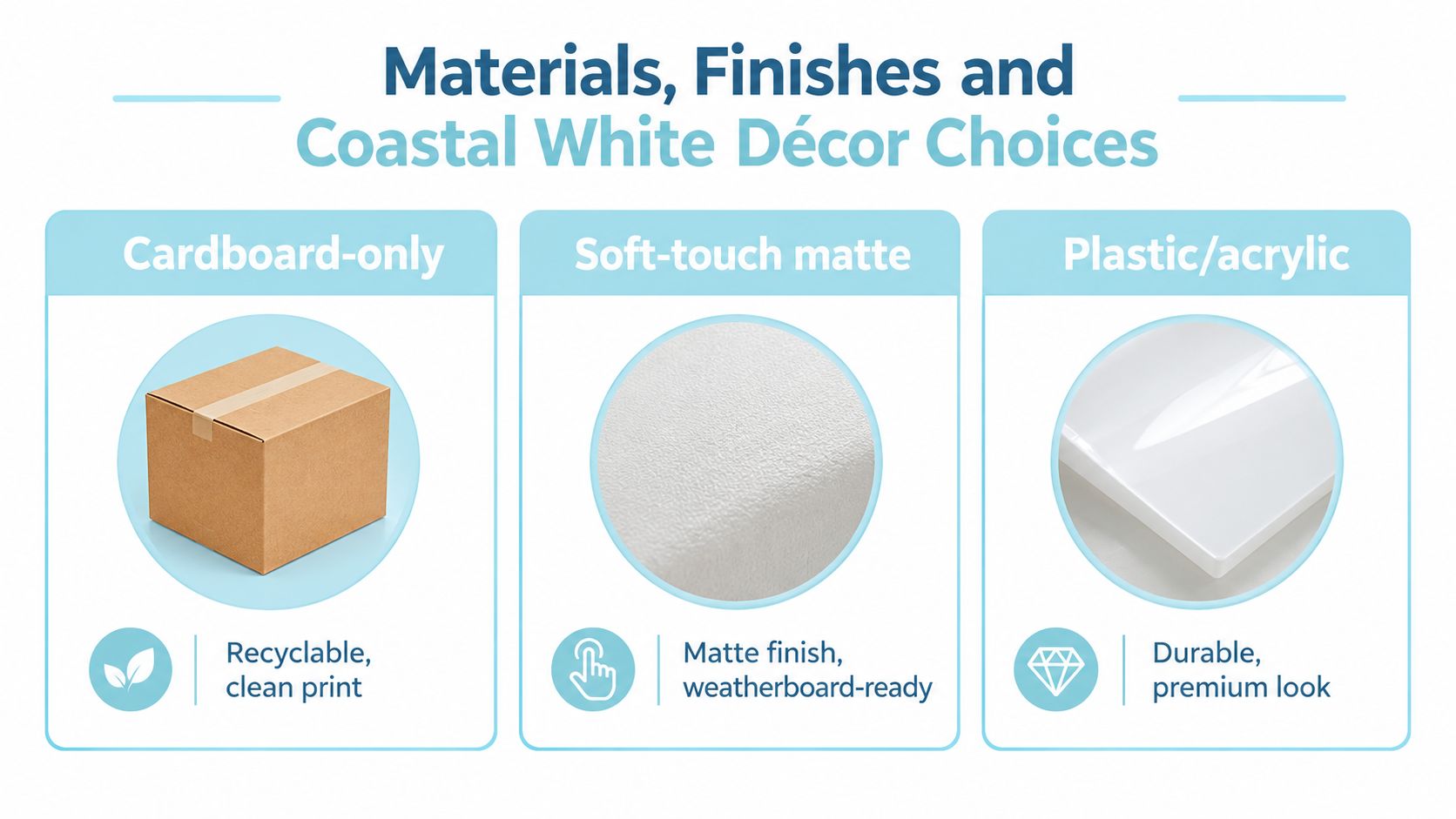
A product selection chart comparing materials: cardboard, soft-touch matte finish, and plastic or acrylic surfaces.

For a more structured look, a cover tissue box can turn an everyday pack into a proper décor accent. Let the room decide whether that accent should disappear into the palette or stand out as a conversation piece.

VW-Themed Small Boxes, Diecast Pairings and Gift Ideas

The strongest pairing uses repetition without copying. A small box carrying a restrained Kombi illustration can sit beside a diecast van, while the model supplies the detail and the tissue box supplies the everyday usefulness. The result feels more like a styled vignette than a pile of branded objects.

Australian VW history gives those pairings plenty of warmth. Type 2 Kombis first went on sale in Australia in 1954, with early examples assembled from imported German kits at Martin & King in Clayton South before Volkswagen took over local assembly four years later. That local connection makes a Kombi theme especially fitting in an Australian coastal home. The Australian Kombi history and buyer background adds useful context for anyone choosing a heritage-inspired display.

A Beetle theme carries its own local story. Volkswagen sold roughly 31 Beetles in Sydney in 1953, Volkswagen Australia formed in 1959, and the Beetle was withdrawn from Australian sale in January 1976, according to this Australian Volkswagen manufacturing history. Those milestones turn a small gift into a prompt for stories about family cars, road trips and the first VW someone remembers.

Pair the mood, not just the vehicle

Box Theme Diecast Pairing Best Occasion
Coastal bus print Samba Bus or Kombi model Housewarming
Soft white sleeve Sea Blue van model Beach house styling
Flower Power artwork Bright Beetle model Birthday present
Panel van design Utility-style VW model Father's Day
Retro surf motif Kombi and accessories VW club meet or gift bundle

Collectors choosing a larger display piece often compare 1:18 models, about 24 to 30 cm long, with 1:24 models, about 16 to 20 cm long. A diecast collecting scale guide explains why 1:18 suits detail-led displays while 1:24 offers a practical middle ground. Leave enough space around either scale so the tissue box doesn't crowd the model.

Portable tissue formats are also worth considering for cars and handbags. Australian market coverage describes pocket-size packs as growing faster than bulk boxed tissues, while boxed formats remain important for presentation and home use. That makes a themed small box a useful bridge between portability, décor and the familiar hospitality of a club gathering. For model inspiration, browse the Volkswagen diecast collection.

Buying Checklist, Care Notes and Quick Answers

A good tissue small box should earn its place every day, not just look smart in a photograph. Check the opening, the inner pack and the surface before you commit to a style.

  • Tissue count: Confirm the pack quantity suits the room and the refill routine.
  • AU dimensions: Measure the shelf, cover or dispenser rather than guessing from “small”.
  • Refill method: Decide between a refill slot, removable sleeve or sealed single-use box.
  • Finish: Match matte cardboard, acrylic or printed board to the room's moisture and light.
  • Colour: Choose coastal white, driftwood, sea blue or a stronger VW accent.
  • Licensing: Look for authorised Volkswagen branding when authenticity matters.
  • Pairing potential: Check whether the design complements a Beetle, Kombi or Samba Bus model.
  • Gift presentation: Consider whether the box works alone or alongside a keyring or diecast piece.

Keep the box out of direct sun, especially near a bright window or windscreen, to reduce fading and coastal yellowing. Wipe printed surfaces gently, avoid bleach near inks and store spare cardboard sleeves flat so their edges don't curl.
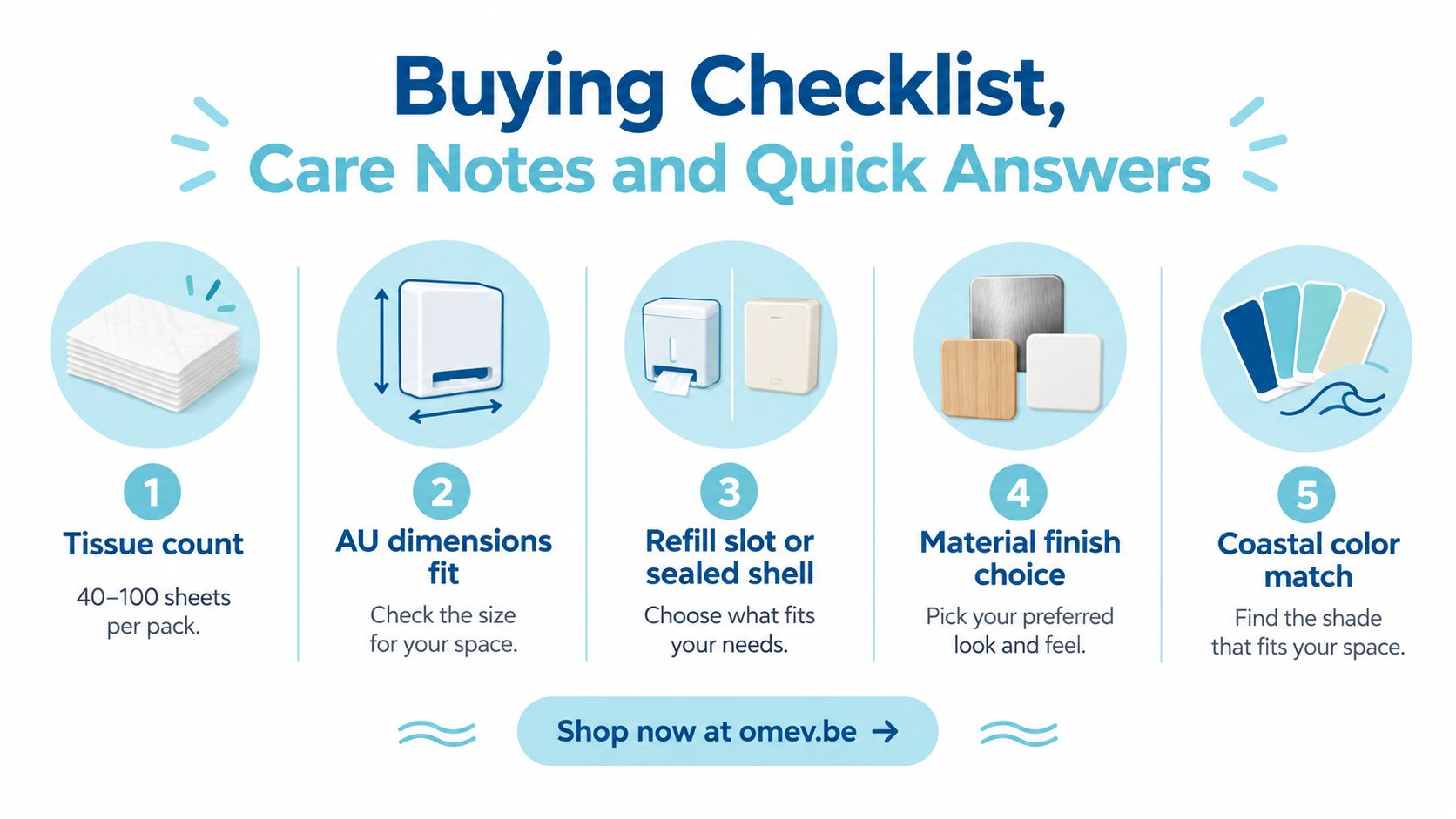
A checklist graphic providing five tips for buying tissue holders, including count, dimensions, style, and material.

Quick answers

What tissue count suits a small box?
Choose by location and refill frequency. A guest room can use a smaller pack, while a busy bathroom needs more capacity.

Will printed designs survive a bathroom?
They can, if the box stays away from direct splashes and condensation. An acrylic or plastic cover is safer for wet zones.

How can I check licensing?
Look for clear Volkswagen branding, accurate vehicle details and seller information. Be cautious with vague bus artwork presented as official.

How long does postage take from a local Australian diecast store?
Check the store's current dispatch and delivery guidance before ordering, as stock location and destination affect the timing.


Volkswagen Memorabilia brings together licensed VW diecast models, Kombi and Samba Bus pieces, Beetle gifts and coastal home décor for displays that feel collected rather than cluttered. Visit Volkswagen Memorabilia to find a tissue-box companion for your shelf, bathroom or next sunny VW gathering.
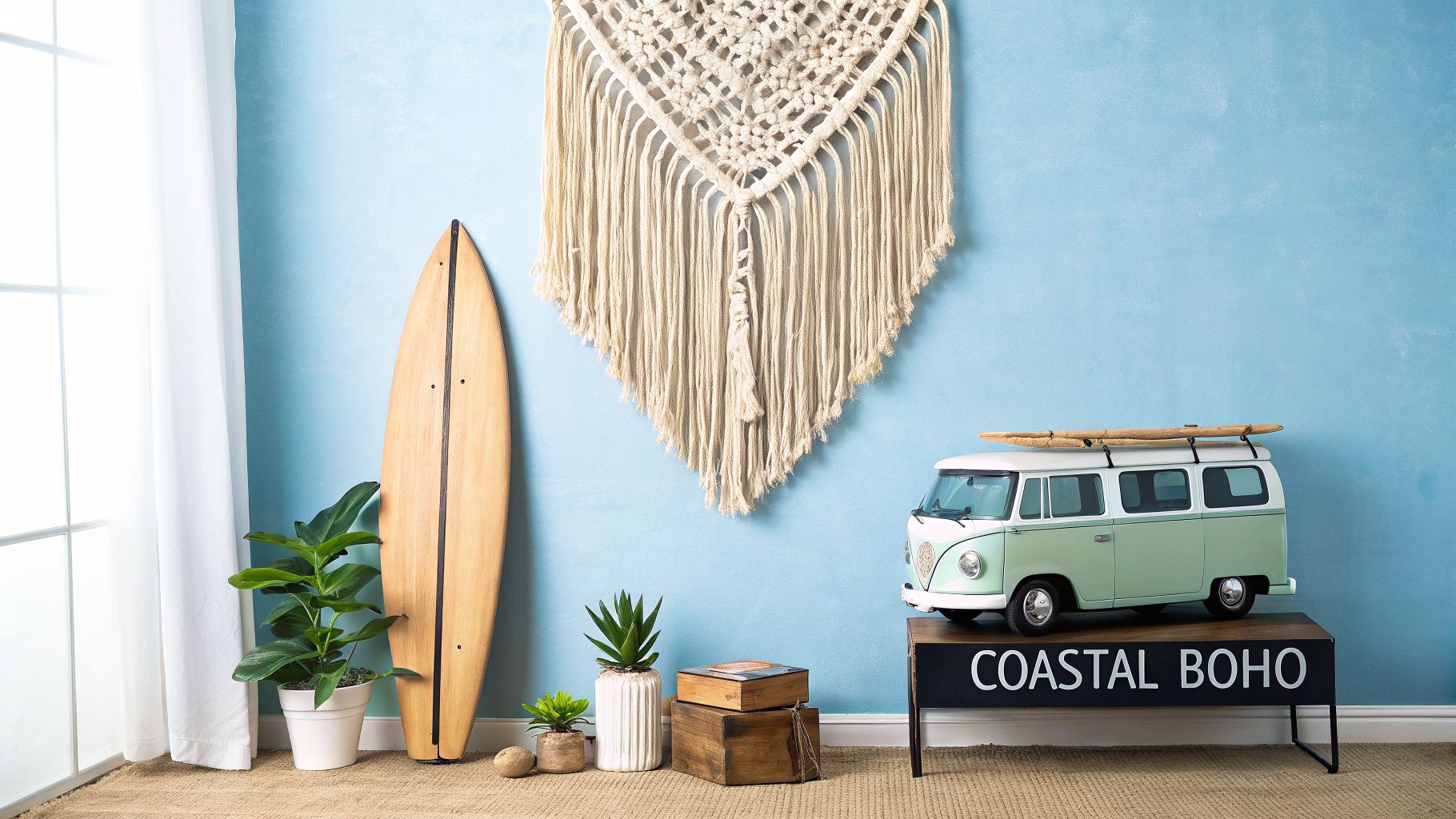
Your Ultimate Guide to Boho Wall Art in Australia

Boho wall art is so much more than just something you hang on a wall. It’s a whole mood. It’s about creating a space that feels free-spirited, earthy, and deeply personal, using natural textures like macramé, timber, and woven fabrics to build a warm, lived-in atmosphere that tells your story.

What Is Boho Style and Why Does It Work so Well in Australia?

A vibrant coastal boho room featuring a macrame wall hanging, surfboard, plants, and a vintage toy van.

You know that feeling you get at a car show, surrounded by sun-bleached Kombis and classic Beetles? That vibe of freedom, community, and good times? That’s the exact spirit of boho style. It’s less about rigid design rules and all about creating a space that feels like an extension of you.

At its core, the boho look is a celebration of all things natural, handcrafted, and gathered over a lifetime of adventures. It’s an eclectic mix that just clicks with our laid-back Aussie lifestyle, especially when you blend it with coastal and surf-inspired decor. Think earthy tones, woven textures, and an air of effortless cool.

The real beauty of boho is how it turns a house into a home. It’s about surrounding yourself with things you love—pieces that spark a memory or tell the story of your adventures, whether that was a road trip up the coast or finding that perfect handmade artwork.

This style isn't about being flawless; it’s all about personality. It embraces the little imperfections and celebrates what makes your space unique. And that's exactly why it’s the perfect way to show off your passions. Your treasured Volkswagen memorabilia doesn’t need to be tucked away on a separate shelf—it can become a central part of the story you're telling on your walls.

To get a better sense of what makes this style tick, here’s a quick rundown of its core components.

Core Elements of Boho Wall Art

Element Description Examples
Materials Focuses on natural, raw, and organic textures that feel earthy and authentic. Macramé, rattan, wicker, jute, unfished timber, linen, cotton canvas.
Colours A warm and inviting palette drawn from nature, often with pops of vibrant colour. Cream, beige, terracotta, mustard yellow, olive green, dusty pink.
Themes Motifs that celebrate nature, travel, and a free-spirited approach to life. Botanical prints, sun and moon cycles, abstract patterns, mandalas, coastal scenes.

These elements aren't rules, just a starting point. The fun begins when you start mixing them to reflect your own taste.

The Rise of Personalised Decor

It’s really no wonder this trend has taken off. We’re all looking for ways to make our homes feel more genuine and connected to nature. In fact, the wall art market across Australia and New Zealand is seeing steady growth, especially for pieces like macramé and fabric tapestries. According to industry analysis from Future Market Insights, this lines up perfectly with a broader love for textiles in the Aussie home décor scene.

Boho wall art is the perfect answer to this desire for authentic living. It creates a stunning backdrop for everything from a detailed 1:18 scale Kombi Samba Bus diecast to a framed photo from the last VW Nationals. For more inspiration on bringing that relaxed vibe home, check out our guide on coastal home decor ideas.

Ultimately, it's about curating a warm, inviting space that truly reflects a life well-lived.

How to Choose the Right Boho Wall Art for Your Space

Feeling a bit swamped by all the woven tapestries and botanical prints out there? Don't worry, picking the right boho wall art isn't about following a strict set of rules. It’s more of a gut feeling—finding those pieces that just feel right for your home. Let's walk through how to choose with confidence.

First, let's talk size and scale. That huge, empty wall behind your sofa is practically crying out for a large statement piece. Think about a sprawling macramé hanging or even a triptych of coastal prints, like this stunning Beached canvas print set, to create an immediate focal point.

On the flip side, that cosy reading nook or the narrow wall in your hallway is the perfect spot for a smaller cluster of framed prints or a single, beautifully detailed woven basket.

Consider Your Colours and Textures

Take a good look around the room you're decorating. What colours do you see? Boho style is famous for its earthy palette—sandy beiges, warm terracotta, and olive greens—but the real goal is harmony. Your new art should complement the colours you already have, not clash with them. If your room is mostly neutral, a piece with a pop of mustard yellow or ocean blue can bring it to life.

Texture is just as crucial. Boho is a very hands-on, tactile style. If your space is full of smooth surfaces, like a sleek leather couch or a modern TV unit, bringing in some textured art creates a beautiful sense of balance.

Think of it like this: a large, soft macramé hanging can soften the hard lines of a modern apartment, while a collection of timber-framed prints can add warmth and structure to a room filled with plush fabrics.

It’s all about creating a mix. You want a space that feels layered and interesting, not flat or one-dimensional.

Real-World Scenarios to Spark Ideas

Let's make this practical. Imagine a living room with a big, comfy grey sofa and light-coloured walls—a fantastic blank canvas. You could:

  • Hang a large, intricate macramé piece centred above the sofa. This instantly introduces a soft, handcrafted feel.
  • Create a gallery wall with a mix of botanical prints, abstract art, and maybe a vintage map in different timber frames. This gives you a wonderful, collected-over-time vibe.
  • Go for a large canvas painting of a dreamy coastal scene to bring that relaxed beach atmosphere right into your living room.

Now, for a smaller area like an entryway, you don't want to overwhelm the space. A set of three small, framed photos from a past road trip, hung vertically, can draw the eye upward and make the area feel taller. Or, a single, eye-catching woven wall basket can add a touch of organic charm without taking up too much visual real estate.

At the end of the day, trust your instincts and pick what makes you happy.

Mastering the Art of the Eclectic Gallery Wall

A gallery wall is the best way to show off your personality, and for a boho vibe, it’s all about embracing a bit of beautiful, curated chaos. Forget those stiff, perfectly aligned grids you see in formal homes. We're going for something that feels organic and collected over time, like each piece was found on a different adventure.

The trick isn't a lack of planning; it's making the plan look completely effortless. The best way I’ve found to get started is to lay everything out on the floor first. Grab all your bits and pieces—framed prints, woven hangings, mirrors, maybe even a cool vintage number plate. Move them around until the balance just feels right. This gives you a great overview without hammering a single nail into the wall.

A boho gallery wall should feel less like a stuffy museum and more like a scrapbook of your life’s adventures. The goal is to create something that draws people in and gets them talking.

Once you’re happy with the layout on the floor, you can start putting it all up on the wall, one piece at a time.

Finding Your Anchor Point

Every great gallery wall has a starting point. Your first move is to pick your largest or most eye-catching piece and hang it slightly off-centre. This will be your "anchor," the piece you build everything else around. Placing it off-centre immediately stops the wall from feeling too static or symmetrical.

Your anchor can be anything, really. A big abstract canvas, a sprawling macramé hanging, or even a bold metal sign. Once that's up, you can start filling in the space around it with your smaller items, working your way outwards.

Unifying a Diverse Collection

So, how do you make a wild mix of different sizes, shapes, and textures look cohesive instead of just cluttered? You need to find a common thread that pulls it all together. This doesn't mean everything has to match—not at all!

Think about these unifying elements:

  • A Consistent Colour Palette: Your pieces might be all over the place, but if they share one or two key colours (like earthy terracotta, ocean blue, or even just simple black and white), they'll instantly look like they belong together.
  • Similar Frame Styles: Try grouping several pieces in natural timber frames or simple black frames. This creates a sense of harmony, even if the art inside is completely different.
  • A Shared Theme: Your theme could be as broad as "coastal vibes," where you mix seascapes with photos of your Kombi at the beach. Or it could be more personal, like "road trip memories."

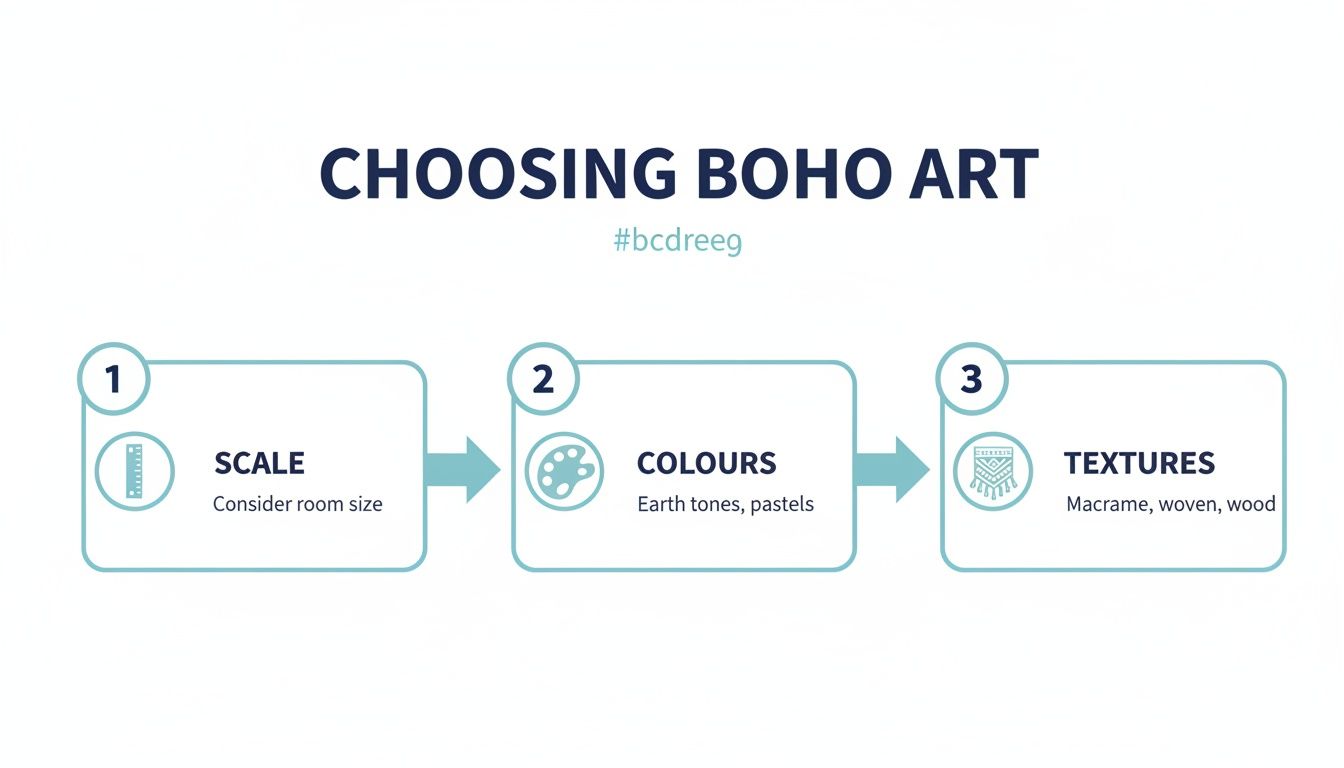
Here’s a simple way to visualise how you can select your art.

A clear, concise guide illustrating three steps for selecting boho art based on scale, colors, and textures.

This guide shows how thinking about scale, colour, and texture—in that order—really helps you narrow things down. It's all about finding that sweet spot where each piece gets to shine, but the whole collection works as one.

Don't forget to leave a bit of breathing room between pieces. A gap of about 5-10 centimetres is a good rule of thumb. That negative space is just as important as the art itself; it’s what keeps the wall from looking overcrowded.

Blending Your Passion for VWs with Boho Decor

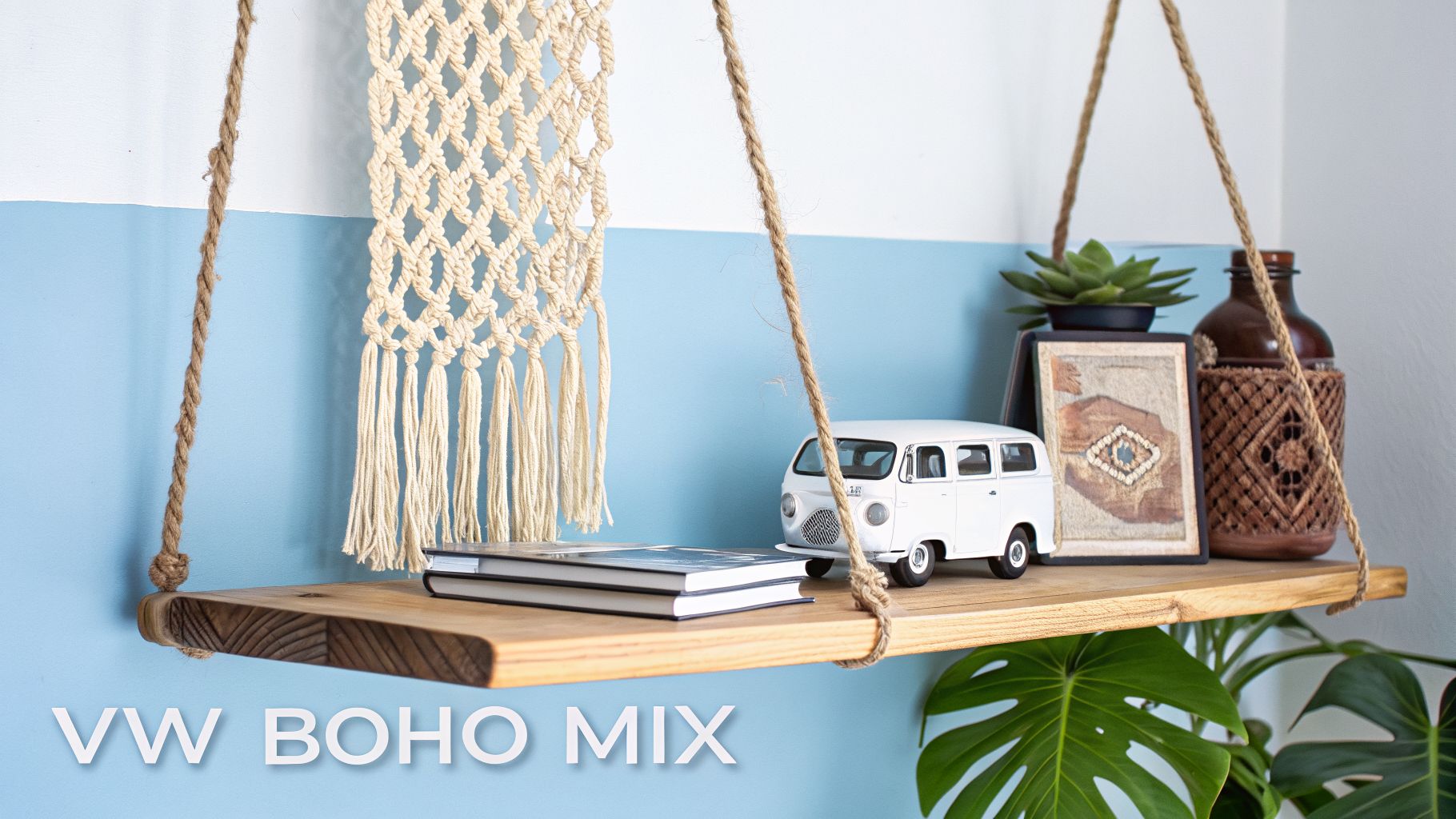
A wooden hanging shelf displays a white toy VW bus, books, a succulent, and boho decor.

Alright, this is where we get to the fun part. Bringing your love for classic Volkswagens into a boho space is all about crafting a look that feels completely, authentically you. It’s not just about placing a diecast model on a shelf—it's about weaving that iconic VW culture right into the very fabric of your home.

Boho style and VW heritage are a natural fit, really. Both celebrate a spirit of freedom, adventure, and hitting the open road. Picture a beautiful, hand-woven macramé piece hanging above a rustic timber shelf, with your favourite 1:18 scale Kombi Samba Bus diecast sitting proudly. It just works.

Creating a Focal Point with Diecast Models

Your diecast collection shouldn't be an afterthought; it deserves to be a hero feature. One of the best ways I’ve found to do this is with floating shelves or shadow boxes. They instantly turn your models into eye-catching, three-dimensional art.

Try arranging a few of your most-loved models on a simple wooden shelf. Then, surround them with smaller boho pieces—a trailing plant, a stack of old paperbacks, maybe a small, framed photo. Suddenly, it’s not just a display; it’s a little story, a vignette that draws people in.

Another great trick is to dedicate an entire nook to your hobby. A set of tiered corner shelves can transform into a mini-museum for your treasured Volkswagen Beetle models, where each level showcases a different era or style. For a bit of extra magic, wind some warm, battery-operated fairy lights around the shelves. It really makes them pop.

The key is to make your memorabilia feel like it belongs in the room. When you surround your models with natural textures like wood, rattan, and woven cotton, you bridge the gap between the industrial cool of the cars and the earthy warmth of boho decor.

This creates a look that feels personal and deliberately put together. It shows you love classic cars and you have a great eye for creating a relaxed, beautiful home.

Weaving VW Art into Your Gallery Wall

A gallery wall is the perfect canvas to let your VW flag fly. What I love about boho gallery walls is their eclectic, "collected-over-time" vibe, which gives you complete freedom to mix things up.

Here are a few ways to blend your passion seamlessly:

  • Mix Your Media: Don’t limit yourself to framed prints. A cool, retro-style metal Kombi sign looks fantastic hung next to woven wall baskets, macramé hangings, and abstract art. That contrast between the hard metal and soft textiles is what creates so much visual interest.
  • Get Personal: Frame some of your own photos! Got a favourite shot from VW Nationals, a memorable coastal road trip, or just a great picture of your Beetle parked under a jacaranda tree? Get it on the wall. These personal touches are what truly make a house feel like a home.
  • Hunt for Vintage Ads: Scour online marketplaces and local op-shops for original Volkswagen advertisements from back in the day. Their retro colours and classic fonts deliver an instant dose of nostalgia that pairs perfectly with the vintage feel of boho.
  • Frame Your Memories: Never underestimate how a great frame can tie everything together. Something on-theme, like this classic blue VW Beetle photo frame, is perfect for capturing a special moment while reinforcing the overall vibe.

When you start combining these elements, you’re doing more than just displaying a collection. You're creating a cohesive, stylish, and deeply personal space that celebrates everything you love—from the unmistakable sound of a flat-four engine to the quiet beauty of a handcrafted piece of art. It’s your story, told right there on your walls.

Finding and Caring for Your Boho Wall Decor

Half the fun of creating a boho-inspired space is the hunt for the right pieces. It’s less about a quick trip to a major retailer and more about uncovering decor with some real soul. I’ve found some of my best items at local artisan markets—think Byron Bay’s hinterland stalls or Sydney's Paddington Markets. These spots are absolute goldmines for one-of-a-kind, handcrafted art.

When you buy straight from the maker, you're not just getting a piece of decor; you're getting a story. Plus, you’re supporting a local Aussie creator, which always feels good. If you're searching online, skip the mass-produced stuff and head to platforms where independent artists sell their work directly. That’s where you’ll find the unique prints and woven hangings that make a space truly your own.

Caring for Your Treasures

Once you've got your art home, a little care will keep it looking fantastic for years. Different materials need different attention, but it’s all pretty simple.

Woven pieces like macramé or jute baskets can be dust magnets. Your best friends here are a lint roller or the soft brush attachment on your vacuum cleaner. Just use a low setting for a gentle clean. For a deeper refresh, take it outside on a dry, breezy day and give it a good shake. You’ll be surprised what a difference that makes.

Canvas prints and paintings are a bit more delicate. A quick wipe with a soft, dry microfibre cloth is usually all that’s needed to handle dust. Whatever you do, don't reach for chemical cleaners—they can strip the colour and damage the print finish over time.

A crucial tip for Aussie homes: Most of our internal walls are plasterboard, which can't support heavy art on its own. For anything with some real weight, like a large framed print or a chunky macramé piece, you must use a proper wall anchor. Even better, grab a stud finder, locate a wall stud, and drill straight into it. It’s a five-minute job that will save you from the disaster of a crash.

Finally, think about placement. To keep your colours looking sharp and vibrant, try to position your art out of direct, harsh sunlight. A bit of ambient light is fine, but hours of intense UV exposure will eventually fade even the boldest prints and textiles.

Taking care of your decor is what preserves the character and warmth you loved in the first place, ensuring your walls tell your story for a long time to come.

Your Boho and VW Wall Art Questions Answered

Got a few questions floating around about getting your boho and VW art just right? Don't worry, that's half the fun of decorating. Let's tackle some of the common things that come up, so you can get your walls looking absolutely spot-on with total confidence.

How Do I Hang Heavy Wall Art Like a Large Macramé Piece?

When you’re dealing with Aussie plasterboard, a single nail just isn't going to cut it for anything with a bit of heft. Trust me. You'll want to grab a weight-rated wall anchor or a toggle bolt to make sure that load is spread out. It’s a tiny bit of extra work that makes all the difference.

The absolute best-case scenario? Use a stud finder to locate the timber stud in your wall and drill right into that. It's the most secure hold you're going to get, hands down. If you're hanging something particularly big or heavy, I always recommend using two anchor points. It helps distribute the weight evenly and keeps the piece perfectly level. And always, always check the weight rating on your hooks and wire.

Take it from someone who’s learned the hard way: spending five extra minutes to find a stud or pop in a proper anchor will save you the heartbreak of seeing your favourite piece on the floor. It’s worth every second for that peace of mind.

What Is the Best Way to Clean Fabric Wall Art Like Tapestries?

Fabric art is brilliant for adding that soft, textural feel, but it does tend to catch a bit of dust. For a regular spruce-up, a simple lint roller or the soft brush attachment on your vacuum cleaner (on the lowest suction setting!) is your best friend. This will lift any surface dust without snagging the delicate fibres.

I’d steer clear of using water unless you are 100% sure the dyes won't run. If your piece just needs a good airing out, take it outside on a dry, breezy day and give it a gentle but firm shake. For any little spills or marks, you can try spot cleaning with a mild detergent, but always test it on a small, hidden area first to be safe.

Can I Mix Boho Wall Art with Other Decor Styles?

Oh, absolutely! This is where you can really start to create a space that feels like your own. The relaxed, earthy vibe of boho decor is incredibly versatile and plays surprisingly well with other styles, especially coastal, Scandinavian, and even mid-century modern.

The secret is to find a common element to tie everything together. This could be a consistent colour palette, a repeating material like rattan or natural timber, or a shared, relaxed theme. For example, a piece of boho wall art can bring a welcome touch of natural texture to a clean, modern room, or it can dial up the laid-back, earthy feel in a coastal home. It’s all about creating a balanced look that reflects you.

Where Can I Find Unique VW Decor That Fits a Boho Style?

You can skip the big-box stores for this one. For pieces that truly capture that blend of surf culture and VW nostalgia, your best bet is to look for specialists who live and breathe this stuff. Curated online shops are where you'll find the real gems.

Here at vwmemorabilia.com.au, we're all about officially licensed VW memorabilia collectibles. We hand-pick everything from highly detailed diecast Kombi models to unique wall art that just clicks with a boho, surf-inspired space. The big plus of buying from a dedicated Australian importer is you get local stock and way faster shipping. You're not just buying an item; you're connecting with a local community of fellow collectors and enthusiasts.


Ready to find that perfect piece to bring your wall to life? At Volkswagen Memorabilia, we’ve put together a collection that celebrates the free-spirited lifestyle of VW culture and coastal living. Have a browse through our range of diecast models, signs, and unique decor to find something special for your home.

Explore the Shop at vwmemorabilia.com.au