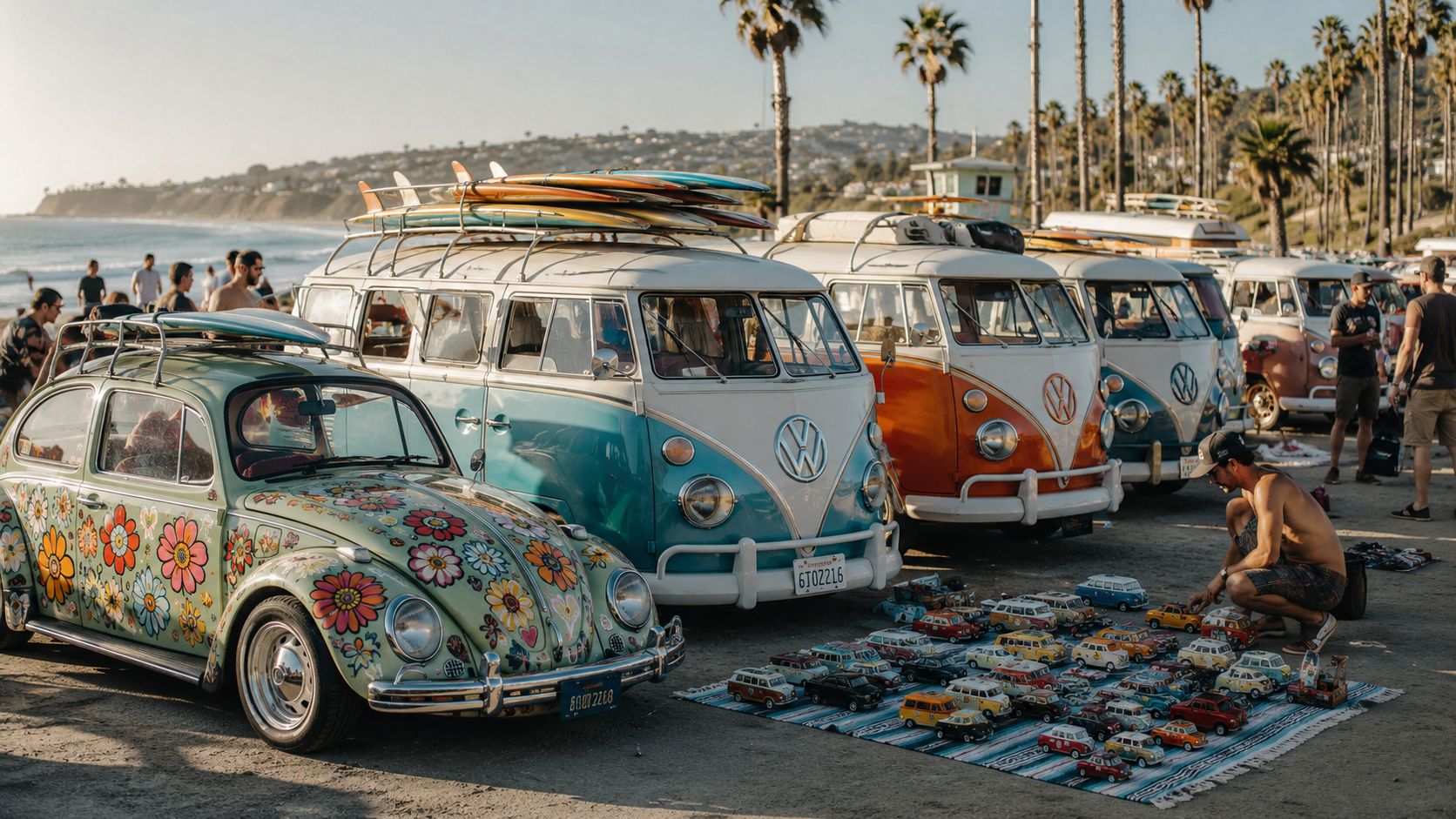
At a car show in Melbourne, a beige Squareback sat between a tidy Beetle and a Kombi with surf racks, and the Type 3 was the one people kept circling back to. It had that low, calm stance that made it look like a proper family car with a bit more class, and a few old VW hands were already swapping stories about parts, rust, and the one that got away.
The VW Type 3 has always had that effect. It doesn't shout like a Beetle or wear the beach-party badge of a Kombi, but it carries a confident shape and a proper piece of Volkswagen history that still feels fresh on Australian roads and in collectors' living rooms alike.
Why the VW Type 3 Still Turns Heads Down Under
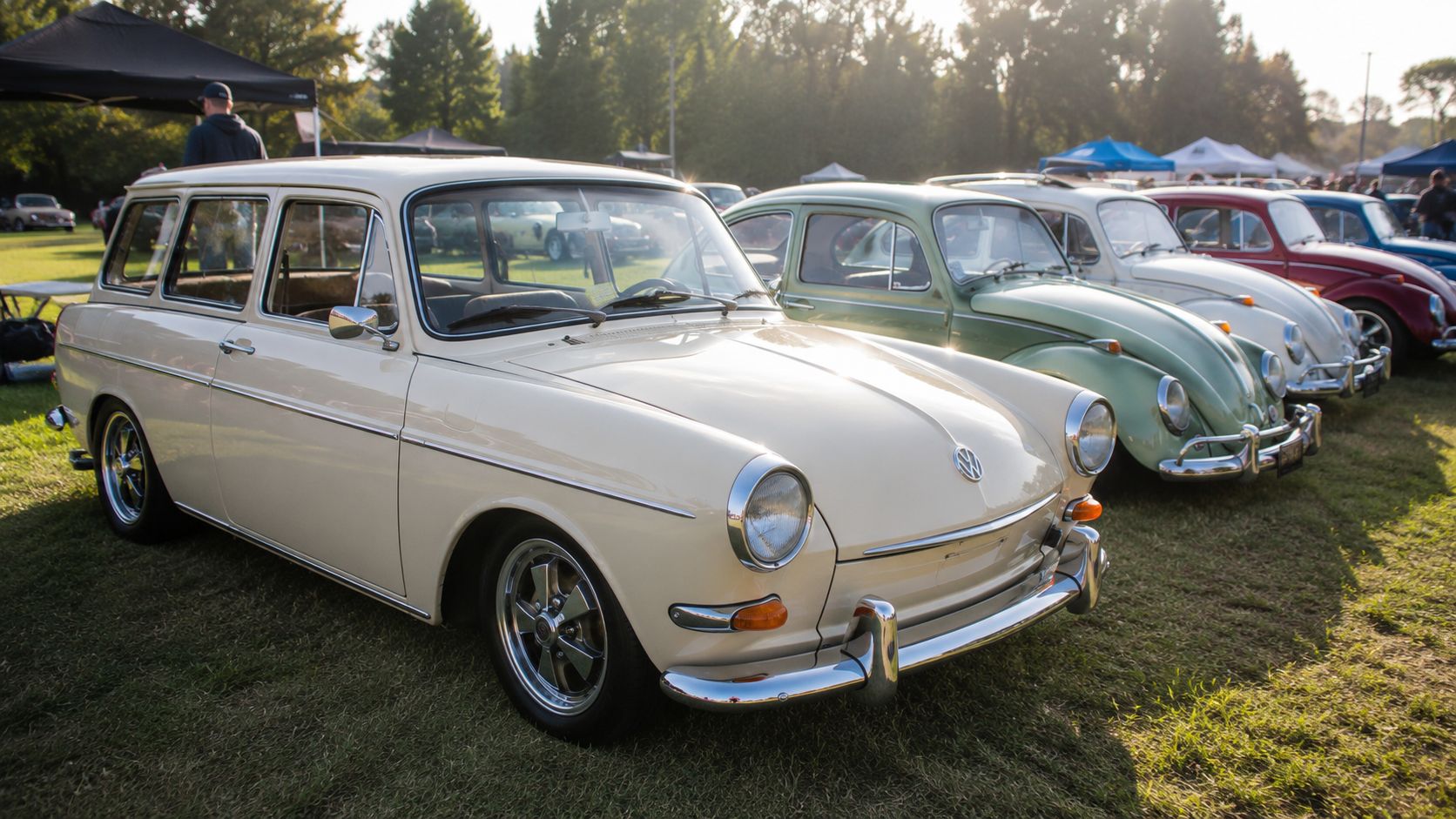
A cream-coloured Squareback easing past a line of Beetles at Volksfest gets the same reaction every time. People lean in, smile, and ask the same question, what is that one? The answer usually comes with a grin, because the VW Type 3 is one of those cars that rewards anyone who looks a little closer.
A Volkswagen with a more grown-up presence
The Type 3 has a shape that feels lower, longer, and more settled than the Beetle. That's part of the charm. It looked like the practical Volkswagen for people who'd outgrown the tiny back seat but still wanted the same air-cooled honesty and easygoing character.
Australian enthusiasts have long responded to that balance. The model stayed in local output until 1974, which gives it a longer regional life than many people realise, and Australian buyer's-guide coverage notes that more than 2.5 million Type 3s were built globally across 13 years. Volkswagen's own record puts the total at 2,587,989 units from the start of production to the 1973 model change, which says a lot about how seriously the car was taken in its day. Those figures help explain why surviving Australian examples feel more than just quirky leftovers, they feel like part of the country's VW story.
Why it still works at shows and in collections
The Type 3 stands out because it doesn't rely on novelty alone. Its silhouette, practical proportions, and family-friendly packaging give it real presence next to Beetles and Kombis, especially when it's cleaned up and sitting on period wheels. You can see why collectors keep hunting for tidy examples, and why memorabilia buyers keep reaching for diecast versions that capture the same shape on a shelf.
Practical rule: if a classic Volkswagen gets attention from both longtime owners and first-time showgoers, it usually has something genuinely distinctive going on. The Type 3 absolutely does.
For Australian collectors, that distinctiveness matters. It's a car with enough production scale to support restoration interest, parts interest, and memorabilia interest, but enough individuality to feel special in a crowded VW scene.
How the Type 3 Came to Life
Volkswagen launched the VW Type 3 in 1961 as a more spacious, more practical step beyond the Beetle, while still keeping the rear-engine, air-cooled formula that made the brand famous. The car was sold in three main body styles, the notchback, the fastback, and the station wagon or estate version that many markets knew as the Squareback or Variant. Volkswagen's newsroom notes that the estate arrived in February 1962, with the fastback TL following later, so the range built out quickly once the model was underway. Volkswagen's Type 3 history page captures that launch sequence clearly.
From one new idea to a broad family of cars
That timing matters because it shows the Type 3 wasn't just a single niche sedan. Volkswagen was building a family of cars that could serve different buyers at once, from more conservative saloon customers to families wanting estate practicality. The Australian market felt that practicality strongly, especially because the model kept rolling locally until 1974, extending its presence beyond the global run.
The production numbers tell the rest of the story. Volkswagen's own newsroom says the model reached more than 2.6 million units overall, while another official summary describes more than 1.4 million saloon cars and 1.2 million Variant models. That split is useful for collectors because it shows the Type 3's market identity was firmly rooted in usable body styles, not just a sporty offshoot. Volkswagen newsroom production summary
A car that bridged the old and the new
The Type 3 mattered because it sat in the middle of Volkswagen's air-cooled era. It still had the familiar mechanical family resemblance, but it brought a more modern body, more room, and a calmer road presence. That combination explains why the model has never felt like an odd side project to serious VW people.
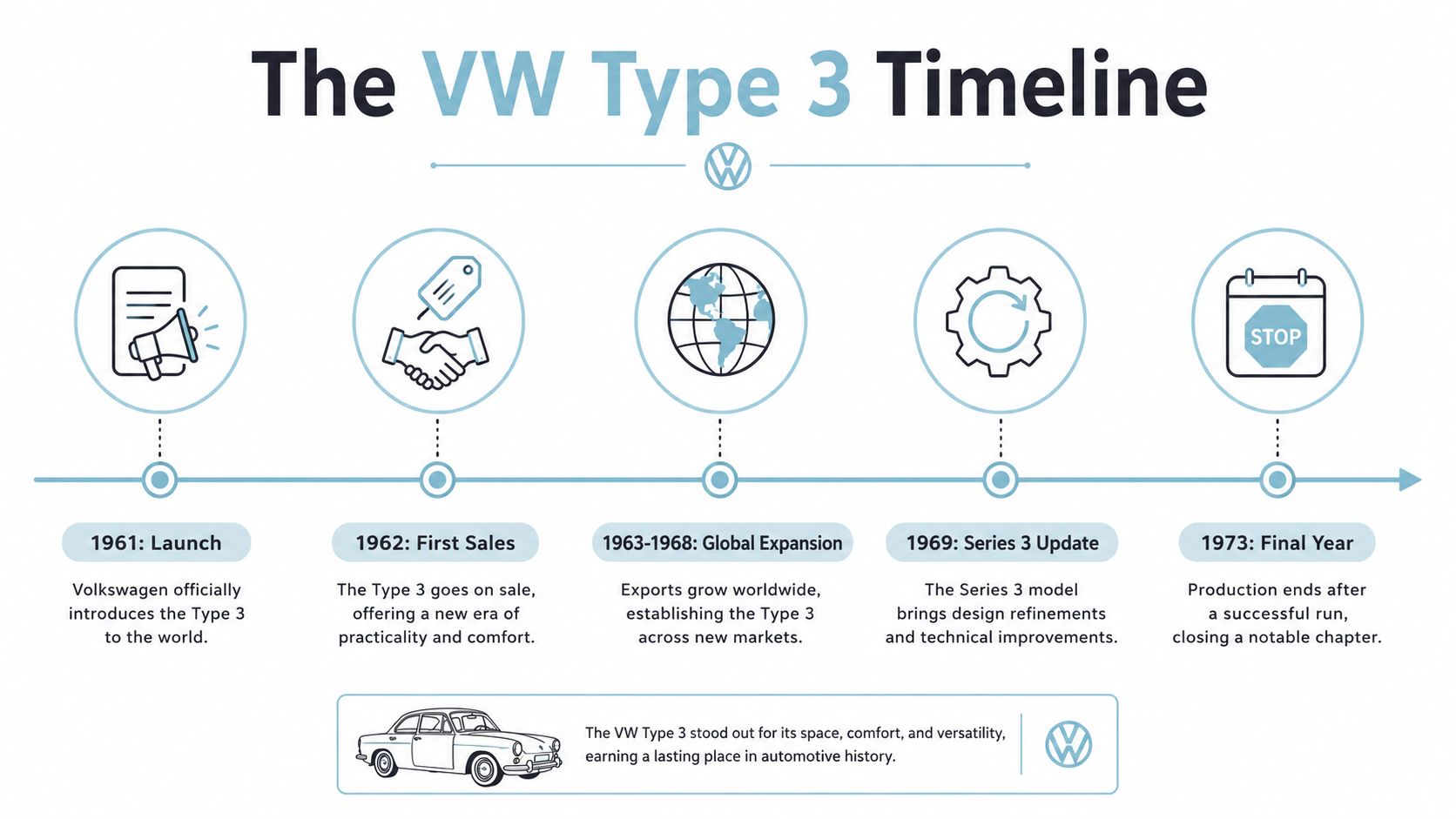
By the time the 1973 model change arrived globally, the Type 3 had already built a strong legacy. In Australian terms, that longer local life helped cement it as a car people remembered on the street, not just in a brochure.
The Three Body Styles Worth Knowing
The Type 3 story really comes alive once you stand beside all three body styles. Each one has a different personality, and each one appeals to a different kind of buyer or collector. The production mix also makes the picture clearer, because Volkswagen records show that out of 2,587,989 Type 3s built worldwide, about 1,339,124 were saloons or notchbacks and fastbacks, while 1,202,935 were Variant estates. That works out to roughly 52% sedan-type bodywork and about 47% wagon-type bodywork, which is a handy guide to how Volkswagen positioned the range. Type 3 production figures
Type 3 Body Styles at a Glance
| Body Style | Also Known As | Global Share | Best For |
|---|---|---|---|
| Notchback saloon | Two-door saloon | About 52% of total output across saloon-type cars | Drivers who like the cleanest classic sedan look |
| Fastback | TL in some markets | Included in the saloon-type production total | Buyers who want a sleeker, slightly sportier profile |
| Squareback estate | Variant in many markets | About 47% of total output | Families, practicality fans, and display pieces with strong visual balance |
The notchback brings the classic sedan feel
The notchback is the easiest place to start if you're drawn to tidy lines and a more formal Volkswagen shape. It looks honest and upright, with enough character to stand apart from the Beetle without trying too hard. In collection terms, it appeals to people who like the purest expression of the Type 3 body language.
The fastback adds a bit of drama
The fastback gives the range a more flowing profile. It keeps the same core Type 3 idea, but the rear treatment makes it feel slightly more athletic and a little less traditional. If you've got a shelf full of diecast VWs, the fastback is the one that often adds contrast and motion to the row.
The Squareback is the practical favourite
The Squareback, or Variant, is the shape many Australian enthusiasts remember most fondly. It suits the Type 3's family-car brief perfectly, and that's why it still resonates with collectors today. It's also the version that tends to connect most naturally with memorabilia buyers, because it looks great in both outdoor scenes and home displays.
The body style you choose usually says more about how you want to enjoy the car than about which one is “best”. That's the fun of it.
Engineering Differences from the Beetle and Kombi
Under the skin, the Type 3 is where Volkswagen started showing how far the air-cooled formula could be stretched. It still shared the rear-engine family DNA, but it packaged that hardware in a way that made the car more usable day to day. Australian road-test coverage recorded fuel consumption averaging 9.4 L/100 km, with automatics using 10% more fuel, which gives a solid local benchmark for how the model was judged in its period. Australian Type 3 buyer's guide
The Type 3 was built for better everyday use
The biggest difference came from packaging. Volkswagen reworked the engine layout into a low-profile arrangement that created a more practical rear cargo area, while the body itself offered a more conventional car shape than the Beetle. That's why Type 3 owners often talk about it as the Volkswagen that felt a bit more grown-up, a bit more civilised, and a lot easier to live with.
Compared with the Beetle, the Type 3 gives you a broader sense of space and a more composed stance. Compared with the Kombi, it's lower and more car-like, so it feels less like a van and more like a proper family machine. For people who want classic VW character without the towering driving position or the Beetle's compact packaging, the Type 3 lands in a very sweet spot.
Why parts knowledge matters
The Type 3's engineering story becomes useful for owners and restorers. The car's mechanical family links make some jobs familiar to long-time VW hands, but the model also has its own details that deserve respect. If you're already comfortable with Type 1 thinking, this VW Type 1 parts reference is a good reminder of what carries over and what doesn't.
The local road-test angle
That 9.4 L/100 km figure matters because it shows the Type 3 was being judged as a real-world car, not just a curiosity. The 10% fuel penalty for automatics also tells you how closely buyers and testers watched running costs in Australia. Those numbers don't turn the Type 3 into a modern economy car, but they do explain why it appealed to people who wanted a bit more substance than the Beetle without giving up the familiar VW ownership rhythm.
Buying and Restoring a Type 3 in Australia
A good Type 3 can still make a brilliant Australian classic, but the buying process rewards patience. The cars that survive well usually did so because someone cared, and the ones that need major work often hide their problems in the places you can't see from three steps away. That's where a careful inspection saves real grief.
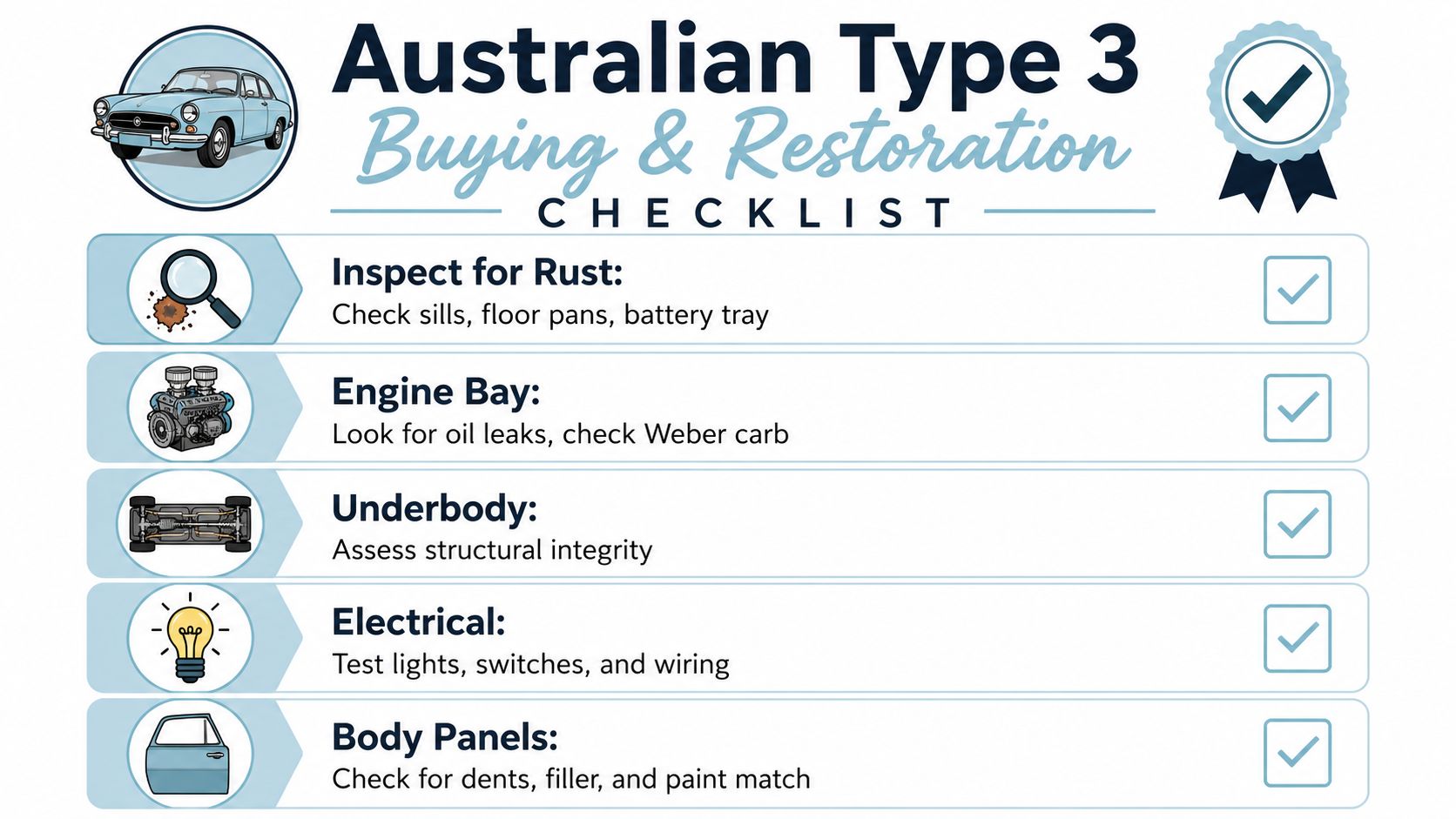
Start with the body, not the polish
Rust, accident damage, and filler work tell you far more than a shiny respray ever will. The Type 3's body lines are subtle, so poor repairs can disappear at a glance and then become expensive later. Stand back, crouch down, and look for symmetry in the panels before you get distracted by trim or wheel choice.
Buyer's rule: a tidy interior can hide a tired shell, but a straight shell gives you a fighting chance.
What to inspect on site
- Rust-prone areas: check sills, floor pans, and the battery tray carefully, because those are the kinds of places that can turn a cheap car into a long project.
- Engine bay clues: look for oil leaks and make sure the carburetion setup has been handled neatly if the car has been modified.
- Underbody condition: assess structural integrity first, especially if the car has spent time near the coast or in damp storage.
- Electrical health: test lights, switches, and wiring rather than assuming old age is the only issue.
- Body panel fit: look for dents, filler, and mismatched paint that might point to hidden repair work.
Restoration priorities that save time
Originality is lovely, but drivability matters too. A Type 3 with complete trim, tidy glass, and a presentable interior often makes a much smarter starting point than a shiny shell missing half its details. The Australian market also tends to reward honest cars that haven't been over-restored into something unrecognisable.
For parts, local VW circles can often help with the common wear items, while rarer Type 3-specific pieces may need more searching. That's part of the charm, because it turns ownership into a conversation with other enthusiasts rather than a solo project. When the right car turns up, the best move is to buy on condition and completeness, not just on colour or excitement.
Diecast Models and Type 3-Inspired Home Decor
Not every Type 3 fan has room for a full-size project in the shed, and that's where diecast and home styling come in. A well-made model on a shelf can carry the same lines, stance, and memory trigger as the actual car, especially when it sits alongside Beetle and Kombi pieces. That's why the Type 3 works so well as a collectible, it feels like a small sculpture of a very usable car.
A display can tell the same story as a driveway
A collector I spoke to had a Squareback diecast set beside a framed beach photo, a Kombi model on the other side, and a whitewashed shelf that felt straight out of a coastal holiday house. The effect was simple and smart. The cars weren't just toys or props, they were a visual shorthand for Volkswagen history, surf culture, and relaxed Australian living.
The Type 3's shape suits that kind of display because it has clean surfaces and a calm profile. It doesn't fight for attention, so it works beautifully with timber, linen, white ceramic, and soft blue accents. That makes it a natural fit for coastal-themed interiors where people want nostalgia without clutter.
What to look for in a quality model
For collectors, the best Volkswagen diecast models for sale usually feel solid in the hand, with clean paint, accurate badging, and believable proportions. A Volkswagen Beetle model and a VW Kombi diecast Australia piece often make perfect companions to a Type 3 because they complete the family story on one shelf. If you're building a display, mixed scale can work, but matching finishes and themes usually looks cleaner than forcing every model into the same slot.
Display idea: place the Type 3 between a Beetle and a Kombi, then use one framed surf print or shell accent to tie the whole shelf into a coastal room.
For browseable inspiration, the Volkswagen model cars collection is the kind of category collectors like because it keeps the search focused on licensed pieces rather than random lookalikes. The same goes for anyone trying to buy diecast Kombi pieces or build a small, giftable VW corner without needing a full garage to enjoy it.
Common Misconceptions and Where to Go Next
The Type 3 isn't just a stretched Beetle, it's a different answer to a different brief. It also isn't rare in Australia in the sense that it vanished without a trace, because local output continued until 1974 and left enough of a footprint to build a real enthusiast following. And no, licensed VW memorabilia isn't hard to find locally if you know where to look, especially when you're after pieces that fit both the car culture and the coastal home style.
The bigger myth is that the Type 3 only matters to hardcore historians. It sits right where nostalgia, practicality, and design meet, which is why it still works for owners, collectors, and gift-buyers alike. If you want to keep the story going in your home, office, or display cabinet, the best next stop is a trusted source of VW memorabilia collectibles and licensed pieces that feel right in an Australian setting. Start with the vintage Volkswagen memorabilia collection and see what catches your eye.
If the Type 3 has you daydreaming about a clean shelf display, a gift for a VW mate, or a coastal-themed room with a proper air-cooled touch, have a look at Volkswagen Memorabilia. You'll find licensed Volkswagen diecast models, Kombi and Beetle favourites, and home décor pieces that suit Australian collectors who want the authentic thing, with local-friendly service and fast shipping.