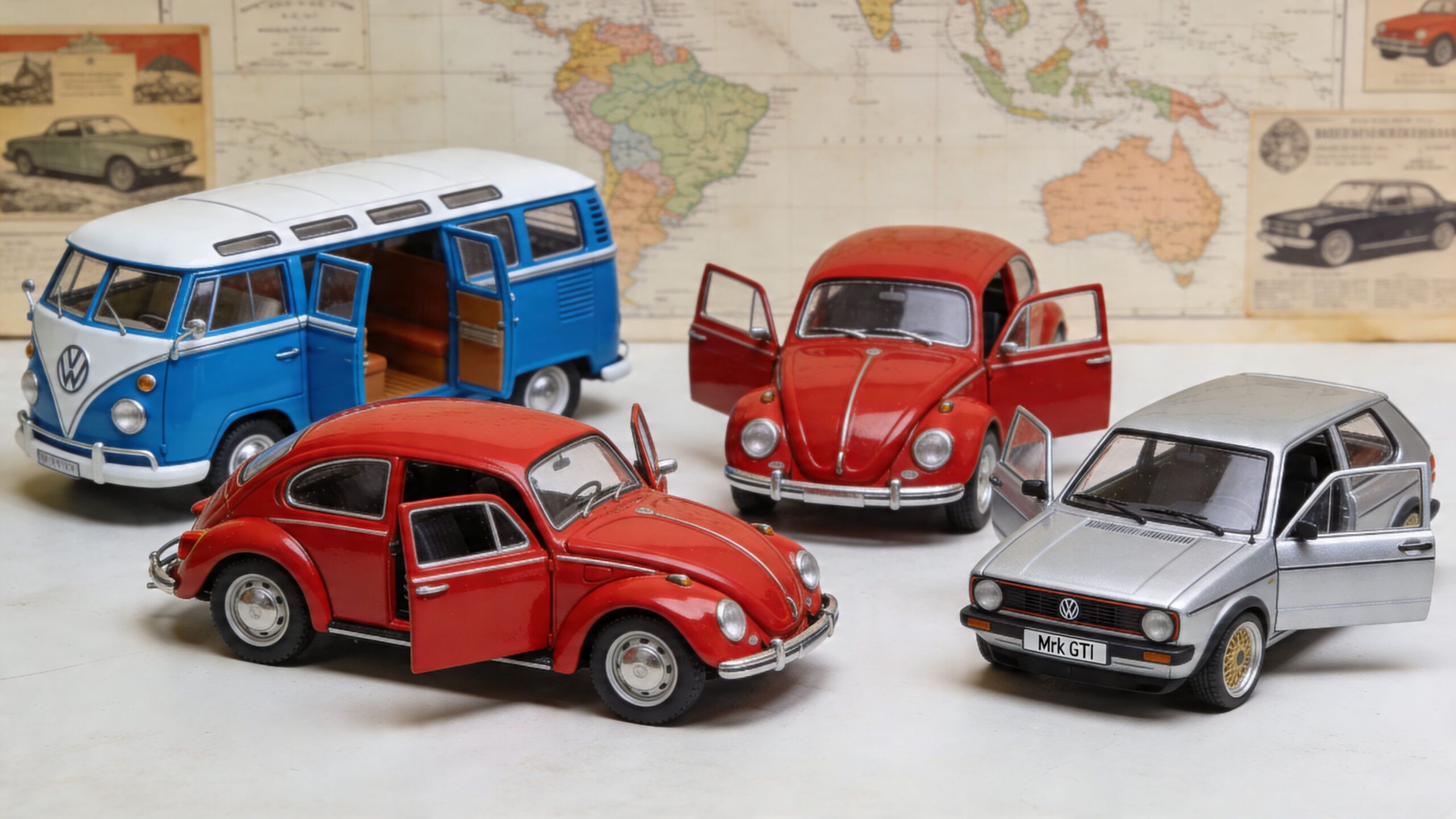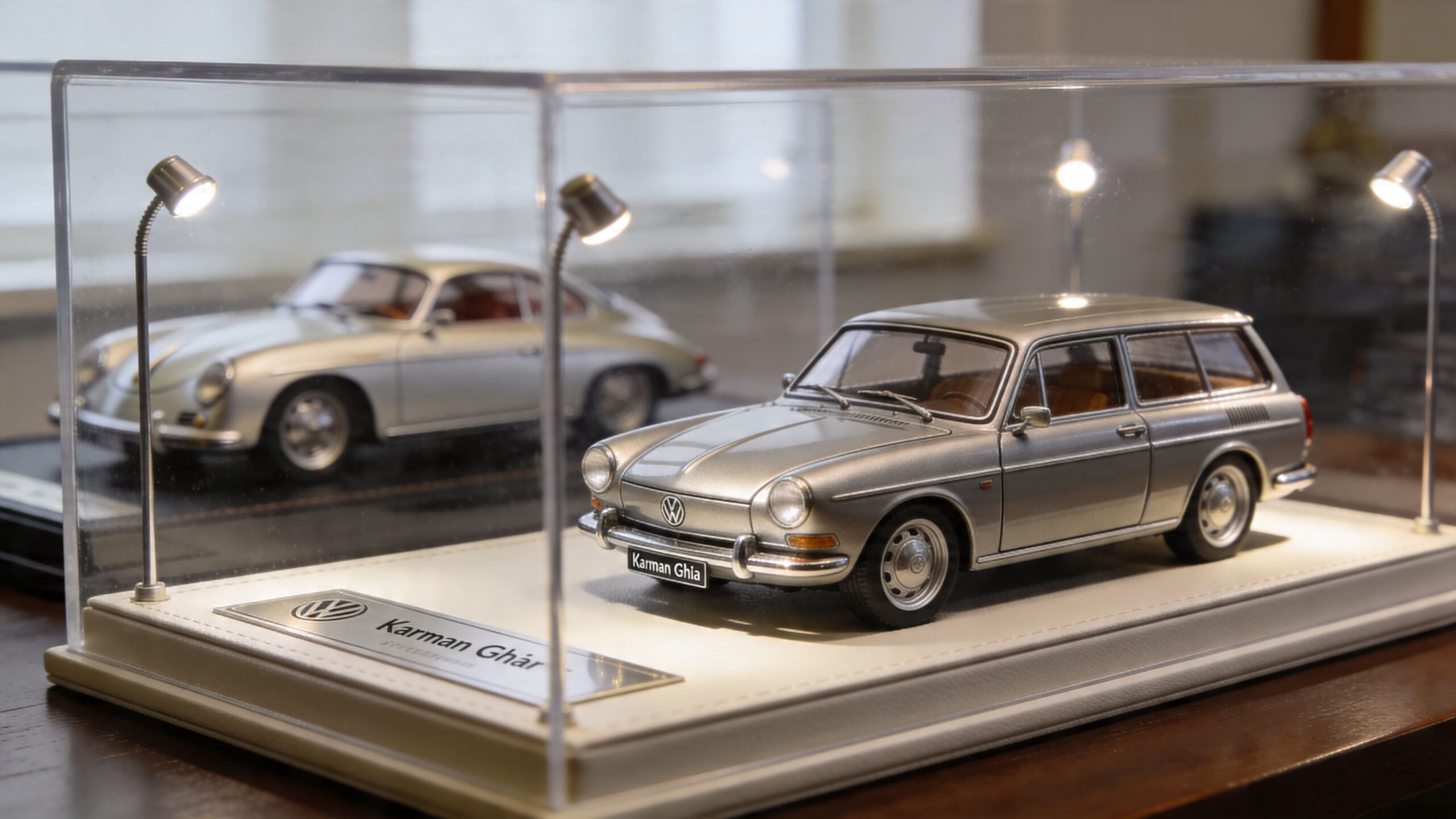
You're polishing up a listing for a tidy little Kombi Samba Bus diecast. The photos look sharp, the box is crisp, and you know some other VW tragic out there will love it. Then your cursor hovers over one word and stalls.
Is it collectable or collectible?
That tiny spelling choice feels small, but it matters more than most of us realise. It shapes how local buyers read your listing, how your product sounds in Aussie English, and how search engines connect your page with people hunting for a Volkswagen Beetle model, VW memorabilia collectibles, or a buy diecast Kombi gift for Dad before the next Volksfest.
That Classic Collector's Conundrum
I've seen it happen at swap meets, club displays, and online seller groups. Someone has a lovely Beetle model or a surfy old Kombi piece on the bench, and they can describe every detail of the paint, the scale, and the era. But when it comes time to write the listing title, they pause at the same fork in the road. Collectable or collectible?
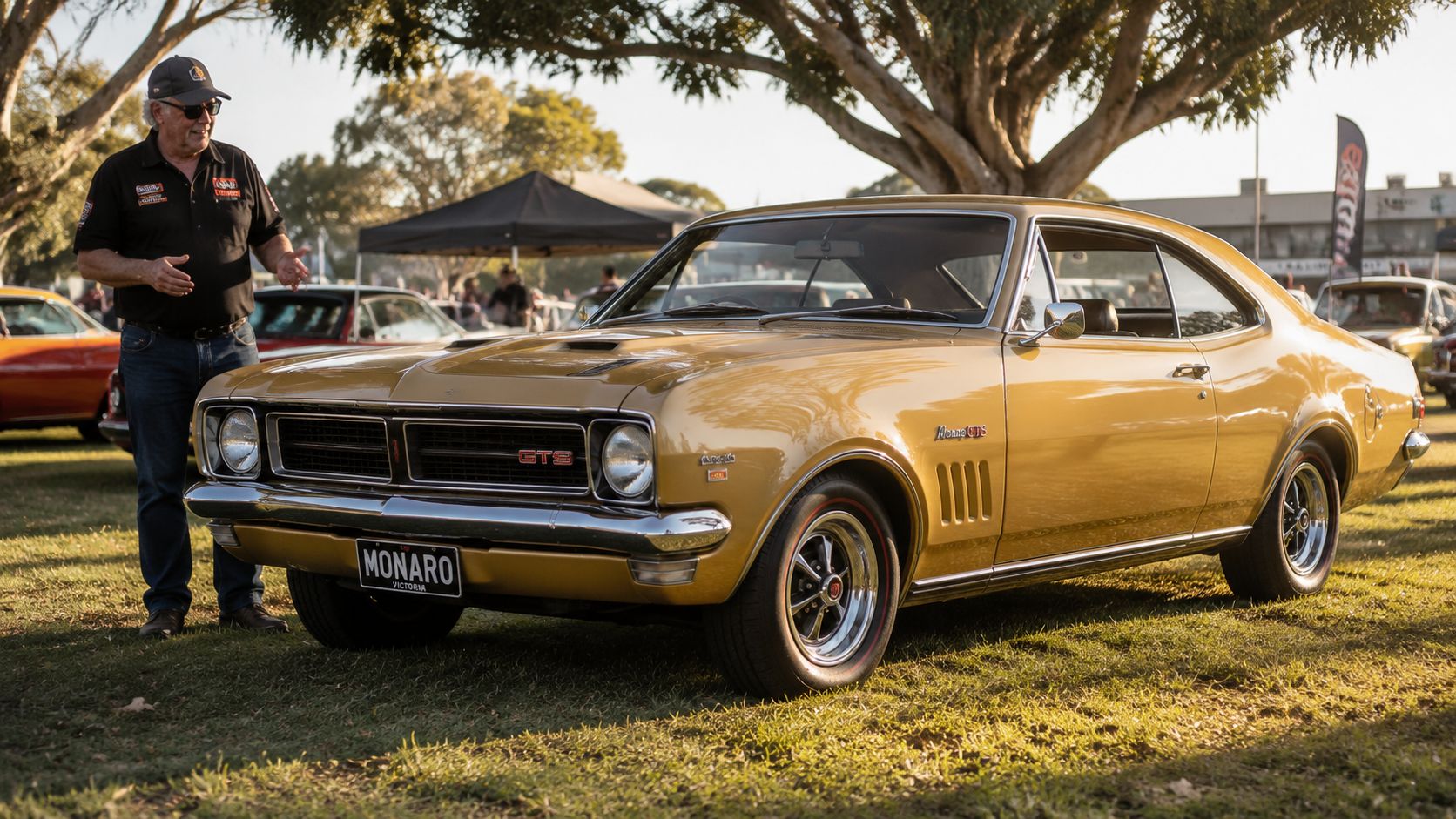
That hesitation makes sense. Collecting in Australia isn't some niche side hobby anymore. Australia has an estimated 7.6 million active collectors, and personal collections are estimated at $16.8 billion AUD, which means more Aussies collect than attend live theatre or hold Netflix subscriptions, according to eBay's State of Collectables Report 2025.
When a hobby gets that broad, language starts doing heavy lifting. The right word helps buyers feel they're dealing with one of their own. It also helps when your diecast display spills into other parts of the home, like vintage shelves, beachy corners, or VW-inspired home accessories that carry the same nostalgic spirit as the vehicles themselves.
Practical rule: If a word in your listing makes an Aussie buyer stop and think, it's worth choosing the spelling that feels local and natural.
For VW fans, that's not nit-picking. It's part of the culture. We care about details because details are what make a Beetle look right, a Samba Bus feel special, and a model shelf tell a story.
The Great Spelling Showdown Explained
Both spellings are real. That's the first thing to get straight.
Collectable and collectible both point to the same general idea. They describe something people want to collect. Where the confusion starts is in tone and usage.
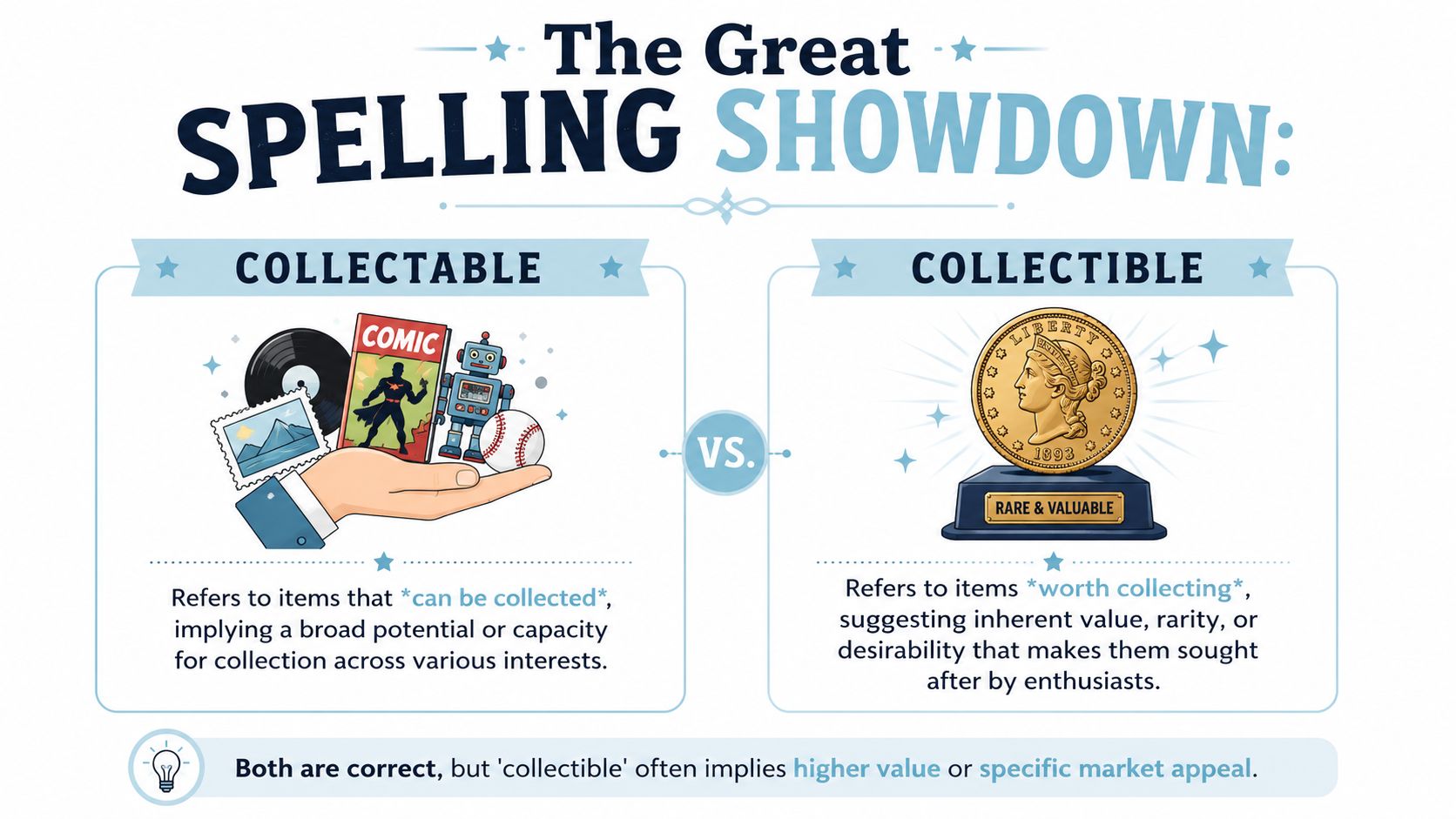
How the two words usually behave
A handy way to think about it is this:
| Word | Common feel | Typical use |
|---|---|---|
| Collectable | Broader, more descriptive | An adjective in Australian and British usage |
| Collectible | More market-focused, more American | Often used as a noun, or in US retail language |
You might say, “That's a collectable VW Kombi diecast,” because you're describing the model as something worth collecting.
You might also hear, “It's a rare collectible,” especially in American marketplaces where the word often stands alone as a noun.
Why both spellings keep turning up
Part of the reason both spellings are everywhere is that diecast collecting itself is global. The audience isn't limited to one country, and online shopping mixes British, Australian, and American wording on the same results page. That's no surprise in a market this big. The global automotive diecast scale model market was valued at USD 4.09 billion in 2025, with collectors and hobbyists contributing over 65% of total demand, according to Business Research Insights' automotive diecast scale model market report.
So yes, both spellings are technically acceptable.
But they don't land the same way.
Use collectable when you want your wording to sound Australian and natural. Use collectible strategically when you want to catch searches or speak to overseas buying habits.
That's the sweet spot. Grammar, audience, and search intent all pulling in the same direction.
Aussie Lingo and The Rest of The World
If you write for Australian buyers, collectable is usually the better fit. It sits comfortably alongside colour, centre, and organised. It sounds like us.
That matters in the VW world because the local connection runs deep. The Beetle wasn't some passing curiosity in Australia. The Volkswagen Beetle was formally introduced to Australia in 1953, with local assembly beginning the following year at Clayton, Victoria, as noted in the Volkswagen Beetle history summary. That heritage is one reason these little cars still stir up such affection at shows and on display shelves.
Why local spelling builds trust
Aussie buyers notice tone even when they don't consciously think about it. If a listing says “collectible,” “color,” and “center,” it can read like a copy-paste from an overseas seller. That doesn't make the item bad, but it can make the listing feel less grounded.
For locally minded VW enthusiasts, these signals help:
- Australian spelling: It gives your listing a familiar voice.
- Specific VW naming: Beetle, Kombi, Samba Bus, Type 2. Buyers know what they're looking at.
- Clear condition notes: Boxed, licensed, display-ready, shelf wear, mint paint, or opened but complete.
A simple way to decide
If your audience is mostly Australian, write the way you'd speak at VW Nationals over a coffee van queue.
If your audience is broader, keep collectable as your main spelling in visible copy, then work collectible into less prominent places like tags, alt text, or secondary wording.
The best listings don't sound imported. They sound like they came from someone who knows the local scene and cares about the details.
That local feel is especially important with nostalgia-driven models. A vintage Volkswagen Beetle model isn't just a product. For plenty of buyers, it's a memory of family road trips, first cars, beach holidays, and old photos tucked into the glovebox.
Writing Titles That Sell Your VW Models
A good title does three jobs at once. It tells the buyer what the item is, it gives search engines enough context, and it nudges the emotional part of the brain that says, “Yep, that's the one.”
Start with the model, then add collectable value
For Australian listings, I'd usually build a title in this order:
- Brand or vehicle name
- Model type
- Scale or edition
- Condition or licensed status
- Collectable phrasing
That gives you titles like these:
- Volkswagen Kombi Samba Bus 1:18 Diecast Model, Licensed Collectable
- Volkswagen Beetle Model in Display Box, Highly Collectable Gift
- Classic VW Kombi Diecast Australia, Limited Edition Collectable
Now compare those to weaker titles:
- VW toy car
- collectible bus model
- old Volkswagen car
The weak versions are vague. They waste precious words on broad language and skip the terms buyers search for, such as VW Kombi diecast Australia, Volkswagen Beetle model, and Volkswagen diecast models for sale.
What to highlight in the description
The description is where you support the word collectable with real reasons.
A short checklist helps:
- Licensed authenticity: Say if the model is officially licensed.
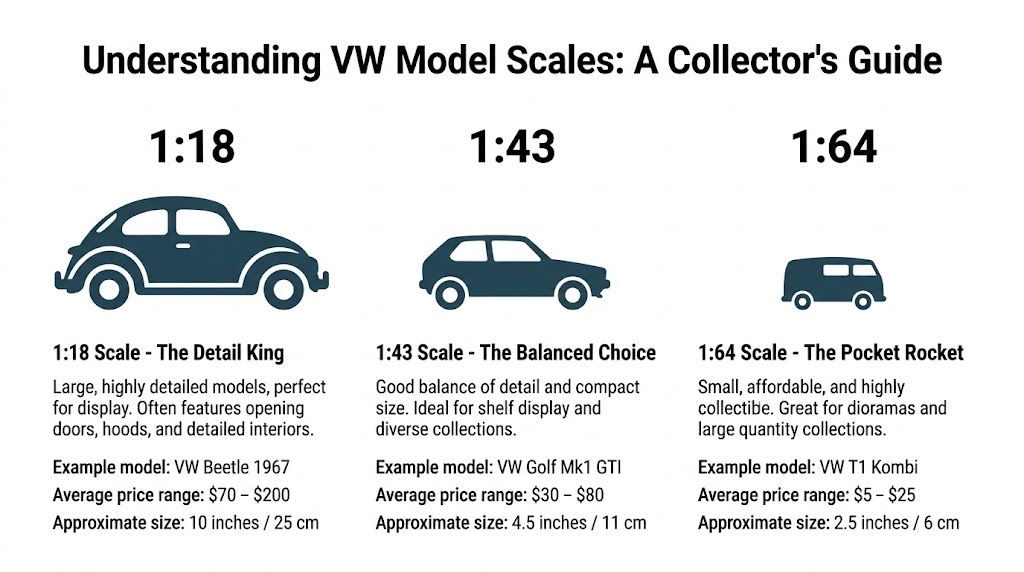
- Scale detail: Mention whether it's 1:18, 1:24, or another scale.
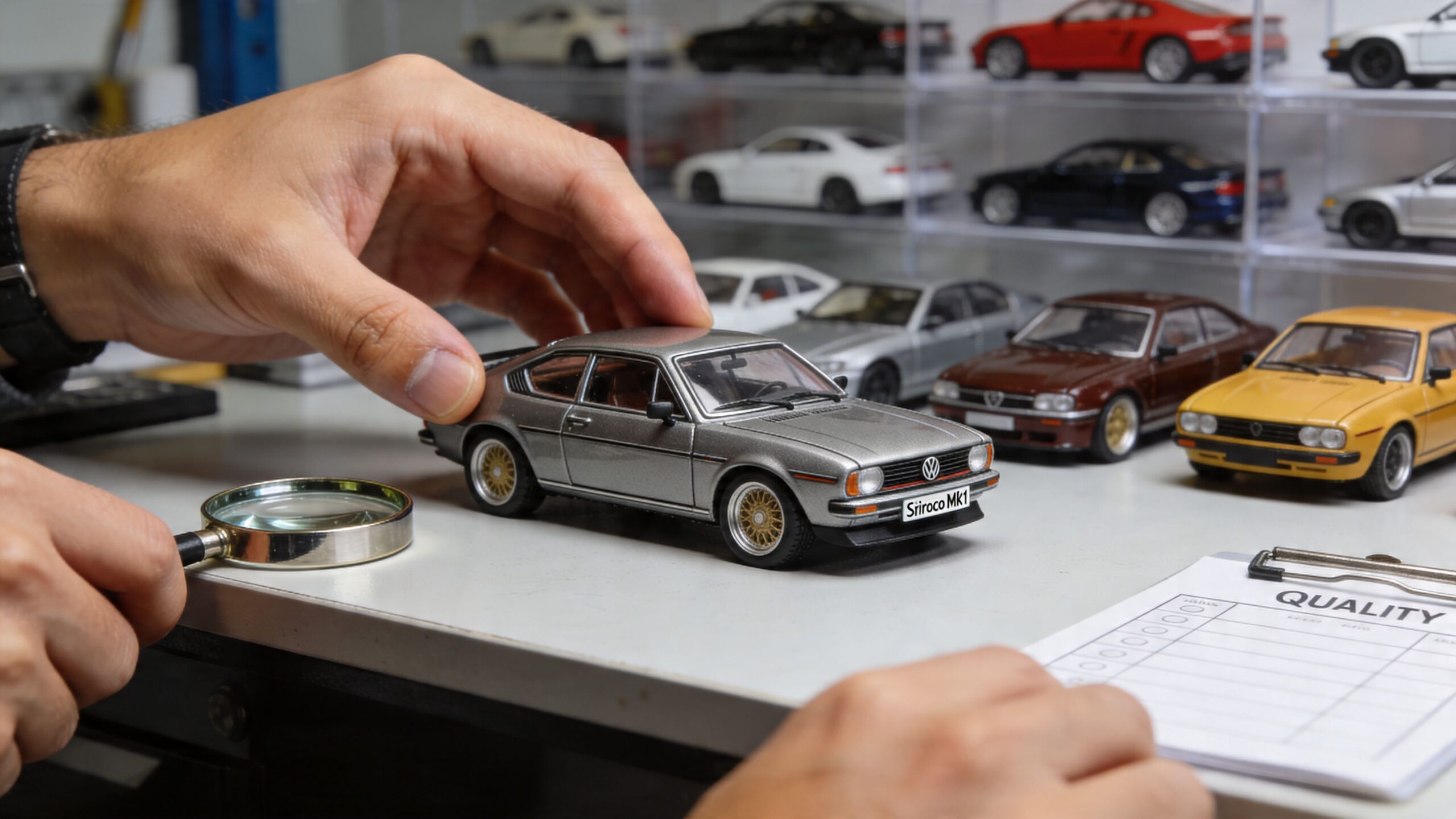
- Condition notes: Be clear about box condition, paint, moving parts, or display wear.
- Edition status: If it's a limited run, say so plainly.
That last point matters. In the Australian diecast market, limited-edition models with fewer than 500 units can appreciate by 35 to 50 per cent more than mass-produced versions, especially for classic Kombis, according to Redline Diecast's analysis of diecast investing.
Before and after examples
| Before | After |
|---|---|
| collectible VW bus | Licensed Volkswagen Kombi Samba Bus Diecast, Limited Edition Collectable |
| Beetle toy model | Volkswagen Beetle Model Car, Boxed Collectable for Display |
| VW van for sale | Buy Diecast Kombi Model, Classic VW Van Collectable in Gift-Ready Box |
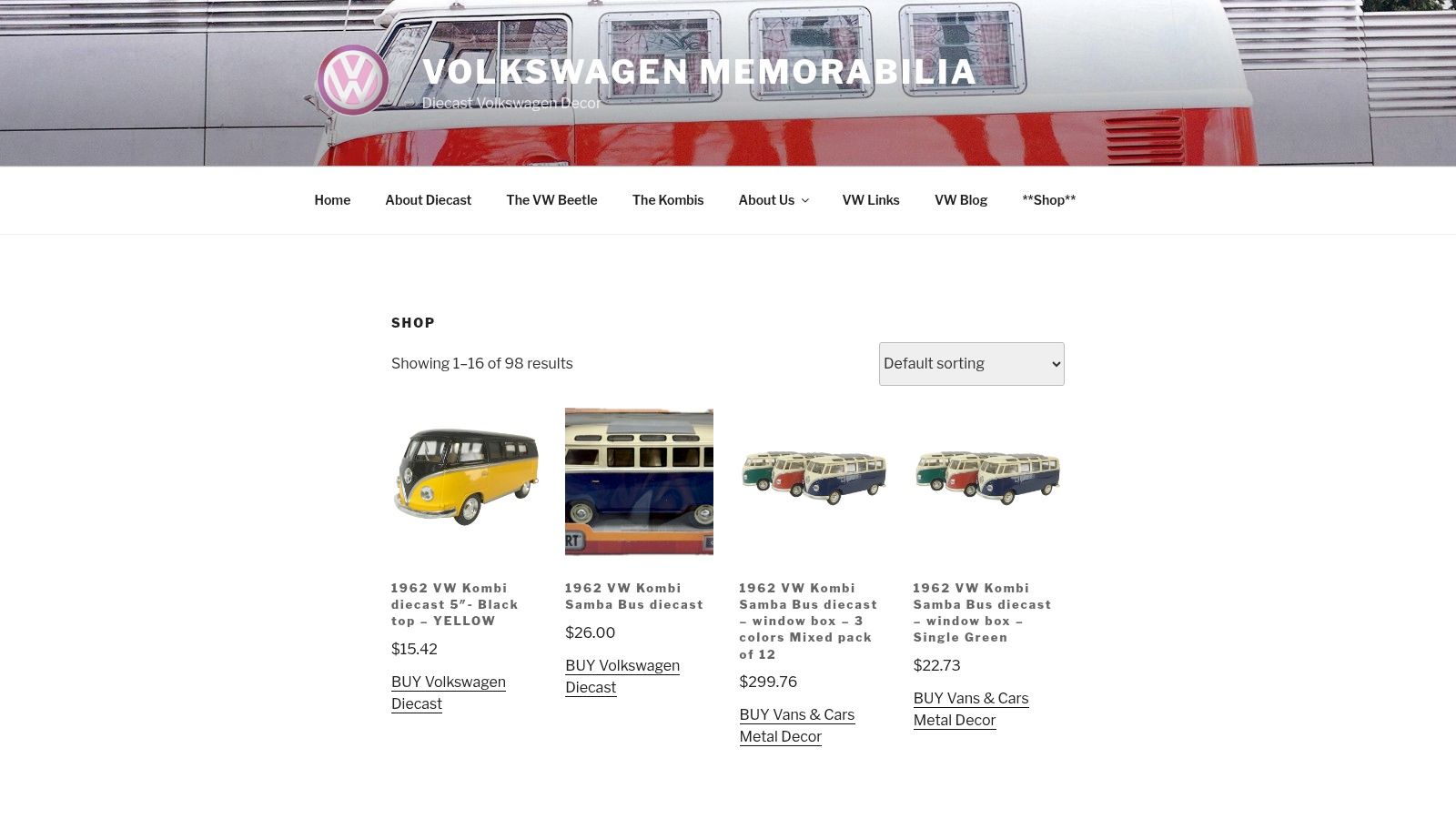
If you're browsing ideas for naming conventions, scales, and model wording, it helps to study how dedicated Volkswagen model car collections are grouped and described.
Seller's shortcut: Don't use “collectable” as fluff. Use it after you've shown why the piece deserves the label.
That's the difference between a title that sounds padded and one that sounds credible.
Our SEO Strategy for VW Memorabilia
If I were setting up an Australian VW store from scratch, I'd standardise on collectable as the primary spelling across category pages, product titles, and blog articles. It gives the whole site a consistent local voice.
Why one main spelling works better
Search engines can understand close variants, but people still respond to clarity. If half your pages say collectable and the other half say collectible, the site can feel messy. A single house style keeps product pages, image labels, and category names aligned.
That's especially sensible in Australia because toys, which include diecast models, are the second most-collected category in the country at 33% of all collectors, according to the Sterling Currency summary of the 2025 State of Collectables Report. In other words, there's a big local audience for this niche, and speaking their language helps.
How to use the American spelling without losing your voice
You don't need to ignore collectible. You just need to place it carefully.
A sensible approach looks like this:
- Primary copy uses collectable: Page titles, headings, and main descriptions stay in Australian English.
- Secondary references use collectible: Tags, search synonyms, and occasional blog phrasing can catch American spelling habits.
- Product-specific keywords stay concrete: “VW memorabilia collectibles” can work as a search phrase, but it should sit beside sharper terms like “Volkswagen Beetle model” or “buy diecast Kombi”.
The local importer edge
For Australian buyers, spelling is only part of trust. The other part is confidence in the seller. Local stock, faster shipping, and support during local business hours are practical advantages, especially when you're buying a gift or a fragile diecast piece you want packed properly.
That's why the strongest SEO strategy isn't only about keywords. It's about matching the expectations behind the search. Someone typing “VW Kombi diecast Australia” usually wants an Australian seller, local delivery, and a clear product description written by someone who understands the hobby.
A good keyword strategy gets the click. Local credibility gets the order.
That applies whether the buyer is after a boxed Beetle for the study shelf or a Kombi Samba Bus model to sit beside coastal décor in the lounge room.
Your Collectable Questions Answered
Does the spelling matter for hashtags on social media
Yes, a bit. Use both if you can do it naturally. For an Australian audience, I'd lead with #collectable, then add #collectible if the platform and caption suit it. Social discovery is looser than on-page SEO, so covering both spellings can help without making your caption look odd.
Should I use both spellings in product tags
Yes, but don't cram both into the title. Keep the visible title clean with collectable, then use collectible in backend tags, image names, or supporting copy. That gives you broader reach without making the listing feel clunky.
Is one spelling better for vintage pieces and the other for new releases
Not really. The better distinction is audience, not age. A mint new Beetle release can still be called a collectable in Australia, and a vintage Samba Bus can still appear under a collectible search from an overseas buyer.
What about display items that aren't diecast, like décor or signs
Use the same principle. If it's part of a VW-themed display, collectable works well in Australian-facing copy. For pieces you want to protect and show off properly, pairing them with proper display cases for models or dedicated shelving also helps reinforce that they're valued items, not random ornaments.
The short answer is simple. If you're writing for Australians, lead with collectable. If you're selling online, make room for collectible behind the scenes.
If you're keen to add something special to the shelf, the study, or the gift list, have a look through Volkswagen Memorabilia. You'll find licensed Volkswagen diecast models, Kombi and Beetle favourites, coastal-inspired VW pieces, and local Australian stock with friendly support and fast shipping.